
Converting an electric golf cart to gas may be possible for a particular vehicle, but compatibility needs a model-specific assessment. Installing an engine involves more than replacing the batteries. The project must address power transmission, mounting, controls, fuel storage, exhaust and the vehicle’s operating limits. Before researching how to convert electric golf cart to gas, identify the cart’s model, year and original drivetrain. Then, compare a qualified conversion assessment with the cost of repairing the electric system or purchasing a factory-built gas cart.
Search results often mix three different projects: a complete electric-to-gas conversion, an engine replacement in an existing gas cart, and a generator-powered electric setup. These projects require different components and checks. A kit or video showing one approach does not establish compatibility with your cart. This guide explains the questions to resolve before buying parts or approving work.
Difference Between Electric and Gas Systems
Electric systems are known for their smooth operation and quiet performance. They use a combination of batteries and a controller to deliver consistent power to the motor. Gas systems rely on engines, fuel lines, tanks, and filters. These parts work together to create power through combustion. Before starting a conversion, it helps to understand how different these systems are. This understanding provides a clearer picture of what may be needed during the conversion process.
Why Someone Might Consider a Conversion
Owners may think about converting an electric cart to gas for various reasons. Some prefer the idea of refueling quickly rather than charging batteries. Others enjoy the sound and feel of a traditional engine. In some cases, a cart may already need major repairs, which leads owners to consider other options. Learning what motivates the idea helps determine whether conversion is the right choice. Every cart owner has different needs, so identifying those needs early helps guide the decision process.
Identify The Project Before Choosing Parts
Check what the proposed system actually changes. Product descriptions sometimes use “conversion” for an engine swap in a cart that already runs on gas. Other projects retain the electric drive motor and use a gasoline engine to generate electricity. Neither example proves that a kit supports a complete electric-to-gas drivetrain replacement.
| Project Type | What It Changes | What To Confirm |
|---|---|---|
| Electric-to-gas drivetrain conversion | Replaces electric propulsion with an engine-driven arrangement | Compatibility with the original electric chassis, axle, controls and proposed drivetrain |
| Gas-engine replacement | Replaces an engine in an existing gas cart | Original gas model, year, engine fitment and required supporting parts |
| Generator-powered electric setup | Uses a gasoline engine to supply electricity while retaining electric propulsion | Electrical design, control compatibility, mounting and fuel/exhaust arrangements |
Have a qualified technician identify the project type before preparing a parts list. Do not assume that a kit supports your vehicle because its title includes the same brand or model name.
What Is Required for a Conversion
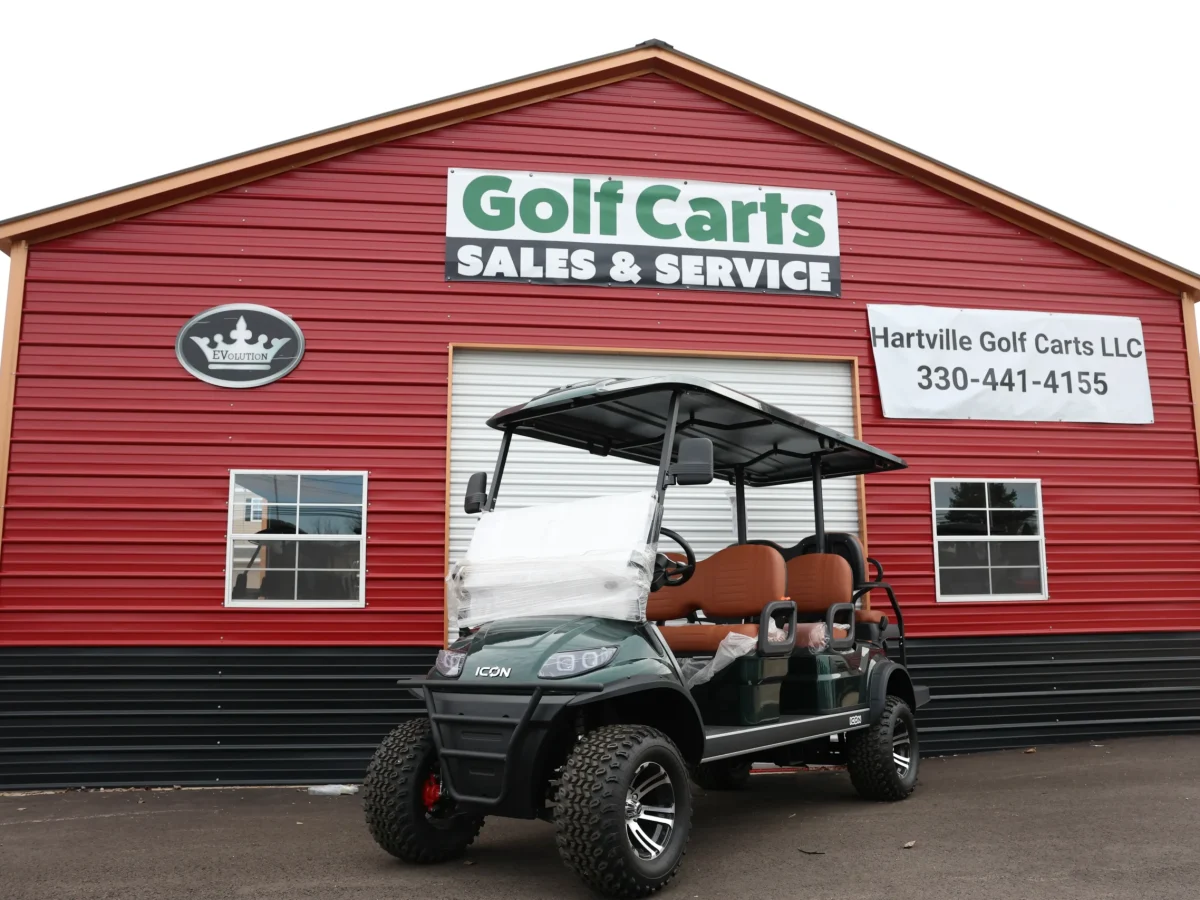
The process typically requires an engine, mounting brackets, a fuel tank, throttle linkage, exhaust piping, a clutch system, and wiring changes. It also involves building or modifying a frame to support these new parts. Each component must align properly for the cart to run smoothly. Owners who enjoy hands on mechanical projects may find this type of work interesting. However, understanding the parts list helps ensure that nothing is overlooked during planning. A dealership such as Hartville Golf Carts can help answer questions about general cart specifications before any conversion begins.
Evaluating Space and Frame Compatibility
A feasibility assessment must cover the complete vehicle, rather than only the space left by the batteries. Give the technician the model, year, identification number and details of previous modifications. Use the following checklist to establish what needs investigation before approving a conversion.
- Original drivetrain: Identify the motor, controller, axle, gearing and existing controls.
- Mounting and clearance: Assess available space, service access, structural condition and proposed mounting loads.
- Power transmission: Confirm how the proposed engine would connect to compatible drive components.
- Braking and loading: Assess the effects of changed weight, weight distribution and intended performance.
- Fuel system: Review tank location, protection, securing arrangements and routing.
- Exhaust and heat: Assess passenger exposure, hot surfaces, nearby components and fire risks.
- Controls and electrical systems: Review starting, stopping, throttle return, protective devices and accessory power.
- Warranty and insurance: Ask the relevant companies how the proposed changes affect coverage.
- Intended use: Confirm property restrictions and any applicable registration, inspection or road-use requirements.
A completed checklist does not itself approve the project. The technician must resolve the findings and document the proposed configuration.
Choosing the Right Engine
Selecting an engine is one of the most important steps in the conversion. Many owners consider small engines that offer balanced power and compatibility with golf cart size. The engine choice affects performance, fuel efficiency, and ease of installation. While there are many options available, choosing one that fits the frame and driving expectations is key. Understanding engine specifications helps guide the selection and ensures that the final installation works properly.
Installing Engine Mounts and Brackets
Once an engine has been selected, it needs secure mounting. This requires brackets or a custom mount that holds the engine firmly in place. Proper alignment helps the drive system work correctly and reduces vibration. Installing mounts involves measuring, drilling, and placing hardware so the engine sits evenly. This step is often considered the foundation of the conversion process, since everything else is connected to the engine installation.
Adding the Fuel Tank and Fuel Lines
A gas powered system needs a functional fuel tank. Electric carts typically do not have a built in space for one, so owners must create a secure location. Fuel lines must also be routed safely to avoid heat or moving parts. Maintaining proper airflow and fuel flow is part of keeping the engine running as expected. Taking time to understand how fuel travels from the tank to the engine keeps the process smooth.
Understanding Exhaust and Ventilation
Exhaust planning must address carbon monoxide exposure, hot surfaces and nearby fuel or electrical components. Routing fumes away from a seat does not establish that the arrangement is safe. A qualified reviewer must assess the complete installation and intended operating conditions. Do not run a gasoline engine inside a garage or another enclosed or partly enclosed space. Open doors or windows do not make indoor engine operation safe. The CDC’s guidance on carbon monoxide from small gasoline engines explains why these engines create serious exposure risks.
Connecting the Throttle System
The throttle controls engine speed, so it needs to connect properly to the pedal. Electric carts often use a sensor based throttle, while gas carts use mechanical linkage. Installing linkage involves positioning cables or rods that connect to the carburetor or throttle body. Making this connection smooth and responsive helps ensure that the cart accelerates naturally. Testing the pedal response after installation keeps the driving experience consistent.
Working With the Electrical System
Even though the cart is being converted to gas, some electrical components remain important. The starter, ignition, lighting, and accessories all require power. Owners must ensure the wiring harness is compatible with the new system. This process includes creating connections for the starter solenoid, ignition switch, and charging components. Electricity still plays a key role in the operation of a gas engine, so wiring needs careful attention.
Evaluating Cost and Time Commitments
A dependable conversion price requires a quote for the exact cart and proposed system. A kit price alone does not establish the completed cost. The engine, drivetrain components, fabrication, controls and inspection work may involve separate charges. Ask the supplier and technician to identify what each quoted amount includes. Compare the completed scope with an electric repair estimate and a suitable factory-built gas cart.
| Quotation Item | What The Written Estimate Should Confirm |
|---|---|
| Kit or mounting package | Exact fitment, included components and exclusions |
| Engine | Whether included or separately supplied |
| Drivetrain components | Required axle, transmission, clutch or other compatible parts |
| Fabrication | Mounting, structural work and other custom requirements |
| Fuel, exhaust and controls | Parts, installation and protective arrangements |
| Electrical work | Starting, charging, wiring and accessory requirements |
| Labor | Estimated hours, hourly rate and approval process for extra work |
| Inspection and testing | Scope, responsibility and acceptance criteria |
| Additional expenses | Shipping, tax, disposal and applicable administrative charges |
| Alternatives | Separate electric-repair and replacement-cart quotations |
No verified completed conversion case or model-specific quotation supports a universal total here. Obtain an itemized estimate before committing. Ask for the expected completion period after the design, parts availability and inspection requirements are clear.
Understanding When Conversion May Not Fit Your Needs
Conversion is possible, but not everyone finds it practical. Some owners prefer to keep their cart in its original design because it offers convenience, reliability, and familiarity. Others enjoy exploring new options by switching to a gas system. Understanding personal preferences and driving habits is important before making a decision. Since every golf cart owner has different expectations, the choice depends on what best supports long term use and enjoyment.
Compare three written scopes before deciding. Each option solves a different problem, and the lowest initial parts price may not represent the lowest completed cost.
| Option | When To Consider It | What To Check |
|---|---|---|
| Repair the electric cart | The existing vehicle otherwise suits your needs | Diagnosis, repair cost, battery condition and remaining component condition |
| Commission a conversion | A qualified assessment supports the exact project | Complete installed cost, compatibility evidence, support and intended-use restrictions |
| Buy a purpose-built gas cart | You want a complete gas vehicle without commissioning a custom drivetrain | Purchase price, vehicle condition, warranty terms, maintenance and suitability |
A failed battery pack does not automatically make conversion the best choice. Likewise, buying another cart may be unnecessary when a defined repair restores the existing vehicle. Compare the same intended use, expected ownership period and support needs across all three options.
Exploring Modern Gas Golf Cart Options
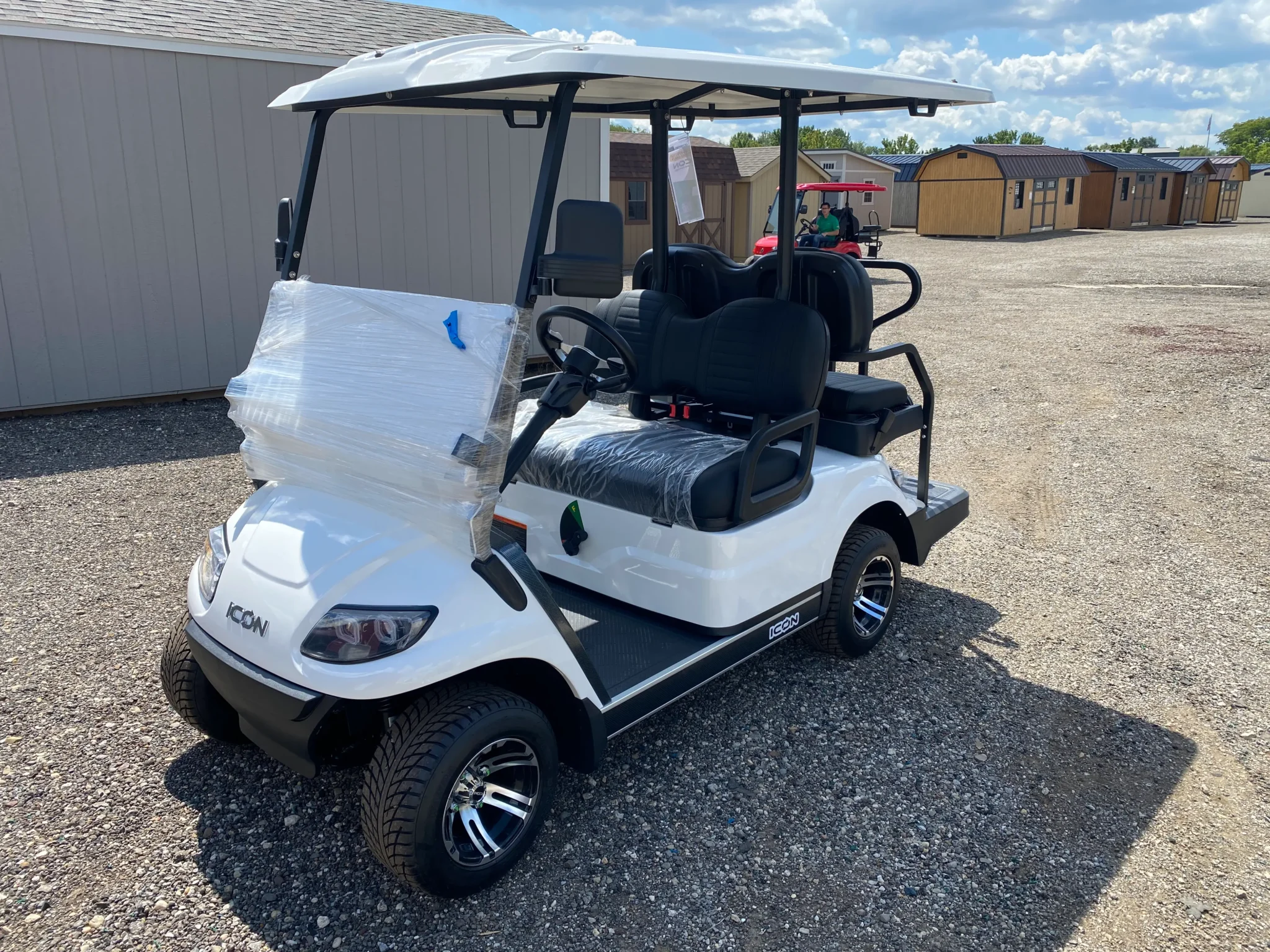
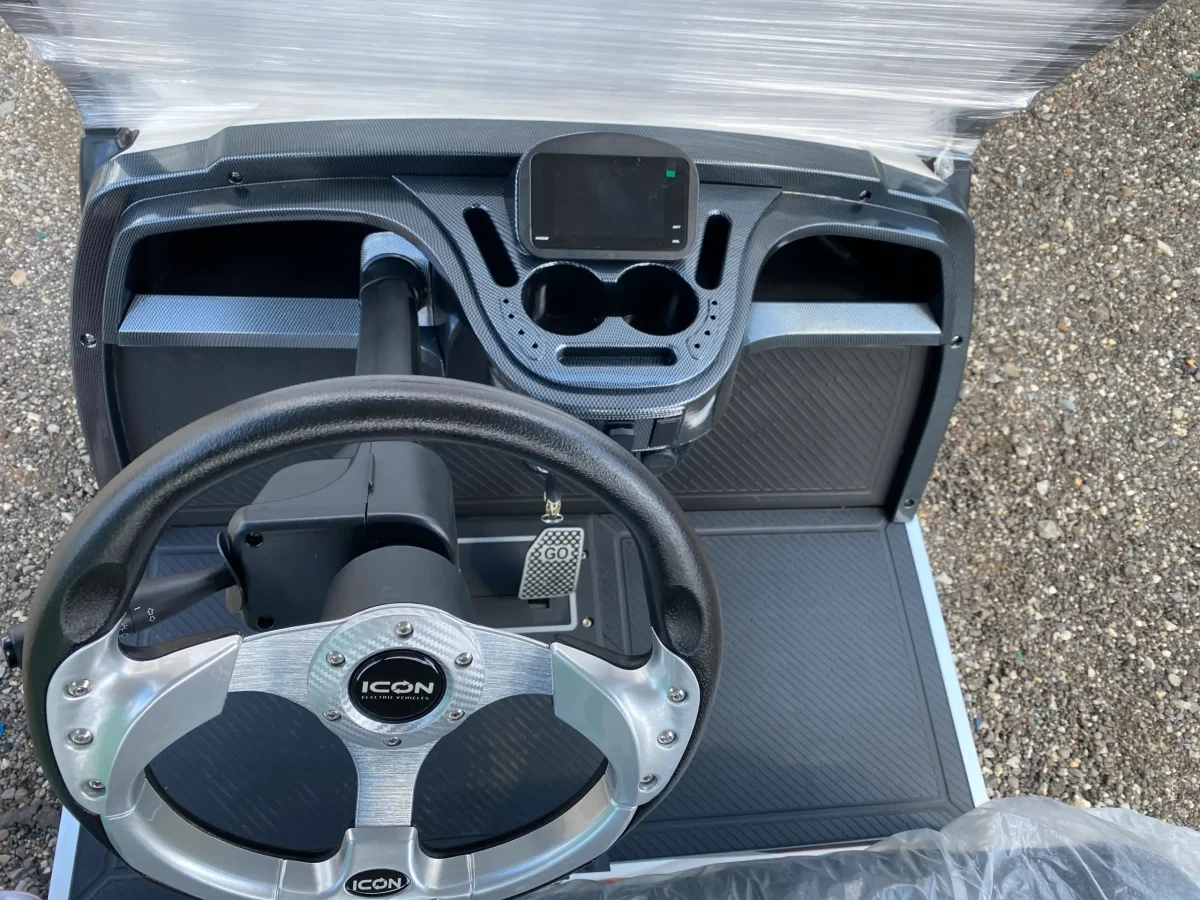
For owners interested in the performance and feel of a gas powered system, exploring dedicated gas models can be helpful. Models such as the Icon G60L (Gas) offer strong engines, smooth handling, and comfortable seating. Choosing a ready built gas cart is an alternative to conversion that some owners prefer, especially if they want a complete factory designed system. Exploring available models provides a clear sense of what modern gas carts offer and how they fit different driving styles.
Why Some Owners Choose to Keep Their Electric Carts
Electric carts continue to appeal to many owners because they offer quiet operation and easy charging. They work well for shorter trips and neighborhood driving. Some people appreciate the simplicity of an electric system and prefer to maintain it rather than convert. Electric carts come in many designs and sizes, making them flexible for a variety of uses. Understanding how electric systems work helps owners decide whether to continue using them in their original form.
Building Confidence Through Research
Before beginning any conversion project, research builds confidence. Watching tutorials, reading guides, and learning from other owners makes the process smoother. Understanding how each system works ensures that the project remains safe and manageable. Owners who take time to study their cart and plan carefully often enjoy the project more. Taking small steps and learning as you go is part of the experience.
Safety Precautions to Keep in Mind
Safety should remain a top priority during any project. Working with engines, wiring, and fuel requires patience and attention. Wearing protective equipment, using proper tools, and working in a well ventilated area supports a safe environment. Testing each part of the system after installation keeps the cart running reliably. Small habits lead to a better overall experience with the project.
When to Ask for Professional Guidance
Some steps in the conversion process may require tools that owners do not have, or they may involve mechanical knowledge that takes time to develop. When this happens, reaching out for guidance is a practical choice. Dealerships and mechanical professionals can offer insight into cart specifications and compatibility. If owners have questions about general maintenance or parts, the contact page at Hartville Golf Carts provides a convenient way to get more information.
Conclusion
Deciding how to convert electric golf cart to gas starts with identifying the exact vehicle and the type of project. Confirm compatibility before choosing an engine or kit. Then, compare a complete written conversion scope with repairing the electric system and purchasing a purpose-built gas cart. Generic parts lists cannot establish the cost, safety or legal eligibility of your particular vehicle. For general maintenance questions or help comparing available carts, contact Hartville Golf Carts. Ask whether the team can assess your specific request before assuming that it offers custom conversion work.