
Lithium batteries store electrical energy through controlled chemical reactions and release it when a device or vehicle needs power. So, how do lithium batteries work in practical terms? Inside the battery, lithium ions move between two electrodes while electrons travel through an external circuit. That flow of electrons provides usable electricity. During charging, the process reverses and the battery stores energy again. This ability to recharge repeatedly has made lithium batteries common in phones, laptops, electric cars, solar storage systems, and modern golf carts.
Golf cart manufacturers increasingly use lithium systems because they can reduce battery weight, maintain steady voltage, and require less routine maintenance than traditional flooded lead-acid batteries. Although different lithium chemistries exist, they all rely on the controlled movement of ions and electrons to store and deliver power.
The Basic Lithium Battery Process
A lithium battery contains a positive electrode, negative electrode, electrolyte, separator, and current collectors. In a rechargeable lithium-ion battery, lithium ions move between the positive and negative electrodes as the battery charges and discharges. When the battery powers a device, lithium ions travel through the electrolyte while electrons take a separate path through the external electrical circuit. Those electrons provide the electrical energy that runs a motor, phone, light, or other equipment.
During charging, an external power source forces the process in the opposite direction. Lithium ions return toward the negative electrode, where the battery stores energy until it is needed again. This reversible movement allows lithium batteries to complete many charging cycles.
Inside A Lithium Battery Cell
The separator plays an important role inside each cell. It keeps the positive and negative electrodes from touching directly while still allowing lithium ions to move through the battery. Direct contact between the electrodes could create an internal short circuit. The electrolyte provides the pathway that allows lithium ions to travel between the electrodes. Meanwhile, electrons cannot pass directly through the electrolyte, so they travel through the external circuit instead. That separation creates usable electrical current.
A single cell produces a limited voltage. Battery manufacturers combine multiple cells into modules or packs when an application needs more voltage or energy. Electric vehicles and golf carts use larger battery packs because their motors require much more power than small electronics.
Lithium Battery Charging Explained
Charging sends electrical energy back into the battery. The charger applies the correct voltage and current, which pushes lithium ions toward the negative electrode. The battery stores this energy chemically until the user needs it again. Charging speed depends on battery chemistry, temperature, charger capacity, and the battery’s current charge level. Lithium batteries often charge faster during the earlier part of the cycle. The charging system then reduces current as the battery approaches full capacity.
Using the correct charger matters. A charger designed for lead-acid batteries may not follow the charging profile required by a lithium system. Modern golf carts with lithium packs therefore use compatible chargers and electronic controls designed around their specific battery chemistry.
The Role Of A Battery Management System
Most large lithium battery packs include a battery management system, usually called a BMS. This electronic system monitors battery voltage, temperature, current, and state of charge. It helps keep the cells within safe operating limits. The BMS can reduce or stop charging when voltage becomes too high. It can also limit discharge when the battery reaches a low charge level. Temperature monitoring helps protect the pack when conditions become too hot or cold.
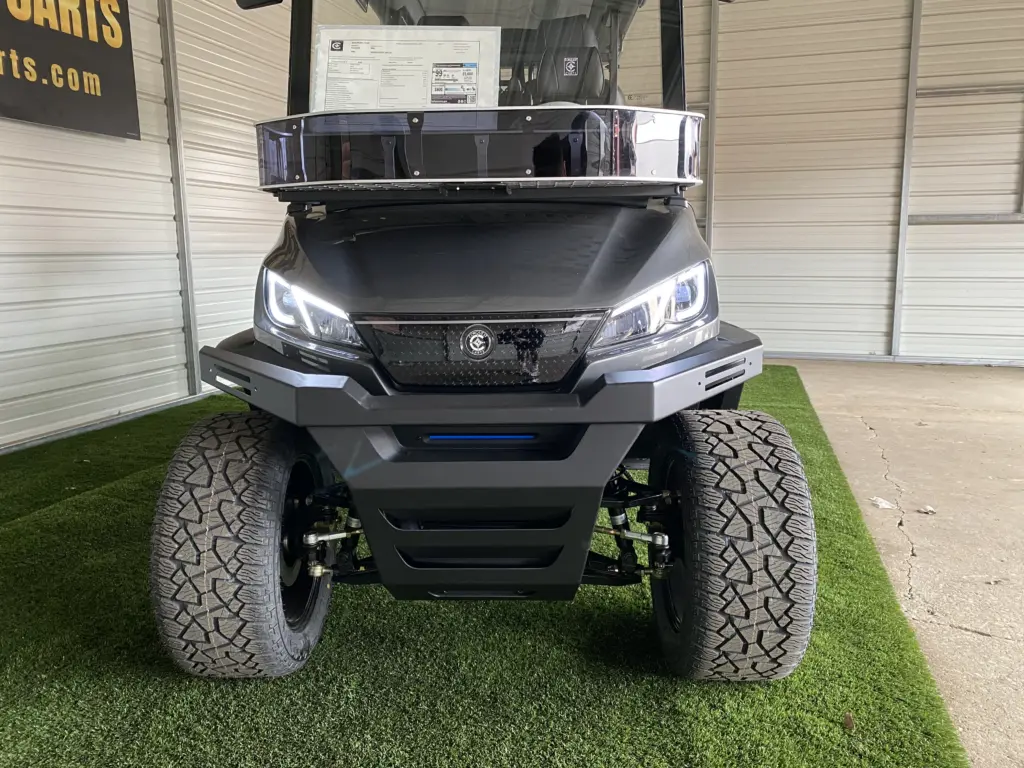
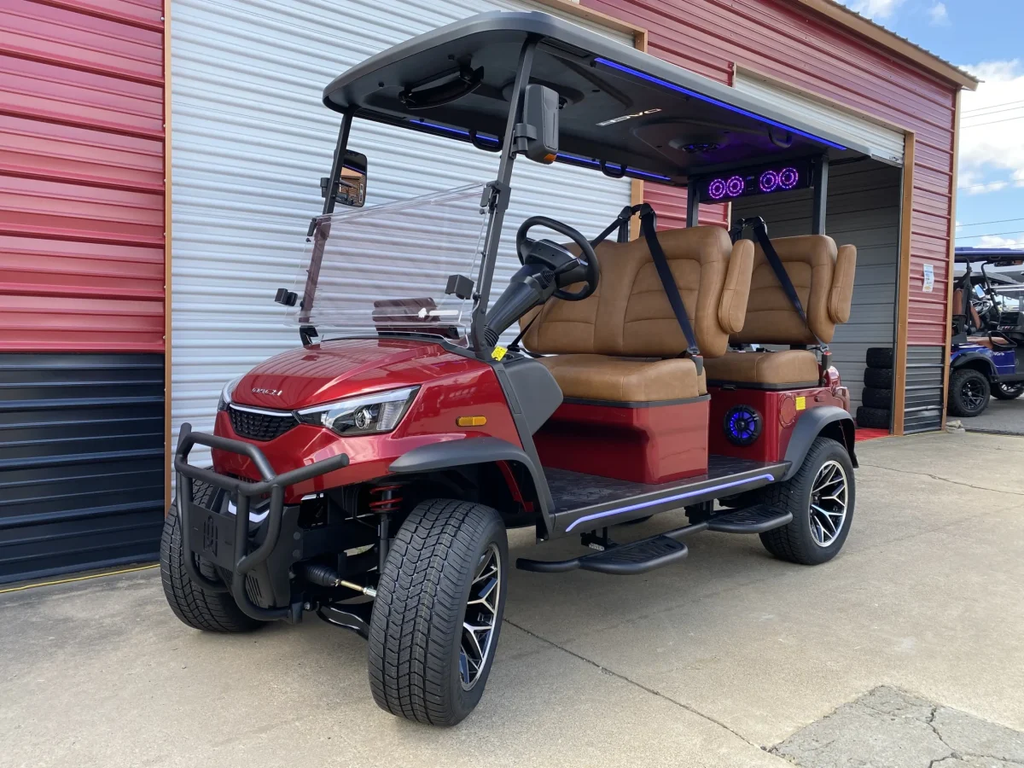
This technology is particularly useful in electric transportation. Models such as the Conquest S40L Golf Cart use modern lithium battery systems that provide reliable power for everyday driving. Battery electronics help these carts manage charging and power delivery more efficiently.
Weight Advantages Over Lead-Acid Batteries
One reason lithium technology has become popular in electric golf carts is its lower weight. Lead-acid batteries contain heavy lead plates, and a complete golf cart battery bank can add substantial weight to the vehicle. Lithium batteries can store a similar amount of usable energy in a lighter package. Reducing battery weight means the electric motor has less total mass to move. That can help acceleration, efficiency, and overall handling.
Lower weight can also make battery installation and replacement easier. However, lithium systems still need proper mounting and electrical protection. Owners should use batteries designed for their cart rather than installing an incompatible pack simply because it weighs less.
Lithium Power In Modern Golf Carts
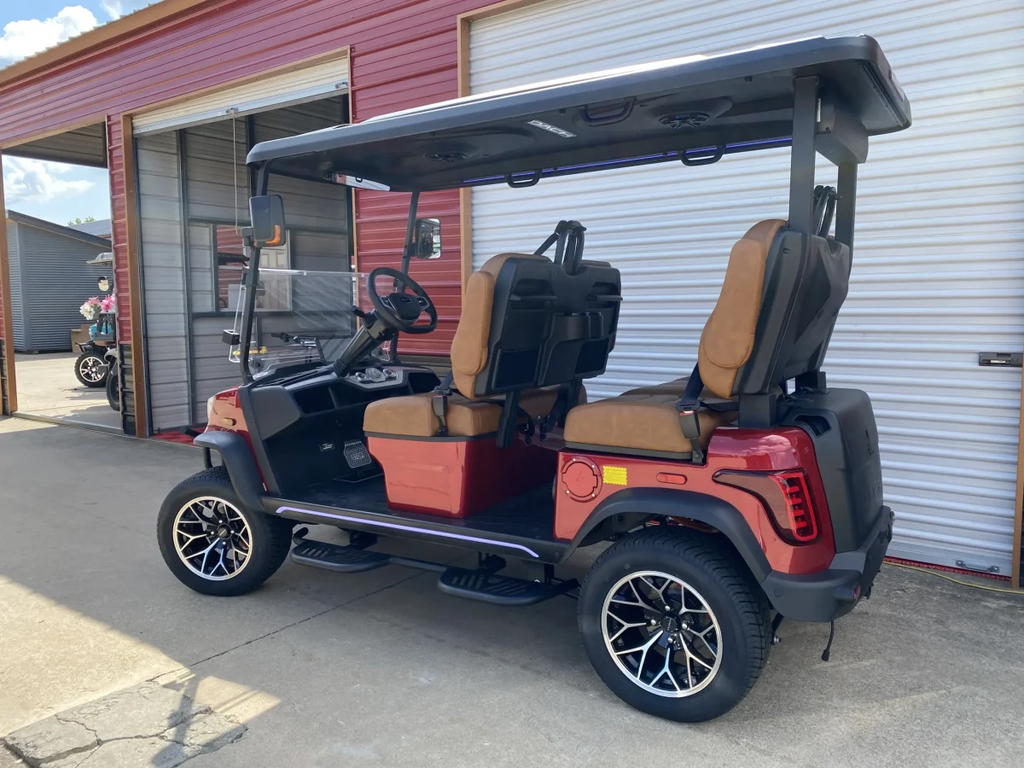
A lithium golf cart battery stores energy and supplies direct current to the vehicle’s electrical system. When the driver presses the accelerator, the controller regulates how much power reaches the motor. The motor converts that electrical energy into mechanical rotation that turns the wheels. The battery does not send maximum power continuously. The controller changes output based on throttle position, vehicle speed, and system demands. This allows the cart to accelerate smoothly and use energy more efficiently.
Modern electric carts also benefit from the steady voltage characteristics of lithium batteries. A lithium system can maintain more consistent performance through much of its charge cycle compared with some lead-acid batteries. Buyers interested in current electric options can compare models in the Evolution Golf Carts lineup, where lithium technology appears across modern cart designs.
Common Lithium Battery Chemistries
Lithium-ion describes a broad family of rechargeable battery technologies. Different chemistries use different materials in the electrodes. Common examples include lithium nickel manganese cobalt oxide and lithium iron phosphate. Lithium iron phosphate, often called LiFePO4 or LFP, has become popular in golf carts, RVs, solar systems, and some electric vehicles. It offers strong cycle life and good thermal stability. Other lithium chemistries can provide higher energy density, which makes them useful in applications where maximum energy storage matters.
The U.S. Department of Energy explains that lithium-ion batteries are widely used in electric vehicles because they offer high energy efficiency and favorable power-to-weight performance. The specific chemistry still determines how a battery behaves over time.
Battery Lifespan And Safe Operation
Lithium batteries gradually lose capacity as they age. They usually do not stop working suddenly after reaching a specific number of charging cycles. Instead, they store slightly less energy over time. Temperature has a major effect on lifespan. Excessive heat can accelerate chemical aging, while extremely cold conditions can temporarily reduce available performance. Charging habits, depth of discharge, and battery chemistry also influence long-term durability.
Golf cart owners can help protect battery life by using the correct charger and following the manufacturer’s storage recommendations. Avoiding unnecessary deep discharge can also help in many applications. A properly managed lithium system can remain useful through many years of normal golf cart operation.
Are Lithium Batteries Safe?
Lithium batteries are generally safe when manufacturers design them correctly and users follow proper charging and handling practices. Problems can occur when cells suffer severe physical damage, internal defects, overheating, or incorrect charging. Large battery packs use protective systems to reduce these risks. The BMS, fuses, temperature sensors, and cell protection features work together to keep voltage and heat within acceptable limits.
Owners should never puncture, crush, or open a lithium battery pack. A swollen, leaking, damaged, or unusually hot battery needs professional attention. Golf cart owners can use the Hartville Golf Carts Service Department for battery inspection and electric cart service rather than attempting unsafe repairs on a high-capacity pack.
Lithium Batteries Vs Lead-Acid Batteries
Lead-acid batteries have powered electric golf carts for decades, and they remain a practical option. They generally cost less upfront, but flooded versions may require water checks, terminal cleaning, and more routine maintenance. Lithium batteries usually cost more initially. In return, they can offer lower weight, faster charging, longer cycle life, and less routine maintenance. They also provide more consistent voltage during use.
The best option depends on the cart, budget, driving habits, and expected ownership period. Someone who uses a golf cart frequently may value faster charging and lower maintenance more than a buyer who only drives occasionally.
Conclusion
Understanding how do lithium batteries work starts with the movement of lithium ions between two electrodes. During discharge, electrons travel through the external circuit and provide usable power. During charging, the process reverses and stores energy again. Battery management systems help control voltage, current, temperature, and charging to keep modern lithium packs operating safely.
This technology has become especially important in electric golf carts because lithium batteries can reduce weight, maintain consistent power, and require less routine maintenance than many traditional lead-acid systems. Hartville Golf Carts offers modern electric golf carts and professional service for owners who want to compare lithium-powered options, maintain an existing cart, or understand which battery system best fits their driving needs.