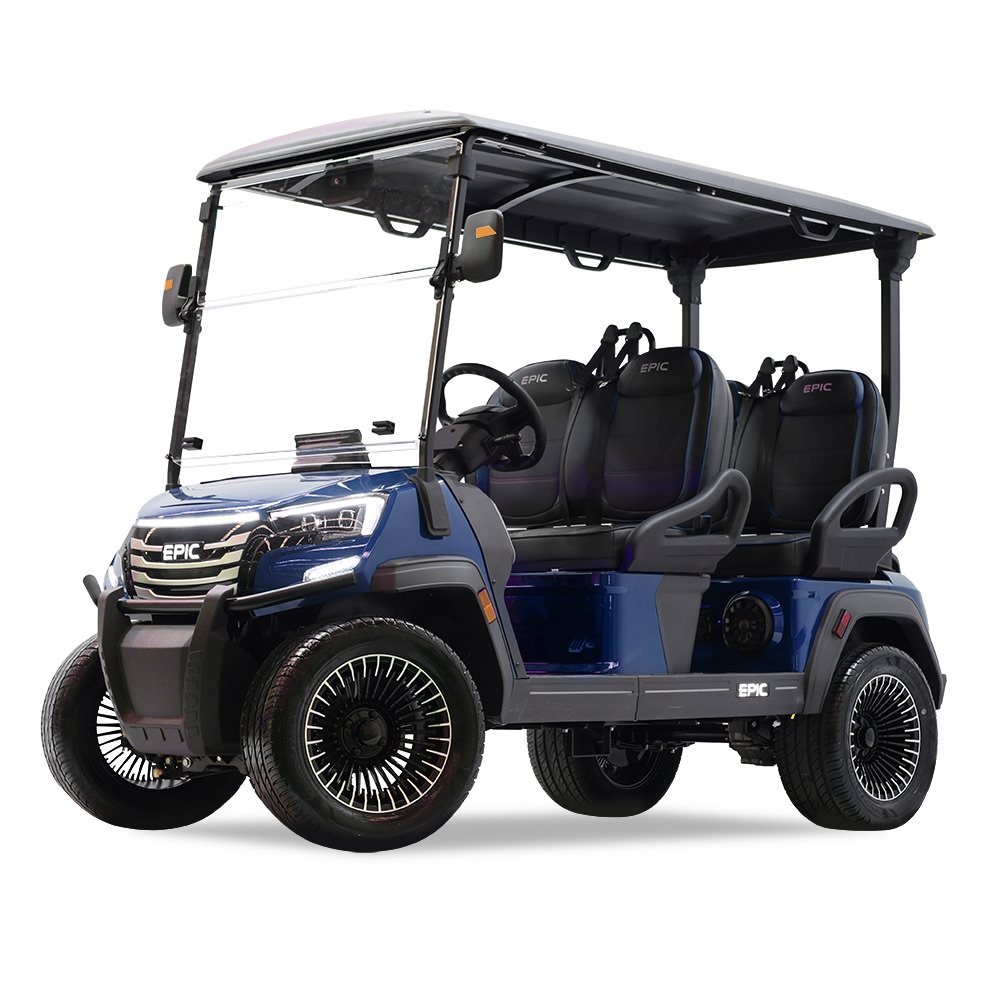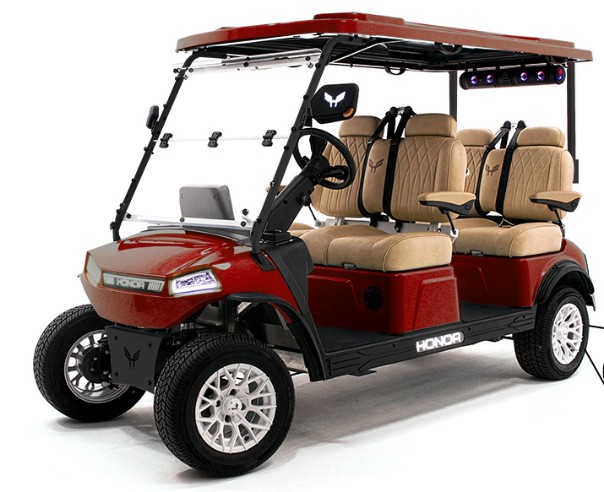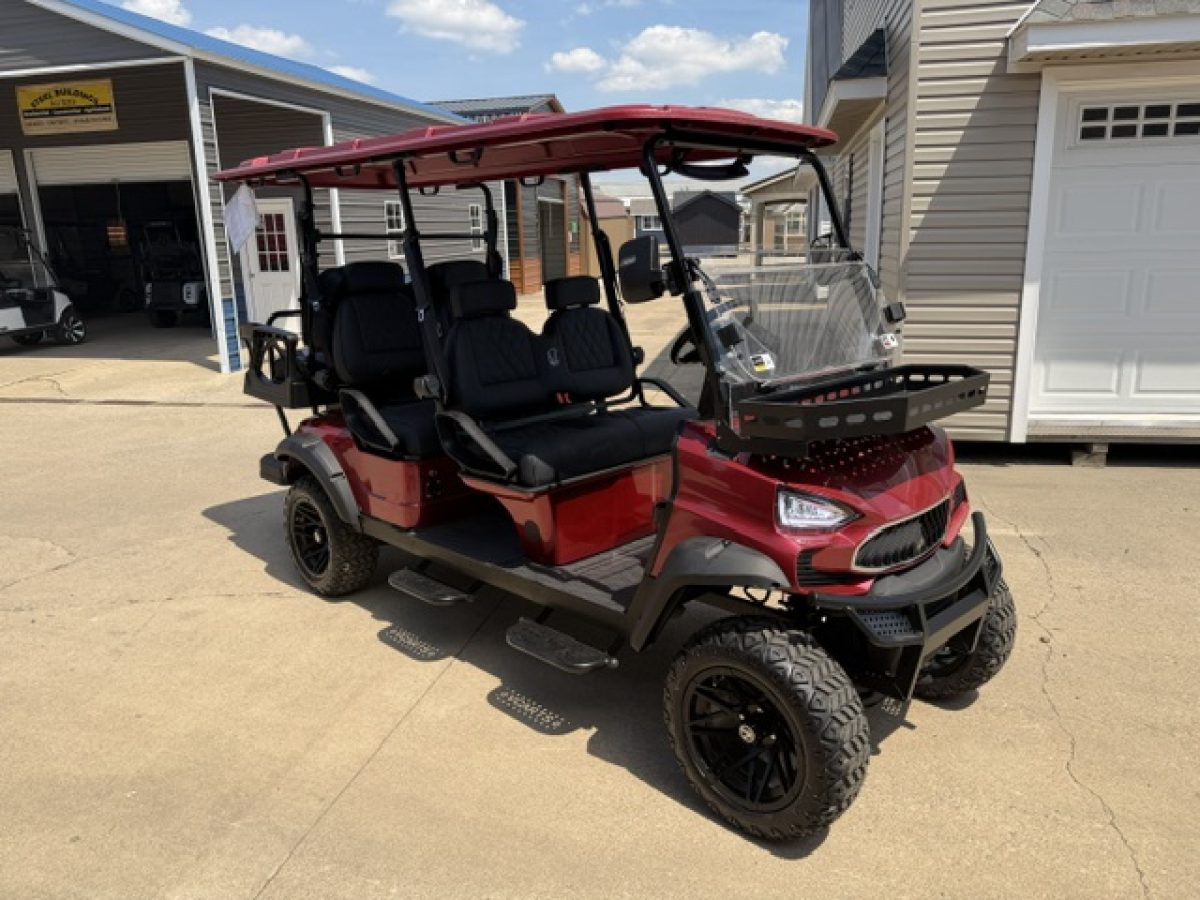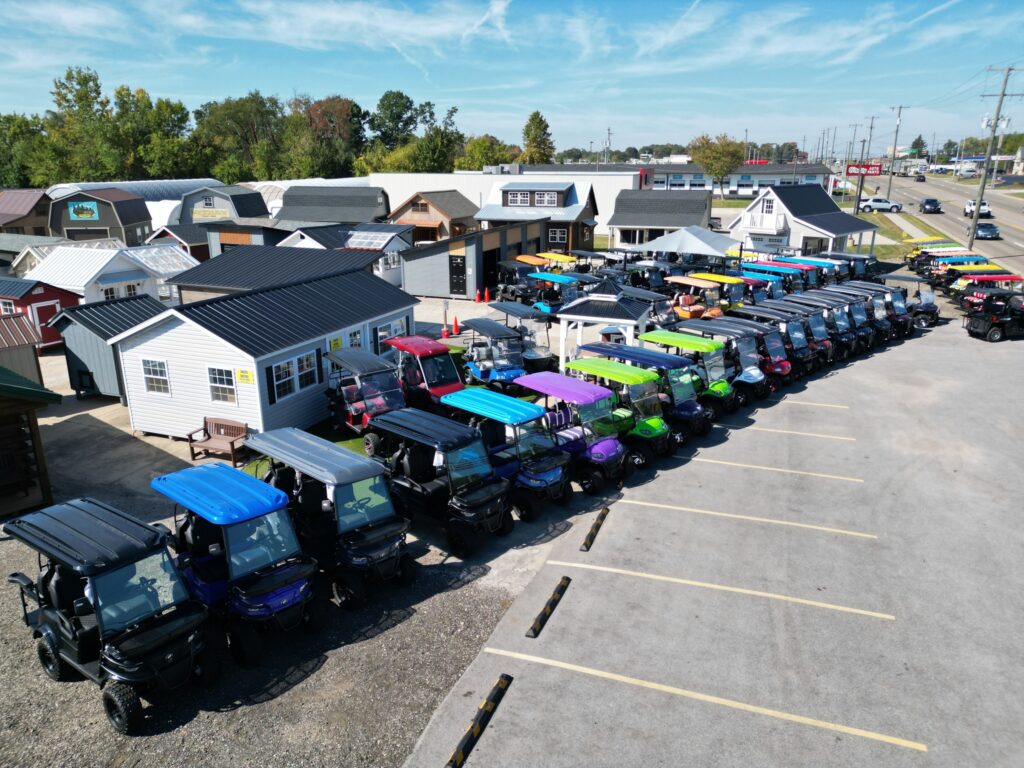

Golf carts are designed for controlled low-speed travel, but many owners want better acceleration or a higher top speed for neighborhood driving, private property, or recreational use. If you want to know how to make a golf cart faster, the right upgrade depends on whether your cart is electric or gas-powered. Electric carts may respond to controller programming, motor upgrades, battery improvements, gearing changes, or larger tires. Gas carts usually depend more on engine condition, governor settings, gearing, and overall drivetrain health.
Before modifying anything, check the cart’s current condition because weak batteries, dragging brakes, worn tires, or poor engine maintenance can make a cart feel slower than it should. Increasing speed also changes how the cart brakes, handles, and carries passengers, so performance upgrades should support the whole vehicle rather than just the motor. Hartville Golf Carts offers modern electric carts and service options that can help owners compare upgrades before spending money on parts that may not match their cart.
Start With Maintenance Before Modifying Anything
The first step is making sure the cart already performs as well as it should in factory condition. Electric golf carts can lose speed when batteries weaken, cables corrode, tire pressure drops, or brakes begin dragging. Gas carts may slow down because of dirty air filters, old spark plugs, fuel delivery problems, or incorrect throttle adjustment. These problems can reduce acceleration enough that owners assume they need a motor or engine upgrade when they actually need basic maintenance. Check tire pressure, battery charge, electrical connections, brakes, wheel bearings, and steering components before changing performance parts. A properly maintained cart gives you a clear baseline for judging whether future upgrades actually improve speed.
Battery condition deserves special attention on electric models. Weak lead-acid batteries often experience voltage drop under load, which can make a cart accelerate slowly or lose speed on hills. Lithium batteries usually maintain voltage more consistently through the discharge cycle, so they may make the cart feel stronger even when top speed stays the same. For gas models, make sure the engine starts easily and reaches normal operating RPM without hesitation. Solving maintenance issues first also protects new performance parts. Installing a stronger motor or controller on a cart with poor connections, weak batteries, or dragging brakes can add stress without delivering the improvement you expected.
Use Speed Programming On Compatible Electric Carts
Some electric golf carts use electronic programming to limit maximum speed. On compatible models, a technician may be able to change the speed code or controller settings without replacing major hardware. This can be one of the simplest ways to make a golf cart faster because the original motor, battery pack, and drivetrain remain in place. The amount of improvement varies by manufacturer and model, but software changes may raise the programmed limit by several miles per hour. This option works best when the existing hardware already has enough capacity to support the higher speed.
Not every electric cart supports speed programming, so the controller and motor must be checked first. A speed code designed for one brand or controller should never be assumed to work on another. The Hartville Golf Carts Service Department offers electric cart speed code service for compatible models, along with battery and drivetrain support. Professional programming is also safer than experimenting with random controller settings because incorrect changes can affect acceleration, braking behavior, or component life. If programming provides enough improvement, you may avoid the expense of replacing the motor or controller.
Upgrade The Motor And Controller Together
The electric motor has a major influence on both top speed and torque. A motor designed for higher RPM can increase speed, while a torque-focused motor may perform better on hills or with heavy passenger loads. The right choice depends on how the cart is used. A cart driven mostly on flat pavement may benefit from a speed-oriented motor, while a lifted cart carrying several passengers may need stronger low-speed torque instead. Installing a motor simply because it has a higher speed rating can create disappointing results if the rest of the system cannot support it.
The controller should match the motor because it regulates how much current reaches the drivetrain. A stronger motor paired with a restrictive factory controller may not deliver its full potential. A higher-capacity controller can improve acceleration and support more powerful motor setups, but the battery, wiring, and contactors also need suitable ratings. Modern electric models, including options in the Conquest Golf Carts lineup, show how manufacturers match lithium batteries, controllers, and motors as one complete system. Owners modifying an older cart should follow the same idea rather than upgrading components independently.
Improve Battery Performance Without Exceeding System Limits
Battery health can strongly affect how an electric golf cart performs. Replacing worn batteries may restore lost acceleration and speed without changing anything else. Lithium conversions can also reduce vehicle weight and provide more consistent voltage during discharge. A lighter battery pack gives the motor less total mass to move, which can improve responsiveness and efficiency. Lithium systems also tend to require less routine maintenance than flooded lead-acid batteries, making them attractive for owners who want both performance and convenience.
However, owners should not increase battery voltage simply because higher voltage sounds faster. Motors, controllers, chargers, wiring, and other electrical parts have specific voltage limits. A 48-volt system should not automatically become a higher-voltage system unless every major component is designed for the conversion. Mismatched voltage can damage expensive parts and create electrical hazards. If you are considering a battery upgrade, compare voltage, capacity, weight, charging requirements, and controller compatibility rather than focusing on speed alone. A healthy, properly matched battery system provides a much better foundation for reliable performance.
Use Tire Size And Gearing Carefully
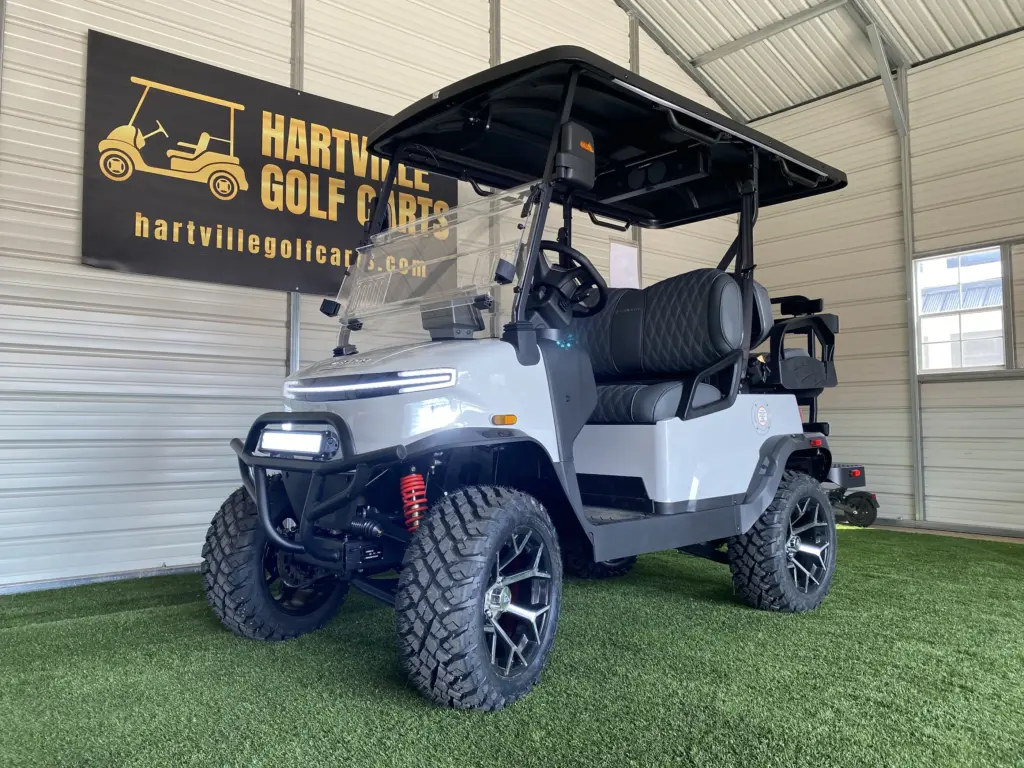
Larger tires can increase golf cart speed because each wheel revolution covers more distance. If motor RPM remains the same, a larger-diameter tire can raise top speed without changing the motor. This is why some lifted golf carts with oversized tires travel faster than similar carts using factory-size wheels. However, larger tires also change the effective gear ratio. The motor has to work harder to turn them, which can reduce acceleration and hill-climbing ability. Heavy wheels also add rotating mass, which may reduce efficiency and increase braking demands.
High-speed gears create a similar tradeoff. They allow the wheels to rotate faster for a given motor or engine speed, but they reduce low-speed torque. A cart used mainly on flat neighborhood roads may benefit from high-speed gearing, while a cart used on steep terrain may feel weaker after the same modification. Gear changes also require more mechanical work because the differential or transaxle may need to be opened. For most owners, this is better handled by an experienced technician. Tire and gear upgrades can work well, but they should match terrain, passenger load, and normal driving conditions.
Make A Gas Golf Cart Faster With Proper Engine Setup
Gas golf carts use a different path to higher speed because the engine provides power instead of a battery and electric motor. Many models use a governor to limit engine RPM. Adjusting the governor may increase speed on some carts, but excessive RPM can shorten engine life and place extra stress on belts, bearings, and drivetrain parts. Before changing governor settings, make sure the engine is healthy and operating within safe limits. A proper tune-up may restore enough lost performance that major modifications become unnecessary.
Engine maintenance should include clean air and fuel filters, a good spark plug, proper oil, correct throttle operation, and a healthy drive belt. If the cart still needs more speed, gearing changes may help. Some owners also use performance clutches or approved engine components, but every modification should match the engine and drivetrain. Gas carts that gain speed also need adequate braking and stable suspension. Increasing engine output without checking tires, steering, or brakes creates an unbalanced vehicle that may feel faster but less controlled.
Keep Brakes, Steering, And Suspension Ready For More Speed
Making a golf cart faster changes more than acceleration. A faster cart travels farther during the driver’s reaction time and requires more energy to stop. Worn brake shoes, loose steering joints, damaged wheel bearings, weak suspension bushings, or poor tires become more noticeable at higher speeds. Before increasing performance, inspect the entire chassis and repair anything that already feels loose or worn. Lifted carts deserve extra attention because a higher center of gravity can affect cornering stability.
Legal classification also matters once speed increases. The National Highway Traffic Safety Administration defines a federal low-speed vehicle as a four-wheeled motor vehicle capable of more than 20 mph but no more than 25 mph on a paved level surface, along with other requirements. A modified golf cart does not automatically become an LSV simply because it reaches that speed. Federal certification, state rules, registration, safety equipment, and local road laws may still apply. Owners should check these requirements before modifying a cart mainly for street use.
Conclusion
Learning how to make a golf cart faster starts with understanding what currently limits its performance. Maintenance should come first because weak batteries, low tire pressure, dragging brakes, or engine problems can make a healthy cart feel slow. Electric carts may gain speed through approved controller programming, motor and controller upgrades, lithium battery improvements, larger tires, or high-speed gearing. Gas carts may benefit from proper engine tuning, safe governor adjustments, and suitable gearing. Every upgrade has trade-offs involving torque, range, braking, handling, and component life.
The best setup is not simply the one with the highest top speed. It should match the terrain, passenger load, battery or engine system, and the roads where the cart will operate. Hartville Golf Carts offers modern electric golf carts and professional service for owners who want to compare performance options before modifying their vehicle. A balanced upgrade should make the cart quicker while keeping it reliable, controllable, and appropriate for everyday use.