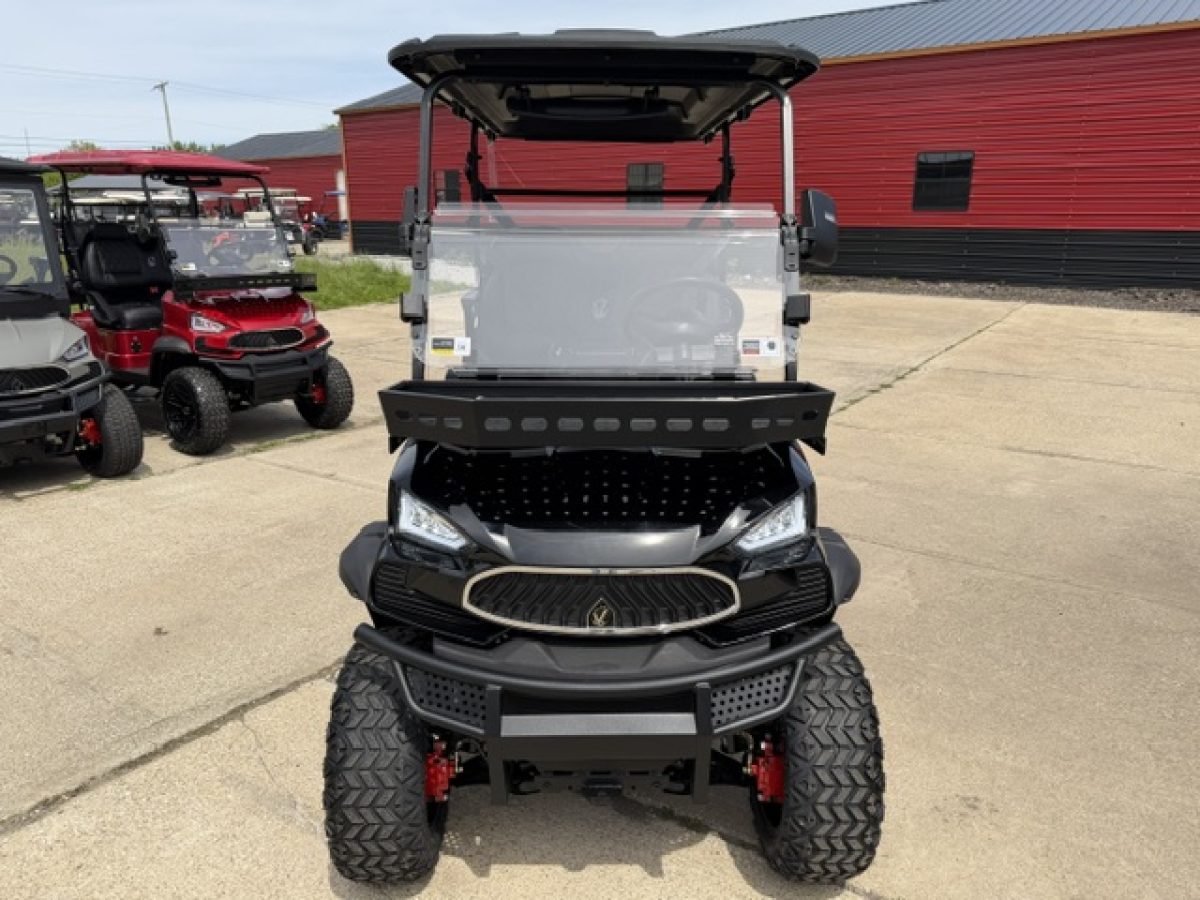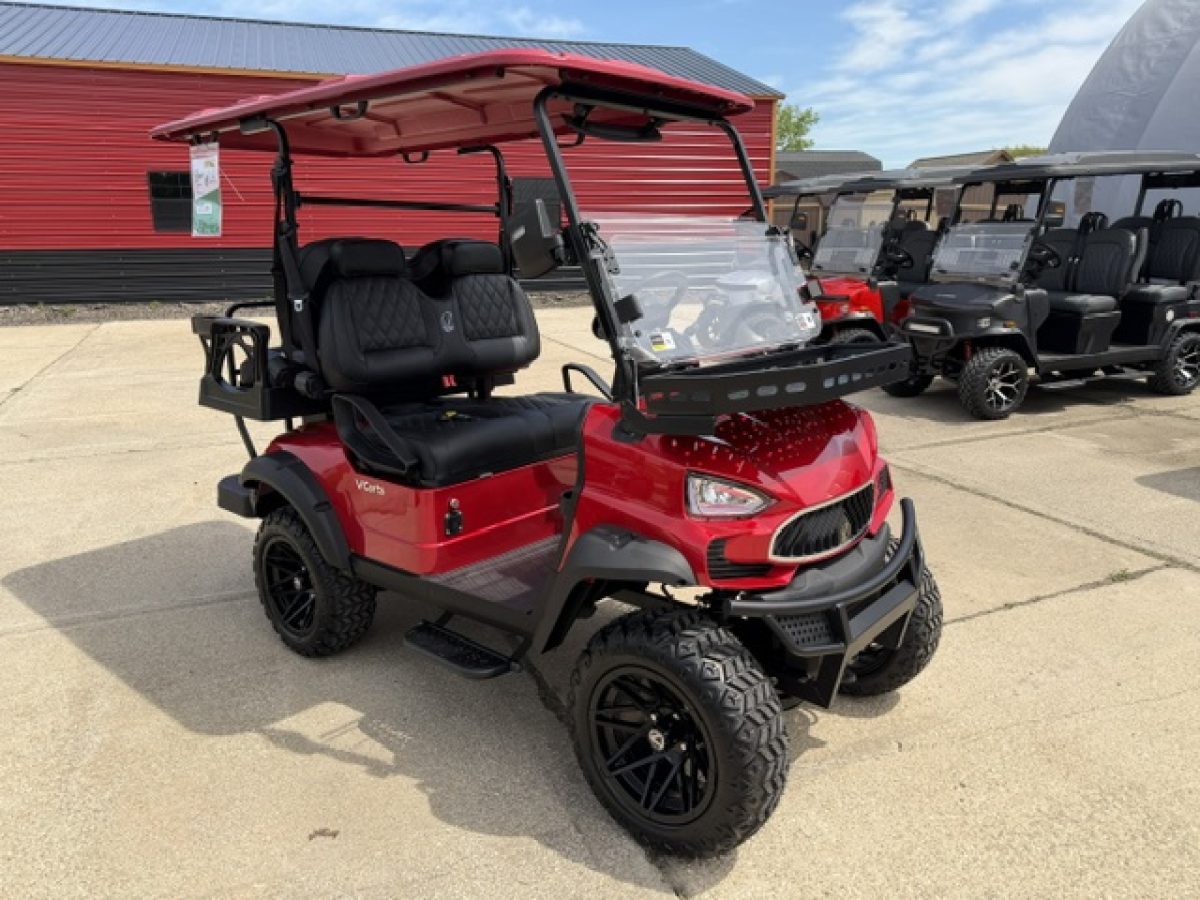

UTV width affects far more than appearance. It determines where the vehicle can travel, how easily it fits on a trailer, and whether it feels comfortable during long rides. That is why many buyers ask how wide is a UTV before choosing a model for trails, hunting, property work, or family recreation. Most UTVs measure between 48 and 72 inches wide. Compact models suit narrow trails, while wider machines provide more stability, cabin space, and cargo support. Understanding these differences helps buyers choose a UTV that fits their terrain, storage space, transportation setup, and everyday needs.
Smaller UTVs Usually Measure Around 50 inches wide
Many compact UTVs are designed around the 50-inch width category because some public trails and off-road parks restrict vehicle size. Narrower machines can navigate tight wooded trails and rocky terrain much more easily than larger utility-focused vehicles. Riders who spend most of their time exploring narrow off-road paths often prioritize smaller widths for better maneuverability.
These compact side-by-side vehicles also fit more easily into garages, utility trailers, and smaller storage spaces. However, narrower UTVs sometimes sacrifice passenger room and cargo capacity compared to larger models. Some buyers discover later that while the smaller width helps on trails, it may feel limiting for family transportation or utility work.
Wider UTVs Offer Better Stability
Larger side-by-side UTVs commonly measure between 60 and 72 inches wide. Manufacturers often increase width to improve suspension stability, passenger comfort, and high-speed handling. Wider wheel placement helps reduce body roll and improves confidence during rough terrain driving.
Families and recreational riders often appreciate the extra cabin room because passengers have more personal space during long rides. According to Polaris, wider utility and recreational UTVs are often designed to balance stability, cargo capability, and passenger comfort across difficult terrain conditions. That wider footprint also helps support larger suspension systems and heavier utility loads more effectively.
Trail Restrictions Make Width Extremely Important
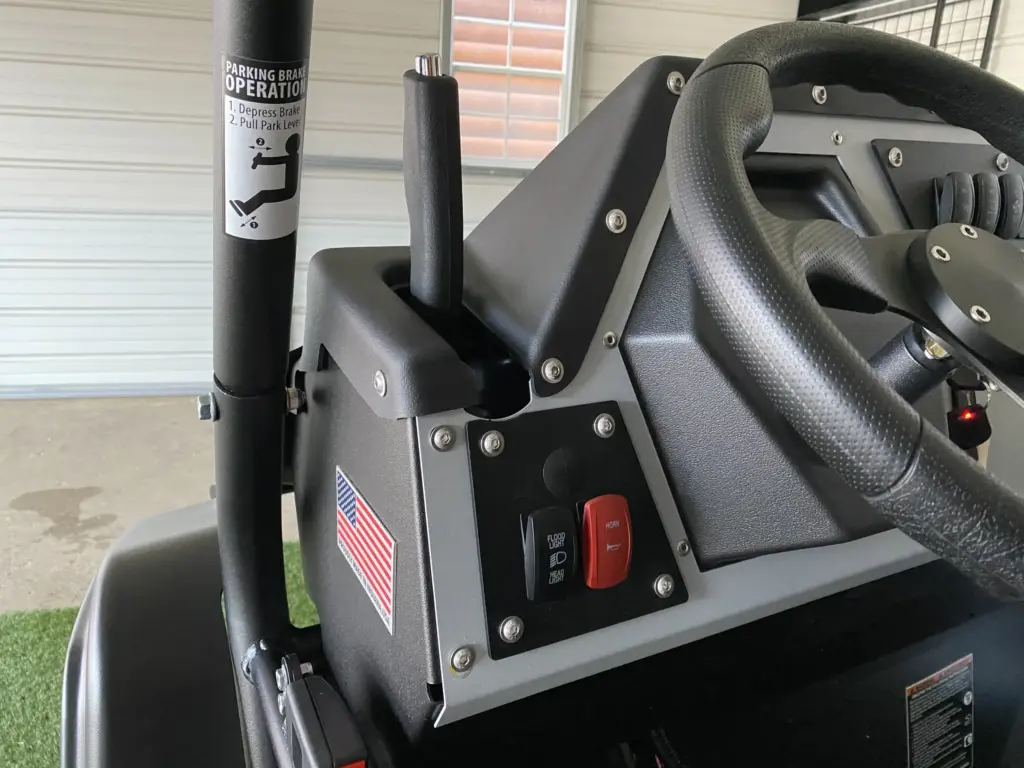
Many public trail systems enforce width restrictions to protect natural terrain and manage trail traffic safely. Some trails only allow vehicles under 50 inches wide, while others accommodate larger side-by-side machines comfortably. Buyers who ignore trail width rules sometimes discover their new UTV cannot legally access the areas they planned to explore most often.
Trail-focused riders should always research local trail regulations carefully before purchasing a UTV. National forests, off-road parks, and recreational trail systems often publish width requirements online. Understanding these restrictions early prevents major disappointment later.
Passenger Capacity Usually Increases with Width
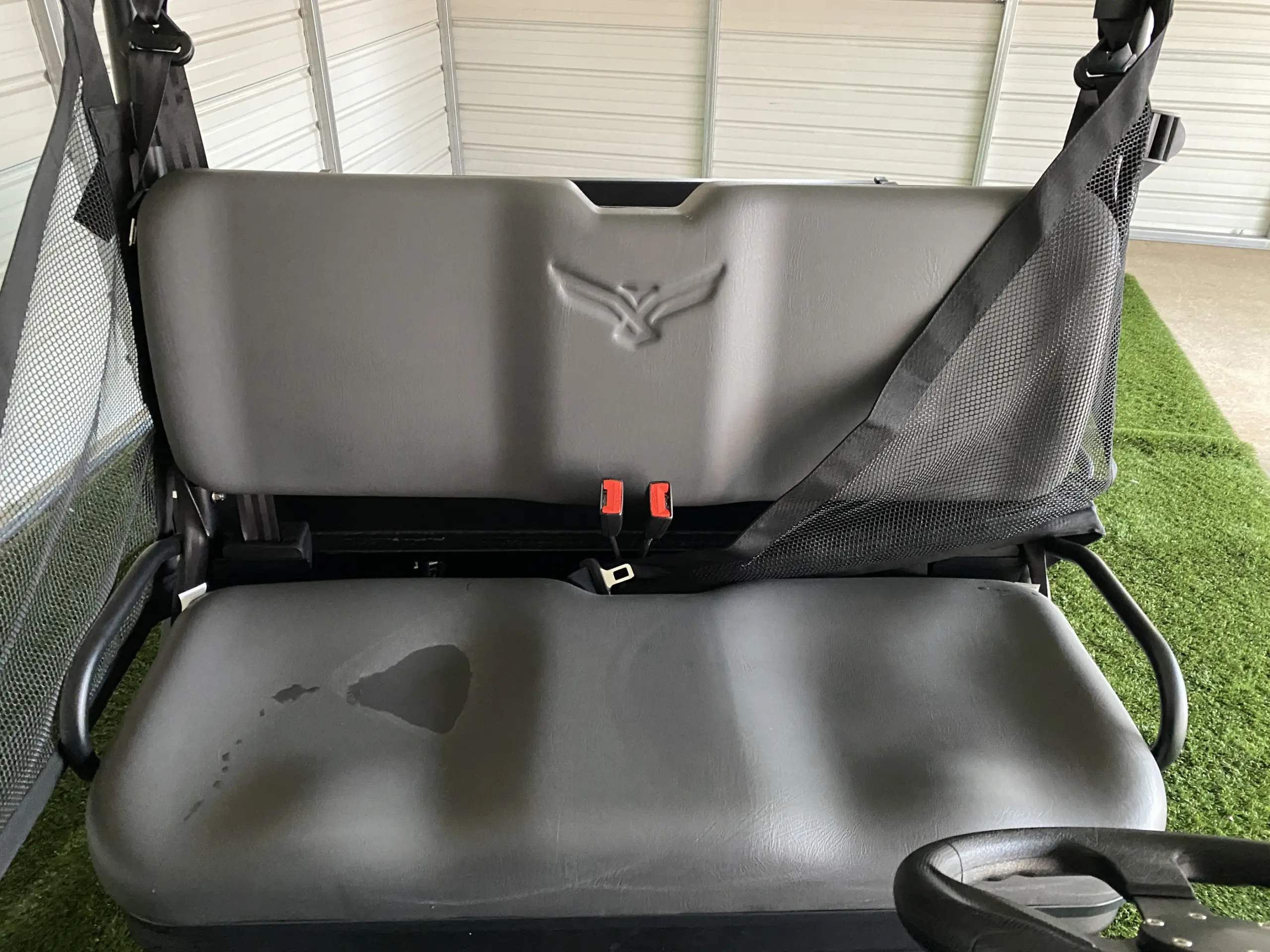
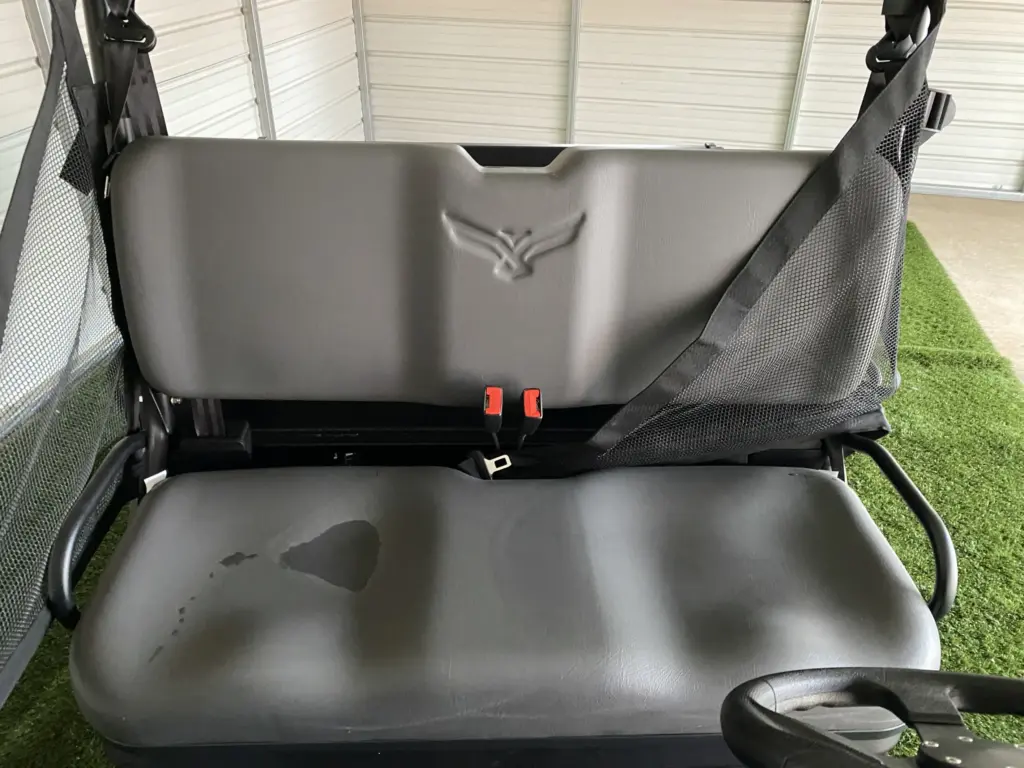
Passenger seating plays a major role in overall UTV width. Larger four-seat and six-seat models often require wider cabins and stronger suspension systems to support additional passengers comfortably. Utility-focused family vehicles prioritize comfort and stability over narrow-trail maneuverability.
Buyers planning to transport multiple passengers regularly should think carefully about how much cabin space they realistically need. Smaller, narrow models may feel cramped during longer rides, especially for adults carrying outdoor gear or supplies. Wider vehicles often create a more comfortable experience for family recreation and campground transportation.
Storage And Transportation Become Bigger Challenges
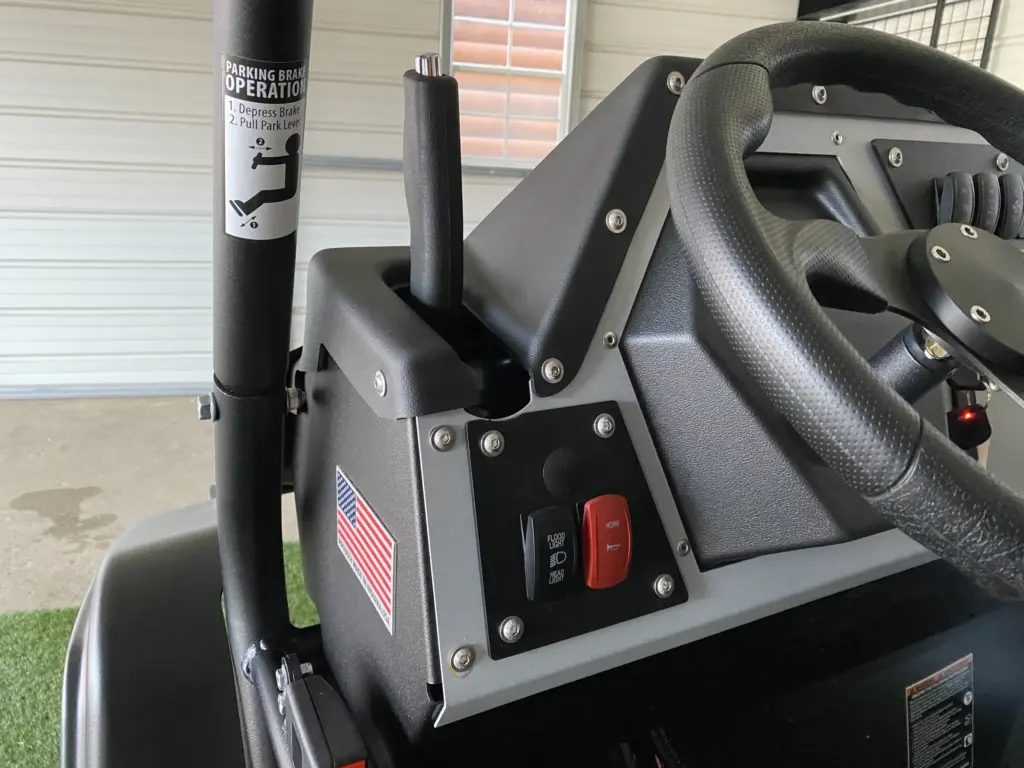
Wider UTVs require larger trailers, garages, and storage areas. Some buyers focus heavily on comfort and suspension upgrades without realizing their existing trailer or garage space may not fit the vehicle properly. Transporting a wider side-by-side also becomes more difficult in certain off-road environments or residential areas.
Measuring available storage space before purchasing helps avoid expensive surprises later. Owners should account for mirrors, tires, cargo accessories, and trailer ramp width when calculating total space requirements. Proper planning prevents many transportation headaches.
Accessories can also increase the vehicle’s total width after purchase. Side mirrors, wider tires, fender flares, and aftermarket suspension parts may add several inches. Buyers should measure the complete vehicle instead of relying only on the factory body width. This step matters when checking trailer ramps, garage doors, gates, and narrow trail entrances. A UTV that barely fits in standard form may become difficult to transport after common upgrades.
Wider UTVs Usually Feel More Comfortable
Passenger comfort often improves significantly in wider side-by-side vehicles because the cabin provides more shoulder room and easier movement. Long trail rides become much less tiring when passengers are not packed tightly together inside a cramped seating area.
Wider suspension systems also tend to absorb rough terrain more smoothly because the vehicle remains more stable during uneven driving conditions. Families and recreational riders often prioritize this extra comfort once they begin spending full weekends outdoors using the UTV regularly.
Narrow UTVs Still Have Advantages
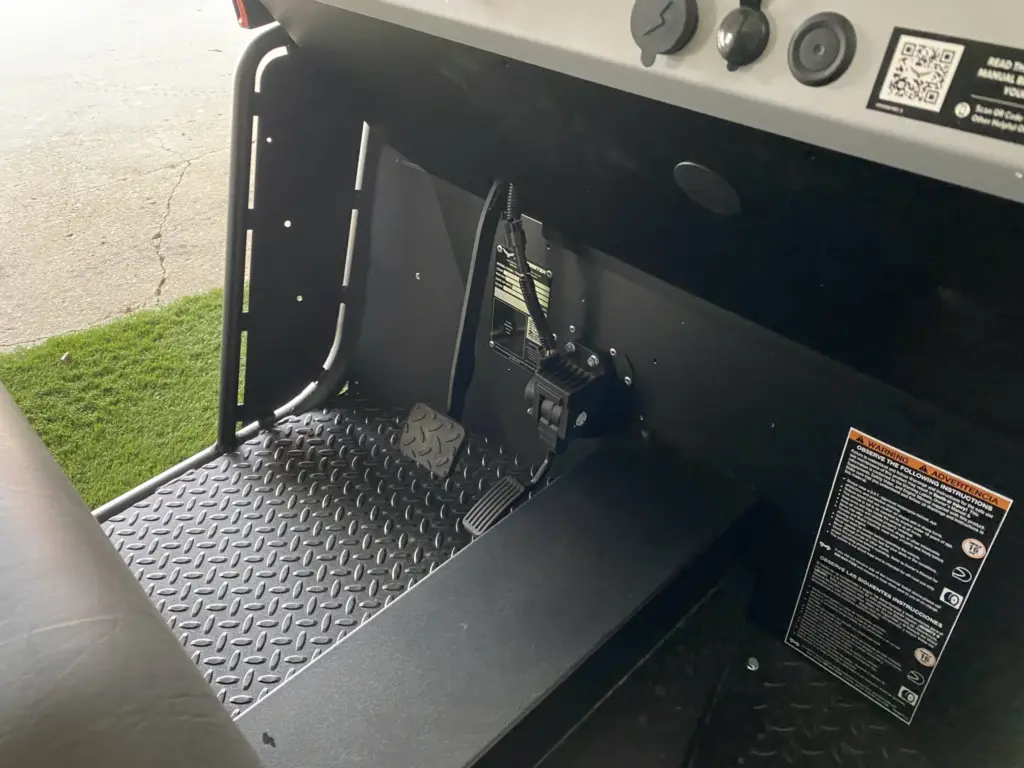
Although wider models provide better comfort and stability, narrow UTVs still offer important advantages in certain situations. Smaller vehicles maneuver through wooded trails more easily and often weigh less overall. Lighter weight can improve agility in mud, sand, and rocky terrain.
Hunters and trail riders who frequently travel through tight wooded areas often prefer narrower machines because they can reach locations that larger side-by-side vehicles cannot access comfortably. Compact dimensions also help reduce transportation and storage problems.
Suspension Design Influences Width Too
Modern suspension systems often increase overall vehicle width because manufacturers extend wheel travel for better off-road performance. Long-travel suspension setups improve ride quality and terrain control but usually require wider wheel placement for stability.
Performance-focused recreational UTVs frequently use wider suspension geometry than basic utility models because aggressive trail driving places much greater stress on handling systems. Buyers should think about riding style carefully when comparing the width and suspension design together.
Modern Utility Vehicles Balance Width And Versatility
Modern side-by-side vehicles try to balance maneuverability, passenger comfort, stability, and cargo capability more effectively than older designs. Many manufacturers now offer multiple size categories so buyers can match the vehicle more closely to their outdoor lifestyle and terrain conditions.
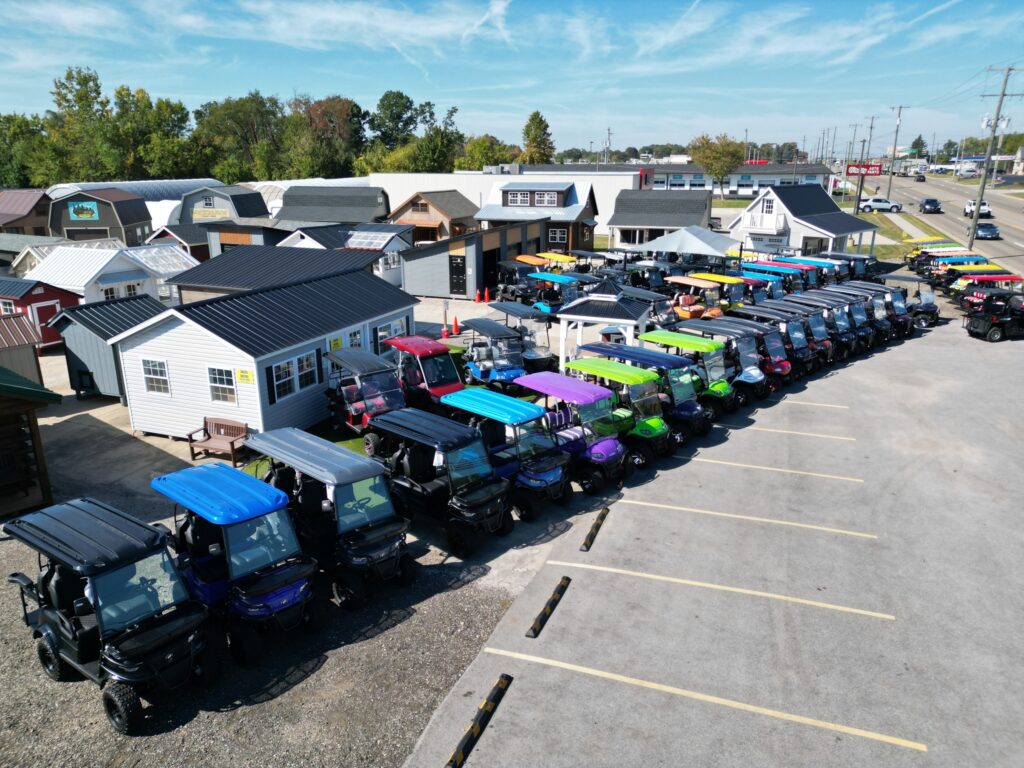
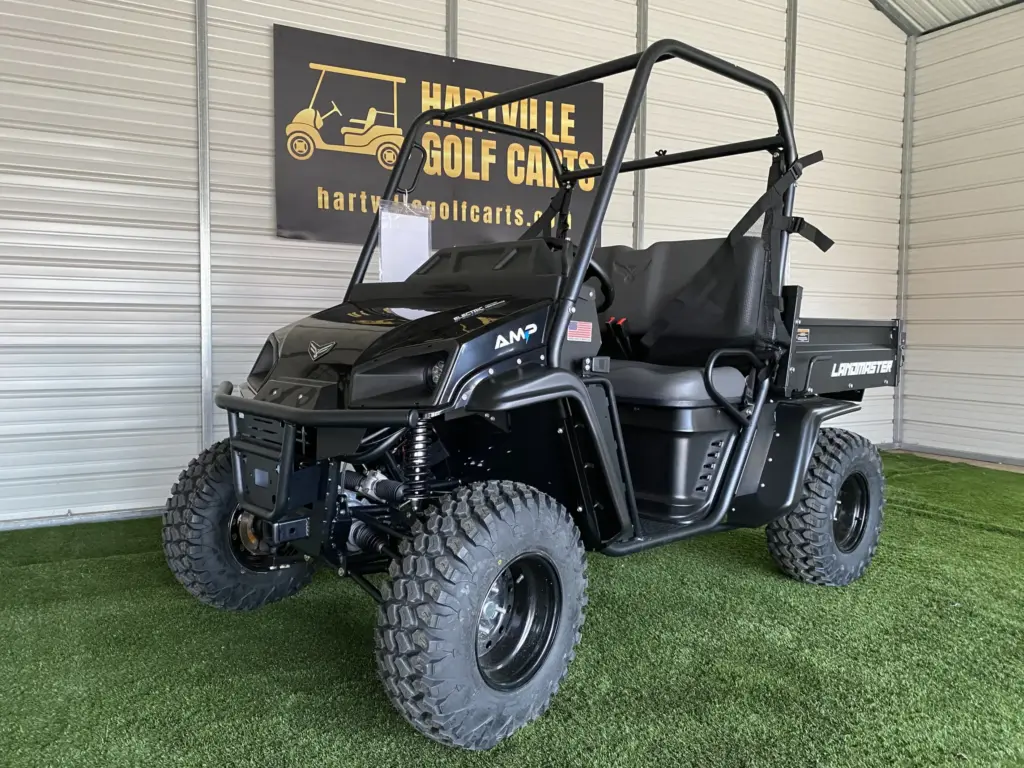
Drivers exploring versatile utility-focused vehicles sometimes consider models like the Venom Strike 4 because modern side-by-side vehicles combine practical outdoor utility with comfortable passenger-focused design. Width plays a major role in how successfully these vehicles balance comfort and capability.
Conclusion
So, how wide is a UTV? Most models range from about 48 to 72 inches, although the exact width depends on seating, suspension, tires, and intended use. Narrow UTVs work well on restricted trails and in tight spaces. Wider models usually deliver better stability, comfort, and cargo support. Before buying, measure your trailer, garage, gates, and favorite riding areas. Those checks can prevent costly fitment problems later.
Drivers comparing utility and recreational vehicles can explore available models at Hartville Golf Carts. The team can help buyers choose a vehicle that matches their passenger, storage, and outdoor-use needs. For information about public trail access and off-highway vehicle rules, visit the U.S. Forest Service.