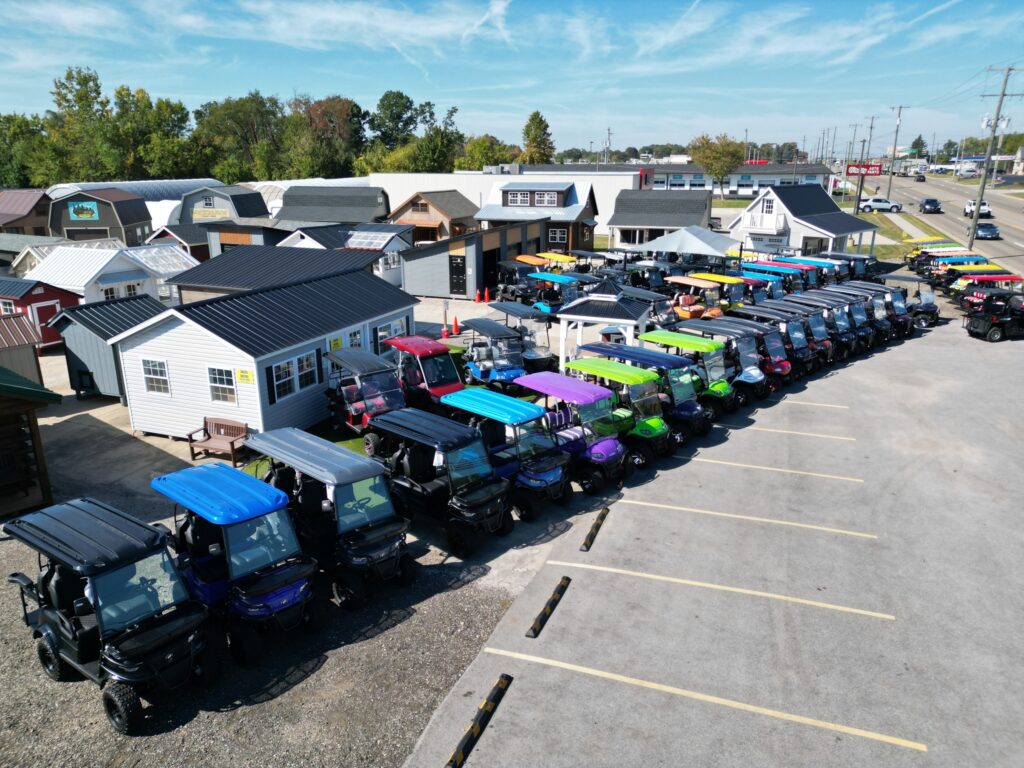

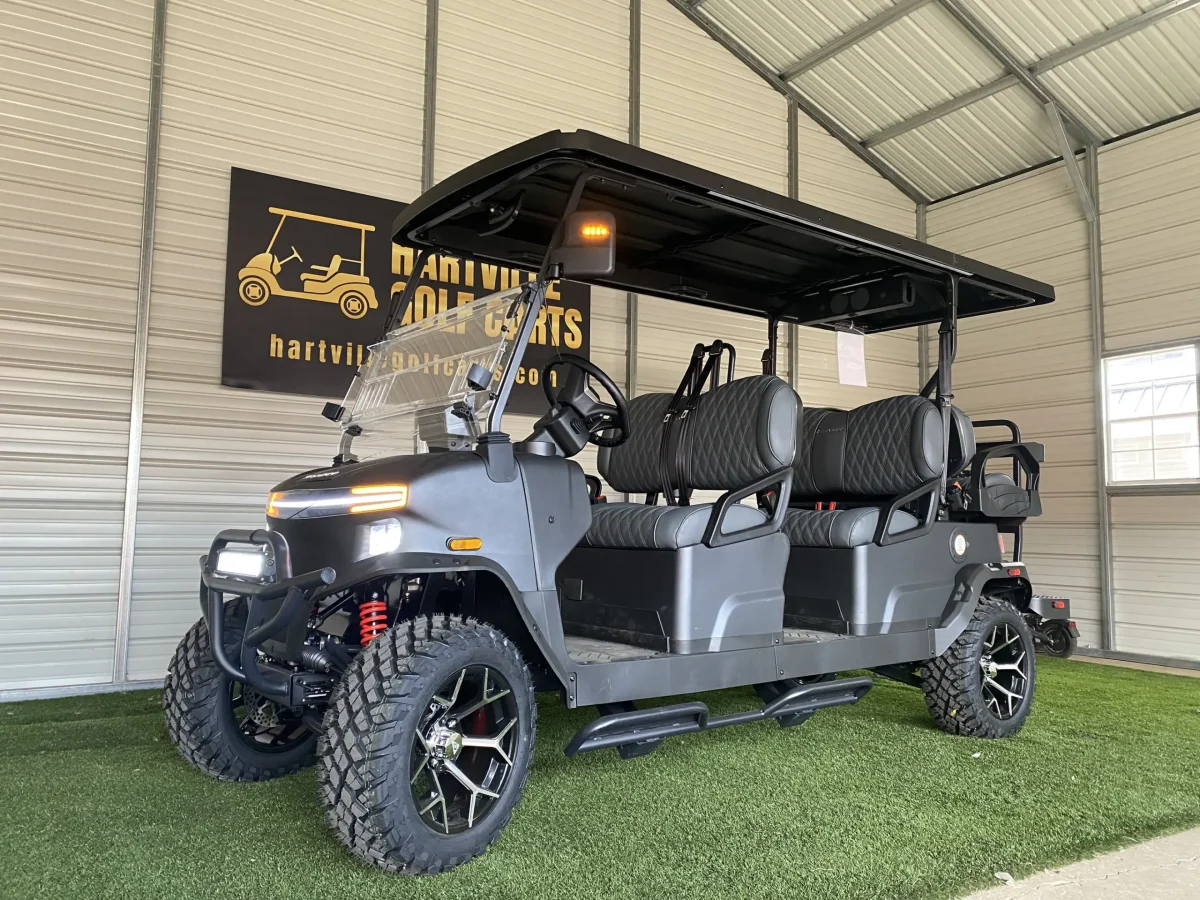
Golf cart prices cover a wide range because today’s market includes basic used carts, traditional gas models, lithium-powered electric carts, lifted recreational vehicles, and street-ready models. So, how much does a golf cart cost to buy? Instead of relying on one fixed estimate, buyers should compare the type of cart, age, battery system, seating capacity, condition, and installed features.
A basic used cart can cost far less than a new six-passenger lithium model. Gas and electric carts also have different ownership expenses after the purchase. Street-ready features can raise the price further. This guide compares the major golf cart categories and explains what actually affects the amount you may pay. That approach gives you a more useful answer than a single price that may not match the cart you want.
Golf Cart Prices Vary By Type And Configuration
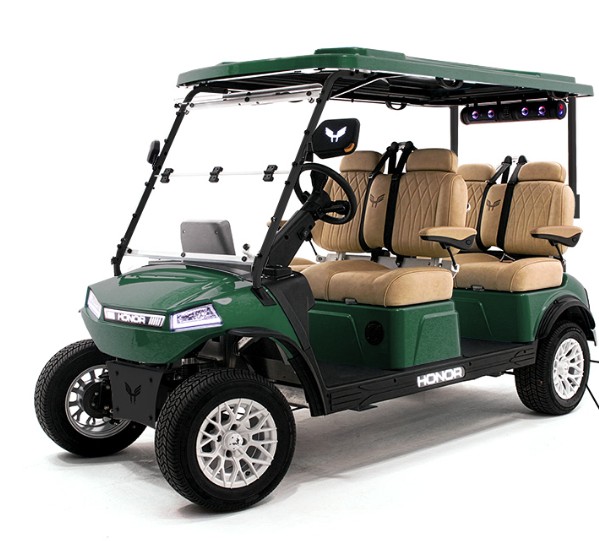
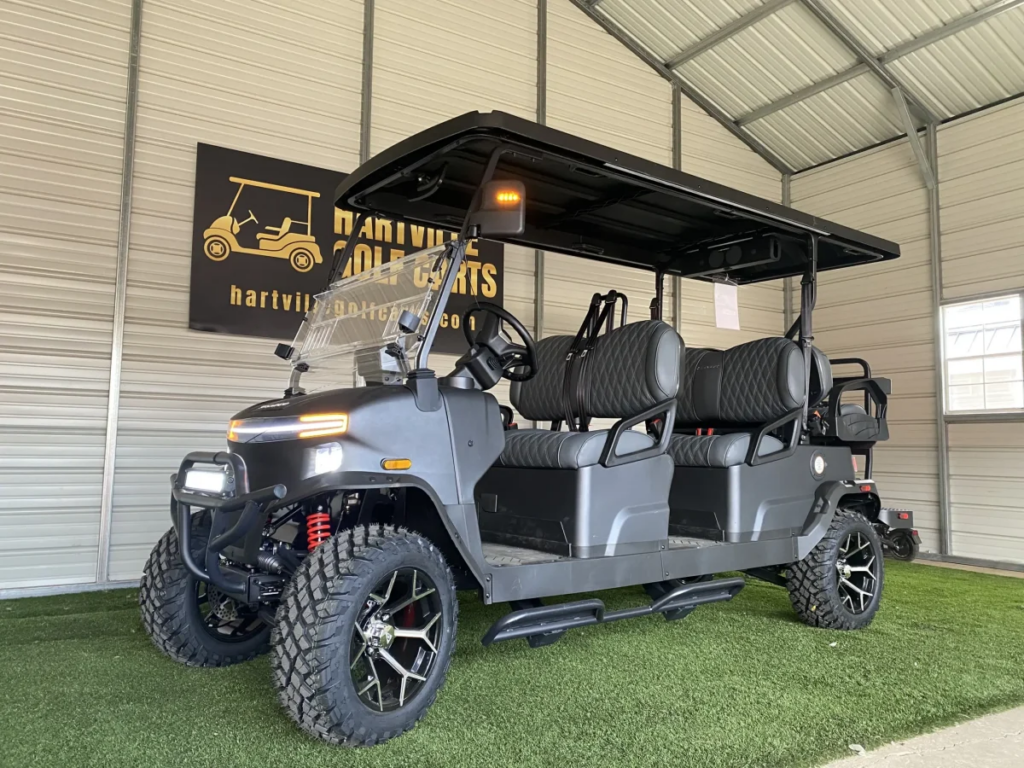
There is no reliable universal price for a golf cart because manufacturers build them for very different purposes. A simple two-passenger cart made for golf course use sits at one end of the market. At the other end, buyers can find six-passenger electric carts with lithium batteries, upgraded suspension, large displays, premium seats, lighting packages, and road-oriented equipment. Used carts add even more variation. Their prices depend on age, condition, battery health, brand, maintenance history, and previous use. A refurbished fleet cart may cost more than a privately sold cart of the same age because a dealer may have replaced worn components.
For that reason, asking how much does a golf cart cost to buy requires more context than simply choosing between new and used. Buyers should first decide how they plan to use the cart. Once that is clear, comparing prices within the correct category becomes much easier.
Typical Golf Cart Price Categories
The table below provides broad shopping ranges rather than fixed prices. Actual prices can fall above or below these ranges based on the manufacturer, dealer, location, condition, battery size, accessories, and current inventory. The ranges work best as a starting point for comparing different types of golf carts. A used cart with nearly new batteries may cost more than an older example with a worn battery pack. Likewise, a premium electric model can cost substantially more than a basic fleet-style electric cart. Street-ready and luxury models also command higher prices because they include more equipment. Buyers should therefore compare individual specifications instead of assuming every cart within a category carries the same value.
| Golf Cart Type | General Price Range | What Usually Affects The Price |
|---|---|---|
| Older Used Golf Cart | About $2,000 to $5,000+ | Age, condition, battery health, repairs, and brand |
| Refurbished Used Golf Cart | About $4,000 to $8,000+ | New batteries, seats, body work, tires, and dealer preparation |
| New Basic Electric Golf Cart | About $7,000 to $12,000+ | Battery type, motor, brand, seating, and standard equipment |
| New Gas Golf Cart | About $8,000 to $13,000+ | Engine, brand, seating, accessories, and utility features |
| Lithium Electric Golf Cart | About $9,000 to $16,000+ | Battery capacity, range, technology, seating, and equipment |
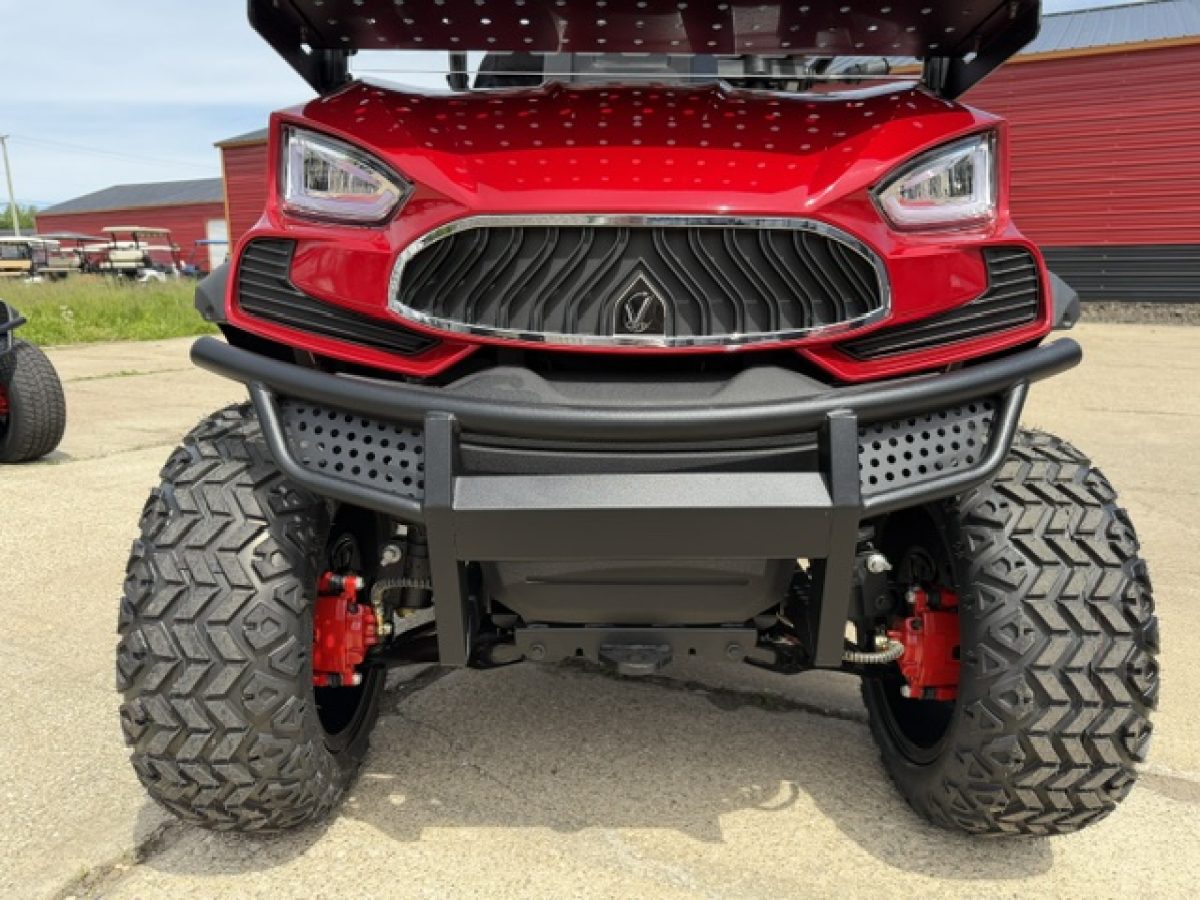
| Lifted Or Premium Golf Cart | About $10,000 to $18,000+ | Suspension, wheels, tires, seating, lighting, and accessories |
| Street-Ready Or LSV-Style Model | About $10,000 to $20,000+ | Safety equipment, battery system, technology, and premium features |
How Much Do Electric Golf Carts Cost?
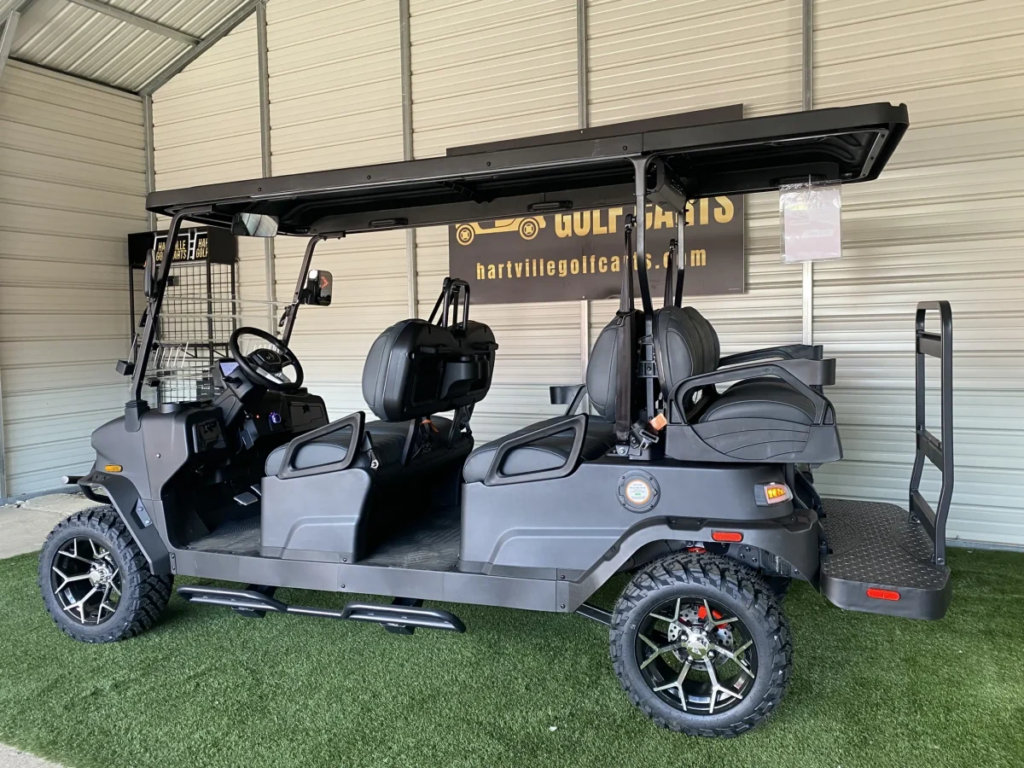
Electric golf carts now cover one of the widest price ranges in the market. Basic models usually cost less than premium lithium carts with large battery packs and advanced technology. Battery type creates one of the biggest differences. Traditional lead-acid batteries can lower the initial purchase price, but they require regular maintenance and eventual pack replacement. Lithium batteries usually increase the purchase price. However, they weigh less, charge faster, require less routine maintenance, and often provide longer service life. Motor power and battery capacity also matter.
A cart built for short trips around a golf course does not need the same system as a cart designed for longer neighborhood travel. Seating capacity can increase the price as well. Four-passenger and six-passenger models require larger bodies and additional equipment. Buyers comparing electric carts should therefore examine the complete battery and drivetrain package instead of judging value by the sticker price alone.
How Much Do Gas Golf Carts Cost?
Gas golf carts remain popular with buyers who value quick refueling, familiar engine technology, and dependable performance during extended use. New gas models often overlap with electric carts in price, so gas does not automatically mean cheaper or more expensive. Engine size, brand, seating configuration, suspension, body design, and accessories all influence the final amount. Gas carts can make sense for large properties or situations where convenient charging is not available.
However, buyers should consider operating expenses after the purchase. Gas models need fuel, oil changes, filters, spark plugs, and other engine maintenance. Electric carts eliminate many of those items, although batteries create their own long-term expense. The best comparison therefore looks beyond the purchase price. Buyers should estimate how often they will drive, where they will store the cart, and whether convenient electrical charging is available. Those factors can change which powertrain offers better long-term value.
Used Golf Carts Can Offer Better Value
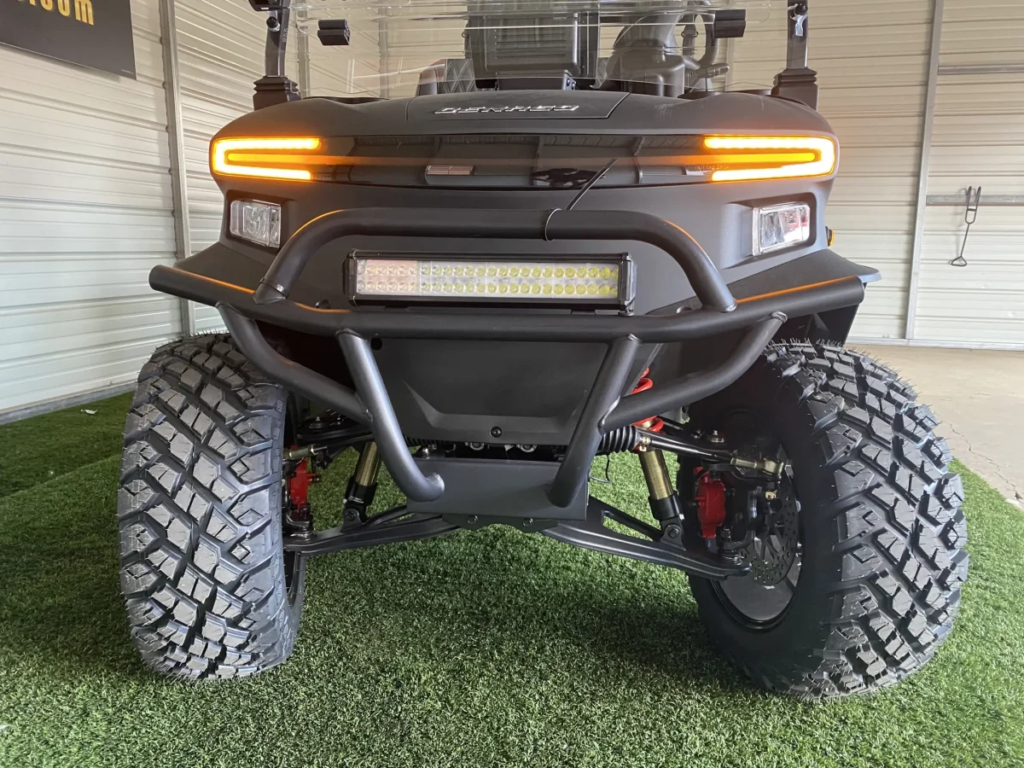
A used golf cart can make sense for buyers who want to control the purchase price without giving up useful features. Prices vary significantly because condition matters more than age alone. A well-maintained older cart with good batteries may provide better value than a newer cart that needs immediate repairs. Electric-cart buyers should pay close attention to battery age and condition. A worn lead-acid battery pack can create a major expense soon after purchase. Gas-cart buyers should inspect the engine, belts, fuel system, brakes, and maintenance history.
Dealer-refurbished carts often cost more than private-sale carts because the dealer may replace tires, batteries, seats, or other worn components. That additional work can reduce unexpected costs after the sale. A test drive also helps reveal steering, braking, or acceleration problems before you buy.
Street-Ready Golf Carts And LSVs Usually Cost More
Street-oriented models usually sit higher in the price range because they include more equipment than basic course carts. Headlights, turn signals, brake lights, mirrors, seat belts, windshields, and horns can all increase the final price. Adding those features does not automatically turn a conventional golf cart into a federally compliant low-speed vehicle.
Federal rules define an LSV as a separate vehicle category with specific performance and safety requirements. The National Highway Traffic Safety Administration’s federal LSV standard explains those requirements. State and local rules also determine where these vehicles may operate. Buyers who want public-road transportation should check local laws before paying extra for street-oriented equipment. That step helps prevent spending money on features that still do not make the vehicle legal for the intended road.
Features And Upgrades Can Change The Final Price
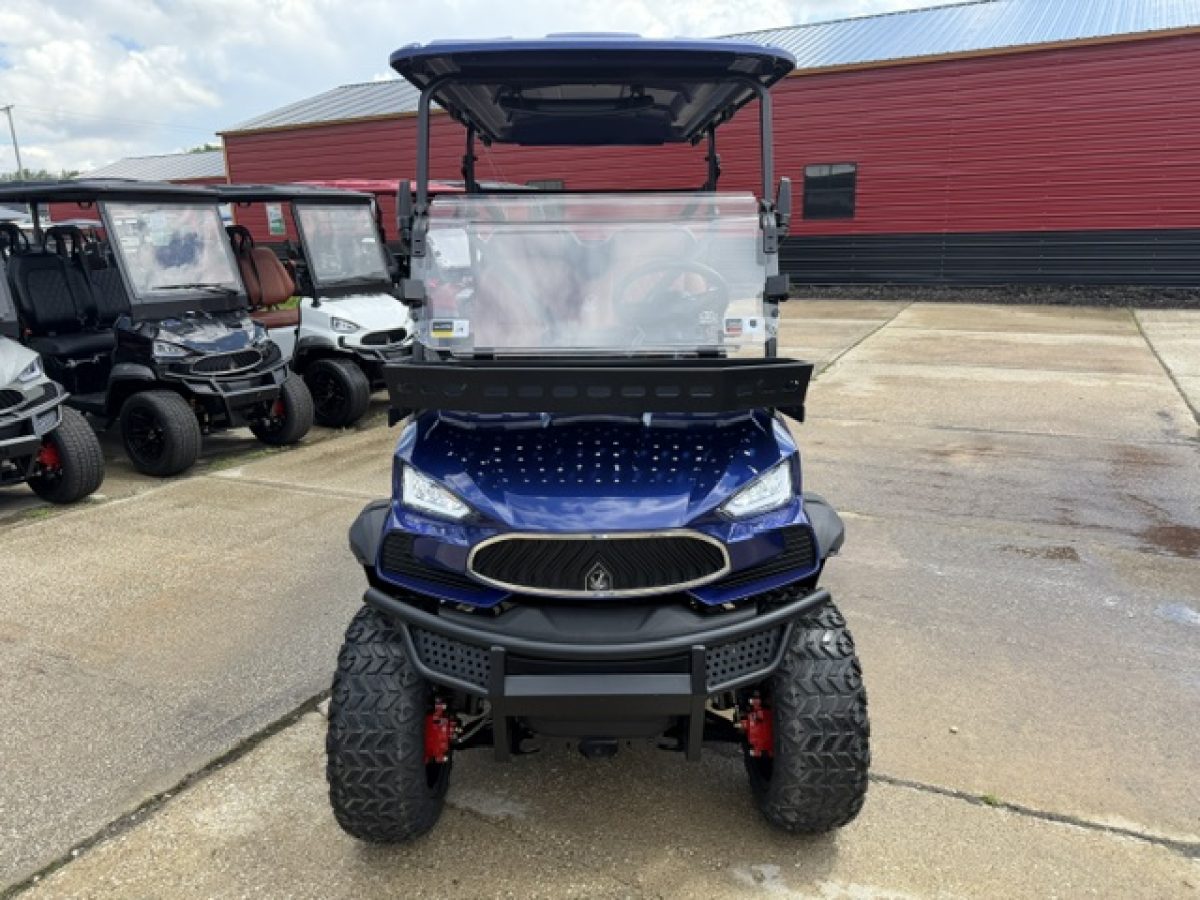
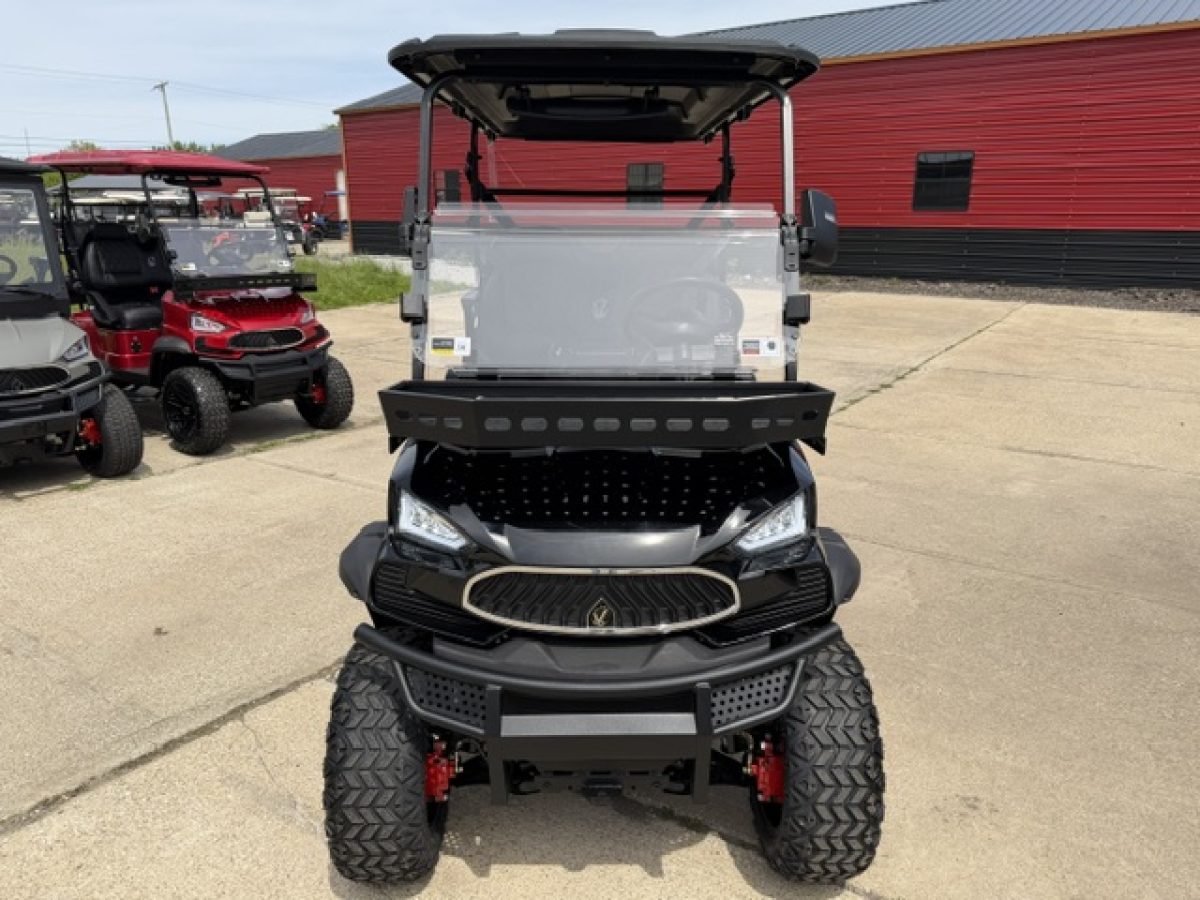
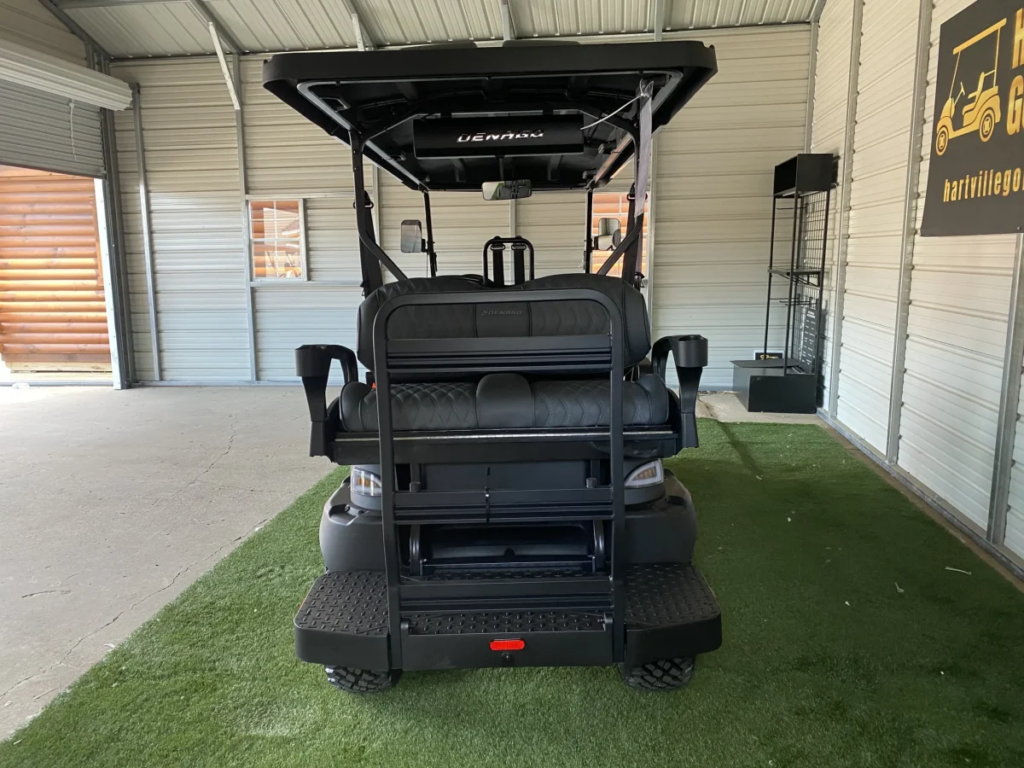
Optional equipment can quickly move a golf cart into a different price category. Larger wheels, lifted suspension, premium upholstery, sound systems, storage accessories, upgraded lighting, and custom body components all add cost. Seating capacity also matters because a six-passenger model usually costs more than a comparable two-passenger cart. Electric models may offer different battery capacities as well. Paying more for a larger lithium battery can make sense for drivers who regularly cover longer distances. Someone making short neighborhood trips may not receive the same value from that upgrade.
Start with features that affect daily use, such as battery capacity, seating, suspension, weather protection, and storage. Cosmetic upgrades can come later if the budget allows. This approach makes it easier to compare two carts fairly.
Consider Ownership Costs After The Purchase
The amount paid at the dealership is only one part of golf cart ownership. Electric models require charging, tire maintenance, brake service, and eventually battery replacement. Lead-acid batteries also need routine inspection and water maintenance. Lithium systems reduce much of that work, but their initial cost can be higher. Gas carts require fuel and regular engine maintenance, including oil changes and other service items. Both types may also need tires, suspension components, accessories, and repairs as they age.
Insurance, registration, or local permits can add costs when owners use qualifying vehicles on public roads. Storage and transportation may matter too. A slightly more expensive cart with a strong warranty, healthy battery, and dependable dealer support can cost less over several years than a cheaper cart that needs major repairs.
Conclusion
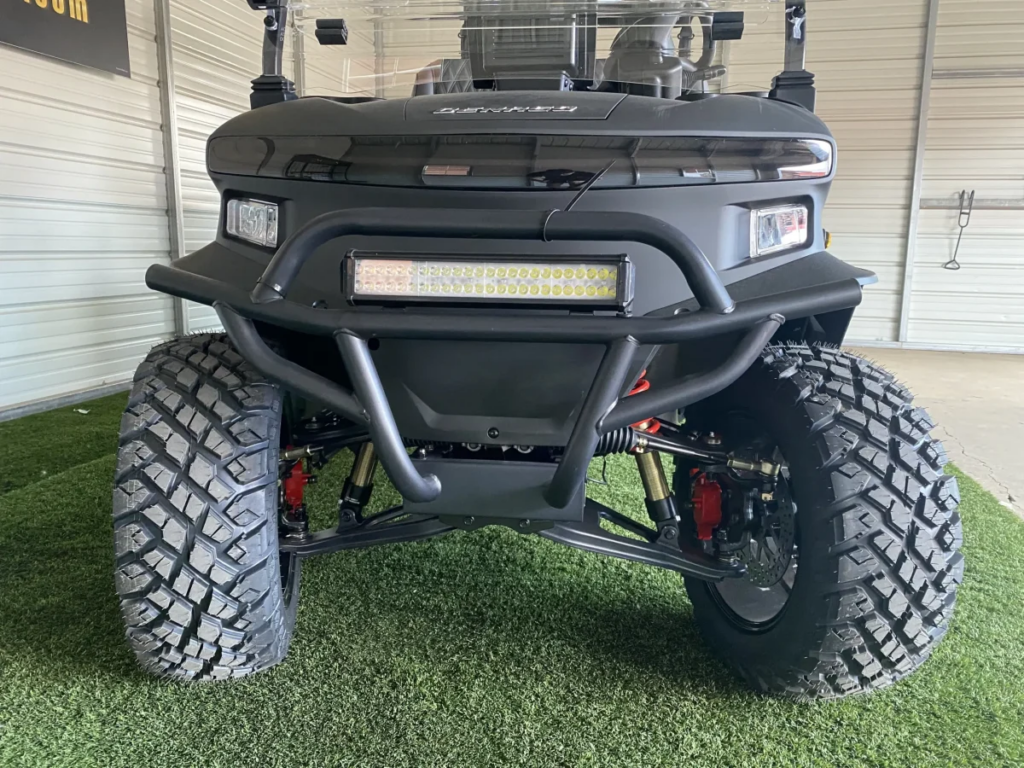
The smartest budget starts with how you plan to use the cart. A golfer who mainly travels between holes has different needs from a family driving through a large neighborhood. Property owners may prioritize cargo capacity, while recreational drivers may care more about suspension and tire size.
Next, decide how many passengers you need to carry and how far you expect to travel. Then compare gas, lead-acid electric, and lithium electric options within the same general category. This keeps the comparison fair and prevents premium features from hiding weak value. Current inventory from Hartville Golf Carts can also help you compare brands, seating layouts, and equipment packages. Current dealer pricing gives a more useful picture than broad market estimates alone.