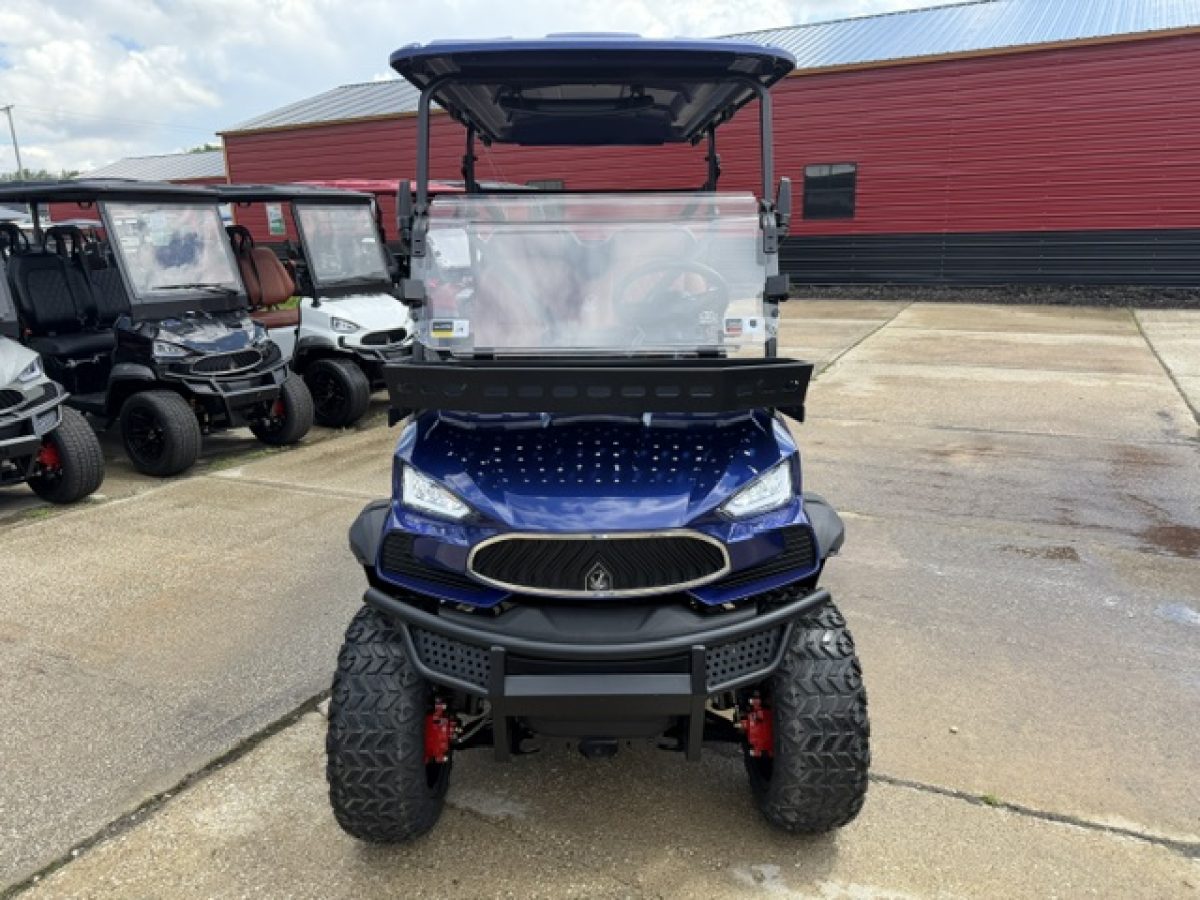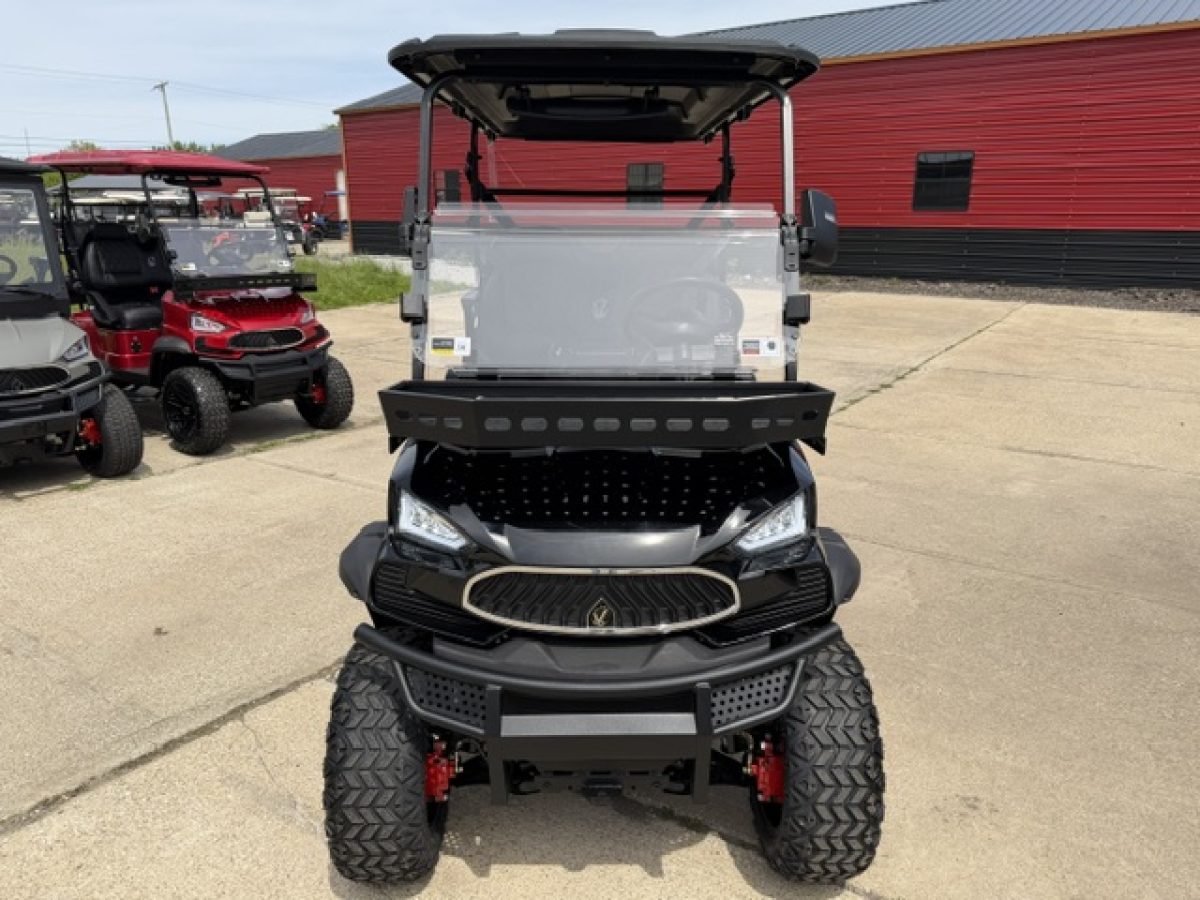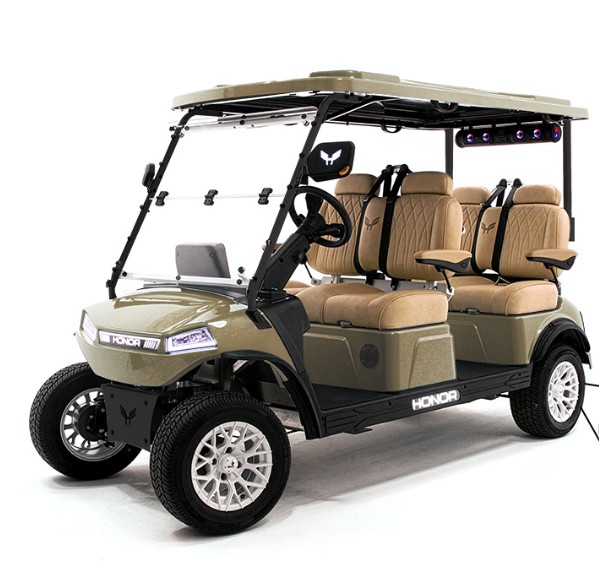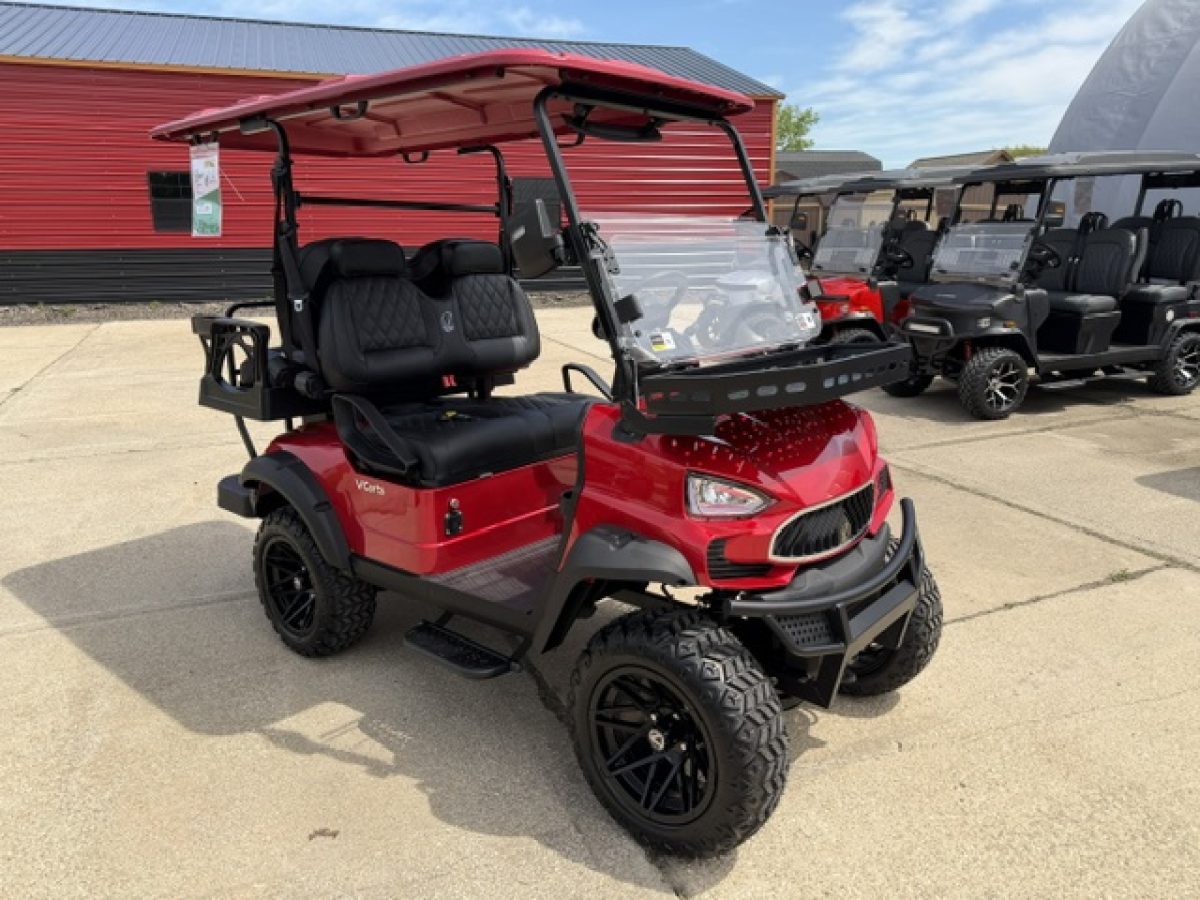

Many buyers ask how many miles can a golf cart go because they want to know whether a golf cart can handle their daily travel without frequent charging or refueling. The answer depends on several factors, including the type of golf cart, battery technology, terrain, passenger load, and driving habits. A golf cart used on flat neighborhood roads under normal conditions will usually travel farther than one driven across steep hills or rough property. Modern electric golf carts have also improved dramatically thanks to more efficient motors and advanced lithium battery systems.
The driving range should not be viewed as a fixed number. Every trip is different, and the distance a golf cart can travel changes according to how it is driven and maintained. Understanding the factors that influence range helps buyers choose a golf cart that fits their lifestyle while avoiding unnecessary concerns about battery life or fuel consumption.
Battery Technology Plays A Major Role
The type of battery installed in an electric golf cart has the greatest influence on driving range. Traditional lead-acid batteries remain common because they cost less initially, but they require regular maintenance and gradually lose capacity as they age. A golf cart equipped with older batteries may not travel nearly as far as it did when the batteries were new. Proper charging habits and routine maintenance help preserve battery performance for a longer period.
Lithium batteries have become increasingly popular because they offer several advantages. They are lighter, charge faster, and deliver more consistent power throughout the charge cycle. Many owners also appreciate that lithium batteries require very little maintenance compared with lead-acid systems. Although they increase the initial purchase price, they often provide better long-term value because of their longer lifespan and improved efficiency.
Driving Conditions Affect The Distance You Can Travel
Manufacturer specifications are usually measured under ideal conditions, but everyday driving is rarely that predictable. Hills, gravel roads, soft grass, muddy surfaces, and uneven terrain force the motor to work harder and increase energy consumption. Carrying several passengers, transporting tools, or towing small trailers also places additional demand on the golf cart and reduces the total distance it can travel before needing to recharge or refuel.
Your driving style matters as well. Smooth acceleration, moderate speeds, and gradual braking help conserve energy, while frequent hard acceleration drains the battery more quickly. Drivers who avoid unnecessary stops and maintain a steady pace often achieve better range than those who accelerate aggressively throughout every trip.
Modern Golf Carts Continue To Improve
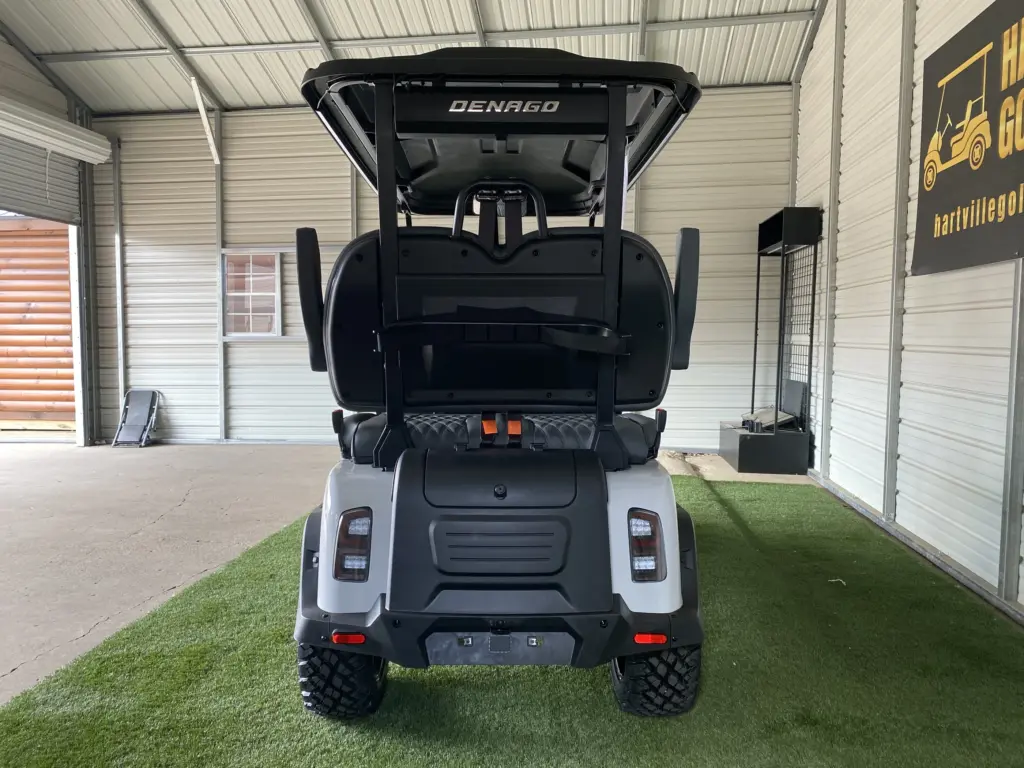
Golf cart manufacturers continue introducing new technology that improves efficiency without sacrificing performance. Advanced AC motors, intelligent battery management systems, and lightweight lithium batteries all contribute to longer driving range. Improved controllers also help deliver power more efficiently, allowing many modern golf carts to travel farther on a single charge than comparable models from just a few years ago.
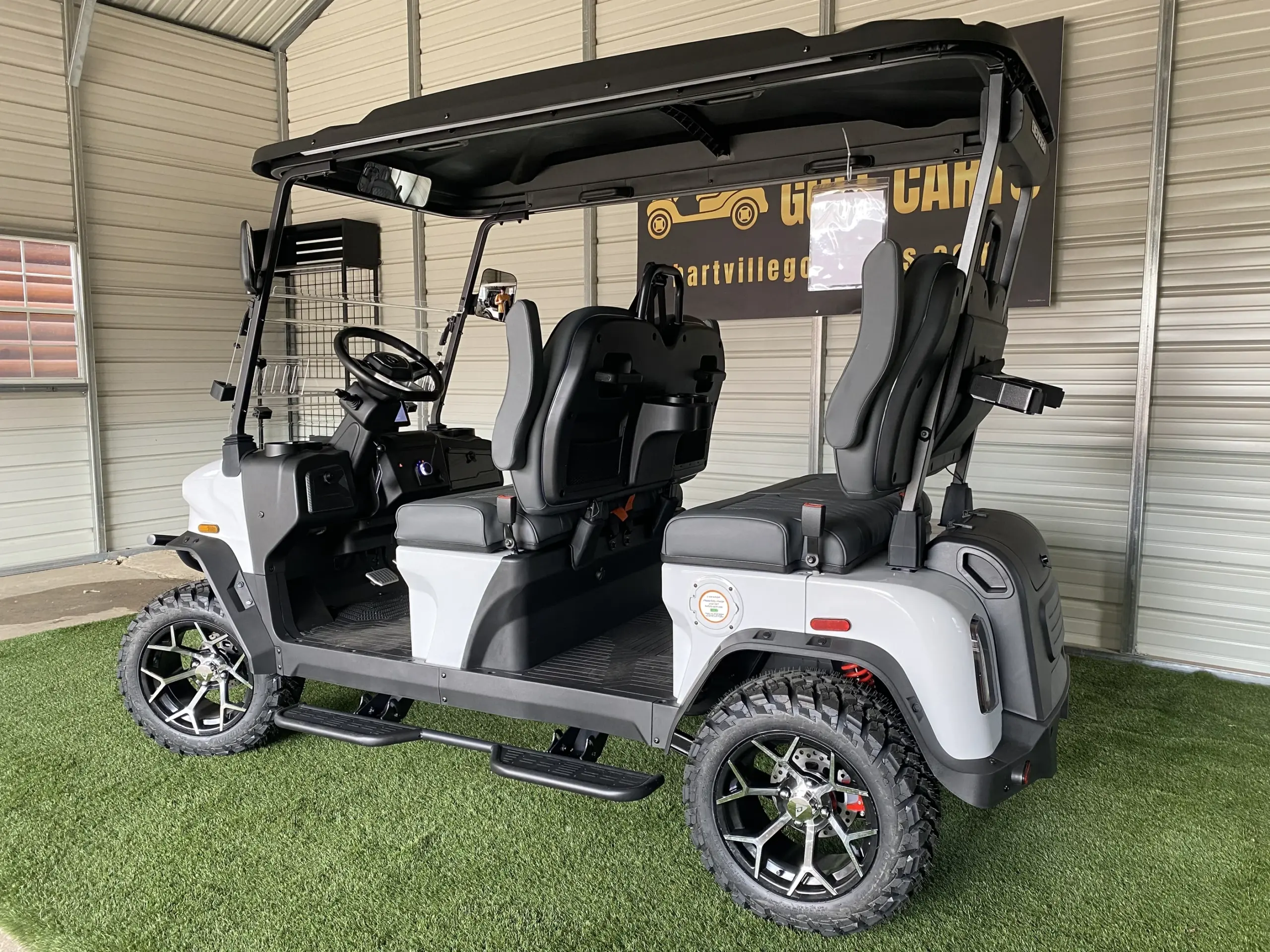
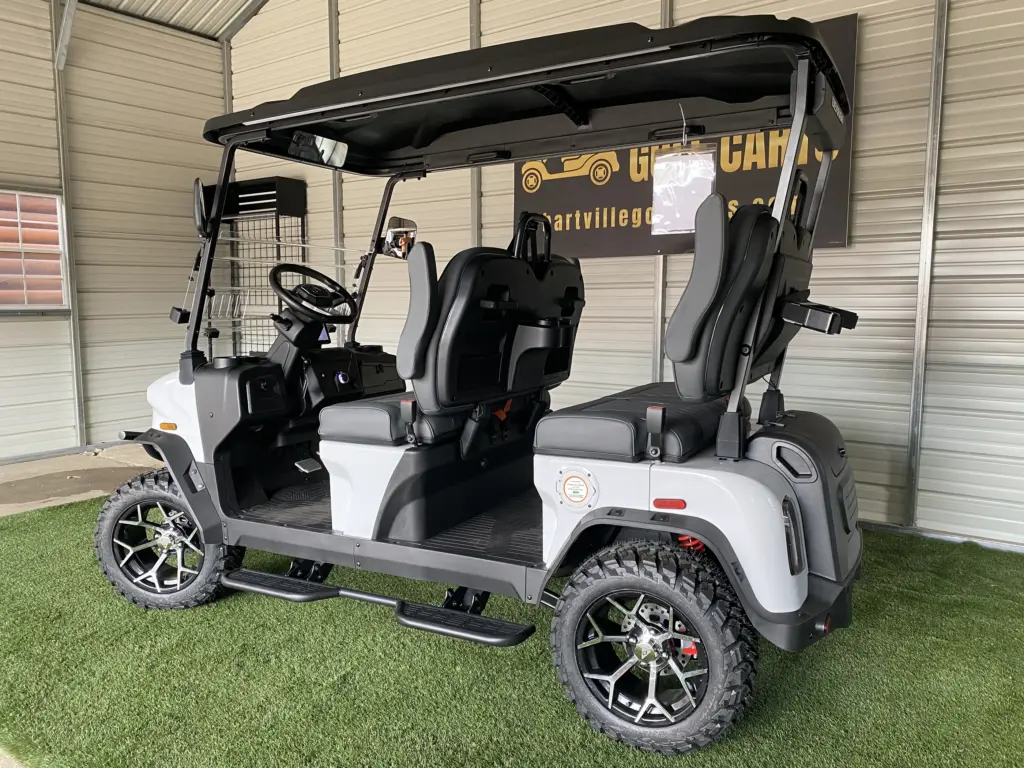
If you want to compare newer electric golf carts built with advanced battery technology, exploring the latest Denago Golf Carts is a great way to see how modern engineering improves driving range, efficiency, and everyday reliability. Comparing current models can help buyers choose a golf cart that matches both their travel requirements and long-term ownership expectations.
Proper Maintenance Helps Maximize Driving Range
Routine maintenance plays an important role in how many miles a golf cart can go. Even a golf cart equipped with high-quality batteries or a reliable gas engine will lose efficiency if it is not maintained properly. Electric owners should charge batteries according to the manufacturer’s recommendations, keep battery terminals clean, and inspect cables for corrosion or loose connections. Gas-powered models also benefit from regular oil changes, air filter replacement, and scheduled engine maintenance. These simple tasks help the golf cart perform consistently throughout its service life.
Tire pressure also deserves attention. Underinflated tires create additional rolling resistance, forcing the motor or engine to work harder than necessary. Removing unnecessary cargo and avoiding excessive weight can also improve efficiency. Small maintenance habits often make a noticeable difference in everyday driving range while reducing long-term operating costs.
Passenger Load And Accessories Influence Performance
The amount of weight carried by a golf cart directly affects how far it can travel. A golf cart carrying two passengers will usually travel farther than the same model transporting four or six people, along with coolers, tools, or other equipment. Additional weight requires more energy during acceleration and while climbing hills, reducing the available driving range before recharging or refueling becomes necessary.
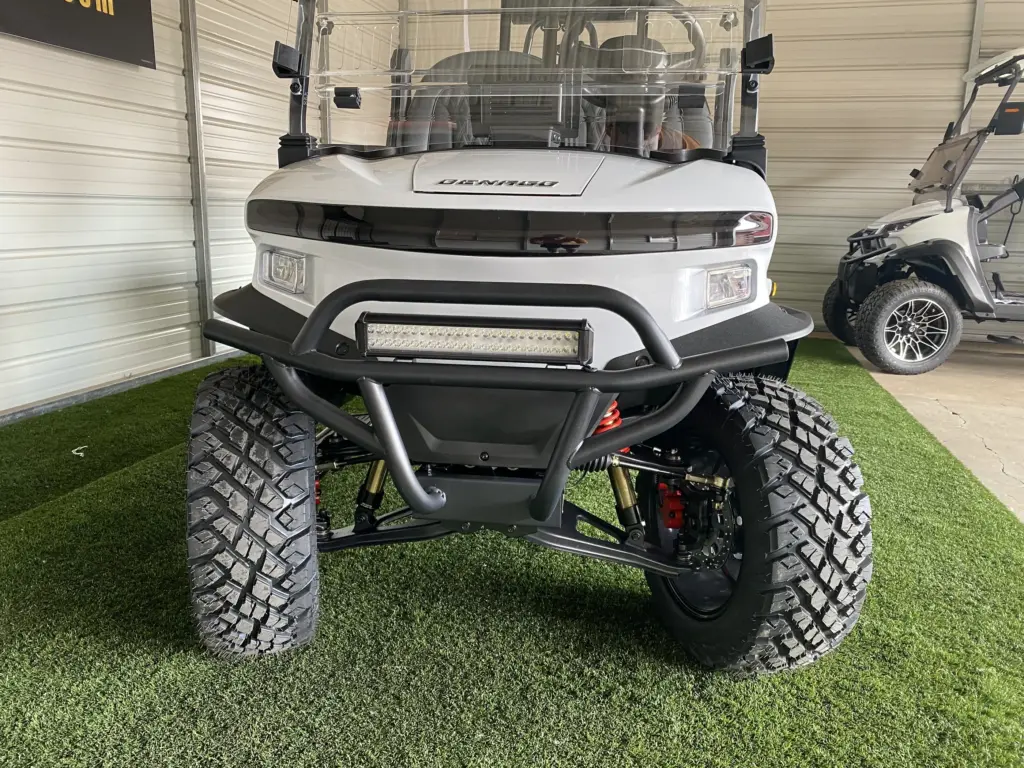
Accessories can also influence efficiency. Lift kits, oversized tires, cargo boxes, weather enclosures, and heavy aftermarket equipment increase the overall weight of the golf cart. While these upgrades improve comfort or functionality, they may slightly reduce the distance the golf cart can travel. Choosing only the accessories you truly need helps maintain better overall efficiency.
Planning Longer Trips With Confidence
Drivers who regularly travel longer distances should plan their routes before leaving home. Charging the batteries completely, checking tire pressure, and confirming that the golf cart is operating properly all help prevent unexpected interruptions. Owners of gas-powered golf carts should verify the fuel level before starting longer trips, especially when driving across large properties or recreational areas.
Understanding battery performance can also improve trip planning. Helpful resources from the Battery Council International explain battery care and maintenance practices that help maximize performance and service life. Learning how batteries perform under different conditions allows owners to get the most from every charge.
Choose A Golf Cart That Matches Your Daily Driving Needs
If you are asking how many miles can a golf cart go, remember that the best golf cart is not always the one with the longest advertised driving range. Instead, choose a model that comfortably handles your normal daily travel while leaving extra capacity for unexpected trips. Buyers who compare battery technology, passenger capacity, terrain, and maintenance requirements usually make better long-term purchasing decisions.
Before making your final choice, compare several models and think about where you will drive most often. Consider future passenger needs, storage requirements, and charging convenience instead of focusing only on maximum range. To explore modern golf carts or receive professional buying advice, visit Hartville Golf Carts. Choosing the right golf cart today can provide years of dependable transportation and enjoyable ownership.