
Battery lifespan is one of the biggest factors buyers consider when choosing between lithium and traditional lead-acid battery systems. While lithium batteries typically cost more upfront, many owners view them as a long-term investment because they can last significantly longer than conventional alternatives. That is why many people search how long do lithium batteries last in a golf cart before upgrading or purchasing a new electric cart. In most situations, quality lithium batteries can last between 8 and 15 years, depending on usage patterns, charging habits, environmental conditions, and battery quality. Some premium lithium systems can even exceed those expectations when maintained properly. Unlike lead-acid batteries that gradually lose performance and require regular maintenance, lithium batteries offer more consistent power delivery and reduced upkeep throughout much of their lifespan. Understanding what affects battery longevity helps owners maximize their investment and avoid premature replacement.
Why Lithium Batteries Last Longer Than Lead-Acid Batteries
The biggest reason lithium batteries last longer involves their internal chemistry. Lead-acid batteries experience greater wear during each charging cycle and require periodic maintenance to remain healthy. Water levels must be monitored, corrosion cleaned, and charging habits managed carefully to maximize lifespan.
Lithium batteries operate differently. They handle charging cycles more efficiently and experience less internal degradation during normal use. Because they do not require watering and are less vulnerable to sulfation, many of the problems that shorten lead-acid battery life simply do not exist. This advantage allows lithium batteries to deliver longer service life while maintaining stronger performance throughout their lifespan.
Charge Cycles
Battery lifespan is often measured in charge cycles rather than years. A charge cycle occurs when a battery is discharged and then recharged. Most lead-acid golf cart batteries provide a few hundred to roughly one thousand charge cycles, depending on quality and maintenance.
Many lithium batteries deliver several thousand charge cycles before noticeable capacity loss occurs. According to Battery University, lithium battery systems often achieve significantly greater cycle life than traditional lead-acid batteries under comparable operating conditions. This higher cycle count explains why lithium batteries can remain useful for a decade or more in many golf cart applications.
Daily Usage Patterns Matter
How often a golf cart is driven plays a major role in determining battery lifespan. A golf cart used occasionally for weekend recreation places less stress on the battery than a cart driven every day around a large neighborhood, campground, or commercial property.
Frequent use does not automatically damage lithium batteries because they are designed to handle repeated charging cycles efficiently. However, heavier usage naturally accumulates cycles more quickly. Owners who drive long distances daily may reach the battery’s cycle limit sooner than casual users. Understanding usage patterns helps create realistic expectations regarding long-term battery performance.
Charging Habits Influence Longevity
Proper charging practices help maximize lithium battery lifespan. While lithium batteries are generally more forgiving than lead-acid systems, poor charging habits can still reduce long-term performance. Using compatible chargers and following manufacturer recommendations remains important.
Many modern lithium systems include battery management technology that helps regulate charging automatically. These systems protect the battery from overcharging, excessive discharge, and temperature-related stress. Owners who consistently use the correct charger and avoid unnecessary battery abuse often experience longer service life and more reliable performance.
Temperature Affects Battery Health
Environmental conditions play an important role in battery longevity. Extremely hot temperatures accelerate chemical aging inside many battery types, including lithium batteries. Excessive heat can reduce overall lifespan if exposure occurs regularly over long periods.
Cold weather also influences battery performance, although its impact often appears more noticeable in temporary range reduction rather than permanent damage. Storing golf carts in garages, enclosed structures, or shaded areas helps minimize temperature-related stress. Stable storage conditions often contribute to longer battery life and more consistent performance.
Battery Quality Makes A Difference
Not all lithium batteries are built to the same standards. Premium battery manufacturers often use higher-quality cells, advanced battery management systems, and stronger construction techniques. These factors influence both reliability and lifespan.
Budget batteries may offer attractive pricing, but sometimes sacrifice long-term durability. Buyers should evaluate warranties, manufacturer reputation, and technical specifications before making purchasing decisions. Investing in a high-quality lithium battery often provides better value than choosing the cheapest available option.
Signs A Lithium Battery Is Aging
Even the best lithium batteries eventually show signs of aging. Reduced driving range is usually one of the earliest indicators. Owners may notice the golf cart requires charging more frequently or does not travel as far as it once did on a full charge.
Charging behavior may also change slightly as batteries age. Longer charging times and gradual performance decline can indicate capacity loss. However, lithium batteries typically maintain usable performance much longer than lead-acid batteries, making these changes less dramatic during the early stages of aging.
Maintenance Requirements Remain Minimal
One reason owners appreciate lithium technology is the reduced maintenance burden. Unlike lead-acid batteries, lithium systems do not require watering, acid-level monitoring, or frequent terminal cleaning. This simplicity helps eliminate many maintenance-related mistakes that shorten battery life.
Routine inspections still make sense because owners should monitor cables, charging equipment, and battery compartments periodically. However, overall maintenance requirements remain far lower than traditional battery systems. This convenience contributes significantly to lithium’s growing popularity among golf cart owners.
Modern Golf Carts Benefit From Lithium Technology
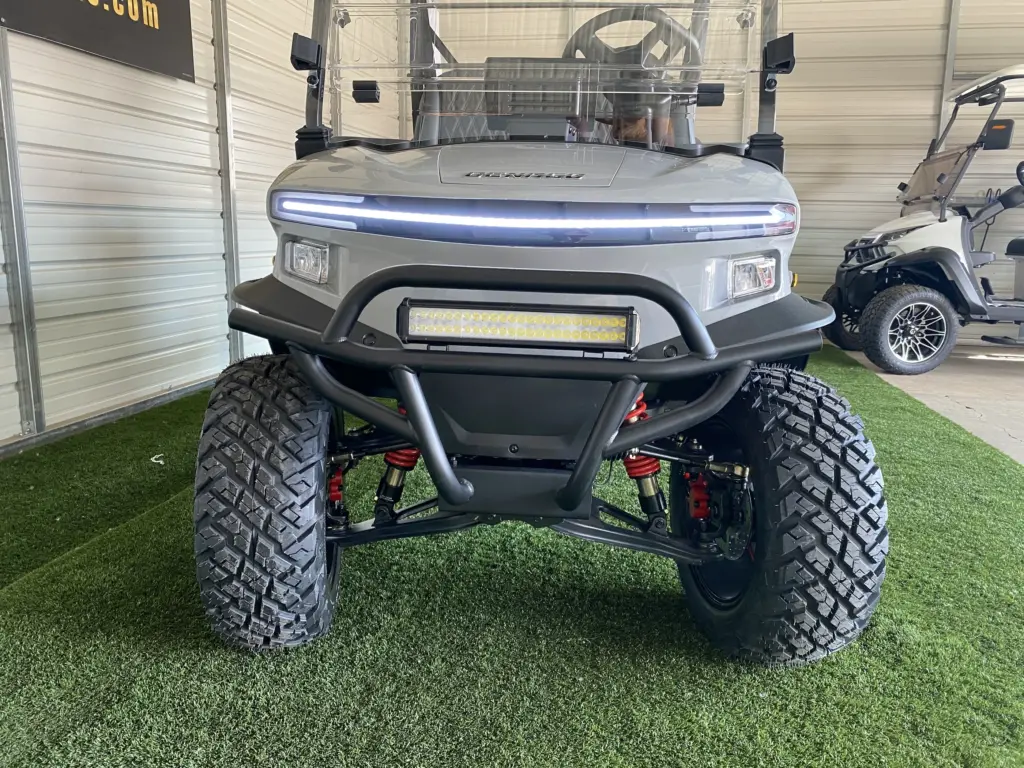
Many newer golf carts now incorporate lithium batteries directly from the factory because the technology improves performance, efficiency, and ownership convenience. Reduced weight often improves acceleration and handling while also increasing overall energy efficiency.
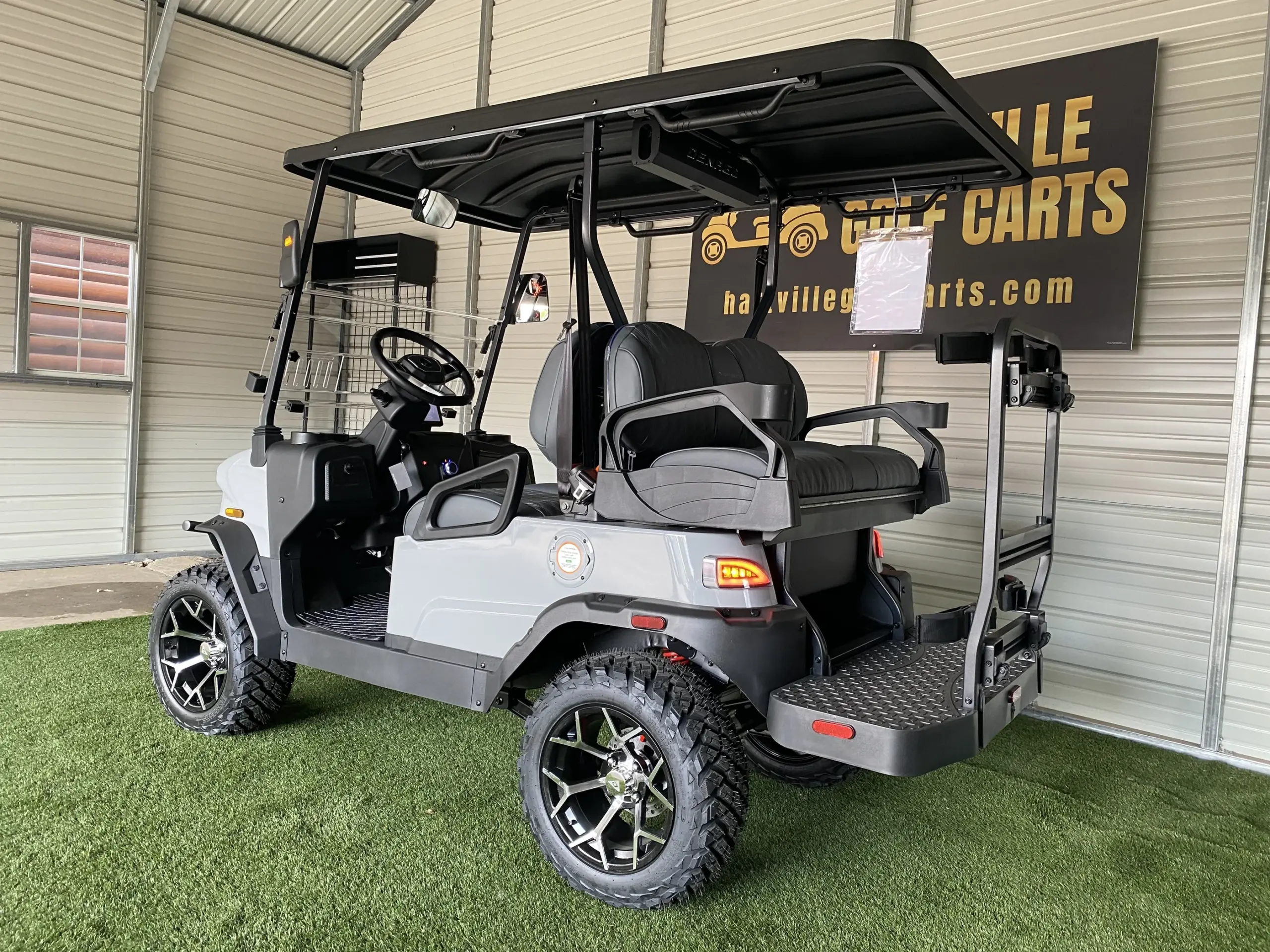
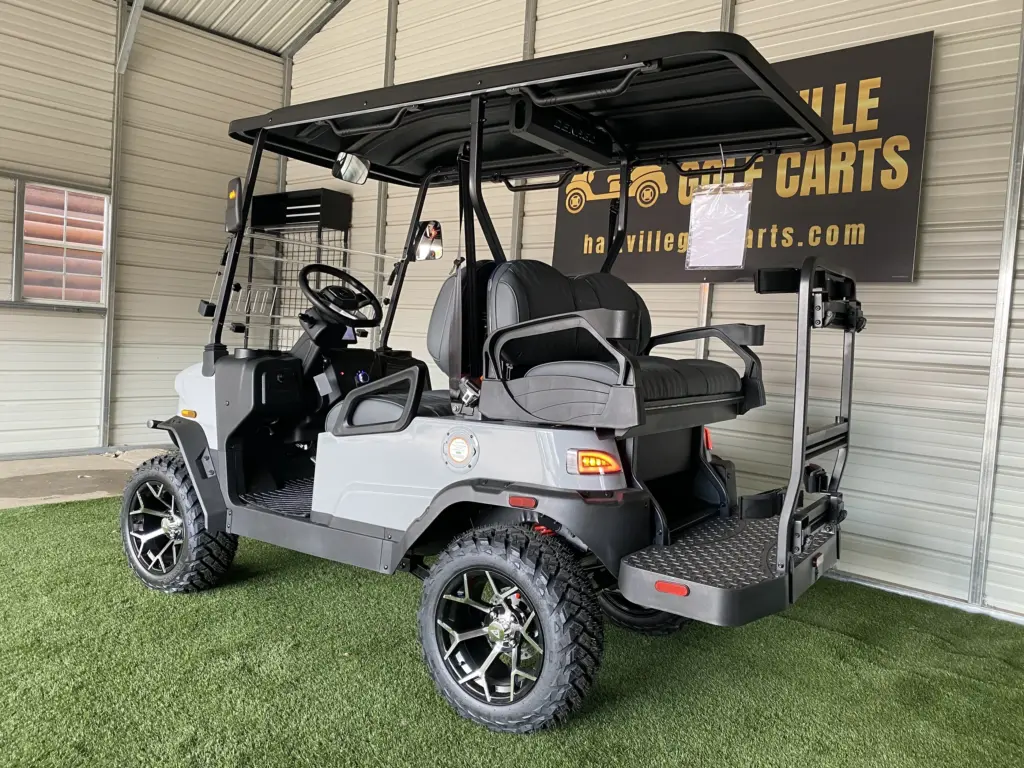
Buyers exploring modern electric golf carts frequently consider options like the Denago EV Rover XL because advanced battery systems provide dependable everyday performance. Owners interested in battery longevity may also find it helpful to learn how to convert golf cart to lithium battery when evaluating future upgrade options.
Conclusion
Anyone asking how long do lithium batteries last in a golf cart can generally expect a lifespan of 8 to 15 years under normal conditions, with some systems lasting even longer. Battery quality, charging habits, usage frequency, and environmental conditions all influence long-term performance. Compared to lead-acid alternatives, lithium batteries offer longer service life, reduced maintenance, and more consistent power delivery throughout their lifespan. These advantages often help justify the higher upfront investment for many golf cart owners. For drivers interested in modern electric golf carts built around advanced battery technology and long-term reliability, Hartville Golf Carts offers dependable models designed for efficiency, convenience, and everyday enjoyment.