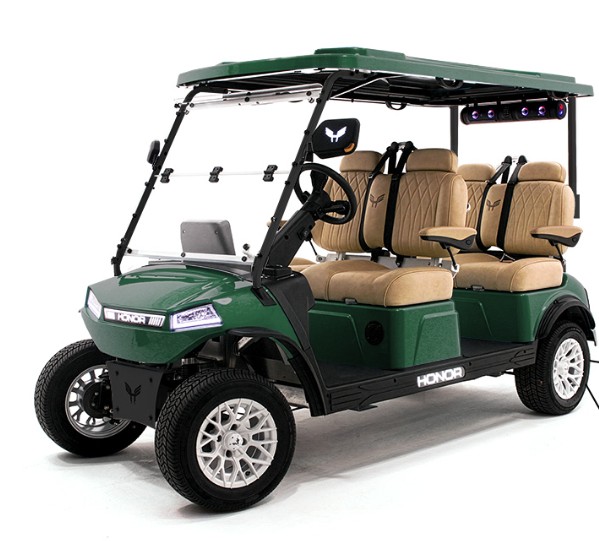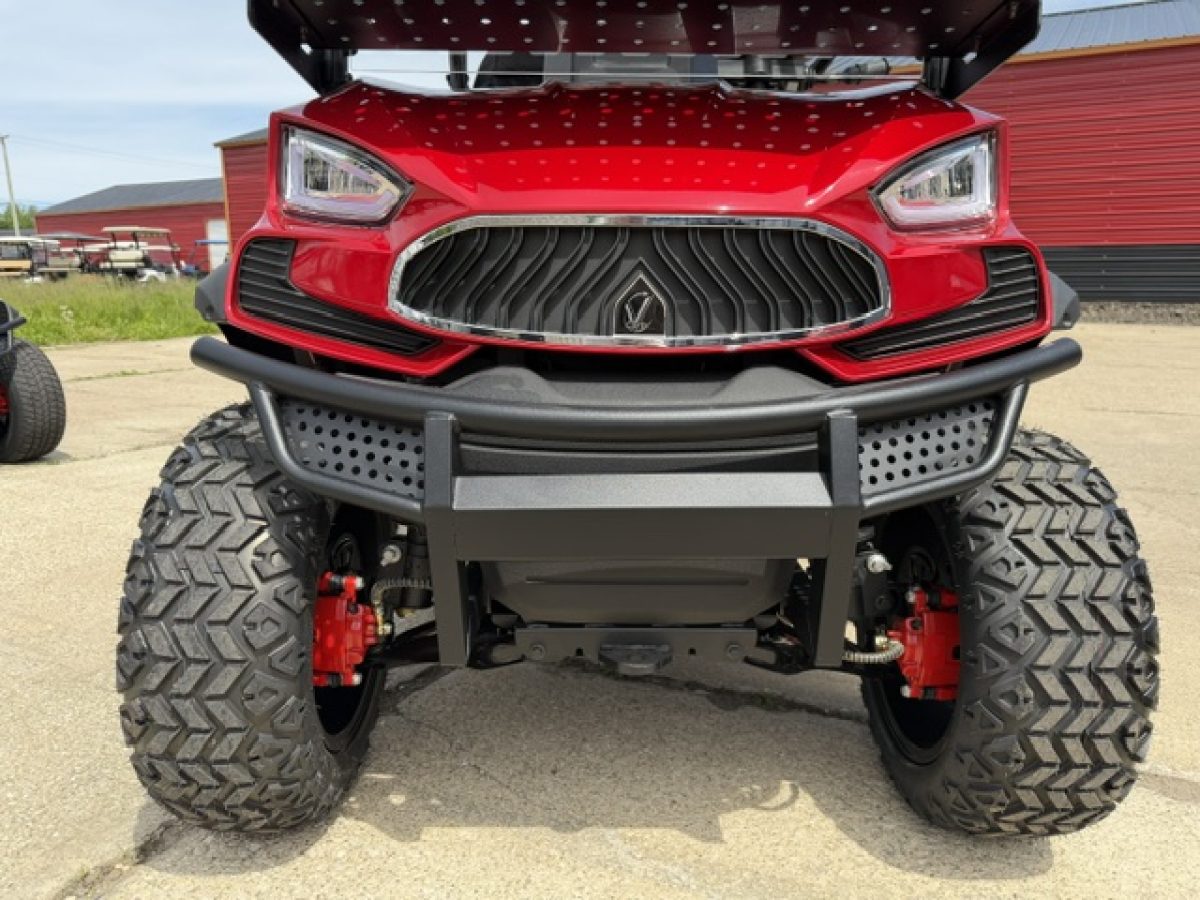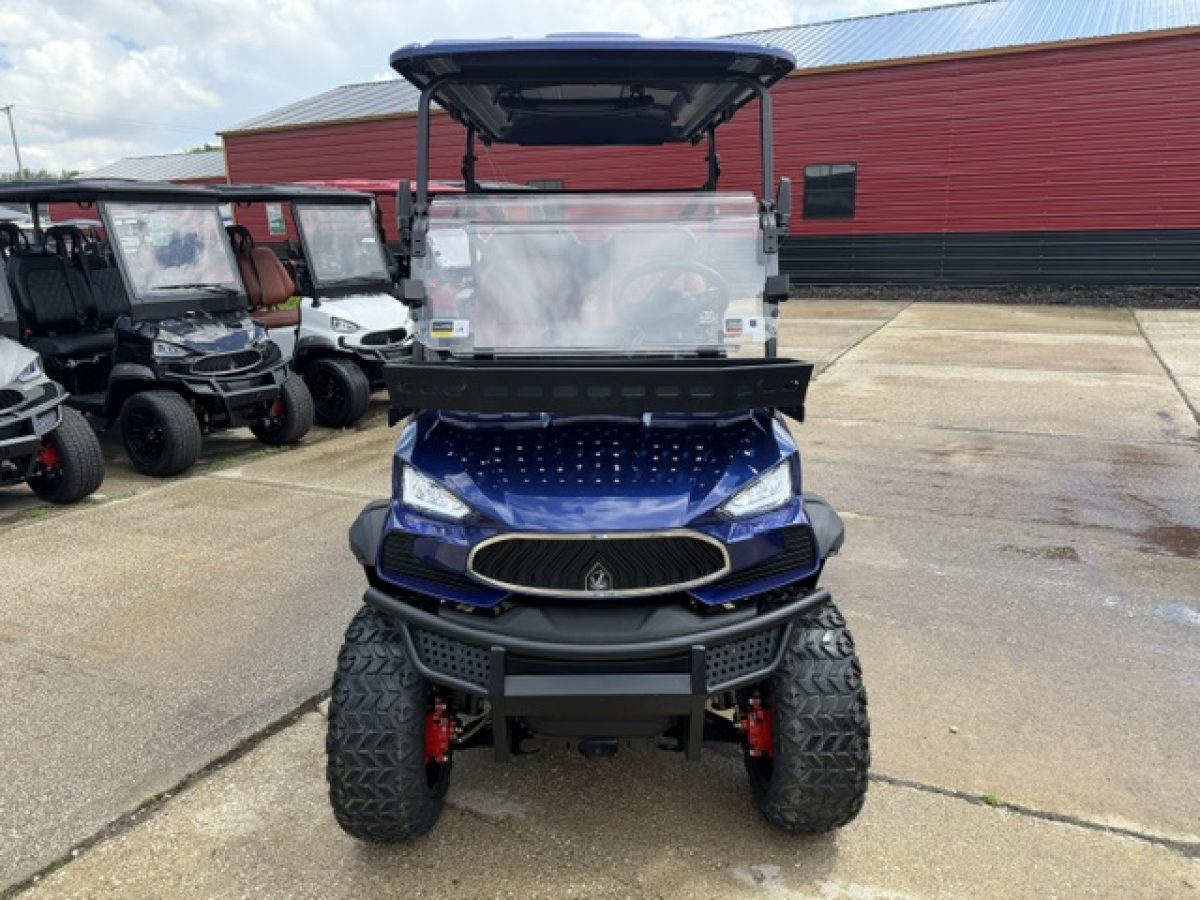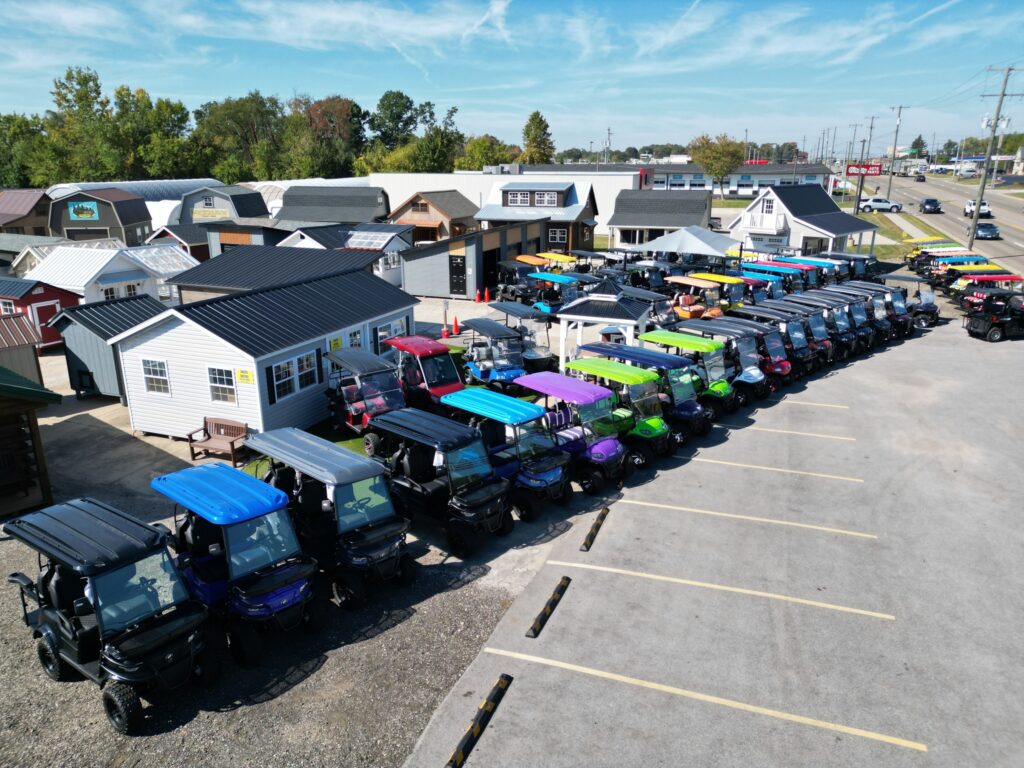

Golf carts are designed for low-speed transportation, but their actual top speed varies by model, powertrain, battery system, gearing, tire size, and controller settings. So, how fast is a golf cart? Most standard golf carts travel around 12 to 15 mph, while newer electric models may reach 19 or 20 mph from the factory. Low-speed vehicles can reach more than 20 mph but no more than 25 mph under the federal definition, while modified golf carts may exceed those speeds. However, speed is only one part of the equation.
A faster cart also needs suitable brakes, tires, steering, and suspension. Electric carts can gain speed through software programming, motor upgrades, controllers, larger tires, or gearing changes. Gas carts rely more on engine output, governor settings, and drivetrain gearing. Buyers should choose speed based on where the cart will be used, not simply the highest number available.
Typical Golf Cart Top Speeds
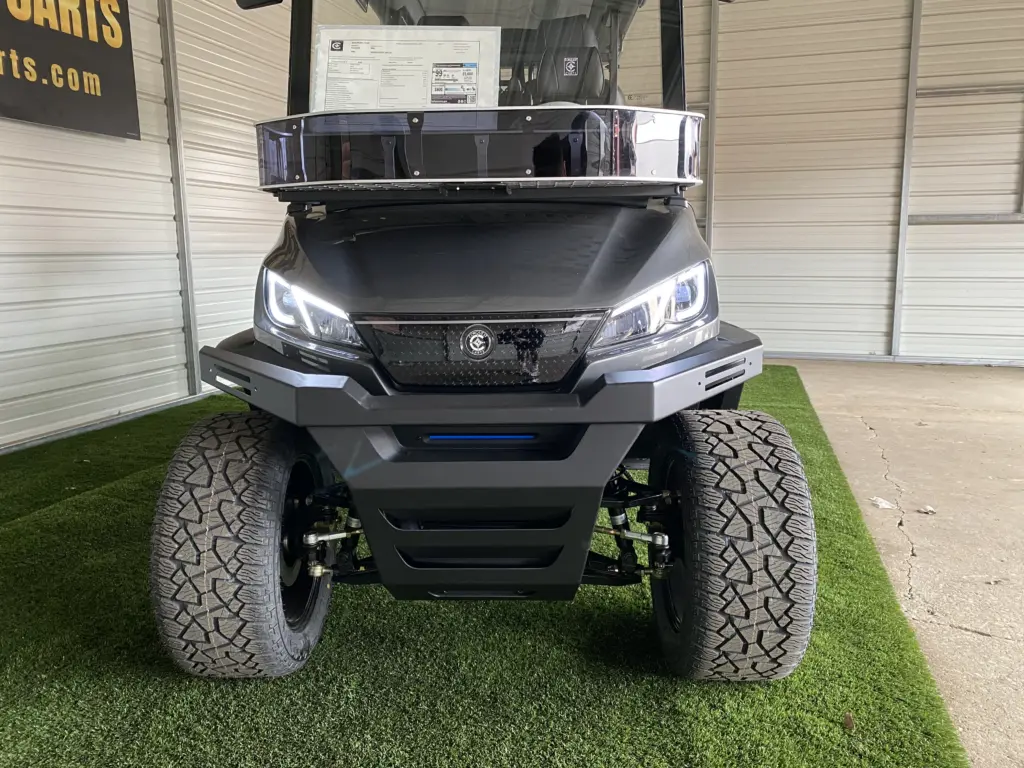
Most standard golf carts have a top speed of about 12 to 15 mph. That range works well on golf courses, private properties, resorts, campuses, and other places where drivers do not need highway-level performance. Some newer electric carts can reach around 19 or 20 mph without modification. The exact speed depends on the manufacturer’s design, motor output, gearing, battery voltage, and controller settings. A cart may also feel faster or slower depending on terrain, passenger weight, tire pressure, and battery condition.
There is no universal golf cart speed because manufacturers build carts for different purposes. A basic two-passenger course cart may have a lower speed limit than a neighborhood model designed for local transportation. Larger four-seat or six-seat carts may also use different motors and gearing to handle extra weight. Buyers should always check the listed top speed for the exact model they are considering. Hartville Golf Carts carries several modern electric options, including Conquest Golf Carts, where buyers can compare models built for different levels of performance, seating, and local transportation needs.
Electric And Gas Golf Cart Speeds
Electric golf carts commonly travel between 12 and 20 mph in factory condition. Their speed depends heavily on the motor, controller, battery voltage, programming, and drivetrain setup. Many electric carts use electronic speed limits, which means the motor may be physically capable of more speed than the software allows. Newer lithium-powered carts may also feel quicker because lithium batteries can maintain voltage more consistently during discharge and often weigh less than traditional lead-acid battery packs. However, lithium does not automatically mean a higher top speed. The controller and motor still determine the final limit.
Gas golf carts generally fall within a similar range, with many standard models reaching around 12 to 15 mph. Their performance depends on engine output, governor settings, gearing, tire size, and maintenance. A mechanical governor often limits engine RPM to protect the engine and drivetrain. If a gas cart feels slower than expected, basic maintenance should come first. A dirty air filter, worn spark plug, low tire pressure, or dragging brake can reduce performance. Gas carts may gain speed through approved engine adjustments or gearing changes, but excessive RPM can reduce reliability and place more stress on the drivetrain.
Factors That Control Golf Cart Speed
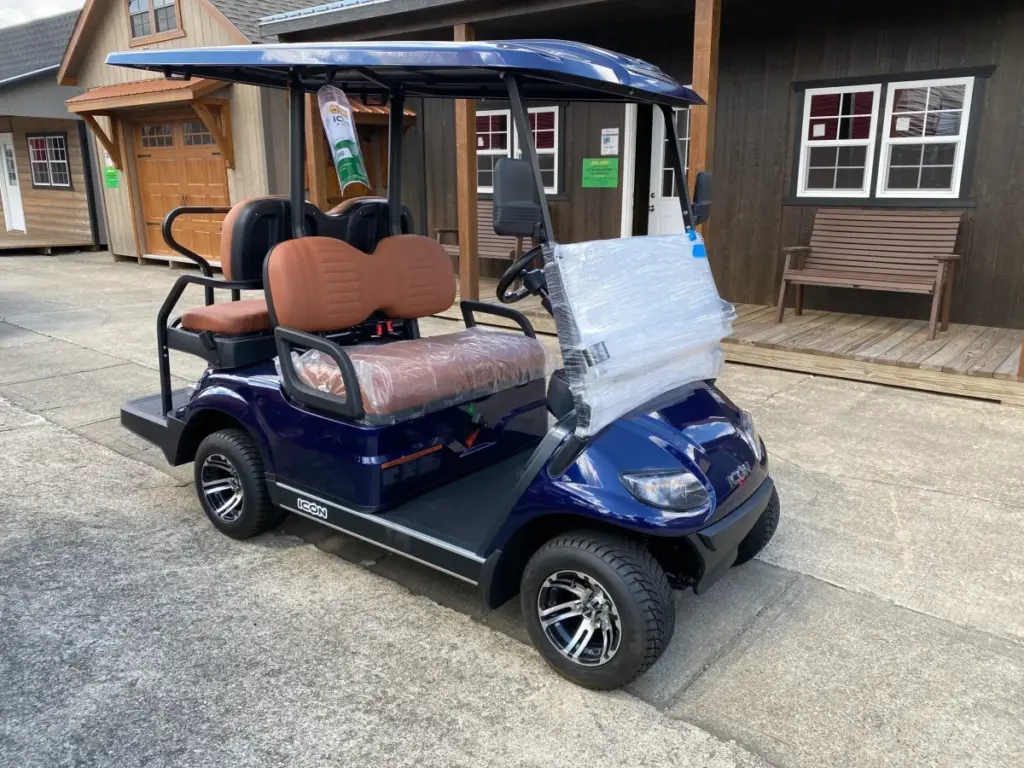
Several components influence golf cart speed. On an electric cart, the motor determines how quickly it can rotate and how much torque it produces. The controller regulates how much current reaches the motor. Battery voltage also affects available power, while gearing and tire diameter determine how motor rotation translates into wheel speed. A change to any one of these systems can alter performance. However, the components need to work together. Installing a stronger motor without a compatible controller may not produce the expected result.
Some electric carts support manufacturer-approved speed programming. This allows a technician to increase the programmed speed limit without replacing major hardware. The Hartville Golf Carts Service Department lists electric cart speed code service among its available services. This can be a practical option for compatible carts, but not every model supports it. Larger tires can also increase top speed because each wheel revolution covers more distance. The tradeoff is reduced torque, especially on hills. High-speed gears work in a similar way and can raise top speed while reducing low-speed pulling power.
Modified Golf Cart Performance
Modified golf carts can travel faster than factory models, and some can reach 25 mph or more. Common upgrades include high-speed motors, higher-capacity controllers, different gear ratios, larger tires, and compatible battery systems. Some owners also change software settings or install performance controllers. The amount of improvement depends on the original cart and the combination of upgrades. A small software adjustment may add only a few miles per hour, while a complete motor, controller, and gearing package can produce a much larger change.
More speed also means more responsibility. A cart that was originally designed for 15 mph may need better brakes, stronger suspension, suitable tires, and tighter steering components before operating safely at higher speeds. Increased speed also puts more stress on wheel bearings, bushings, and drivetrain parts. Owners should avoid modifying one part of the cart while ignoring the rest of the vehicle. A well-balanced setup should improve acceleration and top speed without creating poor braking, unstable steering, or excessive wear. Faster does not automatically mean better if the cart becomes harder to control.
Tires, Weight, And Terrain Effects
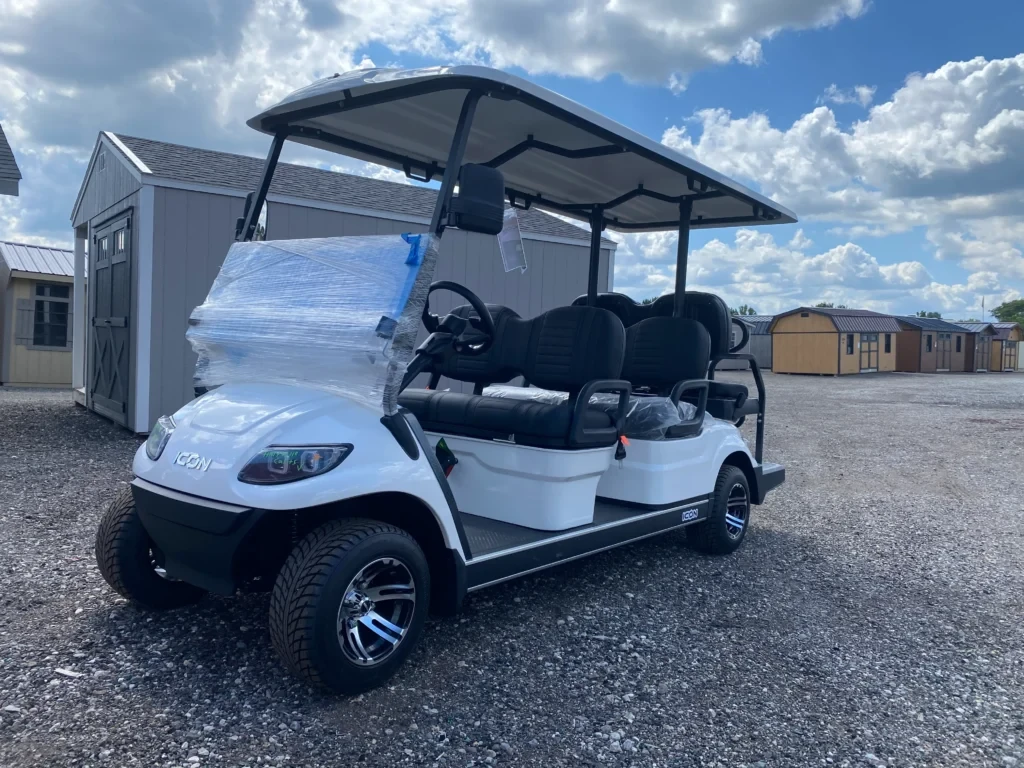
Tire size has a direct effect on golf cart speed. Larger tires travel farther with each wheel revolution, so they can increase top speed without changing motor RPM. However, they also make the motor work harder, which can reduce acceleration and climbing ability. Oversized tires may require a lift kit and can add rotating weight. That extra weight affects braking and efficiency as well. Tire pressure matters too. Underinflated tires create more rolling resistance, which can reduce speed and range.
Vehicle weight also changes performance. A cart carrying one driver on flat pavement will usually accelerate faster than the same cart carrying four passengers and cargo uphill. Heavier accessories, rear seats, sound systems, large wheels, and utility equipment can all reduce acceleration. Terrain makes another major difference. Steep hills place more load on the motor or engine, while soft grass and loose surfaces create extra resistance. Even a cart with a high listed top speed may travel much slower when fully loaded or climbing. Speed figures therefore make the most sense when compared under similar conditions.
Low-Speed Vehicle Speed Limits
A low-speed vehicle, or LSV, falls into a different category from a standard golf cart. The National Highway Traffic Safety Administration defines a federal LSV as a four-wheeled motor vehicle that can travel more than 20 mph but no more than 25 mph on a paved level surface. It must also have a gross vehicle weight rating below 3,000 pounds. LSVs need specific safety equipment, including lights, mirrors, seat belts, and other required components.
A golf cart does not automatically become an LSV just because it can reach 21 or 25 mph. Federal certification, state laws, registration rules, and local road restrictions still matter. Some states allow properly equipped LSVs on certain roads with lower posted speed limits, while others have additional restrictions. Owners should check local rules before modifying a golf cart mainly for street use. Speed alone does not determine whether the vehicle is legal for public roads.
Safe Golf Cart Driving Speeds
A safe golf cart speed depends on the vehicle, road surface, traffic, weather, passengers, and terrain. A speed that feels comfortable on a smooth, straight path may become unsafe on a steep hill or tight corner. Lifted carts deserve extra attention because raising the body increases the center of gravity. Sharp turns at higher speeds can make a lifted cart less stable. Tire quality and suspension condition also influence how safely the cart handles.
Brakes and steering are just as important as motor power. Worn brake shoes, loose steering joints, damaged wheel bearings, or poor tires can make a faster cart difficult to control. Drivers should slow down before turns, avoid sudden steering movements, and reduce speed when carrying passengers. Children and other passengers should remain seated and use available restraints. A cart’s maximum speed should never be treated as the correct speed for every situation. Good judgment matters more than the speedometer.
Conclusion
So, how fast is a golf cart? Most standard models travel around 12 to 15 mph, while newer electric carts may reach around 19 or 20 mph. Low-speed vehicles operate above 20 mph but no more than 25 mph under the federal definition, while modified carts may exceed those speeds. Actual performance depends on the motor or engine, controller, battery system, gearing, tire size, weight, and terrain.
Before choosing a faster cart or planning an upgrade, consider braking, handling, passenger load, local road rules, and how you actually plan to use the vehicle. Hartville Golf Carts offers modern electric golf carts, LSV-style options, and professional service for buyers who want to compare speed alongside range, seating, battery type, and everyday usability. The best golf cart is not always the fastest one. It is the one that delivers the right balance of performance, control, comfort, and reliability for where you drive.