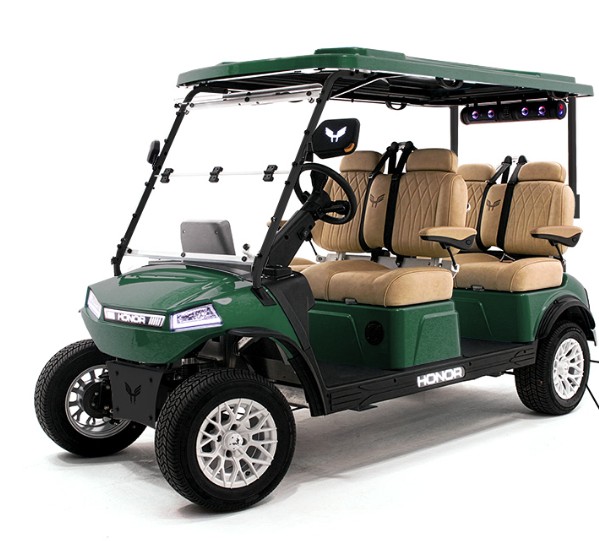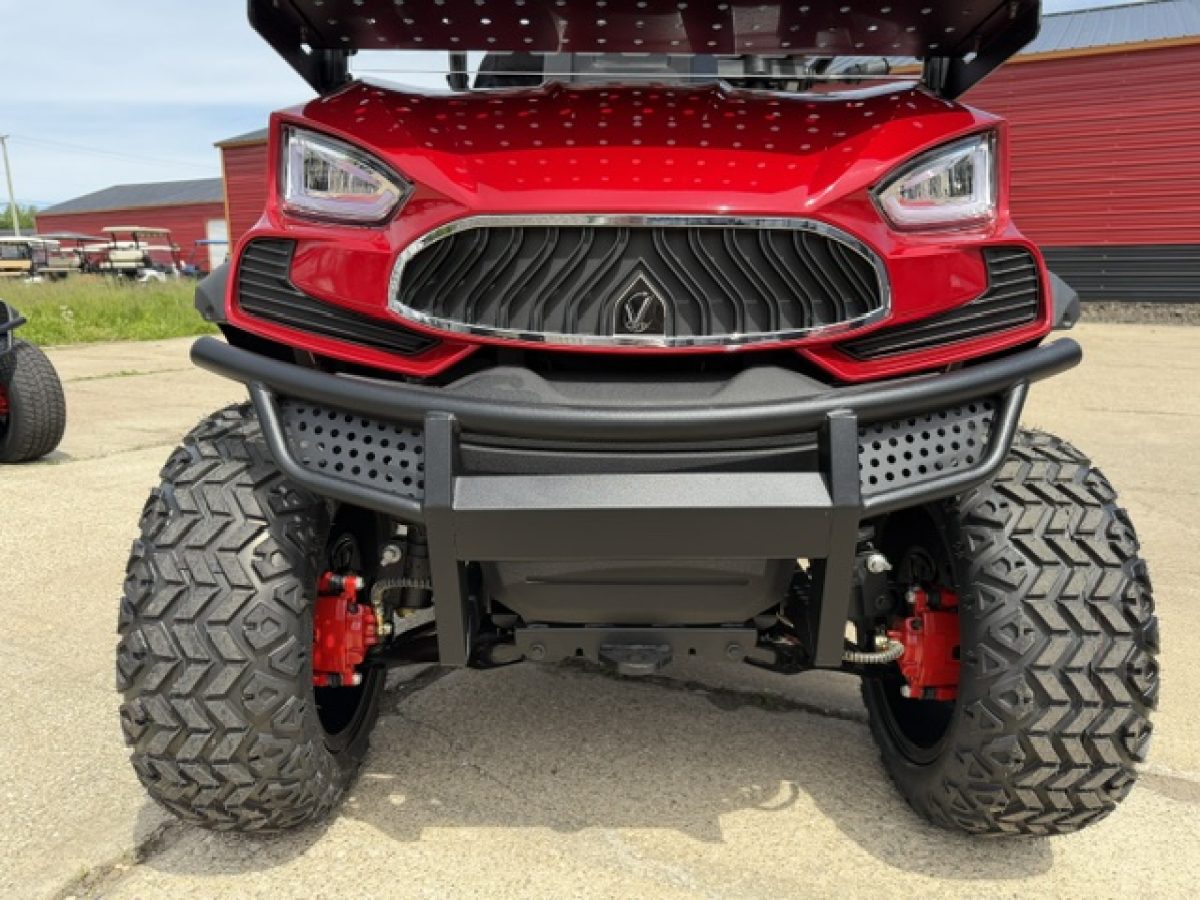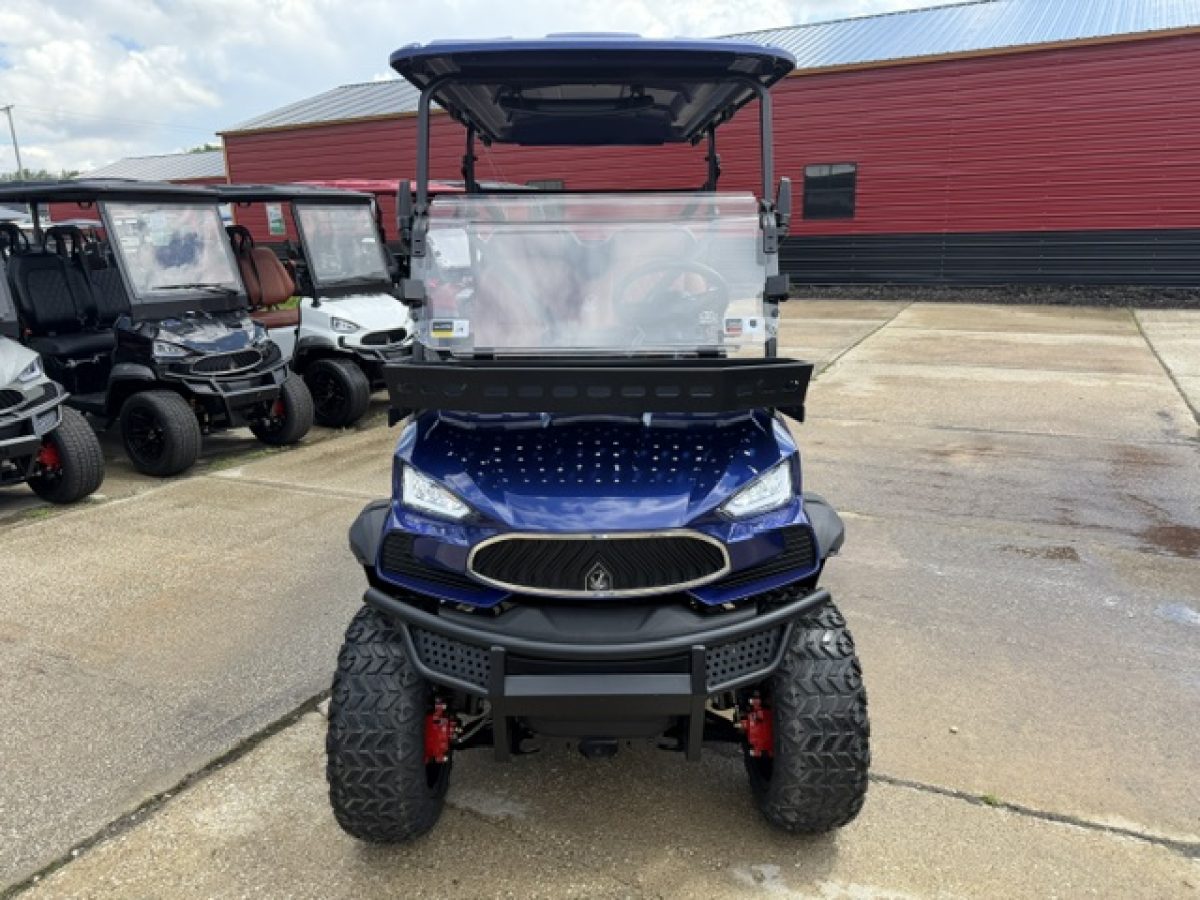

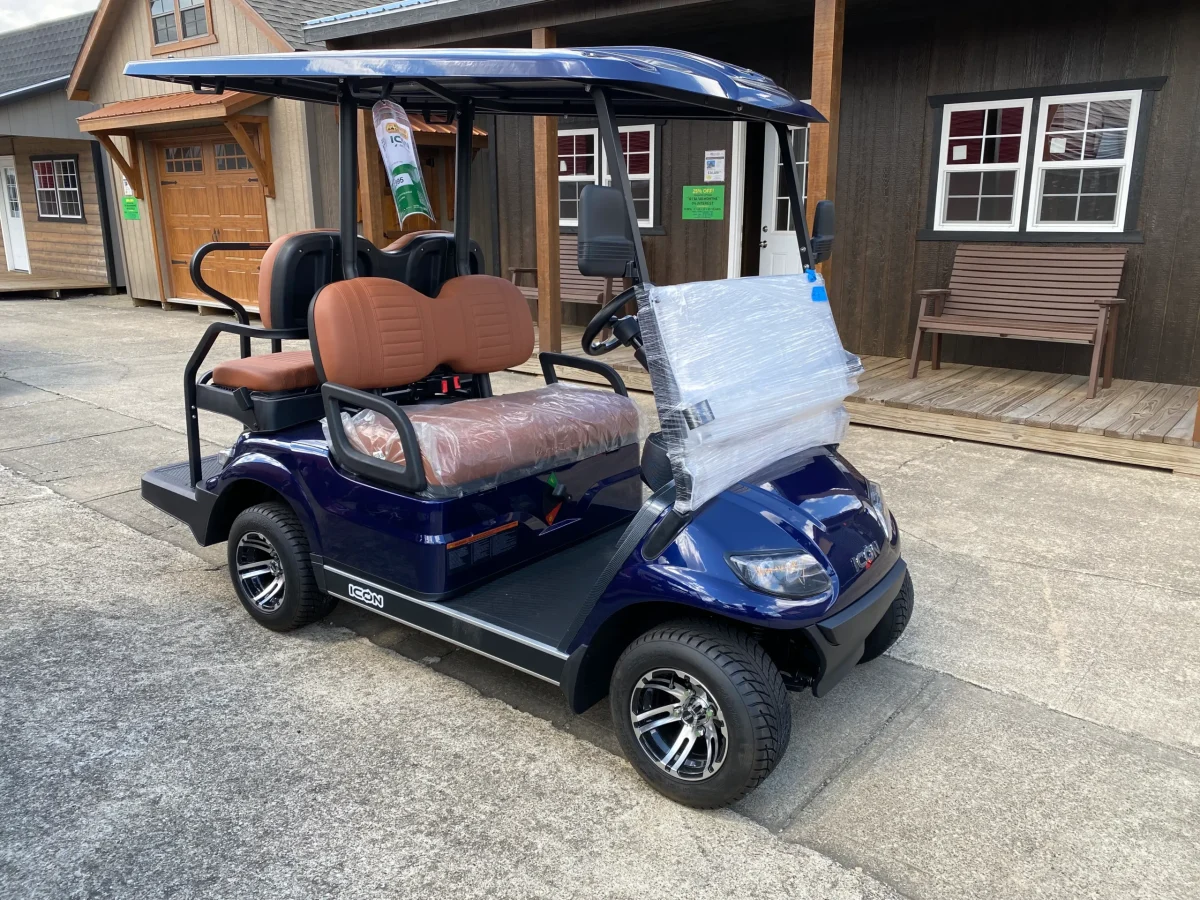
How fast can a gas golf cart go depends on engine design, gearing, factory speed settings, terrain, load weight, and whether the vehicle has been modified. Most standard gas golf carts leave the factory with top speeds between 12 and 15 miles per hour, which is ideal for golf course use. Some newer or performance-oriented models may reach 18 to 20 miles per hour in stock configuration. Modified carts can exceed those numbers, but increasing speed without proper safety upgrades can create mechanical strain and legal issues. Understanding how fast can a gas golf cart go helps buyers choose the right setup for their intended use.
Typical Factory Speed Range
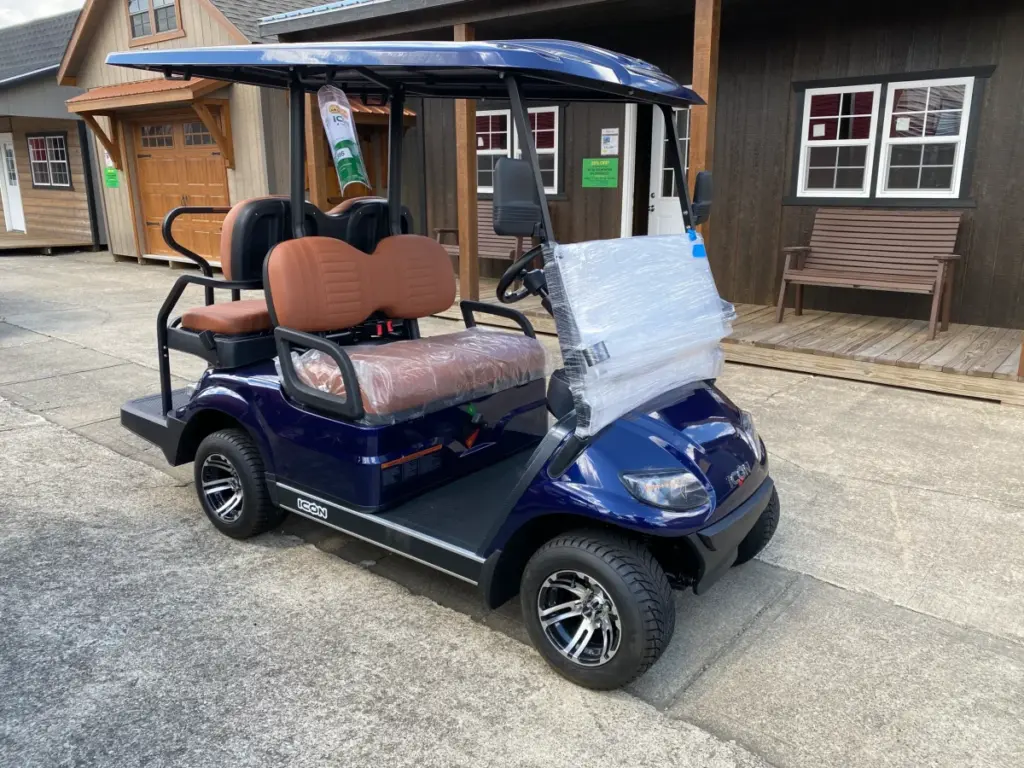
Most gas golf carts are designed primarily for golf course transportation. Manufacturers typically limit speed to ensure safe operation on paths and around pedestrians. In factory condition, many gas models operate in the 12 to 15 miles per hour range. This range balances fuel efficiency, engine longevity, and safe handling. The throttle system, governor settings, and gear ratios all work together to maintain this speed window. These limitations are intentional rather than restrictive. They protect both occupants and the mechanical components of the vehicle. When buyers ask how fast can a gas golf cart go, the factory answer usually falls within this conservative range.
Engine Size And Power Output
Engine displacement plays a role in determining how fast can a gas golf cart go. Most gas golf carts use small four-cycle engines, often ranging from 250cc to 400cc. Larger engines can produce more torque, which supports climbing hills and carrying heavier loads. However, torque does not automatically equal higher top speed. Top speed is influenced more by gearing and governor settings than raw engine size. A more powerful engine may feel stronger under acceleration or while climbing, but it may still be limited electronically or mechanically to a controlled maximum speed. Engine design focuses on durability and steady output rather than high-speed performance.

Role Of The Governor System
The governor system is one of the most important factors in answering how fast can a gas golf cart go. The governor limits engine revolutions per minute to prevent overspeed conditions that could damage internal components. By controlling RPM, the governor keeps the vehicle within safe operating limits. Some owners attempt to adjust or bypass the governor to increase top speed. While this may produce a noticeable speed increase, it can also shorten engine life and increase wear on belts, clutches, and internal components. Proper adjustment must be handled carefully to avoid mechanical damage.
Gearing And Transmission Effects
Gear ratios determine how engine power translates into wheel speed. Lower gearing improves torque and hill-climbing ability but limits maximum speed. Higher gearing can increase top speed but may reduce low-speed pulling strength. Manufacturers choose gear ratios based on intended use. A golf course vehicle prioritizes torque and smooth delivery rather than maximum velocity. When modifications are made to change gearing, acceleration and engine load characteristics change as well. Understanding gearing helps clarify why how fast can a gas golf cart go is not just about engine power.
Terrain And Real-World Conditions
Terrain significantly affects how fast can a gas golf cart go during actual use. On flat pavement, a cart may reach its rated top speed with ease. On hills, speed may drop due to engine load and gearing limitations. Rough terrain increases rolling resistance and reduces achievable speed. Wind resistance also plays a role at higher speeds. A cart that reaches 18 miles per hour on flat ground may slow noticeably on inclines. Real-world performance often differs from advertised maximums because environmental conditions vary.
Passenger Load And Weight Impact
Passenger weight directly affects acceleration and speed. A lightly loaded cart reaches top speed more quickly than one carrying four adults and cargo. Increased weight requires greater torque output, which can slow acceleration and reduce maximum speed on hills. Tire pressure and tire size also influence rolling resistance. Larger tires can increase theoretical top speed but may reduce torque if gearing remains unchanged. Weight distribution affects stability at higher speeds as well. Safe operation depends on maintaining balance between load and mechanical limits.
Modified Gas Golf Cart Speeds
When discussing how fast can a gas golf cart go, modifications often enter the conversation. Performance upgrades such as governor adjustments, high-performance clutches, upgraded carburetors, or gear changes can increase speed beyond factory limits. Some modified carts may reach 20 to 25 miles per hour or slightly higher under certain conditions. However, increasing speed without upgrading brakes, suspension, and tires can create safety concerns. Mechanical stress also increases as engine RPM rises. Modifications should be approached carefully and with a full understanding of the risks involved.
Fuel Efficiency And Speed Tradeoffs
Higher speed typically reduces fuel efficiency. Gas golf carts operate most efficiently within their designed speed range. When drivers push beyond factory limits, fuel consumption increases and engine components experience greater wear. The balance between speed and efficiency depends on intended use. For golf course transportation, moderate speed and fuel economy make more sense than higher velocity. Drivers using carts for neighborhood transportation may value slightly higher speeds but should consider long-term mechanical impact.
Gas Vs Electric Speed Comparison
Comparing gas and electric models helps provide perspective. Electric golf carts often deliver smoother acceleration and can reach similar or slightly higher regulated speeds when configured for Low-Speed Vehicle use. Gas models rely on combustion engines and mechanical transmissions, which produce different acceleration characteristics. The National Highway Traffic Safety Administration explains that Low-Speed Vehicles are typically limited to 25 miles per hour for public road safety. You can review LSV guidance here: NHTSA Low-Speed Vehicle Guidelines. This regulatory limit affects both gas and electric configurations when classified for street use.
Safety Considerations At Higher Speeds
As speed increases, braking distance grows and handling sensitivity changes. Gas golf carts were not originally designed for high-speed roadway travel. Suspension geometry, steering components, and frame structure reflect intended low-speed environments. Operating near the upper limits of performance requires attention to maintenance and safety equipment. Owners considering higher speeds should evaluate braking condition, tire quality, and steering response. Stability matters more as speed rises, especially with passengers on board.

Choosing The Right Gas Golf Cart
When evaluating how fast can a gas golf cart go, buyers should consider intended use before focusing on maximum speed numbers. A reliable gas model designed for smooth operation and durability often provides better long-term satisfaction than a heavily modified cart chasing top speed. For example, the Icon G40 Valor represents a style of dependable gas-powered golf cart commonly used for practical transportation. Choosing a cart that balances speed, reliability, and maintenance requirements helps ensure consistent performance.
Conclusion
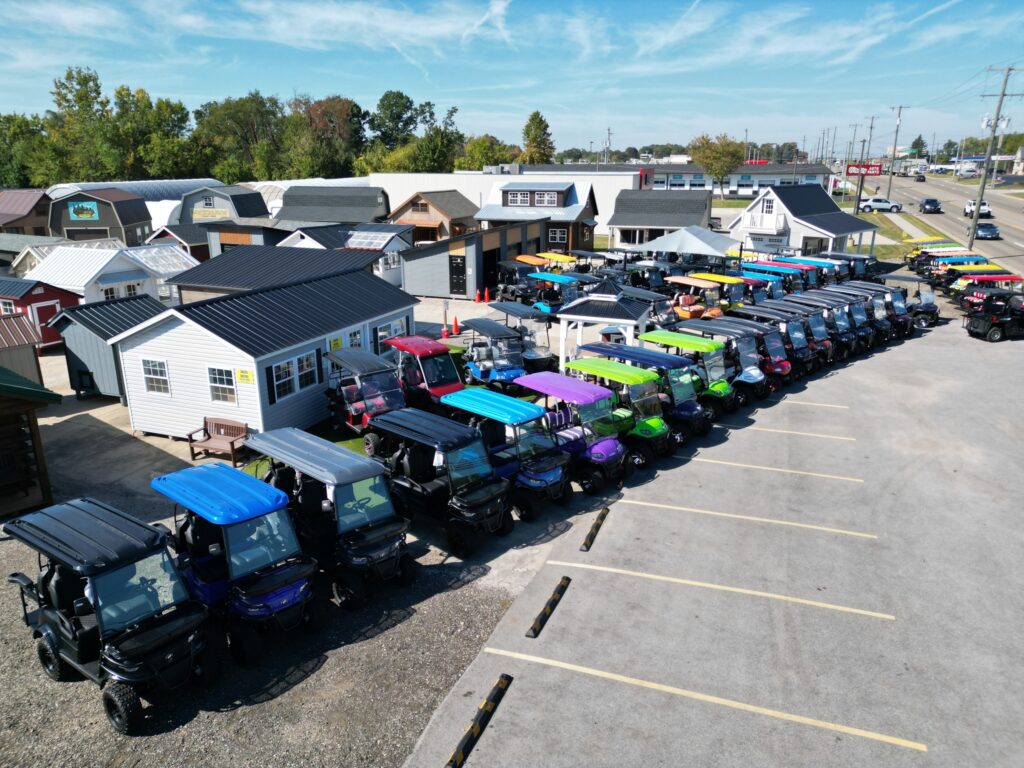
So, how fast can a gas golf cart go? In most factory configurations, expect a range between 12 and 15 miles per hour, with some models reaching closer to 18 or 20 miles per hour. Modifications can increase speed, but they introduce mechanical and safety considerations that should not be ignored. Engine size, gearing, governor settings, terrain, load, and maintenance all influence real-world performance. For buyers comparing gas golf carts for neighborhood or recreational use, Hartville Golf Carts offers a huge selection of golf carts designed for reliable transportation and practical everyday use.