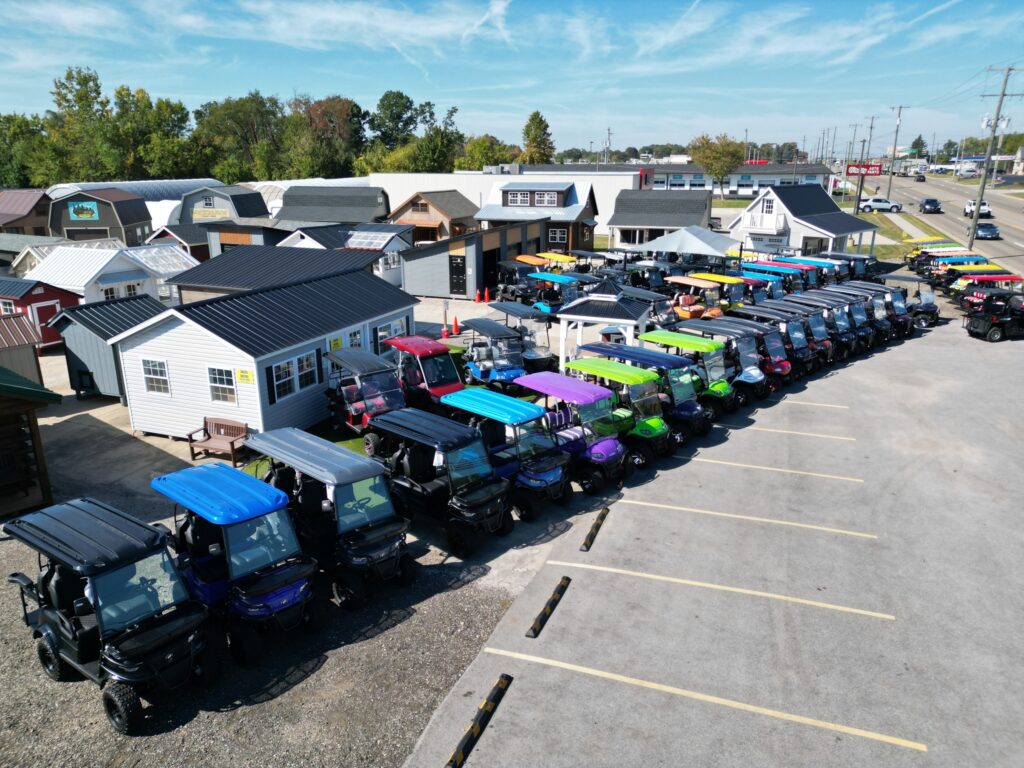

Many buyers ask how far can a golf cart go because they want to know if a golf cart can handle their daily transportation needs without frequent charging or refueling. The answer depends on several factors, including the power source, battery technology, terrain, passenger load, weather conditions, and maintenance. A golf cart driven around a flat neighborhood usually travels farther than one used on hilly terrain or rough trails. Understanding these factors helps buyers choose a golf cart that delivers the range they need for everyday use.
Driving range should never be viewed as a fixed number. Every trip places different demands on the golf cart. Carrying extra passengers, climbing hills, or making frequent stops can reduce the available range. On the other hand, careful driving and proper maintenance help maximize the distance a golf cart can travel on a single charge or tank of fuel.
Battery Technology Makes A Big Difference
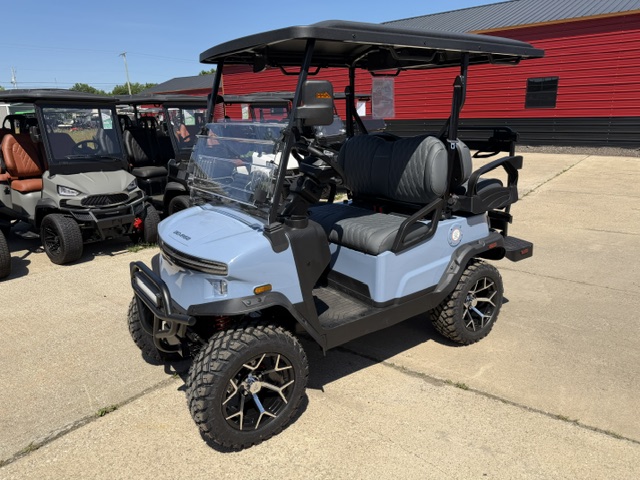
The battery system has the greatest impact on the range of an electric golf cart. Traditional lead-acid batteries remain common because they cost less initially, but they require regular maintenance and gradually lose capacity as they age. As battery performance declines, the golf cart travels fewer miles before requiring another charge. Proper charging habits and routine maintenance help slow this natural loss of capacity.
Many newer golf carts now use lithium batteries instead of lead-acid batteries. Lithium technology offers faster charging, lighter weight, and more consistent performance throughout the discharge cycle. Owners also appreciate the reduced maintenance requirements. Although lithium batteries increase the purchase price, many buyers choose them because they provide greater convenience and improved long-term efficiency.
Terrain And Driving Habits Affect Range
The environment where a golf cart operates has a major influence on the driving range. Flat paved roads require much less energy than steep hills, loose gravel, muddy paths, or soft grass. Every incline forces the motor or engine to work harder, increasing energy consumption. Heavy passenger loads and additional cargo also reduce the total distance the golf cart can travel.
Driving style makes a noticeable difference as well. Smooth acceleration, moderate speeds, and gradual braking help conserve energy throughout the trip. Frequent hard acceleration and aggressive driving drain batteries more quickly while placing additional stress on mechanical components. Developing efficient driving habits often increases the available range without making any modifications to the golf cart.
Modern Golf Carts Deliver Better Efficiency
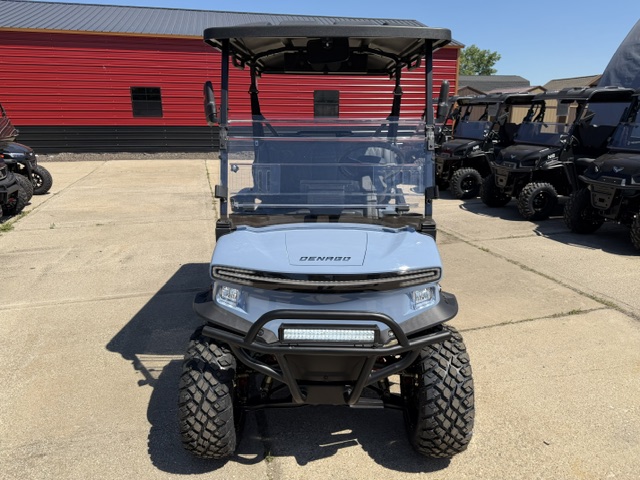
Golf cart technology has improved significantly during the past several years. Manufacturers continue introducing more efficient AC motors, intelligent motor controllers, and advanced battery management systems that help extend driving range. Better engineering also improves power delivery, allowing many modern golf carts to travel farther while using less energy than older models.
If you are comparing golf carts designed for dependable everyday transportation, exploring the latest Atlas Golf Carts can help you understand how modern battery systems, efficient drivetrains, and updated engineering contribute to longer driving range and improved overall performance.
Routine Maintenance Helps Extend Driving Range
Regular maintenance has a direct impact on how far a golf cart can go. Even the most advanced battery system cannot deliver its full performance if the golf cart is not maintained correctly. Electric golf cart owners should charge batteries according to the manufacturer’s recommendations, inspect battery terminals for corrosion, and check electrical connections regularly. Gas-powered models also require routine engine maintenance, including oil changes, clean air filters, and timely spark plug replacement. Keeping every major system in good condition helps the golf cart operate more efficiently.
Tire pressure also affects driving range. Underinflated tires create additional rolling resistance, forcing the motor or engine to work harder. Removing unnecessary cargo and avoiding excess weight further improves efficiency. Small maintenance habits performed consistently often add up to noticeable improvements in both driving range and long-term reliability.
Weather And Temperature Influence Performance
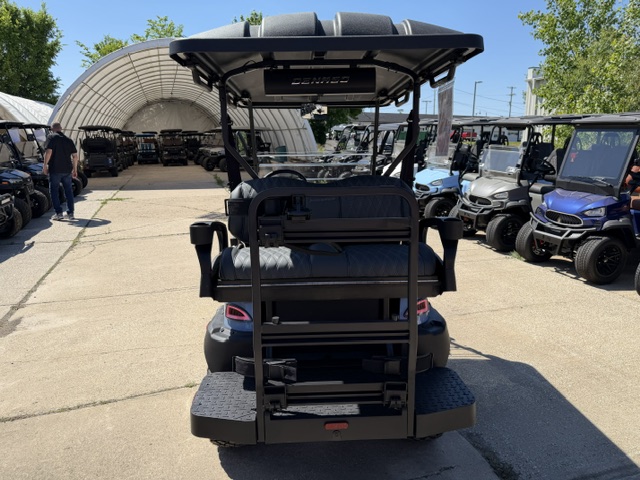
Weather conditions can change how far a golf cart travels during a single trip. Cold temperatures often reduce battery efficiency, causing electric golf carts to lose some driving range until the batteries warm up. Extremely hot weather may also affect battery performance if the golf cart operates continuously for long periods. Although these changes are usually temporary, drivers should consider seasonal conditions when planning longer trips.
Strong headwinds, heavy rain, and muddy ground also increase the amount of energy needed to move the golf cart. Driving carefully during poor weather not only improves safety but also helps reduce unnecessary battery drain or fuel consumption. Planning routes with weather conditions in mind allows owners to make the most of every charge or tank of fuel.
Plan Longer Trips With Confidence
Owners who regularly travel longer distances can take a few simple steps to improve reliability. Start each trip with fully charged batteries or a full fuel tank, inspect tire pressure, and make sure the golf cart is operating properly before leaving. Planning your route ahead of time also reduces the chance of unexpected delays or unnecessary detours that increase energy consumption.
Understanding proper battery care can also improve long-term performance. Helpful information from the Battery Council International explains best practices for battery maintenance, charging, and recycling. Following these recommendations helps many owners maintain consistent performance throughout the life of their batteries.
Choosing The Right Battery For Your Driving Needs
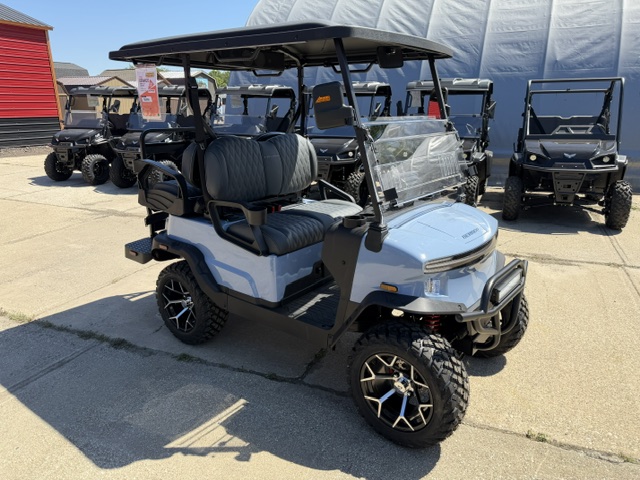
Selecting the right battery system can make a significant difference in how far a golf cart can go during everyday use. Buyers who only drive short distances around a golf course or neighborhood may find that a traditional lead-acid battery system meets their needs. However, owners who regularly travel longer distances often prefer lithium batteries because they provide more consistent performance throughout the charge cycle and require very little maintenance. Lithium batteries also recharge more quickly, allowing the golf cart to return to service sooner after charging.
Before purchasing a golf cart, think about how often you plan to drive, how many passengers you usually carry, and whether charging opportunities are readily available. Matching the battery system to your driving habits helps avoid unnecessary expense while ensuring the golf cart delivers dependable performance. A battery that suits your daily routine will often provide greater satisfaction than simply choosing the option with the highest advertised specifications.
Driving Efficiently Can Increase Every Charge
Many owners overlook the impact their driving habits have on the golf cart’s range. Accelerating smoothly, maintaining a steady speed, and avoiding unnecessary stops help reduce energy consumption throughout every trip. Planning errands or activities to avoid repeated short journeys can also improve efficiency because the golf cart operates more consistently.
Drivers should remove unnecessary cargo, keep tires inflated to the recommended pressure, and avoid carrying more passengers than necessary whenever possible. These simple habits reduce the workload placed on the motor and battery system while helping the golf cart travel farther on each charge or tank of fuel. Regular inspections, proper battery charging, and careful driving work together to maximize efficiency without requiring expensive upgrades. Over time, these small improvements can noticeably extend driving range while reducing wear on important mechanical and electrical components.
Conclusion
If you are asking how far a golf cart can go, remember that the best choice depends on your daily transportation needs rather than the highest advertised range. Consider how often you drive, the terrain you travel, the number of passengers you carry, and the convenience of charging or refueling. Evaluating these factors together makes it easier to select a golf cart that provides dependable performance every day.
Before making your purchase, compare different models based on battery technology, efficiency, maintenance requirements, and intended use. Taking time to research your options today can help you enjoy years of reliable transportation. If you would like expert guidance or want to compare available inventory, visit Hartville Golf Carts for professional assistance.