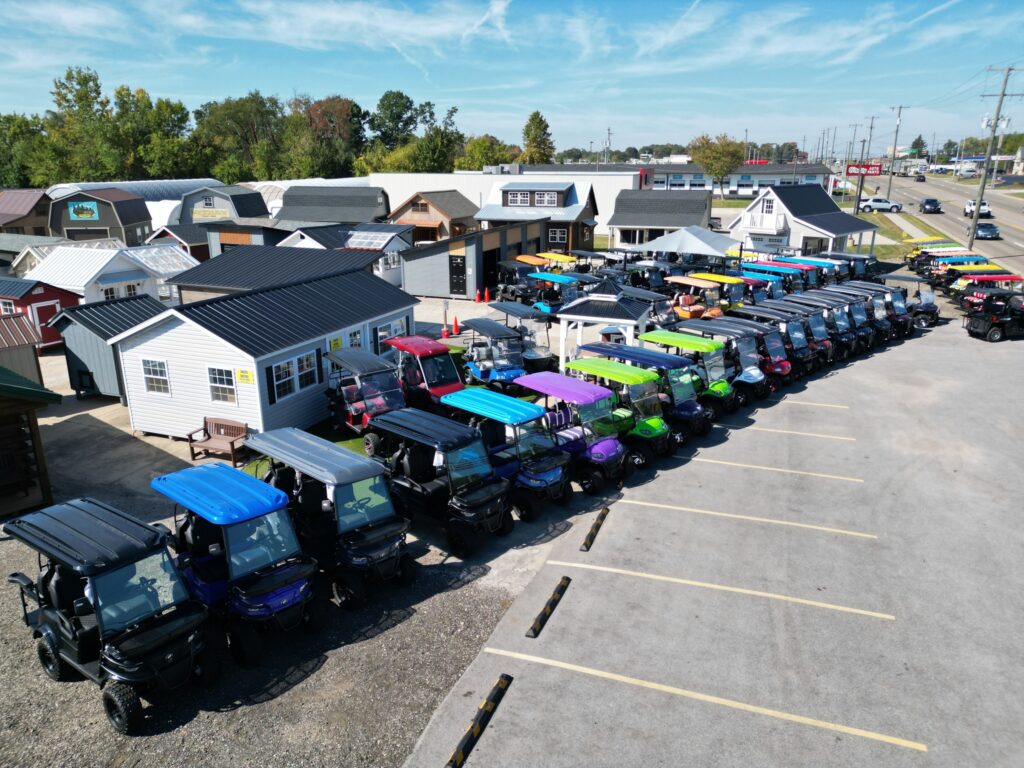

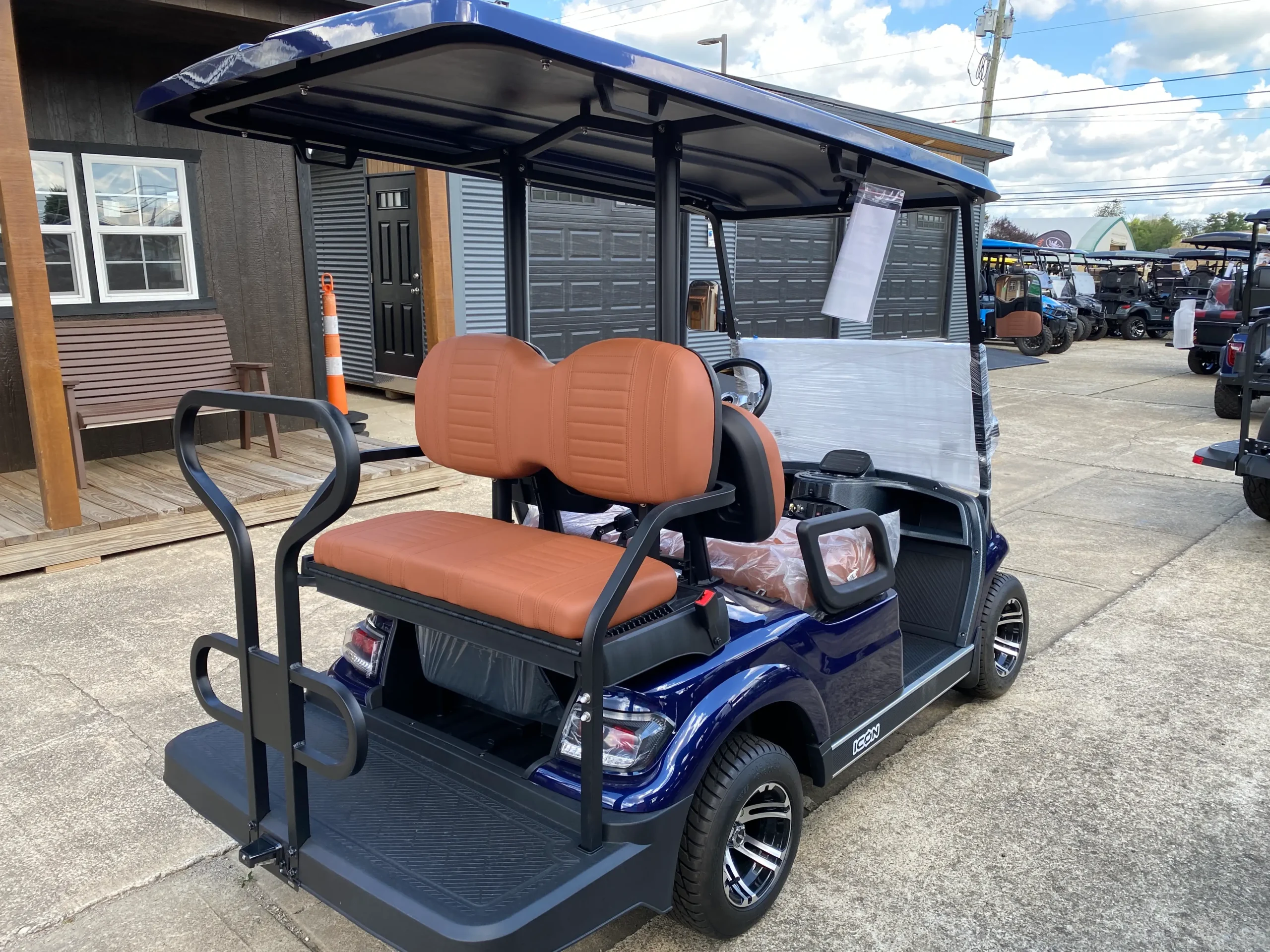
Yes, golf carts can run on gas. Gas models use gasoline engines, while electric models draw power from rechargeable batteries. However, choosing between them involves more than deciding how to refuel or recharge. Daily distance, maintenance, noise and access to charging all affect which option suits you. The question “do golf carts run on gas” also leads to a practical buying decision: would gasoline power make your usual trips easier? Below, we explain how gas carts work, compare the main power systems and show how to estimate energy costs before purchasing.
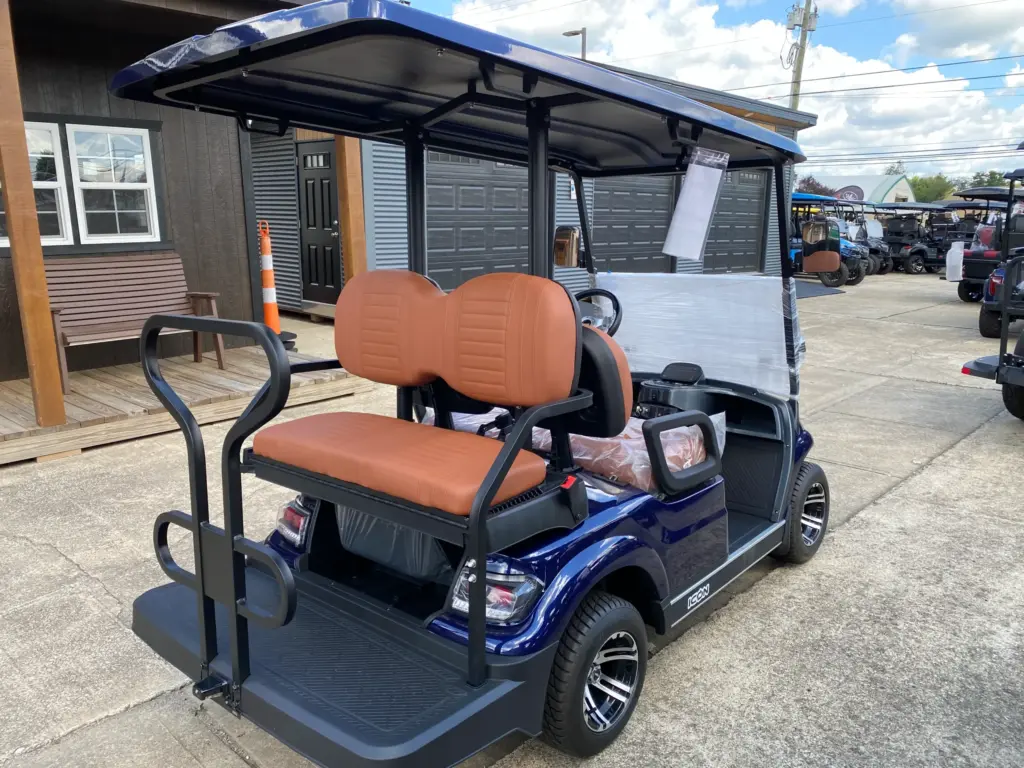
Gas, Lead-Acid And Lithium Golf Carts Compared
Gas and electric carts can suit different routines. Therefore, compare the power system alongside your daily distance, maintenance preferences and access to fuel or charging.
| Factor | Gas | Flooded Lead-Acid Electric | Lithium Electric |
|---|---|---|---|
| Refueling or charging | Refill the fuel tank using the manufacturer’s specified gasoline | Recharge with a compatible charger | Recharge with the battery system’s approved charger |
| Routine maintenance | Engine oil, filters, spark plugs and fuel-system checks, according to the service schedule | Charging, terminal inspections and battery-water checks according to the manual | Charging and inspections; no battery watering |
| Noise | Engine and exhaust noise while running | No combustion-engine noise; tires and drivetrain still produce sound | No combustion-engine noise; tires and drivetrain still produce sound |
| Range conditions | Fuel consumption varies with load, terrain, speed and vehicle condition | Range varies with charge, battery health, temperature, load and terrain | Range varies with battery capacity, temperature, load and terrain |
| Suitable routine | Repeated trips where refueling access is convenient | Planned trips with sufficient charging time and regular battery care | Planned trips where quiet operation and reduced battery upkeep matter |
| Named model example | Club Car Onward 4 Passenger Gas | Club Car Onward 4 Passenger Electric | Club Car Onward 4 Passenger HP Lithium or XR Lithium |
Club Car’s Onward manufacturer specifications identify these powertrain options. Follow the owner’s manual for the exact vehicle and battery system rather than applying one maintenance schedule to every cart.
Gas Golf Carts Have Been Around For Decades
Gas-powered golf carts existed long before modern lithium battery systems became popular. For many years, gas carts dominated golf courses, resorts, and large private properties because they offered strong range and reliable performance without requiring long charging times. Small gasoline engines allowed owners to refuel quickly and continue driving almost immediately.
Even today, many golf courses and utility operations still rely on gas carts because they handle long operating hours well. Older golf cart generations from Yamaha, Club Car, and EZGO frequently used gas engines as standard equipment. The official E-Z-GO personal golf cart lineup shows that gas-powered golf carts are still available today, which confirms that golf carts are not limited to electric power.
How Gas Golf Carts Work
Gas golf carts use compact internal combustion engines powered by regular gasoline. These engines transfer power through belts, clutches, and drivetrains to move the cart forward. Most modern gas carts operate quietly compared to larger vehicles, although they still produce more engine noise than electric models.
The engine usually starts automatically when the accelerator pedal is pressed. Once running, the engine continues supplying power until the driver stops or releases the accelerator fully, depending on the cart design. Many gas golf carts include governors that limit top speed to help maintain safe operation and reduce drivetrain wear during normal use.
Why Some Owners Prefer Gas Golf Carts
Many owners prefer gas golf carts because they provide a long operating range without waiting for batteries to recharge. Refueling takes only a few minutes, which makes gas carts attractive for large properties, campgrounds, farms, and utility work where long daily usage matters.
Gas carts also perform consistently during longer drives because they do not experience battery voltage drop as charge levels decrease. Some owners appreciate the familiar feel of gasoline engines and simpler refueling routines compared to battery charging schedules. Drivers covering long distances regularly often feel more comfortable with gas-powered setups.
Electric Golf Carts Continue Growing Popular
Although gas golf carts remain common, electric models have become increasingly popular because battery technology has improved dramatically. Modern lithium-powered carts now deliver longer range, faster charging, and much lower maintenance requirements than older electric systems.
Electric carts also operate more quietly and produce no engine exhaust during use. Neighborhood communities and residential areas often favor electric carts because they create less noise and feel more environmentally friendly during short-distance transportation. Advances in controller technology and lithium batteries have made electric carts much more capable than they were years ago.
Gas Golf Carts Require Different Maintenance
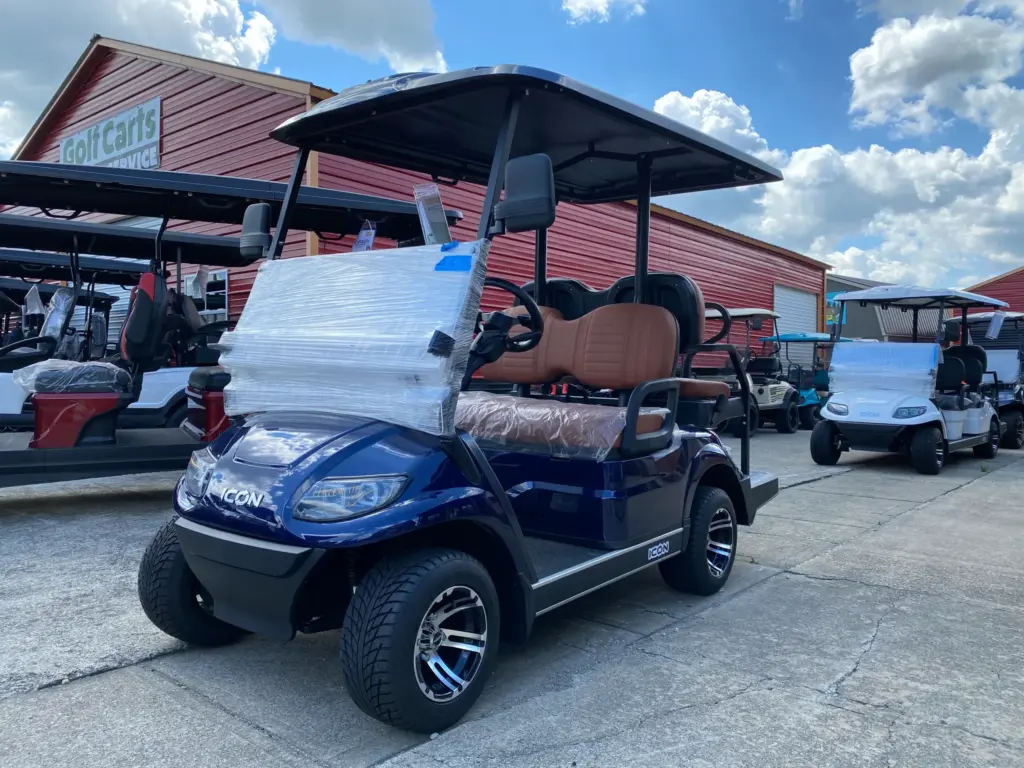
Gas-powered golf carts require routine engine maintenance similar to other small-engine vehicles. Owners must monitor oil levels, air filters, spark plugs, fuel systems, and belts regularly to maintain reliable operation. Ignoring maintenance may reduce performance and shorten engine lifespan over time.
Electric carts avoid many engine-related tasks entirely, but gas cart owners often appreciate the ability to refuel instantly instead of waiting for charging cycles. Proper maintenance remains important regardless of the power system because neglected carts of any type eventually develop reliability problems.
Terrain And Usage Influence The Best Choice
The best golf cart type often depends on how and where the cart will be used daily. Gas carts perform especially well on large properties, hilly terrain, and situations involving long operating hours. Owners working across large properties may appreciate the ability to refuel between trips instead of waiting for a recharge. However, runtime is not unlimited. Fuel supply, servicing, vehicle condition and the manufacturer’s operating limits still apply.
Electric carts usually excel in neighborhoods, gated communities, and recreational environments where shorter trips and quiet operation matter more. Buyers should think carefully about daily driving patterns instead of assuming one system automatically works better for everyone.
Fuel Costs Versus Charging Costs
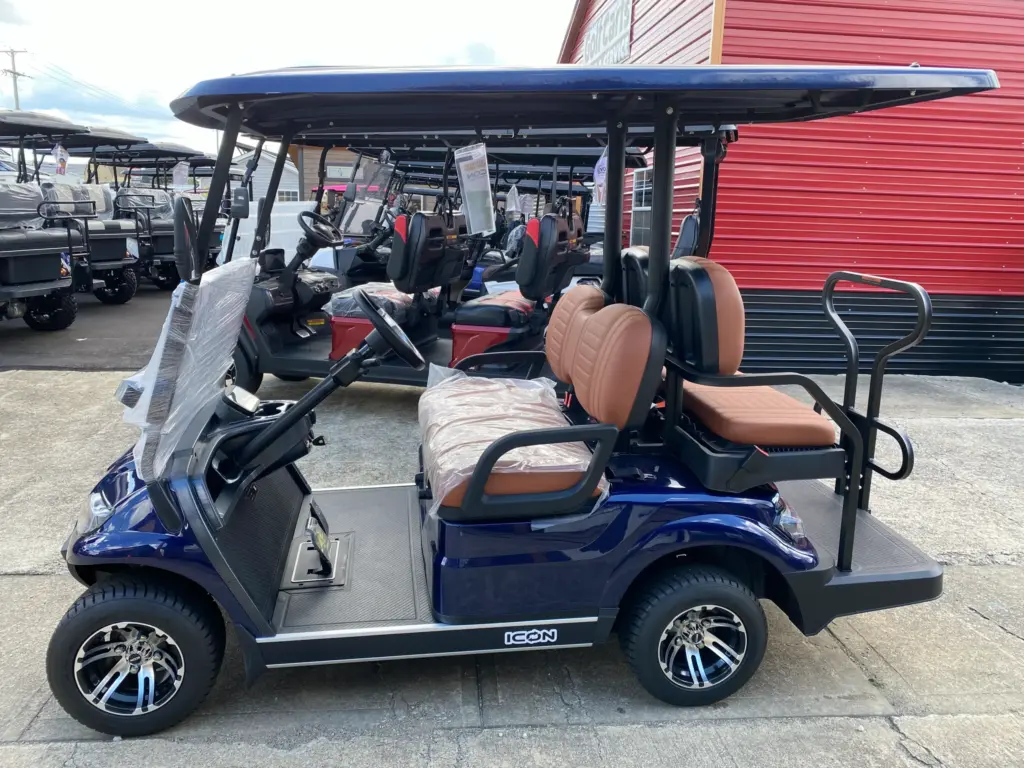
Fuel and charging costs depend on energy prices, vehicle efficiency and annual distance. Therefore, compare both systems using the same yearly mileage. For gas, divide annual miles by miles per gallon, then multiply by the gasoline price. For electric, multiply annual miles by electricity consumed at the outlet per mile, then multiply by your electricity rate. Outlet consumption matters because charging uses more energy than the battery ultimately stores.
Keep these energy costs separate from maintenance and battery replacement. Gas carts need scheduled engine servicing, while electric carts need battery and charging-system care. Both also require attention to tires, brakes and other vehicle components. Consequently, an energy-cost comparison alone cannot establish which cart costs less to own.
An Example Of Annual Energy Costs
This illustration uses 1,000 miles per year and historical U.S. energy-price benchmarks. EIA reports a 2025 average regular gasoline price of $3.10 per gallon and a residential electricity price of 17.30 cents per kWh. These are national averages, not current local pump prices or a particular utility tariff. Substitute your own prices before budgeting.
For the gas calculation, Yamaha advertises 45 mpg for its Drive² PTV QuieTech EFI. Actual consumption can differ.
For the electric calculation, Club Car lists a 7.0-kWh XR lithium battery and an estimated first-year range of 35–55 miles for its non-lifted Onward 4 Passenger. This example assumes 40 miles per full battery-equivalent cycle. It also adds an illustrative 20% charging-energy allowance. Those assumptions are not manufacturer efficiency figures or Hartville measurements.
| Calculation Input | Gas Example | Lithium Electric Example |
|---|---|---|
| Annual distance | 1,000 miles | 1,000 miles |
| Efficiency input | Manufacturer-advertised 45 mpg | Assumed 7 kWh per 40 miles, plus 20% charging allowance |
| Estimated annual energy | 22.22 gallons | 210 kWh at the outlet |
| Historical energy price | $3.10 per gallon | $0.173 per kWh |
| Calculated annual energy cost | Approximately $68.89 | Approximately $36.33 |
Gas calculation: 1,000 ÷ 45 × $3.10 = approximately $68.89.
Electric calculation: 1,000 ÷ 40 × 7 × 1.20 × $0.173 = $36.33.
These are different vehicles, so this is a calculation demonstration rather than a controlled comparison. It excludes purchase price, maintenance, battery replacement, repairs, insurance and other ownership expenses. For a stronger personal estimate, record actual fuel use or charging electricity over your normal trips.
Modern Golf Carts Offer Stronger Performance
Both gas and electric golf carts have improved significantly over recent years. Better suspension systems, upgraded drivetrains, and modern comfort features have made golf carts much more practical for everyday transportation and recreation than in older generations. Drivers comparing modern golf cart options sometimes consider models like the Evolution EV D5 Ranger 4 Plus because newer electric carts now deliver strong acceleration, comfortable cruising speeds, and reliable neighborhood usability without requiring gas engines at all. Modern buyers have far more capable choices available than ever before.
Choosing Between Gas And Electric
There is no single perfect answer when choosing between gas and electric golf carts. Gas models provide fast refueling and strong long-distance usability, while electric carts offer quiet operation and simpler everyday maintenance. Owners who value convenience, low noise, and residential driving often prefer electric systems. Drivers using carts heavily on larger properties or demanding terrain may still prefer gasoline power for practical reasons. The best decision usually comes down to lifestyle, driving habits, and long-term ownership priorities rather than simply following trends. If gasoline power suits your routine, browse Hartville’s gas golf cart inventory. Confirm the fuel type, specifications and availability of the individual cart before comparing it with an electric alternative.
Conclusion
Yes, many golf carts still run on gas, although electric models continue becoming more popular because of modern battery improvements and quieter operation. Gas golf carts use small combustion engines that provide long range and quick refueling, while electric carts rely on rechargeable battery systems that offer lower noise and reduced daily maintenance. Both systems offer advantages depending on terrain, usage patterns, and ownership preferences. Buyers who understand these differences usually make better long-term decisions based on how they actually plan to use the cart. For drivers looking for dependable golf carts with modern features and practical everyday usability, Hartville Golf Carts offers reliable models designed for comfort, convenience, and performance.