
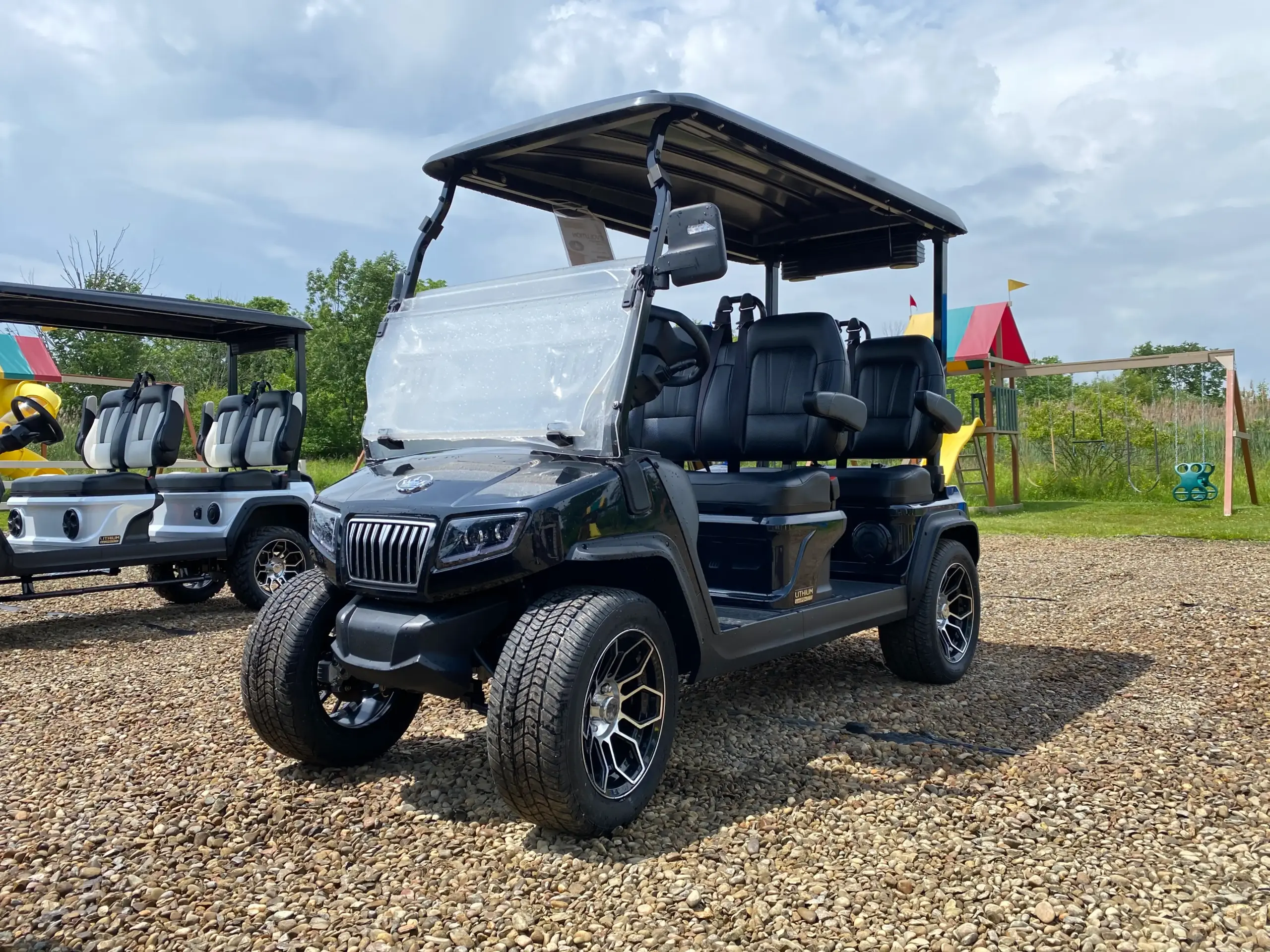
Can golf carts be driven on the road? The answer is yes in many parts of the United States, but only under specific conditions. Most states allow golf carts on certain public roads with low speed limits, while others require them to be upgraded to street-legal or low-speed vehicles before they can be driven legally. Requirements often include headlights, brake lights, mirrors, reflectors, seat belts, registration, insurance, and a valid driver’s license. Because every state and even local municipality has different rules, checking local regulations before driving on public roads is essential.
From the Course to the Street: How Golf Carts Gained Popularity
Golf carts began as utility vehicles for courses, helping players move quickly between holes. Over time, their usefulness in retirement communities, gated neighborhoods, and resort areas became clear. In these places, short trips to shops, clubhouses, or friends’ homes made carts an appealing alternative to full-size cars. This growing popularity prompted local governments to create rules that allowed golf carts on certain roads while keeping safety in mind. Today, in some U.S. towns, golf carts are as common as bicycles or scooters.
The Basics of Golf Cart Road Use in the U.S.
At the federal level, the National Highway Traffic Safety Administration (NHTSA) sets the broad categories for vehicles. A standard golf cart travels under 20 mph and does not meet all motor vehicle safety standards. A low-speed vehicle (LSV), by contrast, can travel between 20 and 25 mph and must include equipment like headlights, turn signals, mirrors, and seat belts. While NHTSA definitions influence manufacturing standards, states and towns ultimately decide if and where you can drive.
Golf Cart vs Street-Legal Golf Cart
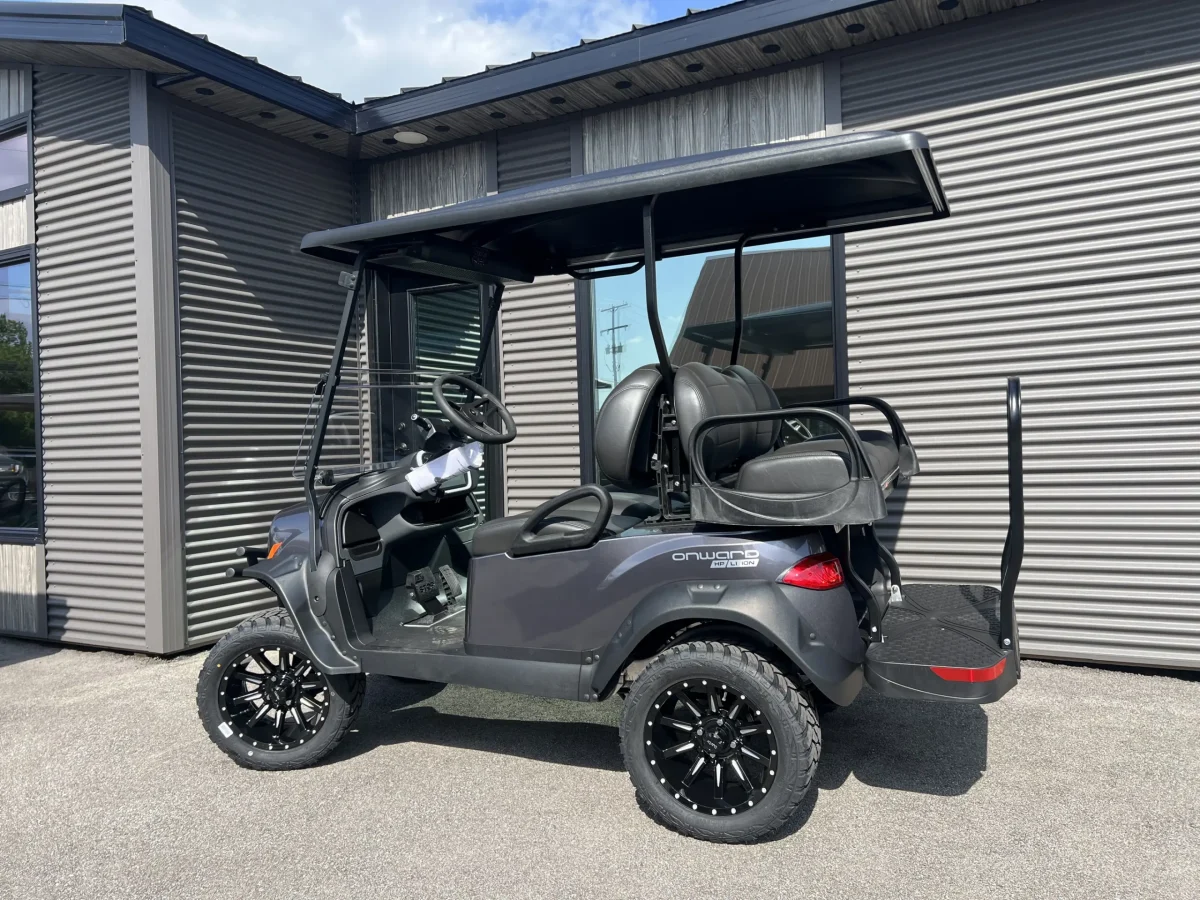
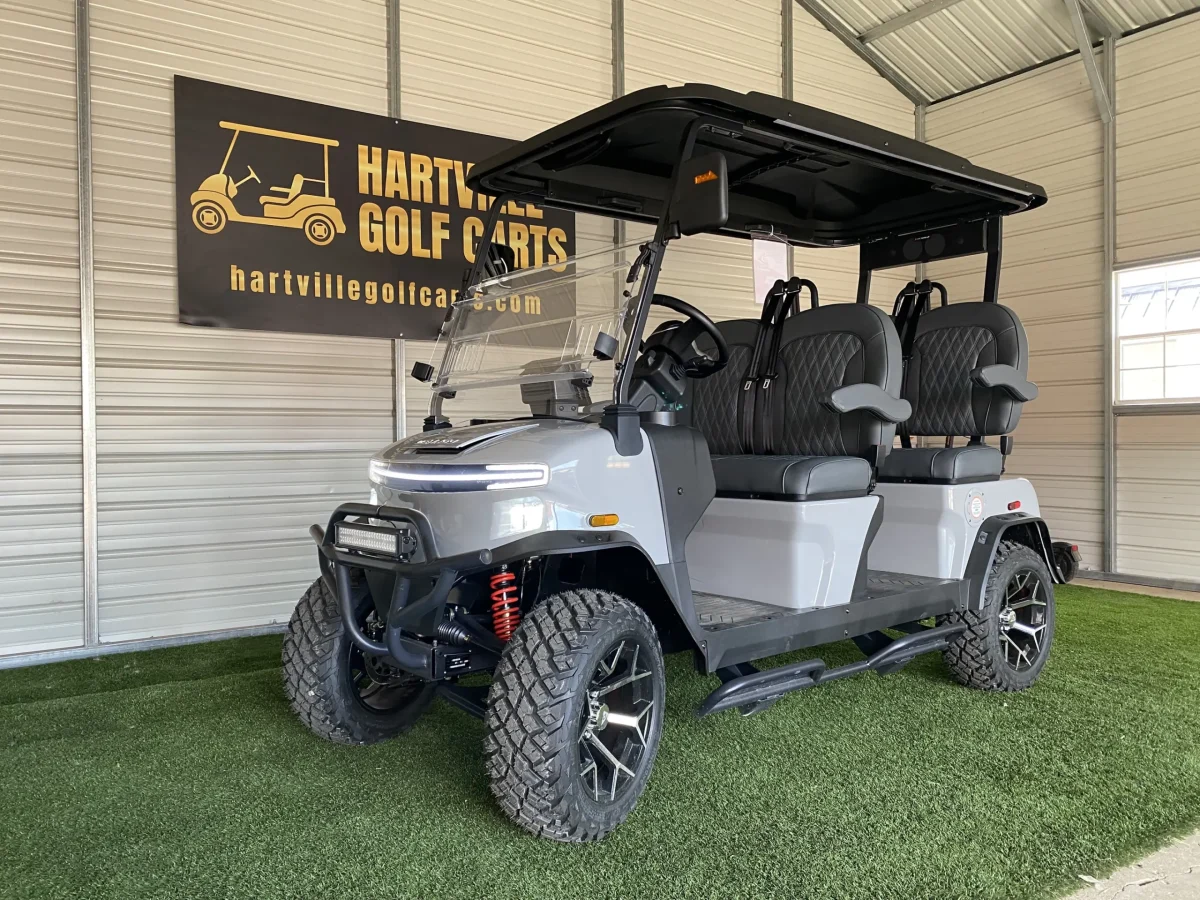
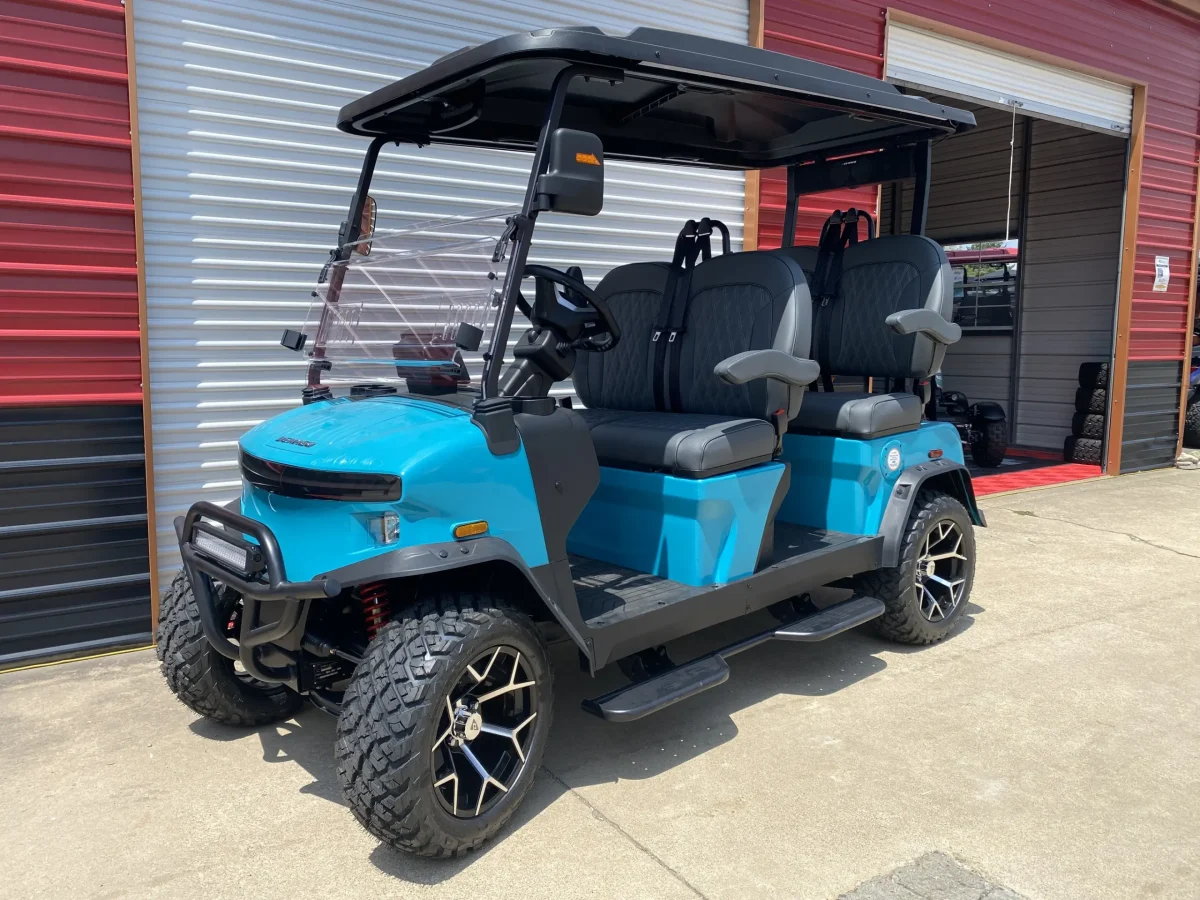
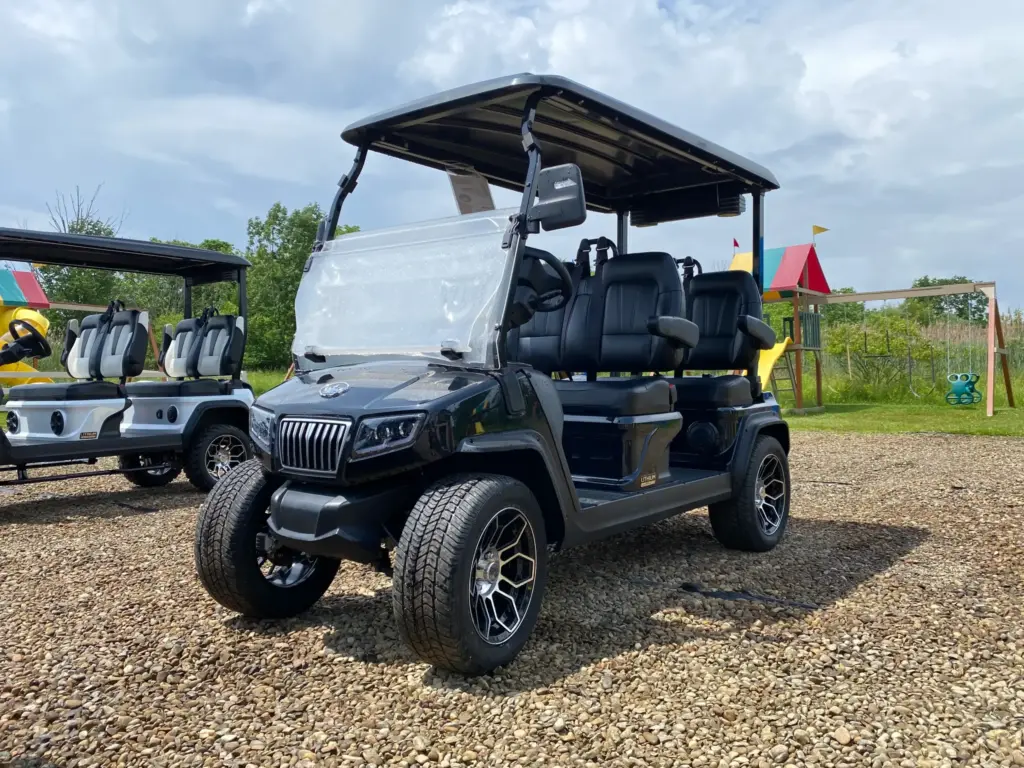
Many people assume all golf carts can be driven on public roads, but that is not always true. A standard golf cart is typically designed for golf courses and private property, while a street-legal golf cart or low-speed vehicle (LSV) meets additional safety requirements. Depending on state laws, street-legal models may require headlights, taillights, mirrors, turn signals, seat belts, a VIN, registration, and insurance before being driven on public roads.
How to Find Out If Golf Carts Are Legal on Roads in Your Area
Even within the same state, golf cart laws can vary from one city to another. Before taking your golf cart onto a public street, check your city or county ordinances in addition to state regulations. Many municipalities publish golf cart rules on their official websites, while state Departments of Motor Vehicles also provide registration and equipment requirements. Looking for posted road signs is equally important because some communities allow golf carts only on designated streets or crossings. Spending a few minutes confirming the rules can help you avoid citations while ensuring your golf cart is operated safely and legally.
Why Rules Differ Across States
Each state writes its own traffic laws, and local cities or counties often add their own rules. In one town, you might see golf carts on almost every road. In another, you might find they are only legal in specific zones or on streets with lower speed limits. These variations reflect differences in traffic density, road design, and local priorities. Some areas encourage carts to reduce congestion and emissions, while others limit them to avoid conflicts with faster-moving vehicles.
Communities that embrace golf carts often experience benefits beyond simple transportation. Residents frequently use them to visit neighbors, attend community events, or travel short distances without starting a full-size vehicle. In many retirement communities and resort towns, golf carts have become part of everyday life because they are easy to park, economical to operate, and well suited for low-speed streets. This growing acceptance explains why more cities continue to evaluate golf cart-friendly infrastructure.
How It Works in Different States
Florida is one of the most golf cart–friendly states in the country. In many retirement communities and beach towns, carts share the road with cars daily. Florida law allows carts on roads with posted speed limits of 30 mph or less, as long as they meet safety requirements. Many communities add designated crossings and parking spots for carts, making it easy for residents to get around without a car.
Texas takes a similar but slightly more regulated approach. You can operate a golf cart on certain roads, especially in smaller towns and tourist destinations. Drivers usually need a valid license, and some areas require a permit. Night driving calls for headlights and reflectors. Many towns allow carts to cross highways but not to travel along them.
California blends environmental priorities with cautious regulation. You can use a golf cart in planned communities, resort areas, and near golf courses. Some zones require extra safety features like windshield wipers and turn signals. California also uses the term “neighborhood electric vehicle” (NEV) for carts that meet stricter standards and can travel faster. NEVs gain access to more roads than standard carts.
Georgia supports golf cart use in many small towns, particularly in areas designed with multi-use paths and crossings. In cities like Peachtree City, golf carts have dedicated lanes alongside cars and bikes. However, you must follow specific registration rules and safety requirements.
Arizona permits golf carts on roads with speed limits under 35 mph, provided they meet basic safety standards. Some communities even design special cart-friendly roadways to connect neighborhoods and local businesses. Like many states, Arizona leaves additional rules up to local authorities.
South Carolina allows carts on secondary roads during daylight hours, as long as they are registered and insured. Drivers must hold a valid license and remain within a short distance, often four miles, of the registered address. Coastal towns use golf carts heavily, especially during tourist season.
Safety Equipment and Modifications That Make a Difference
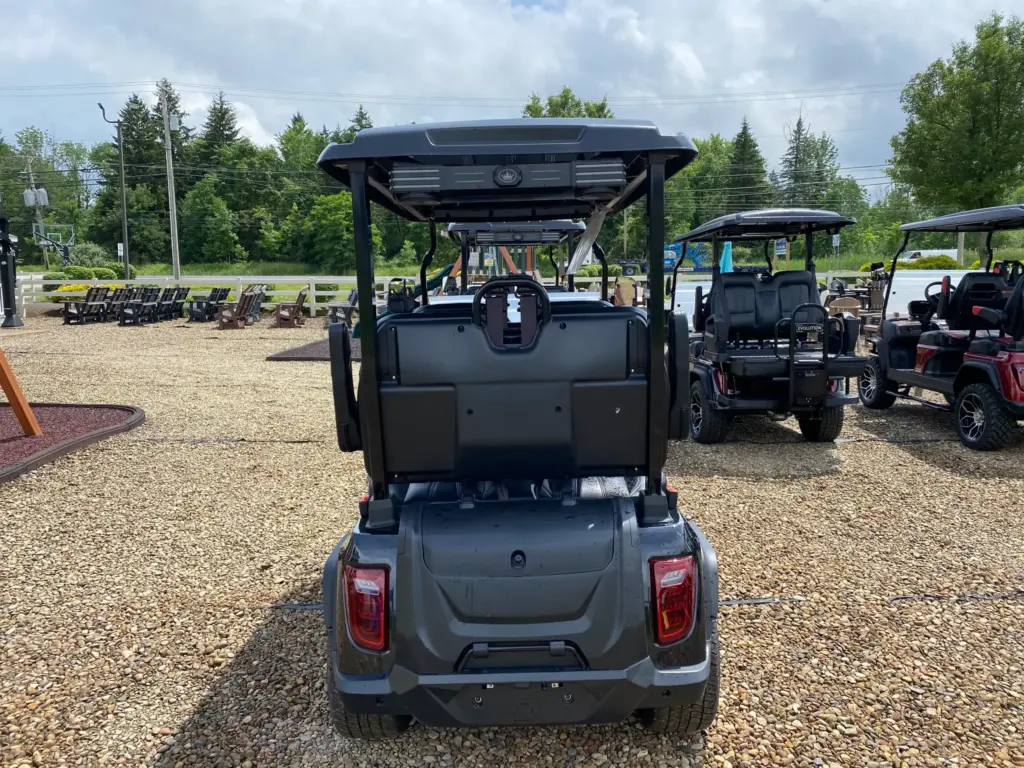
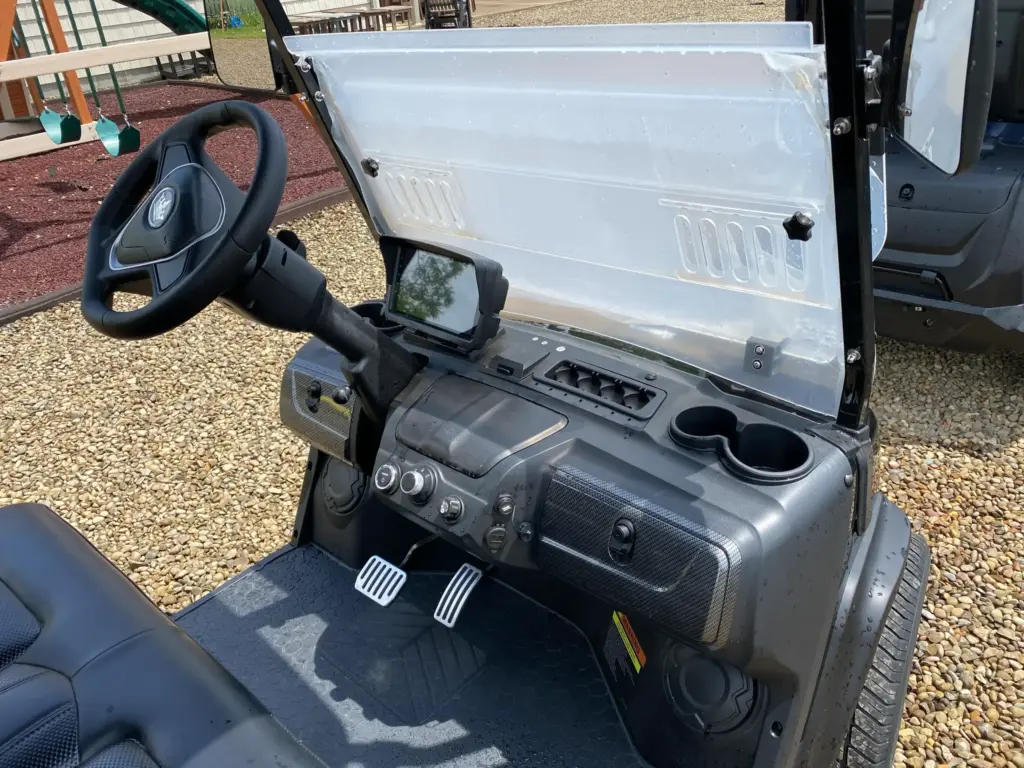
Your golf cart’s design plays a big role in where you can drive it. Adding mirrors, headlights, brake lights, turn signals, and seat belts can reclassify a standard cart as a low-speed vehicle. This upgrade often requires a Vehicle Identification Number (VIN) and registration with your local motor vehicle office. A safety inspection confirms your cart meets the requirements. These changes not only help you comply with the law but also make driving safer for you and your passengers.
Practical Considerations Before Hitting the Road
Even with legal approval, you should think through the practical side of road use. Many states require liability insurance for street-legal carts. Insurance protects you in case of an accident and may be mandatory before registration. Speed is another factor. Golf carts travel slower than cars, so choose routes with lower speed limits to avoid holding up traffic. Weather can also impact safety. Rain, wind, and extreme heat or cold affect comfort and handling. Smooth pavement is best; rough or gravel roads can cause stability issues. For current legal details in your area, visit your local DMV or check a trusted source like DMV.org.
Common Mistakes That Can Make a Golf Cart Illegal on Public Roads
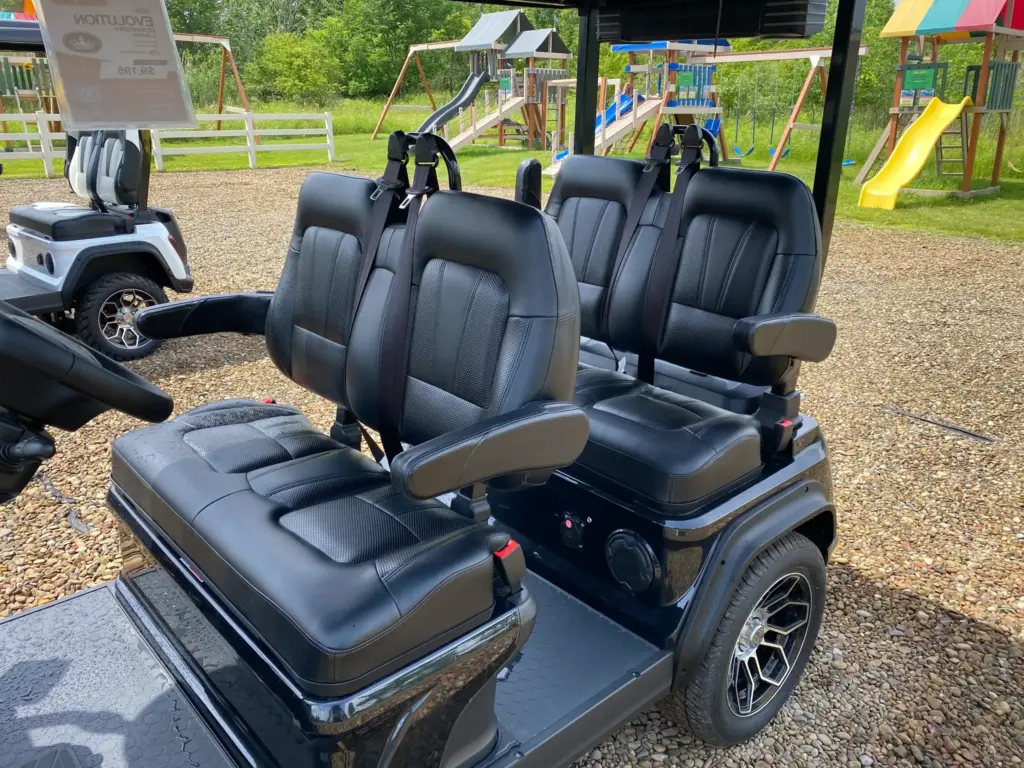
Many owners assume adding a few accessories automatically makes a golf cart street legal, but that is rarely the case. Missing registration, expired insurance, broken lights, or operating on roads above the permitted speed limit can all result in violations. Some drivers also overlook local restrictions that prohibit golf carts after dark or outside designated areas. Keeping your golf cart properly equipped, inspected, and registered helps prevent unnecessary fines while making every trip safer for everyone on the road.
Maintenance Tips for Street-Driven Golf Carts
Street use puts different demands on a golf cart compared to course use. Check tire pressure regularly to handle pavement driving. Inspect brakes for wear, as stop-and-go traffic can shorten their life. Keep lights, mirrors, and signals in working order to pass inspections and stay safe. If your cart is electric, monitor the battery’s range and charge it fully before longer trips. Gas-powered carts need regular oil checks and air filter changes. Good maintenance helps your cart stay reliable and compliant.
Why Following Local Rules Matters
Ignoring local laws can lead to fines, confiscation of your cart, or even loss of driving privileges. Some communities also have rules about passenger limits or carrying items in the cart. Seasonal changes in tourist towns can affect road access, with restrictions during busy months. Following the rules keeps you safe, protects your investment, and supports positive attitudes toward golf cart drivers in your area.
Environmental and Lifestyle Benefits
Golf carts offer more than convenience. They use less fuel or electricity compared to full-size vehicles, making them an eco-friendly choice for short trips. Their quiet operation reduces noise pollution, and their compact size eases parking challenges. In communities where carts are common, they contribute to a slower pace of life and encourage social interaction among neighbors. For many, driving a golf cart is not just practical; it’s part of the local culture.
Conclusion
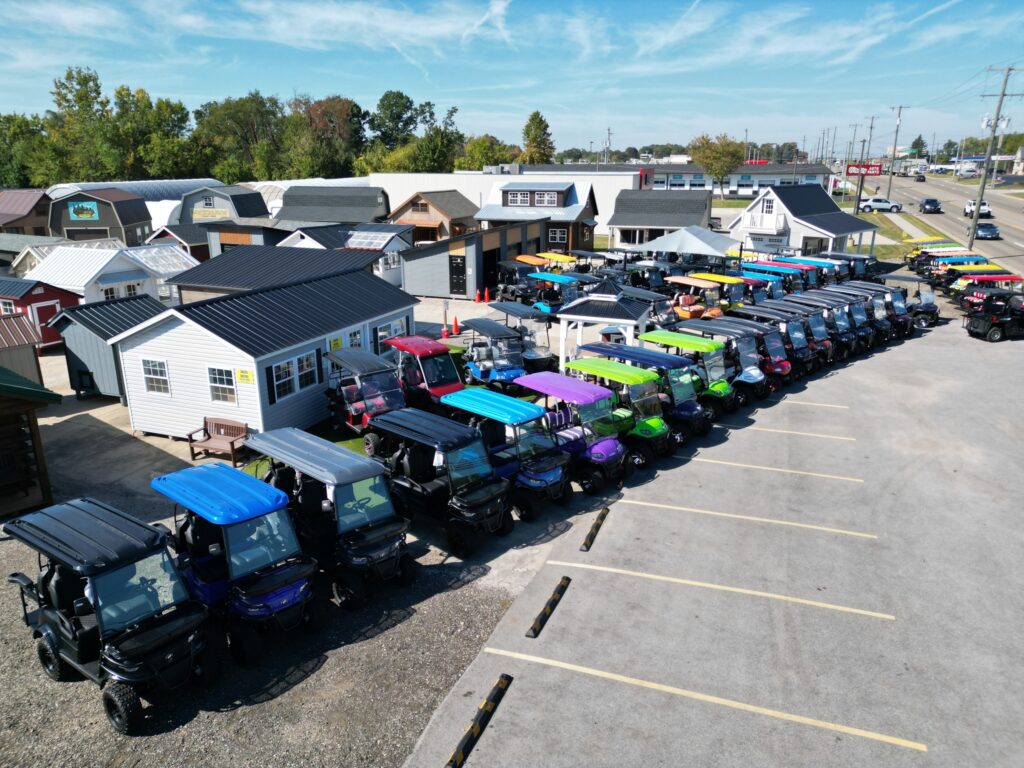
So, can golf carts be driven on the road? In many states, they can, but only when they meet applicable safety requirements and comply with local laws. Road access depends on factors such as speed limits, vehicle classification, registration, and required equipment. Taking time to understand these rules protects both drivers and other road users. If you’re considering a new or street-ready model, Hartville Golf Carts offers a wide selection of golf carts along with knowledgeable guidance to help you choose the right option for your community and driving needs.