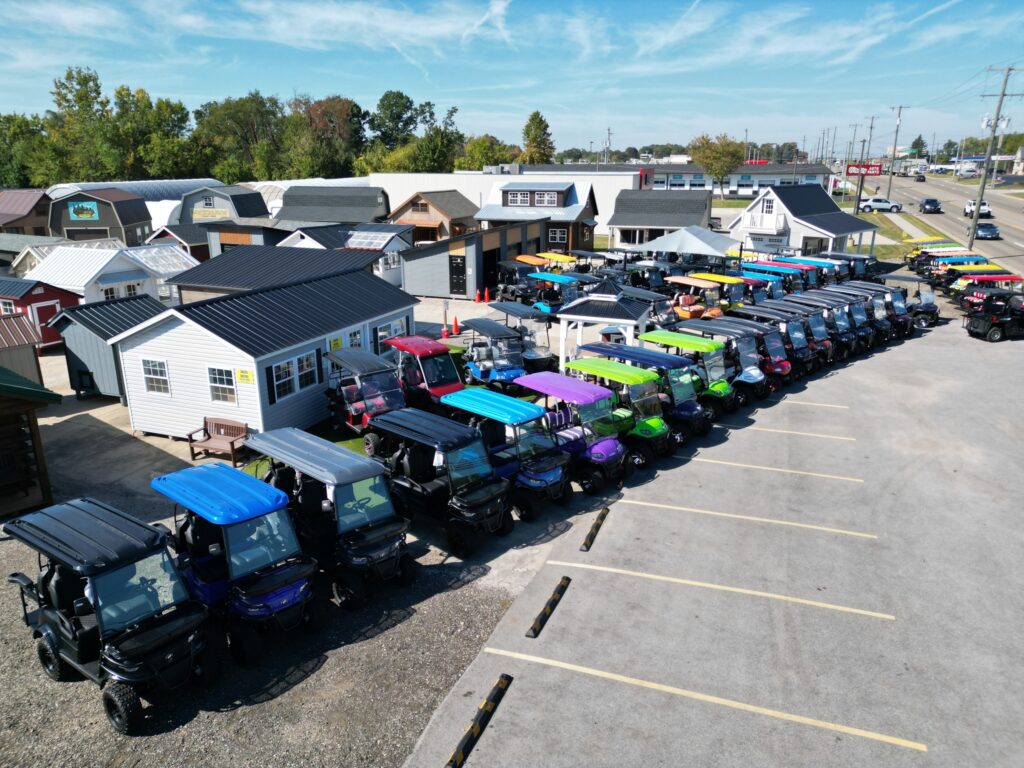

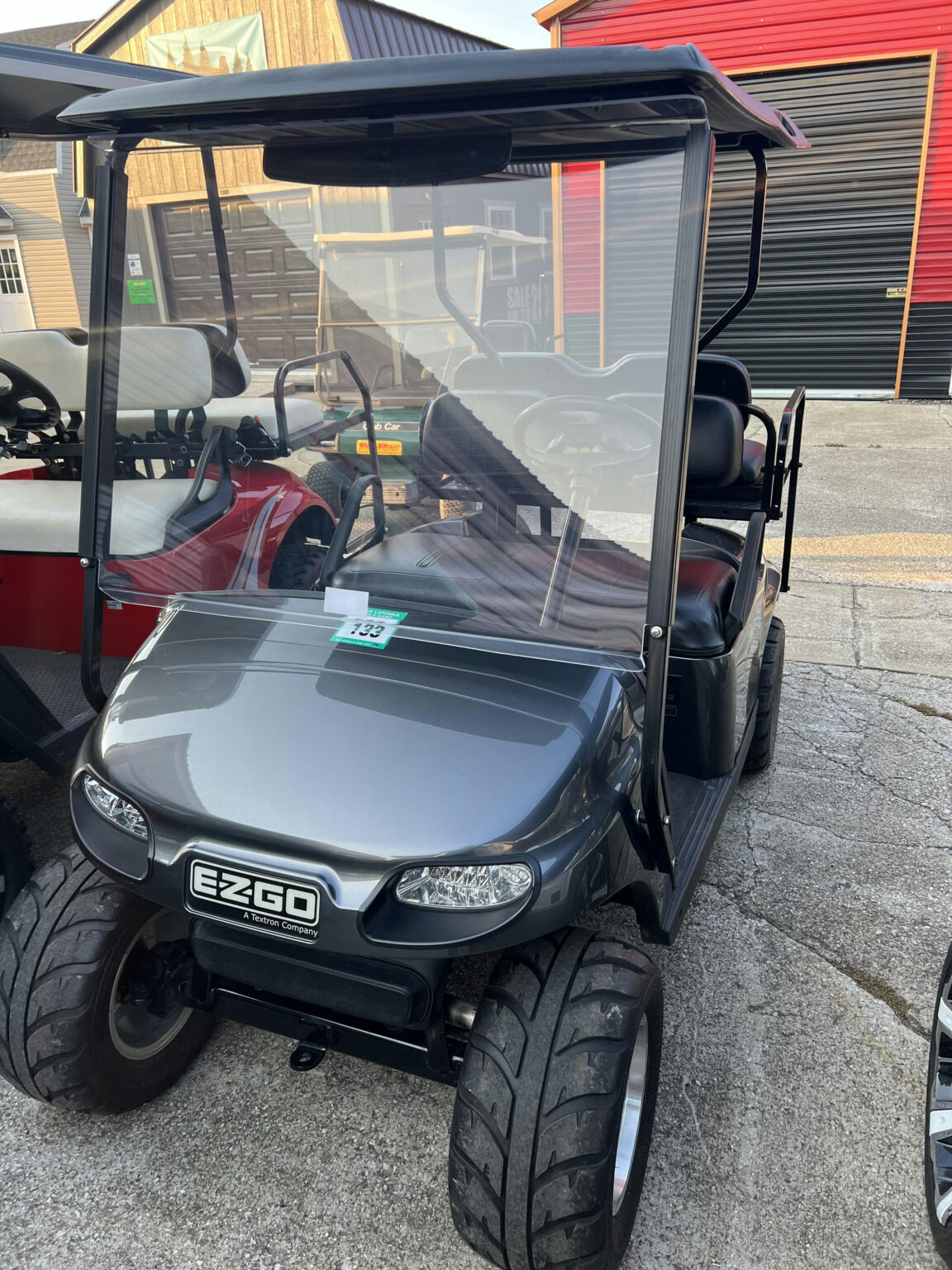
The real answer to how fast can golf carts go depends on more than fuel type or model year. Speed varies based on factory programming, motor or engine output, gear ratios, tire size, terrain, passenger weight, and whether modifications have been made. Most standard golf carts leave the factory with top speeds between 12 and 15 miles per hour, designed primarily for controlled environments like golf courses and private property. However, certain models configured for neighborhood transportation can reach 20 to 25 miles per hour, while modified carts may exceed those numbers under specific conditions. The difference between advertised speed and real-world performance is often influenced by mechanical limits, regulatory thresholds, and safety considerations. Understanding the full picture helps buyers and owners set realistic expectations before pushing performance boundaries.
Factory Speed Settings And Why They Exist
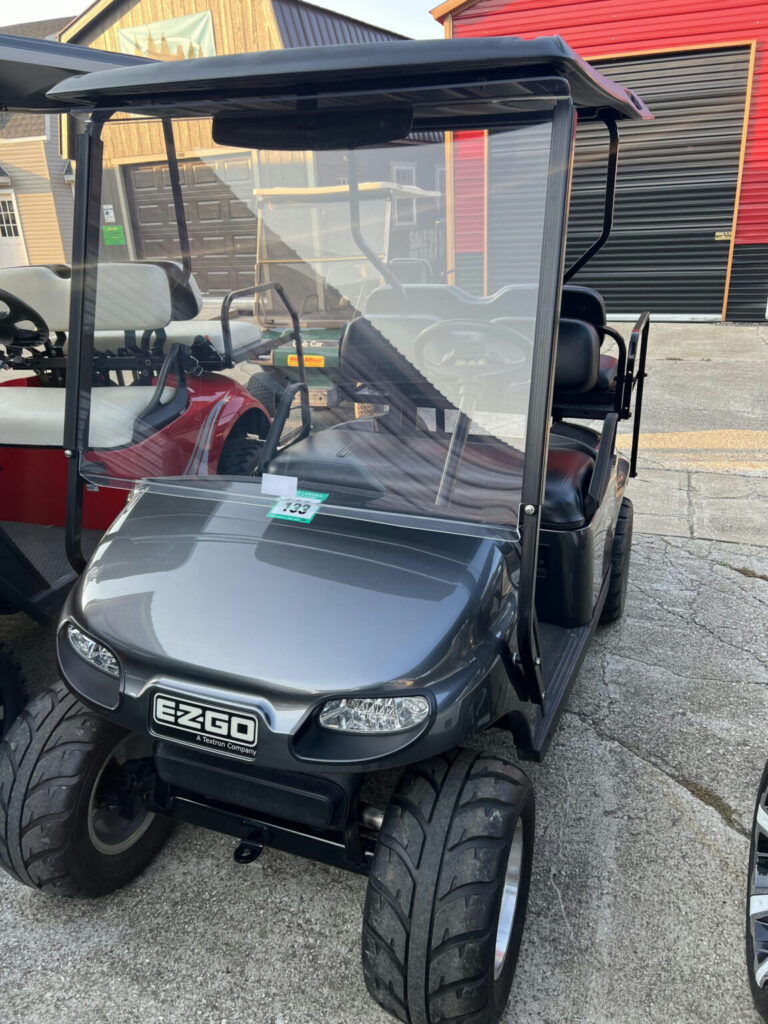
Manufacturers intentionally limit top speed in standard golf carts. Most leave the factory programmed to operate within a moderate range that prioritizes safety, component longevity, and predictable handling. Controlled speeds reduce mechanical strain on braking systems, steering components, and suspension geometry. These limits also help extend battery life in electric models and preserve engine reliability in combustion models. Factory calibration balances performance with durability, ensuring that the cart operates consistently across different surfaces and load conditions. When people ask how fast can golf carts go, they often expect a single number, but factory speed settings are designed around purpose rather than maximum output. The goal is safe, steady transport rather than high-speed travel.
Street-Ready Models And Regulatory Limits
Golf carts configured for public-road use operate under different expectations. Many states allow Low-Speed Vehicles to travel within a defined range, typically topping out around 25 miles per hour. This limit is not based solely on mechanical capability but on regulatory standards that balance neighborhood mobility with traffic safety. The design philosophy shifts from golf course navigation to residential transportation. These models incorporate upgraded braking systems, lighting, and structural considerations to support slightly higher speeds. Even so, regulatory ceilings usually prevent them from reaching speeds comparable to passenger vehicles. When evaluating how fast can golf carts go in road-legal form, the ceiling is often defined by law rather than engineering potential.

Mechanical Factors That Influence Maximum Speed
Speed capability is shaped by mechanical configuration. Gear ratios determine how engine or motor output converts into wheel rotation. Higher gear ratios can increase top speed but may reduce torque for hill climbing. Controller programming in electric carts governs power delivery, acceleration curves, and maximum velocity thresholds. In combustion carts, governor systems regulate engine revolutions per minute. Tire diameter also affects effective speed because larger tires cover more ground per rotation. However, increasing tire size without recalibrating the drivetrain can reduce torque and strain components. Each adjustment changes the performance balance. How fast can golf carts go depends heavily on these mechanical relationships rather than a single advertised specification.
Terrain And Surface Conditions
Real-world performance often differs from showroom numbers. Flat pavement allows carts to reach programmed limits more easily than uneven terrain. Hills demand higher torque output and may reduce achievable top speed. Grass and loose gravel create rolling resistance that slows acceleration and reduces maximum velocity. Wind resistance becomes more noticeable as speeds increase. A cart rated at 20 miles per hour on level pavement may struggle to maintain that pace on inclines or rough surfaces. Environmental conditions shape practical performance in ways that manufacturer ratings do not always reflect. Evaluating intended use environment provides a clearer answer than relying solely on specifications.

Passenger Load And Weight Distribution
Additional passengers or cargo directly affect speed potential. Heavier loads increase demand on motors or engines and extend acceleration time. Although top speed programming may remain unchanged, reaching that limit may take longer, especially on inclines. Uneven weight distribution can also impact handling stability at higher speeds. Tire pressure influences rolling resistance and efficiency. Underinflated tires reduce achievable speed and increase energy consumption. These load-related factors illustrate that how fast can golf carts go is not fixed but varies based on operational conditions. Practical speed is a function of both design and real-world usage.
Modified Carts And Performance Upgrades
Some owners pursue higher top speeds through modifications. Adjusting controllers, upgrading motors, altering gear ratios, or bypassing governor settings can increase velocity beyond factory limits. Modified carts have been known to exceed 30 miles per hour under controlled conditions. However, increasing speed without upgrading braking systems and suspension components can compromise safety. Structural limits, tire ratings, and steering tolerances must be considered before performance changes. Mechanical stress rises as velocity increases, potentially shortening component lifespan. Modifications alter the original engineering balance, making careful planning essential for reliability and safe operation.

Battery Health And Sustained Performance
In electric carts, battery condition plays a major role in maintaining consistent speed. Voltage sag under heavy load can reduce acceleration and limit sustained top speed, particularly near the end of a charge cycle. Lithium systems often maintain steadier voltage output compared to traditional lead-acid setups. Temperature also influences performance, as extreme heat or cold can impact battery efficiency. The Environmental Protection Agency provides guidance on energy efficiency and vehicle performance impacts through its transportation resources at EPA Green Vehicles. While that guidance focuses on broader vehicle categories, the principles of energy management and efficiency apply to golf carts as well. Stable energy delivery supports consistent performance.
Expectations Versus Practical Use
Many buyers initially focus on the maximum number printed in product descriptions. In reality, consistent and controlled performance often matters more than peak speed. A cart operating reliably at 20 miles per hour with stable handling may provide a better experience than one capable of 30 miles per hour but requiring constant mechanical attention. The intended use environment, golf course, campground, neighborhood, or private property, should guide speed expectations. How fast can golf carts go is ultimately less important than how safely and consistently they perform in their intended setting.
Choosing The Right Performance Balance
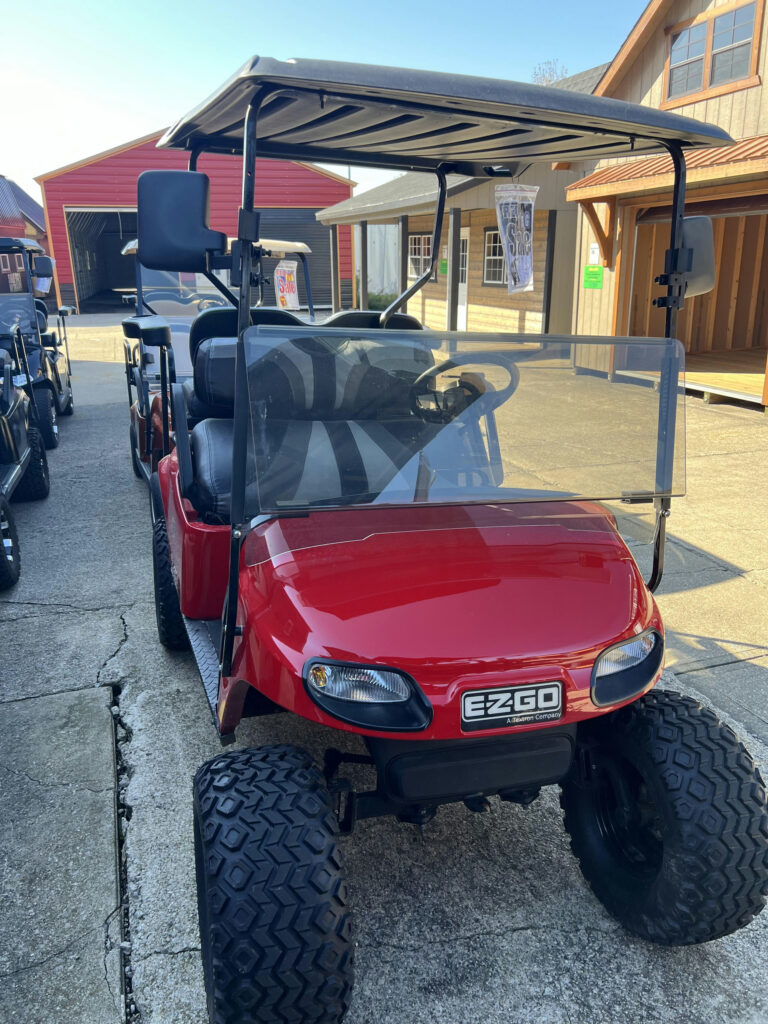
Selecting the appropriate speed range begins with matching the cart to its primary function. Buyers looking for dependable neighborhood transportation often evaluate models such as the 2012 EZGO Valor, which represents a balanced approach to performance and reliability. Rather than chasing maximum speed, many owners prioritize smooth acceleration, manageable braking, and long-term durability. A well-matched platform reduces the temptation for extreme modifications and supports predictable operation. When asking how fast can golf carts go, the better question may be how fast they should go for safe, reliable use.
Conclusion
How fast can golf carts go depends on factory programming, mechanical configuration, regulatory limits, terrain, and real-world conditions. Standard models typically operate between 12 and 15 miles per hour, while road-configured versions may reach up to 25 miles per hour within legal boundaries. Modified carts can exceed those figures, but higher speeds introduce additional mechanical and safety considerations. Understanding the balance between performance, environment, and reliability leads to smarter decisions. For those comparing models designed for practical everyday use, Hartville Golf Carts offers a wide selection of Golf Carts built to deliver dependable performance without sacrificing safety.