
You could hear the term UTV while shopping for off-road vehicles, but you may not be completely sure what it actually means. That is why buyers often search what does UTV stand for before comparing different recreational and utility vehicles. UTV stands for Utility Task Vehicle, although some manufacturers also call them Utility Terrain Vehicles. Unlike traditional ATVs, UTVs usually feature side-by-side seating, steering wheels, foot pedals, and protective frames similar to small off-road vehicles. They are designed for both recreation and practical work, which explains why they have become extremely popular on farms, trails, hunting properties, campgrounds, and large residential areas. Modern UTVs combine cargo capability, passenger comfort, and off-road performance in ways that traditional ATVs often cannot match. Understanding what a UTV is and how it differs from other off-road vehicles helps buyers choose the right machine for their lifestyle and intended use.
Why UTVs Became So Popular
UTVs became popular because they offer a combination of utility and comfort that appeals to many different types of drivers. Farmers, hunters, contractors, campground owners, and recreational trail riders all use UTVs for different reasons. Their side-by-side seating arrangement allows passengers to ride more comfortably compared to traditional ATVs, where riders straddle a single seat.
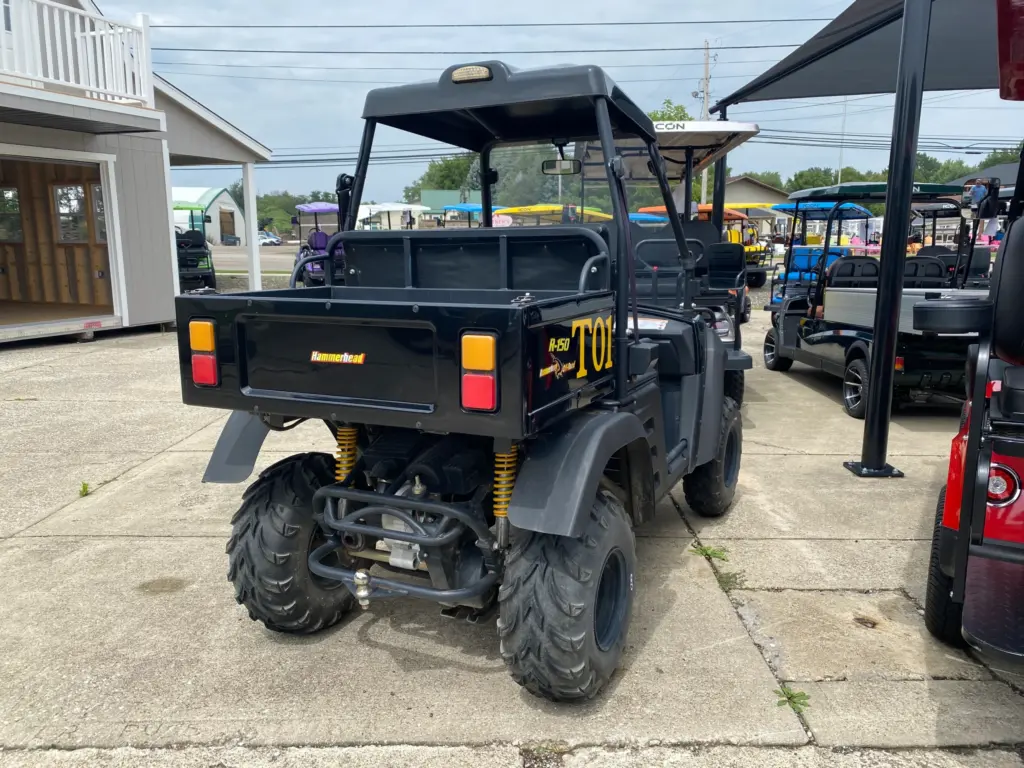
Many UTVs also include cargo beds, roof systems, windshields, and upgraded suspension designed for rough terrain. Families often prefer UTVs because they can transport multiple passengers safely while still carrying equipment or supplies. This balance between work capability and recreational use helped UTVs grow rapidly in popularity over the last several years.
How UTVs Differ From ATVs
The biggest difference between a UTV and an ATV involves design and intended use. ATVs usually use handlebar steering and single-rider seating, while UTVs use steering wheels and side-by-side seating arrangements. UTVs also tend to provide more storage space, cargo capability, and passenger comfort.
Many riders find UTVs easier to operate because the driving experience feels closer to a small vehicle. Drivers sit inside the frame rather than directly on top of the machine. According to Wikipedia, UTVs are commonly designed for both off-road recreation and practical utility work across many industries. Their versatility explains why they continue replacing older utility vehicles on farms, properties, and trail systems.
Common Uses For UTVs
UTVs handle a wide range of jobs and recreational activities. Property owners use them for hauling tools, transporting supplies, towing small trailers, and navigating rough terrain efficiently. Hunters often rely on UTVs because they can carry equipment deep into wooded areas where larger vehicles struggle.
Trail riders and outdoor enthusiasts also use UTVs recreationally because modern suspension systems provide smoother off-road performance and passenger comfort. Campgrounds, resorts, and large private communities frequently use UTVs for transportation and maintenance work because they balance maneuverability with utility capability effectively.
Utility Features Make UTVs Practical
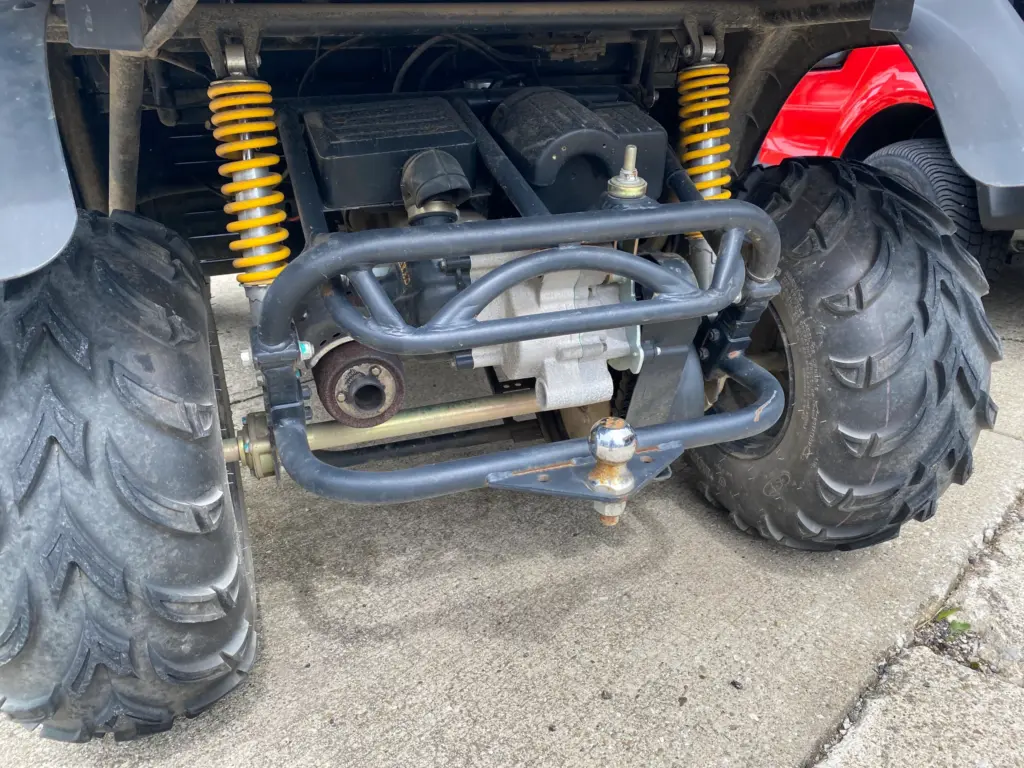
Most UTVs include features designed specifically for work and outdoor utility. Cargo beds allow owners to carry tools, firewood, coolers, equipment, or landscaping supplies easily. Many models also include towing capability for small trailers and utility carts.
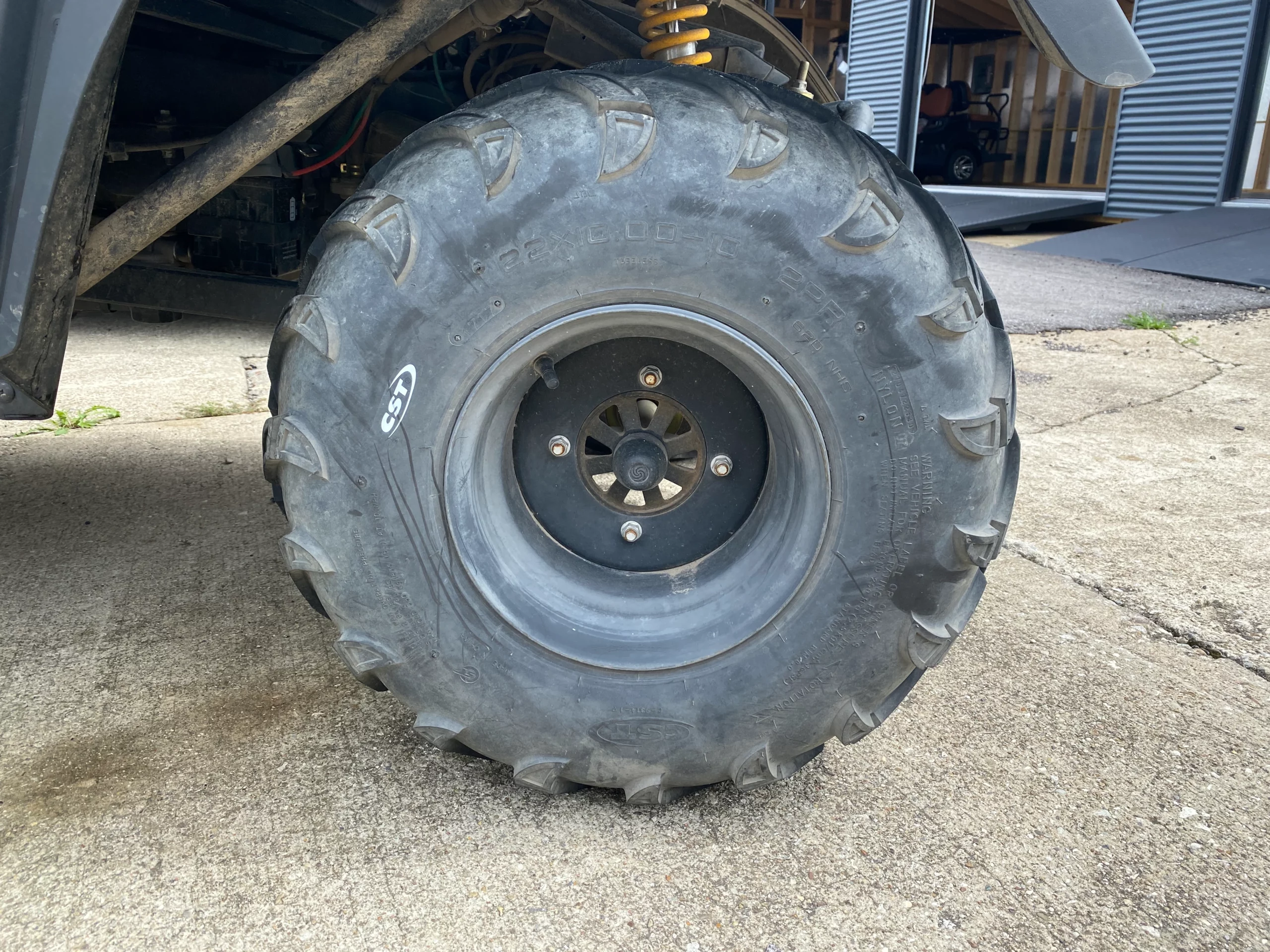
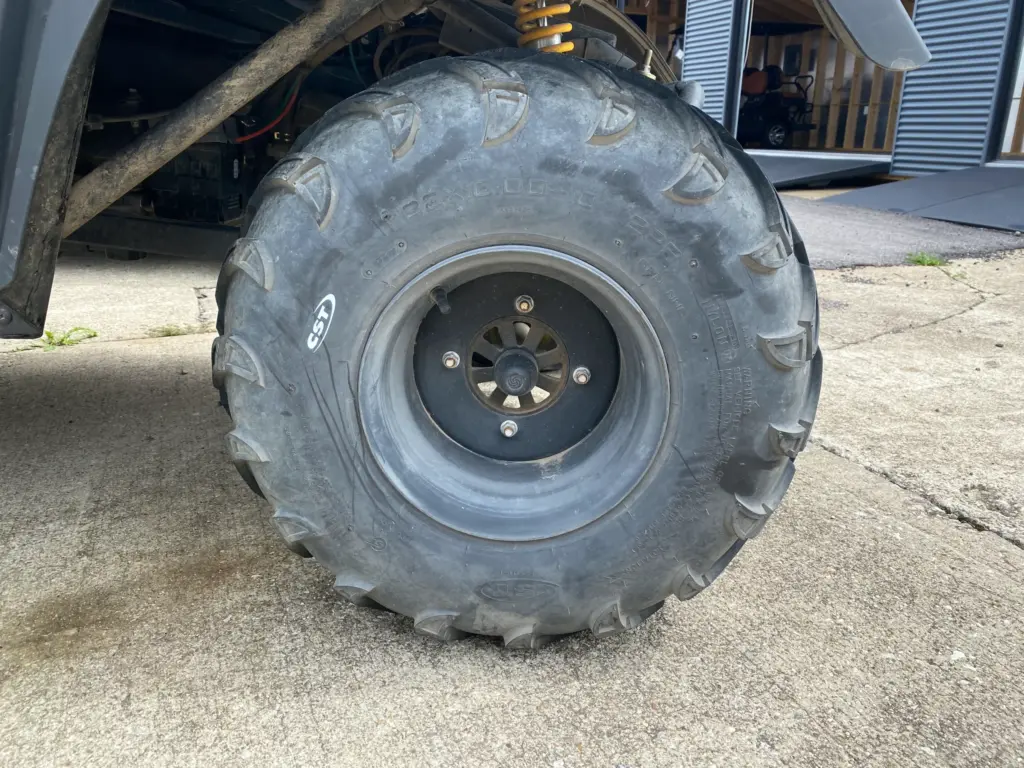
Four-wheel-drive systems improve traction on muddy trails, gravel roads, snow, and steep terrain. Larger tires and stronger suspension help UTVs handle difficult surfaces much better than ordinary neighborhood vehicles. Buyers focused on practical outdoor use often prioritize durability and hauling capability over speed alone.
Modern UTVs Focus More On Comfort
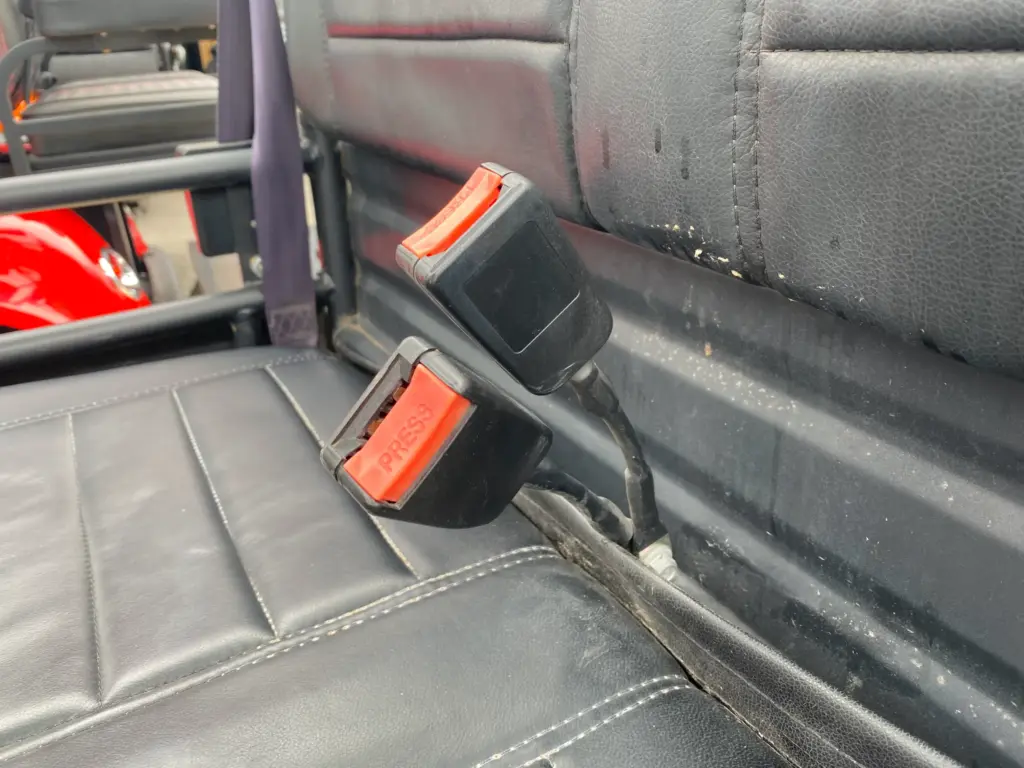
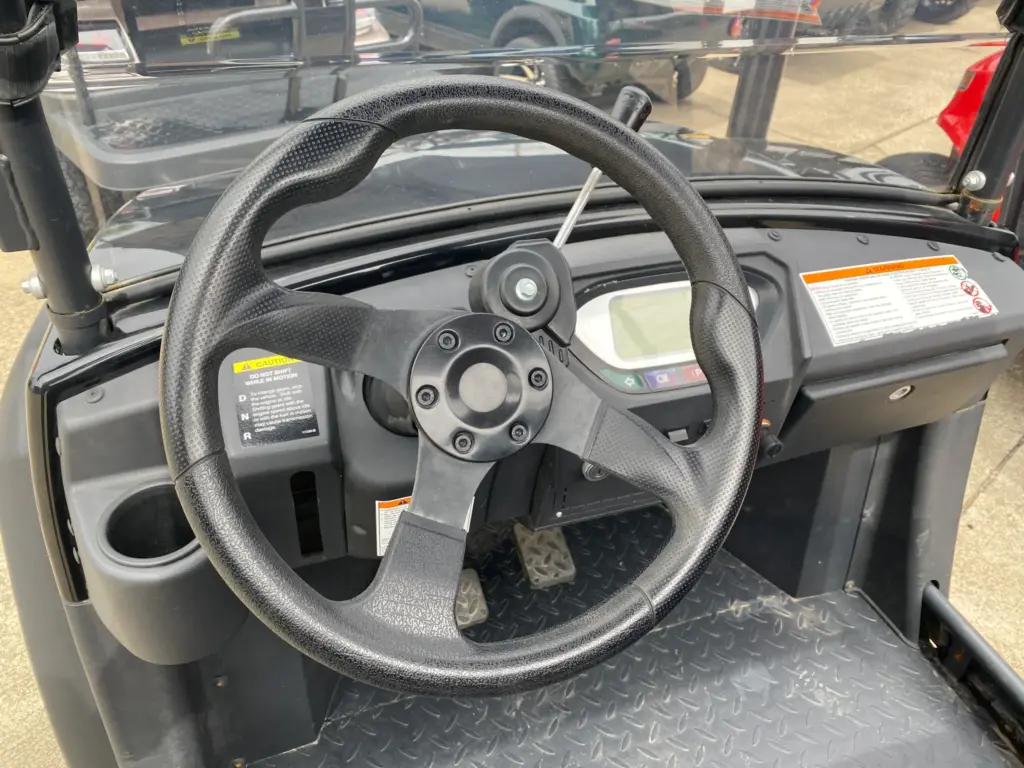
Older utility vehicles often focused mainly on work performance, but modern UTVs place much greater emphasis on comfort and convenience. Many models now include padded seating, upgraded suspension, digital displays, LED lighting, and enclosed cab options.
Some premium UTVs even include heating, audio systems, and advanced steering assist features for improved everyday usability. Families using UTVs recreationally often appreciate these upgrades because longer rides become far more comfortable. Improved ride quality has helped UTVs attract buyers who may not have considered off-road vehicles previously.
Can UTVs Be Street Legal
Street legality depends heavily on local and state regulations. Some states allow certain UTVs on public roads after owners install required safety equipment such as mirrors, lights, turn signals, and windshields. Other areas restrict UTV operation mainly to private property and designated trails.
Drivers should always verify local regulations before assuming a UTV can operate legally on public roads. Registration, insurance, and safety requirements vary widely depending on location. Buyers interested in street-legal operation should research these rules carefully before making modifications or purchasing a specific model.
How Much Do UTVs Usually Cost
UTV prices vary significantly depending on engine size, seating capacity, suspension quality, and utility capability. Smaller recreational models may start around several thousand dollars, while premium multi-passenger utility models can cost much more.
Accessories such as roofs, winches, upgraded tires, enclosed cabs, and storage systems also increase overall ownership cost quickly. Buyers should think about intended use carefully before shopping because overspending on unnecessary features happens frequently in the powersports market.
Choosing The Right UTV For Your Needs
The best UTV depends on how the owner plans to use it. Property owners may prioritize towing strength and cargo space, while recreational trail riders may focus more on suspension performance and passenger comfort. Some buyers mainly want a versatile vehicle capable of handling multiple outdoor activities.
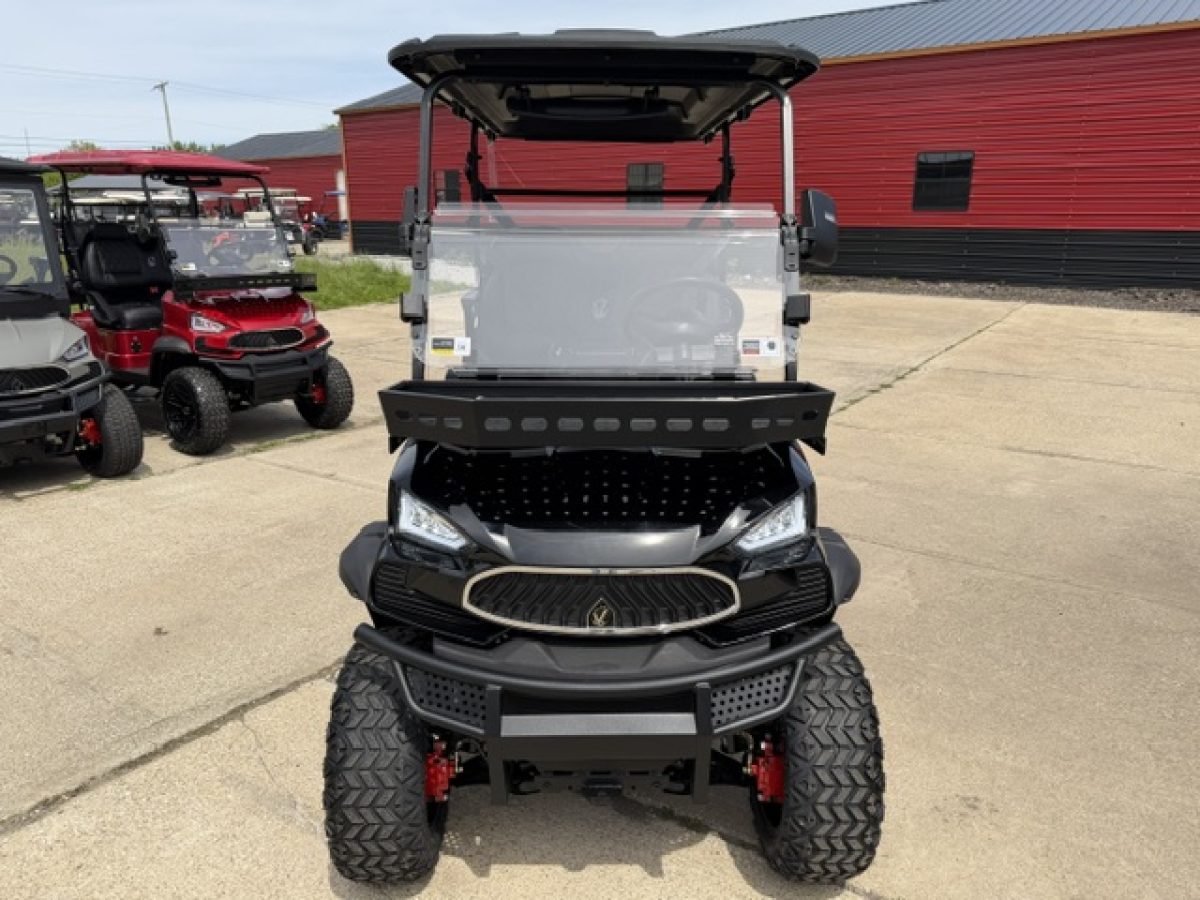
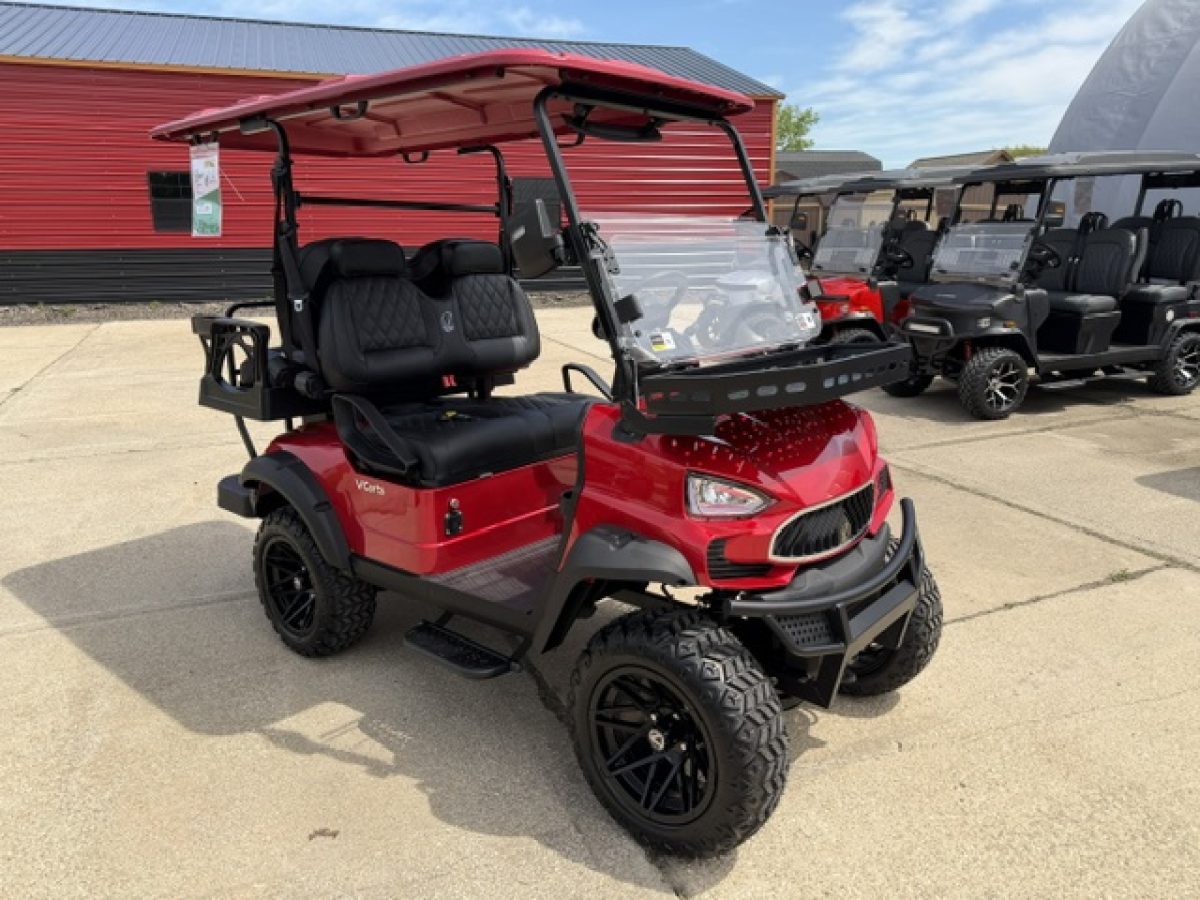
Drivers exploring practical side-by-side utility vehicles often consider models like the Venom Strike 4 because modern utility vehicles combine off-road capability with comfortable everyday usability. Choosing a UTV that matches real-world needs usually creates a much better ownership experience long term.
Conclusion
UTV stands for Utility Task Vehicle, and these machines combine off-road capability, passenger comfort, and practical utility into one versatile platform. Unlike traditional ATVs, UTVs typically feature side-by-side seating, steering wheels, cargo beds, and stronger hauling capability. Their flexibility makes them popular for farming, hunting, trail riding, campground transportation, and property maintenance. Buyers who understand how UTVs differ from other off-road vehicles usually make smarter purchasing decisions based on their actual needs. For drivers looking for dependable utility and recreational vehicles designed for comfort and practical performance, Hartville Golf Carts offers reliable models built for everyday versatility and long-term usability.