
UTVs are built for much more than trail riding and outdoor recreation. Many owners use them for towing trailers, hauling equipment, moving supplies, and handling difficult outdoor jobs around farms, hunting properties, campgrounds, and large residential areas. That is why many drivers search how to attach a tow hook to a UTV before adding more utility capability to their vehicle. In most cases, attaching a tow hook involves locating the correct mounting point, choosing a compatible hitch or tow hook, securing the hardware properly, and confirming the setup can handle the intended load safely. While the process is not overly complicated, improper installation can damage the frame or create dangerous towing situations. Understanding how tow hooks and hitch systems work helps owners improve towing capability while protecting both the UTV and the equipment being pulled behind it.
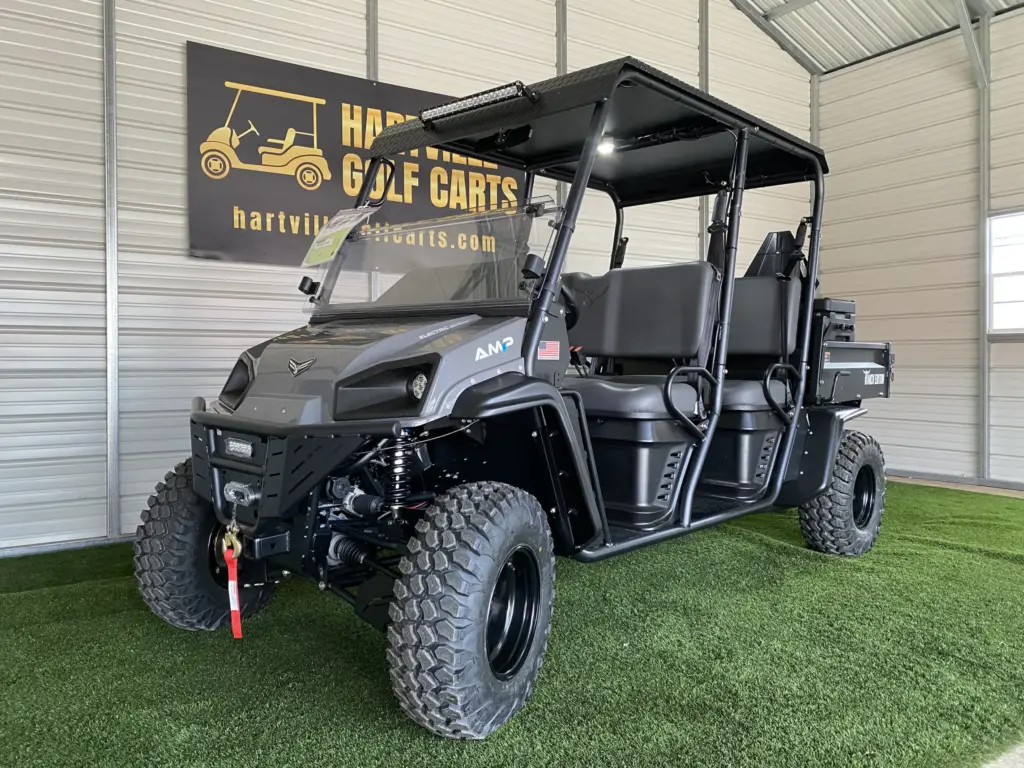
Understand The Difference Between Tow Hooks And Hitch Receivers
Many people use the terms tow hook and hitch interchangeably, but they are not the same component. A tow hook usually provides a direct attachment point for straps, chains, or recovery equipment during pulling or recovery situations. A hitch receiver, on the other hand, accepts removable towing accessories such as trailer balls, cargo racks, or towing attachments.
Some UTVs come with factory-installed hitch receivers already mounted to the frame. Others require aftermarket brackets or towing kits before owners can begin towing safely. Understanding the difference matters because recovery hooks and trailer hitches handle different types of stress during use. Choosing the wrong setup for heavy towing may create frame damage or unsafe pulling conditions.
Check Your UTV’s Towing Capacity First
Before attaching any tow hook or hitch system, owners should verify the UTV’s towing capacity. Every UTV has weight limits determined by the manufacturer. Exceeding those limits may strain the suspension, transmission, frame, and braking system unnecessarily.
Some smaller recreational UTVs are designed mainly for light utility work and trail riding. Larger utility-focused machines usually provide much stronger towing capability. According to Polaris, towing capacity depends on the specific vehicle model, terrain conditions, cargo load, and proper hitch setup. Owners should never assume every side-by-side vehicle handles heavy towing equally.
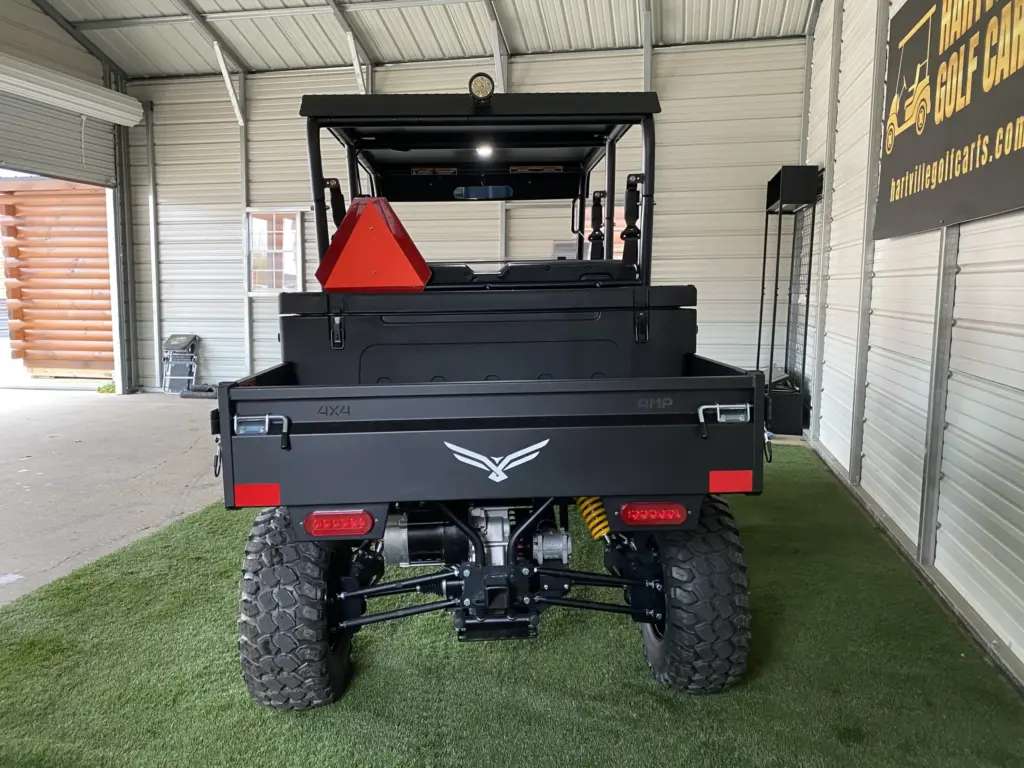
Choose The Correct Tow Hook Or Hitch Kit
Choosing the correct towing hardware is extremely important because not every hitch fits every UTV frame design. Buyers should look for hitch systems specifically designed for their vehicle model whenever possible. Universal towing kits sometimes require modifications or custom mounting brackets that may complicate installation.
Heavy-duty steel tow hooks and reinforced hitch receivers usually provide the best long-term durability. Buyers should also consider what type of towing they plan to do most often. Light utility trailers, small cargo carts, and recovery straps may require different hardware setups. Selecting quality components early helps avoid mechanical problems later.
Locate The Proper Mounting Area
Most UTVs include reinforced frame sections designed specifically for towing accessories. Rear frame mounting points are the most common location because they distribute towing stress more evenly across the vehicle structure. Owners should never attach tow hooks to weak body panels or unsupported metal sections.
Factory hitch mounting holes often make installation easier because the frame already supports towing loads properly. Some UTVs include removable covers or brackets near the rear frame area where towing accessories attach directly. Owners who cannot locate mounting points should consult the owner’s manual or the manufacturer’s diagrams before drilling or modifying anything.
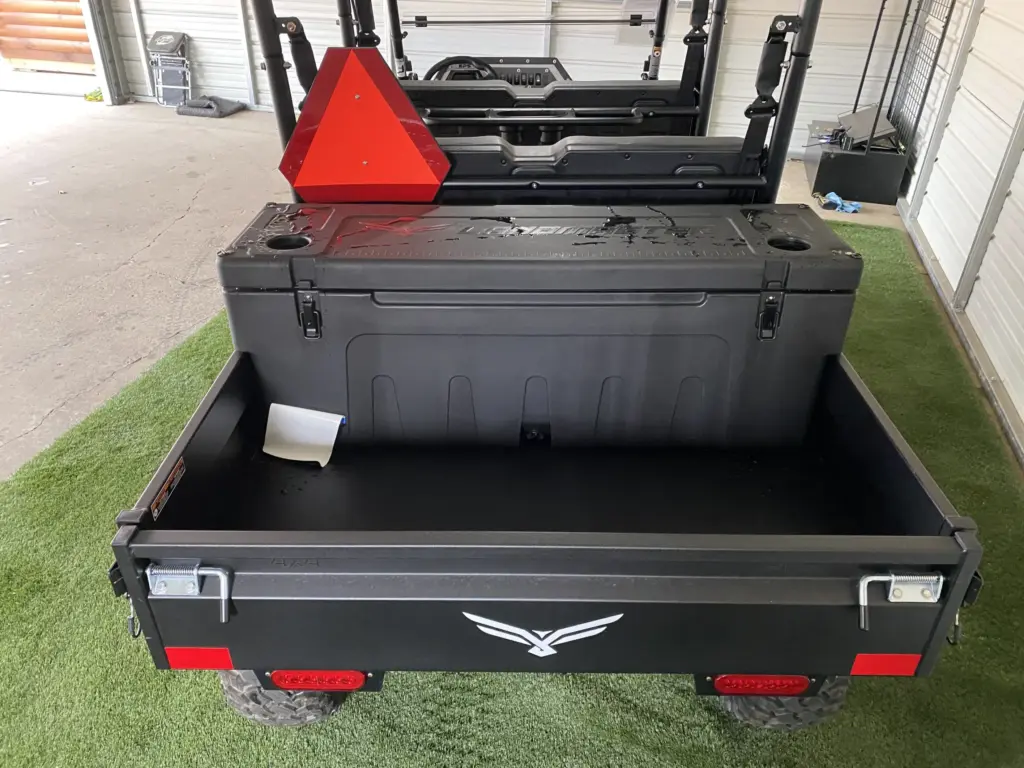
Install The Tow Hook Carefully
Proper installation matters just as much as choosing the correct hardware. Owners should tighten all mounting bolts evenly and follow manufacturer torque specifications carefully whenever possible. Loose hardware may shift during towing and damage the frame or towing equipment.
Washers and locking nuts help keep the tow hook secure during rough terrain use. Some owners rush the installation process and overlook alignment issues or weak mounting points. Taking extra time during installation helps reduce the chance of future towing problems or dangerous equipment failure during use.
Inspect The Electrical And Suspension Systems
Towing heavier loads affects much more than the hitch itself. Suspension components, tires, brakes, and electrical systems all experience additional stress during towing. Owners planning to pull trailers with lights may also need trailer wiring adapters, depending on the equipment being used.
Suspension sag, tire pressure changes, and longer stopping distances become more noticeable once towing begins regularly. Drivers should inspect these systems carefully before hauling heavier equipment or supplies. Proper preparation helps improve towing safety and vehicle stability significantly.
Test The Setup Before Heavy Towing
Owners should always test towing equipment carefully before attempting heavy loads or difficult terrain. A small test pull helps confirm the tow hook remains secure and properly aligned during movement. Strange noises, shifting hardware, or uneven trailer movement may signal installation problems that need immediate correction.
Testing also helps drivers understand how the UTV handles additional weight. Steering, acceleration, and braking often feel different while towing. Practicing in open areas before entering rough trails or crowded campgrounds improves confidence and overall towing control.
Recovery Hooks Require Extra Caution
Recovery towing creates different stresses than pulling standard trailers. Recovery straps and chains may place sudden force on the tow hook during vehicle extraction from mud, sand, or uneven terrain. Weak mounting points can fail dangerously under these conditions.
Owners should use recovery-rated hardware designed specifically for pulling stuck vehicles whenever recovery situations are possible. Cheap hardware may bend or break unexpectedly under heavy force. Proper recovery equipment helps protect both vehicles and passengers during difficult off-road situations.
Modern Utility Vehicles Handle Towing Better
Modern side-by-side utility vehicles are designed with stronger frames, improved suspension systems, and higher towing capability than many older off-road machines. Buyers who frequently tow trailers or outdoor equipment often prioritize durability and utility features during shopping.
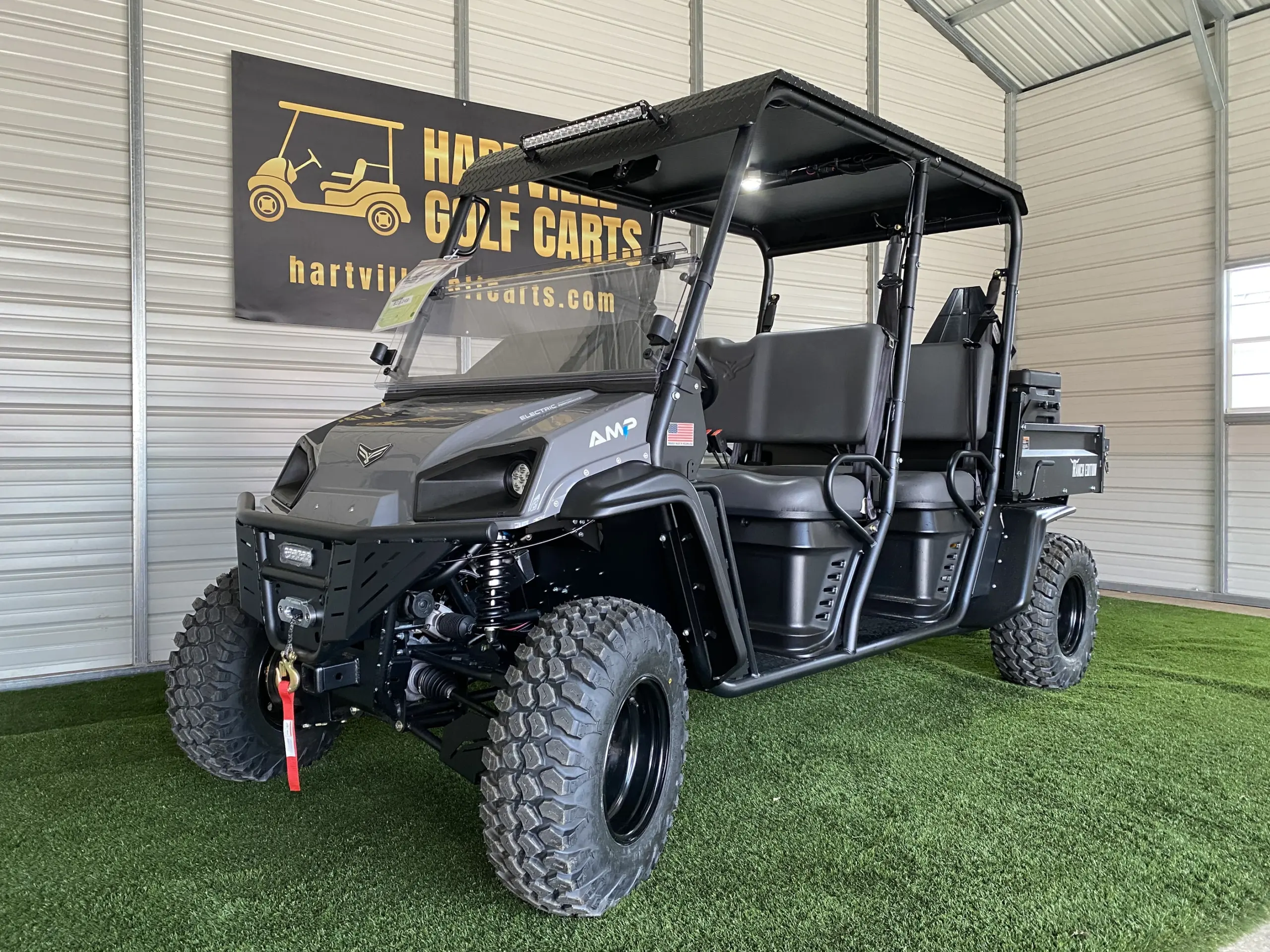
Drivers exploring versatile utility-focused vehicles sometimes consider models like the Venom Strike 4 because modern side-by-side vehicles combine passenger comfort with practical towing and cargo capability. Improved frame design and utility systems make towing tasks much easier than they were on earlier off-road vehicles.
Conclusion
Learning how to attach a tow hook to a UTV correctly helps owners improve towing capability safely and reliably. Proper installation involves choosing compatible hardware, locating reinforced mounting points, tightening components correctly, and understanding the vehicle’s towing limits. Owners who rush the process or exceed towing capacity risk damaging the frame, suspension, or towing equipment. Careful installation and regular inspections help create safer and more dependable towing performance during outdoor work and recreational use. For drivers looking for dependable utility vehicles built for practical outdoor performance and versatility, Hartville Golf Carts offers reliable models designed for towing, recreation, and everyday utility use.