
Can you drive a golf cart on the street? The short answer is yes, but only under specific legal conditions. A standard golf cart cannot legally operate on most public roads unless it meets Low-Speed Vehicle requirements and complies with state and local regulations. To drive a golf cart on the street, it must typically include required safety equipment such as headlights, brake lights, turn signals, mirrors, seat belts, and a Vehicle Identification Number. Registration and insurance are often required as well. Without these elements, a golf cart is generally limited to private property or golf course use.
Street Legal Classification
Whether you can drive a golf cart on the street depends largely on how the vehicle is classified. Most states rely on the Low-Speed Vehicle designation for road-legal golf carts. A Low-Speed Vehicle must operate within a defined speed range, typically between 20 and 25 miles per hour, and include specific safety equipment. A traditional golf cart designed for golf course use usually does not meet these requirements. Classification determines whether the vehicle can be registered and insured for public-road operation.
Required Safety Equipment
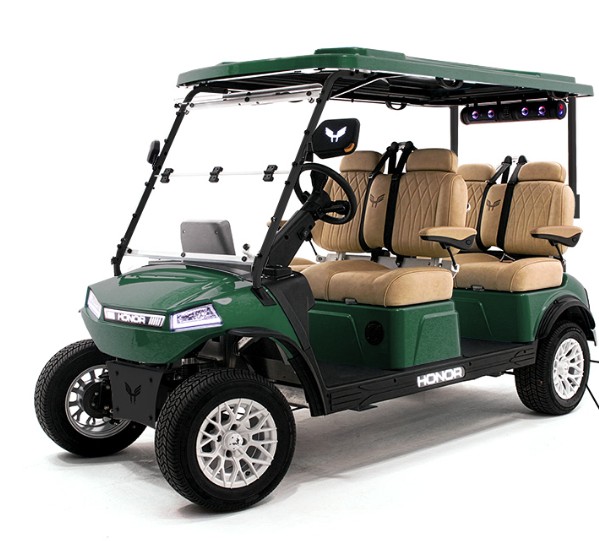
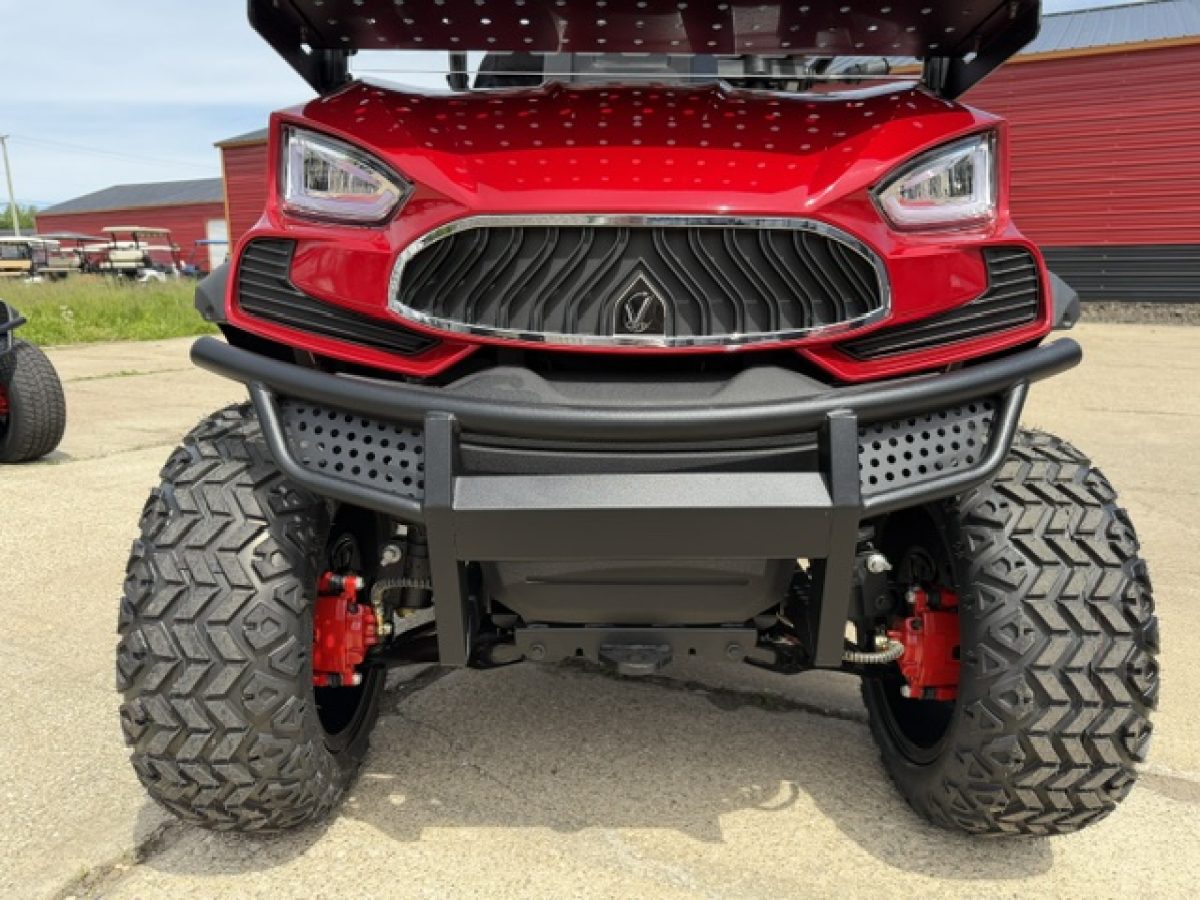
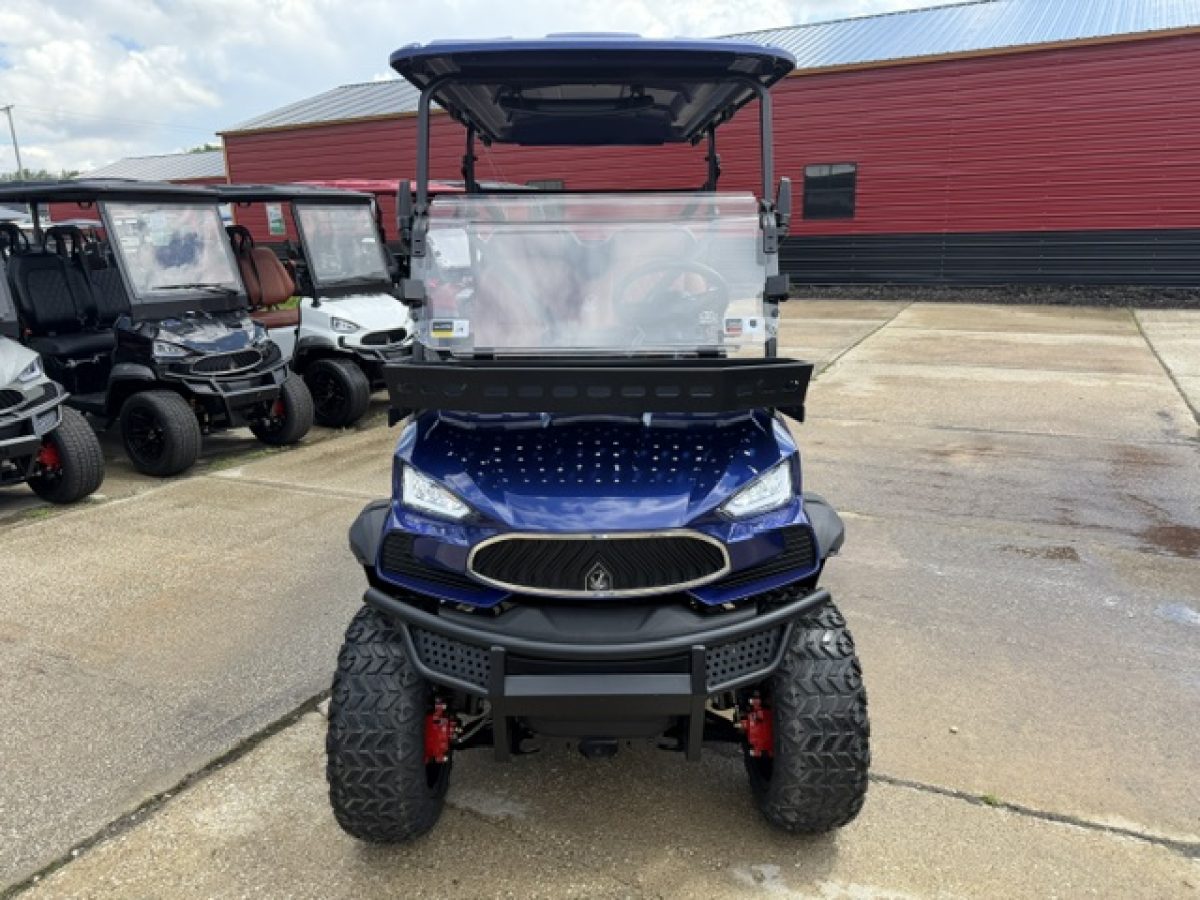
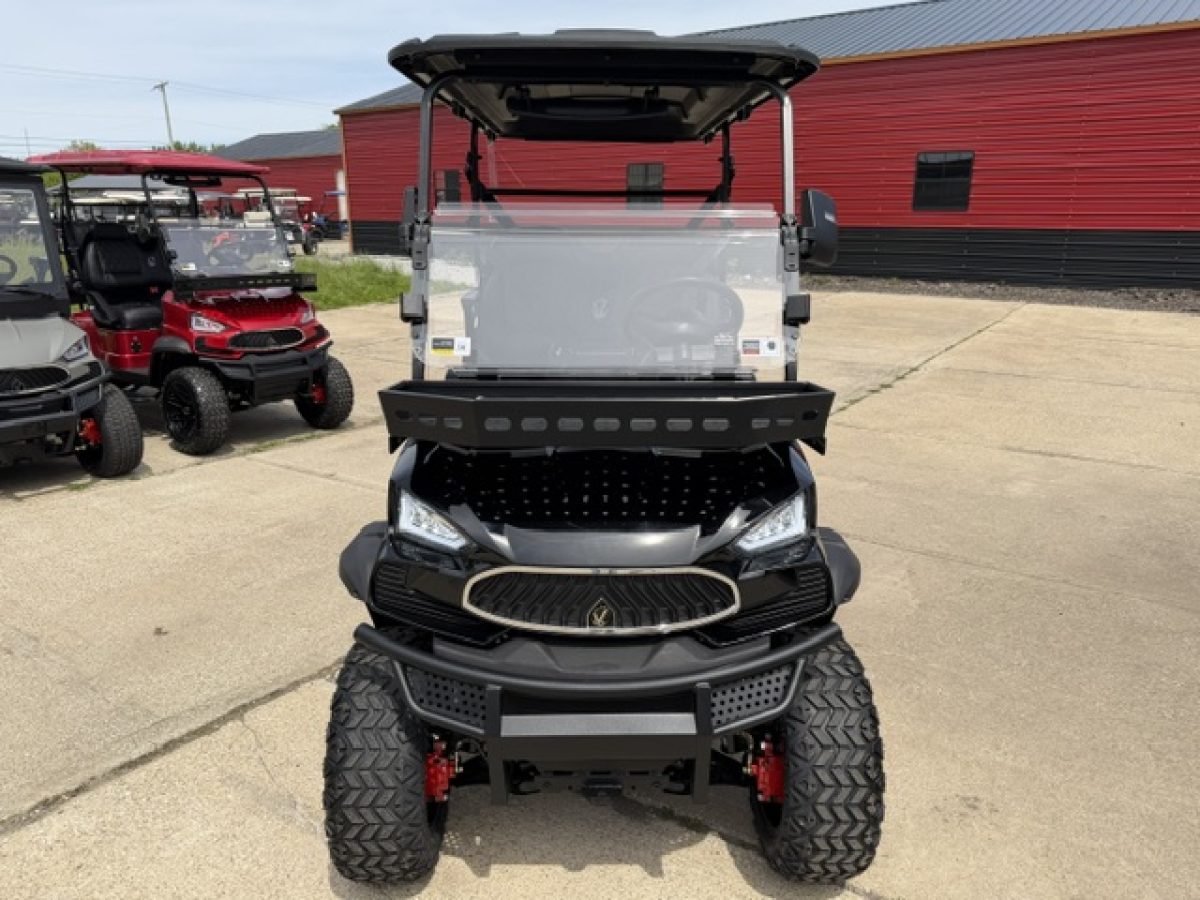
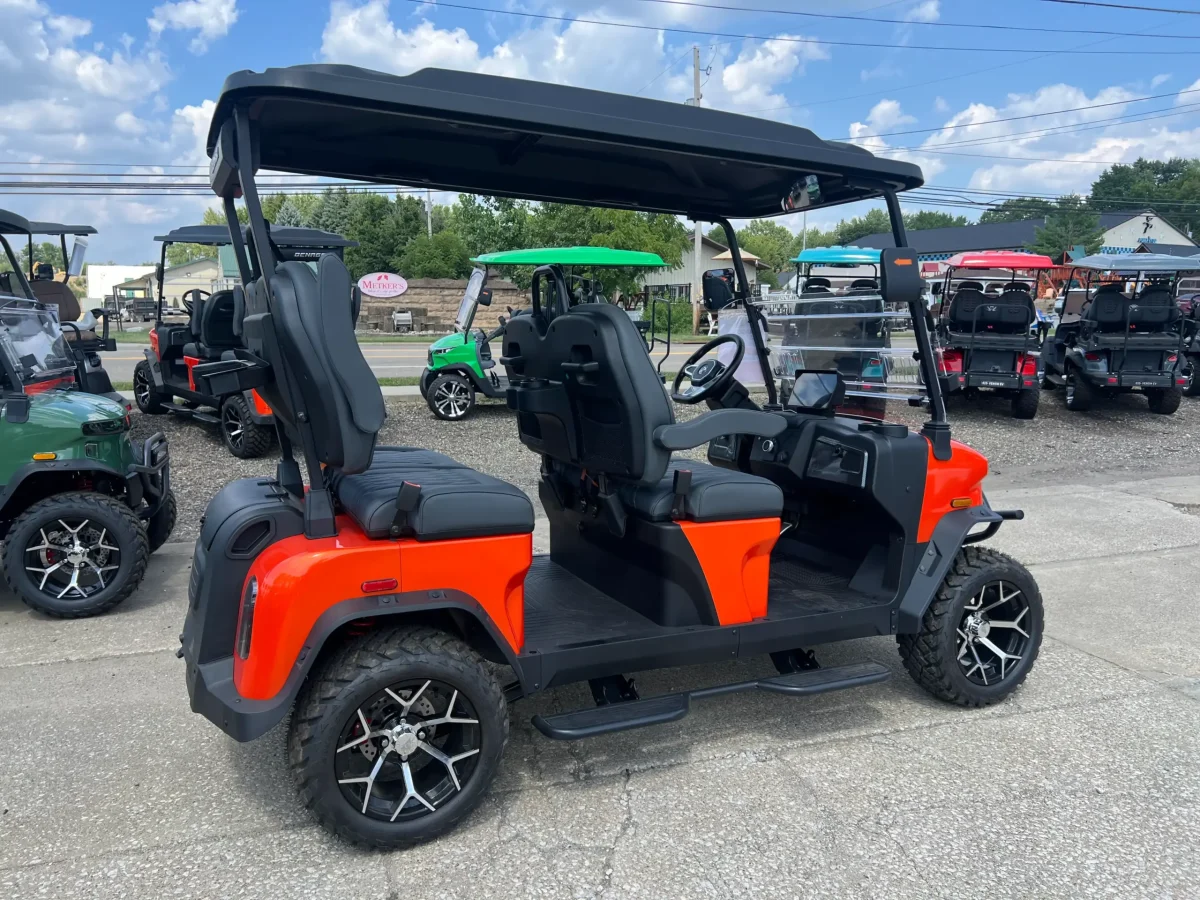
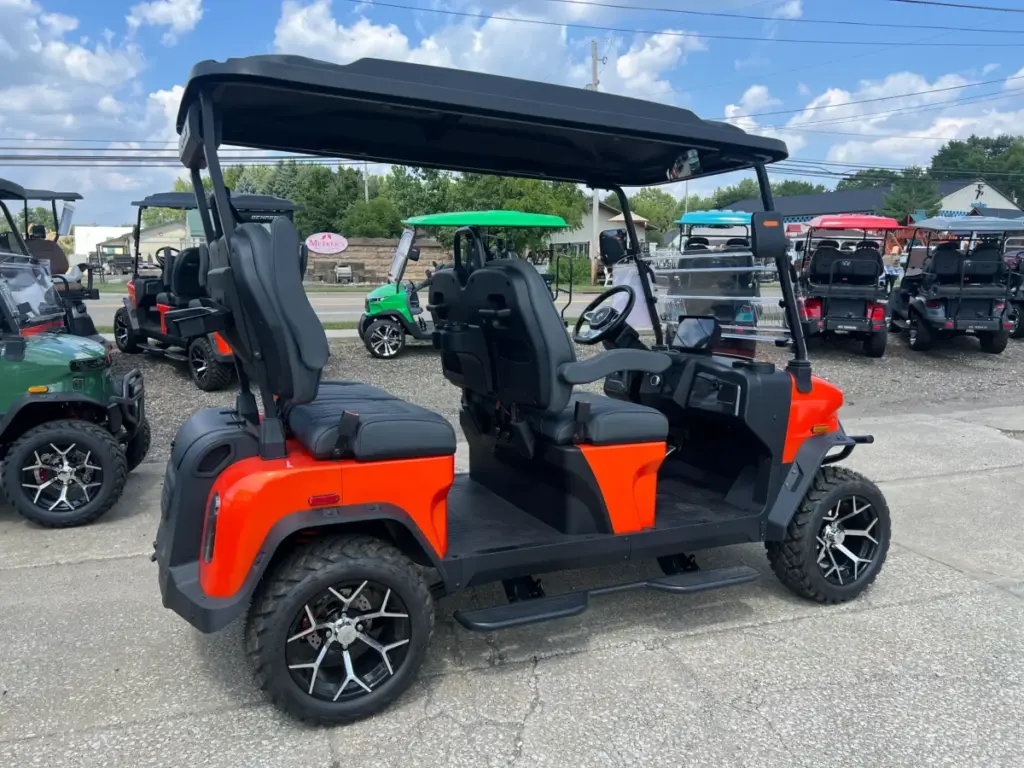
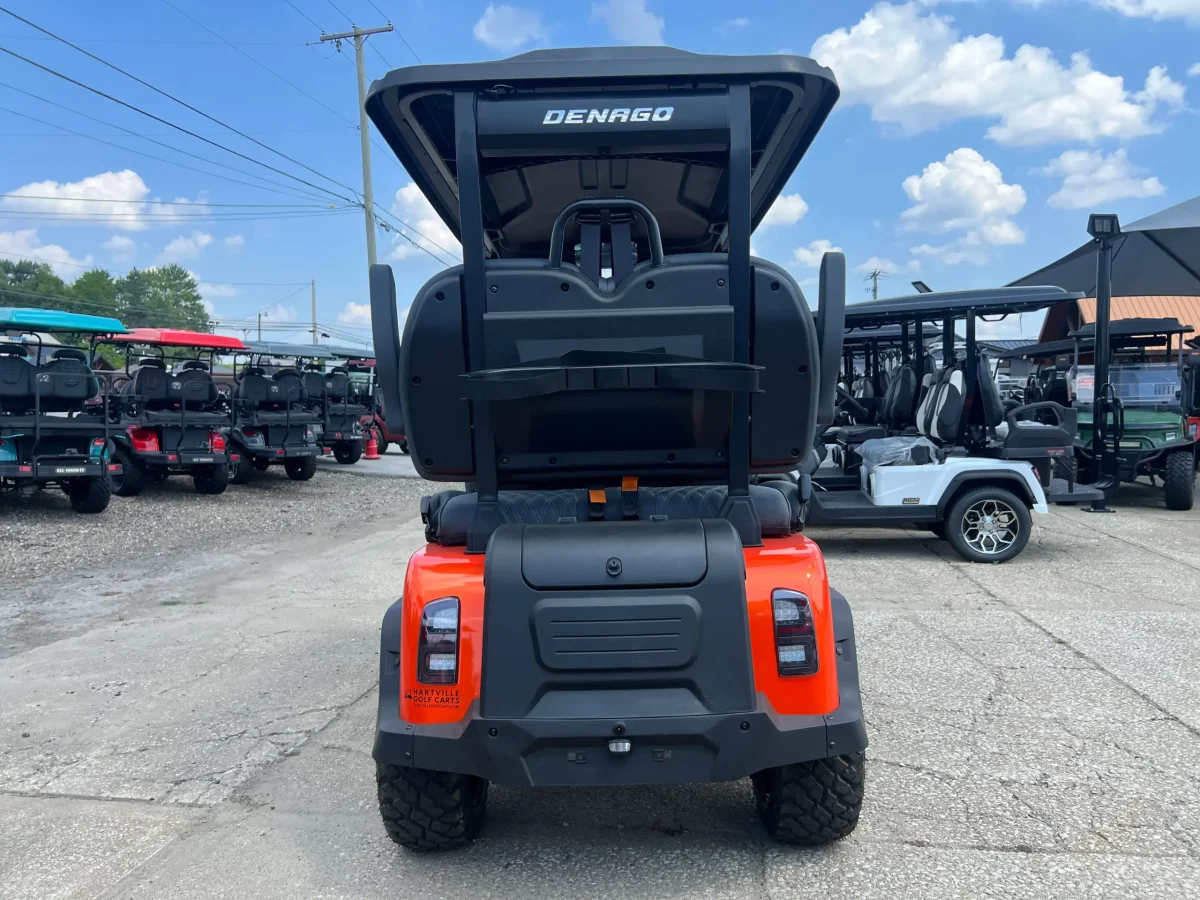
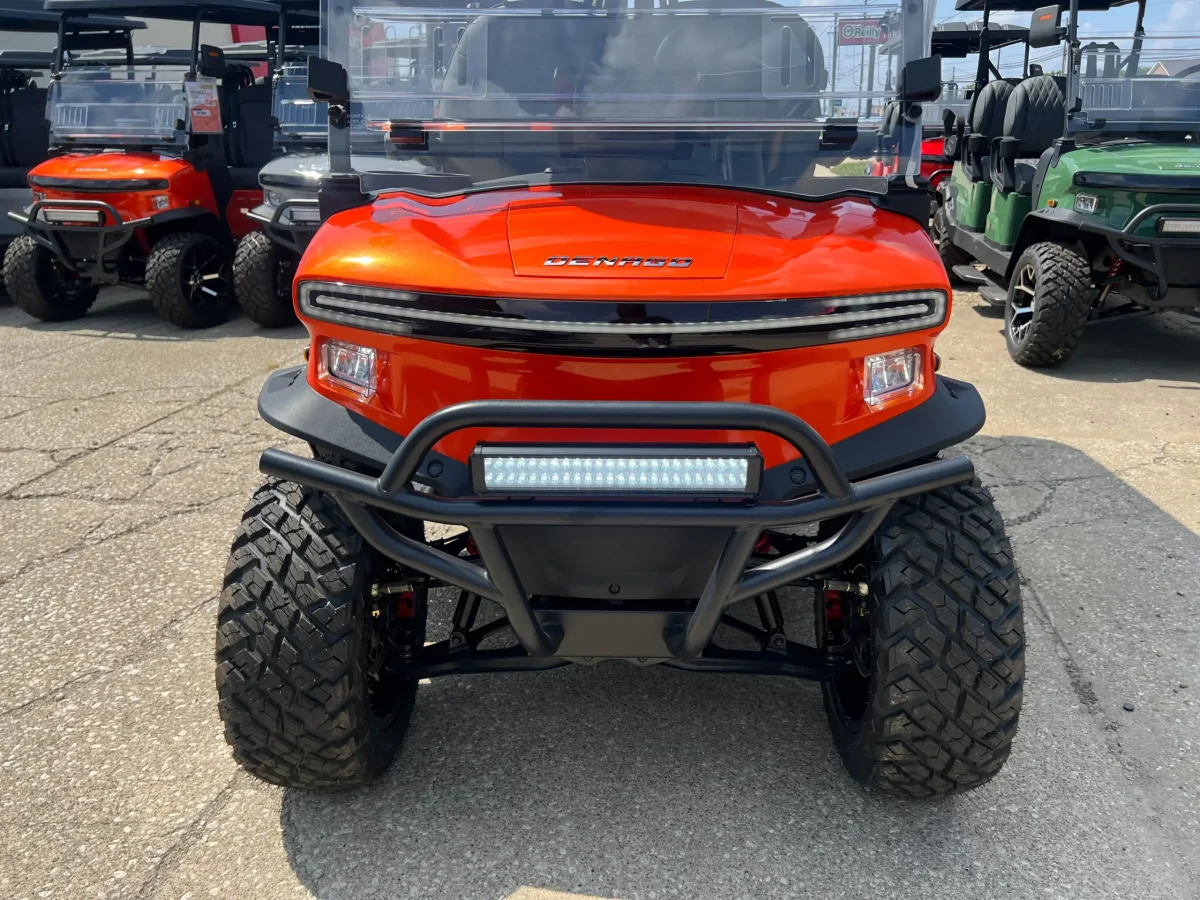
If you want to know can you drive a golf cart on the street legally, equipment is the first checkpoint. Street-approved carts must include working headlights, tail lights, brake lights, and turn signals. Rearview mirrors and often side mirrors are required to monitor traffic. Seat belts must be installed for each passenger position. Many states also require a windshield and reflectors. These components allow the vehicle to communicate with other drivers and reduce collision risk. Without them, road operation is generally prohibited.
Speed Capability Requirements
Speed capability plays a major role in determining whether you can drive a golf cart on the street. Most public-road rules require the vehicle to reach a minimum speed threshold, often 20 miles per hour, but not exceed 25 miles per hour under Low-Speed Vehicle guidelines. This range allows safe integration into neighborhood traffic. A standard golf cart limited to 12 or 15 miles per hour does not usually qualify for street use. Proper speed calibration must align with federal and state definitions.
Registration And VIN Requirements
To drive a golf cart on public roads, the vehicle must typically carry a Vehicle Identification Number and be registered with the state. Registration confirms compliance with equipment standards and authorizes legal operation on approved streets. Some states issue plates, while others issue decals. Without registration and proper documentation, even a fully equipped cart cannot legally operate on most public roads. This step transforms the vehicle from recreational equipment into a recognized motor vehicle.
Insurance And Licensing Rules
In many states, operating a street legal golf cart requires liability insurance. Insurance protects drivers and other road users in case of accidents. A valid driver’s license is also often required for public-road operation. These requirements reinforce the idea that once a golf cart is used on public streets, it functions as a motor vehicle under transportation law. Confirming local requirements before driving prevents fines and legal complications.
Roadway Restrictions
Even when properly equipped and registered, you cannot drive a golf cart on every road. Most states restrict street legal golf carts to roads with posted speed limits of 35 miles per hour or less. Some jurisdictions allow crossing higher-speed roads at controlled intersections. Highways and major arterial roads are usually off limits. Local ordinances may add additional restrictions based on traffic density or urban design. Understanding where operation is permitted is essential for compliance.
Differences Between Private And Public Roads
Private communities sometimes allow standard golf carts without full Low-Speed Vehicle equipment. However, once the vehicle leaves private property and enters a public roadway, state traffic laws apply. This distinction explains why you may legally drive a golf cart inside a gated community but not on a nearby public street. Public-road operation requires compliance with equipment, speed, and registration standards that private-property use does not demand.
Local Ordinances And Variations
Laws vary significantly between states and even between cities. Some areas actively support golf cart transportation and create designated routes. Others impose stricter limits. The National Highway Traffic Safety Administration outlines federal Low-Speed Vehicle standards that form the baseline for state rules. You can review those guidelines here: NHTSA Low-Speed Vehicle Guidelines. However, final authority rests with state and local governments. Checking local statutes before driving ensures full compliance.
Safety Considerations
Even if legally permitted, driving a golf cart on the street introduces new safety challenges. Public roads involve faster vehicles, intersections, and unpredictable traffic patterns. Proper lighting, signaling, braking reliability, and tire condition become critical. Drivers must remain aware of visibility limitations and braking distances. Defensive driving practices improve safety when sharing roads with larger vehicles.
Modifying A Golf Cart For Street Use
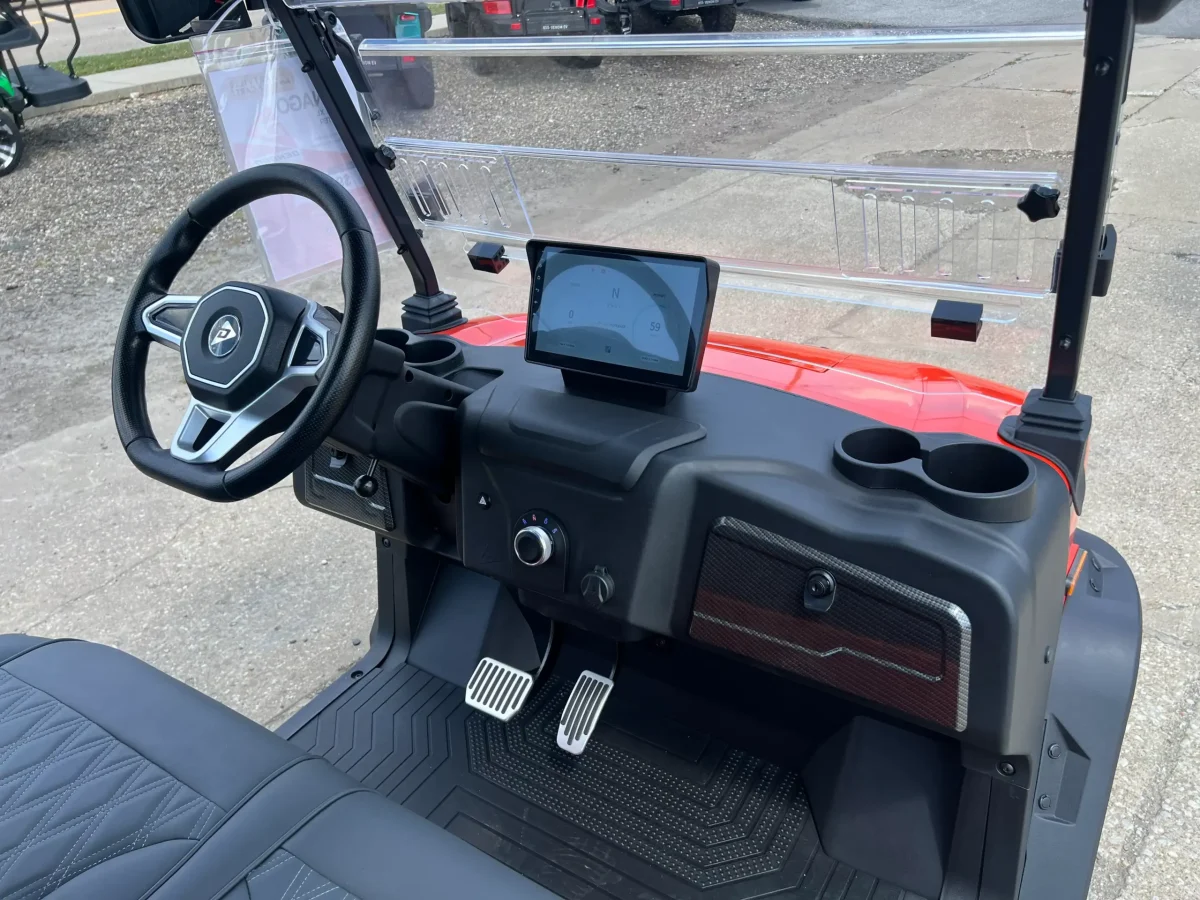
Some owners attempt to modify standard golf carts to meet street legal requirements. While adding lighting and mirrors may seem straightforward, full compliance requires meeting speed standards, VIN documentation, and registration requirements. Incomplete modifications can result in citations or mechanical issues. Purchasing a purpose-built street legal model often simplifies the process and reduces uncertainty.
Choosing A Street-Ready Model
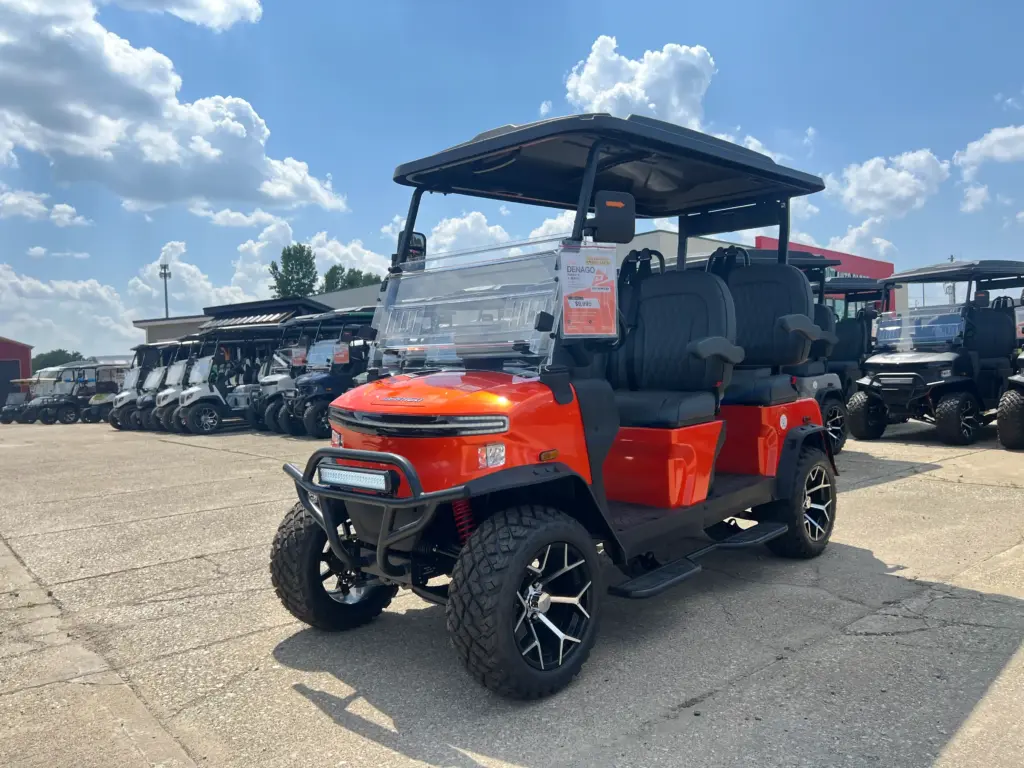
When buyers want a vehicle suitable for approved public-road use, selecting a compliant electric or gas model built for neighborhood transportation can be a practical choice. For example, the 2016 EZGO RXT represents the type of cart many owners consider when looking for dependable everyday performance. Starting with a well-equipped platform reduces upgrade costs and simplifies registration steps.
Conclusion
So, can you drive a golf cart on the street? Yes, but only if it meets Low-Speed Vehicle standards, includes required safety equipment, carries proper registration and insurance, and operates within permitted roadways. Speed capability, lighting, mirrors, seat belts, and VIN documentation all play essential roles in legal compliance. Understanding these requirements helps drivers avoid fines and operate safely. For those exploring compliant golf carts suitable for neighborhood transportation, Hartville Golf Carts offers a huge selection of golf carts designed for reliable everyday travel.