
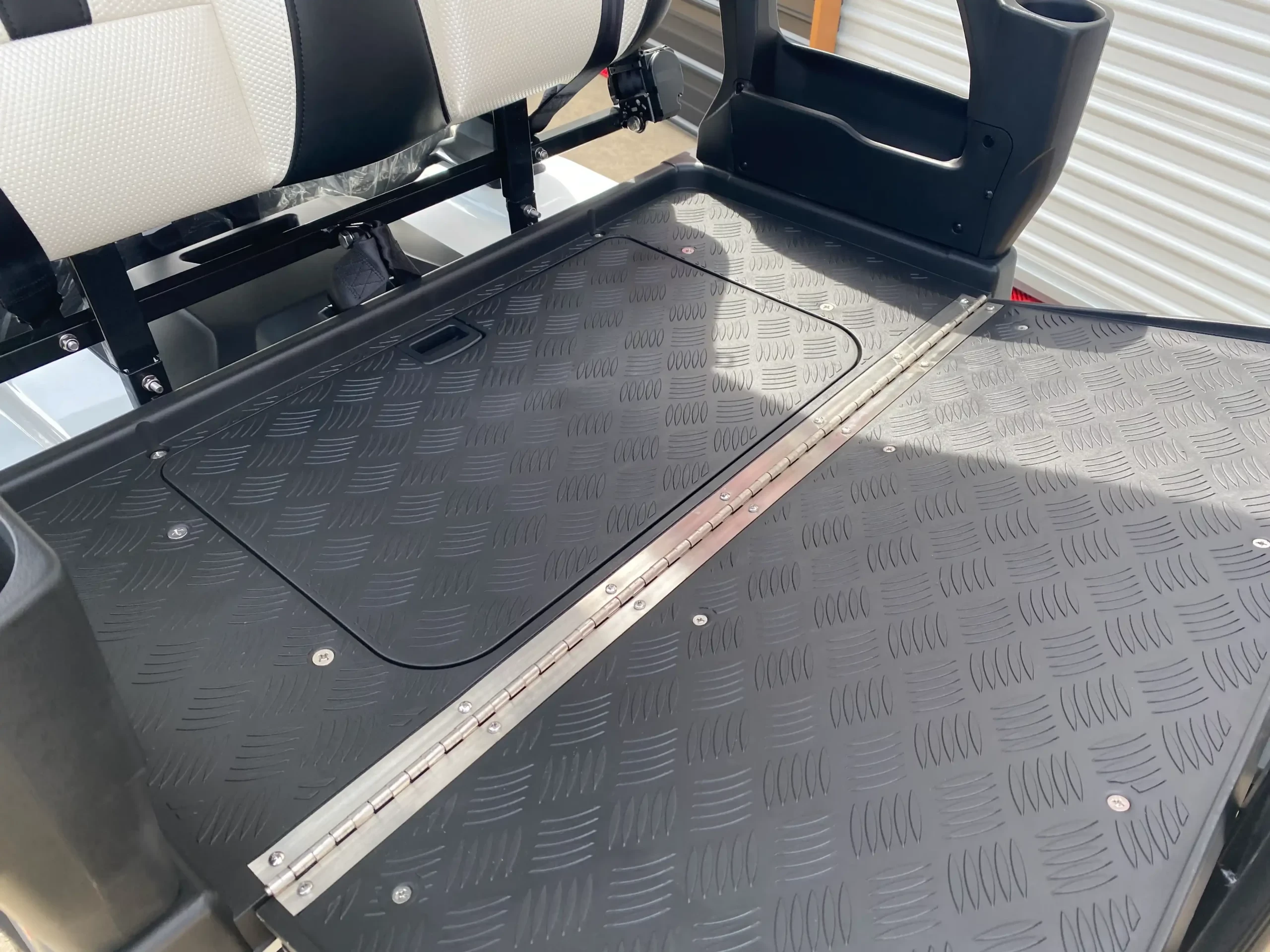
Lithium batteries power everything from phones and laptops to electric golf carts and modern electric vehicles. Their long lifespan and strong performance make them extremely popular, but many owners eventually ask how do you dispose of lithium batteries once they stop holding a charge or become damaged. The answer is important because lithium batteries should never be thrown directly into household trash. Improper disposal can create fire risks, environmental hazards, and safety problems during waste processing. The good news is that safe disposal options are widely available through recycling centers, battery collection programs, and authorized drop-off locations. Understanding how to handle old lithium batteries properly protects both the environment and the people handling waste materials while also helping recover valuable reusable resources inside the battery.
Why Lithium Batteries Require Special Disposal
Lithium batteries contain materials that can become dangerous when damaged, crushed, or exposed to extreme heat. Unlike ordinary household waste, these batteries may ignite if punctured or improperly stored. This risk becomes especially important with larger batteries used in golf carts and electric vehicles because they contain much more stored energy than small electronic batteries. Throwing lithium batteries into regular garbage can create fires inside trash trucks, landfills, or recycling facilities.
Many people do not realize the danger because lithium batteries appear sealed and stable from the outside. However, damaged internal cells can become highly reactive. According to the Environmental Protection Agency, lithium-ion batteries should always be recycled or taken to approved collection locations rather than discarded with household waste. Proper disposal protects sanitation workers, recycling staff, and the environment from unnecessary risks.
Signs A Lithium Battery Needs Disposal
Not every weak battery needs immediate disposal, but certain warning signs indicate the battery should no longer remain in service. Swelling is one of the clearest signs of battery failure. A swollen battery may overheat or become unstable during charging. Physical damage, unusual heat, leaking fluid, or strong odors also signal potential internal problems. Golf cart owners may notice reduced driving range, inconsistent charging, or sudden power loss as batteries age.
Older batteries that no longer hold a useful charge should also be replaced and recycled responsibly. Continuing to use a damaged or severely degraded lithium battery increases safety risks and reduces vehicle reliability. Owners using electric golf carts regularly should inspect battery systems periodically to catch problems early. Recognizing these warning signs helps prevent accidents and ensures batteries are removed safely before major failure occurs.
Where To Dispose Of Lithium Batteries Safely
Most communities now provide safe disposal and recycling options for lithium batteries. Local recycling centers often accept rechargeable batteries, including larger battery packs from electric vehicles and golf carts. Many hardware stores and electronics retailers also participate in battery collection programs. Some municipalities organize special hazardous waste collection events where residents can drop off batteries safely.
Golf cart batteries may require specialized recycling due to their size and energy capacity. Owners should contact local recycling facilities before transport to confirm acceptance requirements. Some recycling locations only accept smaller household batteries, while others handle large automotive and golf cart systems. Searching local waste management resources or manufacturer recommendations often helps identify approved locations quickly.
Preparing Lithium Batteries For Disposal
Safe disposal begins before the battery ever reaches a recycling center. Damaged terminals should be covered with non-conductive tape to reduce the risk of accidental sparks during transport. Batteries should remain dry and protected from excessive heat. Storing damaged lithium batteries near flammable materials increases fire risk significantly.
Large golf cart batteries should remain stable during transport to prevent shifting or impact damage. Owners should avoid stacking damaged batteries loosely in vehicle trunks or trailers. If a battery appears swollen or unstable, professional handling may be necessary. The U.S. Department of Energy explains how lithium battery systems require proper handling throughout their lifespan, including disposal and recycling practices. Careful preparation reduces risk during transport and processing.
Why Recycling Lithium Batteries Matters
Lithium battery recycling helps recover valuable materials that manufacturers can reuse in future battery production. Materials such as lithium, nickel, cobalt, and copper hold significant value and reduce the need for additional mining when recycled properly. Recovering these materials also lowers environmental impact compared to producing entirely new raw materials.
Battery recycling continues to grow as electric vehicles and golf carts become more common. The greater demand for lithium-powered transportation has increased focus on sustainable battery management. Responsible recycling supports cleaner manufacturing processes and reduces landfill waste. Owners who recycle batteries correctly help support a safer and more sustainable electric vehicle industry overall.
Common Mistakes People Make During Disposal
One of the biggest mistakes people make is placing lithium batteries directly into household trash bins. Others leave damaged batteries sitting in garages or sheds for long periods without proper storage. Some owners also attempt to disassemble battery packs themselves, which can become extremely dangerous without proper training and equipment.
Water exposure creates another serious problem because damaged lithium batteries may react unpredictably when exposed to moisture. Golf cart owners sometimes underestimate the risks because the batteries appear durable externally. Following official disposal guidelines helps avoid unnecessary danger. Safe disposal is less complicated than many people think, but ignoring proper procedures can create serious safety hazards quickly.
How Golf Cart Owners Handle Battery Replacement
Golf cart owners often replace batteries in complete sets rather than changing only one battery at a time. This ensures balanced performance and prevents uneven wear across the system. Many dealerships and service providers assist with battery recycling during replacement because they already work with approved recycling partners.
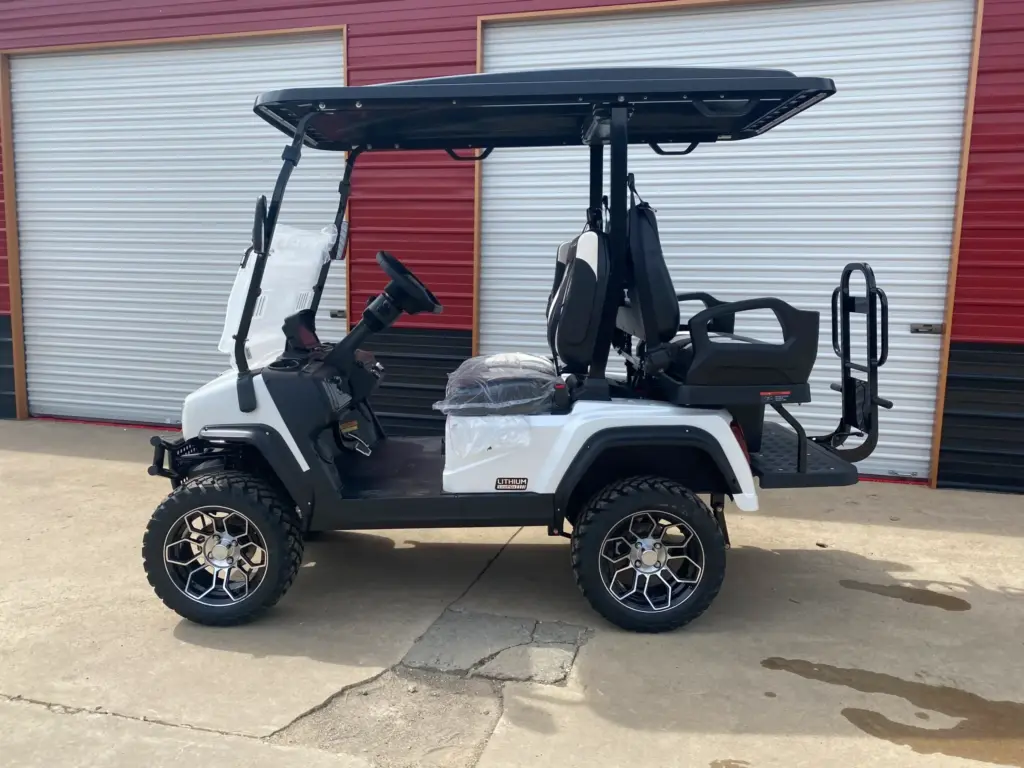
Owners upgrading from lead-acid to lithium systems may also need guidance on removing and transporting older battery packs safely. Buyers exploring modern lithium-powered carts often consider models like the Denago Nomad XL because newer systems reduce maintenance and improve long-term efficiency. Working with experienced golf cart providers often makes battery replacement and disposal much easier for owners unfamiliar with recycling requirements.
The Future Of Lithium Battery Recycling
Battery recycling technology continues to improve as electric transportation grows more common. Manufacturers and recycling companies are investing heavily in methods that recover materials more efficiently and safely. Future recycling systems may reduce costs while increasing the percentage of reusable material recovered from old batteries.
As more golf carts, electric vehicles, and battery-powered equipment enter the market, proper disposal infrastructure will continue expanding. Owners will likely gain easier access to local recycling options and manufacturer-supported return programs. Understanding how do you dispose of lithium batteries now prepares owners for responsible long-term battery ownership as electric transportation becomes even more widespread.
Conclusion
Lithium batteries should never be thrown into regular household trash because damaged or improperly handled batteries can create serious fire and environmental risks. Safe disposal involves using approved recycling centers, battery collection programs, or hazardous waste facilities equipped to process lithium battery systems properly. Preparing batteries carefully before transport also improves safety during handling. As electric golf carts and battery-powered transportation continue growing in popularity, responsible recycling becomes even more important. For drivers exploring modern electric golf carts designed around efficient lithium technology, Hartville Golf Carts offers dependable models built for long-term everyday use.