


Golf cart batteries gradually lose performance as they age, but many owners do not notice the problem until the cart begins slowing down or the driving range becomes much shorter. That is why many people ask how to test golf cart batteries with a voltmeter before replacing an expensive battery pack. A voltmeter makes it easy to measure battery voltage and identify weak batteries before they fail. Testing each battery individually also helps determine whether the problem comes from one battery or the entire pack. By following a few simple steps and taking accurate readings, owners can diagnose battery issues early, improve reliability, and avoid replacing batteries that still have useful life remaining.

Why A Voltmeter Is Useful
A voltmeter measures electrical voltage and helps determine the condition of each golf cart battery. Although it cannot reveal every battery problem, it provides valuable information about battery charge and overall health. A healthy battery normally produces voltage close to its rated value after a full charge and a short resting period. If one battery shows a noticeably lower reading than the others, it may no longer hold a proper charge. Identifying a weak battery early helps prevent poor golf cart performance and unnecessary stress on the remaining batteries. Testing with a voltmeter also gives owners useful information before visiting a repair shop or purchasing replacement batteries. Since digital voltmeters are inexpensive and easy to use, they have become one of the most valuable maintenance tools for golf cart owners.
Prepare The Golf Cart Before Testing
Accurate voltage readings begin with proper preparation. Fully charge the battery pack before performing any measurements. After charging finishes, allow the batteries to rest for several hours so the surface charge can dissipate naturally. This resting period produces more accurate voltage readings than testing immediately after charging. Park the golf cart on a level surface, turn the key off, and engage the parking brake before beginning. Wear safety glasses and gloves because golf cart batteries contain acid and electrical energy that require careful handling. Inspect the battery terminals for corrosion or loose cable connections before testing because poor connections can affect both performance and voltage readings. Cleaning dirty terminals before testing improves measurement accuracy and helps maintain reliable electrical performance.

How To Test Each Battery
Set the digital voltmeter to the DC voltage setting that matches your battery system. Touch the red probe to the positive battery terminal and the black probe to the negative terminal. Hold both probes firmly until the reading stabilizes on the display. Record the voltage for each battery before moving to the next one. Repeat this process until every battery has been tested individually. Compare the readings carefully because healthy batteries in the same pack should produce very similar voltages. A battery with a noticeably lower reading than the others often indicates reduced capacity or internal damage. Recording every measurement also makes it easier to monitor battery health over time and identify gradual performance changes before they become major problems.
What Voltage Should A Healthy Battery Show?
The expected voltage depends on the type of battery installed in your golf cart. A fully charged 6-volt battery usually reads about 6.3 to 6.4 volts after resting. An 8-volt battery normally measures around 8.4 to 8.5 volts, while a fully charged 12-volt battery typically reads about 12.6 to 12.8 volts. Small variations are normal, but every battery in the same pack should have very similar readings. If one battery measures significantly lower than the others, it may no longer hold a proper charge. A low reading does not always mean the battery must be replaced immediately, but it does indicate that further testing or inspection is necessary. Comparing all batteries instead of looking at only one provides a much clearer picture of the entire battery pack’s condition.

Signs A Battery May Be Failing
A weak voltage reading is only one sign of battery trouble. Golf carts with failing batteries often lose driving range, accelerate more slowly, or struggle to climb hills. Charging may also take longer than usual, and the batteries may lose power quickly after reaching a full charge. Swollen battery cases, leaking electrolyte, excessive corrosion, or unusually hot batteries during charging also indicate potential problems. If one battery repeatedly measures lower than the others after a full charge, it may be affecting the performance of the entire battery pack. Identifying these warning signs early helps owners avoid unexpected breakdowns and plan battery replacement before complete failure occurs.
Voltmeter Testing Has Limitations
A voltmeter provides valuable information, but it cannot measure battery capacity under load. A battery may show normal voltage after charging yet still perform poorly while driving. For a more complete evaluation, many technicians also perform a load test or discharge test to determine how well the battery maintains voltage under real operating conditions. Combining voltage readings with battery performance observations gives a more accurate diagnosis than relying on voltage alone. If your golf cart continues to lose power despite normal voltage readings, professional battery testing may identify problems that a basic voltmeter cannot detect.
Know When It Is Time To Replace The Batteries
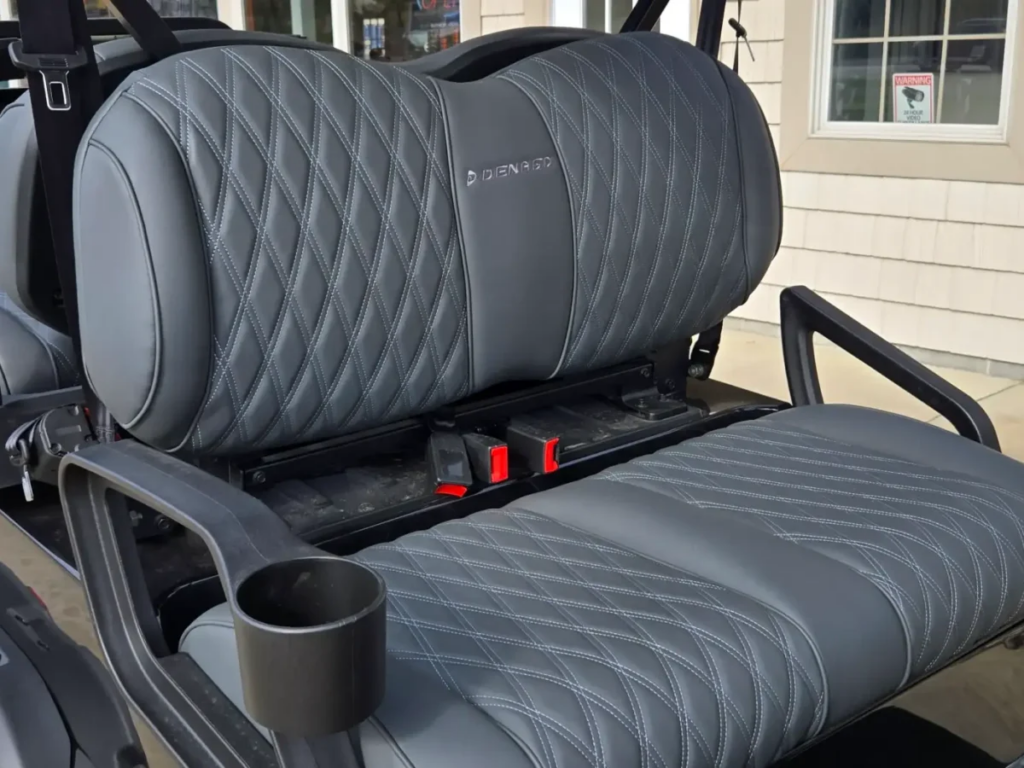
If several batteries consistently produce low voltage readings or fail additional testing, replacing the complete battery pack is usually the best solution. Installing only one new battery alongside older batteries often creates uneven charging and reduces the lifespan of the entire system. Buyers considering an upgrade may also compare newer electric golf carts with lithium battery technology, such as the Denago Nomad XL, which offers faster charging, lower maintenance, and dependable everyday performance. Comparing battery technology and long-term operating costs helps owners decide whether replacing batteries or upgrading the golf cart provides better overall value.

Conclusion
Learning how to test golf cart batteries with a voltmeter helps owners identify weak batteries before they cause major performance problems. By fully charging the batteries, allowing them to rest, and measuring each battery individually, you can compare voltage readings and locate batteries that require further attention. While a voltmeter offers an excellent starting point, combining voltage checks with regular maintenance and additional testing provides the most accurate assessment of battery health. The U.S. Department of Energy Alternative Fuels Data Center offers useful information about battery technology and electric vehicle systems that can help owners better understand battery performance.
Regular battery testing extends reliability, improves performance, and helps you make informed maintenance decisions. Hartville Golf Carts offers dependable electric golf carts and expert guidance to help owners keep their vehicles performing at their best.