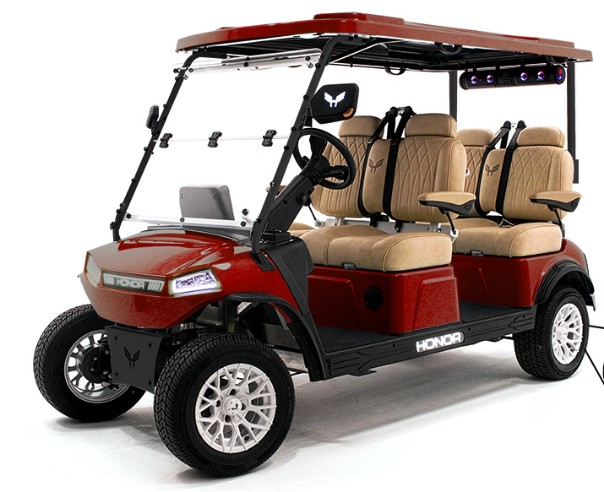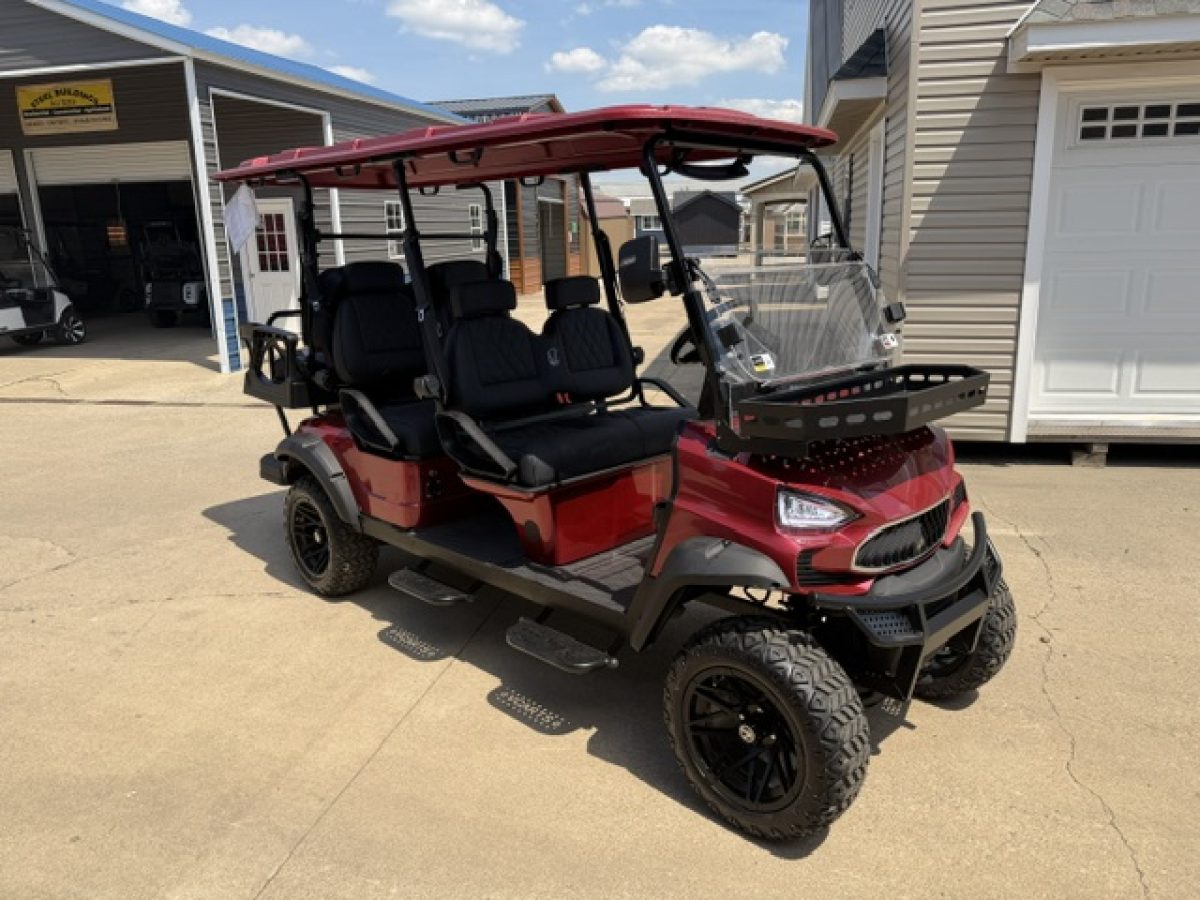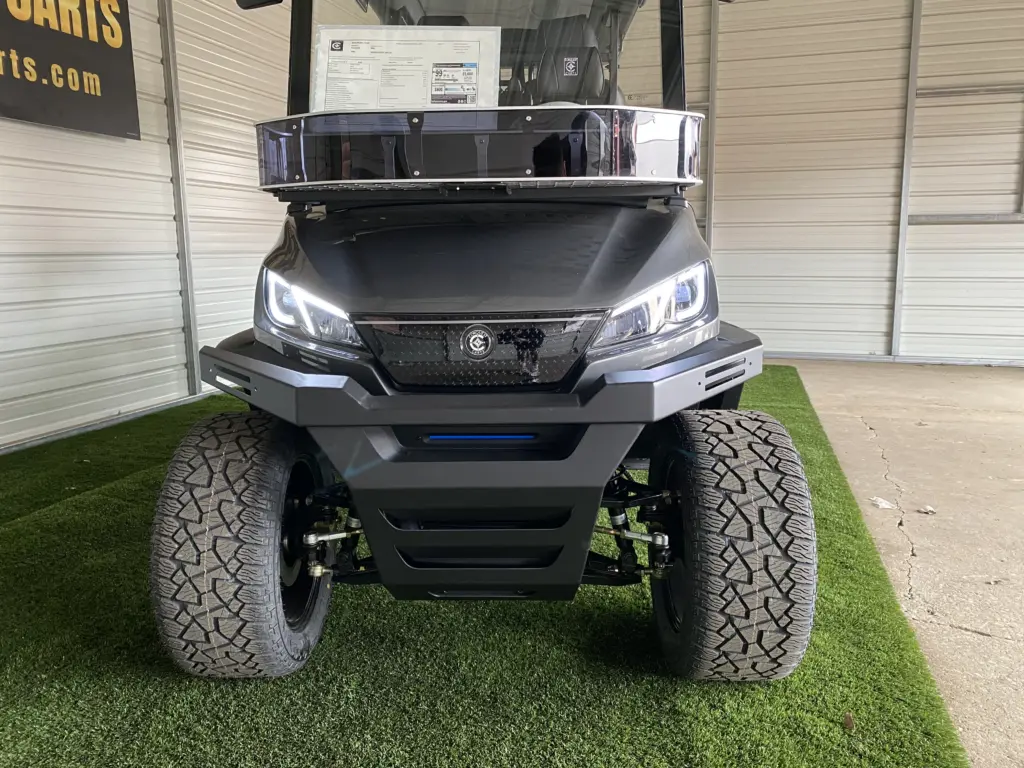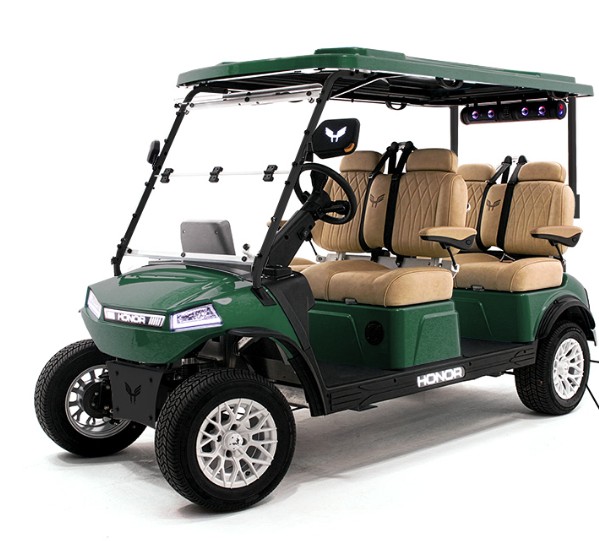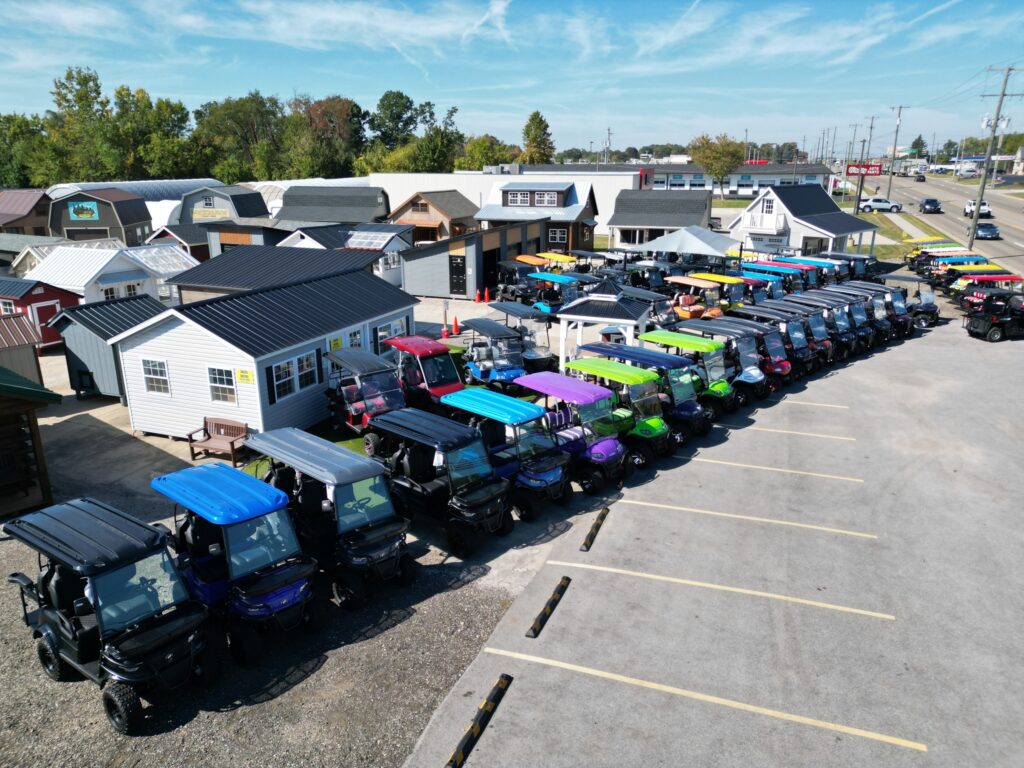

If you have ever visited a golf course outside North America, you may have heard the term golf buggy instead of golf cart. Both names often describe the same type of vehicle, although the preferred term varies by country. In the United States, people usually say “golf cart,” while countries such as the United Kingdom, Australia, and New Zealand commonly use “golf buggy.” Regardless of the name, these compact vehicles provide convenient transportation around golf courses and many other locations.
Today’s golf buggies serve a much wider purpose than carrying golfers between holes. Homeowners, businesses, resorts, campgrounds, and event venues rely on them for comfortable, efficient transportation. Modern models include advanced battery systems, improved suspension, premium seating, and practical storage solutions, making them useful for everyday travel beyond the golf course.
The Purpose Of A Golf Buggy
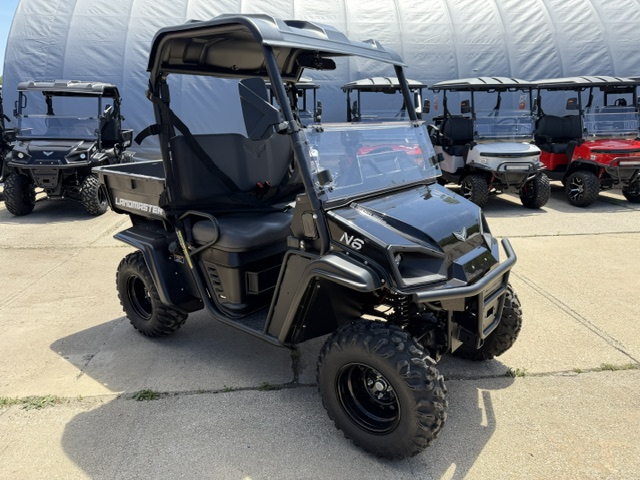
A golf buggy is a small motorized vehicle built to transport people and light cargo over short distances. Manufacturers originally designed these vehicles to help golfers move easily around large courses without walking several miles. As their popularity increased, people discovered many other practical uses. Today, golf buggies operate in retirement communities, private neighborhoods, parks, universities, airports, industrial facilities, and vacation resorts.
The simple design makes them easy to drive and maintain. Most models offer comfortable seating, simple controls, and enough storage space for golf bags or everyday items. Electric versions have become especially popular because they operate quietly and require less routine maintenance than traditional gas-powered models. Their compact size also allows them to navigate narrow paths and tight parking areas with ease.
Golf Buggy And Golf Cart: Is There A Difference?
Many people assume a golf buggy and a golf cart are different vehicles, but the distinction usually comes down to regional language. In countries such as the United States and Canada, the term golf cart is far more common. Meanwhile, golfers in the United Kingdom and several other countries often use the term golf buggy when referring to the same vehicle.
Some people use the word buggy to describe a vehicle designed mainly for golf courses, while they reserve the term golf cart for models used in neighborhoods or commercial settings. However, there is no universal technical difference between the two names. In everyday conversation, both terms generally refer to compact vehicles built for low-speed transportation.
Electric Golf Buggies Continue To Grow In Popularity
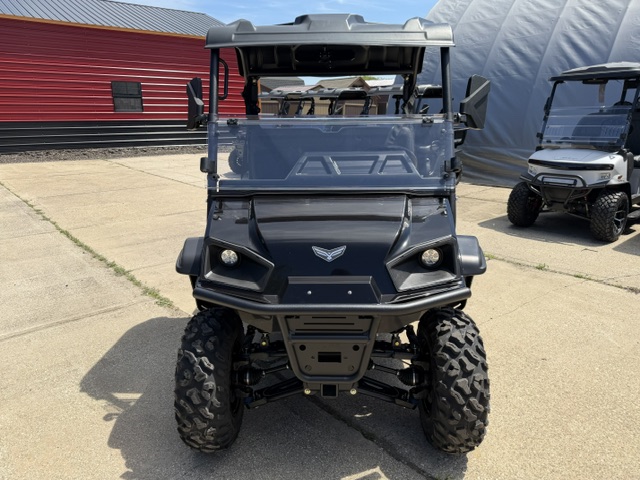
Electric golf buggies now dominate much of the market because they combine quiet operation with impressive efficiency. Improvements in lithium battery technology allow many modern models to travel farther on a single charge while reducing charging time. Owners also appreciate that electric drivetrains contain fewer moving parts, which often leads to lower maintenance requirements throughout the vehicle’s life.
Modern electric golf buggies include features that were uncommon only a few years ago. Buyers can now choose models with LED lighting, digital displays, USB charging ports, premium seating, touchscreen controls, Bluetooth audio systems, and advanced battery management technology. These upgrades make electric golf buggies practical for recreation, neighborhood transportation, and everyday property maintenance.
If you are interested in modern electric models with advanced features, exploring the latest Denago Golf Carts provides a good introduction to today’s battery technology, comfort features, and overall performance.
Common Uses Beyond The Golf Course
Although golf buggies were originally designed for golfers, people now use them in many different environments. Residential communities rely on them for short daily trips, while resorts use them to transport guests and luggage. Maintenance crews appreciate their ability to carry tools across large properties without the noise of larger utility vehicles. Event organizers also use golf buggies to move staff, equipment, and visitors efficiently around large venues.
Campgrounds, farms, schools, and industrial facilities have also adopted golf buggies because they provide convenient transportation over short distances. Their compact size allows drivers to travel where larger vehicles may be difficult to maneuver. As manufacturers continue introducing new technology, golf buggies have become practical transportation solutions for both recreational and commercial users.
Choosing The Right Golf Buggy
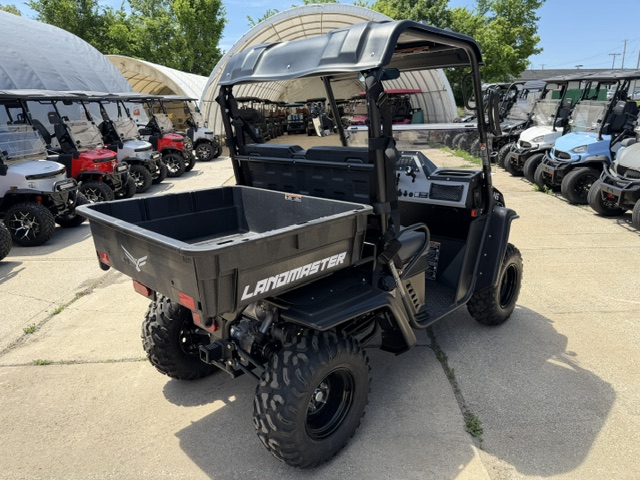
Selecting the right golf buggy begins with understanding how you plan to use it. A two-passenger model may suit golfers or homeowners who need simple transportation, while larger families often benefit from four-passenger or six-passenger models. Buyers should also consider battery type, seating comfort, storage capacity, suspension quality, and available safety features before making a decision.
Think about the terrain where the golf buggy will operate. Flat neighborhoods may not require the same suspension or tire setup as farms or campgrounds with uneven ground. Comparing several models and test-driving them whenever possible helps buyers choose a golf buggy that meets their daily needs while providing long-term value.
Modern golf buggies have changed significantly over the years. Reading about the evolution of golf carts provides useful background on their design and everyday applications.
Maintaining A Golf Buggy For Long-Term Reliability
Regular maintenance helps every golf buggy perform safely and efficiently. Electric owners should keep batteries properly charged, inspect battery terminals, and check electrical connections for corrosion or damage. Gas-powered models benefit from routine oil changes, clean air filters, and scheduled engine maintenance. Both types require regular brake inspections, tire pressure checks, and steering evaluations.
Cleaning the golf buggy after use also protects its appearance and mechanical components. Dirt, grass, and moisture can gradually affect moving parts if they remain on the vehicle for extended periods. Following the manufacturer’s maintenance schedule helps reduce repair costs while improving long-term reliability and resale value.
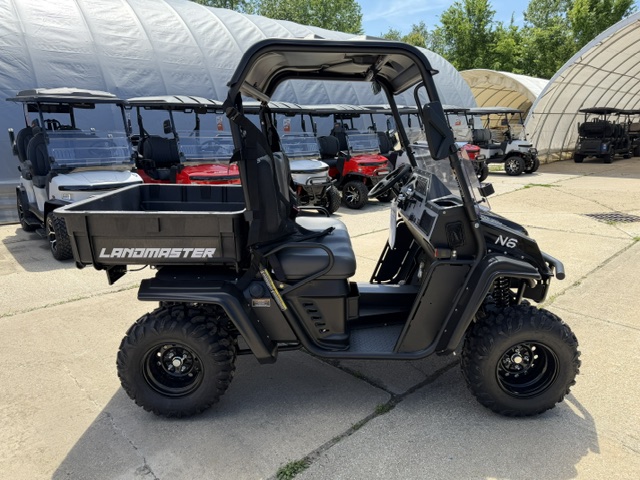
Why Golf Buggies Continue To Gain Popularity
If you are asking what is a golf buggy, the simplest answer is that it is a versatile vehicle designed for convenient, low-speed transportation. While golfers still use them every day, many homeowners, businesses, and recreational facilities now depend on golf buggies for comfortable and efficient travel. Their quiet operation, compact size, and practical design have helped them become useful far beyond the golf course.
Before choosing a golf buggy, compare different models based on seating capacity, battery technology, intended use, and available features instead of focusing on appearance alone. To explore modern golf carts or receive professional buying guidance, visit Hartville Golf Carts or contact the team. Taking time to research your options will help you select a vehicle that delivers dependable performance and years of enjoyable ownership.