
Golf cart batteries are one of the most expensive maintenance items electric golf cart owners eventually face, which is why many buyers ask how long should golf cart batteries last before investing in a cart. In most situations, traditional lead-acid golf cart batteries last around 4 to 6 years, while modern lithium battery systems often remain reliable for 8 to 12 years or longer. However, actual battery lifespan depends heavily on maintenance habits, charging routines, climate, driving conditions, and battery quality. Some owners destroy batteries early by leaving them discharged too long or ignoring maintenance completely. Others get years of extra performance simply by charging correctly and keeping the system clean. Understanding what affects battery lifespan helps owners avoid expensive mistakes and maintain more reliable golf cart performance during everyday use.
Battery Type Plays The Biggest Role
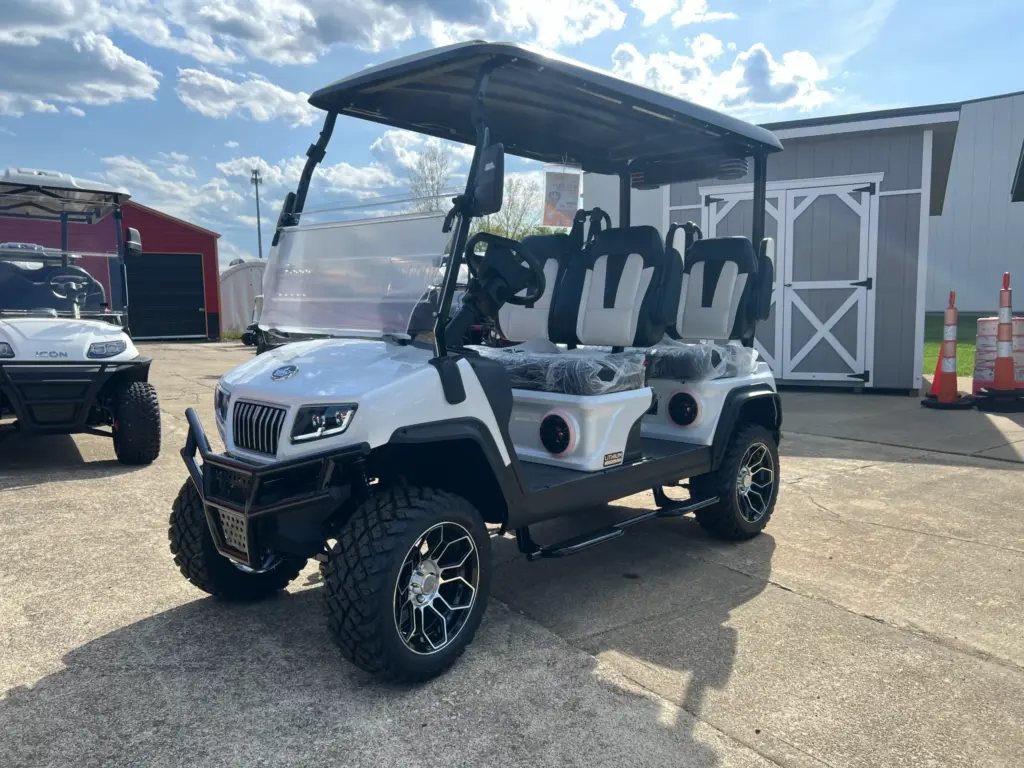
The type of battery installed in the golf cart affects lifespan more than almost anything else. Traditional lead-acid batteries remain common because they cost less upfront, but they require more maintenance and generally wear out faster than lithium systems. Most lead-acid batteries last between four and six years under normal conditions when maintained properly. Lithium batteries cost more initially but usually provide much longer service life. Many lithium systems continue performing well for eight years or more with minimal maintenance requirements. They also maintain voltage consistency better during use, which helps preserve overall battery health. According to Battery University, lithium battery chemistry generally supports more charging cycles and longer-term energy retention than traditional lead-acid systems. This longer lifespan has become one of the biggest reasons many golf cart owners now upgrade to lithium technology.
Charging Habits Can Extend Or Ruin Battery Life
Charging habits directly affect how long golf cart batteries survive. Many owners accidentally shorten battery lifespan by leaving batteries deeply discharged for long periods or using incorrect chargers. Lead-acid batteries especially dislike remaining partially empty because sulfation slowly develops inside the battery when charge levels stay low. Most golf cart batteries perform best when charged fully after regular use. Owners who drive daily around neighborhoods or campgrounds often benefit from overnight charging routines that keep the battery pack consistently healthy. Overcharging can also create unnecessary heat and stress, especially with older chargers lacking automatic shutoff features. Smart chargers help reduce this problem because they regulate charging more carefully during the charging cycle.
Climate And Storage Conditions Matter
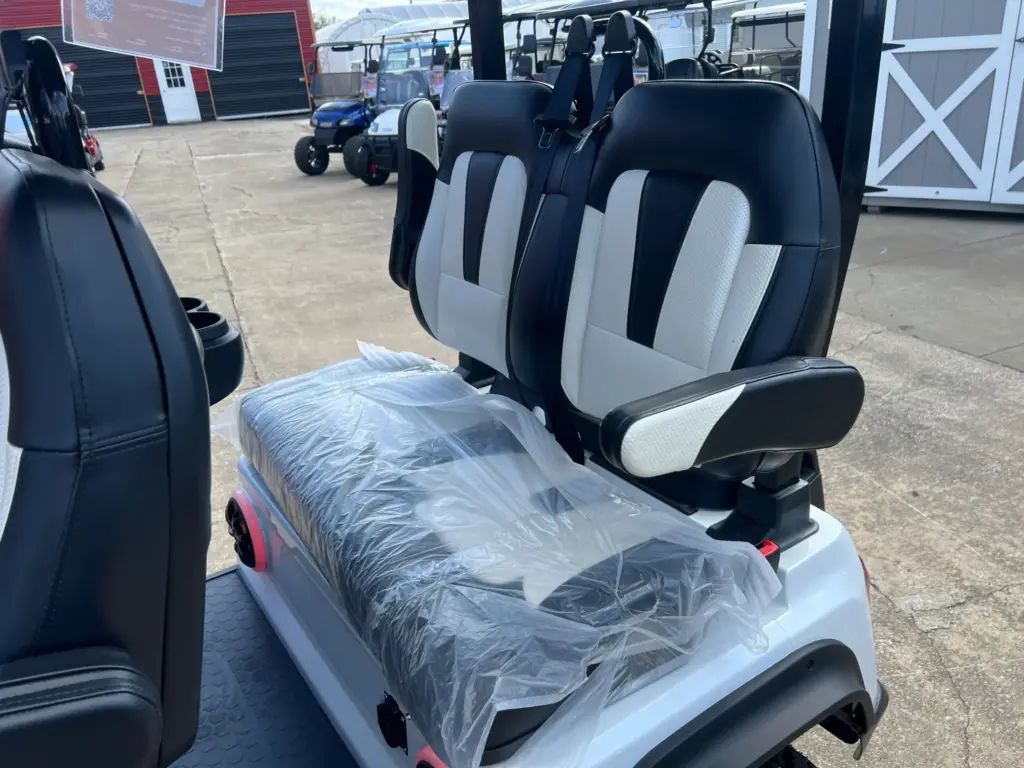
Extreme temperatures affect golf cart batteries significantly over time. Hot climates accelerate internal battery wear because heat increases chemical activity inside the cells. Golf carts stored outdoors in high heat often experience shorter battery lifespan than carts stored inside garages or shaded areas.
Cold weather creates different challenges. Batteries become less efficient during freezing temperatures and may temporarily lose driving range during winter use. Long-term storage also matters greatly. Batteries left sitting unused for months without proper charging maintenance often deteriorate much faster than regularly used systems. Owners who store golf carts seasonally should follow proper battery storage procedures to avoid unnecessary damage.
Maintenance Makes A Huge Difference
Battery maintenance affects lifespan more than many owners realize. Lead-acid batteries require periodic watering because charging naturally evaporates fluid over time. Low water levels expose the battery plates and create permanent internal damage if ignored for too long. Battery terminals should also remain clean and corrosion-free because dirty connections reduce charging efficiency and increase electrical strain. Some owners assume batteries fail randomly when poor maintenance habits actually cause most of the damage gradually over time. Lithium batteries simplify maintenance significantly because they avoid watering requirements and resist corrosion much better than lead-acid systems.
Driving Style Changes Battery Wear
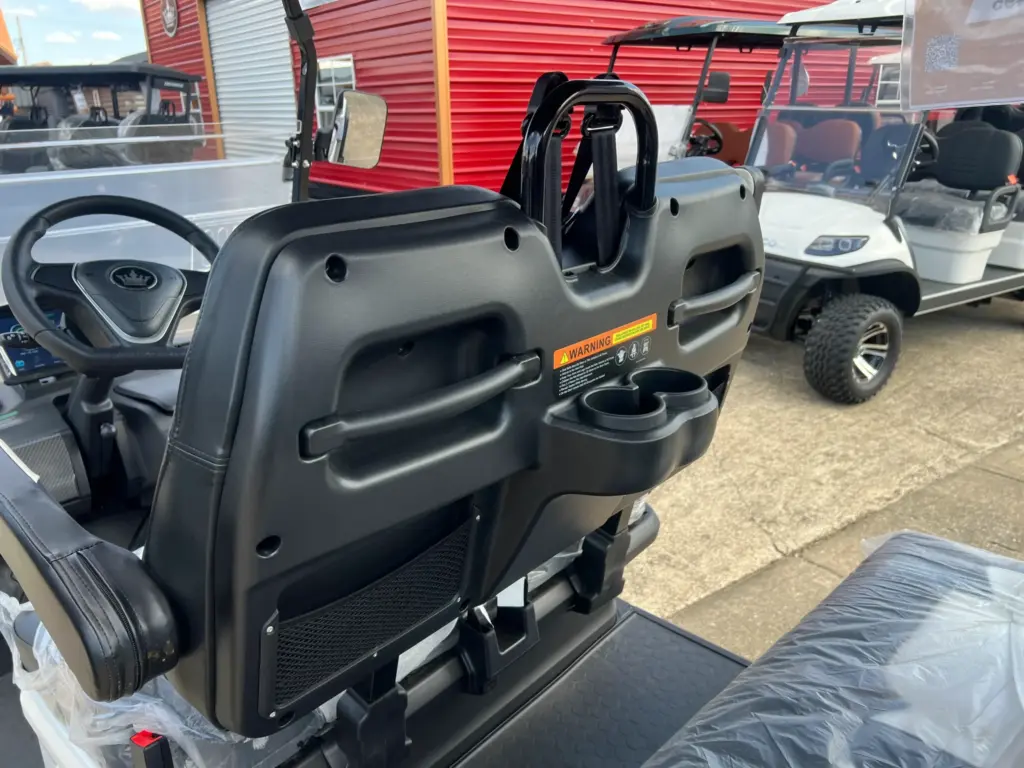
The way a golf cart is driven affects battery lifespan surprisingly quickly. Aggressive acceleration, heavy passenger loads, oversized tires, and constant hill climbing all increase battery demand. The harder the batteries work during every drive, the faster charging cycles accumulate over time. Neighborhood users taking short, relaxed trips often experience longer battery life than owners driving aggressively across large properties daily. Tire pressure matters too because underinflated tires increase rolling resistance and force the battery system to work harder. Small efficiency problems repeated every day eventually create noticeable long-term battery wear.
Signs Golf Cart Batteries Are Wearing Out
Golf cart batteries usually show warning signs before complete failure happens. Reduced driving range is one of the earliest symptoms. Owners may also notice weaker acceleration, dim lights, or slower charging performance as batteries age. Some golf carts feel strong initially after charging, but weaken quickly during longer drives. Others lose charge rapidly while sitting unused for only short periods. These symptoms usually indicate declining battery capacity internally. Catching these warning signs early helps owners plan replacement before the cart becomes unreliable for daily transportation or recreation.
How Lithium Batteries Improve Long-Term Ownership
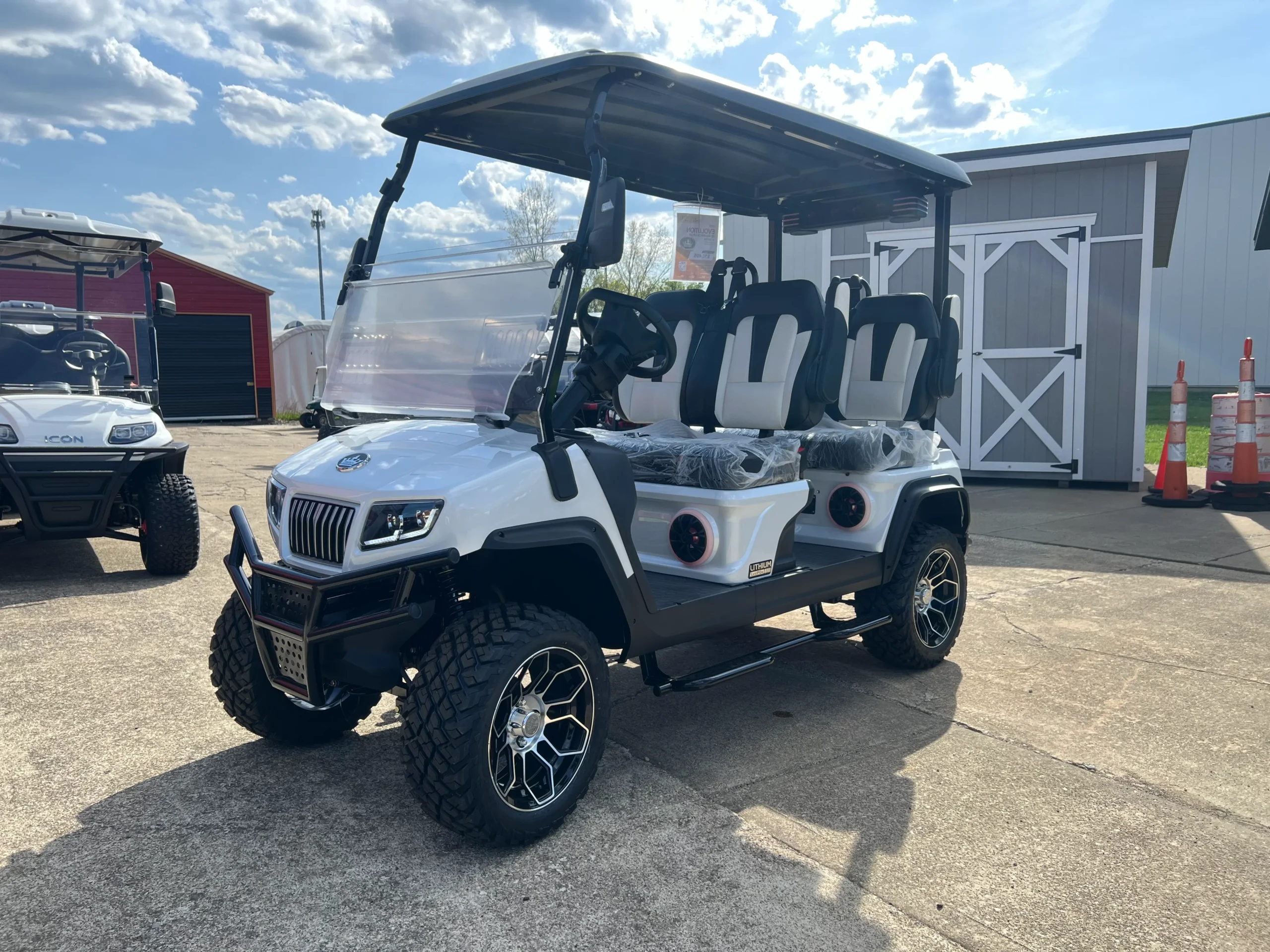
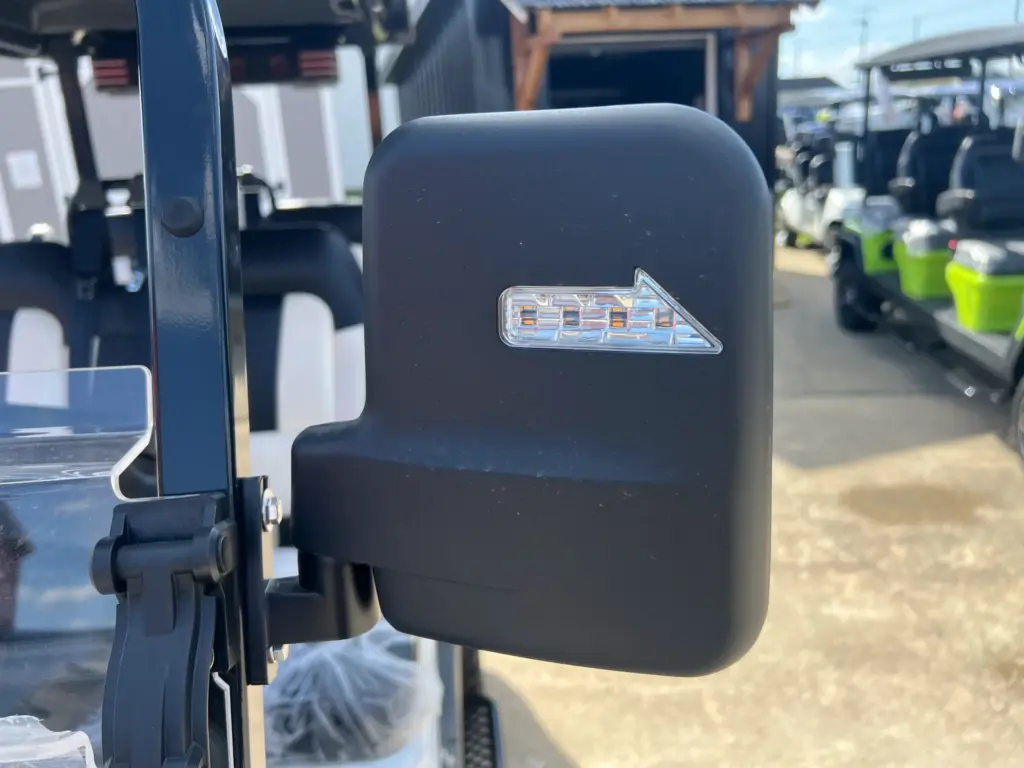
Lithium battery systems have changed golf cart ownership significantly because they reduce maintenance while improving charging efficiency and overall lifespan. Many owners switching from older lead-acid batteries notice stronger acceleration, faster charging, and a more stable range immediately. Lithium systems also weigh much less than lead-acid setups, which improves efficiency and reduces strain on the golf cart overall. Owners using carts regularly around neighborhoods and campgrounds often appreciate the lower-maintenance ownership experience almost immediately. Although lithium batteries cost more upfront, many owners feel the longer lifespan and easier maintenance justify the investment over time.
Modern Electric Golf Carts Support Better Battery Performance
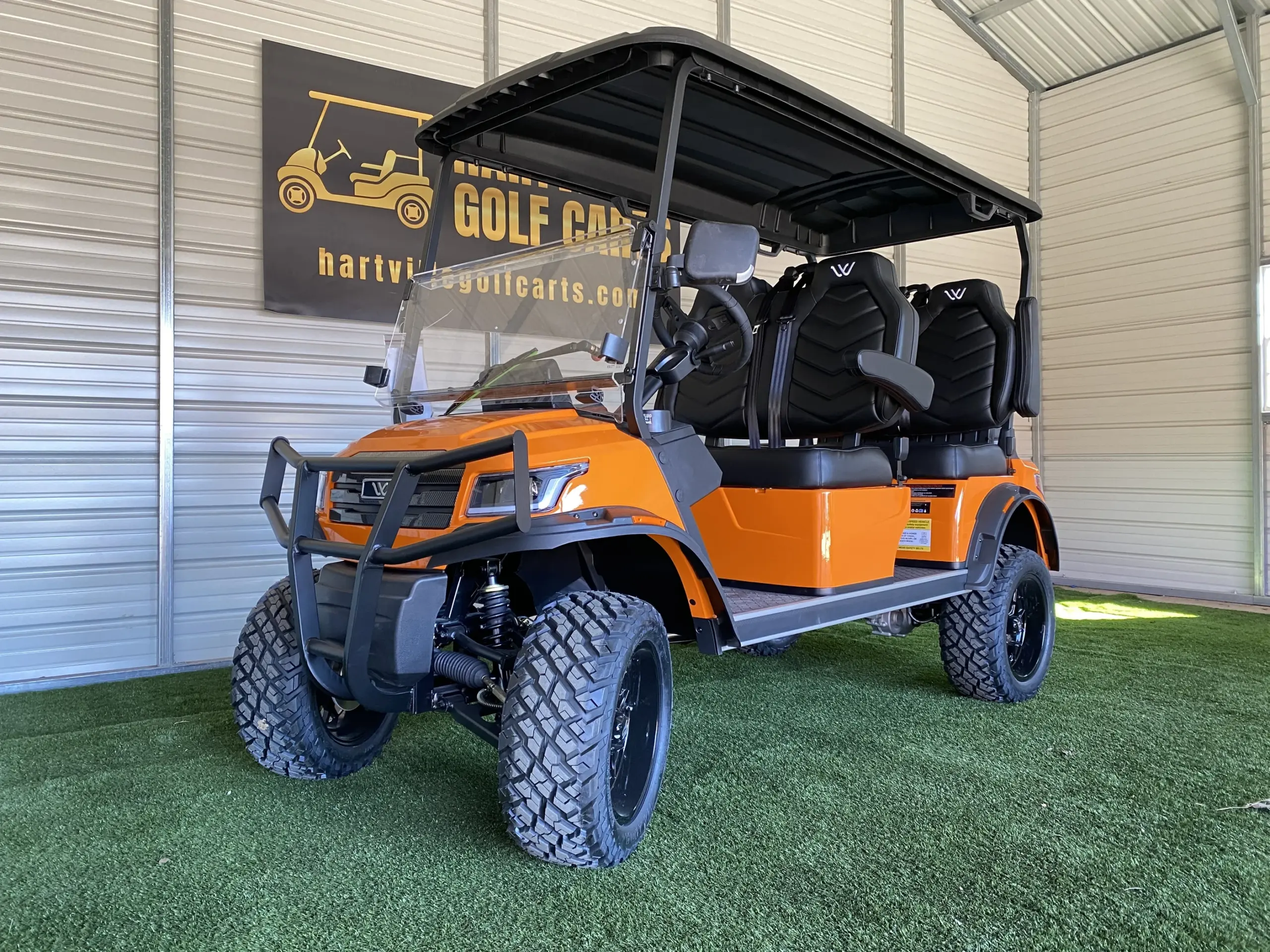
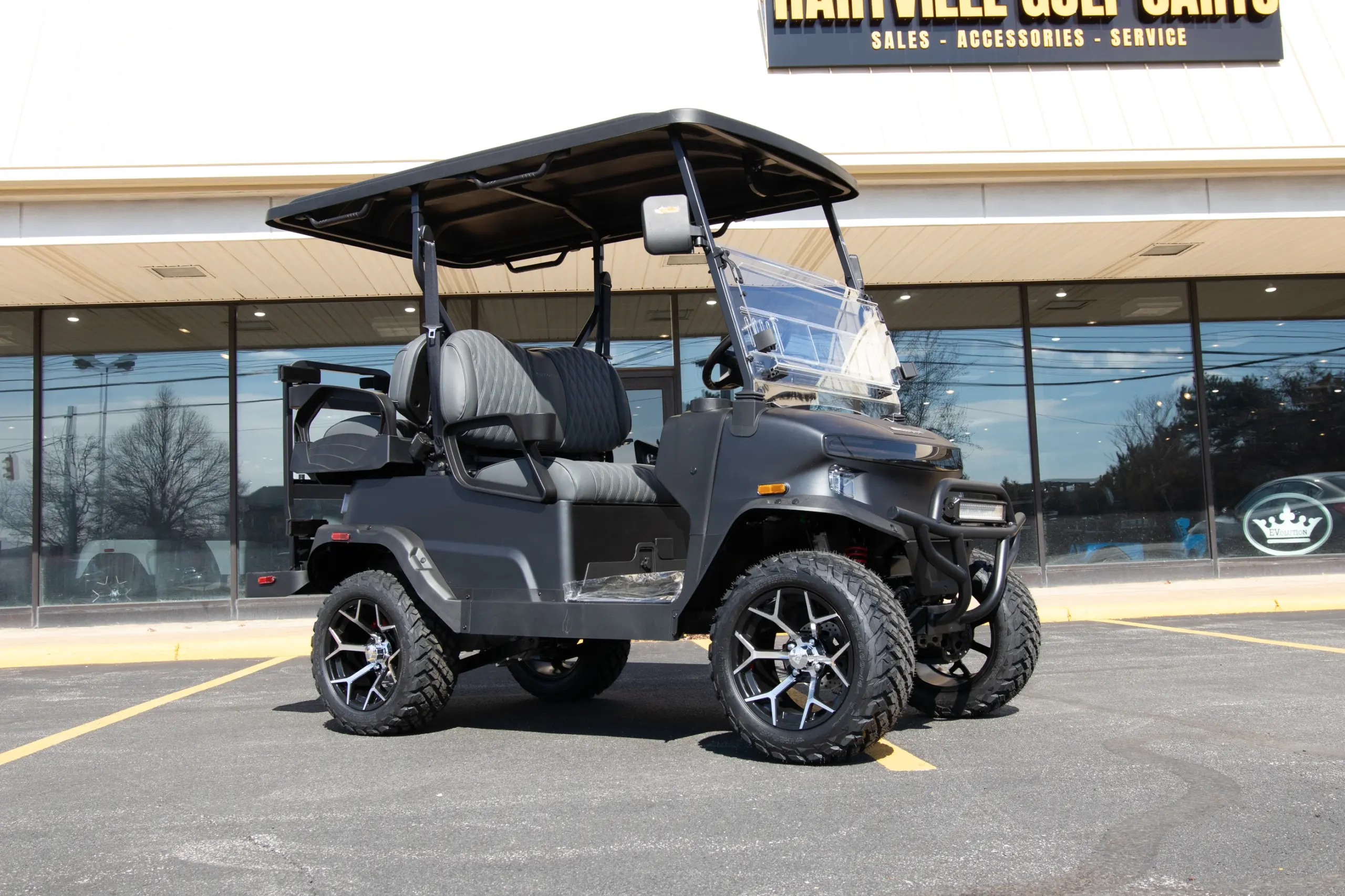
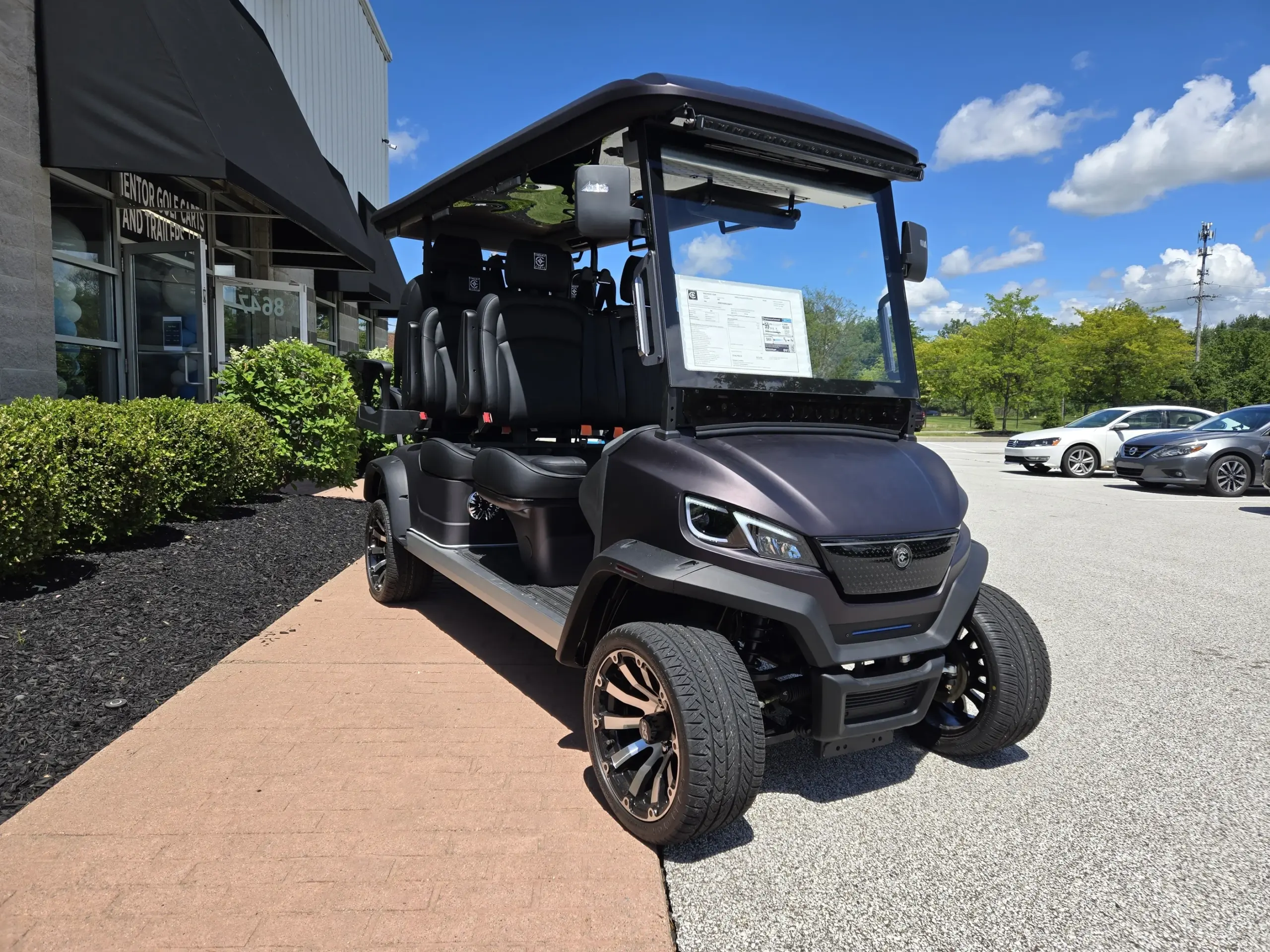
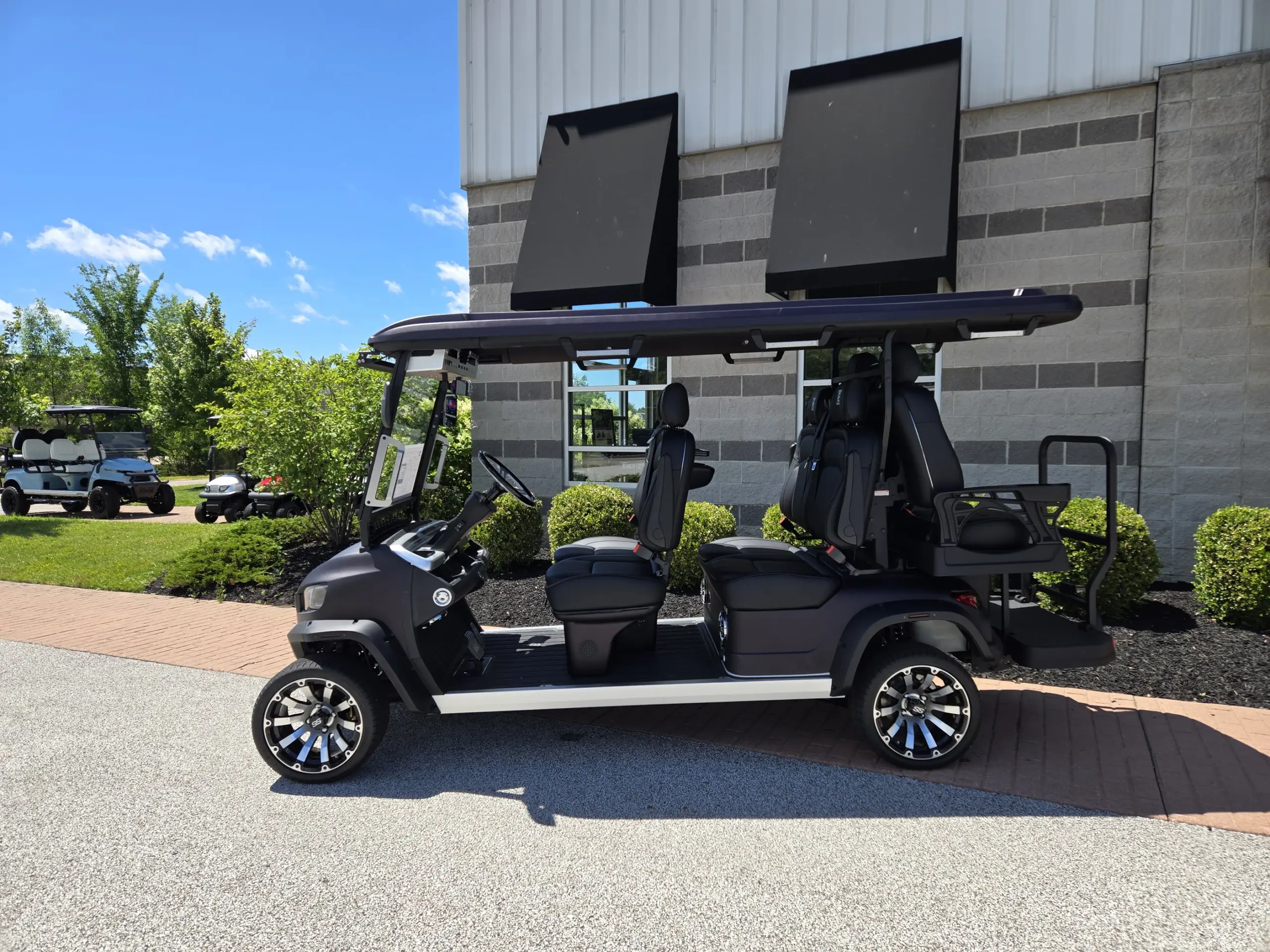
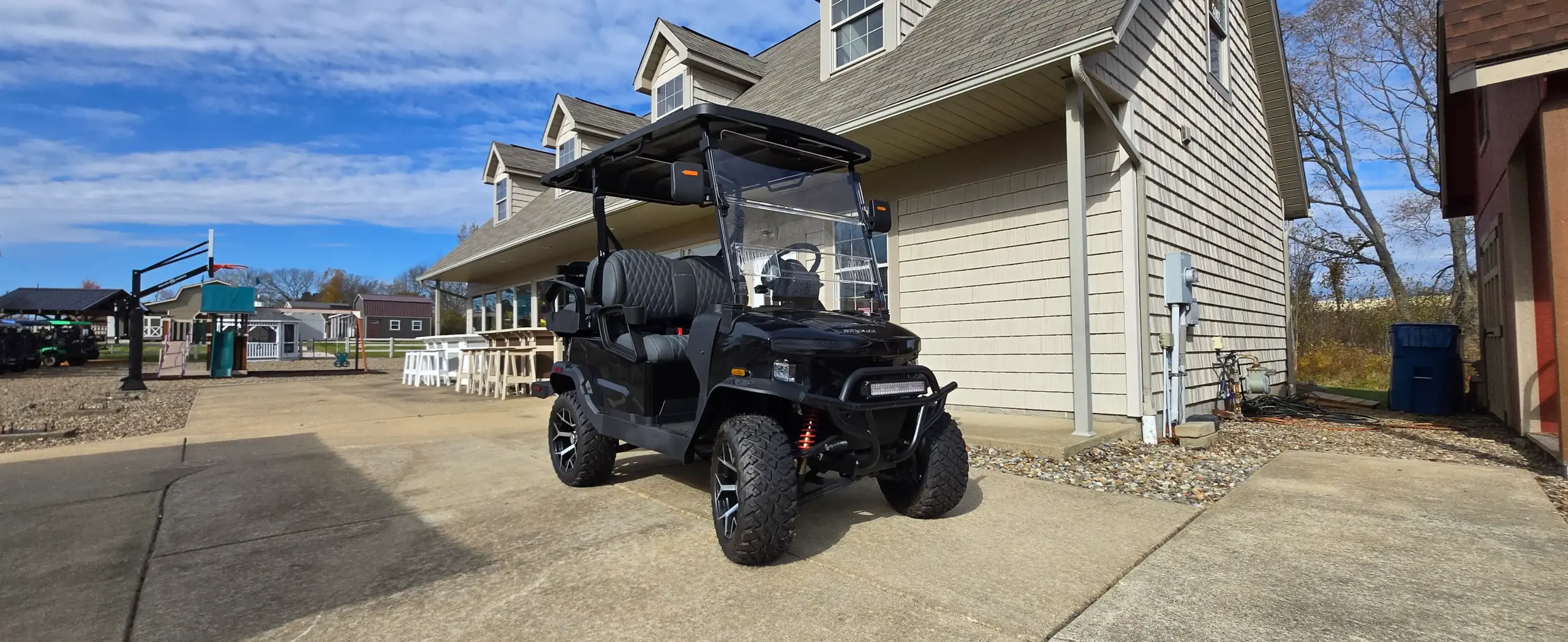
Modern golf carts now include improved charging systems, smarter controllers, and more efficient battery management technology than older models. These improvements help batteries last longer while improving everyday driving performance and charging consistency. Buyers exploring reliable electric golf carts often consider models like the Denago Nomad XL because newer electric systems combine practical performance with lower long-term battery maintenance demands. Better battery technology has made electric golf carts much more dependable for daily transportation and recreational use.
Replacing Batteries At The Right Time Matters
Waiting too long to replace weak batteries can create additional electrical problems. Failing batteries place extra strain on chargers, controllers, and motors because the system works harder to compensate for declining performance. Some owners continue troubleshooting older batteries long after replacement becomes the smarter financial decision. Installing fresh batteries often transforms the entire driving experience immediately. Acceleration improves, charging becomes more reliable, and driving range returns to normal. Replacing batteries proactively usually creates fewer long-term headaches than waiting for complete failure during regular use.
Conclusion
How long should golf cart batteries last depends heavily on battery type, charging habits, maintenance, climate, and daily driving conditions. Most lead-acid batteries remain reliable for around 4 to 6 years, while lithium systems often provide 8 to 12 years of dependable performance. Owners who charge correctly, maintain clean connections, and avoid deep discharge usually extend battery life significantly. Understanding how batteries wear over time helps prevent expensive surprises and improves long-term golf cart reliability. For drivers looking for dependable electric golf carts designed around modern battery systems and practical everyday performance, Hartville Golf Carts offers reliable models built for comfort, efficiency, and long-term usability.