
Many riders ask a practical and important question before heading out in uncertain weather: can electric scooter get wet? Electric scooters are often used for short trips, commuting, and recreational riding, which means exposure to moisture is sometimes unavoidable. Rain, puddles, wet roads, and even morning dew can all come into contact with scooter components. While electric scooters rely on sealed electrical systems, water exposure still presents risks depending on design, usage, and riding conditions. Understanding how moisture affects electric scooters helps riders protect their investment, avoid damage, and ride more safely.
Why Water Exposure Matters
Water exposure matters because electric scooters combine electrical systems with moving mechanical parts. Batteries, controllers, wiring, and motors all rely on proper insulation to function correctly. When water enters areas not designed to handle moisture, it can cause corrosion, short circuits, or gradual performance degradation. Even small amounts of water can lead to long-term damage if it repeatedly contacts sensitive components. Riders asking can electric scooter get wet are often concerned about rain riding, but water damage can also occur during storage or cleaning if moisture seeps into vulnerable areas.
Water Resistance
Electric scooters are not typically waterproof, but many offer some level of water resistance. Manufacturers design scooters to handle light moisture exposure, such as splashes or brief rain. Water resistance depends on how well components are sealed and how the scooter manages drainage. Rubber gaskets, sealed connectors, and protected battery housings all contribute to water resistance. However, water resistance does not mean unlimited exposure. Understanding these limitations helps riders avoid situations that exceed what the scooter can safely handle.
IP Ratings Explained
Ingress Protection ratings help explain how much water an electric scooter can tolerate. These ratings indicate resistance to dust and moisture, with higher numbers representing greater protection. According to guidance from the International Electrotechnical Commission, water resistance varies significantly between devices. A scooter with a basic rating may handle light splashes, while higher-rated models resist heavier exposure. Riders should understand that even scooters with water resistance ratings are not designed for submersion or prolonged wet conditions.
Riding in Light Rain
Light rain is one of the most common situations riders encounter. In many cases, scooters designed for everyday use can handle light rain without immediate damage. Smooth pavement, moderate speed, and short ride duration reduce risk. However, water can still accumulate around electrical connectors and moving parts. Riders should avoid deep puddles and sudden splashes that force water into sealed areas. Even if the scooter continues to operate normally, drying it thoroughly after riding helps prevent corrosion and electrical issues.
Heavy Rain and Storm Conditions
Heavy rain presents greater challenges for electric scooters. Intense water exposure increases the likelihood of moisture entering sensitive components. Visibility also decreases during storms, increasing safety risks. Reduced traction on wet surfaces further complicates control. While some scooters may survive occasional heavy rain, repeated exposure raises the chance of long-term damage. Riders considering whether can electric scooter get wet should view heavy rain as a situation best avoided when possible.
Puddles and Standing Water
Puddles pose a hidden risk because water depth is often difficult to judge. Riding through standing water can force moisture into the motor, bearings, or battery enclosure. Water splashed upward by spinning tires may reach areas not designed for exposure. Even shallow puddles can contain debris that damages seals or wiring. Avoiding puddles whenever possible significantly reduces water-related problems.
Effects on the Battery
The battery is one of the most sensitive components of an electric scooter. Although battery housings are usually sealed, repeated exposure to moisture can weaken seals over time. Water intrusion into the battery compartment can cause corrosion, reduced capacity, or electrical failure. Moisture-related battery issues may not appear immediately but can shorten overall lifespan. Keeping the battery area dry remains a top priority for long-term scooter reliability.
Motor and Controller Risks
The motor and controller manage power delivery and speed control. Water entering these components disrupts electrical signals and increases resistance. Moisture can also accelerate corrosion on internal contacts. Even if the scooter continues to operate after water exposure, hidden damage may progress over time. Proper drying and inspection after wet rides helps reduce these risks.
Traction and Braking on Wet Surfaces
Wet surfaces reduce traction, increasing stopping distance and the risk of slipping. Smooth tires lose grip more easily on wet pavement, painted lines, and metal surfaces. Braking performance often decreases, especially on scooters without advanced braking systems. Riders should slow down, brake gradually, and avoid sharp turns in wet conditions. Understanding these handling changes improves safety during unavoidable wet rides.
Cleaning an Electric Scooter Safely
Cleaning an electric scooter requires caution to avoid water damage. High-pressure water or direct spraying can force moisture into sealed components. Gentle wiping with a damp cloth is safer than rinsing. Cleaning also provides an opportunity to inspect seals, wiring, and fasteners for wear. Proper cleaning habits help extend scooter life without increasing water exposure risk.
Storage After Water Exposure
Storage plays a critical role after riding in wet conditions. Allowing the scooter to dry completely before storage reduces corrosion risk. Storing the scooter in a dry, ventilated space prevents trapped moisture from damaging internal components. Removing the battery, if possible, can further reduce risk. Riders who regularly encounter wet conditions should prioritize proper storage practices.
Comparing Scooters and Electric Bikes
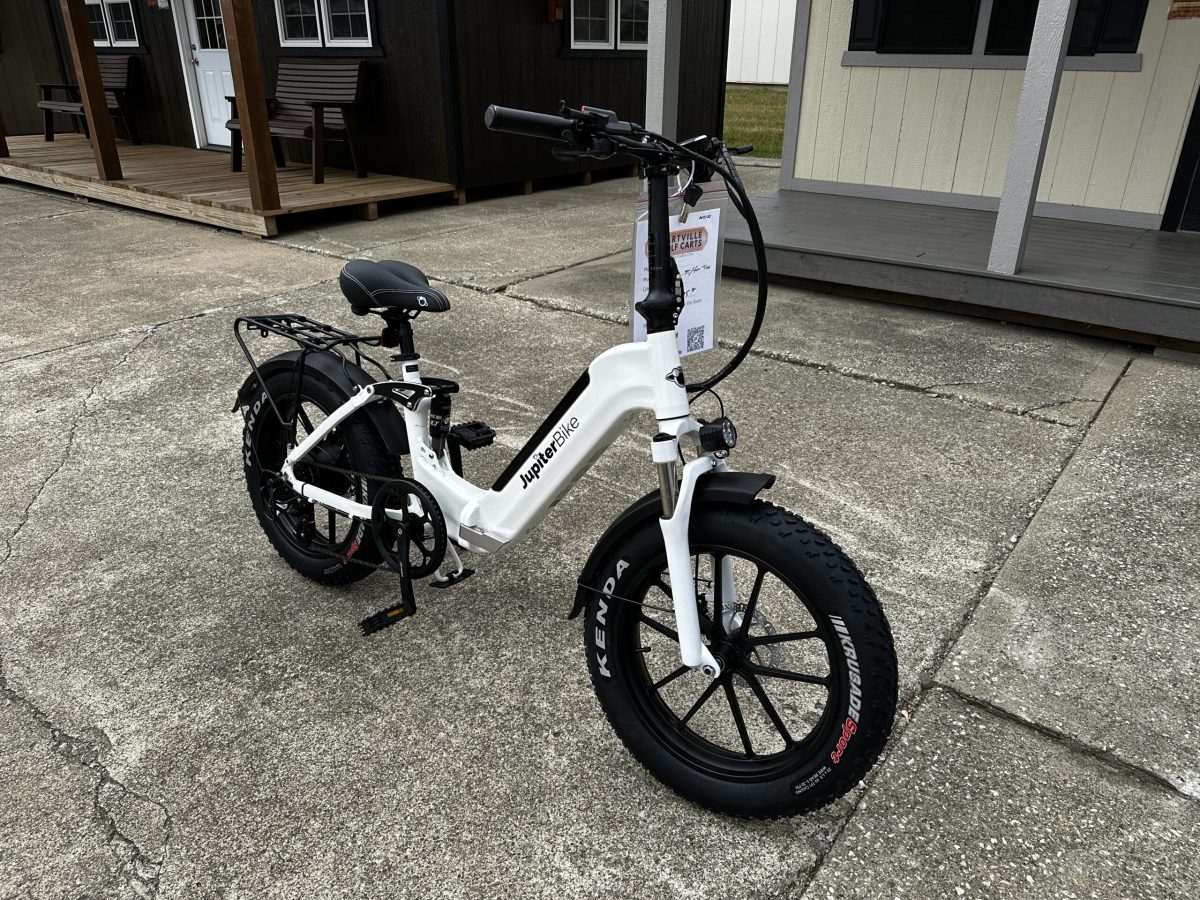
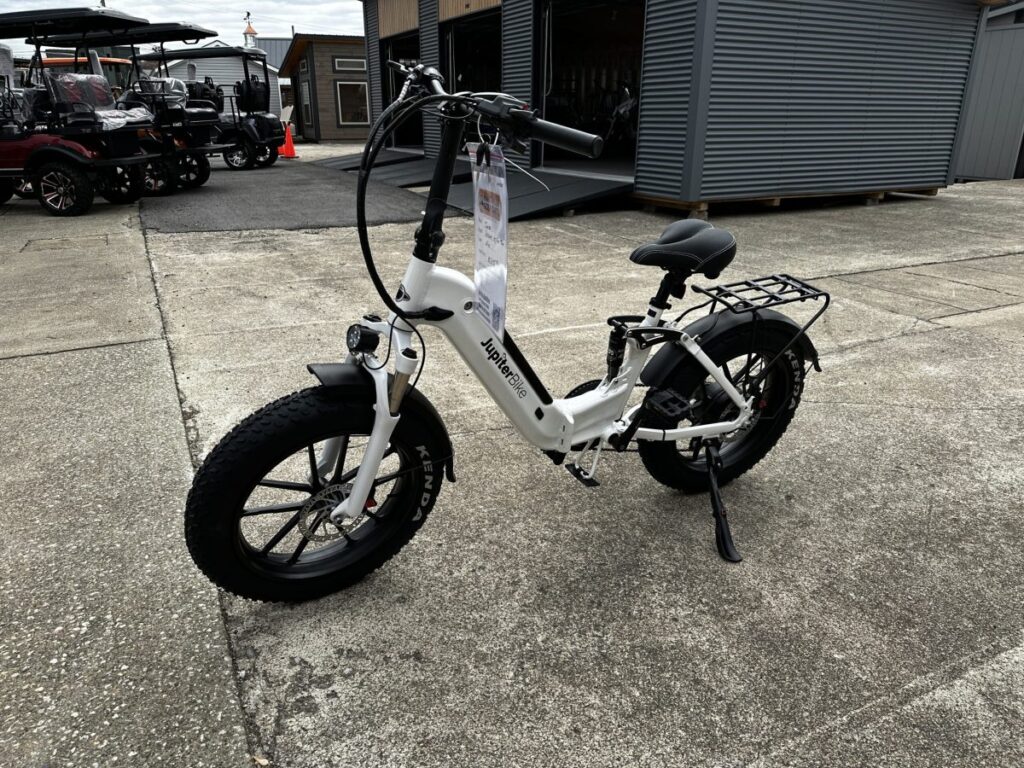
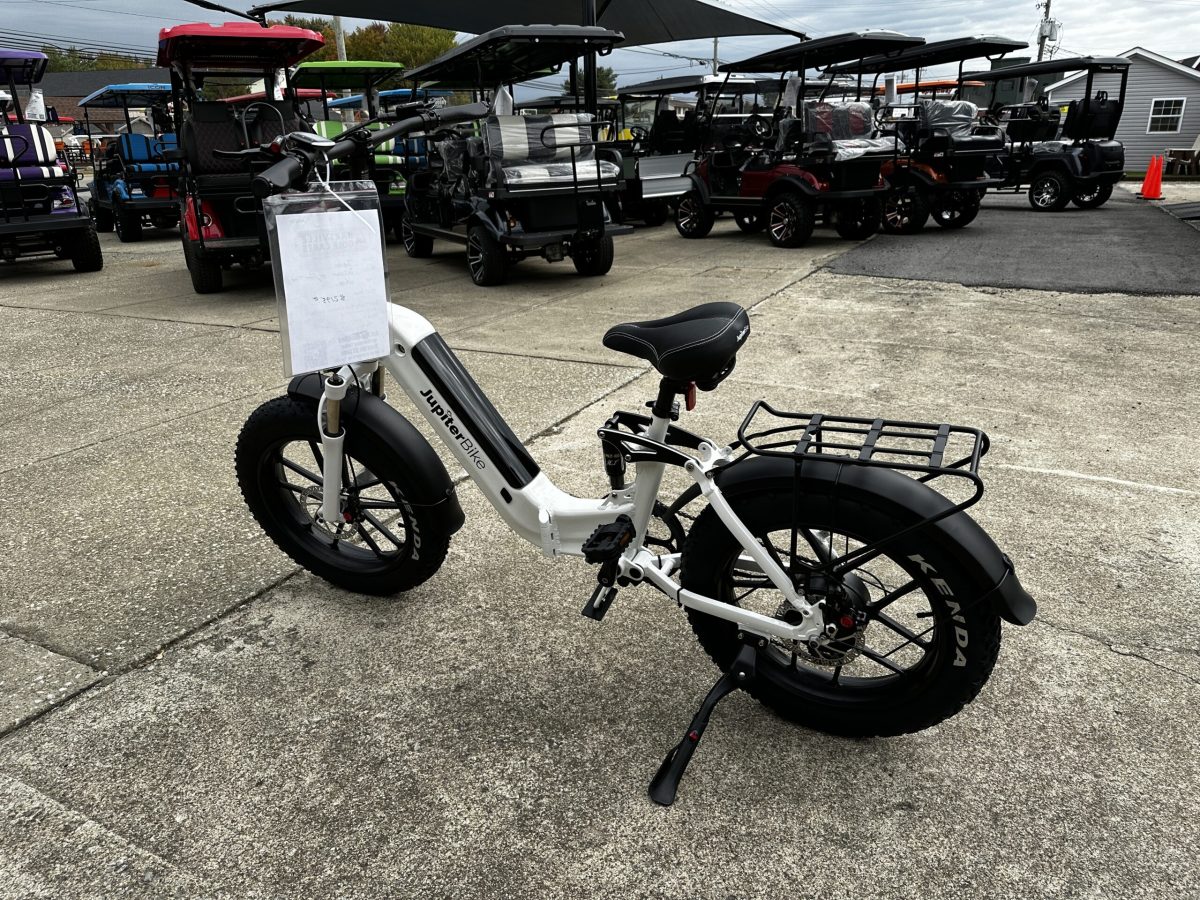
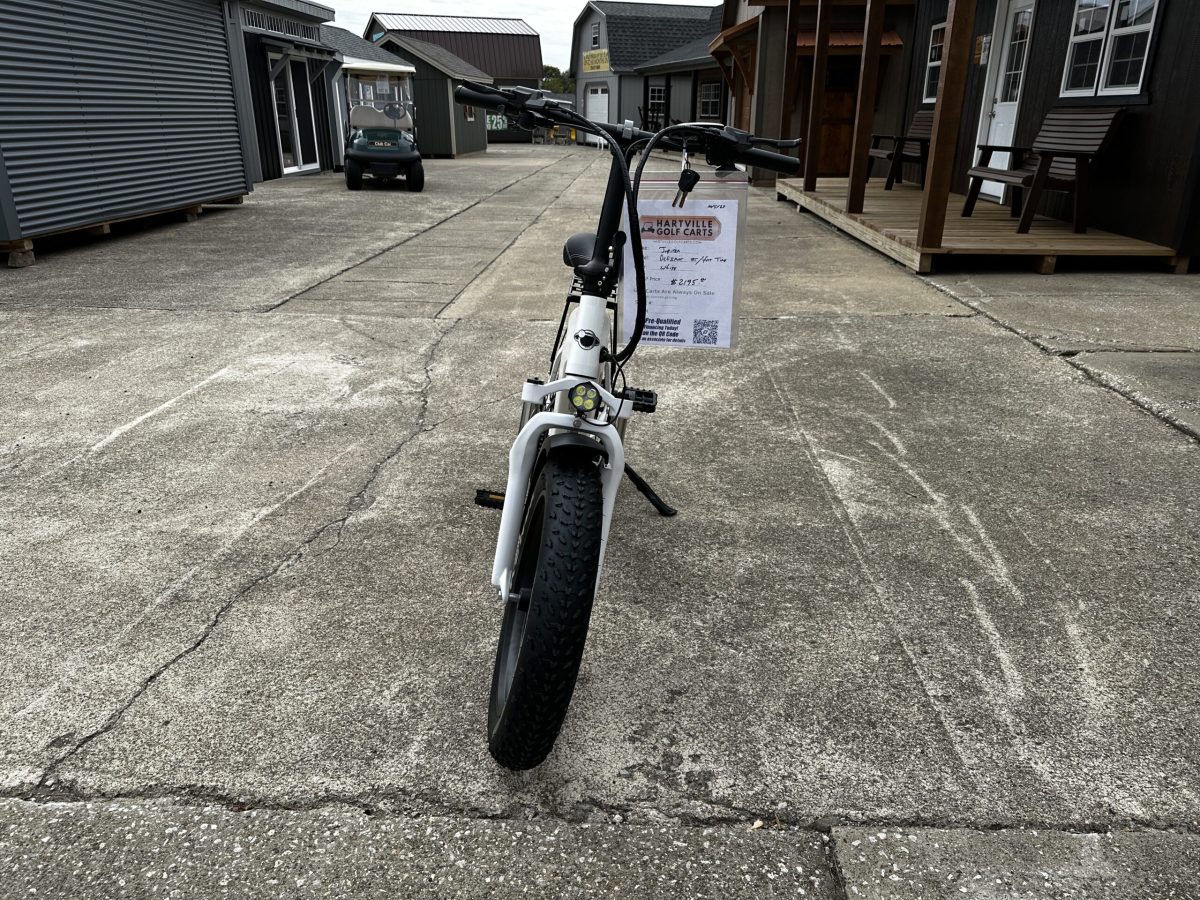
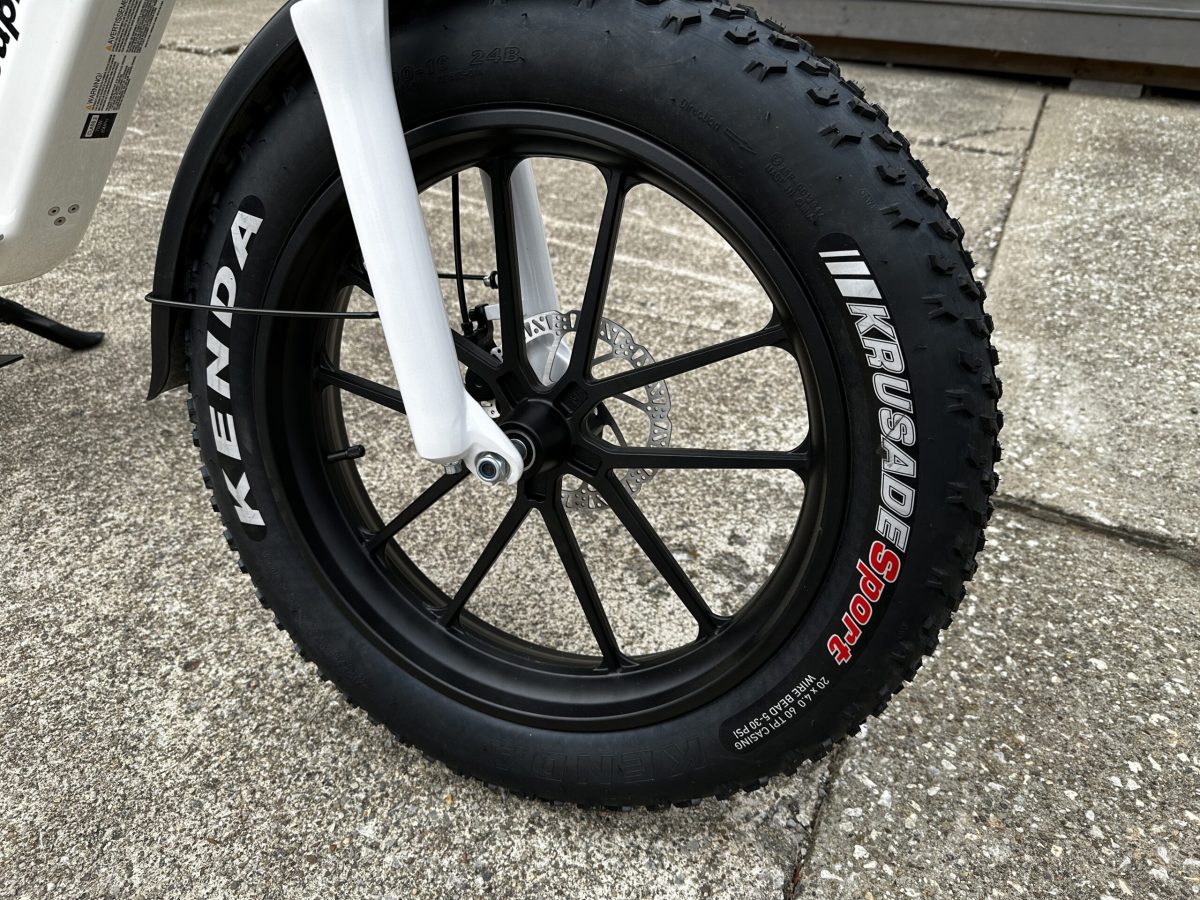
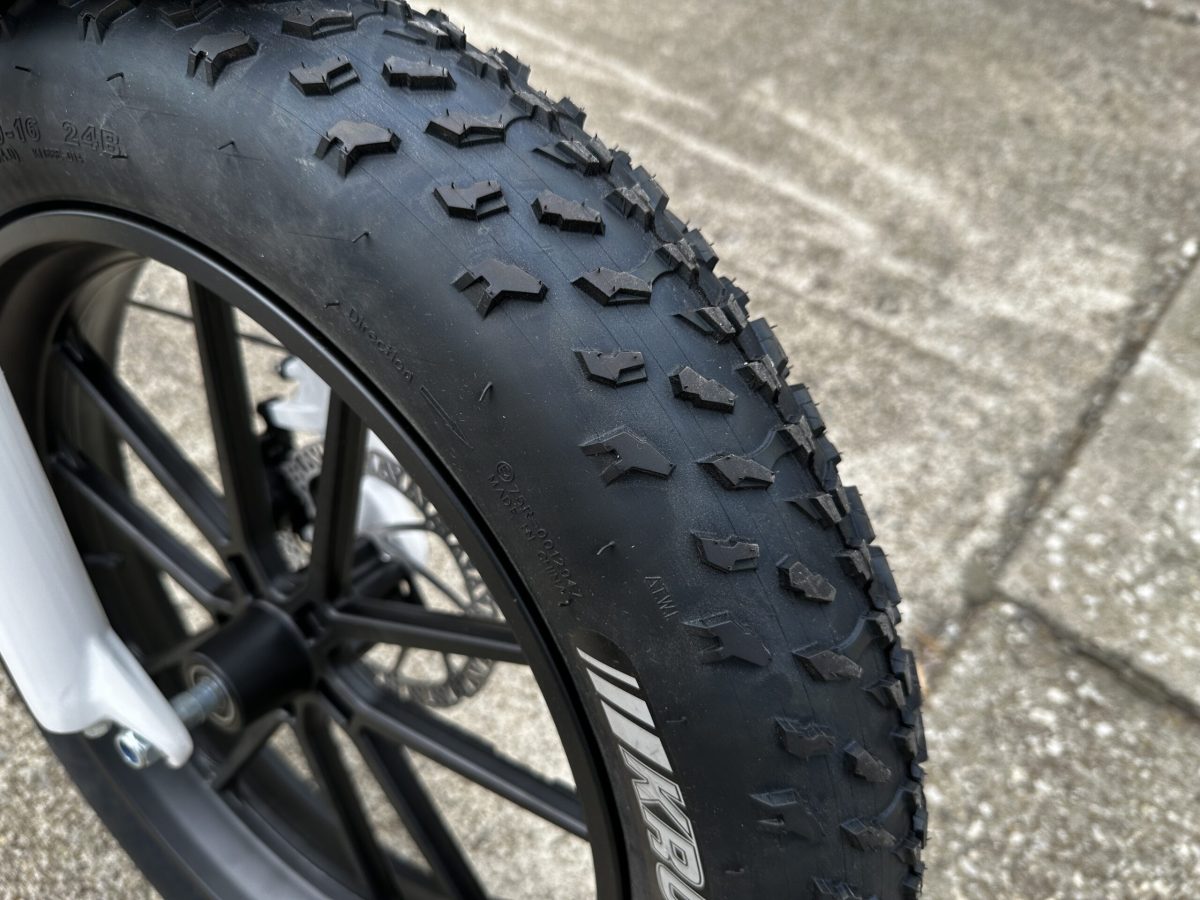
Some riders consider electric bikes as an alternative when weather becomes unpredictable. Electric bikes often feature larger tires and more robust designs that handle wet surfaces better. Options such as the JupiterBike Defiant Pro Fat Tire Bike provide increased stability and traction on damp pavement. While bikes still face water exposure challenges, their design may offer advantages in certain conditions.
Neighborhood and Short-Distance Travel
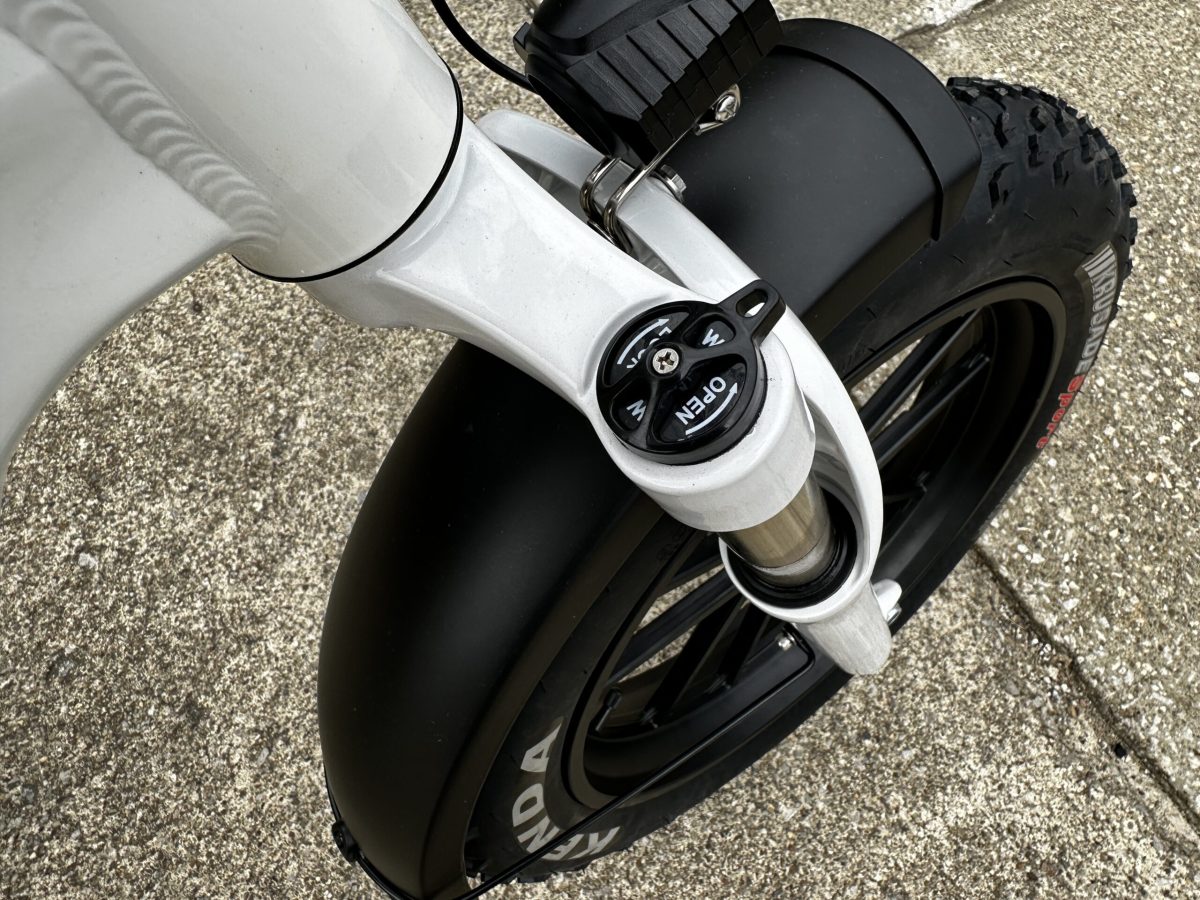
For short trips in residential areas, riders may choose vehicles designed for controlled speeds and stability. Electric bikes with step-through designs support easier mounting and balanced handling. The Jupiter Bike Defiant ST Step Through E-Bike suits neighborhood travel where weather changes quickly. Choosing the right vehicle helps riders adapt to environmental conditions while maintaining safety.
Long Term Effects of Repeated Moisture
Repeated exposure to moisture accelerates wear even when immediate damage does not occur. Corrosion develops slowly on metal contacts and internal wiring. Bearings and moving parts degrade faster when exposed to water. Over time, performance declines and maintenance costs increase. Riders concerned about longevity should minimize water exposure whenever possible.
When to Avoid Riding Completely
Some conditions make riding unsafe regardless of scooter design. Flooded streets, heavy storms, and icy rain present serious hazards. Electrical risk, poor traction, and reduced visibility combine to increase accident potential. In these situations, choosing alternative transportation or waiting for better conditions protects both rider and equipment.
Conclusion
So, can electric scooter get wet? Electric scooters can tolerate limited moisture exposure, such as light rain or splashes, but they are not designed for heavy rain, deep water, or prolonged wet conditions. Understanding water resistance, riding carefully, and drying the scooter after exposure helps prevent damage. For riders exploring alternative electric transportation options or seeking guidance on weather-ready mobility solutions, Hartville Golf Carts offers helpful resources and electric vehicle options for customers across Ohio and nationwide.