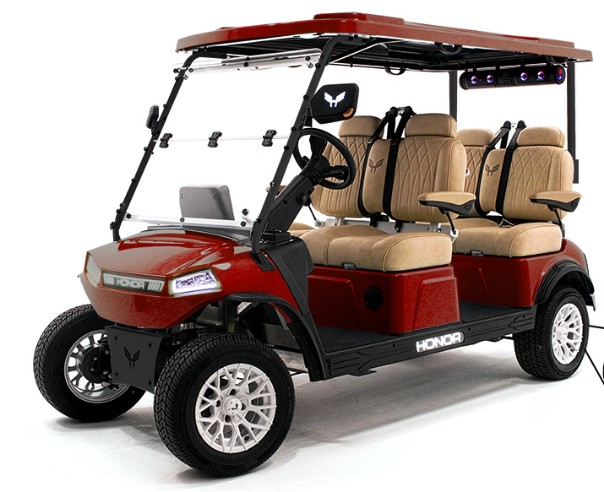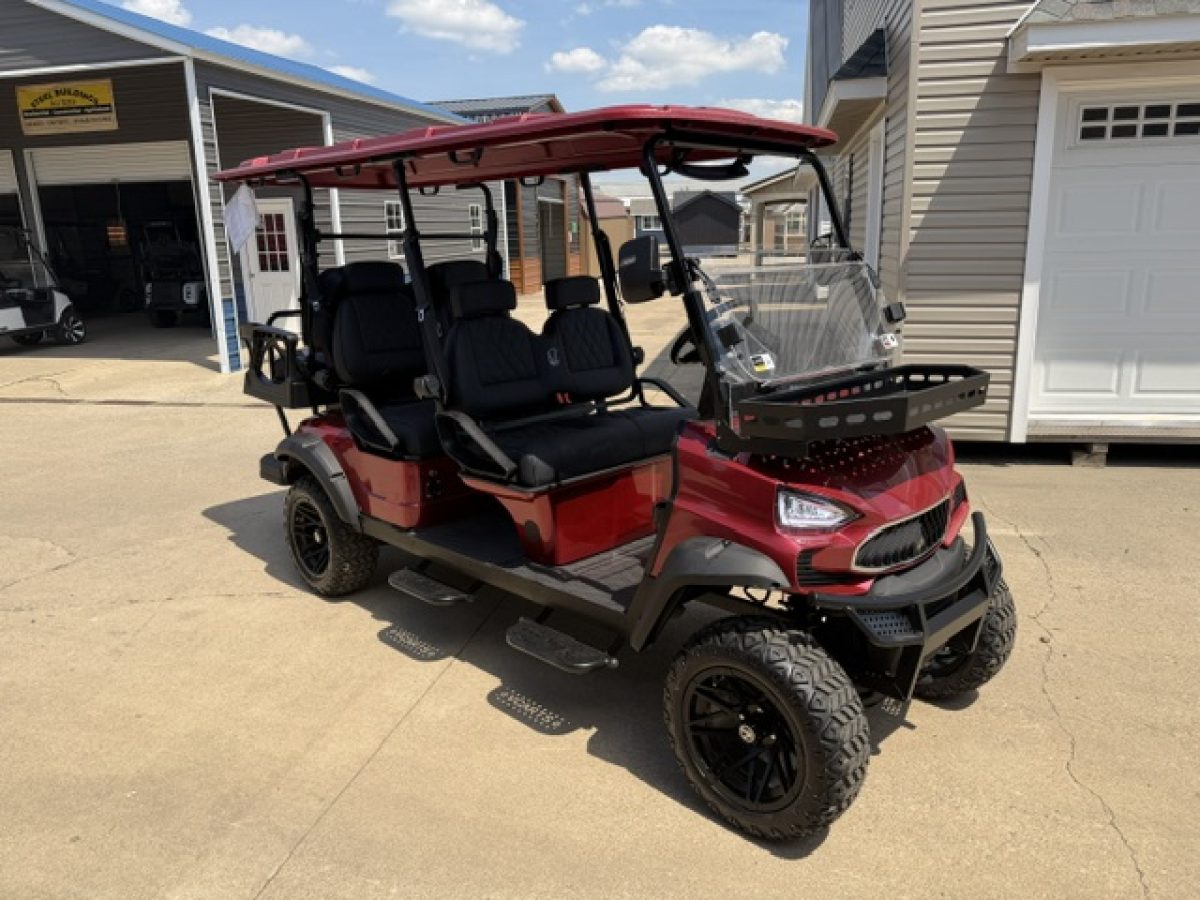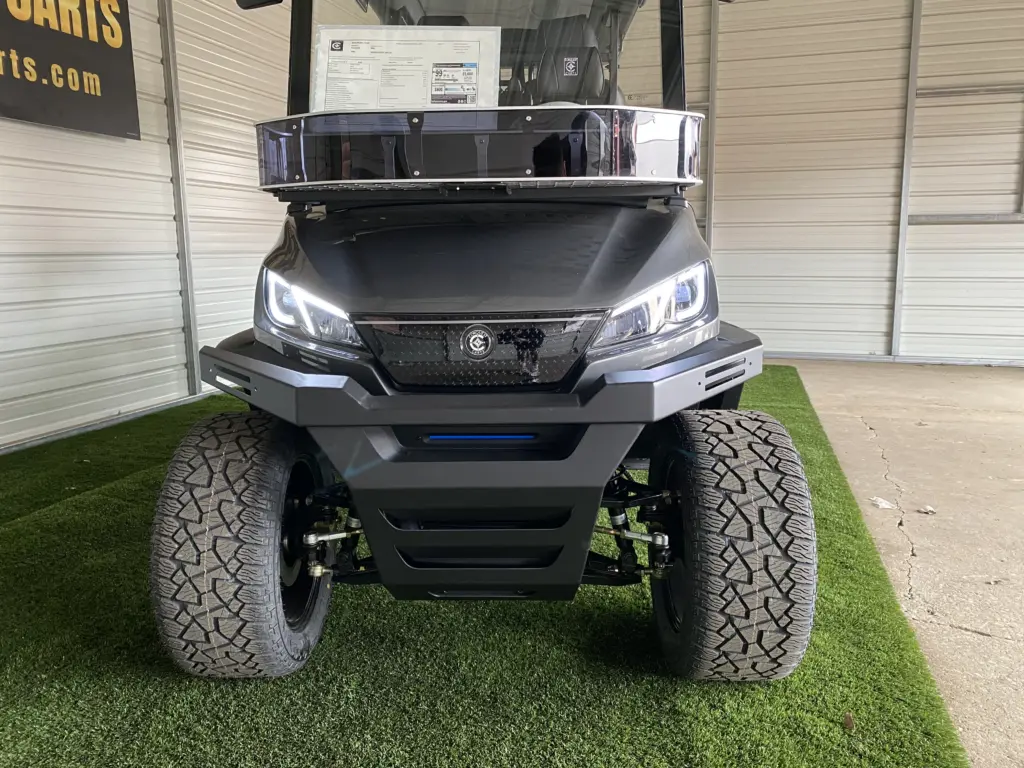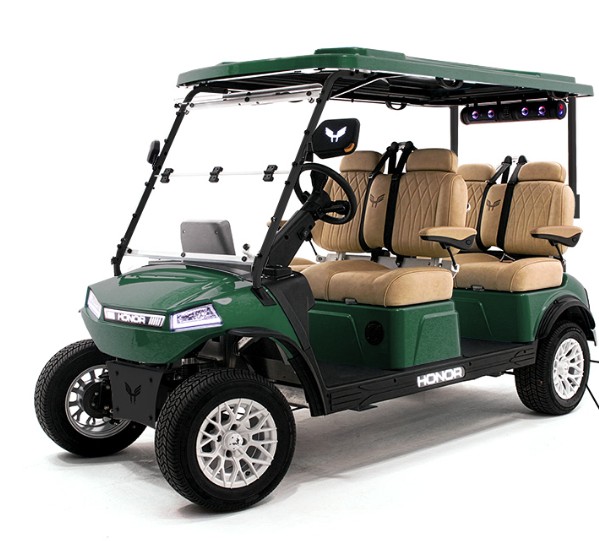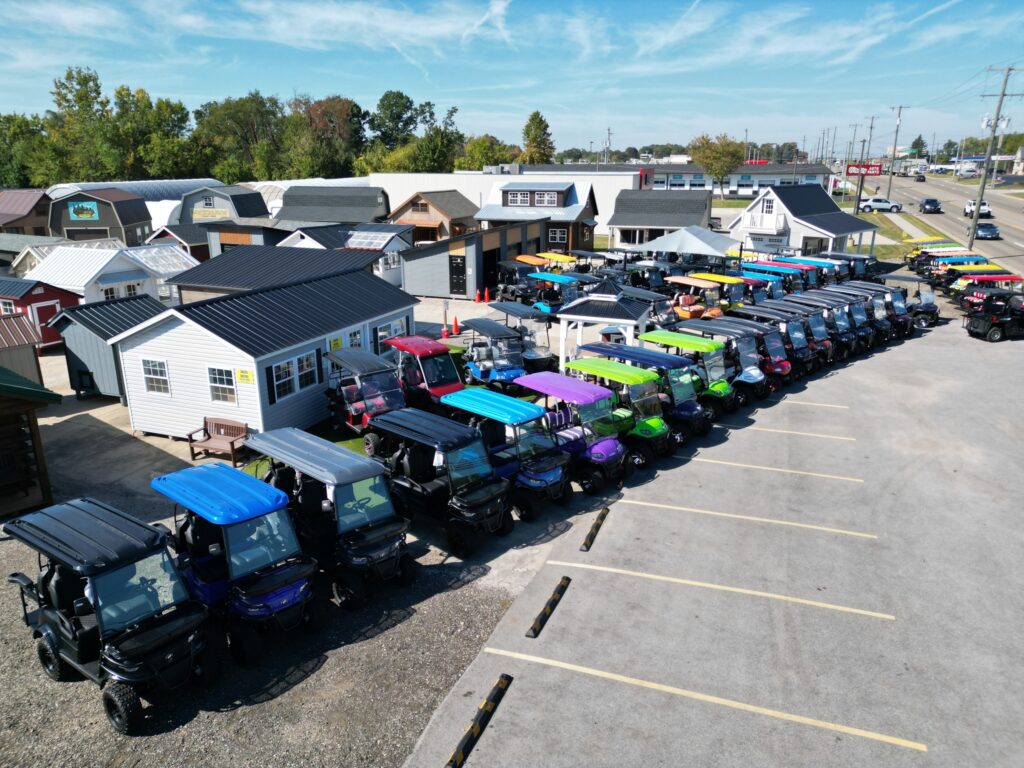

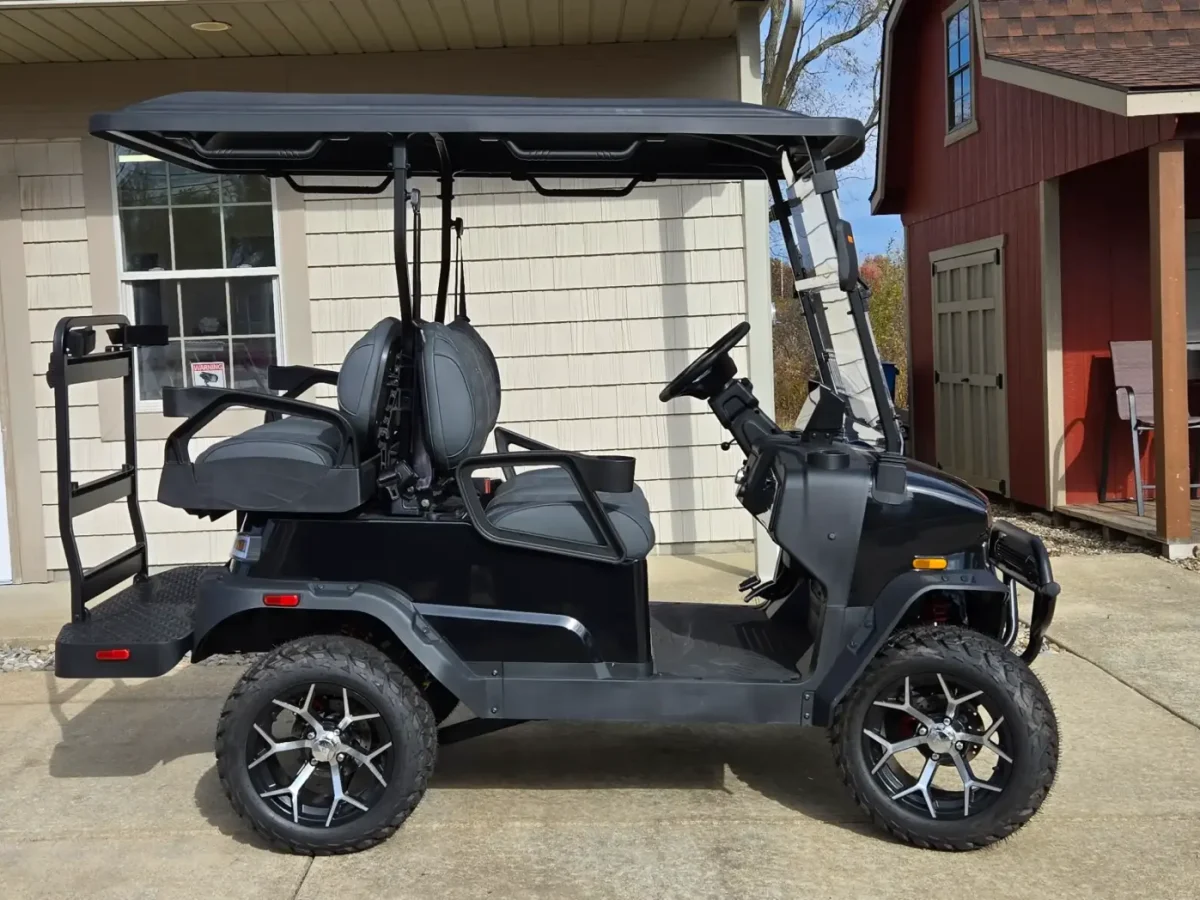
What makes a golf cart street legal comes down to meeting specific Low-Speed Vehicle requirements, installing required road safety equipment, achieving compliant speed capability, and completing registration and insurance obligations where required. A street legal golf cart must generally travel between 20 and 25 miles per hour, include headlights, brake lights, turn signals, mirrors, a windshield, seat belts, and carry a valid Vehicle Identification Number for registration. Without these elements, a traditional golf cart remains limited to private property use. Understanding what makes a golf cart street legal allows buyers to choose compliant models, avoid costly upgrade mistakes, and operate confidently on approved public roads.
Low-Speed Vehicle Classification
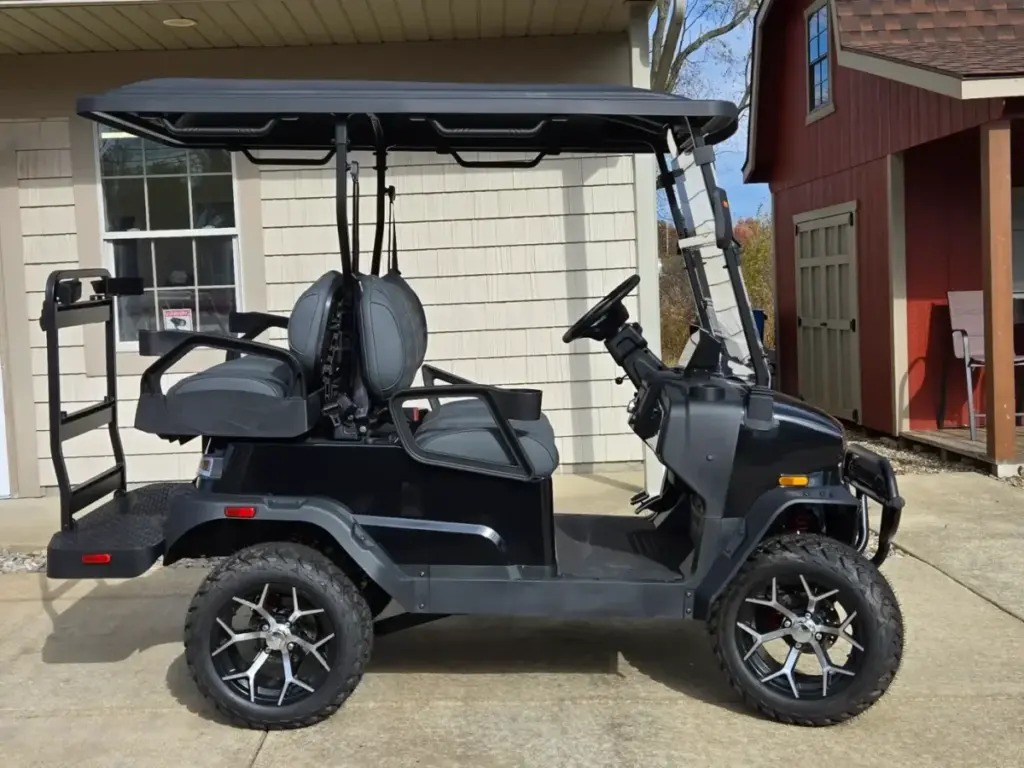
The starting point for what makes a golf cart street legal is federal Low-Speed Vehicle classification. A golf cart must meet the definition of a Low-Speed Vehicle to qualify for public-road use in most states. Federal law defines this category as a four-wheeled motor vehicle capable of operating at speeds between 20 and 25 miles per hour. This classification triggers mandatory equipment standards that differentiate a street legal cart from a traditional course-only cart. Once classified properly, the vehicle can then be registered according to state rules. Without this classification, even a modified cart with added accessories does not legally qualify for roadway use. The classification creates the legal foundation upon which all other requirements depend.
Speed Requirements And Performance Standards
Speed capability is a central factor in determining what makes a golf cart street legal. The vehicle must reach a minimum speed threshold, typically 20 miles per hour, while not exceeding 25 miles per hour under federal standards. This range ensures the cart can move safely with neighborhood traffic without introducing higher-speed risks. Achieving that range requires more than adjusting a controller setting. The motor, controller, braking system, tires, and suspension must all support safe and stable operation at that speed. A cart that reaches the speed but lacks stability, steering precision, or braking reliability does not meet true compliance expectations. Street legality requires balanced engineering rather than isolated modifications.
Lighting Equipment Requirements
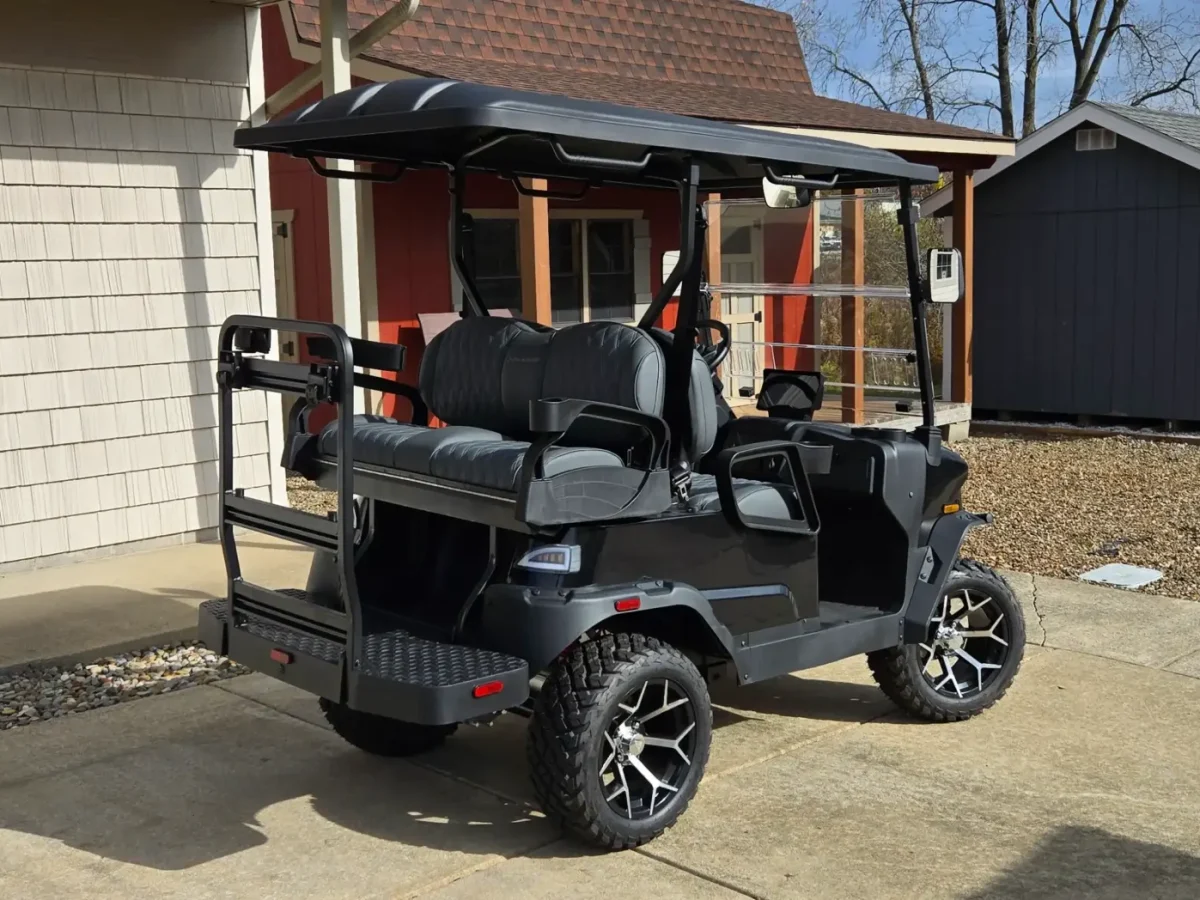
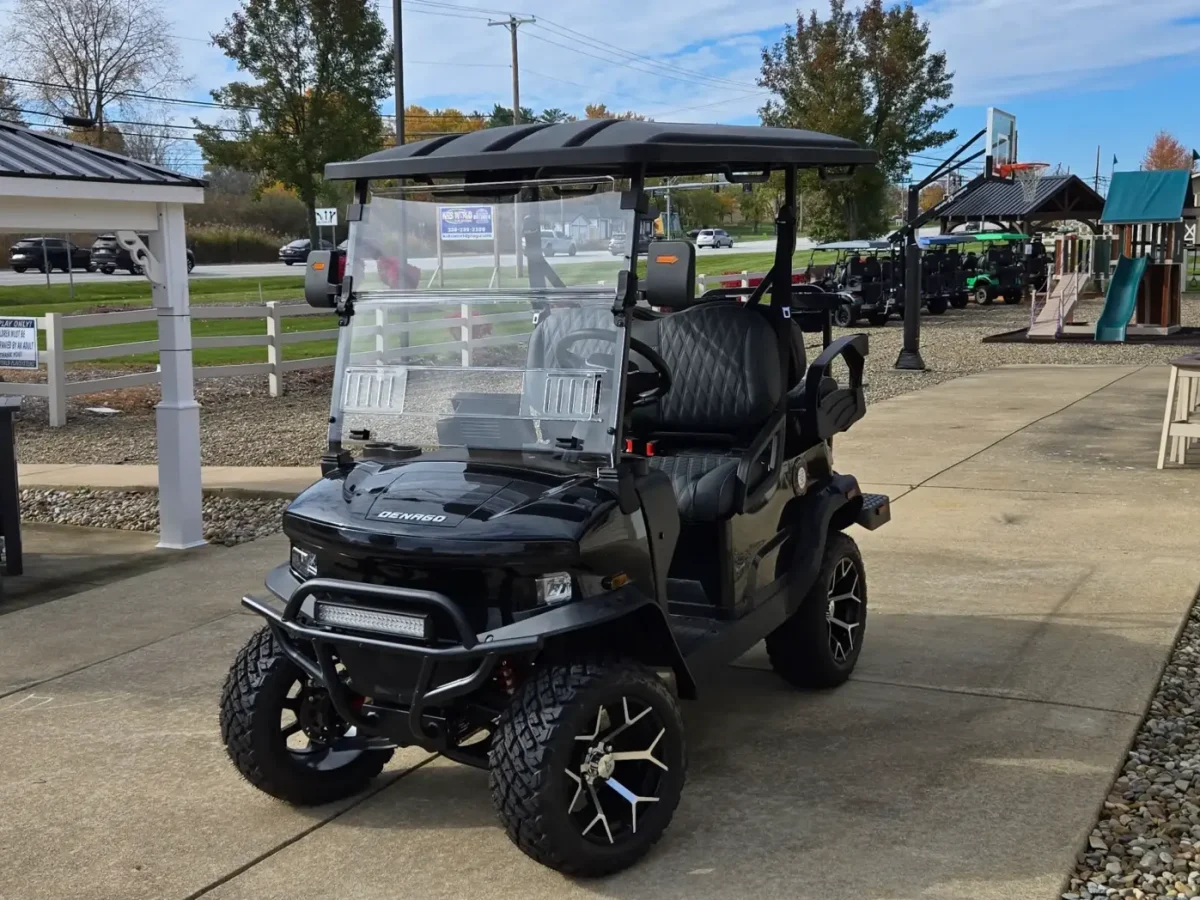
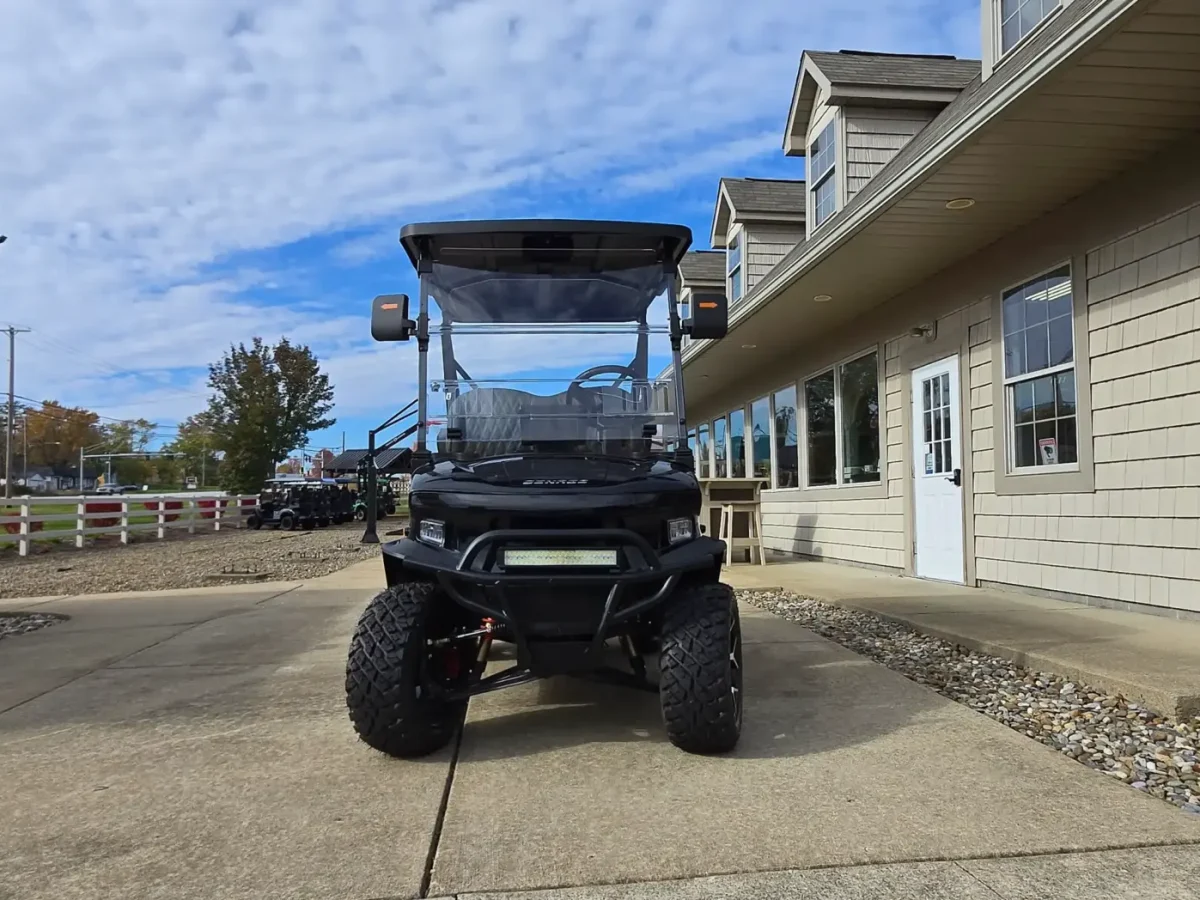
Proper lighting is mandatory for public-road visibility and communication. A street legal golf cart must include functioning headlights, tail lights, brake lights, and turn signals. Headlights allow safe operation during dusk or low-visibility conditions, while tail lights ensure drivers approaching from behind can clearly identify the vehicle. Brake lights signal deceleration, and turn signals communicate directional changes before movement occurs. These features reduce uncertainty in traffic and prevent collisions at intersections and driveways. Lighting must be securely mounted and wired correctly to maintain consistent function. Visibility remains one of the most critical elements of what makes a golf cart street legal because public roads depend on predictable communication between vehicles.
Mirrors And Windshield Standards
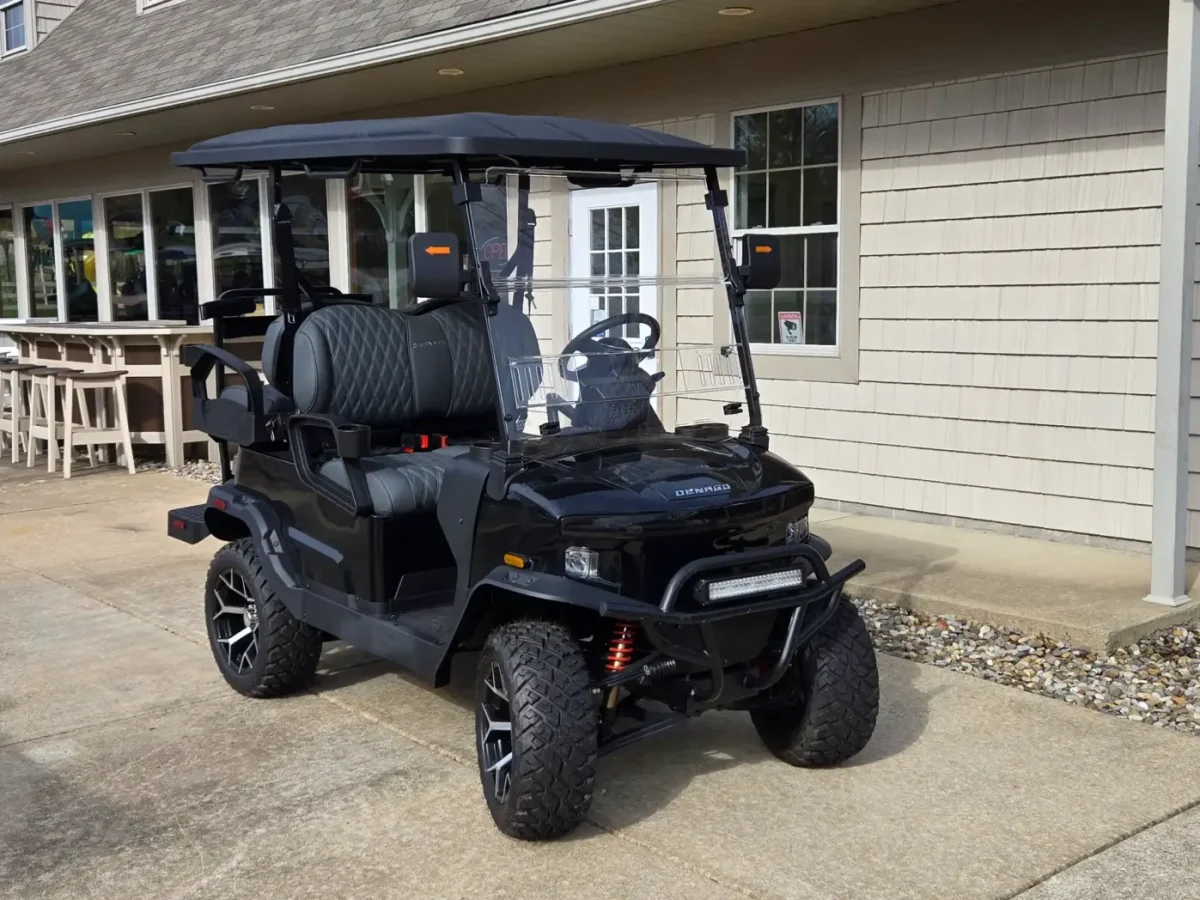
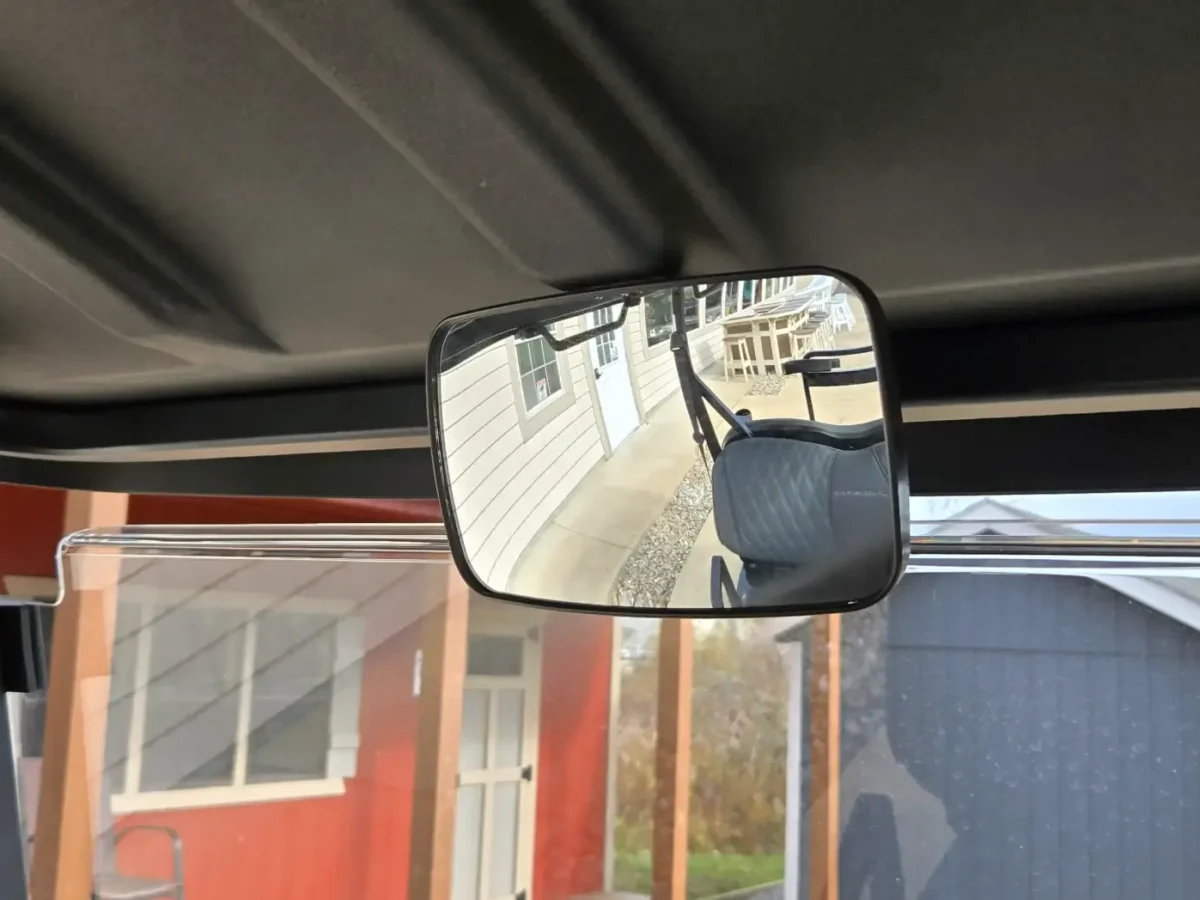
Visibility from the driver’s perspective is equally important. Street legal golf carts typically require a rearview mirror and at least one side mirror to monitor surrounding traffic. Mirrors allow drivers to anticipate approaching vehicles and make safer turns or lane changes. Many jurisdictions also require a windshield to protect occupants from debris and improve driving comfort in varying weather conditions. Clear visibility in both directions reduces accident risk and supports compliance with roadway safety expectations. A properly equipped cart allows the driver to operate confidently in mixed traffic environments without blind spots or limited sightlines.
Seat Belts And Occupant Protection
Seat belts are essential components of what makes a golf cart street legal. Each designated seating position must include a properly installed belt to reduce injury risk during sudden stops or minor impacts. Unlike golf course paths, public streets introduce unpredictable conditions, including sudden braking by other vehicles and intersection conflicts. Seat belts provide occupant stability and align the cart with motor vehicle safety expectations. Forward-facing seating and secure mounting further improve safety. Public-road operation requires more than convenience; it requires protection measures appropriate for shared traffic spaces.
Vehicle Identification Number And Registration
A Vehicle Identification Number allows the golf cart to be titled and registered with the state. Without a VIN, most jurisdictions will not permit public-road operation. Registration confirms the vehicle meets Low-Speed Vehicle standards and satisfies equipment requirements. States typically issue a plate or registration decal that authorizes road use on approved streets. This documentation transforms the cart from recreational equipment into a legally recognized motor vehicle. Registration and titling are fundamental aspects of what makes a golf cart street legal because they establish formal compliance with transportation law.
Insurance And Licensing Requirements
Requirements of insurance vary by state but often include liability coverage for street legal golf carts. Insurance protects both the driver and other road users in the event of an accident. Some jurisdictions also require a valid driver’s license for operation on public roads. These requirements reinforce the cart’s classification as a motor vehicle rather than private recreational equipment. Buyers should confirm local regulations before purchase to avoid compliance gaps. Proper insurance and licensing complete the legal framework necessary for road use.
Roadway Restrictions And Operating Limits
Street legal golf carts are usually limited to roads with posted speed limits of 35 miles per hour or less. This limitation reduces speed differentials between vehicles and supports safer integration into traffic flow. Some areas allow crossing higher-speed roads at designated intersections, but operation on highways or major arterial roads is typically prohibited. Local ordinances may impose additional rules regarding sidewalks, bike lanes, or business districts. Understanding where a street legal cart may operate is just as important as equipping it properly. Legal access depends on both vehicle compliance and roadway classification.
Braking Systems And Tire Standards
Braking reliability and tire quality directly affect road safety. Street legal golf carts must stop predictably and maintain traction on pavement. Turf tires designed for golf courses may not provide sufficient road grip. Street-rated tires improve handling and braking stability at compliant speeds. Proper braking performance reduces collision risk at intersections and during sudden stops. Stable steering and suspension further support safe operation. These mechanical considerations ensure the cart performs reliably in real-world road conditions rather than controlled golf course environments.
Electrical System Reliability
Street legal golf carts rely heavily on electrical systems for lighting, signaling, and propulsion. Wiring must remain secure and protected from moisture exposure. Loose connections or poorly installed components can cause lighting failures that compromise safety. A dependable electrical system ensures signals activate properly every time. Reliability is not optional in traffic. It is a requirement. Electrical integrity supports consistent compliance and safe public-road interaction.
Featured Golf Cart
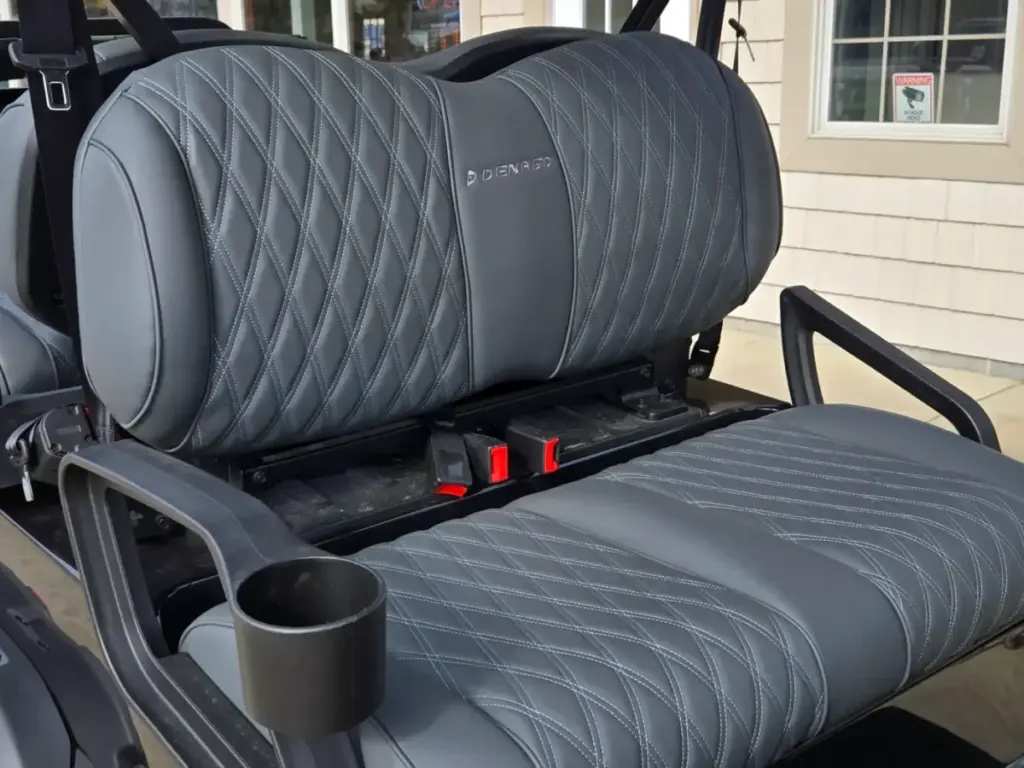
Purchasing a purpose-built model simplifies the compliance process significantly. Instead of modifying a standard cart, buyers can choose vehicles already engineered to meet Low-Speed Vehicle expectations. For example, the Denago Nomad XL offers features aligned with neighborhood transportation. A properly designed cart integrates speed, lighting, safety equipment, and documentation into a cohesive package.
Federal Low-Speed Vehicle Guidance
Federal standards establish the baseline requirements for Low-Speed Vehicles. The National Highway Traffic Safety Administration outlines equipment expectations and classification rules for these vehicles. Reviewing the NHTSA Low-Speed Vehicle guidelines provides authoritative clarification on required safety features and operational definitions. States build upon these standards when regulating registration and roadway access. Together, federal and state frameworks define what makes a golf cart street legal across most jurisdictions.
Conclusion
So, what makes a golf cart street legal? It requires proper Low-Speed Vehicle classification, compliant speed capability, required lighting and signaling equipment, mirrors, seat belts, a VIN, registration, and insurance where applicable. These elements transform a traditional golf cart into a legally authorized vehicle for approved public-road use. Understanding these requirements helps buyers avoid mistakes and operate safely. For those exploring electric golf carts built with street-ready features, Hartville Golf Carts offers a huge selection of golf carts designed for reliable neighborhood transportation.