
The ability to legally operate a golf cart beyond private property depends on more than ownership. The phrase can i drive a golf cart on the road reflects a common assumption that low speed equals automatic legality, but that assumption is often wrong. Public-road use requires compliance with state classification rules, safety equipment standards, documentation procedures, and roadway restrictions. A standard golf cart built for a golf course usually lacks the required features for mixed traffic environments. However, when configured to meet Low-Speed Vehicle standards and registered properly, certain golf carts may legally operate on approved public streets. The key lies in understanding classification, equipment, and road-type limitations before entering traffic. Skipping these steps can result in fines, liability exposure, and safety risks.
Low-Speed Vehicle Status And Legal Framework
The most important factor in determining whether you can i drive a golf cart on the road is legal classification. Federal law defines Low-Speed Vehicles as four-wheeled motor vehicles capable of operating within a specific low-speed range and meeting certain equipment requirements. States adopt these standards and apply them through their own registration systems. A basic golf cart designed for recreational use typically does not qualify automatically. It must meet the defined operational window and include mandated safety features. This classification is what allows a cart to move from private recreational use into a recognized motor vehicle category. Without that status, most public-road driving remains prohibited. Classification ensures consistency, accountability, and predictable vehicle behavior in traffic.
Required Safety Equipment For Public Traffic
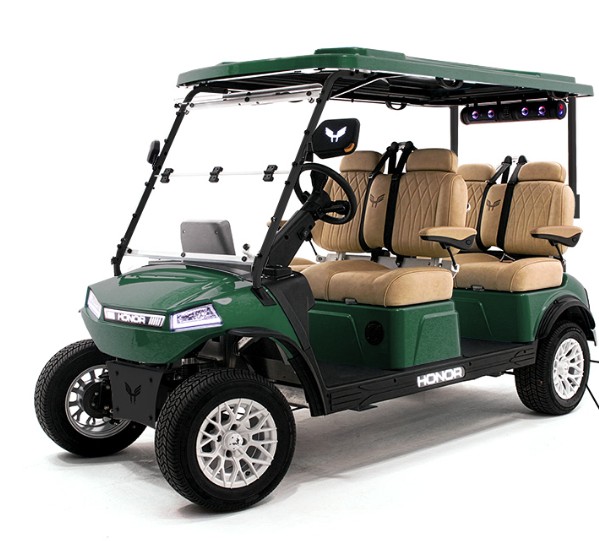
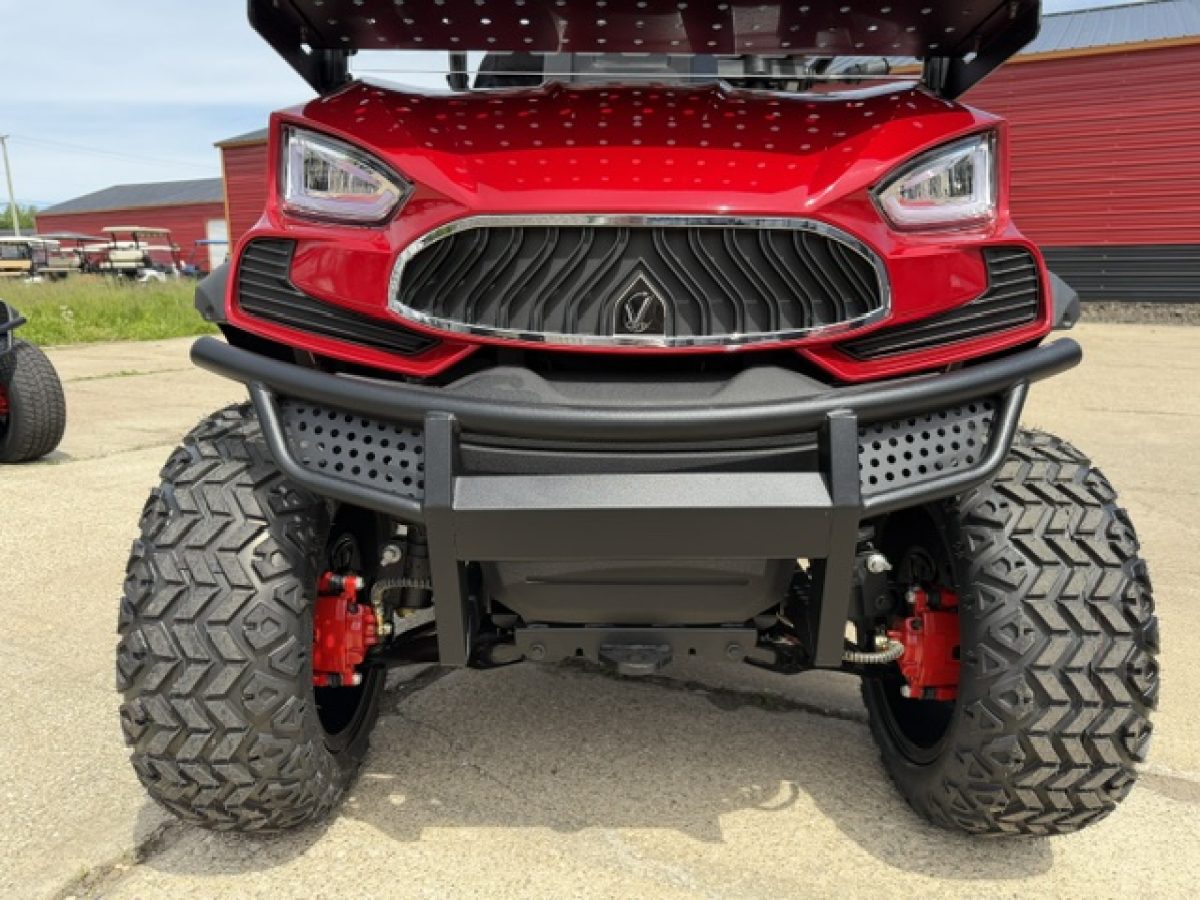
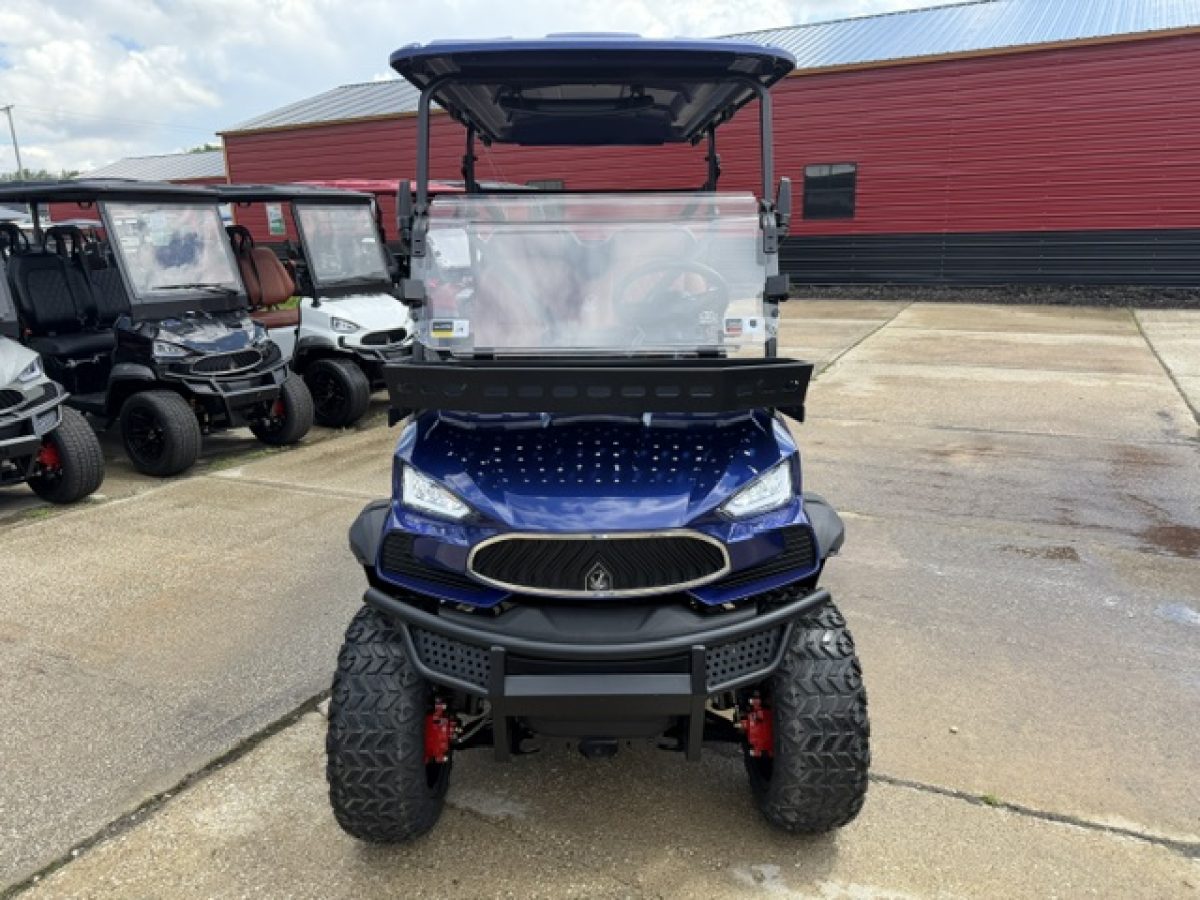
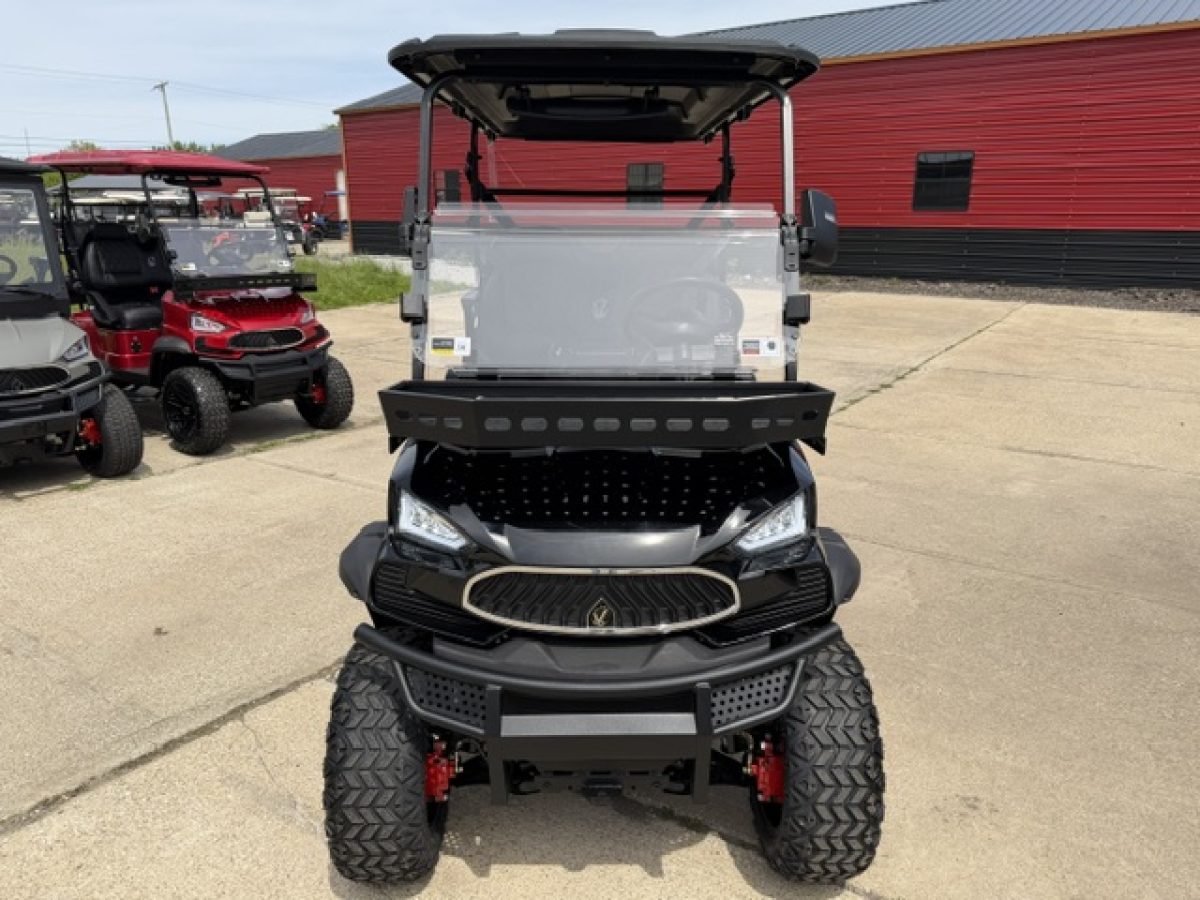
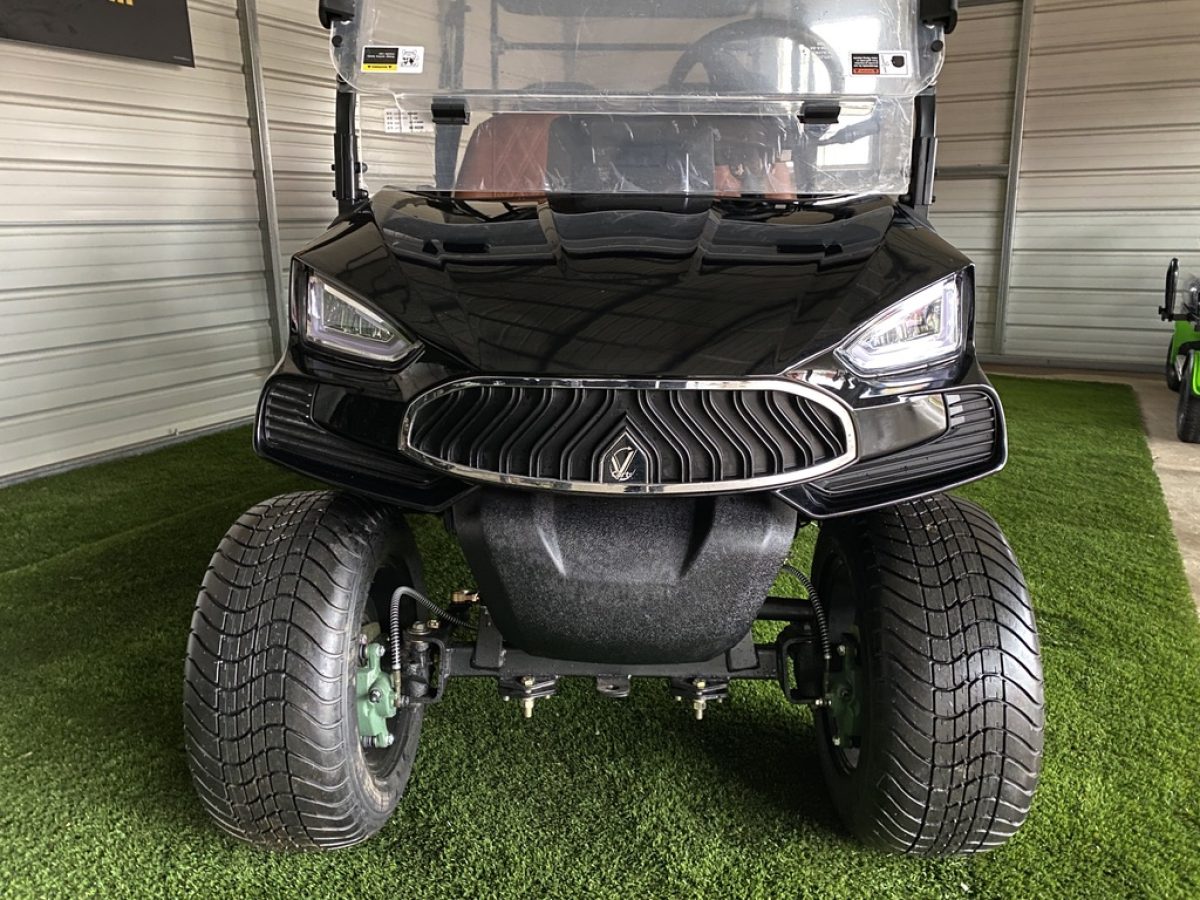
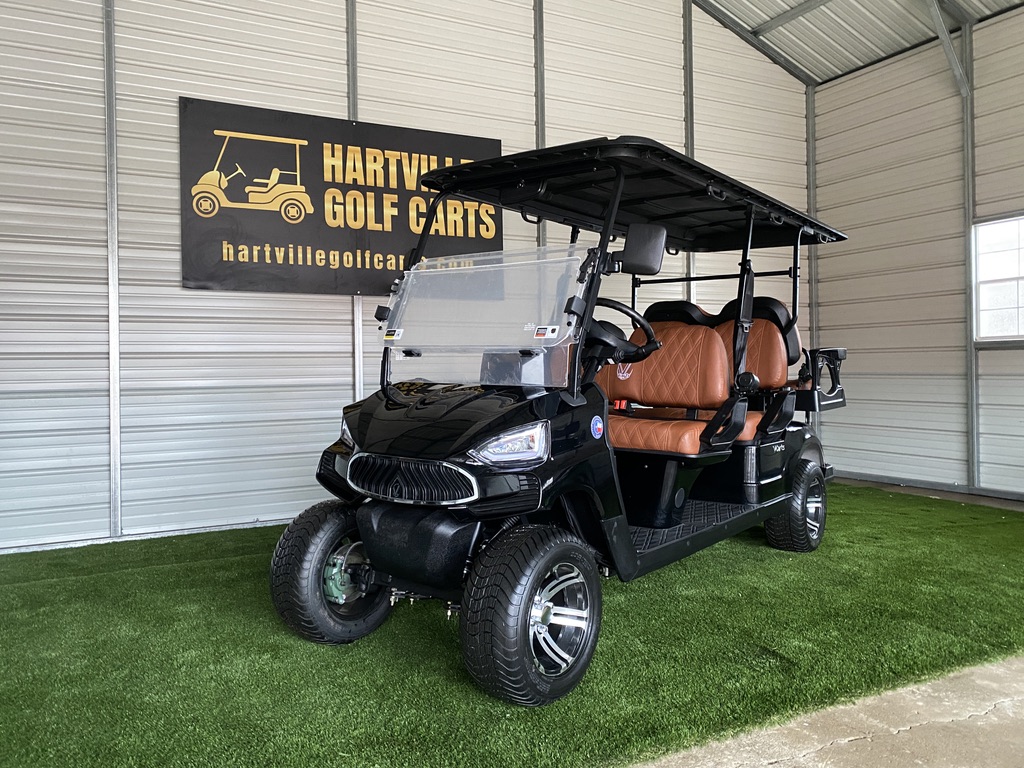
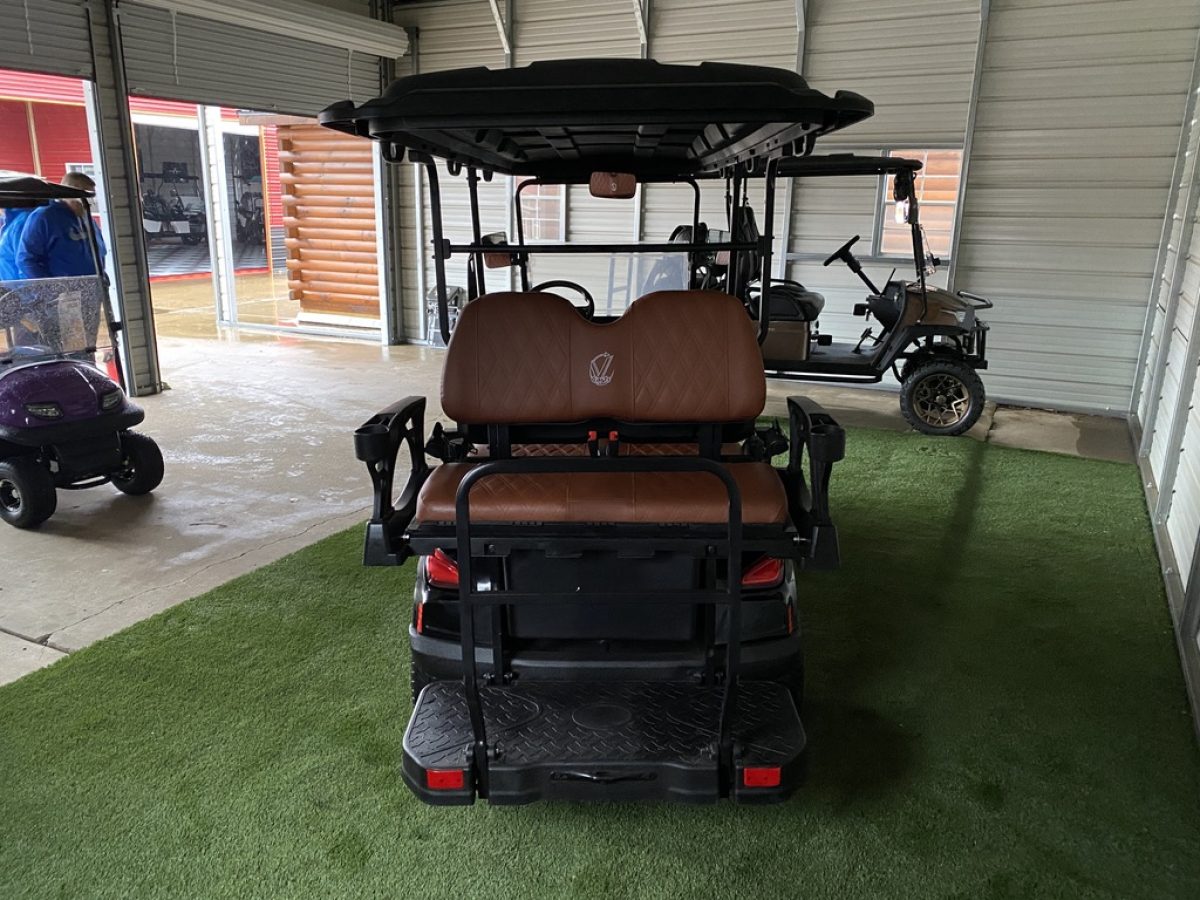
Public-road use demands visibility and communication. Most states require headlights, tail lights, brake lights, and turn signals for road operation. Mirrors provide awareness of vehicles approaching from behind. Seat belts are commonly mandated to reduce injury risk during sudden stops or minor collisions. A windshield is often required to protect occupants from debris and improve structural integrity. These features allow the vehicle to function safely within shared traffic spaces. A cart missing any of these components may perform well on a course but falls short in public traffic conditions. Road compliance focuses on ensuring other drivers can see, predict, and react to the golf cart in a controlled manner.
Speed Capability And Integration With Traffic Flow
Speed capability is a central element in answering can i drive a golf cart on the road. Most jurisdictions require a Low-Speed Vehicle to operate within a defined speed range that allows safe interaction with residential traffic. The purpose is to minimize speed differentials that increase collision risk. However, reaching the required speed alone is not enough. The braking system must support safe stopping distances. Steering and suspension must maintain stability at operating speed. Tires must be appropriate for pavement use rather than turf. Increasing speed without matching component upgrades can create unsafe driving conditions. Legal operation requires a balanced system that performs predictably under typical neighborhood traffic scenarios.
Registration, VIN, And Documentation Requirements
Documentation transforms a recreational vehicle into a road-recognized one. A Vehicle Identification Number allows the golf cart to be titled and registered with the state. Registration often results in a license plate or decal authorizing operation on approved streets. Liability insurance is frequently required, providing financial protection in case of accidents. Some states also require a licensed driver for public-road operation. Without these steps, the answer to can i drive a golf cart on the road remains negative regardless of installed equipment. Legal recognition establishes accountability and ensures the vehicle meets safety standards before entering public traffic.
Road Type Restrictions And Speed Limit Boundaries
Even compliant golf carts cannot operate on every roadway. Most states limit Low-Speed Vehicles to streets with posted speed limits of 35 miles per hour or less. High-speed highways and arterial roads are typically prohibited due to dangerous speed differences between vehicles. Some areas allow crossing higher-speed roads at designated intersections but not traveling along them. Local ordinances may create additional restrictions in commercial districts or high-traffic zones. For authoritative information on motor vehicle safety oversight in the United States, the National Highway Traffic Safety Administration provides regulatory guidance at NHTSA Road Safety. Ultimately, state and municipal law determine operational boundaries.
Differences Between Private Roads And Public Streets
Private communities often establish their own operational policies. Within gated developments or private campuses, standard golf carts may operate without full Low-Speed Vehicle compliance. However, once the cart exits private property and enters a publicly maintained street, state traffic laws apply immediately. This transition can change legal status in seconds. What is allowed internally may become unlawful on adjacent public roads. When evaluating can i drive a golf cart on the road, always confirm whether the route includes publicly maintained streets. The distinction between private and public jurisdiction significantly impacts legality.
Safety Responsibilities Beyond Legal Approval
Legal compliance does not eliminate risk. Public-road driving exposes golf carts to larger vehicles, distracted drivers, and unpredictable intersections. Golf carts offer limited crash protection compared to passenger cars. Defensive driving becomes essential. Operators should maintain moderate speeds, avoid congested traffic areas, and ensure lighting systems function properly. Brake maintenance, tire condition, and battery health directly affect performance under road conditions. Weather conditions such as rain or reduced visibility further increase hazards. Responsible operation requires awareness of the vehicle’s structural limitations and careful route planning to reduce exposure to high-risk environments.
Selecting A Road-Ready Platform
Choosing a vehicle engineered for neighborhood transportation simplifies compliance. Purpose-built models integrate required lighting, mirrors, and structural components rather than relying solely on aftermarket additions. Buyers exploring compliant options often consider platforms such as the Denago Nomad XL when seeking dependable electric transportation suitable for approved public-road use. Starting with a properly configured cart reduces upgrade complexity and improves the likelihood of meeting registration standards. Selecting a road-ready model ensures better alignment between legal requirements and everyday performance.
Conclusion
The ability to operate on public roads depends on classification, equipment, documentation, and roadway restrictions. A recreational golf cart rarely qualifies without meeting Low-Speed Vehicle standards and completing registration procedures. Speed capability, lighting systems, mirrors, seat belts, and VIN documentation all contribute to legal road access. Before entering traffic, verify local regulations and ensure full compliance. For drivers comparing compliant electric carts designed for neighborhood mobility, Hartville Golf Carts offers a wide range of golf carts suited for responsible public-road travel where permitted.