
Golf carts are designed for low-speed travel, but owners often want better acceleration or a little more top speed. So, how do you make a golf cart faster without creating reliability or safety problems? The answer depends on whether the cart uses an electric or gas powertrain. Electric carts may gain speed through controller settings, motor upgrades, battery improvements, tires, or manufacturer-approved speed programming. Gas carts may benefit from engine tuning, governor adjustments, gearing changes, and proper maintenance.
However, adding speed also changes braking demands, steering response, tire loads, and sometimes the vehicle’s legal classification. A well-planned upgrade should improve performance without sacrificing control. Hartville Golf Carts works with electric and gas models, so owners can compare upgrades based on the cart they actually drive rather than relying on one solution for every vehicle.
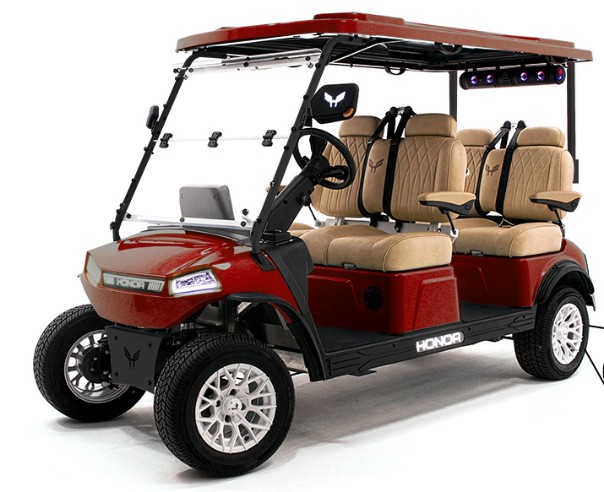
How Do You Make A Golf Cart Faster?
The best way to make a golf cart faster depends on what currently limits its speed. An electric cart may have enough motor power but use a controller or software setting that caps top speed. Another cart may need a stronger motor or a battery system that can deliver more current. A gas cart may have a mechanical governor that limits engine speed.
Before buying performance parts, find out your cart’s current top speed and factory specifications. Check the motor, controller, battery voltage, tire size, and drivetrain condition. This gives you a starting point. It also helps you avoid replacing expensive components that are not actually limiting performance. A professional inspection often saves money when the cart has several possible upgrade paths.
Start With Proper Golf Cart Maintenance
A poorly maintained golf cart can feel slow even when nothing is wrong with its basic design. Low tire pressure increases rolling resistance. Weak batteries reduce available electrical power. Corroded terminals can also affect current flow. On gas carts, dirty filters, worn spark plugs, and fuel system problems can reduce engine performance.
Handle maintenance before modifying the cart. Check tire pressure against the manufacturer’s recommendation, inspect brakes for drag, and make sure the wheels rotate freely. Electric cart owners should inspect battery charge, terminals, cables, and connections. Gas cart owners should make sure the engine receives clean fuel and air. Sometimes restoring lost performance produces enough improvement that a major speed upgrade becomes unnecessary.
Can A Speed Code Make An Electric Golf Cart Faster?
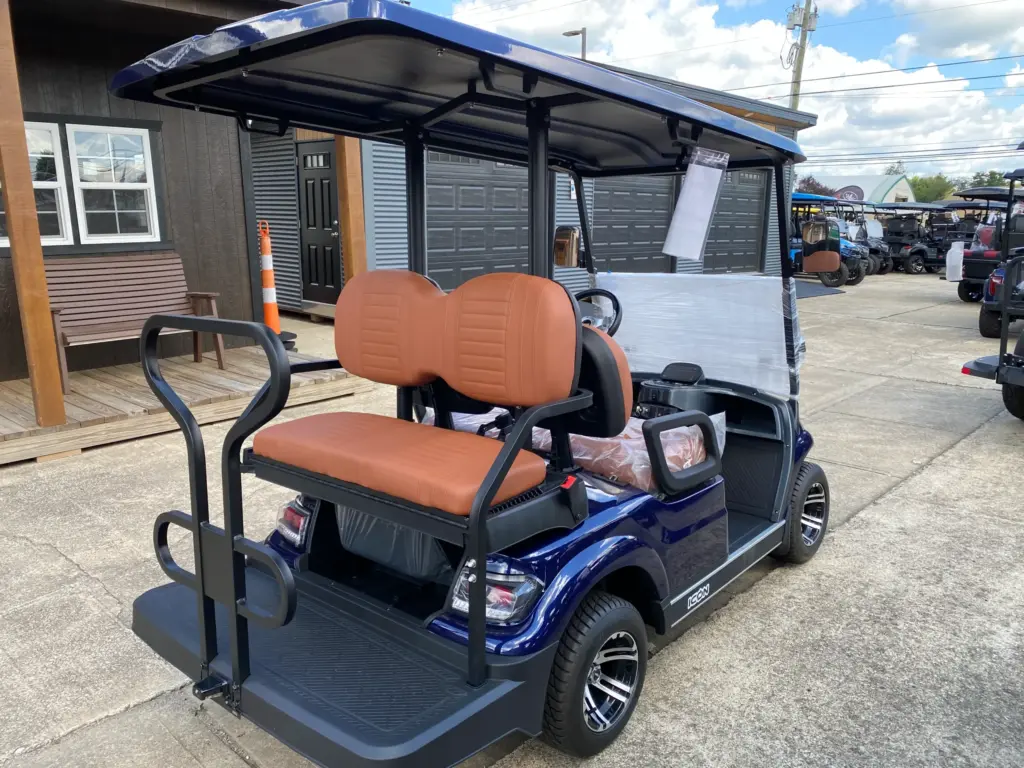
Some electric golf carts use programming that controls maximum motor speed. On compatible models, a manufacturer-approved speed code or software adjustment can increase the programmed limit without replacing the motor. This can be one of the simplest ways to increase speed because the existing drivetrain remains largely unchanged.
However, speed programming is specific to the make, model, controller, and motor. A code that works on one cart may not apply to another. Owners should not assume that every electric cart has an unlockable speed setting. The Hartville Golf Carts Service Department lists electric cart speed code service among its available options. A technician can determine whether programming makes sense for a particular cart before more expensive hardware changes are considered.
Upgrade The Motor For More Speed
The electric motor plays a major role in both speed and torque. A motor designed for higher RPM can raise top speed when the controller and battery system can support it. However, motor selection involves a tradeoff. A setup designed mainly for top speed may provide different low-speed torque than a motor intended for climbing hills or carrying heavy loads.
Choose the motor based on how you actually use the cart. A cart that travels mainly on flat pavement has different needs from one that climbs hills or carries four to six passengers. Installing a high-speed motor without considering the controller, wiring, and battery can also limit the expected improvement. The complete electrical system needs to work together.
Install A Higher-Performance Controller
The controller regulates electrical power between the battery and motor. When the driver presses the accelerator, the controller determines how much current reaches the motor. A controller with greater capacity can support stronger acceleration and may work better with an upgraded motor.
A controller upgrade does not automatically increase top speed on every cart. Its effect depends on motor design, battery voltage, programming, and gearing. However, a restrictive factory controller can limit the performance of a stronger motor. Owners planning major electric upgrades should match the controller to the motor and battery rather than selecting components separately. Correctly matched parts usually provide more predictable results and place less stress on the electrical system.
Can A Better Battery Make A Golf Cart Faster?
A healthy battery system can improve performance, especially when old batteries struggle to maintain voltage under load. Weak lead-acid batteries may cause slow acceleration and noticeable performance loss as the charge level falls. Replacing worn batteries can restore the speed the cart originally had.
Switching from lead-acid to lithium may also change how the cart feels. Lithium batteries often weigh less and maintain more consistent voltage during discharge. Lower battery weight reduces the total load the motor needs to move. However, changing battery chemistry does not automatically increase the cart’s programmed top speed. The controller and motor still determine much of the final performance.
Owners should never increase system voltage simply because they want more speed. Motors, controllers, chargers, wiring, contactors, and other electrical components have voltage limits. Using voltage beyond the manufacturer’s design can damage parts and create electrical or fire risks. Any voltage conversion should use components specifically designed to work together.
How Tire Size Changes Golf Cart Speed
Larger tires can increase the distance a golf cart travels during each wheel revolution. Because of that, increasing tire diameter may raise top speed even when motor RPM stays the same. This is one reason lifted carts with larger tires sometimes travel faster than similar carts using factory-size tires.
The tradeoff is torque. Larger tires effectively change the final drive ratio, so the motor has to work harder to turn them. Acceleration may become slower, and hill-climbing performance can decline. Larger tires also add rotating weight in some cases. They may require a lift kit or additional clearance to prevent rubbing against the body or suspension.
Tire pressure also matters. Underinflated tires create more resistance and can reduce efficiency. They can also hurt handling and wear quickly. Keep tires near the pressure recommended for the specific tire and vehicle rather than overinflating them to chase a small speed increase.
Changing Gears To Make A Golf Cart Faster?
Gear ratio changes can increase top speed on certain golf carts. High-speed gears allow the wheels to rotate more for a given amount of motor or engine rotation. This modification can produce a noticeable increase in top speed, particularly when the powertrain already has enough torque to support the new ratio.
Like larger tires, high-speed gears create a tradeoff. The cart may lose some low-speed torque. That can become noticeable when climbing hills, carrying passengers, or driving on soft terrain. A cart built for flat neighborhood roads may benefit more from high-speed gearing than a utility cart that regularly works under heavy loads.
Gear changes also involve more mechanical work than simple programming or tire replacement. Installation often requires opening the differential or transaxle. Incorrect assembly can create noise, premature wear, or drivetrain failure. This upgrade usually makes more sense as a professional job unless the owner has experience working with golf cart drivetrains.
How To Make A Gas Golf Cart Faster
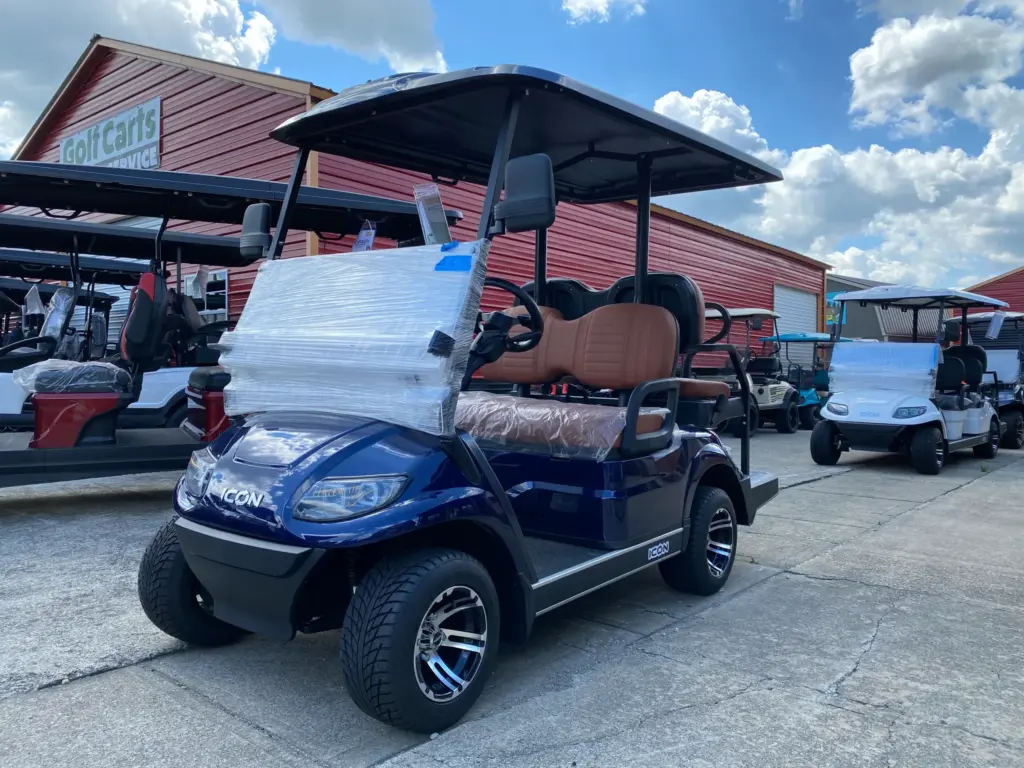
Gas golf carts use a different approach because an engine provides the power. Many models use a governor that limits engine RPM. Adjusting the governor may increase speed on some carts, but excessive engine RPM can shorten engine life and place more stress on the drivetrain. Follow the manufacturer’s specifications rather than removing speed controls without understanding the consequences.
Basic engine health should come first. Replace dirty air and fuel filters, inspect the spark plug, use the proper oil, and make sure the throttle operates correctly. A poorly running engine will not produce its intended power. After maintenance, owners can consider gearing or approved performance upgrades if more speed is still necessary.
A modified gas cart also needs adequate braking and stable suspension. Increasing engine output while ignoring worn brakes or steering components creates an unbalanced vehicle. Performance should always include the ability to slow down and maintain control.
Reducing Weight Can Improve Performance
Removing unnecessary weight will not usually create a dramatic top-speed increase, but it can improve acceleration and efficiency. A motor has to work harder when the cart carries extra weight. Heavy accessories, cargo, oversized wheels, and additional seating can all affect performance.
Do not remove safety equipment simply to make the cart lighter. Instead, clear unnecessary cargo and choose accessories with weight in mind. Lithium battery conversions can reduce substantial weight compared with some lead-acid systems while still providing the required energy capacity. The result may include quicker acceleration and less strain on the drivetrain.
Passenger load also changes performance. A cart that reaches its maximum speed with one driver may accelerate more slowly when carrying four or six passengers. Test performance under the same conditions whenever you compare upgrades.
Do Not Ignore Brakes, Steering, And Suspension
Making a golf cart faster changes more than the speedometer reading. The cart travels farther during the time it takes the driver to react, and the brakes must manage more energy when stopping. Worn brake components that felt adequate at lower speed may become more noticeable after a performance upgrade.
Inspect brake shoes or pads, cables, steering joints, wheel bearings, shocks, bushings, and suspension parts before increasing speed. Tires should also carry an appropriate speed and load rating. A lifted cart deserves extra attention because a higher center of gravity can affect handling.
Good performance means the cart remains predictable during acceleration, turning, and braking. Spending money on a motor while ignoring worn steering components is the wrong order. Restore the chassis to good condition first, then decide how much additional speed makes sense.
How Fast Should A Golf Cart Go
There is no single ideal speed for every golf cart. A cart used only on a golf course may need much less speed than one used for neighborhood transportation. Terrain, passenger capacity, braking equipment, suspension, tires, and local rules all affect what is appropriate.
Owners should pay particular attention when modifications push a vehicle above traditional golf cart speeds. The National Highway Traffic Safety Administration defines a federal low-speed vehicle as a four-wheeled motor vehicle that can travel more than 20 mph but no more than 25 mph on a paved level surface and has a gross vehicle weight rating below 3,000 pounds.
That does not mean a modified golf cart automatically becomes legal for public-road use when it reaches 21 mph. Federal vehicle classification, manufacturer certification, state law, and local road rules can all matter. Check the rules where you plan to drive before modifying a cart primarily for street use.
Which Golf Cart Speed Upgrade Should You Choose
Start with the least invasive option that solves the problem. If an electric cart has weak batteries, restoring the battery system may bring back lost speed. If the manufacturer allows speed programming, a speed code may offer improvement without replacing major hardware. Motor and controller upgrades make more sense when an owner wants a larger performance change.
Tire and gear changes can also increase speed, but both affect torque. Think about hills, passengers, cargo, and normal driving conditions before changing the final drive ratio. A cart that reaches a higher top speed but struggles up every hill is not necessarily an improvement.
For gas carts, begin with a tune-up and proper engine adjustment before looking at more aggressive modifications. Whatever powertrain you own, consider the whole vehicle. Battery capacity, motor output, brakes, steering, suspension, and tires need to support the new performance level together.
Conclusion
So, how do you make a golf cart faster? Start by making sure the cart already operates at its proper factory performance. Check the batteries, tires, brakes, engine or motor, and electrical connections before modifying anything. Electric carts may gain speed through approved speed programming, motor and controller upgrades, battery improvements, larger tires, or gearing changes.
Gas carts may benefit from proper engine tuning, governor adjustments within safe limits, and suitable gearing. Each change has tradeoffs involving torque, range, reliability, braking, and handling. Hartville Golf Carts can help owners evaluate their carts before making performance changes, and its service department offers professional support for electric and gas models. The best upgrade is not simply the one that produces the highest number on the speedometer. It is the one that delivers useful performance while keeping the golf cart reliable, controllable, and appropriate for where you plan to drive it.