


Electric vehicles, commonly called EVs, are cars, trucks, golf carts, and other vehicles powered by electricity instead of a traditional gasoline or diesel engine. As battery technology continues to improve, EVs are becoming more popular because they offer lower fuel costs, quieter operation, and reduced emissions. Understanding what an EV is and how it works can help you decide whether electric transportation is right for you.

Chapter 1: A Journey Through History
Electric vehicles have existed far longer than many people realize. Early electric-powered vehicles appeared during the 1800s and were among the first alternatives to gasoline-powered transportation. Although gasoline vehicles eventually became dominant, advances in battery technology and growing environmental concerns have helped electric vehicles regain popularity in recent decades.

Chapter 2: Under the Hood – The Technology Behind EVs
Electric vehicles operate using an electric motor powered by a rechargeable battery pack rather than a traditional internal combustion engine. Key components include the electric motor, battery system, power electronics, and charging equipment that work together to deliver efficient performance. Many EVs also use regenerative braking technology, which captures energy during braking and returns it to the battery. Compared to gasoline-powered vehicles, EVs typically convert a higher percentage of stored energy into motion, making them one of the most energy-efficient transportation options available today.

Chapter 3: A Greener Path: Environmental Impact of EVs
Electric vehicles are often viewed as a cleaner alternative to traditional gasoline-powered vehicles. Because fully electric vehicles produce no tailpipe emissions, they can help improve air quality and reduce greenhouse gas emissions. While battery manufacturing does have an environmental impact, many studies have found that EVs can produce fewer lifetime emissions than conventional vehicles, especially when charged using renewable energy sources.
Chapter 4: The EV Ecosystem
Electric vehicles rely on more than just the vehicle itself. A growing network of home chargers, public charging stations, utility providers, manufacturers, and government programs helps support EV ownership. Many regions also offer incentives, tax credits, and rebates that can reduce the cost of purchasing and operating an electric vehicle.

Chapter 5: EVs on the Road – Types and Models
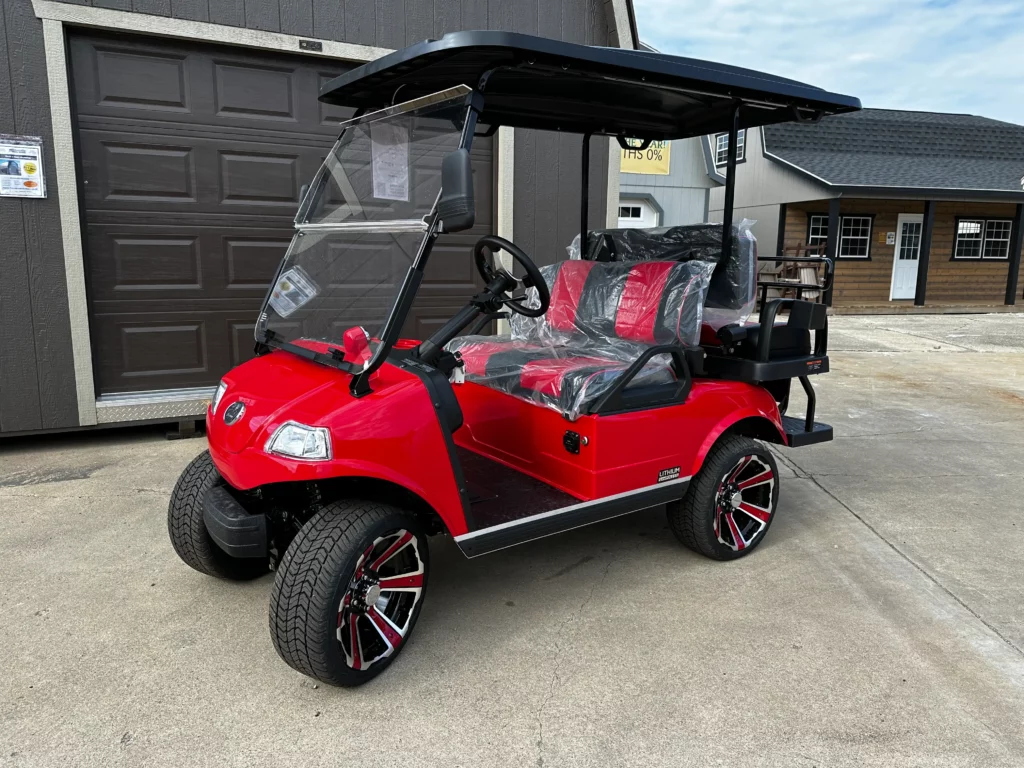
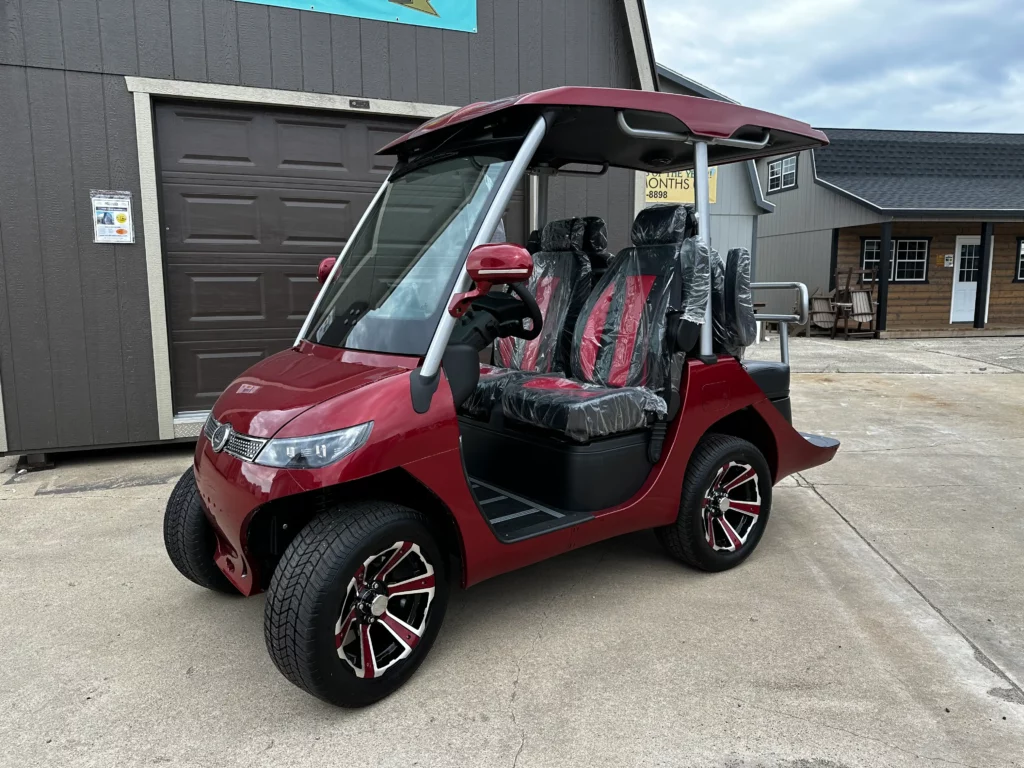
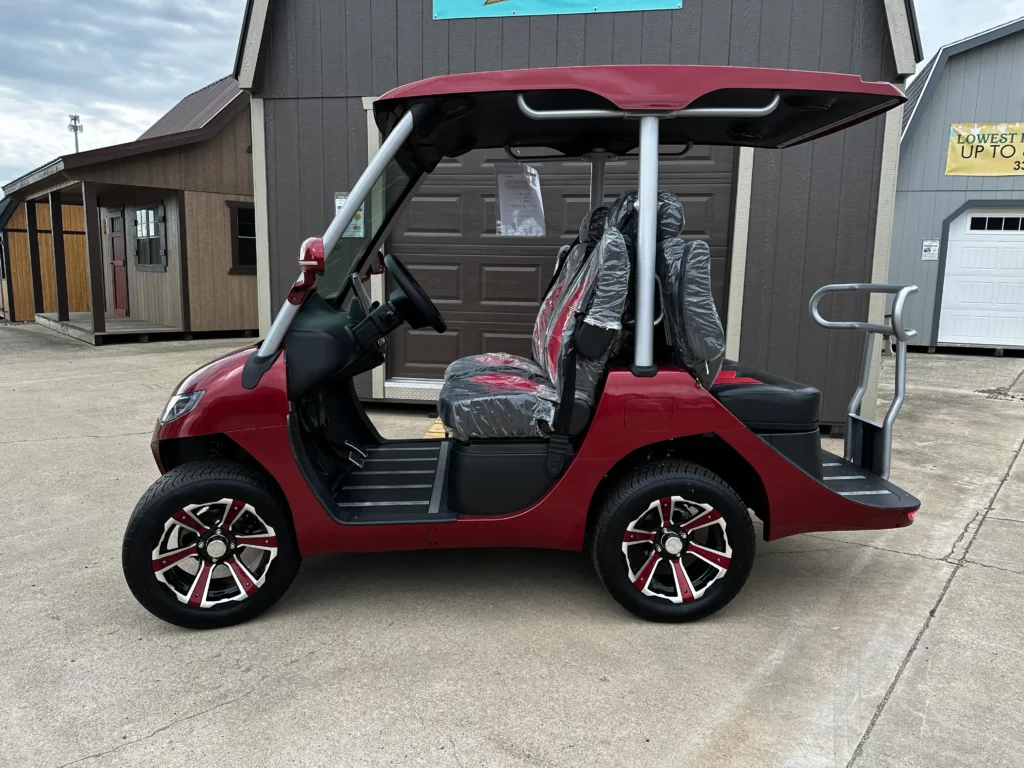
The electric vehicle market now includes a wide range of options for different driving needs, budgets, and lifestyles. Battery Electric Vehicles (BEVs) run fully on electricity and do not use a gasoline engine, while Plug-In Hybrid Electric Vehicles (PHEVs) combine electric driving with a gas-powered engine for added flexibility. Hybrid Electric Vehicles (HEVs) also use electric power and fuel, but they cannot be plugged in to recharge. EVs are now available as cars, SUVs, trucks, commercial vehicles, and electric golf carts, giving buyers more ways to choose a model that fits their range needs, charging access, and daily use.
Advantages and Disadvantages of EVs
Electric vehicles offer several benefits, including lower fuel costs, reduced maintenance requirements, quieter operation, and lower emissions. However, they also have limitations such as higher upfront purchase prices, charging time requirements, and limited charging infrastructure in some areas. Evaluating both the advantages and disadvantages can help buyers make an informed decision.
Chapter 6: Charging Ahead – The EV Charging Experience
Charging an electric vehicle is an integral aspect of ownership, and the process has evolved significantly. In this chapter, we shed light on the various methods of charging an EV, ranging from standard Level 1 charging to high-speed Level 3 (DC fast charging). We discuss the different types of charging connectors, charging times, and the practical considerations for daily EV use. Moreover, you’ll learn about innovative charging technologies and the future of EV charging infrastructure.

Chapter 7: Electrifying the World – Global Adoption of EVs
The transition to electric vehicles is a global phenomenon with various countries setting ambitious targets for EV adoption. In this chapter, we take a worldwide tour to examine the progress of electric vehicles in different regions. We’ll delve into the leading markets for EVs, government initiatives promoting their use, and international collaborations. Moreover, we’ll explore the obstacles and opportunities faced by countries in their journey toward a sustainable transportation future.
Chapter 8: The Road Ahead – Future of Electric Vehicles
The electric vehicle industry is constantly evolving, and this chapter casts a visionary gaze into the future. We’ll discuss emerging technologies like solid-state batteries, self-driving EVs, and vehicle-to-grid (V2G) systems. Additionally, we’ll address sustainability concerns related to battery production and recycling. Understanding the next frontier in EV development will provide insight into what we can expect from electric vehicles in the coming years.

Chapter 9: Driving Change – Challenges and Opportunities
Despite the rapid growth of the electric vehicle industry, there are still challenges to overcome. In this chapter, we explore the barriers that electric vehicles face, from range anxiety to charging infrastructure. We’ll discuss the need for investment in research and development, as well as opportunities for innovation. The transition to electric vehicles is not without its hiccups, and understanding these challenges can help shape strategies for a seamless shift.
Chapter 10: Making the Electric Choice
The final chapter of our guide will bring together all the knowledge you’ve gained. We’ll discuss the factors to consider when choosing an electric vehicle, such as range, charging accessibility, and budget. We’ll also delve into the mindset shift required to fully embrace electric transportation and the long-term benefits it offers to both individuals and the environment. Making the switch to an electric vehicle is a conscientious decision, and this chapter will equip you with the information to make an informed choice.
Frequently Asked Questions About EVs
How long do EV batteries last?
Most modern EV batteries are designed to last 10 years or longer, with many manufacturers offering battery warranties of 8 years or more.
Are EVs cheaper to operate?
EVs typically cost less to fuel and maintain than gasoline-powered vehicles because they have fewer moving parts and do not require oil changes.
How long does it take to charge an EV?
Charging times vary depending on the charger type, battery size, and vehicle model, ranging from less than an hour with some DC fast chargers to several hours with home charging systems.
What is the Difference Between an EV and a Hybrid?
An EV, also known as a Battery Electric Vehicle (BEV), runs entirely on electricity and does not use a gasoline engine. A hybrid vehicle combines a gasoline engine with an electric motor to improve fuel efficiency. While hybrids use both fuel and electricity, fully electric vehicles rely solely on battery power and must be recharged using an external power source.
Concluding
From a historical perspective to a future-oriented outlook, this extensive guide on electric vehicles provides readers with a comprehensive understanding of the electrified road ahead. The world of electric vehicles is dynamic, and this guide serves as a valuable resource for anyone looking to delve into this exciting realm. Whether you’re an electric vehicle enthusiast, a potential owner, or a curious mind, this guide aims to enlighten and inspire, offering a holistic perspective on electric vehicles and their transformational impact on the automotive industry and our global environment.