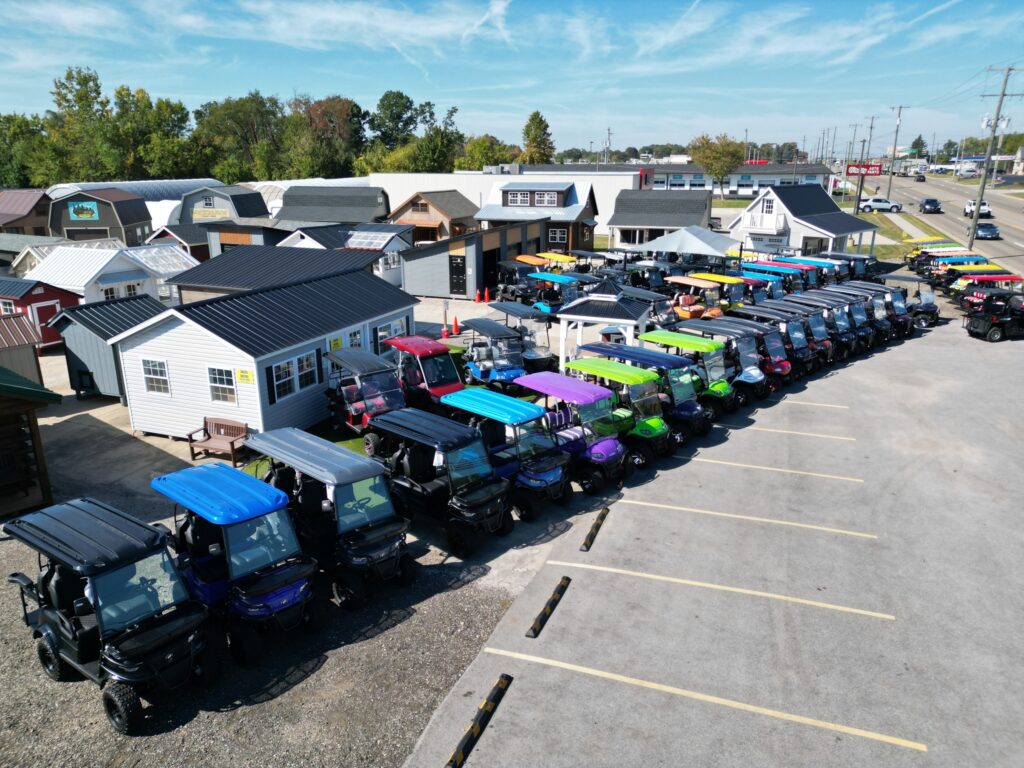

Golf carts have become far more popular than simple golf-course vehicles. Families now use them for neighborhood transportation, campground trips, large private properties, resorts, and recreational driving every day. That growing demand is exactly why many buyers search where to buy a golf cart before deciding which model, battery system, or dealer fits their needs best. The right place to buy a golf cart depends heavily on how the cart will be used, whether buyers prefer new or used inventory, and how important warranty support, financing, and service availability are after the purchase. Some buyers focus only on the lowest price and later struggle with poor-quality carts or missing replacement parts. Others prioritize dealership support and long-term reliability instead. Understanding the different buying options helps shoppers avoid expensive mistakes and choose a golf cart that actually fits their lifestyle rather than simply choosing the cheapest listing online.
Authorized Golf Cart Dealers Offer Better Long-Term Support
Many buyers prefer purchasing golf carts through authorized dealerships because dealers provide inventory selection, warranty support, financing options, maintenance services, and replacement parts availability all in one place. Buying through a dealer also allows customers to compare different seating layouts, battery systems, tire setups, and comfort features in person before making a decision. Dealerships usually inspect and prepare carts carefully before delivery, which reduces the risk of hidden mechanical or battery problems. Buyers who plan to use golf carts frequently around neighborhoods or campgrounds often value long-term service support more than saving a small amount upfront. A strong dealership relationship becomes especially important for electric carts because battery systems, chargers, controllers, and software diagnostics sometimes require specialized knowledge during ownership.
Online Listings Can Be Risky
Online marketplaces and classified listings often attract buyers because prices sometimes appear lower than dealership inventory. However, private sales carry additional risks, especially for first-time buyers unfamiliar with golf cart condition, battery health, or hidden repair problems. Some used golf carts look excellent cosmetically while hiding weak batteries, damaged controllers, rusted frames, or poor wiring underneath. Buyers may also discover later that replacement parts are difficult to locate for certain imported models or discontinued brands. Private sellers rarely offer warranties or service support after the sale. While experienced buyers sometimes find good deals online, beginners often benefit more from purchasing through established dealers that inspect inventory professionally before selling it.
New Vs Used Golf Cart Buying Decisions
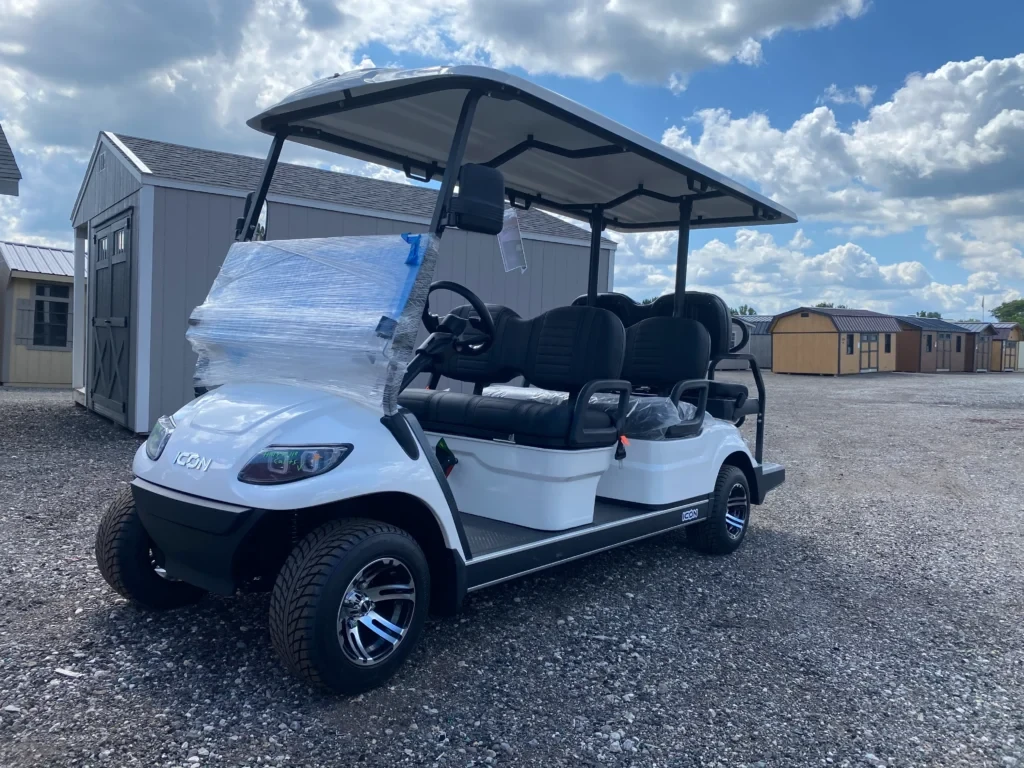
New golf carts provide warranty protection, modern battery technology, updated safety equipment, and customization flexibility that many buyers appreciate. Buyers choosing new inventory can often select seating layouts, wheels, roofs, colors, and battery systems based on personal preferences rather than settling for whatever is available used. Used golf carts cost less initially, which makes them attractive for buyers with smaller budgets or occasional-use needs. However, battery condition becomes extremely important with used electric carts because replacement battery packs can become expensive later. According to Battery University, battery condition and charging history strongly affect long-term battery lifespan and performance. Buyers considering used electric golf carts should inspect charging systems and battery health carefully before purchasing.
Neighborhood And Street-Legal Buyers Need Different Features
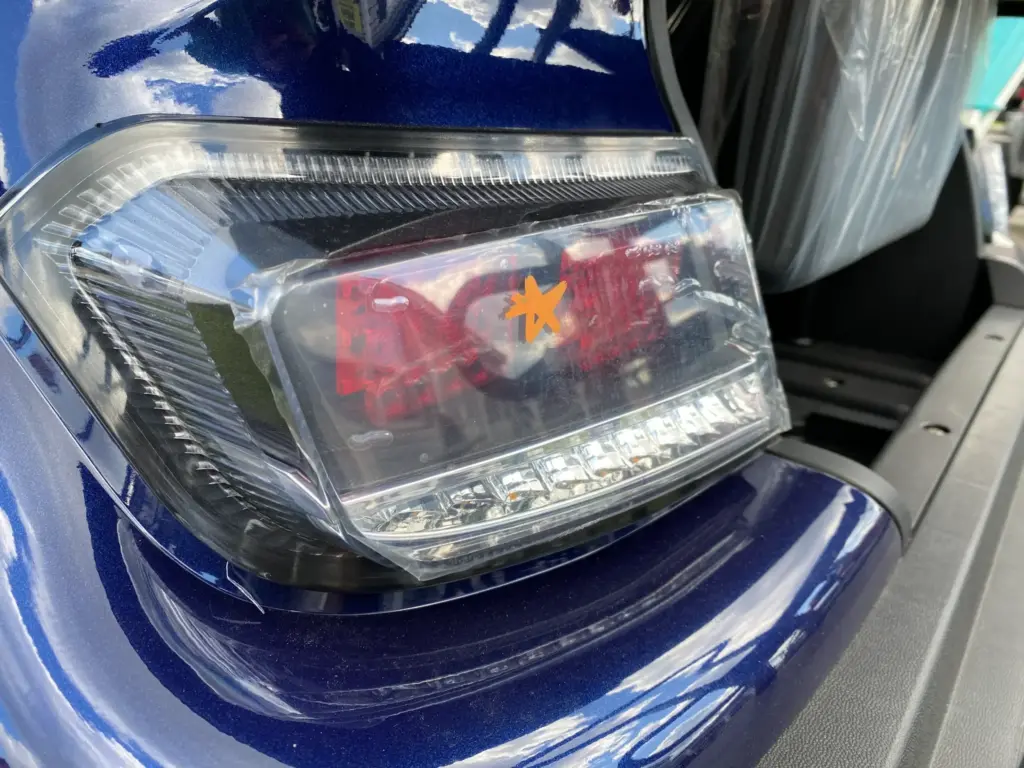
Some buyers want golf carts only for golf courses or campground use, while others plan to drive throughout neighborhoods and community roads regularly. Street-legal and neighborhood-ready carts often include additional features such as headlights, mirrors, turn signals, windshields, and seat belts. Buyers planning daily transportation use should think carefully about comfort, charging convenience, passenger capacity, and storage needs before choosing a model. Four-passenger and six-passenger carts have become especially popular in residential communities where families use golf carts almost like small neighborhood vehicles. Choosing the correct setup from the beginning usually creates a much better ownership experience than heavily modifying basic carts later.
Electric Golf Carts Continue Growing In Popularity
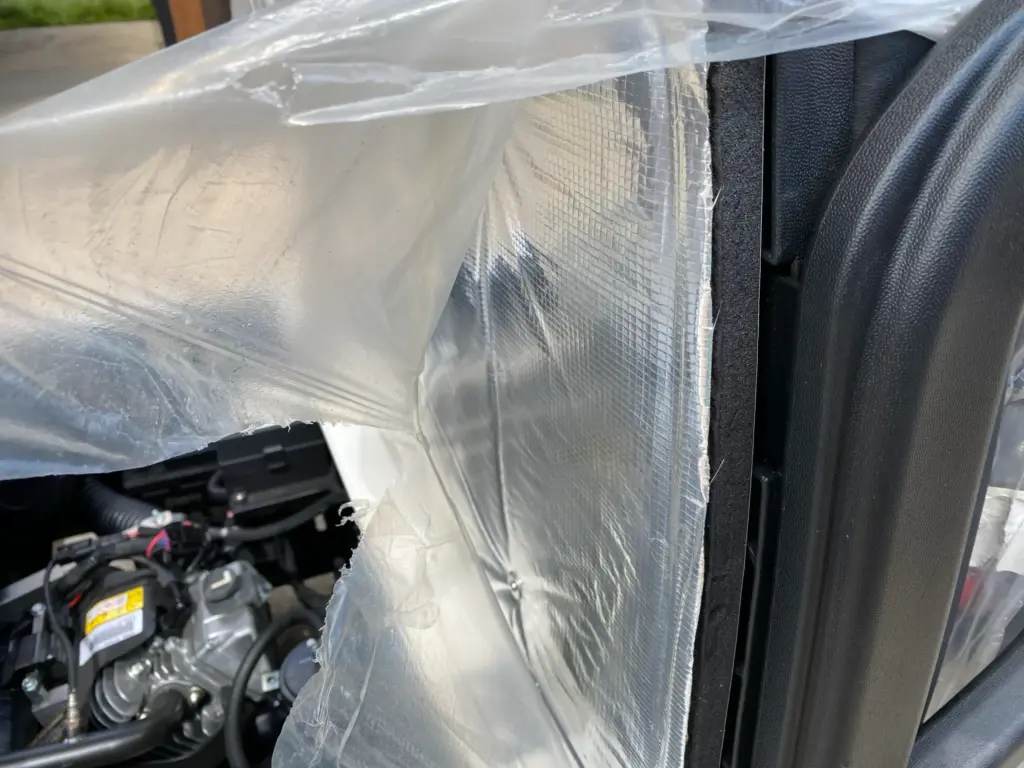
Electric golf carts now dominate many neighborhoods and recreational communities because they operate quietly and require less maintenance than gas-powered alternatives. Modern lithium battery systems also provide faster charging, lighter weight, and stronger efficiency compared to older lead-acid setups. Families using golf carts daily often appreciate the simplicity of plugging in overnight instead of managing fuel, oil changes, and engine maintenance regularly. Electric carts also feel smoother during acceleration and quieter during neighborhood driving. However, buyers should still compare battery systems carefully because battery quality affects range, charging time, maintenance needs, and long-term ownership cost significantly.
Gas Golf Carts Still Fit Certain Buyers Better
Gas-powered golf carts still appeal strongly to buyers who use carts heavily across large properties, farms, or work environments where quick refueling matters more than silent operation. Gas systems usually provide longer uninterrupted operating time without waiting for battery charging. Some owners also prefer gas carts for towing and utility work because they handle extended heavy-duty use comfortably. However, gas engines require regular maintenance, including oil changes, fuel system service, and engine repairs over time. The better choice depends heavily on how the cart will actually be used day to day, rather than simply following trends or assumptions.
Financing Helps Many Buyers Upgrade
Financing has made higher-quality golf carts much more accessible for families and recreational buyers. Instead of choosing the cheapest possible cart immediately, many buyers finance newer lithium-powered models with stronger warranties and better long-term reliability. Monthly payment differences between basic carts and upgraded models are sometimes smaller than buyers initially expect. This often encourages shoppers to choose larger seating capacity, better battery systems, or more practical neighborhood-ready features. However, buyers should still avoid unnecessary upgrades that add cost without improving real-world usability for their specific lifestyle.
Local Service Matters More Than Many Buyers Expect
Service availability becomes extremely important after the purchase. Golf carts require tire replacement, brake service, battery diagnostics, software updates, suspension maintenance, and occasional electrical troubleshooting during long-term ownership. Buyers who purchase from distant sellers sometimes struggle later when local repair support becomes difficult to find. Replacement parts and technical expertise matter much more once the cart becomes part of everyday transportation or recreation. A reliable local dealership often saves owners significant frustration by providing maintenance support, warranty assistance, and replacement parts quickly when needed.
Modern Golf Carts Offer More Variety Than Ever
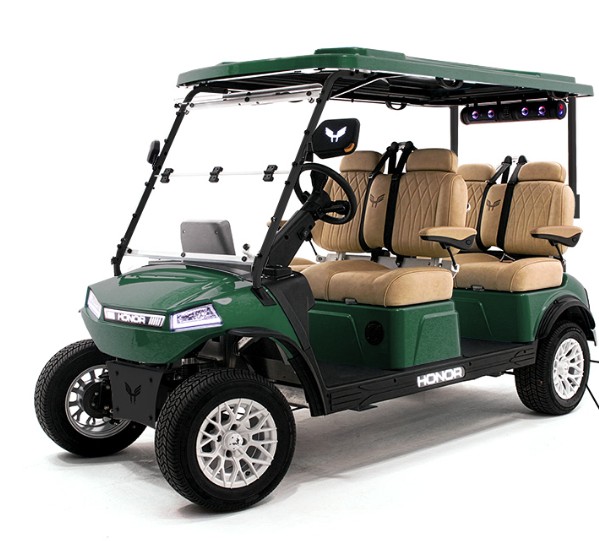
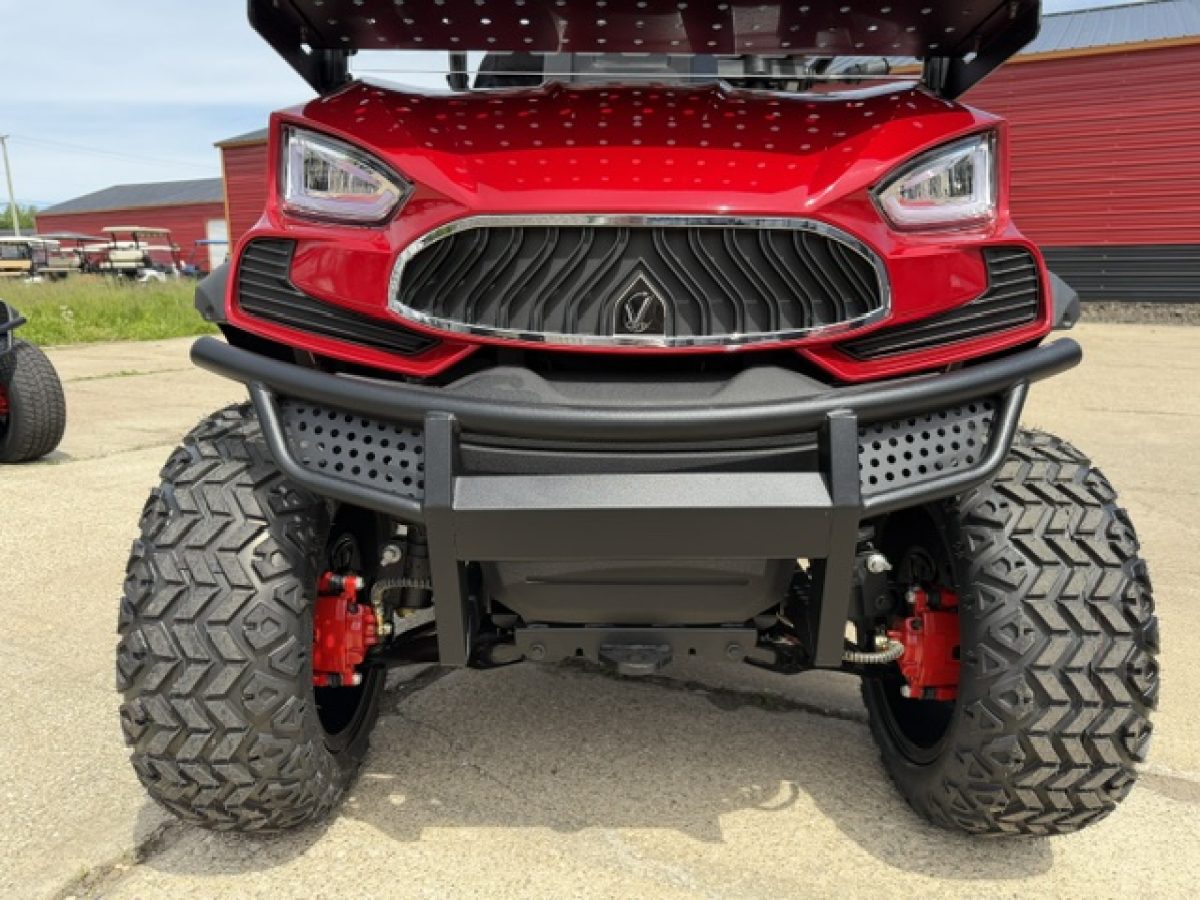
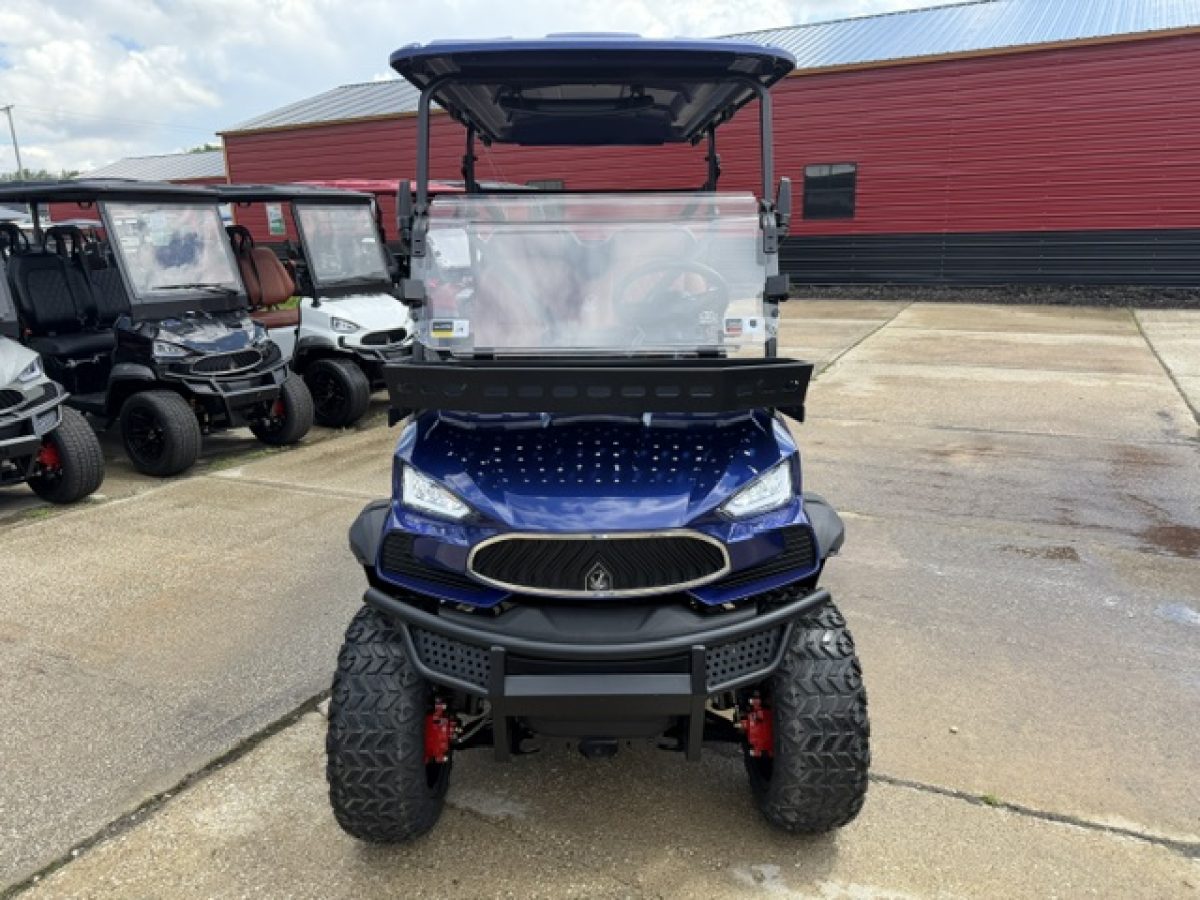
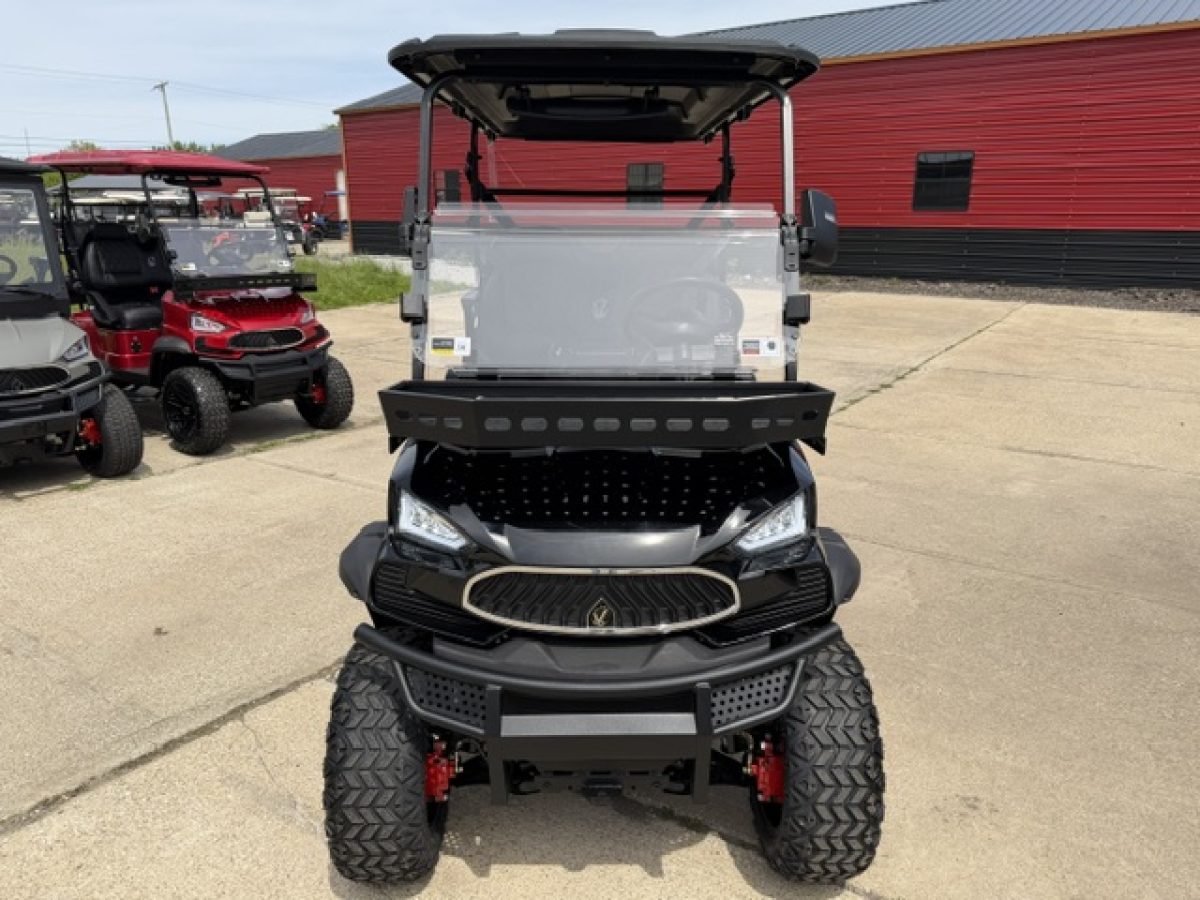
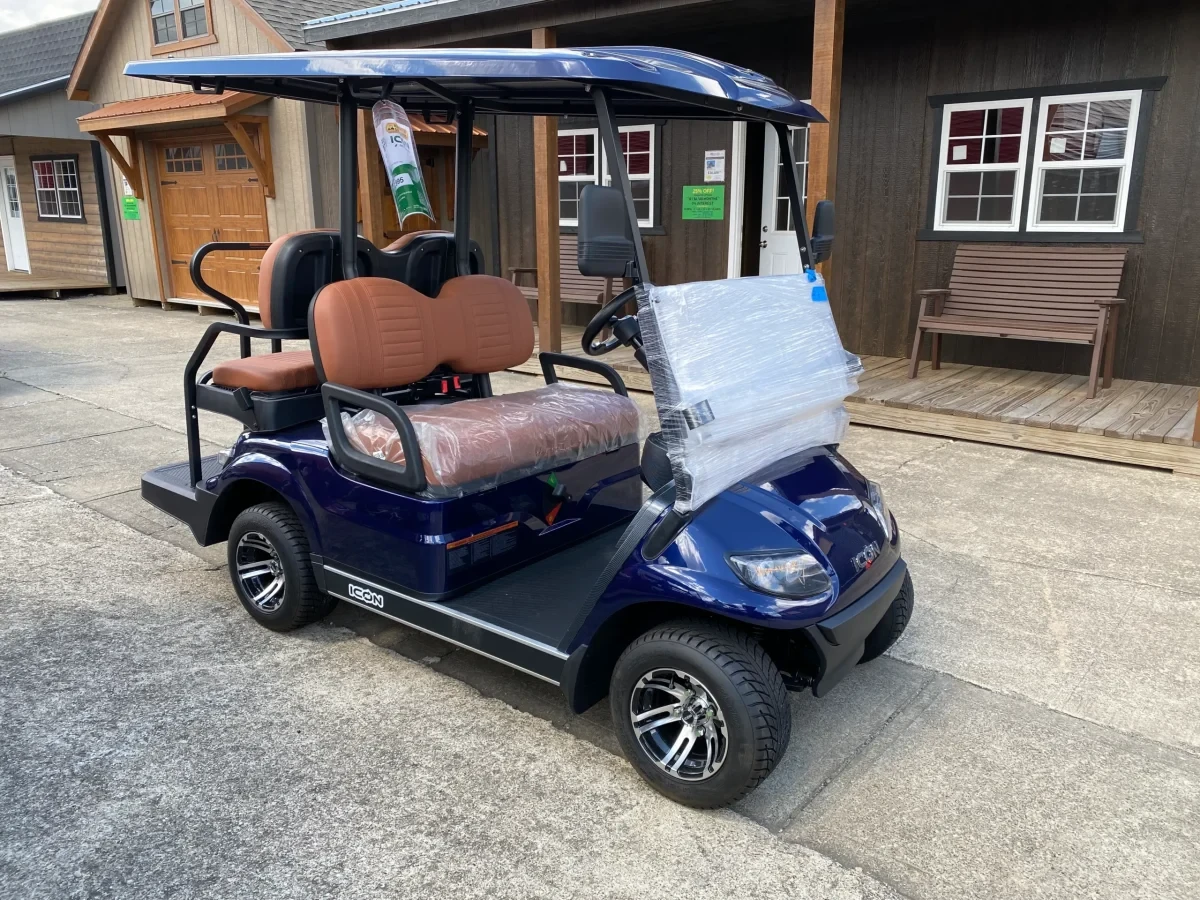
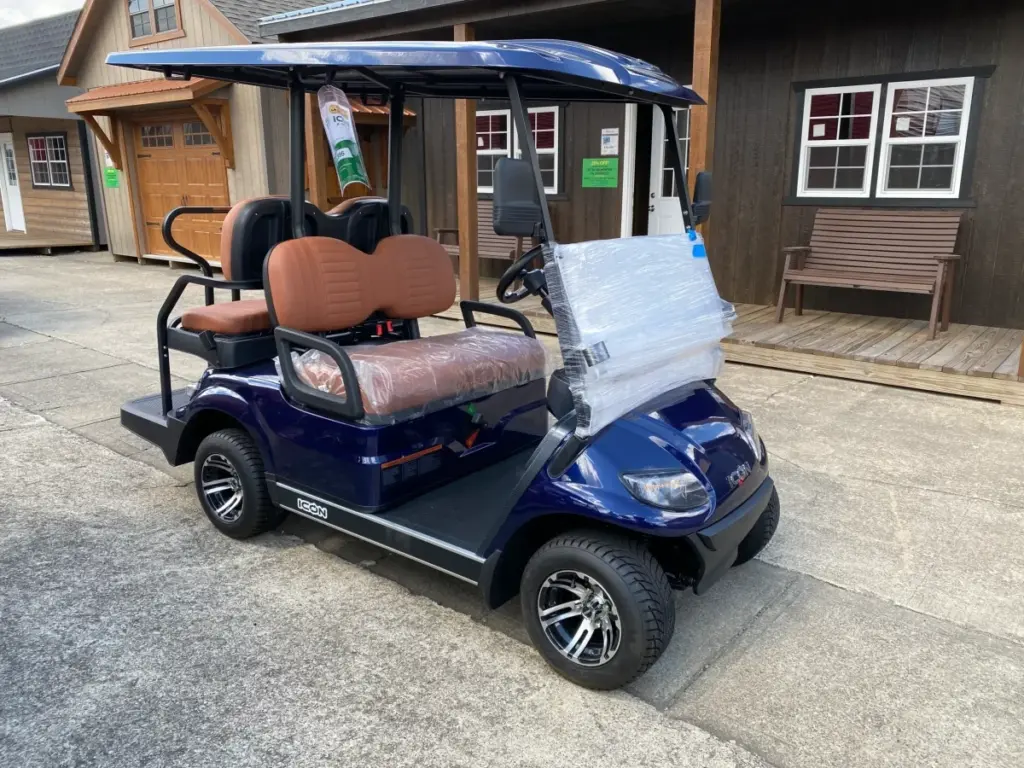
Modern golf cart inventory now includes luxury neighborhood vehicles, lifted recreational carts, utility-focused work carts, and family-oriented multi-passenger models. Buyers can now choose setups tailored closely to their actual lifestyle rather than settling for basic golf-course transportation only. Drivers exploring modern neighborhood-ready inventory often consider options like the Denago Golf Carts because newer designs combine comfort, modern battery systems, and practical everyday usability. Better technology and stronger build quality have made modern golf carts much more versatile than older traditional models. Understanding intended use early helps buyers narrow the best options quickly and avoid purchasing the wrong style of cart for daily life.
Conclusion
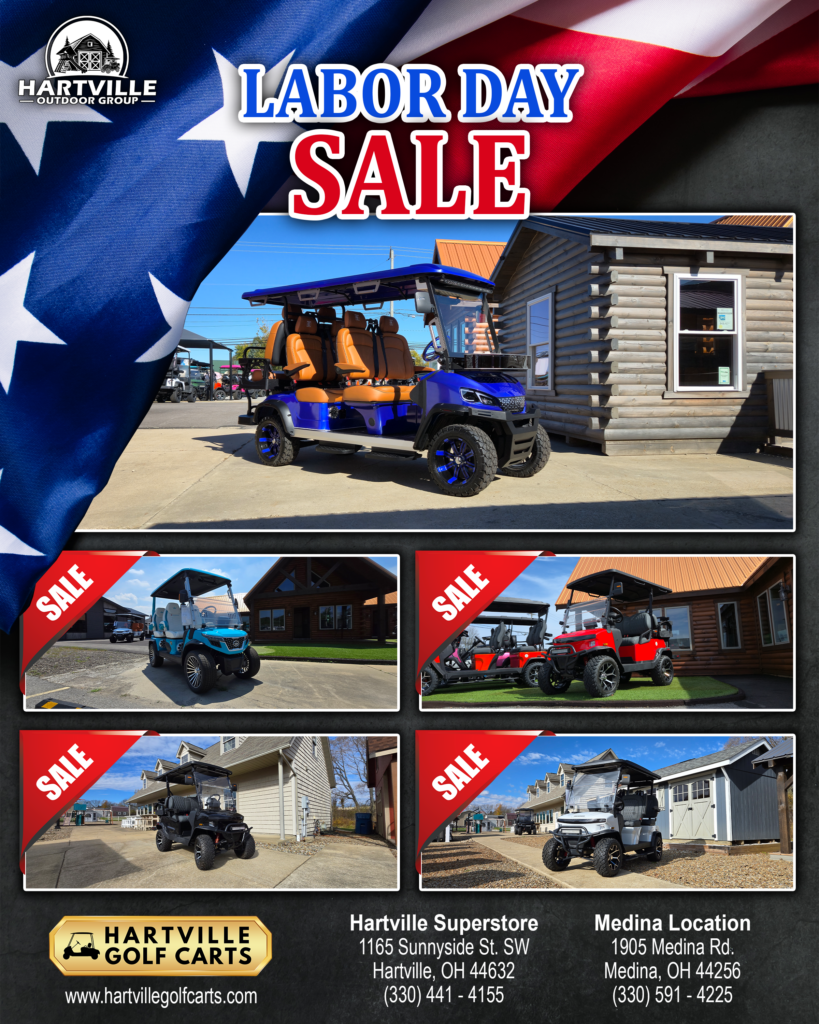
Understanding where to buy a golf cart involves much more than simply finding the lowest advertised price. Buyers should compare dealership support, battery quality, warranty coverage, financing options, service availability, and intended daily use carefully before making a decision. While private listings sometimes offer lower prices, established dealerships often provide better long-term reliability and ownership support. Newer electric golf carts especially benefit from professional setup and service expertise because modern battery systems and controllers require proper maintenance. For drivers looking for dependable golf carts designed around comfort, modern technology, and everyday usability, Hartville Golf Carts offers reliable models built for long-term convenience and performance.