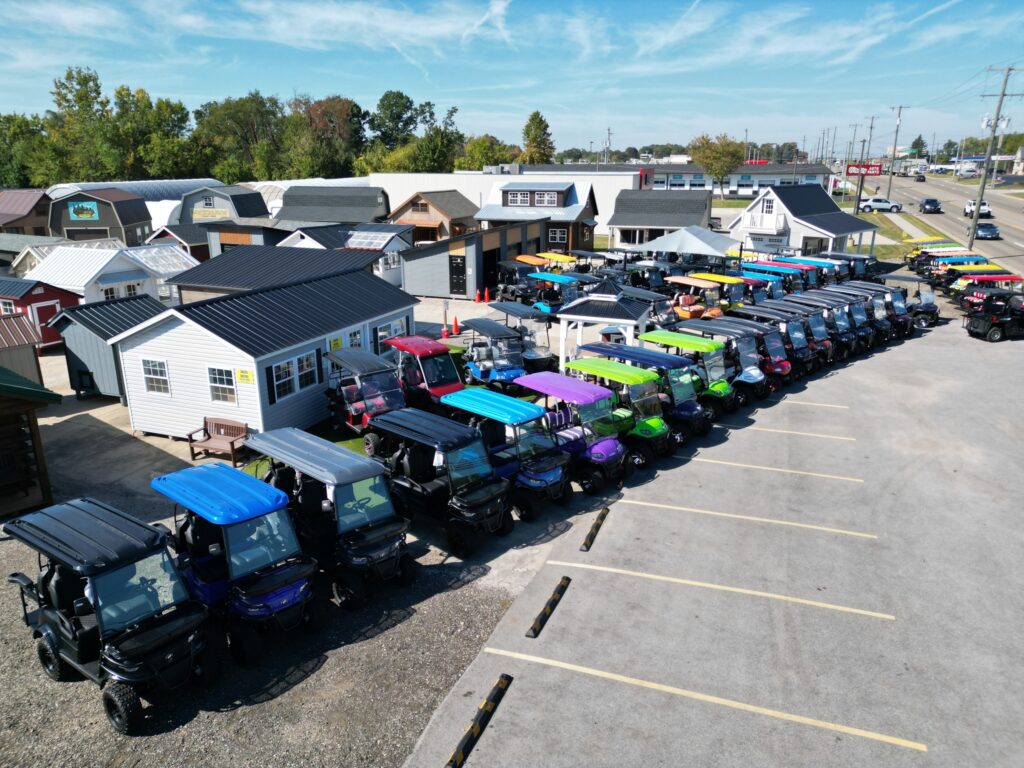

Golf carts are no longer limited to golf courses. Families now use them in neighborhoods, campgrounds, resorts, lake communities, and large private properties every day. That growing popularity is exactly why many buyers search how much is a new golf cart before deciding whether ownership actually fits their lifestyle and budget. The answer varies widely because golf cart prices depend on battery type, seating capacity, street-legal equipment, performance upgrades, brand reputation, and luxury features. In most cases, a new golf cart costs anywhere from $7,000 to over $20,000, depending on configuration. Basic two-passenger models stay near the lower end, while lifted lithium-powered street-ready carts with premium seating and technology packages cost much more. Understanding what affects pricing helps buyers avoid overspending while still choosing a cart that delivers the comfort, reliability, and performance they actually need.
Entry-Level Golf Cart Pricing
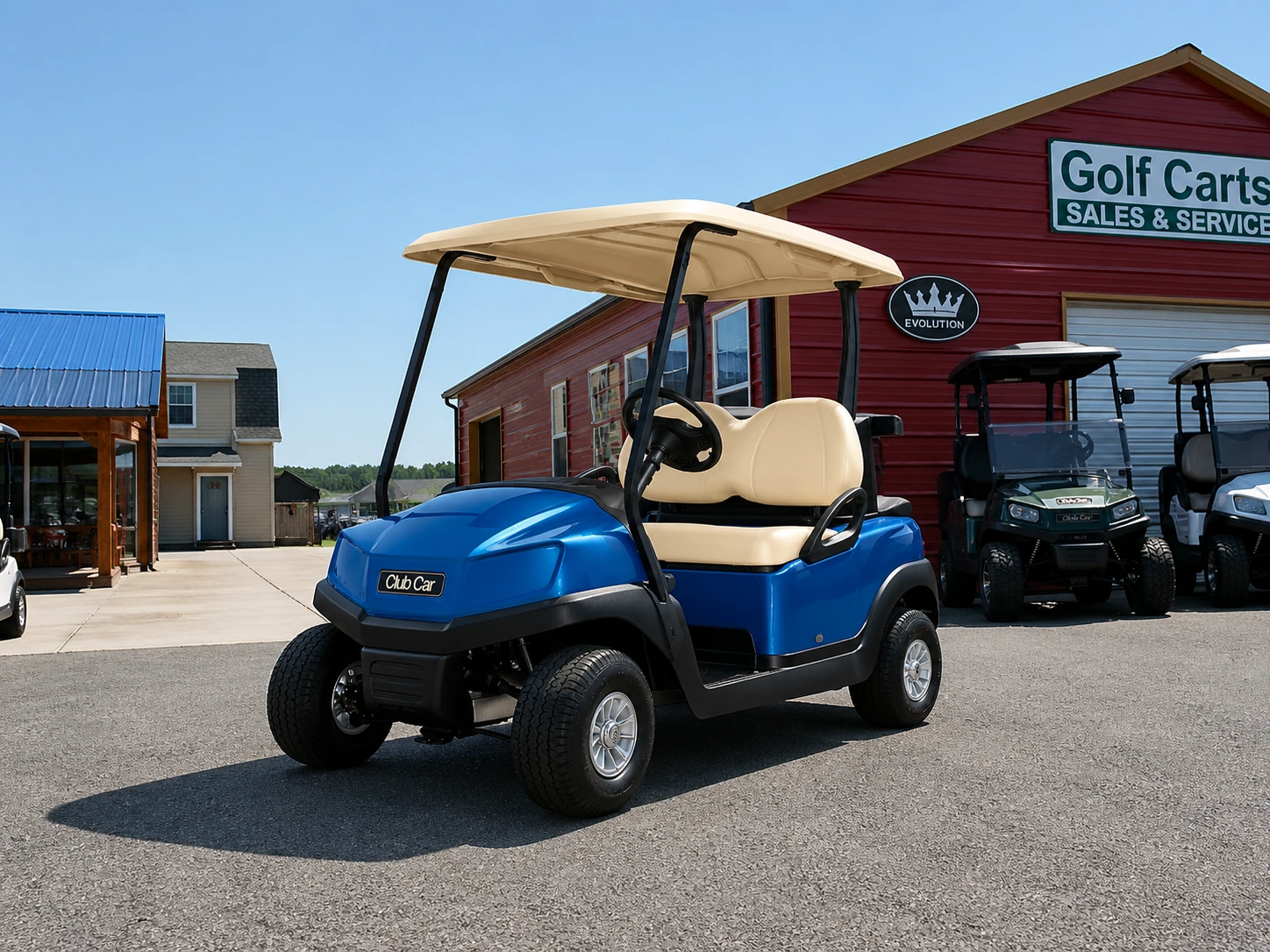
Basic golf carts designed mainly for golf-course use usually cost between $7,000 and $10,000 when purchased new. These models often include standard seating, simple battery systems, and minimal accessories. Many entry-level carts focus more on practical transportation than luxury comfort or high-end styling. Two-passenger electric carts remain the most affordable option because they use smaller frames and fewer features. Some buyers choose these carts strictly for golf-course use or short-distance property transportation where advanced upgrades are unnecessary. However, many first-time buyers underestimate how quickly costs rise once accessories and customization begin. Upgraded seats, larger tires, better lighting, rear seating kits, and premium wheels can increase the final price significantly, even on otherwise simple models.
Lithium Battery Systems Increase Cost
Battery type affects golf cart pricing heavily. Traditional lead-acid battery systems usually cost less upfront, which helps keep entry-level golf cart prices lower. However, lead-acid batteries require more maintenance and generally need replacement sooner than lithium systems. Lithium-powered golf carts often cost several thousand dollars more initially, but many buyers still prefer them because of the long-term ownership benefits. Lithium batteries charge faster, weigh less, last longer, and require far less maintenance than lead-acid setups.
According to Battery University, lithium battery systems provide stronger efficiency and longer service life compared to many traditional battery technologies. Buyers using golf carts frequently around neighborhoods or campgrounds often feel the reduced maintenance and improved performance justify the higher upfront investment.
Passenger Capacity Raises The Price
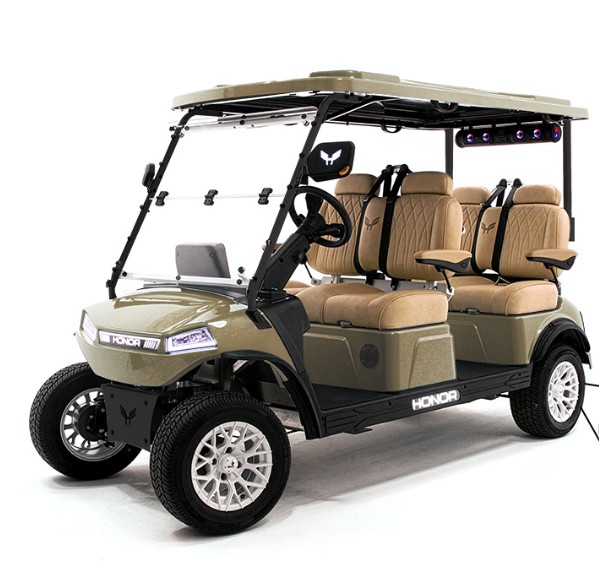
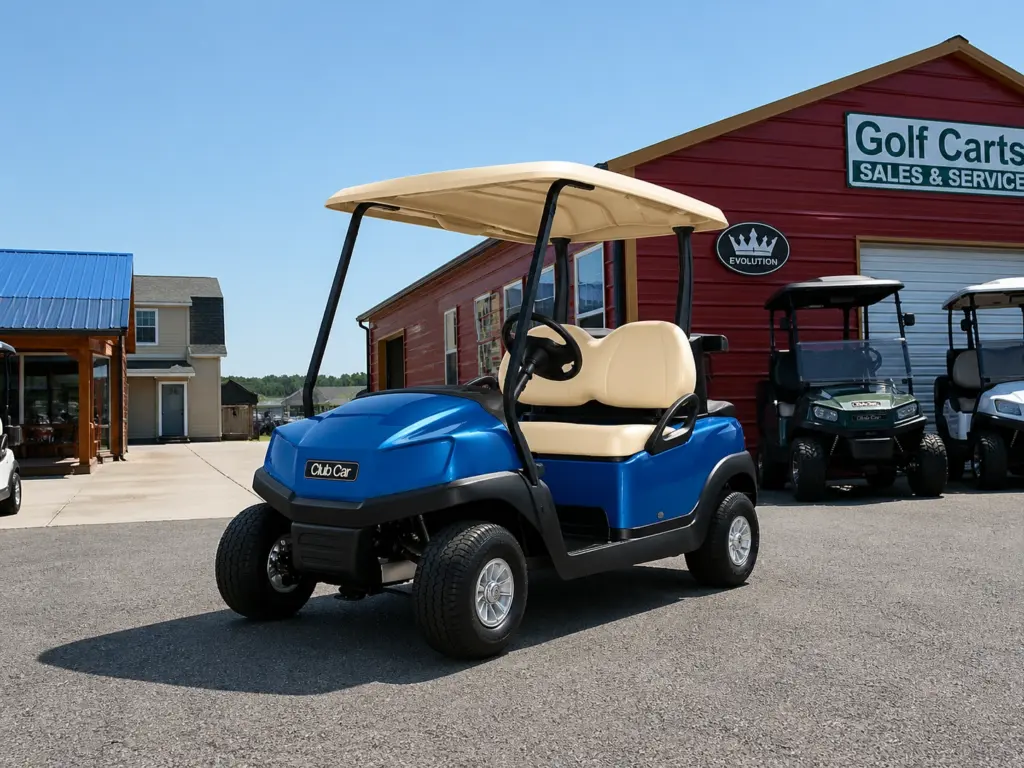
Larger golf carts naturally cost more because they require bigger frames, stronger suspension systems, and additional seating capacity. Two-passenger carts remain the least expensive option, while four-passenger and six-passenger carts move into higher pricing categories quickly. Families and campground owners often prefer larger carts because they provide more flexibility for transporting guests and carrying supplies. However, extra seating also increases battery demand, overall size, and feature complexity.
Many buyers initially plan to purchase smaller carts before realizing how often additional seating becomes useful during real-world ownership. Choosing the right passenger capacity from the beginning often creates a much better long-term experience than trying to upgrade later.
Street-Legal Features Add More Expense
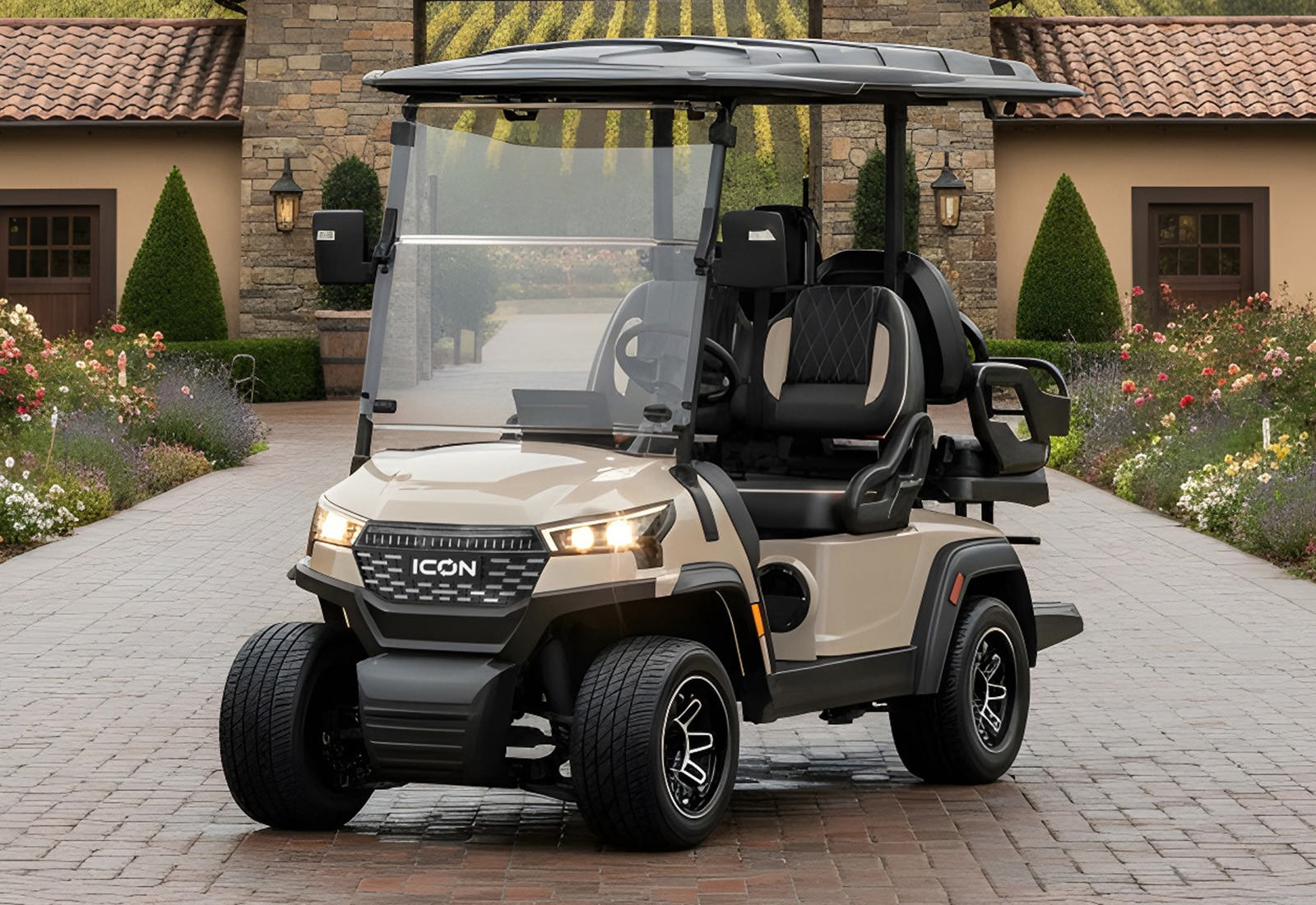
Street-legal golf carts and low-speed vehicles usually cost more than traditional golf-course models because they require additional equipment. Mirrors, seat belts, windshields, turn signals, upgraded lighting systems, and DOT-approved tires all increase production costs. Some states also require registration-related modifications before carts qualify for public-road operation. Buyers planning neighborhood transportation often prioritize these upgrades because they improve both convenience and daily usability. Luxury street-ready carts may also include touchscreen displays, Bluetooth audio systems, premium seating materials, and enclosed storage systems. These upgrades create a more vehicle-like experience but also push pricing much higher than basic recreational models.
Lifted And Customized Carts Cost More
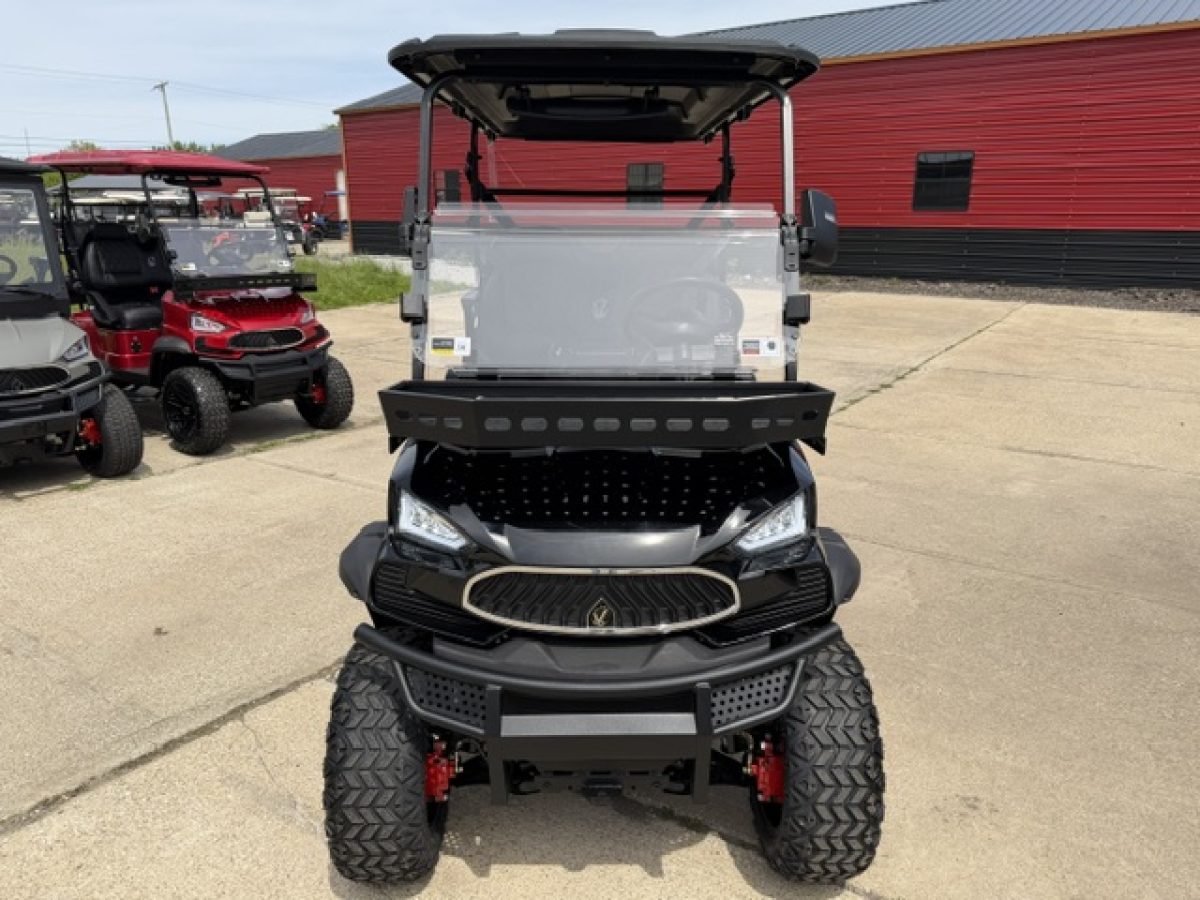
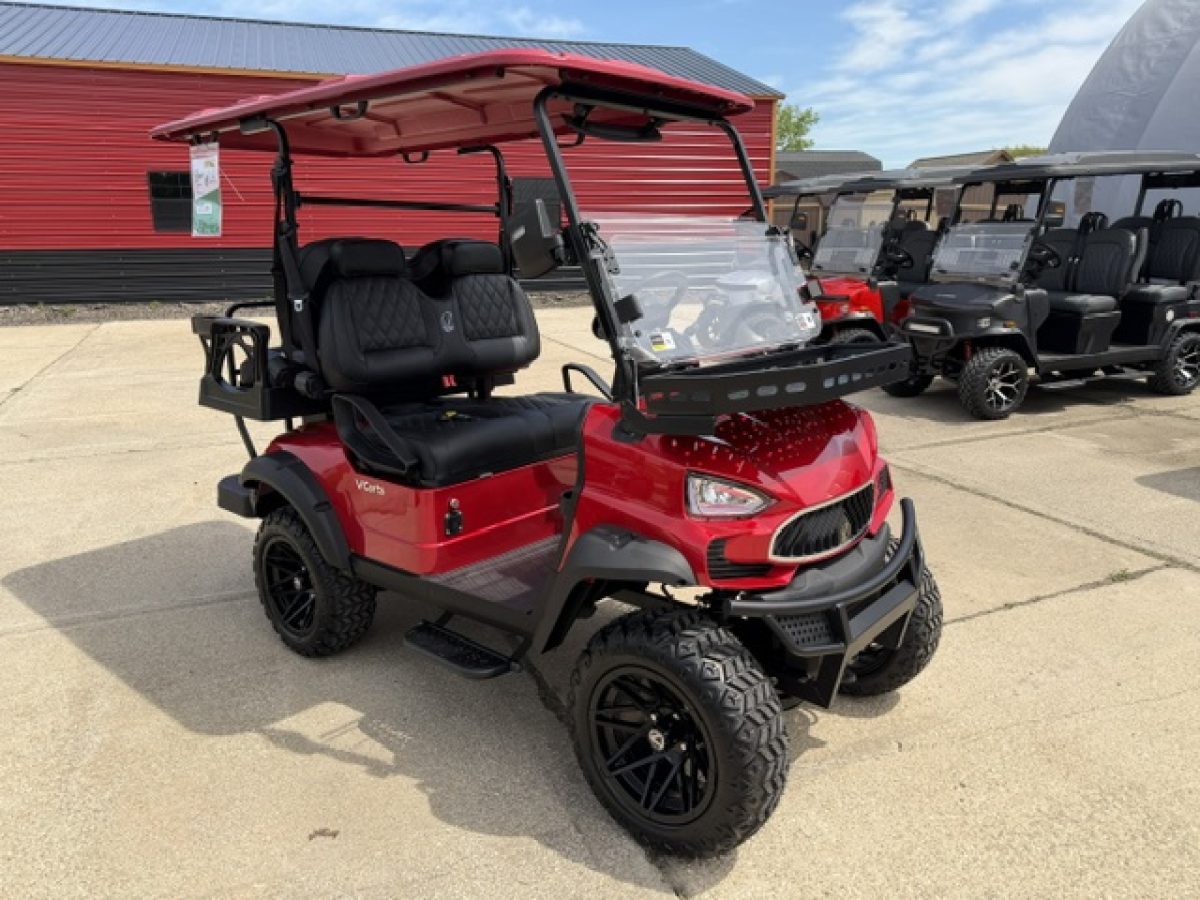
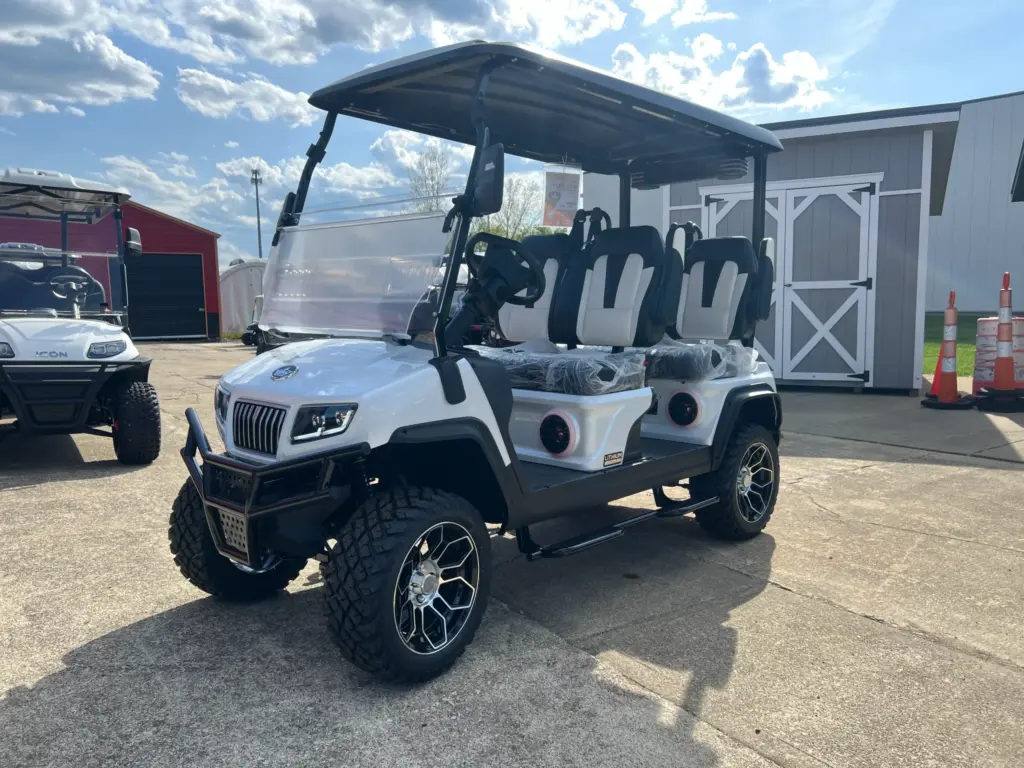
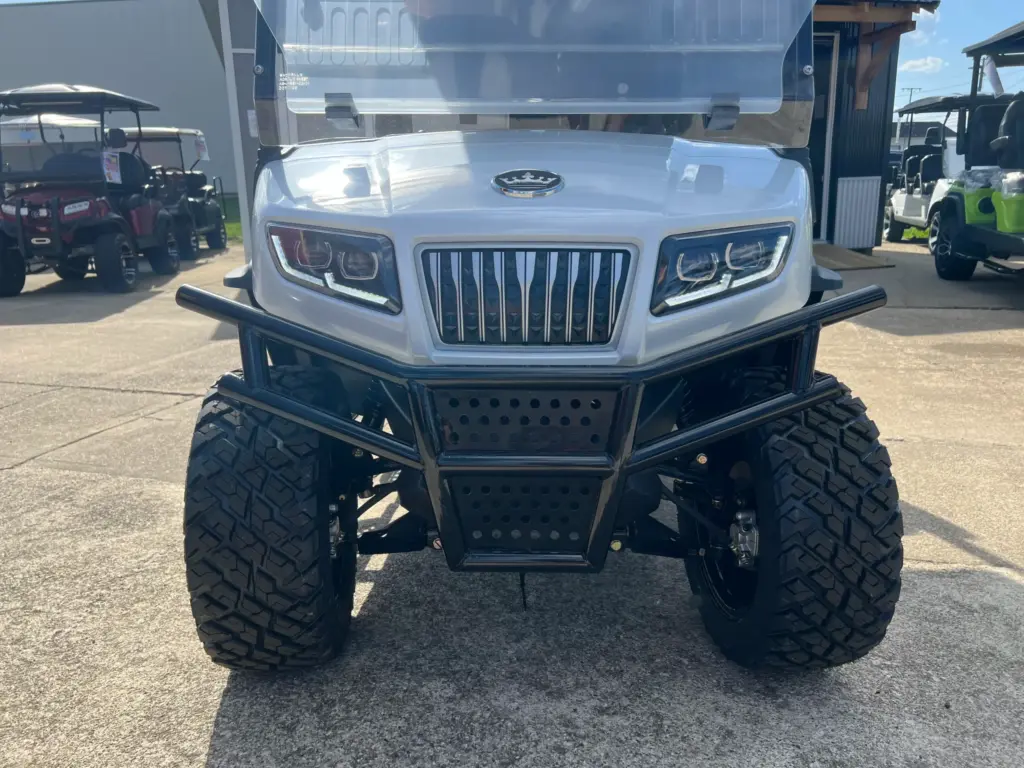
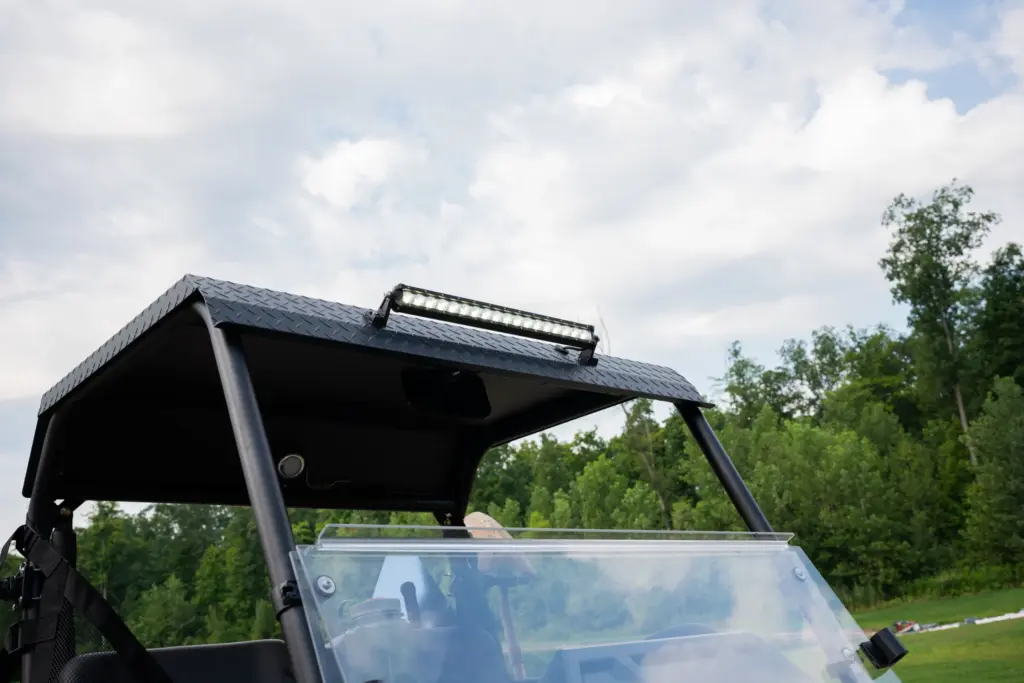
Lifted golf carts continue growing in popularity because buyers enjoy the aggressive appearance and additional ground clearance. However, lift kits, oversized tires, upgraded suspension systems, and custom wheels increase cost quickly. Many buyers also personalize carts with custom paint colors, sound systems, LED lighting, rear coolers, roof upgrades, and premium upholstery packages. Customization can easily add several thousand dollars beyond the base vehicle price. Some buyers enjoy creating fully personalized carts for campground communities or neighborhood cruising. Others prefer more practical factory configurations that focus on reliability and lower long-term maintenance costs instead of appearance-focused upgrades.
Gas Vs Electric Pricing Differences
Gas-powered golf carts and electric golf carts sometimes overlap closely in price, but ownership costs often differ later. Gas carts require fuel, oil changes, and engine maintenance over time. Electric carts avoid fuel costs but eventually require battery replacement. Many modern buyers now prefer electric carts because they operate quietly and feel more convenient during neighborhood driving. Electric systems also provide smoother acceleration and simpler daily maintenance routines. Gas carts still appeal strongly to buyers covering larger properties or using carts for heavy-duty utility work where quick refueling matters more than silent operation. The better option depends heavily on intended use and long-term ownership priorities.
Brand Reputation Affects Price
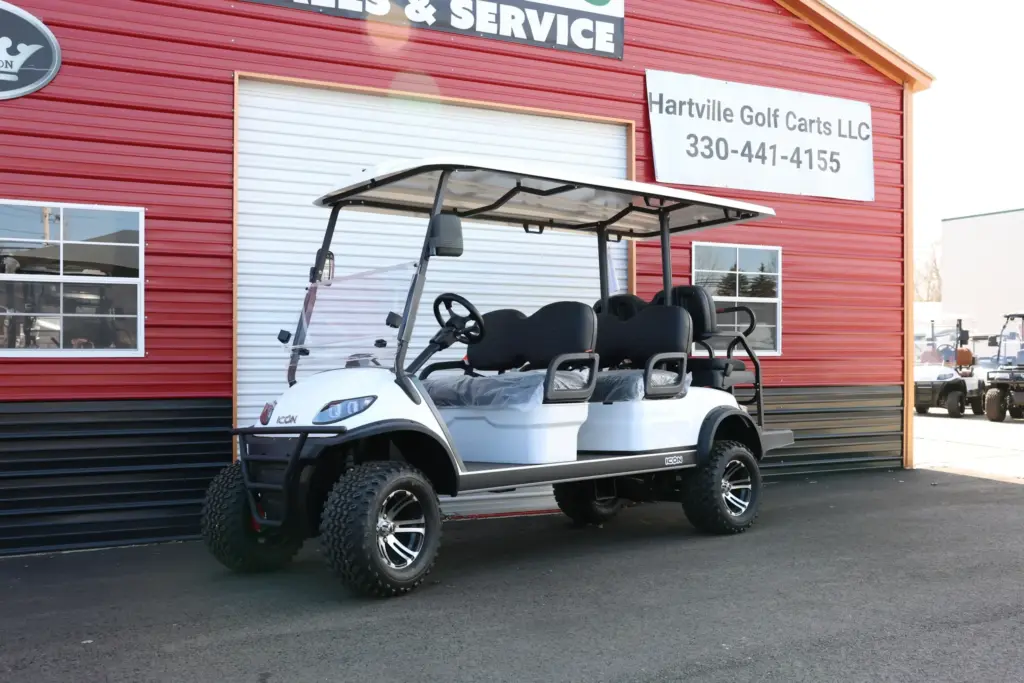
Golf cart pricing also changes depending on the manufacturer’s reputation and build quality. Premium brands often charge more because buyers expect better durability, smoother ride quality, stronger warranties, and improved resale value.
Cheaper imported carts sometimes attract buyers initially because of lower purchase prices, but lower-quality components may create more repair costs later. Buyers planning long-term ownership usually pay close attention to dealer support, replacement parts availability, and battery warranty coverage. Reliable dealerships also provide value through service support, financing options, and maintenance expertise that cheaper sellers sometimes cannot match.
Financing Changes Buying Decisions
Many buyers finance golf carts rather than paying the full amount up front. Monthly financing makes higher-end lithium carts and larger passenger models more accessible for families who plan to use them frequently.
Financing also influences upgrade decisions because buyers often choose slightly better battery systems or seating packages when monthly payment differences remain manageable. However, accessories and customizations can increase financing costs quickly if buyers add too many upgrades unnecessarily. Understanding the full ownership budget before purchasing helps buyers avoid overspending while still selecting a cart that fits their lifestyle properly.
Modern Golf Carts Offer More Value Than Older Models
Modern golf carts now include better suspension systems, stronger battery technology, improved safety equipment, and far more comfort features than older traditional golf-course carts. Buyers increasingly use golf carts as daily transportation instead of occasional recreational vehicles.
Drivers exploring newer neighborhood-ready models often consider options like the Evolution EV D5 Ranger 4 Plus because modern designs combine passenger comfort, practical technology, and reliable electric performance in one package. For many owners, paying slightly more upfront for a higher-quality cart creates a much better ownership experience over the long term.
Conclusion
Understanding how much is a new golf cart depends on far more than the base vehicle price alone. Battery type, passenger capacity, street-legal equipment, customization, and brand quality all affect final cost significantly. Basic models may start around $7,000, while premium lithium-powered neighborhood carts can exceed $20,000 with upgrades and luxury features. Buyers who focus on realistic daily needs instead of unnecessary upgrades usually make smarter long-term purchasing decisions. For drivers looking for dependable golf carts designed around comfort, reliability, and practical everyday usability, Hartville Golf Carts offers reliable models built for long-term performance and convenience.