

Many people ask can lithium battery be recycled as electric vehicles, golf carts, power tools, and portable electronics become more common. The simple answer is yes. Most lithium batteries can be recycled, and recycling helps recover valuable materials that manufacturers can use to produce new batteries and other products. Instead of sending used batteries to landfills, proper recycling reduces waste, conserves natural resources, and supports a more sustainable manufacturing process.
Although lithium batteries last much longer than many traditional battery types, they eventually reach the end of their useful life. When that happens, owners should dispose of them responsibly through approved recycling programs instead of placing them in household trash. Understanding how lithium battery recycling works helps consumers protect the environment while making better decisions about battery disposal.

Why Lithium Battery Recycling Is Important
Lithium batteries contain valuable materials that manufacturers can recover and reuse. Recycling reduces the need to extract new raw materials from the earth, which helps conserve natural resources and lowers the environmental impact of battery production. As demand for electric vehicles and battery-powered equipment continues to grow, recycling will play an increasingly important role in supporting future battery manufacturing.
Proper recycling also improves safety. Damaged or improperly discarded lithium batteries can create fire hazards if they become crushed or exposed to high temperatures. Recycling facilities follow specialized procedures that safely process used batteries while recovering materials that still have commercial value.
What Materials Can Recycling Recover?
Modern recycling facilities recover several valuable materials from lithium batteries. Depending on the battery design, recycling may recover lithium, cobalt, nickel, copper, aluminum, graphite, and other metals used during manufacturing. These recovered materials often return to the supply chain and become part of new batteries or other industrial products.
Recycling technology continues to improve every year. New processing methods recover more usable material while reducing waste and improving efficiency. As battery production increases worldwide, manufacturers continue investing in better recycling systems that recover a greater percentage of valuable resources.

Many Industries Depend On Lithium Batteries
Lithium batteries power far more than electric cars. They are commonly used in golf carts, electric scooters, power tools, solar energy storage systems, medical equipment, and countless portable electronic devices. Their long lifespan, lightweight design, and high energy density have made them the preferred choice for many industries.
If you are interested in golf carts that use modern lithium battery technology, exploring the latest Dach Golf Carts is a good way to see how advanced battery systems improve efficiency, reduce maintenance, and deliver dependable everyday performance.
Can Lithium Battery Be Recycled?
Many people ask can lithium battery be recycled as electric vehicles, golf carts, power tools, and portable electronics become more common. The simple answer is yes. Most lithium batteries can be recycled, and recycling helps recover valuable materials that manufacturers can use to produce new batteries and other products. Instead of sending used batteries to landfills, proper recycling reduces waste, conserves natural resources, and supports a more sustainable manufacturing process.
Although lithium batteries last much longer than many traditional battery types, they eventually reach the end of their useful life. When that happens, owners should dispose of them responsibly through approved recycling programs instead of placing them in household trash. Understanding how lithium battery recycling works helps consumers protect the environment while making better decisions about battery disposal.

Why Lithium Battery Recycling Is Important
Lithium batteries contain valuable materials that manufacturers can recover and reuse. Recycling reduces the need to extract new raw materials from the earth, which helps conserve natural resources and lowers the environmental impact of battery production. As demand for electric vehicles and battery-powered equipment continues to grow, recycling will play an increasingly important role in supporting future battery manufacturing.
Proper recycling also improves safety. Damaged or improperly discarded lithium batteries can create fire hazards if they become crushed or exposed to high temperatures. Recycling facilities follow specialized procedures that safely process used batteries while recovering materials that still have commercial value.
What Materials Can Recycling Recover?
Modern recycling facilities recover several valuable materials from lithium batteries. Depending on the battery design, recycling may recover lithium, cobalt, nickel, copper, aluminum, graphite, and other metals used during manufacturing. These recovered materials often return to the supply chain and become part of new batteries or other industrial products.
Recycling technology continues to improve every year. New processing methods recover more usable material while reducing waste and improving efficiency. As battery production increases worldwide, manufacturers continue investing in better recycling systems that recover a greater percentage of valuable resources.
Many Industries Depend On Lithium Batteries
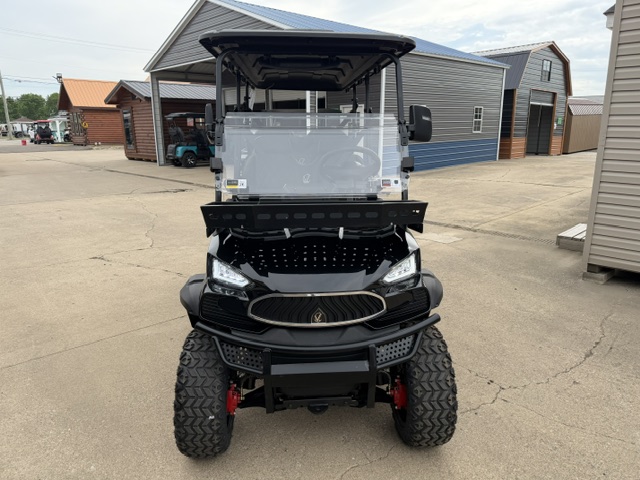
Lithium batteries power far more than electric cars. They are commonly used in golf carts, electric scooters, power tools, solar energy storage systems, medical equipment, and countless portable electronic devices. Their long lifespan, lightweight design, and high energy density have made them the preferred choice for many industries.
If you are interested in golf carts that use modern lithium battery technology, exploring the latest Dach Golf Carts is a good way to see how advanced battery systems improve efficiency, reduce maintenance, and deliver dependable everyday performance.
How Lithium Batteries Are Recycled
Recycling a lithium battery involves several carefully controlled steps. Workers first inspect and sort the batteries according to their chemistry and condition. They then discharge any remaining electrical energy to reduce safety risks before processing begins. Next, specialized equipment separates the batteries into individual materials such as metals, plastics, and other reusable components. Modern recycling facilities continue improving these methods to recover more valuable materials while reducing waste.
The recovered materials often return to manufacturers, who use them to produce new batteries and other industrial products. This process reduces the demand for newly mined raw materials and helps create a more sustainable supply chain. As recycling technology advances, facilities continue increasing the amount of material they can successfully recover from each battery.
Where Can You Recycle Lithium Batteries?
Many communities provide safe recycling options for lithium batteries. Local recycling centers, household hazardous waste collection events, electronics retailers, and battery collection programs often accept used lithium batteries. Before taking a battery to a collection site, check the organization’s guidelines because acceptance policies may vary depending on battery size and condition.
Consumers should never leave damaged lithium batteries in regular recycling bins without confirming the proper disposal procedure. If a battery shows signs of swelling, leakage, or physical damage, handle it carefully and follow the instructions provided by your local recycling program. Taking a few extra precautions helps protect workers while ensuring the battery enters the correct recycling process.
For additional information about battery recycling and safe disposal practices, the U.S. Environmental Protection Agency provides reliable guidance for consumers and businesses.
Why You Should Never Throw Lithium Batteries Away
Throwing lithium batteries into household trash creates unnecessary environmental and safety risks. Damaged batteries can generate heat, ignite, or create fires when waste collection vehicles or landfill equipment crush them. Proper recycling prevents these hazards while allowing valuable materials to remain in circulation instead of becoming waste.
Responsible disposal also supports future battery production. Manufacturers can recover important materials from recycled batteries and use them to produce new battery cells. This approach conserves natural resources and reduces the environmental impact associated with mining and processing raw materials.
The Future Of Lithium Battery Recycling
If you are asking can lithium battery be recycled, the answer will become even more important as battery-powered technology continues expanding. Electric vehicles, golf carts, renewable energy systems, and portable electronics all increase the demand for efficient recycling programs. Governments, manufacturers, and recycling companies continue investing in new technologies that improve recovery rates while making recycling more efficient and cost-effective.
Choosing to recycle every lithium battery helps support these efforts. Before replacing an old battery, learn where approved recycling facilities are available in your community. If you are exploring modern golf carts equipped with lithium battery technology or need expert guidance, visit Hartville Golf Carts or contact the team. Responsible recycling today helps protect valuable resources while supporting a cleaner future for generations to come.