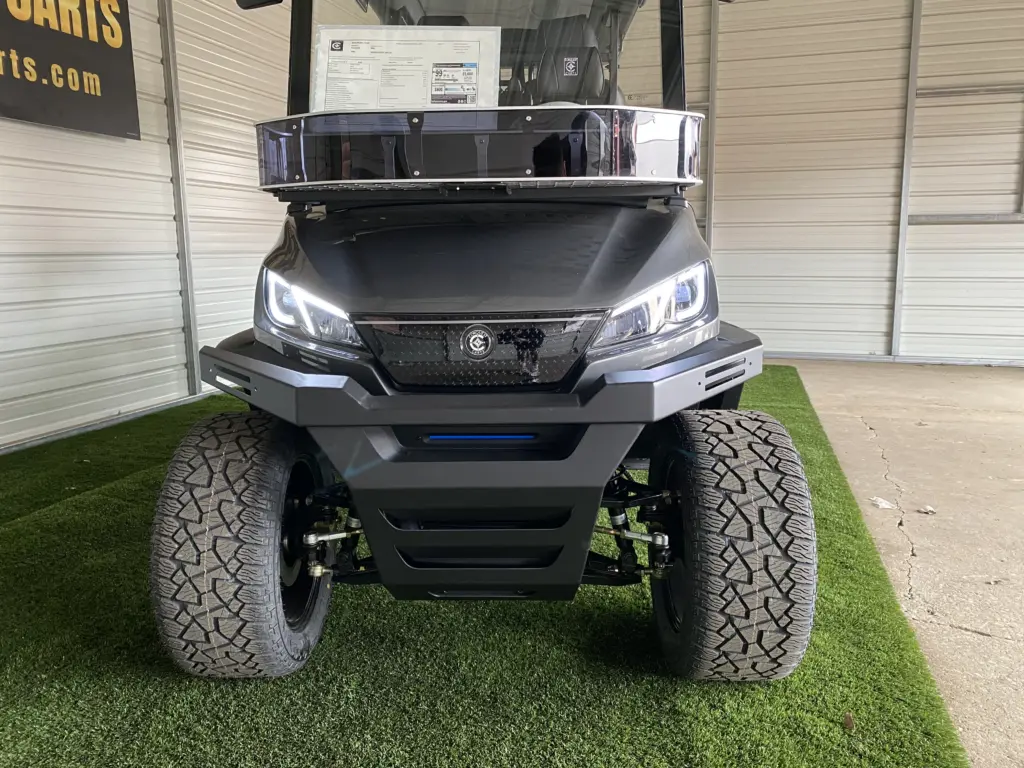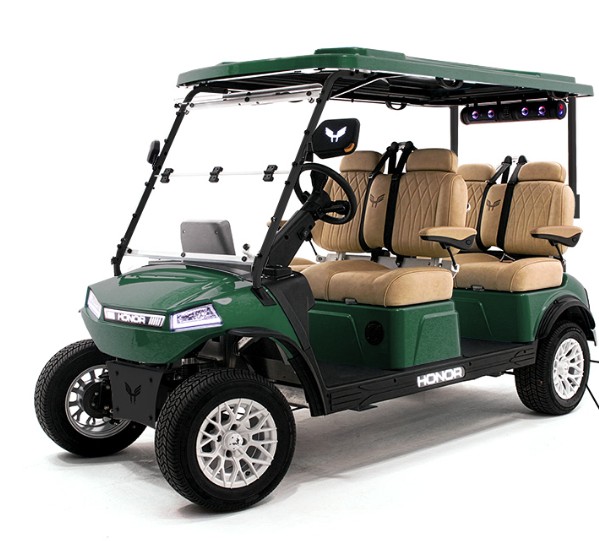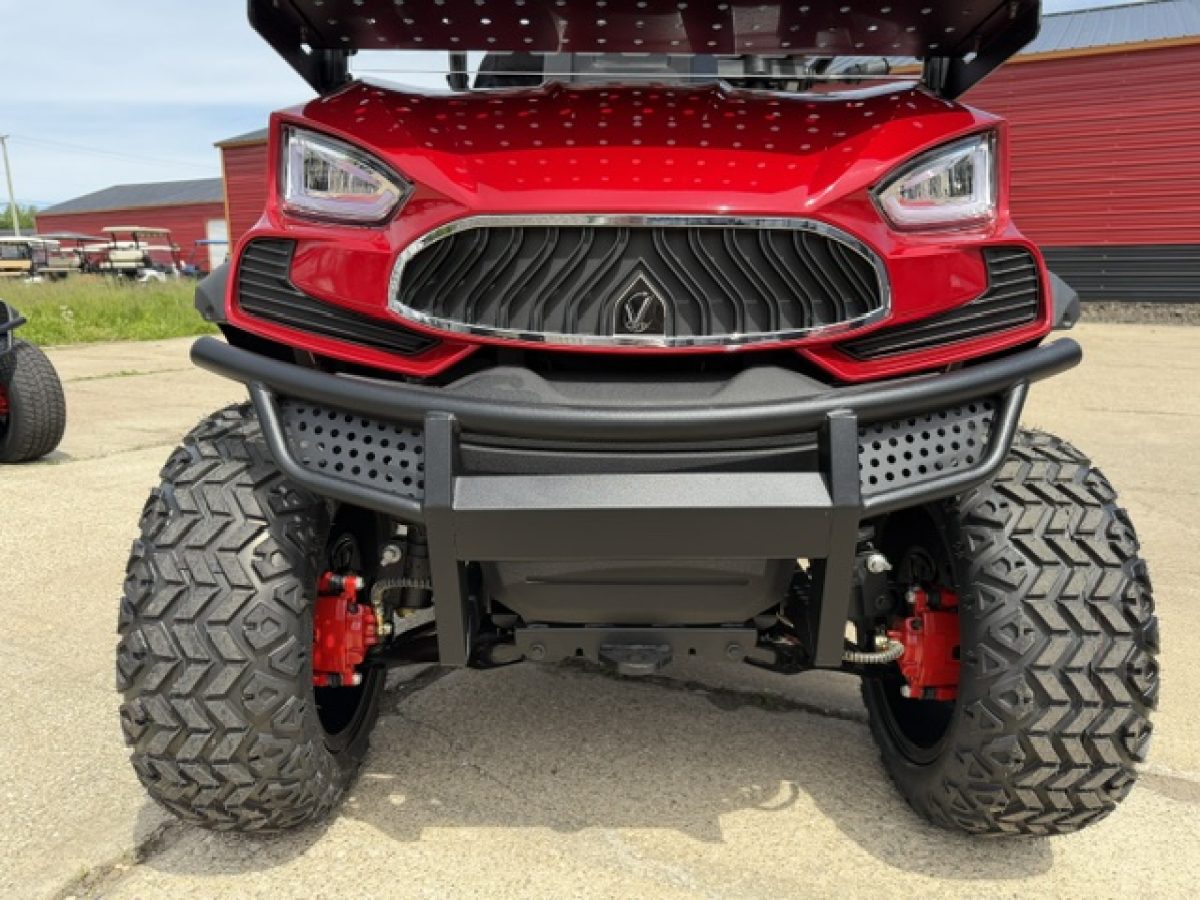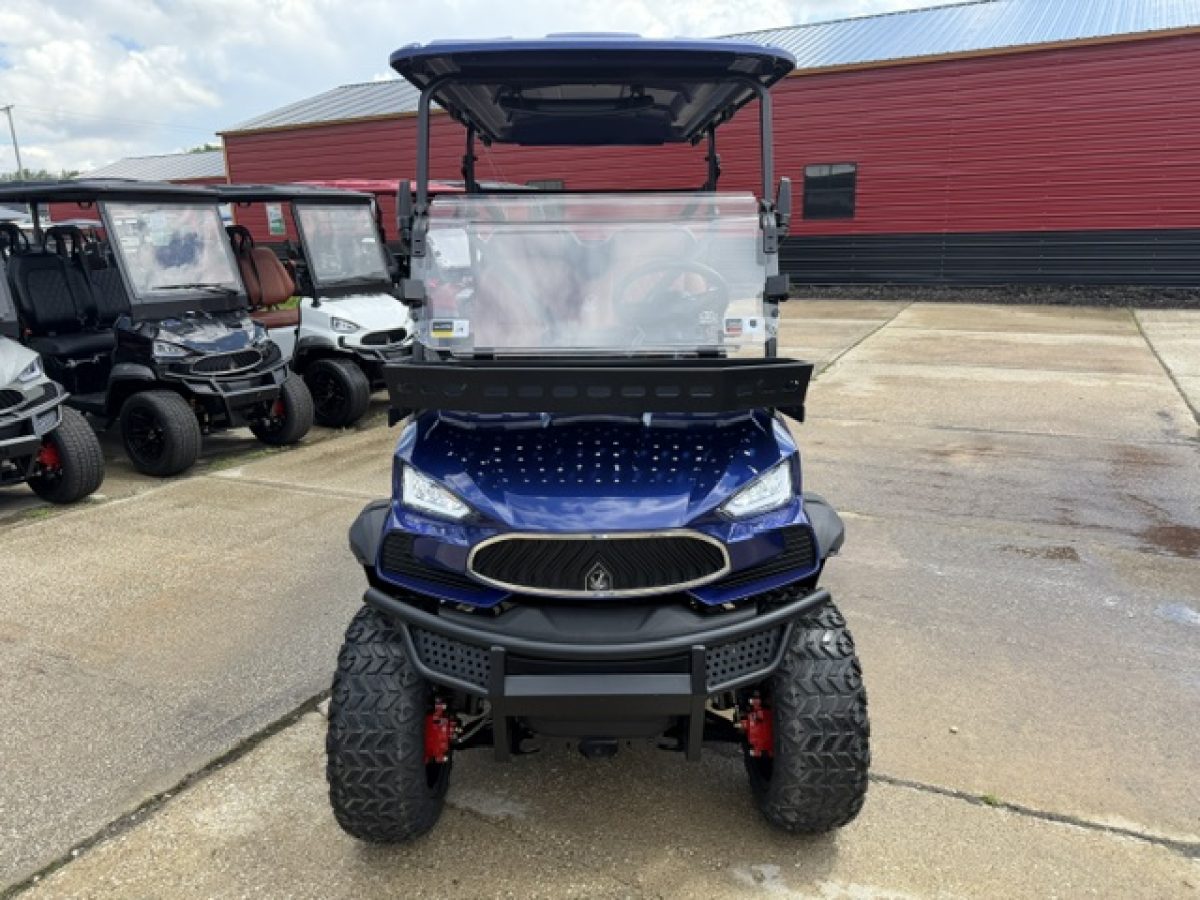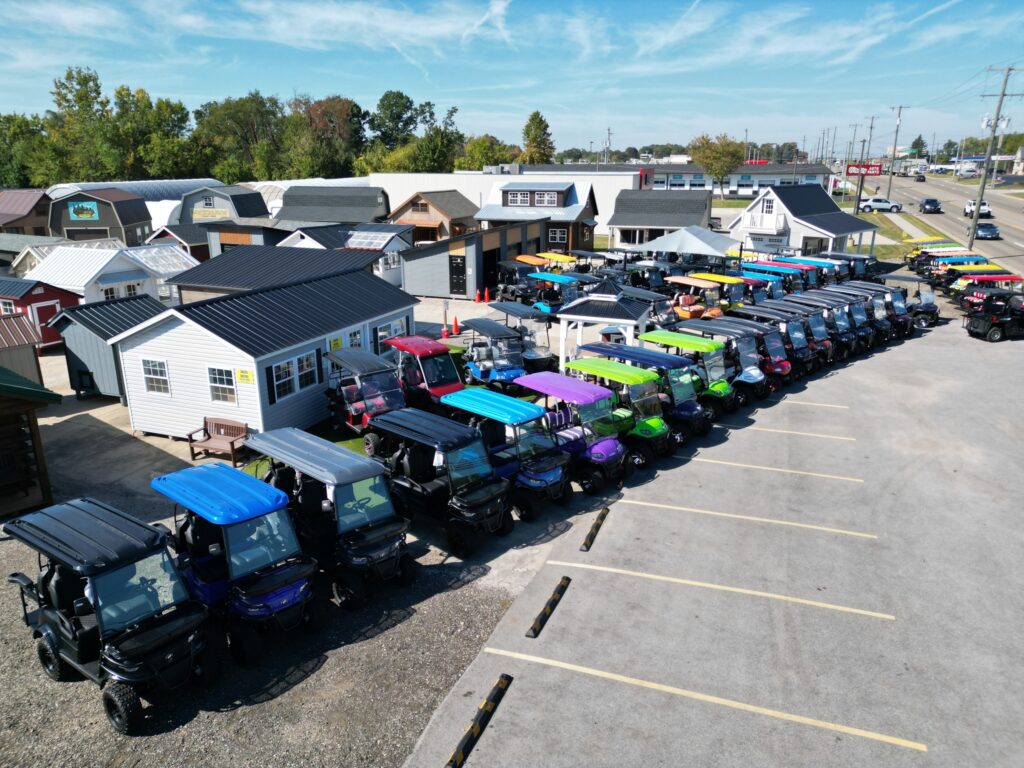

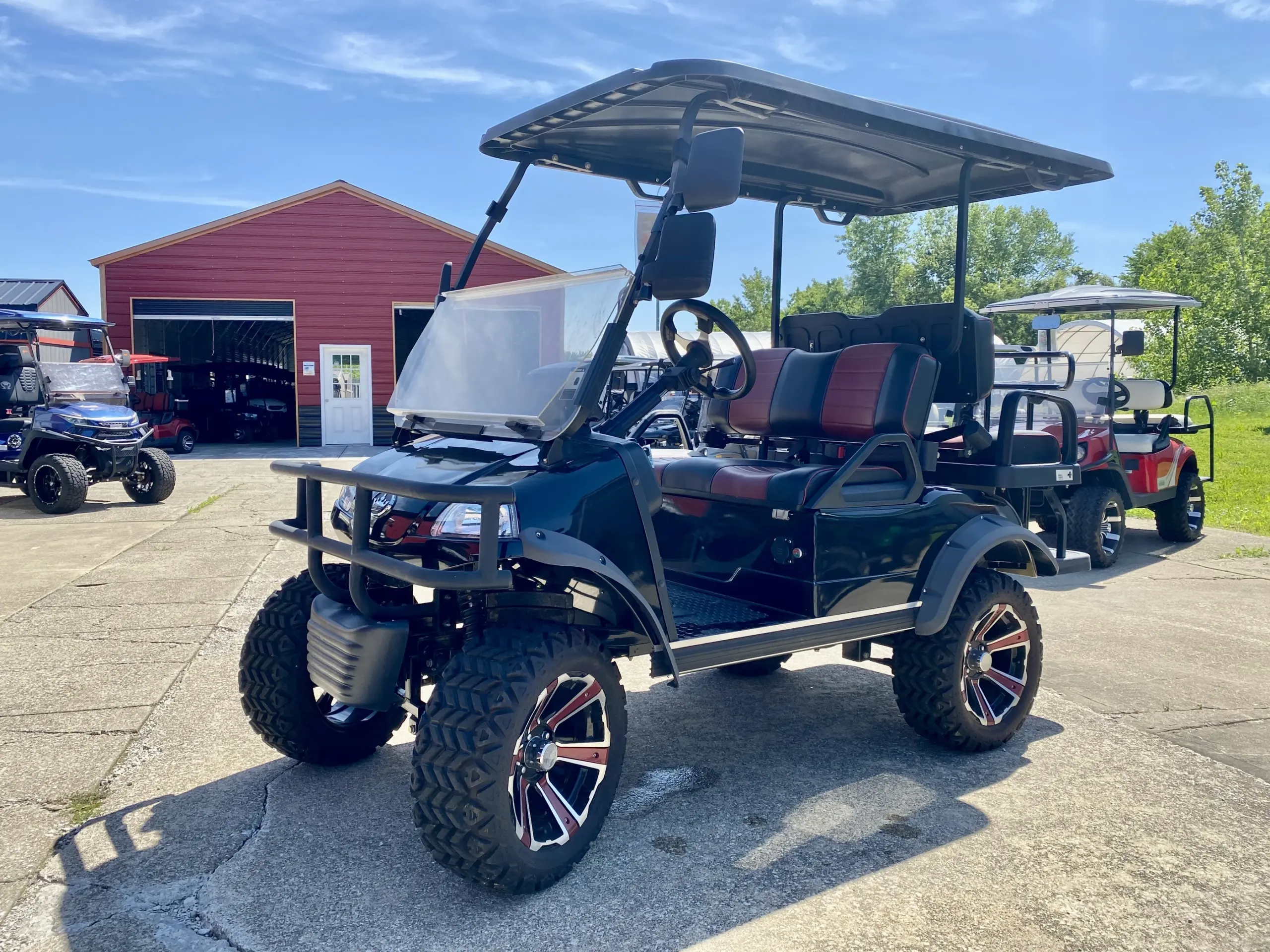
One of the most common questions buyers ask before purchasing an electric golf cart is what is the range of an electric golf cart. The answer depends on several factors, including battery type, terrain, passenger load, driving habits, and weather conditions. Most modern electric golf carts travel between 20 and 50 miles on a single charge, while premium lithium-powered models can sometimes exceed that distance. Understanding what affects driving range helps owners choose the right golf cart for neighborhoods, campgrounds, golf courses, resorts, and everyday transportation. A realistic expectation of range also makes charging easier to plan and prevents unexpected interruptions during daily use.
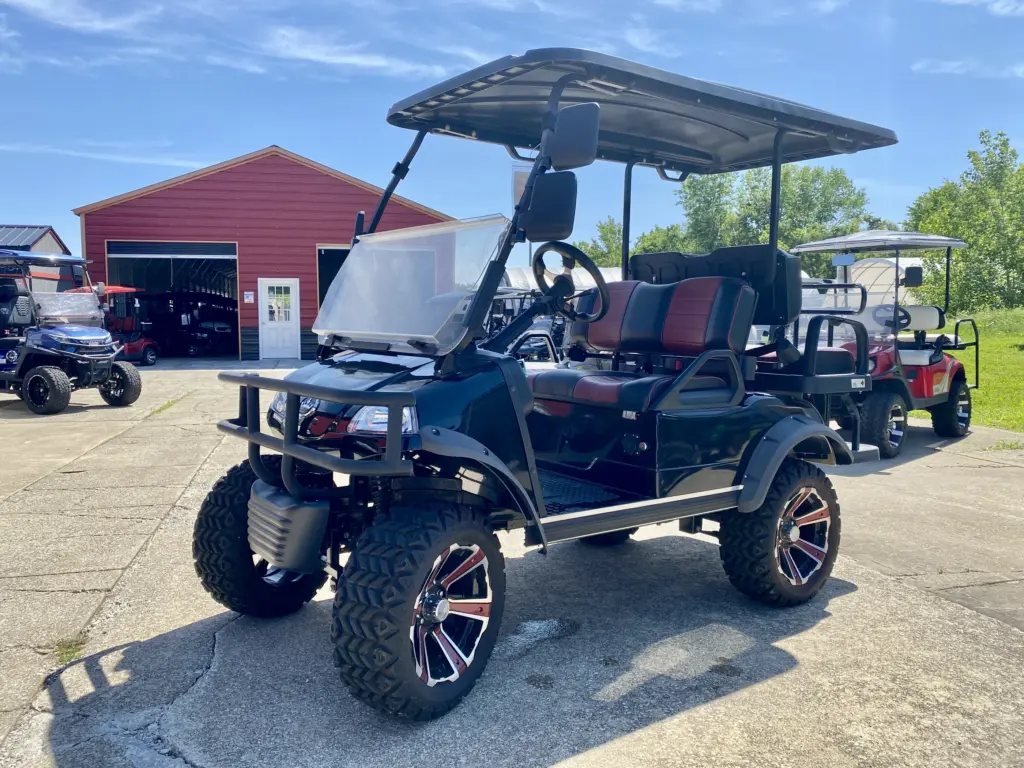
Average Range Of A Standard Electric Golf Cart
The average electric golf cart equipped with traditional lead-acid batteries usually travels between 20 and 30 miles on a full charge. Modern lithium-powered golf carts often increase that distance to between 35 and 50 miles, depending on battery capacity and driving conditions. Manufacturers publish estimated ranges based on ideal conditions, but real-world performance may vary. Smooth pavement, moderate speeds, and light passenger loads generally produce the best results. Hills, rough terrain, and frequent acceleration can reduce the total distance. When people ask what is the range of an electric golf cart, they often expect one fixed number. In reality, range changes with how the cart is driven and maintained. Choosing a cart with a larger battery pack provides additional flexibility for longer trips without frequent charging.
Battery Type Makes The Biggest Difference
Battery technology has the greatest influence on driving range. Lead-acid batteries remain common because they cost less initially, but they are heavier and store less usable energy. Lithium batteries deliver more energy while weighing significantly less. This combination improves efficiency and allows the cart to travel farther on every charge. Lithium batteries also maintain a steadier voltage throughout the drive, which keeps performance more consistent until the battery reaches a low charge level. They recharge faster and require much less maintenance than lead-acid batteries. Although lithium-powered golf carts often cost more upfront, many owners choose them because the longer range and lower maintenance costs offset the higher purchase price over time.
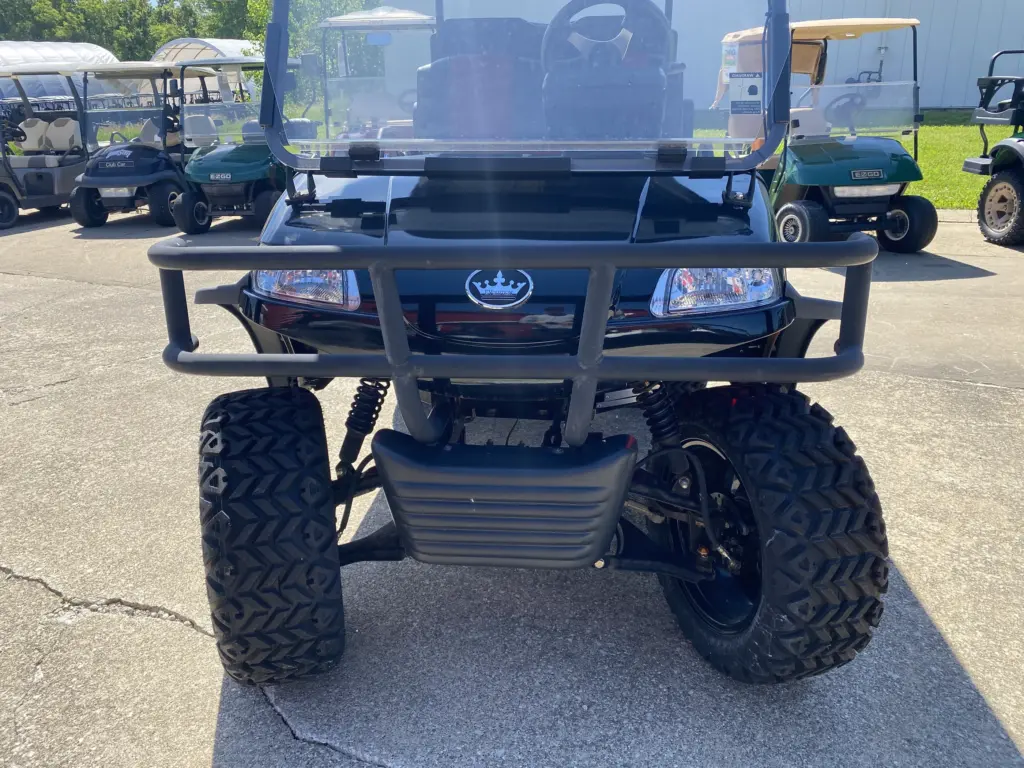
Terrain And Driving Conditions Affect Range
The surface you drive on plays a major role in determining how far an electric golf cart can travel. Flat paved roads require less power than steep hills, gravel paths, or rough trails. Frequent stops and starts also consume more battery power because the motor repeatedly accelerates the cart from a standstill. Driving at maximum speed for extended periods further reduces efficiency. By comparison, maintaining a steady speed on level ground allows the battery to last much longer. Weather also affects performance. Cold temperatures reduce battery efficiency, while extremely hot conditions may increase battery cooling demands. Understanding these conditions helps owners estimate their real-world driving range more accurately instead of relying only on manufacturer specifications.
Passenger Weight And Cargo Load
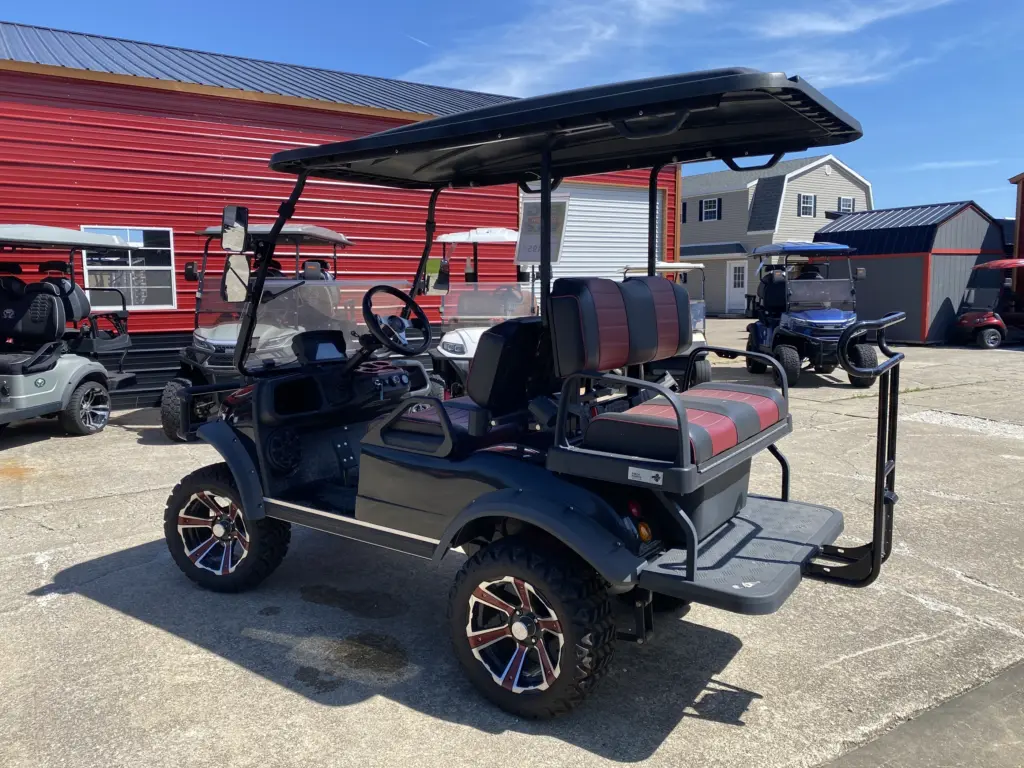
Every additional passenger or piece of cargo increases the amount of energy required to move the golf cart. A cart carrying two people will usually travel farther than the same cart carrying four adults and heavy equipment. Extra weight forces the electric motor to work harder during acceleration and when climbing hills. Larger lifted golf carts with oversized wheels also require more power because they weigh more and create additional rolling resistance. Owners who frequently transport passengers should consider purchasing a model with a larger lithium battery to maintain consistent driving range. Keeping unnecessary cargo out of the cart also helps improve efficiency during everyday use.
How Maintenance Improves Driving Range
Regular maintenance has a direct impact on how far an electric golf cart can travel on a single charge. Batteries perform best when they receive proper charging and routine care. Lead-acid batteries require regular watering with distilled water, while lithium batteries need very little maintenance but still benefit from proper charging habits. Tire pressure also plays an important role because underinflated tires increase rolling resistance and force the motor to use more energy. Dirty battery terminals, loose electrical connections, and worn tires can all reduce efficiency. Cleaning the cart, checking battery cables, and following the manufacturer’s maintenance schedule help maximize range. Small maintenance tasks performed consistently often produce better long-term results than expensive upgrades later.
Driving Habits That Extend Battery Life
The way you drive an electric golf cart affects both the driving range and the overall lifespan of the battery. Smooth acceleration uses less power than sudden starts. Maintaining a steady speed instead of constantly speeding up and slowing down helps conserve energy throughout the trip. Planning routes that avoid steep hills whenever possible also improves efficiency. Drivers who reduce unnecessary weight, avoid aggressive driving, and charge the battery before it becomes completely discharged often notice better overall performance. These simple habits do not require additional equipment, yet they can noticeably increase the number of miles you travel on each charge. Consistent driving techniques also reduce stress on the electric motor and other drivetrain components.
Choosing A Golf Cart With Longer Range
If long driving distance is one of your priorities, choosing the right golf cart from the beginning is important. Modern lithium-powered golf carts usually provide better range than comparable lead-acid models because they store more usable energy while weighing less. Battery capacity, motor efficiency, and controller design all influence real-world performance. Buyers looking for dependable long-range performance often consider the Denago EV Rover XL, which combines an efficient lithium battery system with modern engineering to provide excellent everyday driving performance. Comparing battery specifications instead of focusing only on purchase price often results in lower ownership costs and greater satisfaction over the life of the golf cart.
Can You Increase The Range Of An Existing Golf Cart?
Many owners wonder whether they can improve the range of a golf cart they already own. In many cases, the answer is yes. Replacing aging lead-acid batteries with a modern lithium battery system can significantly increase both driving distance and charging efficiency. Keeping the tires properly inflated, reducing unnecessary cargo, and replacing worn mechanical parts also help improve efficiency. Some owners upgrade controllers or motors, but these changes should match the battery system to avoid reducing reliability. Before making major modifications, it is wise to evaluate whether upgrading the current cart or purchasing a newer model offers better long-term value. Even simple maintenance improvements can restore much of the original driving range if the cart has been neglected.
Conclusion
Understanding what is the range of an electric golf cart helps buyers choose the right model for their lifestyle and transportation needs. Most electric golf carts travel between 20 and 50 miles on a full charge, with lithium-powered models generally delivering the longest range. Battery type, terrain, maintenance, driving habits, and passenger load all influence real-world performance. The U.S. Department of Energy Alternative Fuels Data Center offers valuable information about electric vehicle technology and battery efficiency that also applies to many electric golf carts. By selecting the right battery system and following good maintenance practices, owners can maximize driving distance while enjoying reliable performance. Hartville Golf Carts offers a wide selection of dependable electric golf carts designed to deliver excellent range, comfort, and everyday usability.