
Golf cart owners eventually grow tired of watering batteries, cleaning corrosion, and dealing with declining performance as lead-acid batteries age. That is why so many people search how to convert golf cart to lithium battery when replacement time arrives. A lithium conversion can reduce maintenance, improve acceleration, decrease charging time, and often increase battery lifespan significantly. However, converting a golf cart to lithium power involves more than simply swapping batteries. Owners must choose the correct battery capacity, verify voltage compatibility, evaluate charger requirements, and ensure the electrical system can support the new setup. While the process may seem intimidating at first, many golf cart owners complete lithium conversions and enjoy years of improved performance afterward. Understanding what the conversion involves helps owners decide whether the upgrade makes sense for their cart and driving habits.
Why Golf Cart Owners Upgrade To Lithium Batteries
Lead-acid batteries have powered golf carts for decades because they are affordable and widely available. However, they require regular maintenance and gradually lose performance as charge levels decrease. Many owners become frustrated by watering schedules, corrosion cleanup, and declining range after several years of use. Lithium batteries solve many of these concerns. They require virtually no watering, maintain a stronger voltage during operation, and generally charge faster than lead-acid systems.
According to Battery University, lithium battery technology offers higher energy efficiency and longer cycle life than traditional lead-acid batteries. These benefits explain why lithium conversions have become increasingly popular among golf cart owners.
Determine Whether Your Cart Is A Good Candidate
Most electric golf carts can be converted to lithium batteries, but compatibility should always be verified before purchasing components. Owners should identify the cart’s voltage system first. Common configurations include 36-volt and 48-volt setups, although other variations exist. The overall condition of the cart matters as well. Investing in a lithium conversion may not make sense if the motor, controller, or frame already requires major repairs. Many owners evaluate the entire vehicle before upgrading because a healthy cart allows them to enjoy the full benefits of modern battery technology for years to come.
Choose The Correct Lithium Battery System
Selecting the right battery system is one of the most important steps in the conversion process. Lithium batteries come in different capacities, discharge rates, and physical sizes. Choosing a battery that matches driving habits helps maximize value and performance. Owners who use golf carts primarily for short neighborhood trips may not require the same battery capacity as those driving across large properties or campgrounds daily. Higher-capacity batteries usually provide greater range but increase overall cost. Careful planning helps ensure the chosen system aligns with both budget and usage requirements.
Understand The Charger Requirements
One of the most common conversion mistakes involves charger compatibility. Lead-acid chargers operate differently from lithium chargers and are not always interchangeable. Using the wrong charger can reduce battery life or prevent proper charging altogether. Most lithium battery manufacturers recommend specific charging equipment designed to work with their battery management systems. Purchasing the correct charger as part of the conversion package often simplifies installation and protects the battery investment. Proper charging equipment also helps maintain long-term performance and reliability.
Remove The Existing Lead-Acid Batteries Safely
Before installing lithium batteries, owners must remove the old lead-acid battery pack carefully. Lead-acid batteries are extremely heavy and contain corrosive materials that require proper handling. Safety glasses and gloves should always be worn during removal. Battery cables should be disconnected methodically, and owners should document wiring locations before disassembly. Taking photos during removal often makes reinstallation easier later. Once removed, old batteries should be recycled through approved facilities rather than being discarded improperly. Responsible disposal protects both the environment and community safety.
Install The Lithium Battery And Components
After removing the original battery pack, the lithium battery system can be installed according to the manufacturer’s instructions. Because lithium batteries are significantly lighter, owners often notice how much extra space becomes available within the battery compartment. Installation typically includes mounting the battery securely, connecting wiring, integrating any required battery management components, and verifying all electrical connections. Careful attention during installation helps prevent electrical issues and ensures safe operation. Many lithium kits are designed specifically for golf carts, simplifying the process for owners and technicians alike.
Benefits You May Notice Immediately
Many owners report noticeable improvements shortly after completing a lithium conversion. Reduced vehicle weight often improves acceleration and efficiency. Faster charging means less downtime between uses. Consistent voltage delivery helps maintain stronger performance throughout the charge cycle. Unlike lead-acid batteries, lithium systems generally do not feel weak as the battery level decreases. Owners who drive frequently often appreciate the predictable performance and reduced maintenance demands. These improvements help explain why many people consider lithium one of the most impactful golf cart upgrades available.
Long-Term Cost Considerations
One reason some owners hesitate to convert is the higher upfront cost. Lithium batteries typically cost more than lead-acid replacements. However, long-term ownership costs often tell a different story. Longer lifespan and reduced maintenance can offset much of the initial investment over time. Owners should evaluate value based on years of service rather than purchase price alone. A battery that lasts significantly longer while requiring less maintenance may ultimately provide better financial value. Understanding this long-term perspective helps buyers make more informed decisions.
Modern Golf Carts And Lithium Technology
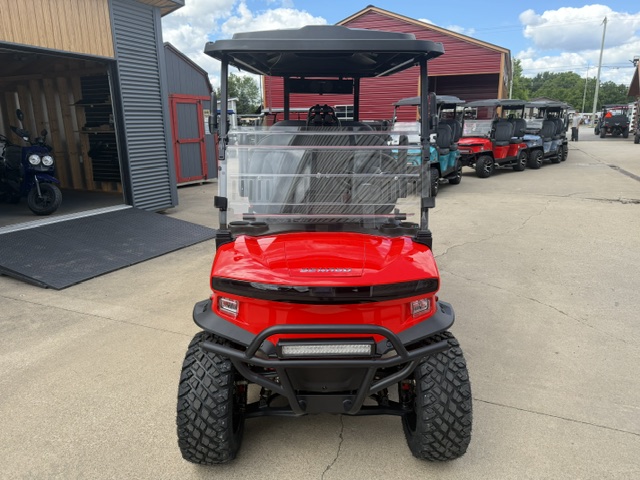
Many modern electric golf carts are already designed with advanced battery systems in mind. Newer vehicles often take advantage of lithium technology to provide a stronger range, faster charging, and improved overall efficiency. Buyers shopping for electric golf carts increasingly prioritize battery technology when comparing models.
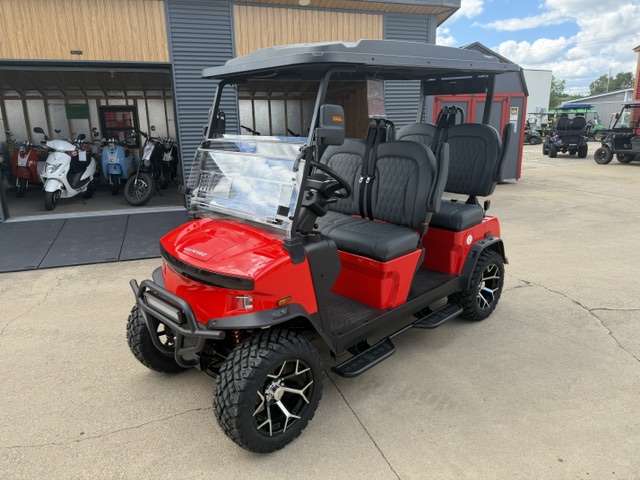
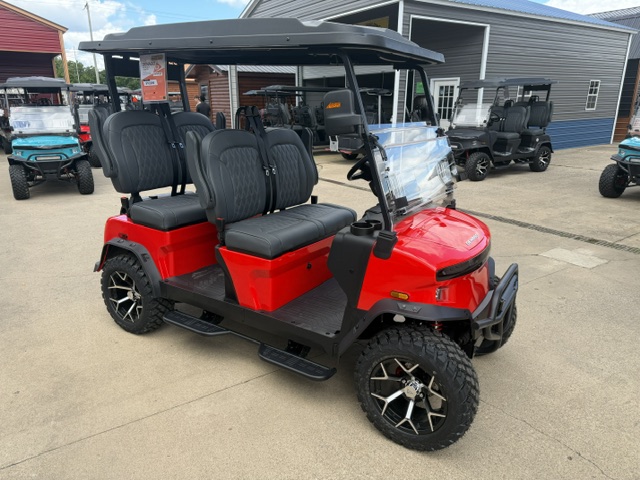
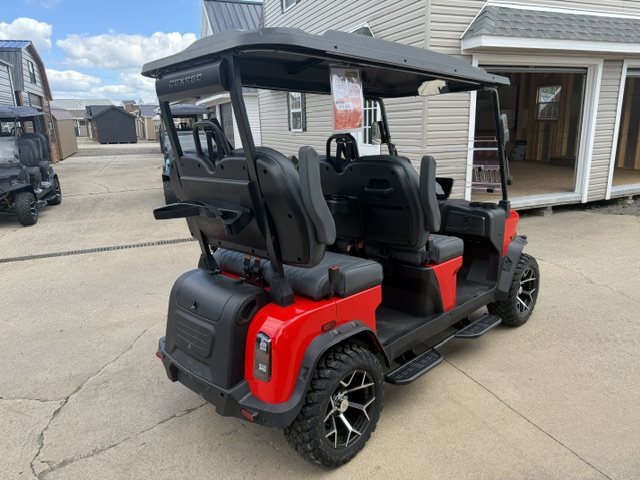
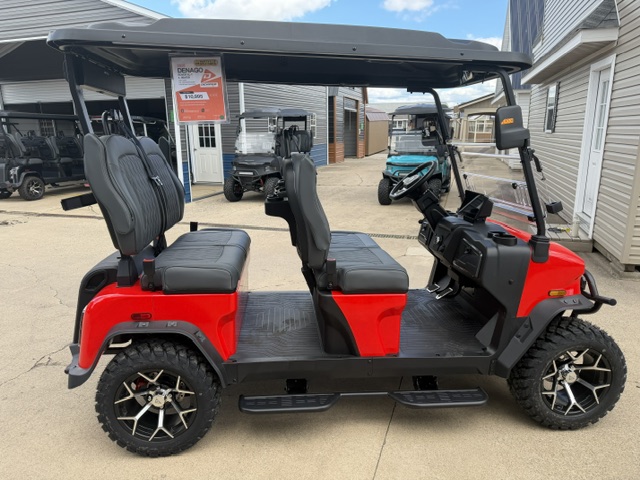
Drivers interested in modern electric performance sometimes explore options such as the Denago EV Rover XL, which reflects the industry’s movement toward more efficient electric transportation. Owners considering battery upgrades may also benefit from learning how long to charge golf cart batteries because charging practices directly influence battery health.
Conclusion
Learning how to convert golf cart to lithium battery helps owners understand both the opportunities and responsibilities involved in upgrading their electric carts. A successful conversion can reduce maintenance, improve performance, shorten charging times, and provide longer battery life. However, choosing the correct battery system, charger, and installation approach remains critical for achieving the best results. Owners who evaluate their needs carefully often find that lithium technology delivers meaningful long-term benefits. For drivers exploring modern electric golf carts and advanced battery-powered transportation, Hartville Golf Carts offers dependable models designed for performance, efficiency, and everyday usability.