
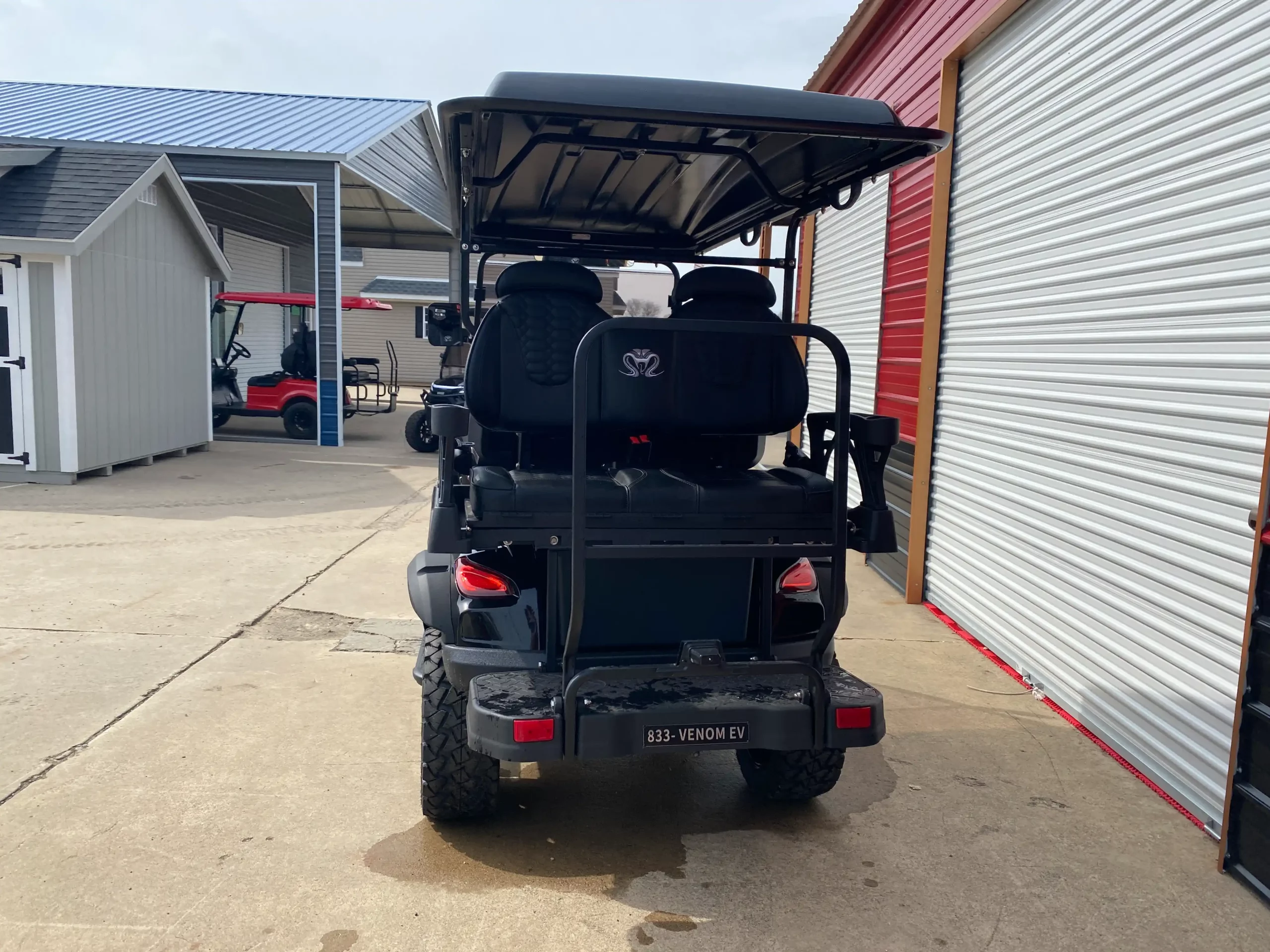
Golf carts may look small compared to regular vehicles, but many owners are surprised when they learn how much these vehicles actually weigh. That is why buyers frequently search how heavy is a golf cart before transporting one on a trailer, storing it inside a garage, or choosing between electric and gas models. In most cases, a standard golf cart weighs between 900 and 1,200 pounds, although lifted carts, six-passenger models, utility vehicles, and lithium-powered setups can weigh much more or much less depending on configuration. Battery type plays a major role because traditional lead-acid batteries add substantial weight compared to modern lithium systems. Passenger capacity, cargo beds, oversized tires, and street-legal equipment also affect total weight significantly. Understanding golf cart weight helps owners choose the correct trailer, avoid towing problems, improve battery efficiency, and select a model that fits their actual lifestyle needs instead of simply focusing on appearance alone.
Standard Golf Cart Weight Range
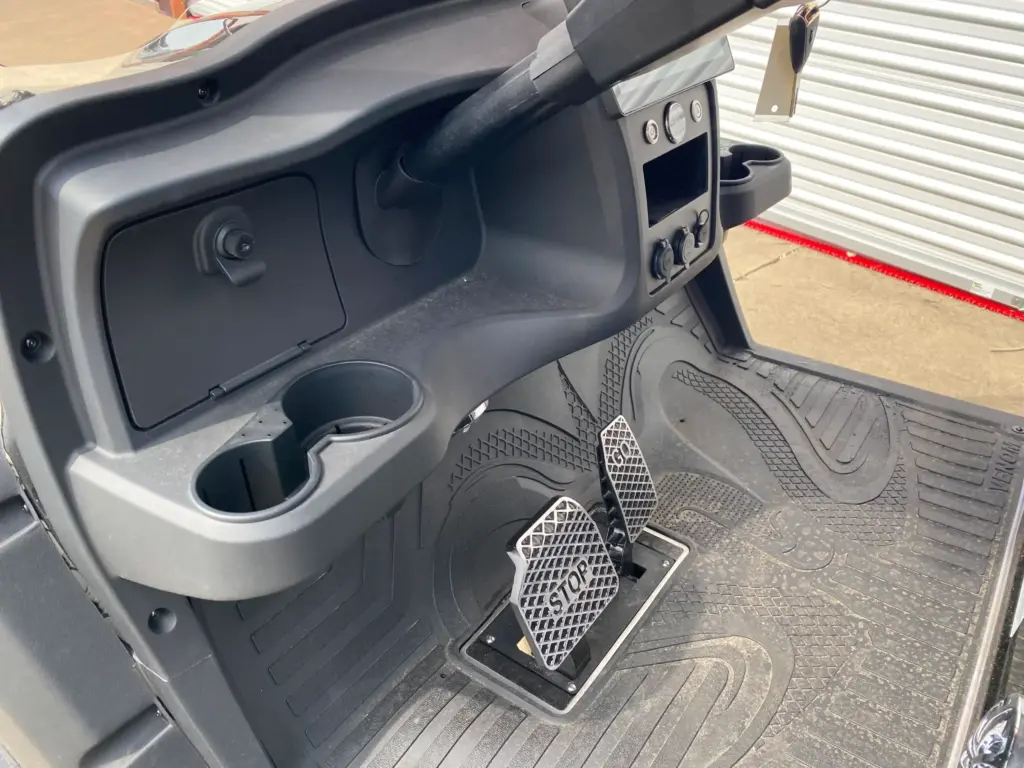
Most traditional two-passenger golf carts weigh between 900 and 1,100 pounds before passengers or cargo are added. Electric carts usually weigh slightly more than gas carts because battery packs add significant mass underneath the seats. Gas-powered carts often weigh slightly less overall, although engine size and fuel systems still contribute considerable weight. Manufacturers originally designed golf carts to remain lightweight enough for golf-course use while still carrying passengers, golf bags, and small equipment safely. Lower weight helps protect turf surfaces and improves maneuverability around narrow pathways and parking areas. However, modern golf carts are often used far beyond golf courses today. Larger passenger seating, upgraded suspension systems, cargo accessories, and luxury features have gradually increased overall vehicle weight compared to older basic golf-course models.
Battery Type Changes Weight Dramatically
Battery configuration is one of the biggest factors affecting golf cart weight. Traditional lead-acid battery packs are extremely heavy because multiple large batteries are required to power the vehicle. A full lead-acid battery setup alone may weigh several hundred pounds, depending on voltage and battery size. Lithium battery systems have become increasingly popular partly because they weigh much less while delivering strong performance and a longer lifespan. Many owners switching from lead-acid to lithium immediately notice better acceleration, smoother handling, and improved driving range because the cart carries less overall weight.
According to Battery University, lithium battery systems provide higher energy density than traditional lead-acid batteries. That efficiency allows manufacturers to reduce overall battery weight significantly without sacrificing performance or usable driving range.
Passenger Capacity Increases Total Weight
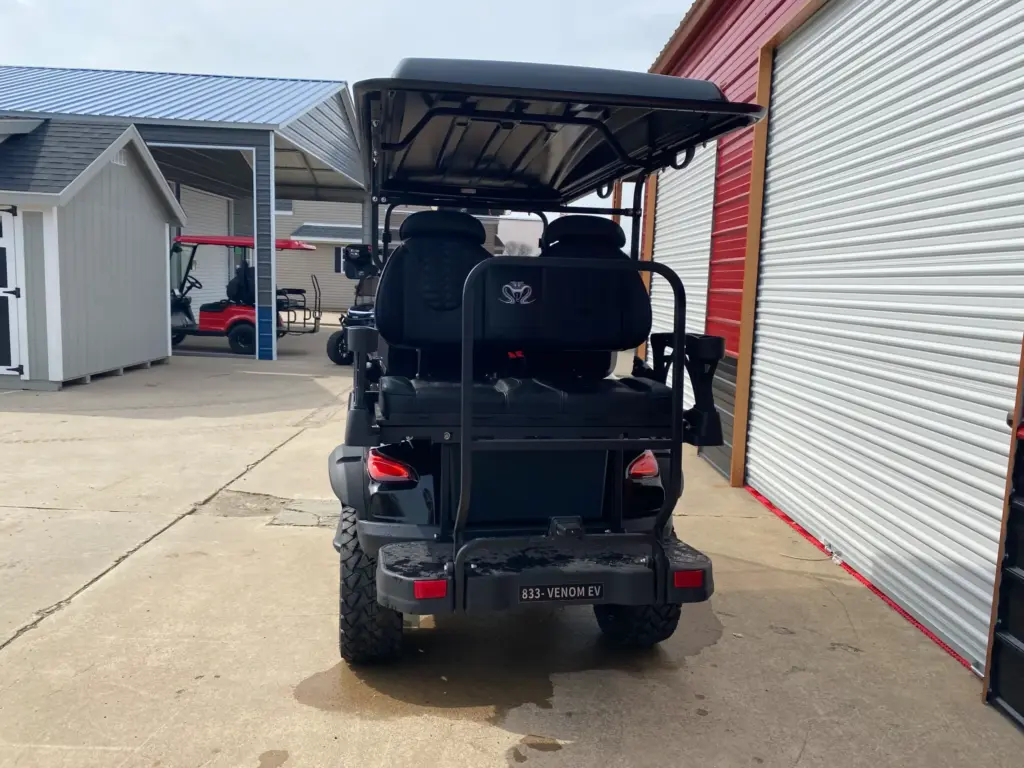
Passenger seating capacity affects golf cart weight quickly because larger frames require stronger suspension systems and additional structural support. Two-passenger carts remain the lightest option, while four-passenger and six-passenger models become considerably heavier. Longer frames, larger roofs, reinforced rear seating, and extra tires all contribute additional weight as passenger capacity grows. Families often prefer larger carts for campground transportation or neighborhood driving, but bigger carts naturally place more demand on batteries, tires, brakes, and trailers. Buyers planning to transport golf carts regularly should think carefully about passenger needs before purchasing oversized models. Choosing unnecessary seating capacity sometimes creates towing and storage challenges that owners did not initially expect.
Lift Kits And Oversized Tires Add Weight
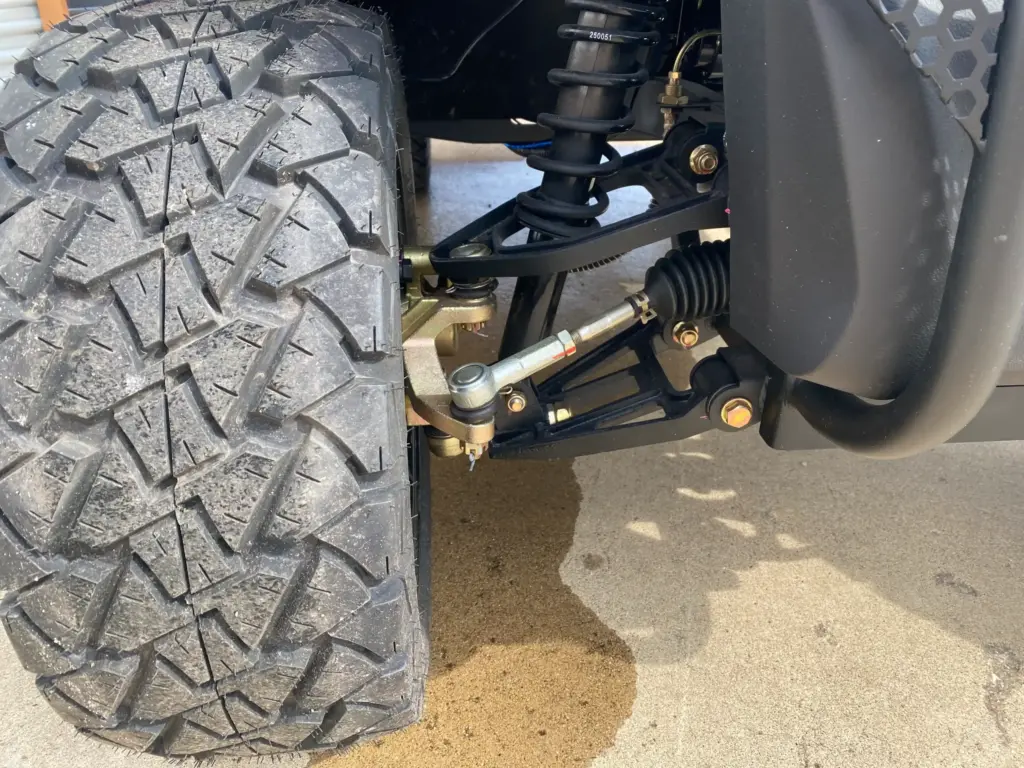
Lifted golf carts continue growing in popularity because they provide more aggressive styling and additional ground clearance. However, lift kits, oversized tires, aftermarket wheels, and upgraded suspension components all increase vehicle weight noticeably. Larger tires also create more rolling resistance, which may reduce battery efficiency slightly during everyday driving. Heavy wheel setups sometimes place additional strain on steering systems and suspension components if not matched carefully with the cart’s intended use. Many owners focus heavily on appearance upgrades without considering how additional weight affects acceleration, braking, and range. Practical modifications usually create a better everyday driving experience than extreme builds designed mainly for visual impact.
Utility Golf Carts Are Much Heavier
Utility-focused golf carts designed for maintenance work, landscaping, farming, or property management often weigh much more than recreational neighborhood carts. Cargo beds, towing systems, reinforced frames, and heavy-duty suspension components increase the weight significantly. Some utility carts also include enclosed cabins, tool storage systems, or hydraulic dump beds that add even more mass. These vehicles prioritize durability and hauling capability over lightweight maneuverability. Property owners using golf carts mainly for work applications often accept the extra weight because stronger construction improves practical utility. However, heavier carts may require larger trailers and stronger towing vehicles during transportation.
Street-Legal Equipment Adds Extra Mass
Street-legal golf carts and low-speed vehicles often weigh more because they include additional safety and comfort equipment. Windshields, mirrors, lighting systems, seat belts, upgraded bumpers, and roof structures all contribute extra weight. Some luxury neighborhood carts also include touchscreen displays, audio systems, storage compartments, and premium seating materials. While these upgrades improve comfort greatly, they also increase total vehicle mass gradually. According to the National Highway Traffic Safety Administration, vehicle weight influences handling, stopping behavior, and overall driving stability. Golf cart owners planning public-road use should consider these factors carefully when adding heavy accessories or performance upgrades.
Trailer Selection Depends On Golf Cart Weight
Golf cart weight becomes extremely important during transportation. Many buyers underestimate trailer requirements and later discover their setup cannot safely handle the combined cart and cargo weight. Standard utility trailers may work perfectly for basic two-passenger carts, but struggle with lifted or six-passenger models. Owners should also consider the weight of accessories, coolers, tools, and passengers during transport planning. Tongue weight and trailer balance affect towing safety significantly, especially during highway driving. Measuring trailer capacity carefully before purchase helps owners avoid unsafe towing situations and unnecessary equipment upgrades later.
Weight Affects Battery Efficiency And Speed
Heavier golf carts generally require more energy during acceleration and hill climbing. Extra weight places more demand on electric motors and battery systems, which may reduce driving range slightly during everyday use. Lightweight lithium-powered carts often feel more responsive because reduced mass allows the motor to work more efficiently. Smaller carts also tend to handle tighter turns and braking situations more smoothly than oversized utility-focused models. However, heavier carts sometimes provide better ride stability because additional weight helps smooth rough terrain slightly. The ideal balance depends heavily on how the golf cart will actually be used day to day.
Modern Golf Carts Balance Weight Better
Modern golf cart manufacturers now design frames and battery systems much more efficiently than older models. Stronger, lightweight materials and lithium technology help newer carts maintain good durability without becoming unnecessarily heavy. Drivers exploring practical neighborhood-ready models often consider options like the Evolution D-MAX XT4 Golf Cart because newer designs combine passenger comfort, modern battery efficiency, and manageable everyday weight more effectively than older oversized setups. Better engineering allows many modern carts to feel more stable, responsive, and efficient without sacrificing seating capacity or comfort.

Conclusion
Understanding how heavy is a golf cart helps buyers choose the right trailer, battery setup, storage plan, and overall vehicle configuration more confidently. Most standard golf carts weigh between 900 and 1,200 pounds, but passenger capacity, battery type, lift kits, cargo accessories, and street-legal equipment can change that significantly. Lithium batteries often reduce overall weight compared to traditional lead-acid systems, while larger utility carts naturally become much heavier. Buyers who think realistically about transportation, storage, and daily driving needs usually make smarter long-term decisions. For drivers looking for dependable golf carts designed around practical performance, comfort, and modern efficiency, Hartville Golf Carts offers reliable models built for long-term usability and convenience.