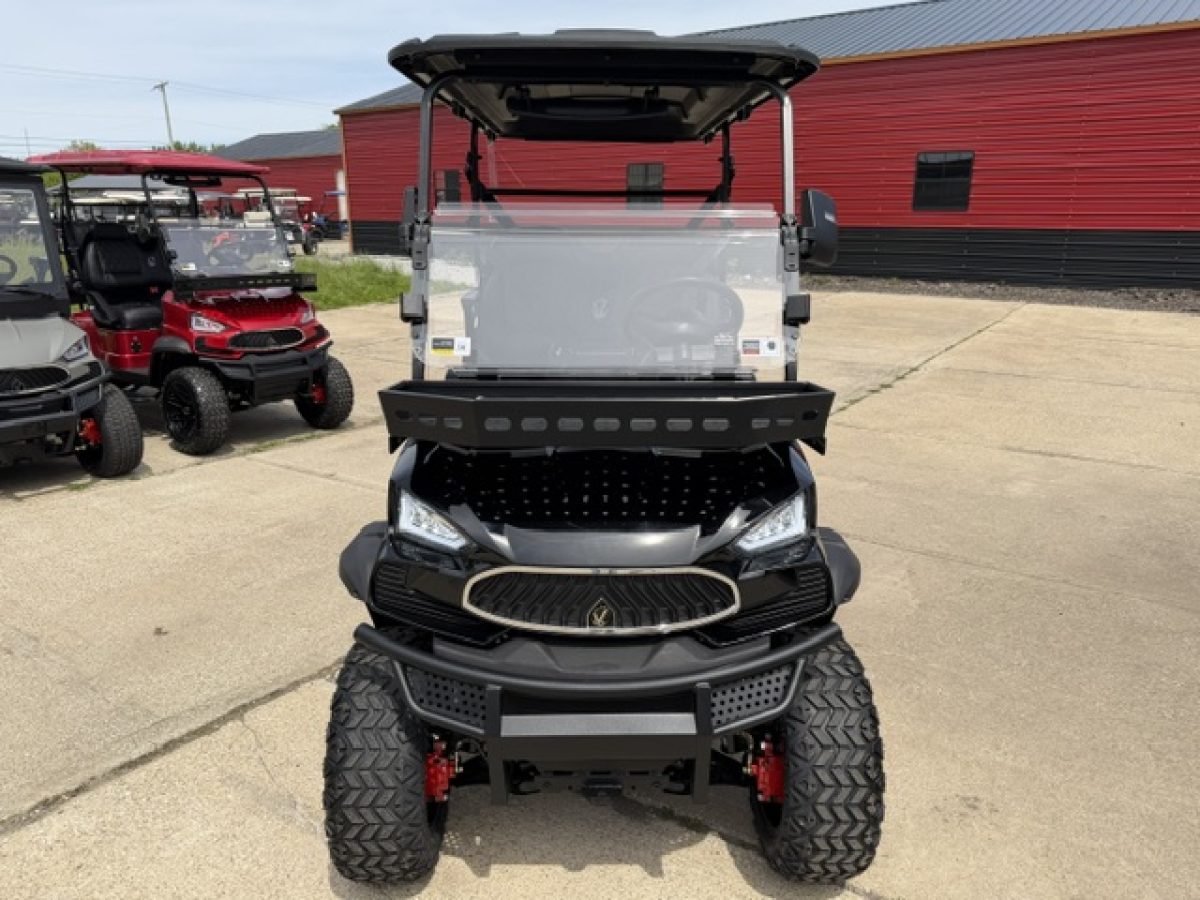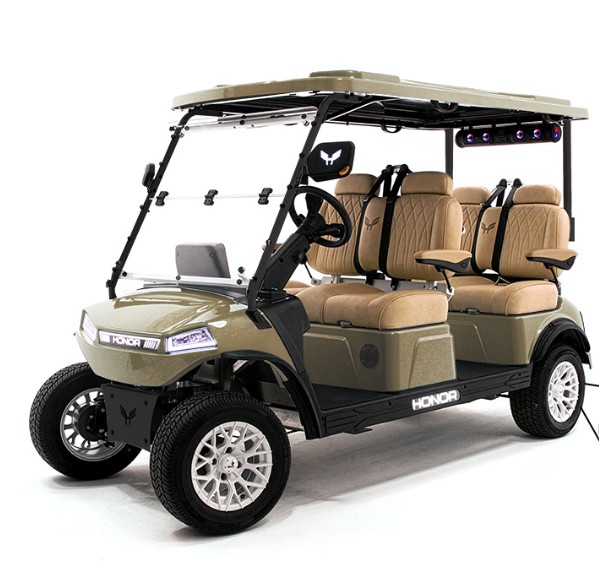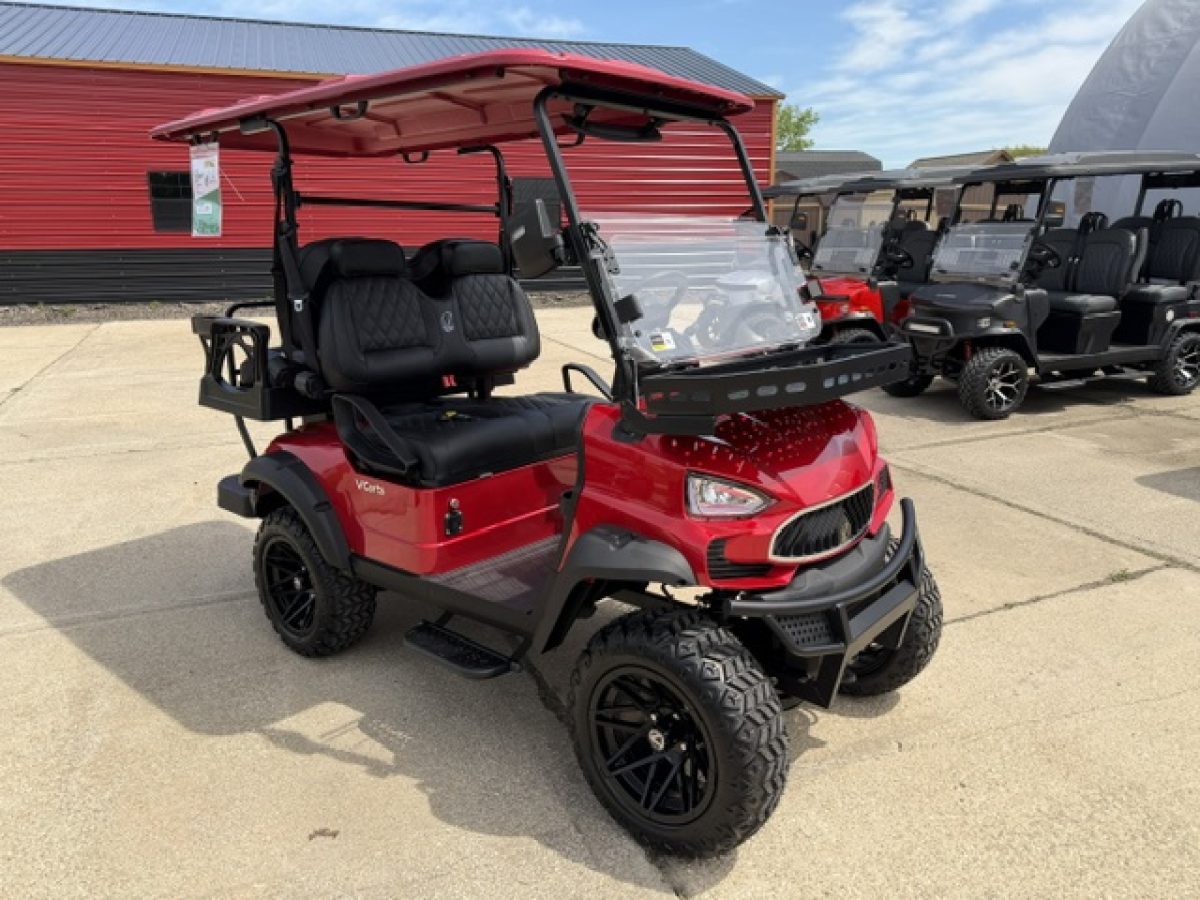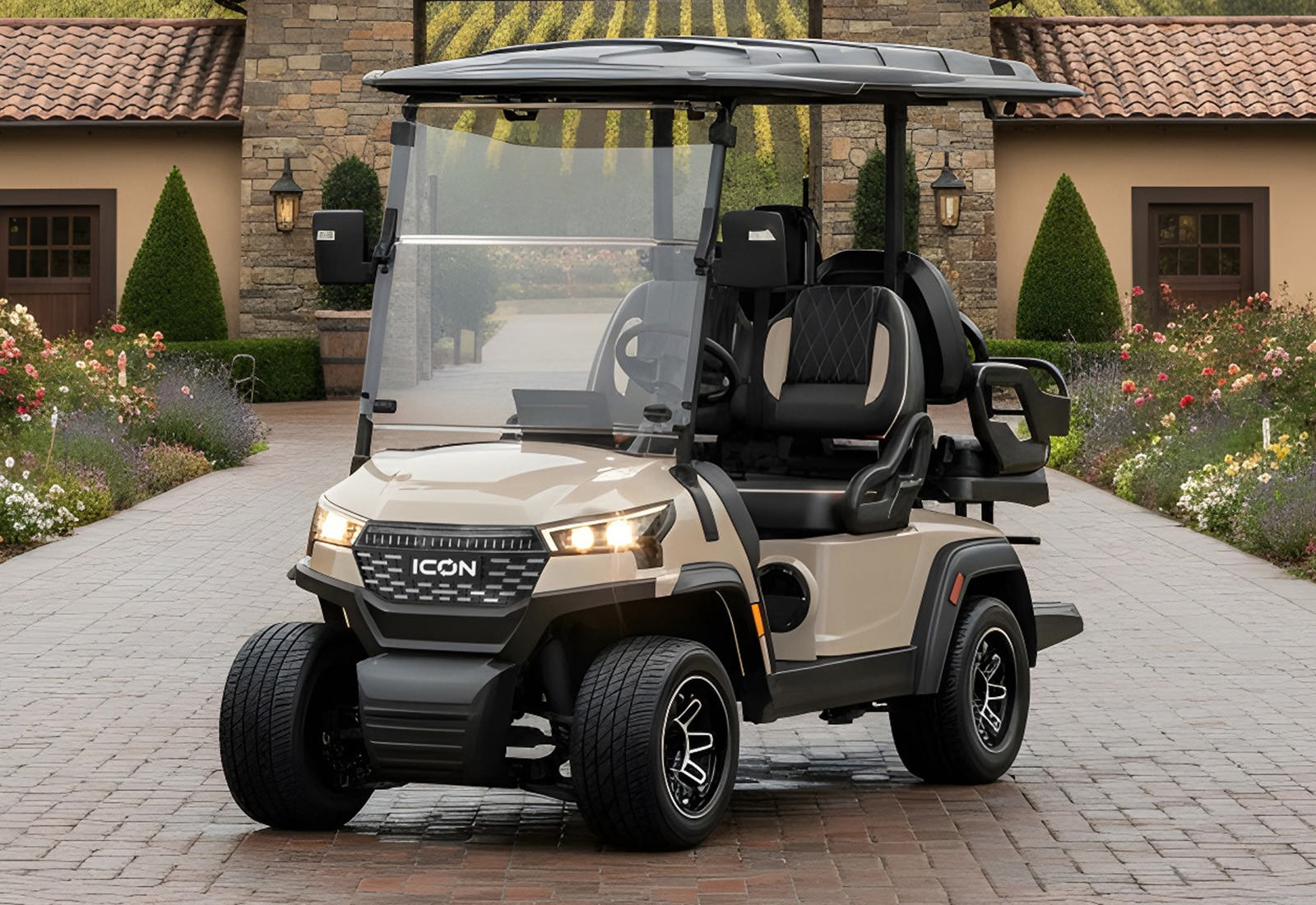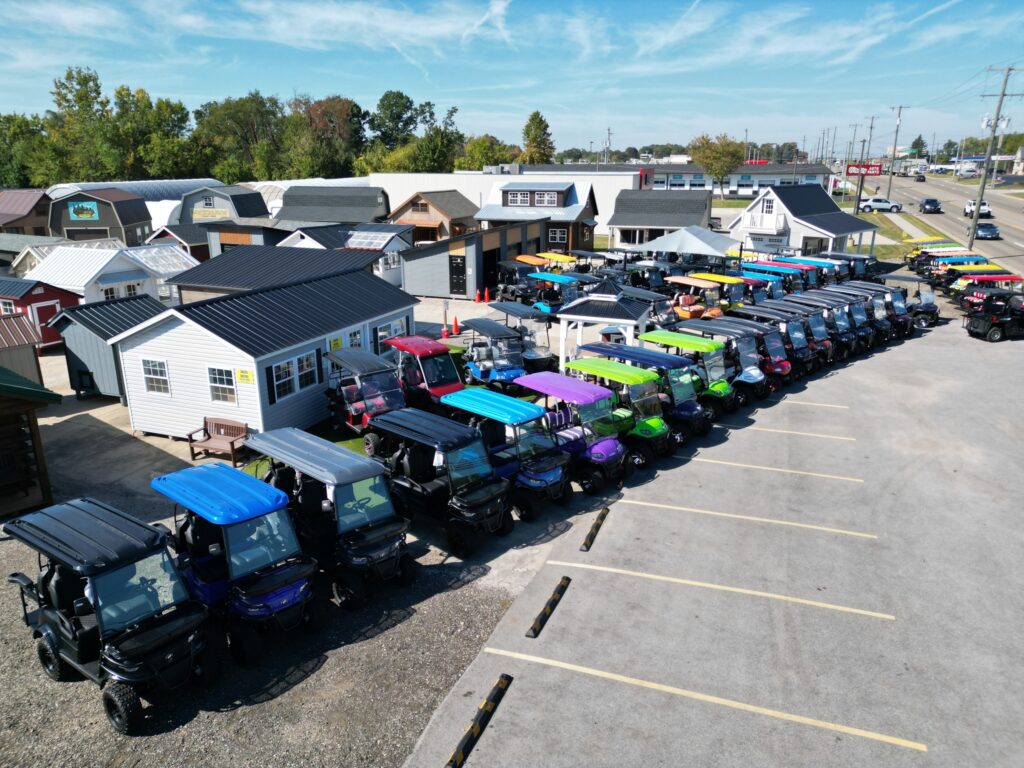

Golf cart ownership has expanded far beyond golf courses, which is why more buyers now ask do golf carts need titles before purchasing one. Some people use golf carts for neighborhood transportation, campground travel, private property driving, or even street-legal commuting in certain areas. Because of that, ownership rules have become more complicated than many buyers expect. In some states, golf carts can be bought and sold using only a bill of sale. In others, titles become necessary once the cart is registered for public road use as a low-speed vehicle. The answer depends heavily on local laws, how the cart will be used, and whether it qualifies for road registration. Buyers who understand title requirements early avoid registration problems, resale issues, and ownership disputes later.
Why Golf Carts Often Skip Traditional Titles
Many golf carts were originally built only for golf course transportation and private property use. Since they were not intended for highways or standard vehicle traffic, states often treated them differently from passenger cars and trucks. Because of that, many basic golf carts were sold without formal vehicle titles for decades.
Even today, thousands of golf carts change owners every year, using only simple paperwork such as a bill of sale or manufacturer invoice. This surprises many first-time buyers because they expect every motorized vehicle to come with a title automatically. In reality, title requirements usually depend on whether the cart remains private-property transportation or becomes a street-legal vehicle later.
When A Golf Cart Needs A Title
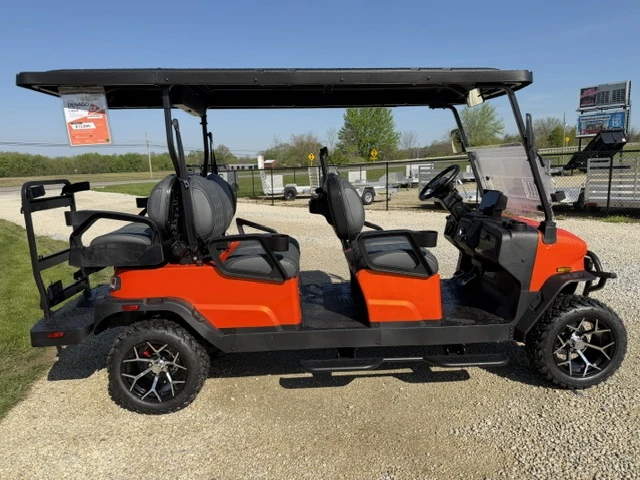
A golf cart may need a title once it qualifies as a low-speed vehicle for public road use. This usually happens after owners install safety equipment such as headlights, brake lights, mirrors, turn signals, seat belts, and windshields. Once registered for road use, many states begin treating the cart more like a regular motor vehicle.
At that point, the state may require registration documents, VIN verification, insurance paperwork, and official ownership records. Some states issue actual titles for low-speed vehicles, while others follow separate registration systems. Buyers planning to drive on public streets should always verify state requirements before purchasing a golf cart that lacks ownership documentation.
How State Laws Change The Rules
State law is the biggest factor determining whether golf carts need titles. Some states maintain relaxed rules for private-property carts, while others regulate them more aggressively once they enter public spaces. Even counties and cities may create additional requirements for golf cart communities and neighborhood transportation programs.
A golf cart used only inside a gated campground may never require titling at all. The same cart could require registration and ownership records if driven on designated public roads nearby. According to USA.gov motor vehicle resources, registration and title rules vary by state and should always be confirmed locally before purchase or modification.
Why Bills Of Sale Matter So Much
Even when titles are not legally required, ownership paperwork still matters. A properly written bill of sale helps protect both buyers and sellers during private transactions. The document should include names, addresses, serial numbers, purchase dates, and agreed pricing information.
Many buyers underestimate how important this paperwork becomes later during resale, insurance applications, or theft disputes. Without written proof of ownership, proving where the cart came from can become difficult. Buyers should also inspect serial numbers carefully and verify that identification plates have not been removed or altered.
Street-Legal Golf Carts Usually Require More Paperwork
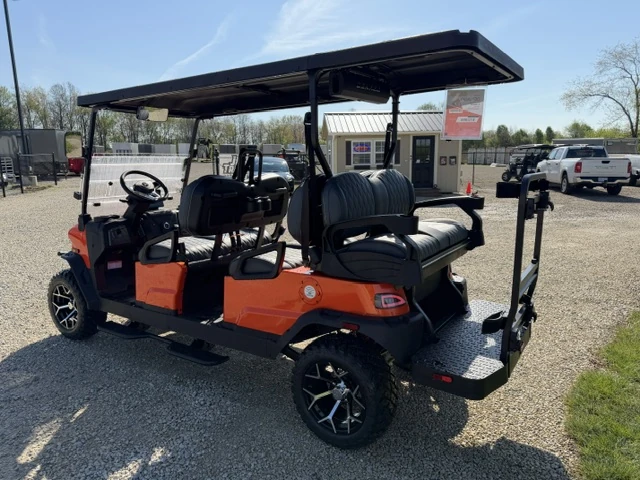
Street-legal golf carts operate under stricter rules because they share roads with regular traffic. Many states classify these carts as low-speed vehicles, often called LSVs. Once that happens, owners may face title, registration, insurance, and inspection requirements similar to other road vehicles.
Some buyers become frustrated after purchasing a modified cart privately because they later discover missing paperwork prevents legal registration. That is why buyers interested in public-road driving should always ask about VINs, registration history, and compliance documentation before purchasing a cart intended for street use.
Financing And Insurance Can Affect Title Requirements
Lenders and insurance companies sometimes create documentation requirements even when state laws remain flexible. Financing companies often want proof of ownership before approving loans for higher-value golf carts. Insurance providers may also request serial numbers, registration records, or title documents, depending on how the cart will be used.
Neighborhood carts used occasionally on private property may face fewer paperwork requirements than carts regularly driven on public streets. Buyers should think about financing and insurance early because ownership documentation often becomes important during those processes.
Buying From A Dealer Versus A Private Seller
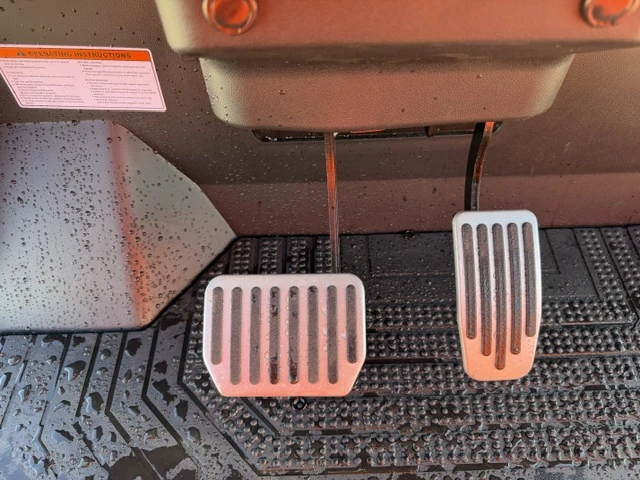
Dealership purchases usually provide more organized ownership documentation than private sales. Dealers often help buyers understand local registration requirements and provide manufacturer paperwork, serial-number records, and purchase documentation automatically. Private sellers may only provide handwritten bills of sale or older maintenance records.
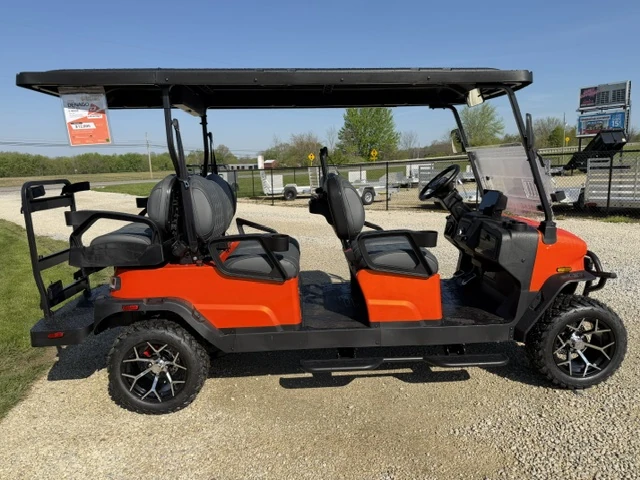
Buyers looking for dependable neighborhood-ready models often explore options like the Denago EV Rover XL because reputable dealers typically make the ownership process easier and more transparent. Organized paperwork becomes especially valuable when reselling or registering the cart later.
How To Avoid Ownership Problems Later
The best way to avoid future problems is to collect complete documentation during the original purchase. Buyers should save bills of sale, manufacturer paperwork, maintenance records, and any registration documents together in one place. Taking photos of serial numbers and identification plates also helps protect ownership records.
Even in states where titles are unnecessary, ownership disputes can still happen. Organized paperwork simplifies resale, insurance claims, theft reporting, and future registration applications. Buyers who prepare carefully early usually avoid expensive complications later.
Conclusion
Whether golf carts need titles depends largely on state law, intended use, and whether the cart qualifies for public-road registration. Many private-property golf carts operate legally without titles and rely mainly on bills of sale and serial-number records for ownership proof. However, street-legal carts often require more formal registration and documentation. Buyers should always verify local laws before purchasing or modifying a golf cart for road use. Proper paperwork protects owners during resale, registration, financing, and insurance situations. For buyers looking for dependable golf carts supported by knowledgeable guidance and organized documentation, Hartville Golf Carts offers a wide selection built for practical everyday use.