
Learning how to test golf cart motor with 12V battery is a practical troubleshooting method used to determine whether a motor is functioning independently of the controller, solenoid, or battery pack. Golf cart motors are designed to operate on higher voltage systems, but applying controlled 12-volt power can confirm basic motor operation without energizing the entire electrical system. This test is commonly used when a golf cart will not move, hesitates, or shows signs of electrical failure. Understanding how and why this test works helps owners isolate problems accurately and avoid unnecessary replacement of expensive components.
Why a 12V Motor Test Works
The reason a 12-volt battery can be used to test a golf cart motor lies in how electric motors respond to voltage. Golf cart motors do not require full system voltage to rotate. Applying 12 volts will not allow the motor to run at full speed, but it should cause visible and audible movement if the motor windings and brushes are intact. When people search how to test golf cart motor with 12V battery, they are usually trying to confirm whether the motor itself has failed or if the problem lies elsewhere in the electrical system. This test bypasses controllers, solenoids, and wiring that may otherwise complicate diagnosis.
Golf Cart Motor Basics
Golf cart motors convert electrical energy into mechanical motion using electromagnetic principles. Most electric golf carts use series wound DC motors, which rely on internal windings, brushes, and commutators to create rotation. When voltage is applied, current flows through the windings and generates a magnetic field that turns the armature. If the motor does not respond to voltage input, internal failure is likely. Knowing this internal operation makes it easier to understand what the 12-volt test is actually confirming during diagnosis.
Safety Before Testing
Before performing any motor test, safety precautions must be taken seriously. Golf cart motors are connected to heavy wiring and rotating components that can cause injury if mishandled. The cart should be placed in neutral with the rear wheels lifted off the ground to prevent sudden movement. Power to the main battery pack should be disconnected to isolate the motor. Wearing insulated gloves and ensuring tools are in good condition reduces risk. Learning how to test golf cart motor with 12V battery safely is just as important as the test itself.
Isolating the Motor From the System
Proper isolation ensures accurate test results. The motor must be disconnected from the controller and solenoid to prevent backfeeding voltage into sensitive components. Testing a motor while it remains connected can lead to misleading results or damage. Isolating the motor allows the 12-volt battery to supply power directly to the motor terminals, giving a clear indication of motor health. Many misdiagnoses occur because this isolation step is skipped or incomplete.
Applying the 12V Power
Once isolated, the 12-volt battery is connected directly to the motor terminals. When voltage is applied, a healthy motor should begin to rotate smoothly. The direction of rotation may vary depending on polarity, but movement should be consistent and free of grinding or hesitation. If the motor remains completely still, internal failure is likely. This is the defining moment in how to test golf cart motor with 12V battery because it provides immediate feedback about motor condition.
What Motor Movement Indicates
Motor movement during a 12-volt test indicates that the armature, brushes, and windings are capable of conducting current and producing torque. Smooth rotation suggests the motor is mechanically sound. Jerky movement, loud noises, or inconsistent rotation may indicate worn brushes, damaged commutators, or internal resistance. Even limited movement at 12 volts confirms that the motor is not electrically dead, which helps narrow the diagnostic focus to other components.
No Movement During Testing
If no movement occurs during the test, the motor likely has an internal failure. Burnt windings, seized bearings, or broken brush assemblies can prevent rotation even when voltage is applied. This result often confirms the need for motor repair or replacement. Understanding this outcome helps prevent unnecessary replacement of controllers or battery packs when the real issue lies within the motor itself.
Heat and Sound Observations
During testing, heat buildup and sound provide additional clues. A motor that becomes hot quickly or emits a burning smell may have shorted windings. Grinding or scraping sounds suggest mechanical damage. These sensory observations complement the visual test and provide deeper insight into motor condition. Paying attention to these details strengthens the accuracy of the diagnostic process.
Testing Forward and Reverse
Applying the 12-volt battery in both polarities allows the motor to rotate in both directions. A healthy motor should rotate in either direction when polarity is reversed. Failure to rotate in one direction may indicate internal wiring issues. This step further confirms motor integrity and ensures that directional operation is not compromised.
Limitations of the 12V Test
While useful, this test does not measure motor efficiency under load or full system voltage. A motor may pass a 12-volt test but still fail under higher voltage due to internal breakdown that only appears under stress. This is why the test is best used as a preliminary diagnostic tool rather than a final performance evaluation. Knowing these limitations prevents overconfidence in test results.
Relation to Real-World Golf Carts
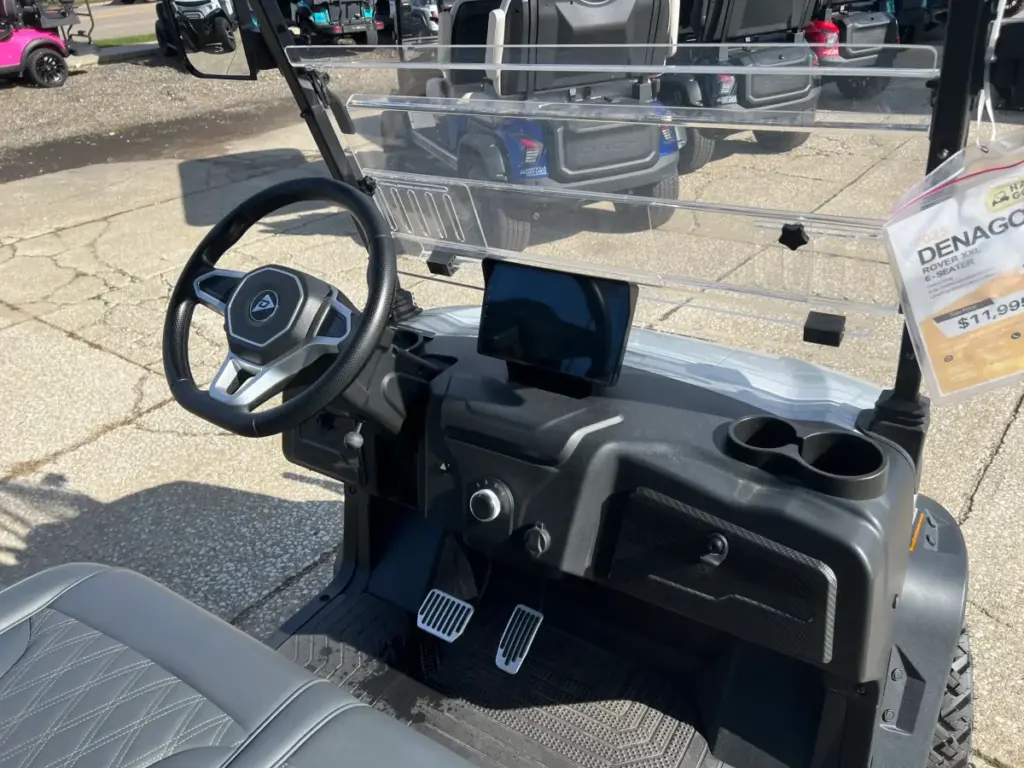
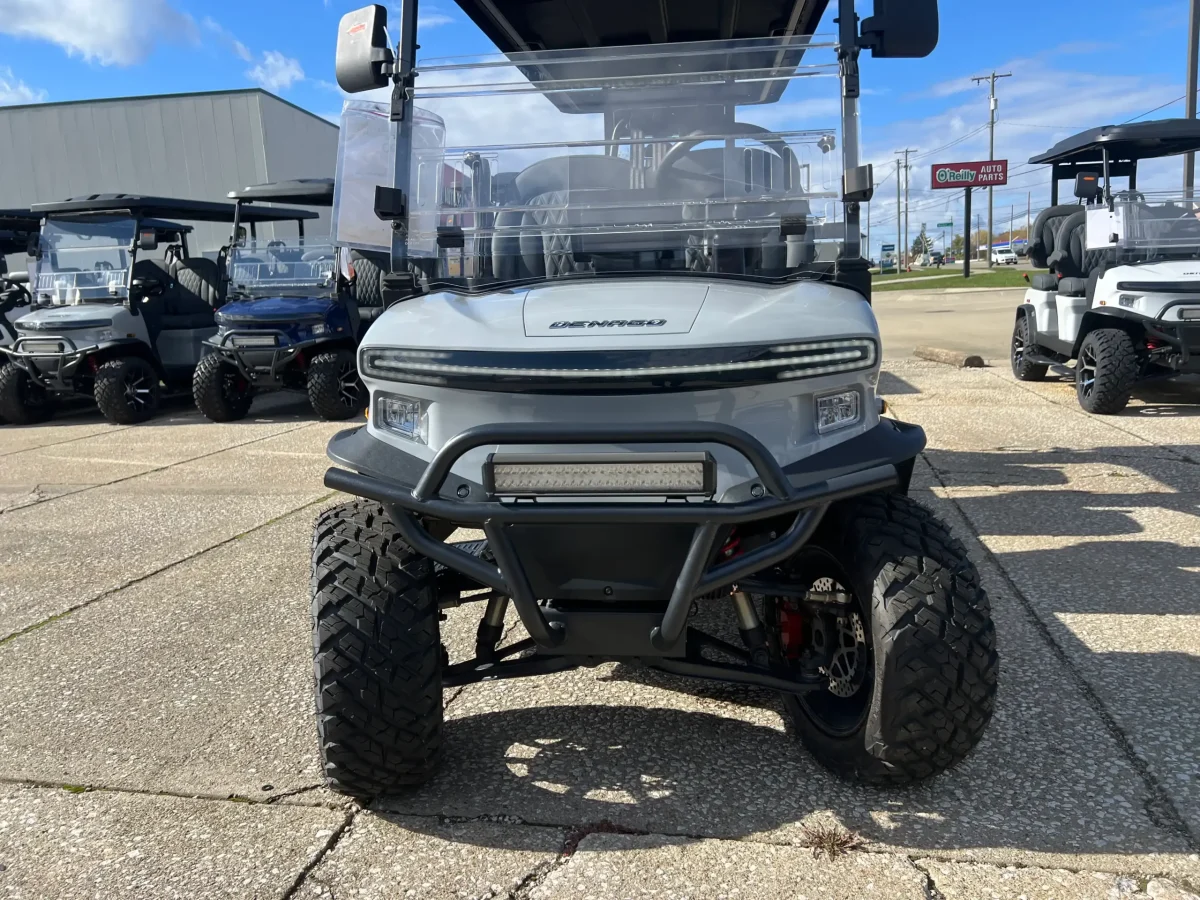
Golf carts designed for regular residential or commercial use rely heavily on reliable motor performance. Models such as the Denago Rover XL are engineered to deliver smooth torque and dependable operation, making proper motor diagnostics essential for long-term reliability. Motor testing ensures that carts remain dependable across different usage conditions.

Motor Testing
Understanding how to test golf cart motor with 12V battery helps owners make informed maintenance decisions. Confirming motor health before replacing batteries or controllers saves time and money. Diagnostic clarity prevents unnecessary part replacement and helps prioritize repairs correctly.
Comparing Motor Testing Methods
Testing a golf cart motor can be done using several diagnostic approaches, each offering a different level of detail. The 12-volt battery test provides a quick confirmation of basic motor operation, while resistance and continuity testing offer deeper electrical insight. According to motor diagnostic guidance from Electronics Tutorials, combining multiple testing methods helps identify issues such as open windings, short circuits, or internal resistance problems. Using more than one diagnostic approach improves accuracy and reduces the chance of misidentifying a healthy motor as faulty. This layered testing strategy aligns with standard electrical troubleshooting practices and provides more reliable results than relying on a single test alone.
Application Across Different Cart Designs
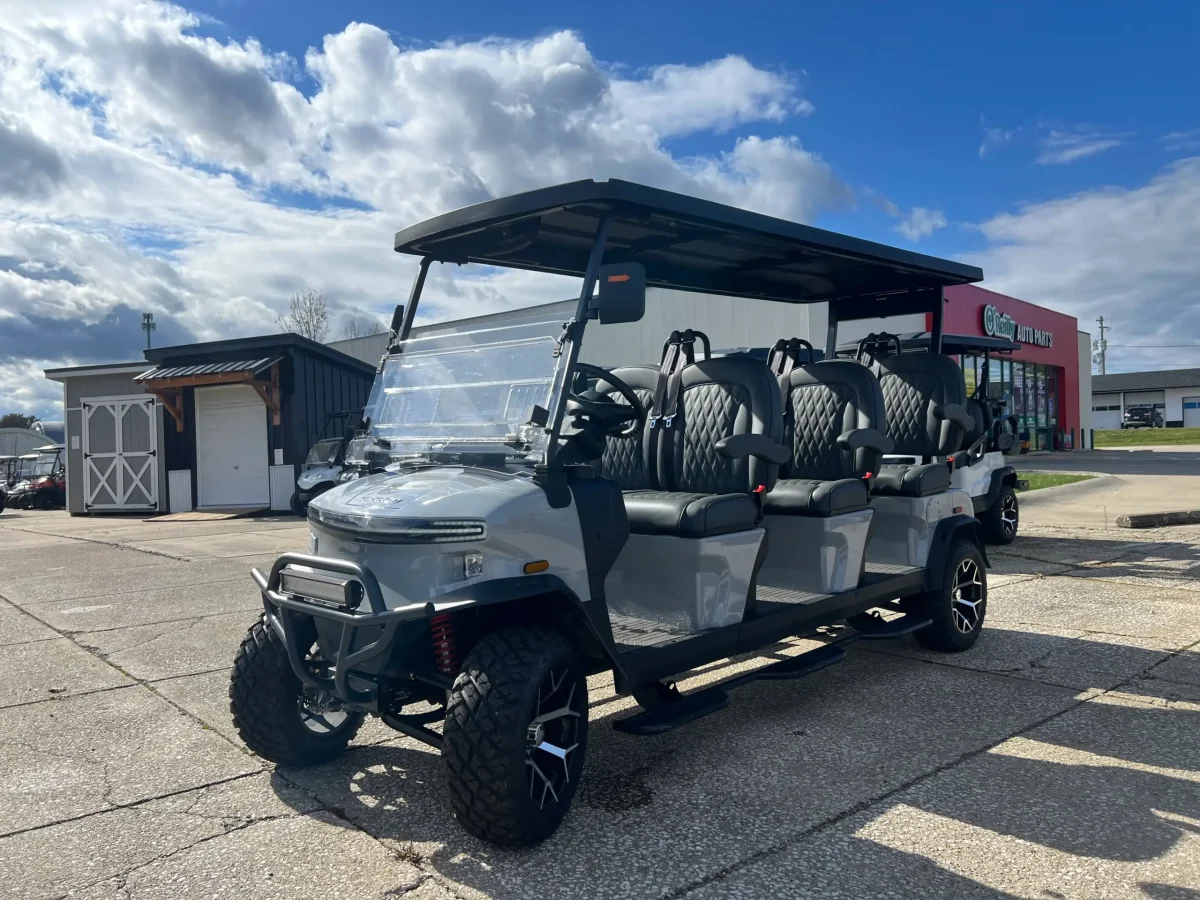
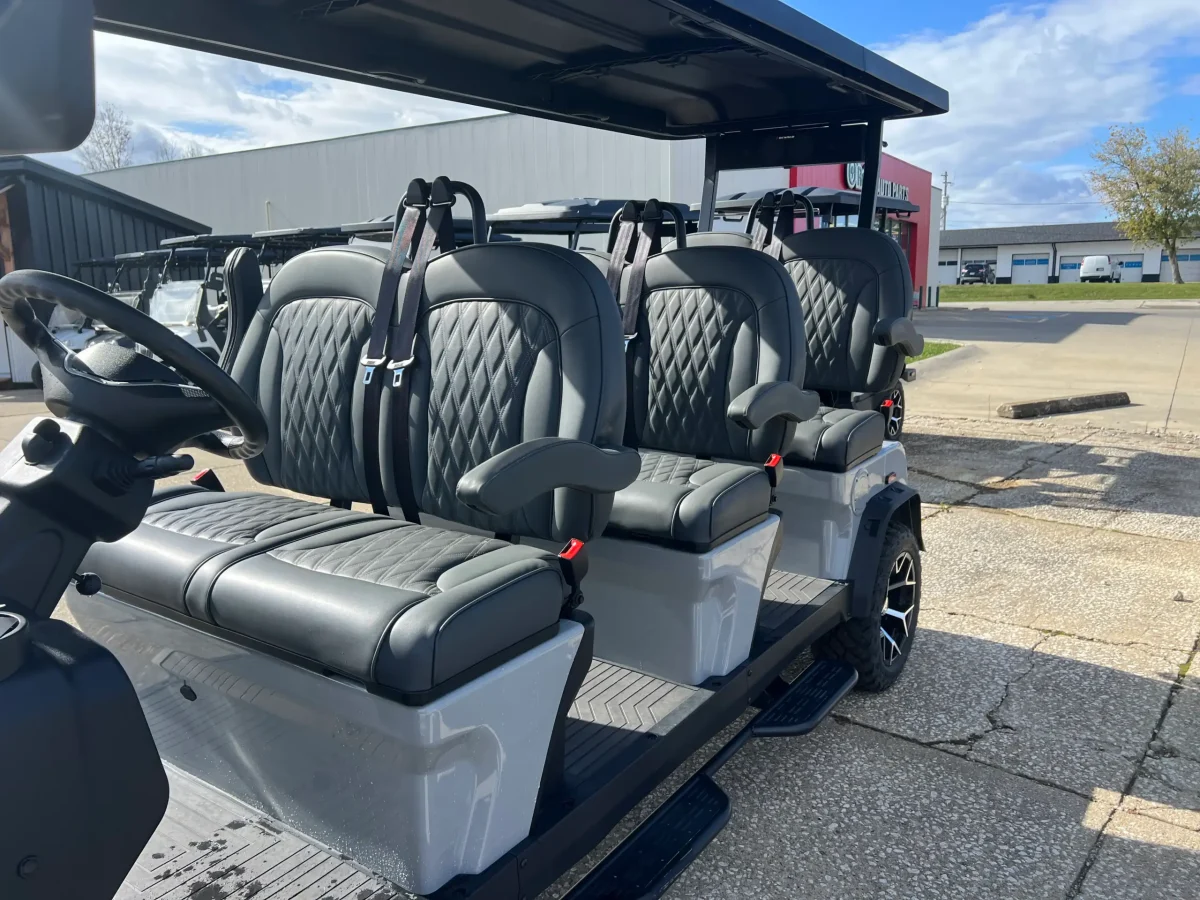
Different golf cart designs may position motors differently, but the test principle remains the same. Carts built for higher passenger loads, such as the Denago Rover XXL, still rely on the same core motor principles. Understanding testing fundamentals applies across models regardless of size or configuration.
Professional Testing
If test results are unclear or inconsistent, professional testing may be required. Advanced diagnostics can measure resistance, current draw, and efficiency under load. While the 12-volt test provides valuable insight, it is not a substitute for comprehensive electrical analysis in complex cases.
Conclusion
Knowing how to test golf cart motor with 12V battery gives owners a powerful diagnostic tool for identifying motor-related problems quickly and safely. This method helps isolate motor health from other electrical components and prevents unnecessary part replacement. While it does not replace full system testing, it provides clear early insight into whether a motor is operational. For expert guidance, replacement motors, or electric golf carts built for long-term reliability, Hartville Golf Carts offers trusted resources and support for customers across Ohio and nationwide.