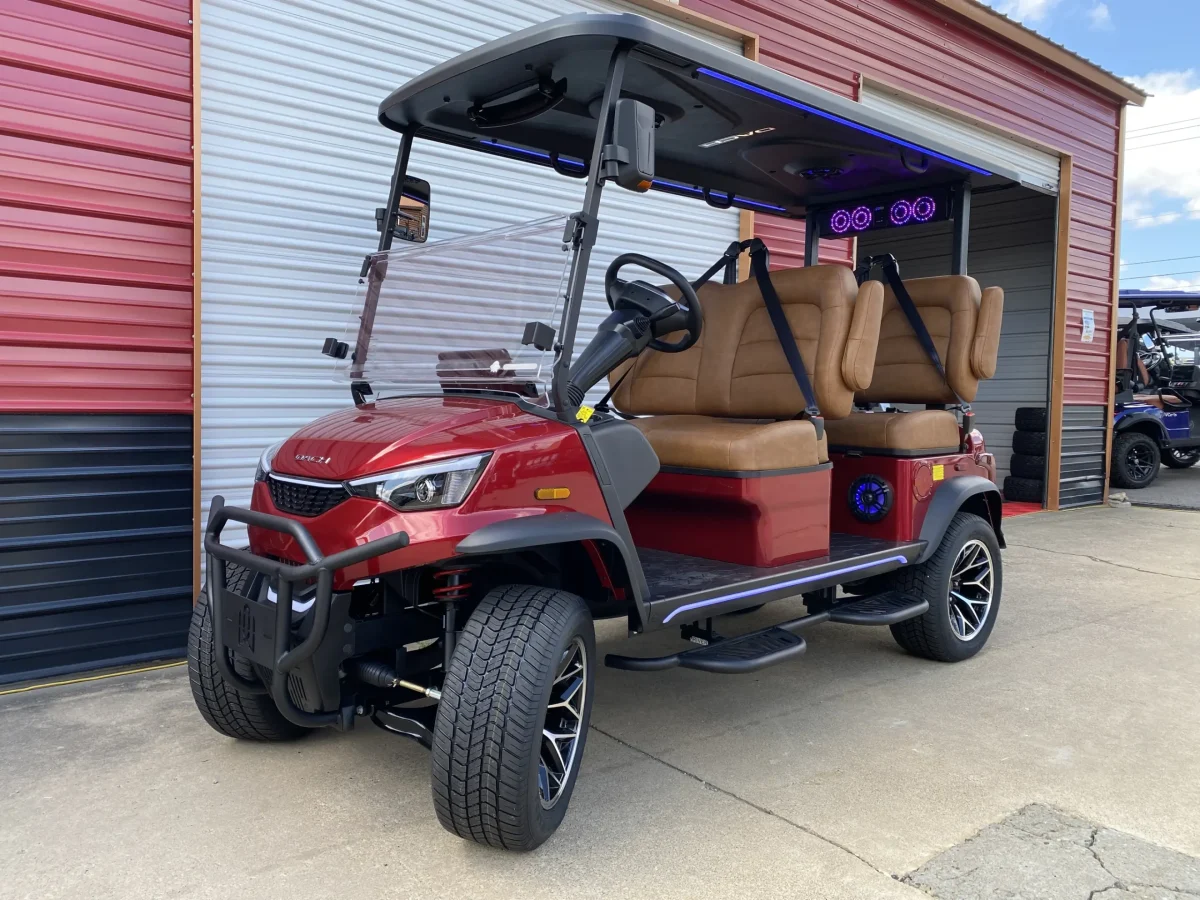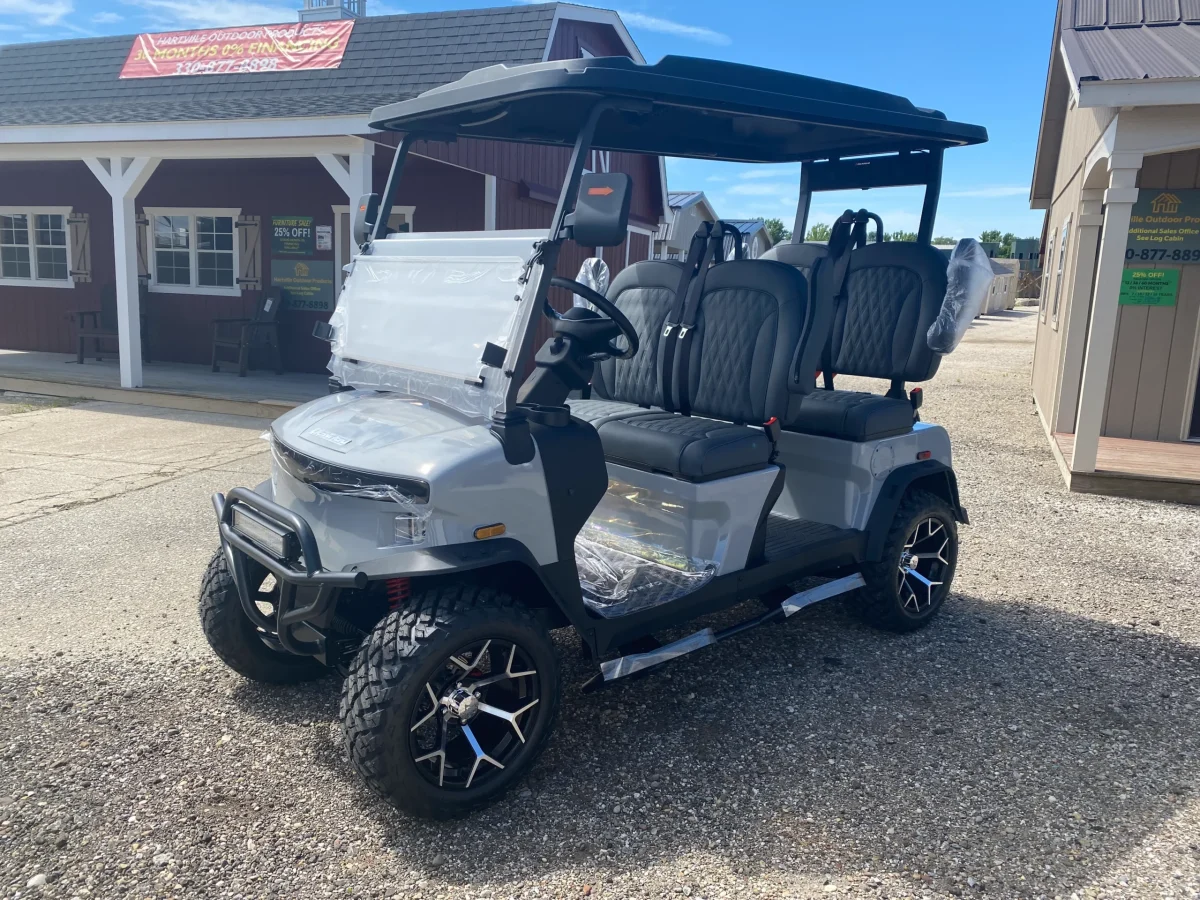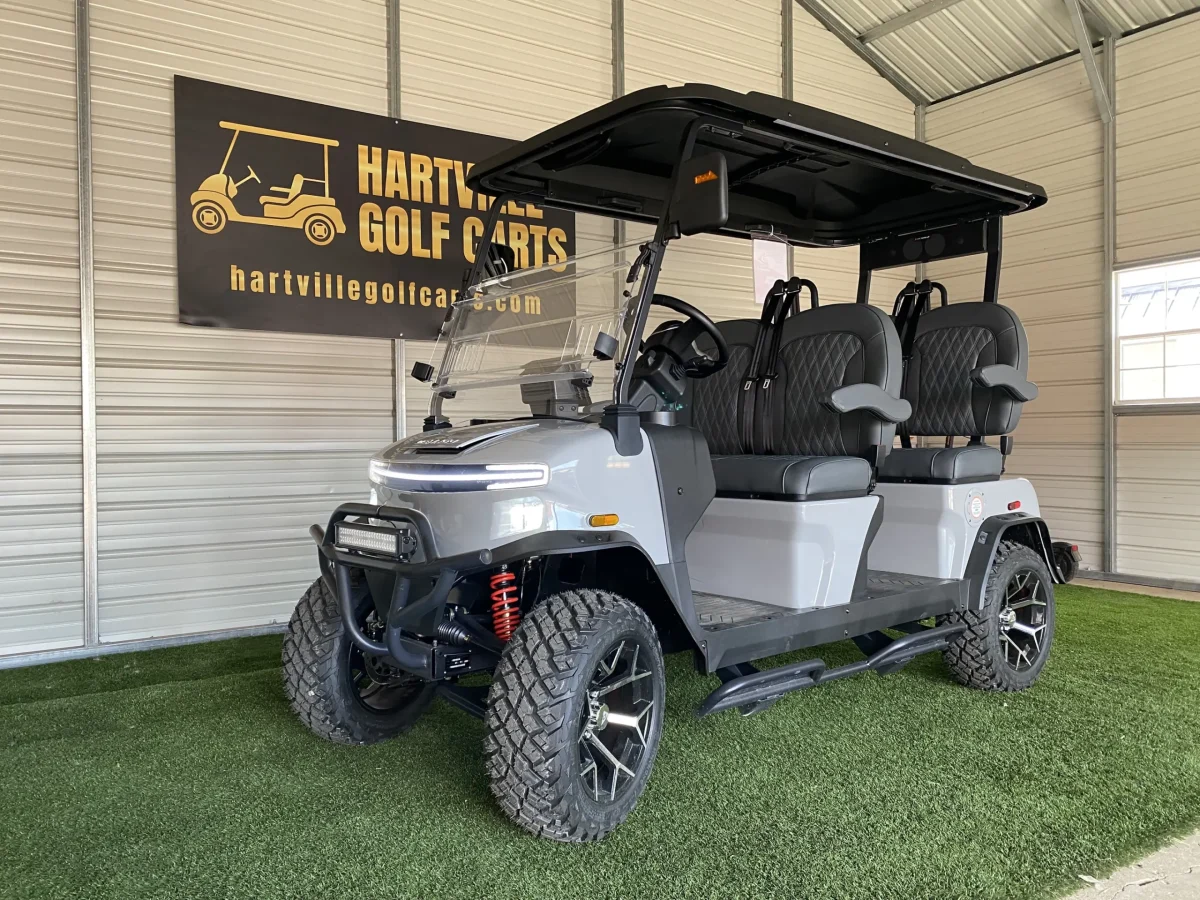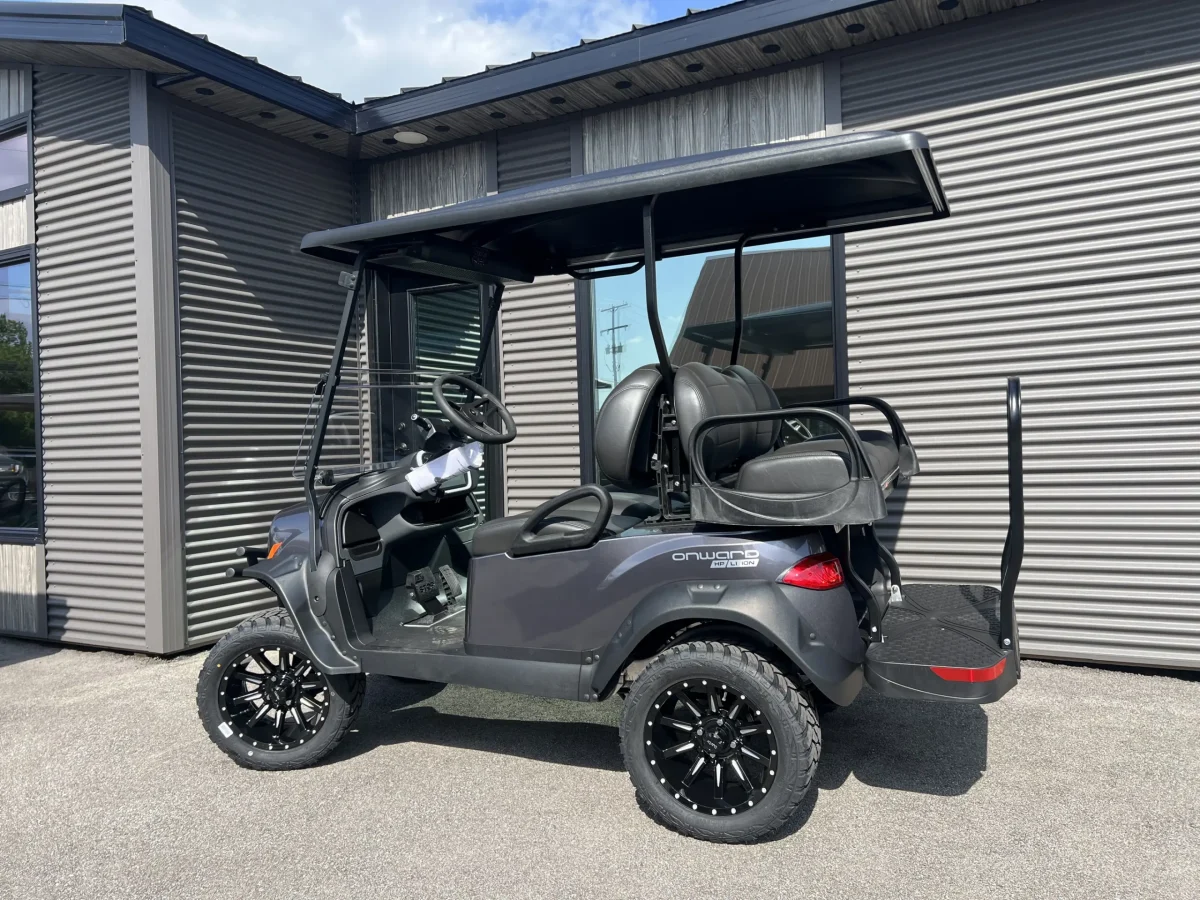

Golf cart owners often explore new ways to improve performance or change how their cart operates. One of the more unique ideas some consider is converting an electric golf cart into a gas powered model. This concept comes from curiosity and interest in understanding how different systems work. While conversion is possible in certain situations, the process involves several mechanical steps and planning. Learning what the conversion involves helps owners decide if it fits their goals and experience level. The most important thing is understanding the differences between electric and gas systems before starting any project.
An electric golf cart and a gas golf cart operate very differently, so converting one into the other requires careful evaluation. Electric carts use batteries, controllers, and electric motors, while gas carts rely on fuel engines, exhaust systems, ignition parts, and additional mechanical components. Because of these differences, conversion is a project that needs patience and awareness of how each part works. It is helpful to know what is involved so owners make choices that best support their needs and long term plans for the cart.
Difference Between Electric and Gas Systems
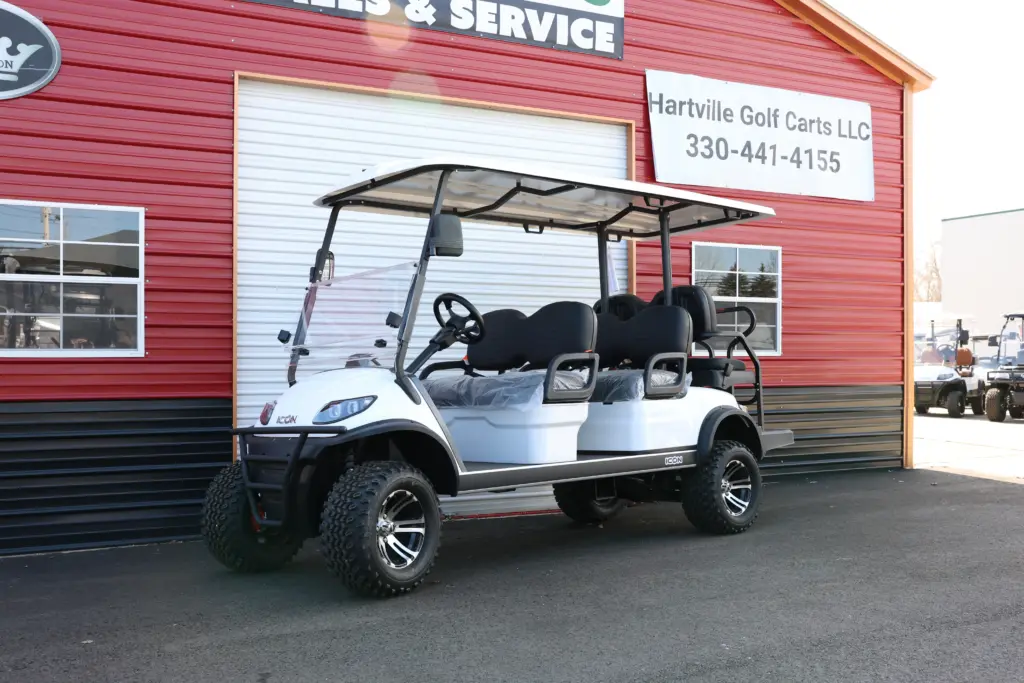
Electric systems are known for their smooth operation and quiet performance. They use a combination of batteries and a controller to deliver consistent power to the motor. Gas systems rely on engines, fuel lines, tanks, and filters. These parts work together to create power through combustion. Before starting a conversion, it helps to understand how different these systems are. This understanding provides a clearer picture of what may be needed during the conversion process.
Why Someone Might Consider a Conversion
Owners may think about converting an electric cart to gas for various reasons. Some prefer the idea of refueling quickly rather than charging batteries. Others enjoy the sound and feel of a traditional engine. In some cases, a cart may already need major repairs, which leads owners to consider other options. Learning what motivates the idea helps determine whether conversion is the right choice. Every cart owner has different needs, so identifying those needs early helps guide the decision process.
What Is Required for a Conversion
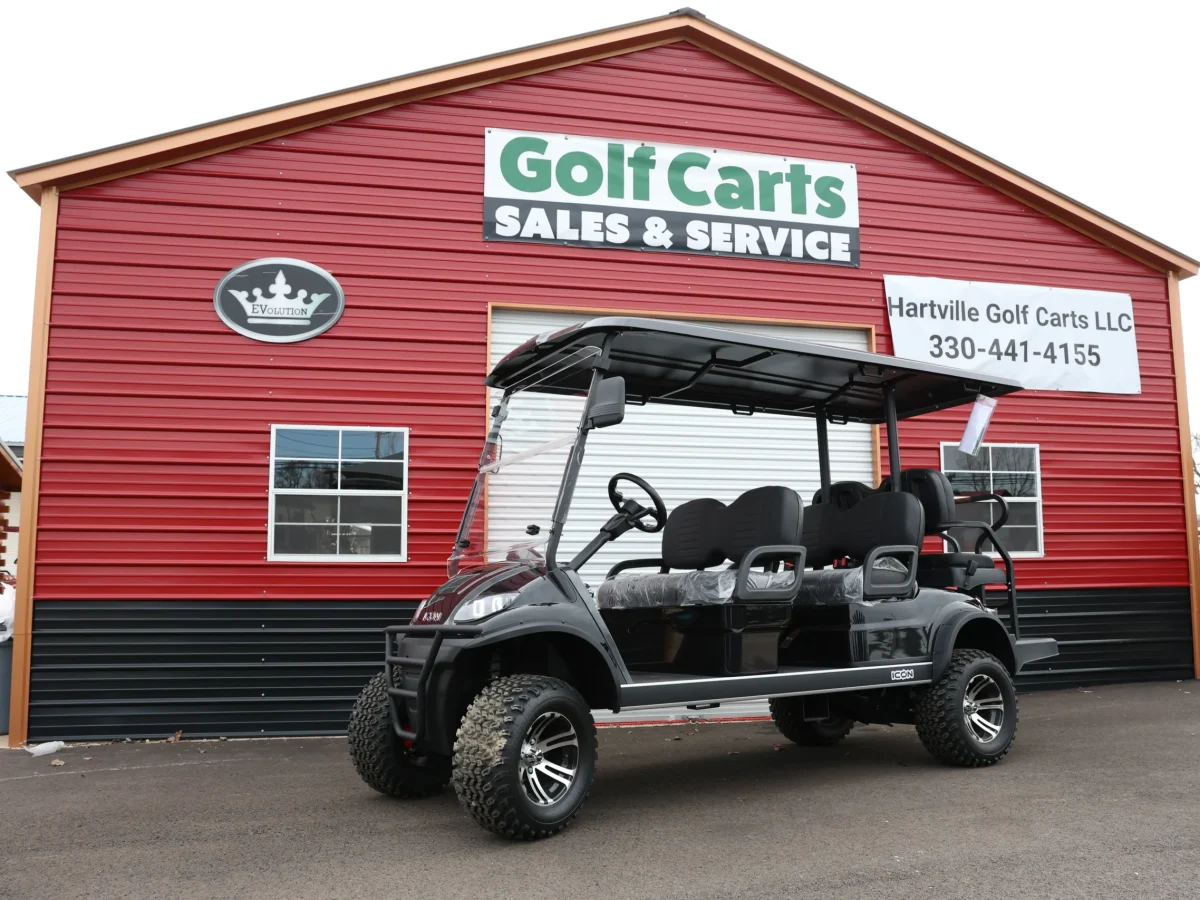
The process typically requires an engine, mounting brackets, a fuel tank, throttle linkage, exhaust piping, a clutch system, and wiring changes. It also involves building or modifying a frame to support these new parts. Each component must align properly for the cart to run smoothly. Owners who enjoy hands on mechanical projects may find this type of work interesting. However, understanding the parts list helps ensure that nothing is overlooked during planning. A dealership such as Hartville Golf Carts can help answer questions about general cart specifications before any conversion begins.
Evaluating Space and Frame Compatibility
Before installing any new components, owners need to check the frame to ensure there is enough room for an engine and fuel tank. Electric carts often have layouts designed specifically for battery packs rather than engines. Measuring the available space makes the project much easier to manage. Some frames may require adjustments or reinforcement to support engine weight. Taking time to assess the frame helps avoid surprises later in the process and keeps the project organized.
Choosing the Right Engine
Selecting an engine is one of the most important steps in the conversion. Many owners consider small engines that offer balanced power and compatibility with golf cart size. The engine choice affects performance, fuel efficiency, and ease of installation. While there are many options available, choosing one that fits the frame and driving expectations is key. Understanding engine specifications helps guide the selection and ensures that the final installation works properly.
Installing Engine Mounts and Brackets
Once an engine has been selected, it needs secure mounting. This requires brackets or a custom mount that holds the engine firmly in place. Proper alignment helps the drive system work correctly and reduces vibration. Installing mounts involves measuring, drilling, and placing hardware so the engine sits evenly. This step is often considered the foundation of the conversion process, since everything else is connected to the engine installation.
Adding the Fuel Tank and Fuel Lines
A gas powered system needs a functional fuel tank. Electric carts typically do not have a built in space for one, so owners must create a secure location. Fuel lines must also be routed safely to avoid heat or moving parts. Maintaining proper airflow and fuel flow is part of keeping the engine running as expected. Taking time to understand how fuel travels from the tank to the engine keeps the process smooth.
Understanding Exhaust and Ventilation
Gas engines require an exhaust system that directs fumes away from passengers and sensitive parts. Electric carts do not have exhaust routing built into their frames, so this part of the project requires planning. The exhaust must be placed where it will not cause damage or discomfort. Ventilation also plays a role in keeping the engine compartment safe. With proper exhaust placement, the cart can run comfortably without overheating or restricting air movement.
Connecting the Throttle System
The throttle controls engine speed, so it needs to connect properly to the pedal. Electric carts often use a sensor based throttle, while gas carts use mechanical linkage. Installing linkage involves positioning cables or rods that connect to the carburetor or throttle body. Making this connection smooth and responsive helps ensure that the cart accelerates naturally. Testing the pedal response after installation keeps the driving experience consistent.
Working With the Electrical System
Even though the cart is being converted to gas, some electrical components remain important. The starter, ignition, lighting, and accessories all require power. Owners must ensure the wiring harness is compatible with the new system. This process includes creating connections for the starter solenoid, ignition switch, and charging components. Electricity still plays a key role in the operation of a gas engine, so wiring needs careful attention.
Evaluating Cost and Time Commitments
Conversion projects vary widely in cost and time. Some owners use parts they already have, while others purchase new components. Time also depends on mechanical experience and available tools. Planning helps avoid delays and unexpected expenses. Creating a parts list, budget, and timeline helps keep the project enjoyable. Many owners find satisfaction in building something unique and learning from each step in the process.
Understanding When Conversion May Not Fit Your Needs
Conversion is possible, but not everyone finds it practical. Some owners prefer to keep their cart in its original design because it offers convenience, reliability, and familiarity. Others enjoy exploring new options by switching to a gas system. Understanding personal preferences and driving habits is important before making a decision. Since every golf cart owner has different expectations, the choice depends on what best supports long term use and enjoyment.
Exploring Modern Gas Golf Cart Options
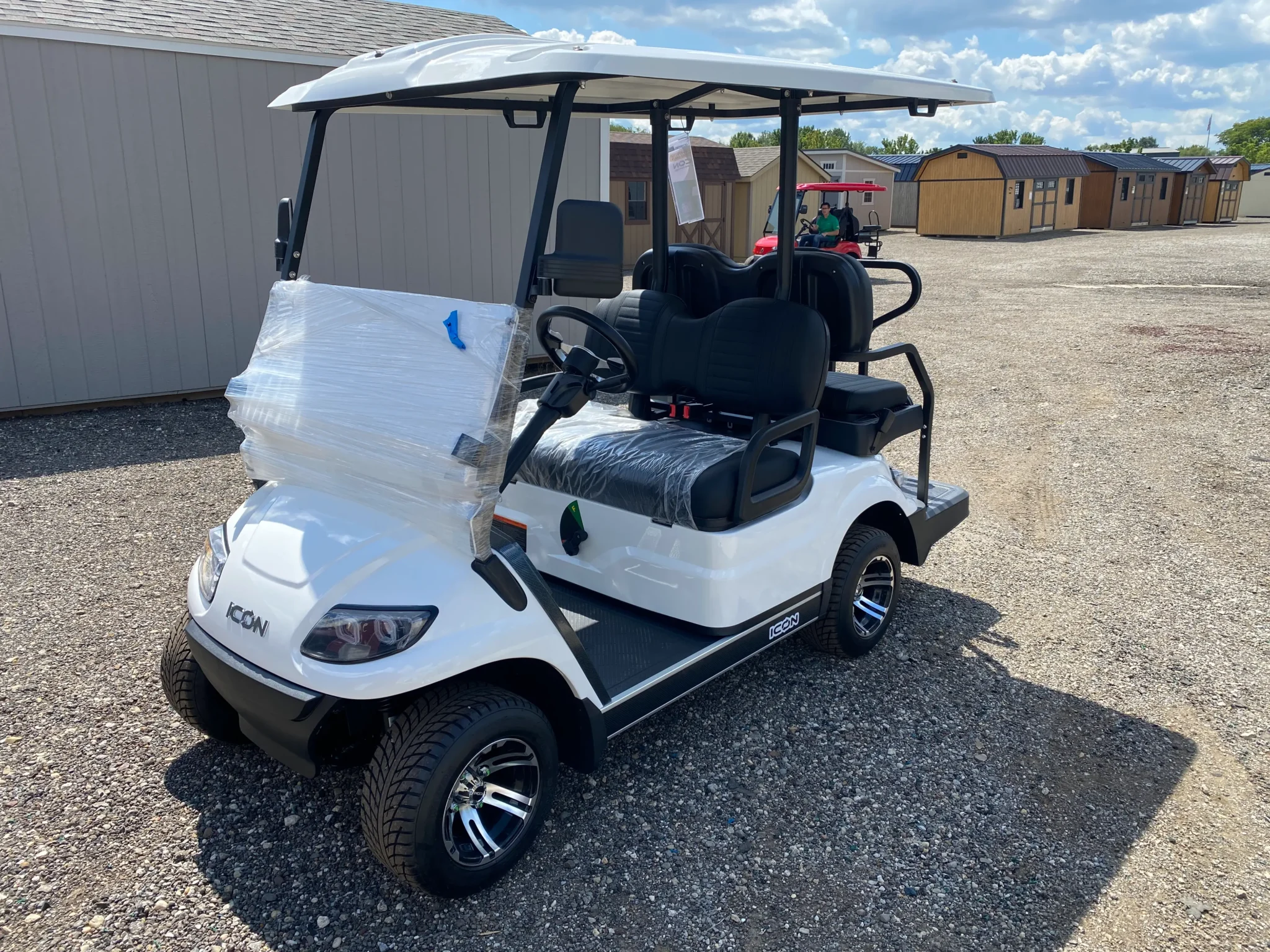
For owners interested in the performance and feel of a gas powered system, exploring dedicated gas models can be helpful. Models such as the Icon G60L (Gas) offer strong engines, smooth handling, and comfortable seating. Choosing a ready built gas cart is an alternative to conversion that some owners prefer, especially if they want a complete factory designed system. Exploring available models provides a clear sense of what modern gas carts offer and how they fit different driving styles.
Why Some Owners Choose to Keep Their Electric Carts
Electric carts continue to appeal to many owners because they offer quiet operation and easy charging. They work well for shorter trips and neighborhood driving. Some people appreciate the simplicity of an electric system and prefer to maintain it rather than convert. Electric carts come in many designs and sizes, making them flexible for a variety of uses. Understanding how electric systems work helps owners decide whether to continue using them in their original form.
Building Confidence Through Research
Before beginning any conversion project, research builds confidence. Watching tutorials, reading guides, and learning from other owners makes the process smoother. Understanding how each system works ensures that the project remains safe and manageable. Owners who take time to study their cart and plan carefully often enjoy the project more. Taking small steps and learning as you go is part of the experience.
Safety Precautions to Keep in Mind
Safety should remain a top priority during any project. Working with engines, wiring, and fuel requires patience and attention. Wearing protective equipment, using proper tools, and working in a well ventilated area supports a safe environment. Testing each part of the system after installation keeps the cart running reliably. Small habits lead to a better overall experience with the project.
When to Ask for Professional Guidance
Some steps in the conversion process may require tools that owners do not have, or they may involve mechanical knowledge that takes time to develop. When this happens, reaching out for guidance is a practical choice. Dealerships and mechanical professionals can offer insight into cart specifications and compatibility. If owners have questions about general maintenance or parts, the contact page at Hartville Golf Carts provides a convenient way to get more information.
Conclusion
Converting an electric golf cart to gas is a detailed project that requires planning, time, and awareness of how each system works. The process offers an interesting challenge for owners who enjoy hands on experiences. Whether someone chooses to convert, maintain their electric system, or explore dedicated gas models, the choice depends on personal needs and driving habits. For help exploring different cart options or for general questions about golf carts, you can reach out to the team at Hartville Golf Carts and learn more about what fits your lifestyle.