


Golf has dozens of terms that can confuse beginners, but few appear more often on the course than the word divot. If you have ever watched professional golfers hit an iron shot and seen a chunk of turf fly through the air, you have already seen a divot. Understanding what are divots helps golfers improve their ball striking, protect golf courses, and better understand how the game is played. A divot is a piece of grass and soil removed when a golf club strikes the ground during a swing.
While many new golfers assume taking a divot is a mistake, experienced players know that a properly taken divot often indicates solid contact with the golf ball. Divots also play an important role in golf course maintenance because golfers are expected to repair the damage they create. Whether you are new to golf or simply curious about golf terminology, understanding divots provides insight into both golf technique and course etiquette.

What A Divot Actually Is
A divot is a section of turf that becomes dislodged when a golf club strikes the ground during a swing. Most divots occur on fairways when players hit iron shots. The club contacts the ball first and then continues downward into the turf, removing a small section of grass and soil. The size of the divot depends on the club used, swing angle, course conditions, and the golfer’s technique. Small divots are common during quality iron shots, while excessively large divots may indicate swing problems.
Divots differ from ball marks and other course damage because they result directly from the club’s interaction with the ground. Golfers who understand this concept quickly realize that taking a divot is often a sign of proper ball-first contact rather than poor technique. This surprises many beginners because the flying turf initially appears to be a mistake instead of evidence of a well-executed golf shot.
Why Good Golfers Take Divots
Many recreational golfers try to avoid touching the ground completely during iron shots because they fear digging into the turf. However, skilled golfers often create small divots intentionally because the proper swing path requires the club to continue descending after impact. When the club strikes the ball before the turf, energy transfers efficiently into the shot. The club then enters the ground slightly after impact, creating the divot. This sequence helps produce cleaner contact, stronger ball flight, and greater consistency.
Professional golfers frequently take divots during approach shots because they compress the ball effectively against the turf. Watching tournament golf often reveals divots flying forward after impact, which demonstrates that the club continued moving through the ball properly. Learning to create a controlled divot can actually improve iron play significantly for golfers struggling with thin or inconsistent shots.

Different Types Of Divots
Not all divots look the same because different swing styles and course conditions create different results. A shallow divot often appears thin and narrow, indicating a sweeping swing pattern. A deeper divot usually reflects a steeper angle of attack and stronger downward strike. Professional golfers generally produce divots that begin after the ball position and point toward the target. Divots that start before the ball location often indicate poor contact because the club struck the ground first.
Turf conditions also affect appearance. Soft fairways create larger divots, while firm surfaces may produce only small strips of grass. Golf instructors often study divot patterns when diagnosing swing issues because the shape, depth, and direction reveal valuable information about club delivery at impact. Understanding these differences helps golfers interpret what their divots are telling them about their swings.
How Divots Affect Golf Course Conditions
Golf courses experience thousands of divots every week, especially on heavily played fairways and practice ranges. Without proper repair, these damaged areas can affect turf health and playing conditions for other golfers. Course maintenance crews spend significant time repairing worn areas because healthy turf creates a better experience for everyone. Most golf facilities encourage players to replace divots or fill them using sand-and-seed mixtures supplied on carts. Proper repair helps grass recover faster and keeps fairways smooth. Neglected divots can create uneven lies and reduce course quality over time.
According to the United States Golf Association, repairing course damage remains an important part of golf etiquette and helps preserve playing conditions for future golfers. Simple repair habits make a major difference across an entire golf season.

How To Repair A Divot Correctly
Repairing a divot takes only a few seconds, yet many golfers overlook its importance. If the divot remains intact, players should place it back into the original location and press it firmly into the turf using their foot. This allows the roots to reconnect with the soil and encourages faster recovery. Some courses instead provide bottles containing sand and seed mixtures. In those situations, golfers should fill the damaged area after the shot. The repair method often depends on regional climate, grass type, and course maintenance practices.
Golfers who repair divots consistently help maintain smoother fairways and healthier turf throughout the season. Good course etiquette extends beyond simply playing well. Respecting the course by fixing damage demonstrates consideration for fellow golfers and contributes to better playing conditions for everyone.
Divots Can Reveal Swing Problems
Golf instructors frequently analyze divots because they reveal details about a player’s swing mechanics. A divot pointing left or right of the target may indicate clubface alignment or swing path issues. Excessively deep divots often suggest a steep downswing that sacrifices consistency and distance. Divots that occur before the ball usually indicate poor contact and loss of power. Even the length of the divot can provide useful clues about impact conditions. Because divots offer immediate feedback, many teaching professionals use them during lessons to help students understand what happens during the swing.
Golfers who pay attention to their divots gain valuable information that can improve ball striking over time. While launch monitors and technology provide detailed data today, divots remain one of the simplest and oldest forms of swing feedback available.
Divots On Driving Ranges And Practice Areas
Driving ranges experience tremendous wear because golfers repeatedly hit shots from concentrated areas. Proper divot patterns become especially important during practice sessions. Skilled players often create straight, organized divot lines rather than scattering them randomly across the turf. This approach preserves grass and allows facilities to maintain healthier practice surfaces. Many instructors recommend practicing in rows because it encourages better turf management and more consistent contact. Large patches of damaged turf reduce the quality of practice conditions and increase maintenance costs.
Learning proper range etiquette benefits both golfers and facility operators. Organized practice habits often reflect disciplined golf habits overall, which helps players improve while respecting shared facilities.
Golf Carts And Course Etiquette
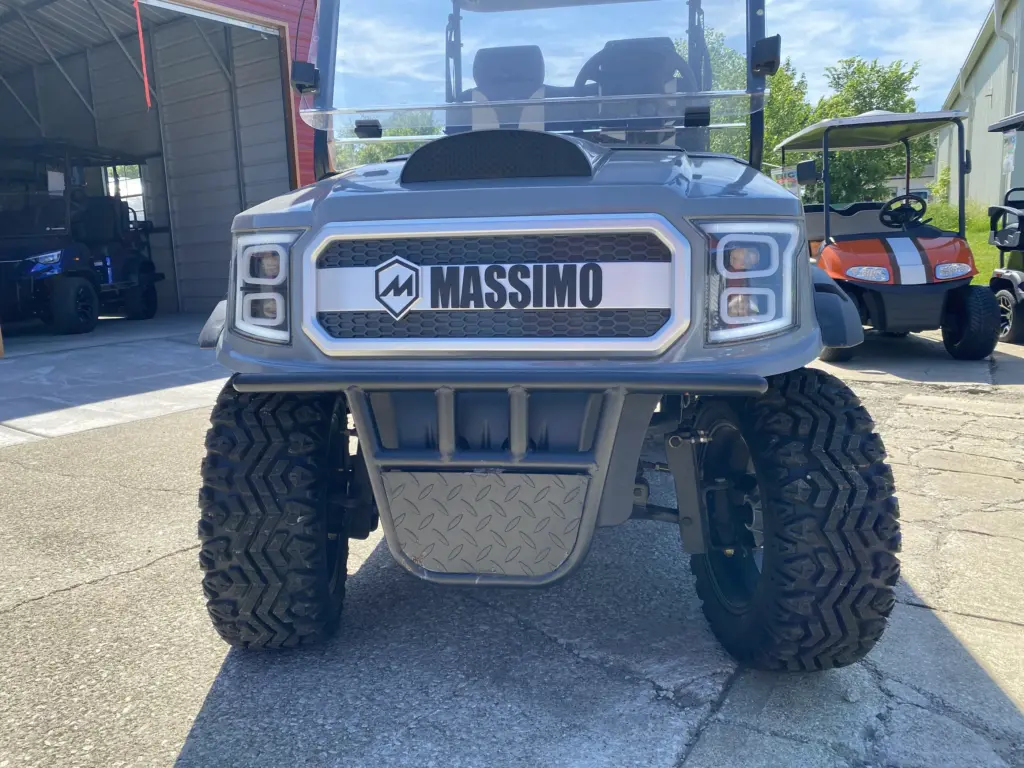
Divot repair represents only one aspect of golf course etiquette. Responsible golfers also follow cart rules, avoid sensitive turf areas, and respect designated driving zones. Modern golf carts help players navigate courses efficiently while reducing physical strain during rounds. Golfers who enjoy comfortable transportation around courses sometimes explore options like the Atlas 4 Passenger Golf Cart, which combines passenger comfort with practical everyday usability.
Understanding course care extends beyond repairing divots because golfers influence overall playing conditions through their actions throughout the round. Small habits such as obeying cart-path rules and repairing damage contribute to healthier turf and better golf experiences.

Divots And Other Common Golf Terms
New golfers often confuse divots with ball marks, pitch marks, and other course-related terms. A divot refers specifically to turf removed by a golf club during a swing. A ball mark occurs when a golf ball lands on the green and creates a small depression. Understanding these differences helps players communicate more effectively and follow proper course etiquette. Golf terminology can feel overwhelming initially, but learning common terms makes the game more enjoyable and easier to understand.
Conclusion
Understanding what are divots helps golfers improve both their swing knowledge and their appreciation for course care. A divot is simply a piece of turf removed when a golf club strikes the ground after contacting the ball. While beginners often view divots as mistakes, experienced golfers recognize that controlled divots frequently indicate solid ball striking. Divots also provide valuable swing feedback and play an important role in course maintenance. Repairing them properly helps preserve fairways and improves playing conditions for everyone.
Whether you are learning golf fundamentals or expanding your understanding of the game, knowledge of divots adds another layer of appreciation for golf’s technique and traditions. For golfers interested in quality golf carts and recreational vehicles that support an enjoyable golf lifestyle, Hartville Golf Carts offers a variety of dependable options designed for comfort and convenience.