
When a golf cart suddenly stops moving, refuses to start properly, or makes clicking noises without accelerating, many owners immediately assume the batteries or motor have failed. In reality, the problem is often much smaller and easier to diagnose. That is why many owners search how to test solenoid on golf cart systems before replacing expensive electrical components unnecessarily. The solenoid acts like an electrical switch that controls power flow between the battery pack and the motor. When the accelerator pedal is pressed, the solenoid activates and allows electrical current to move through the system. If the solenoid fails, the cart may lose power completely even when the batteries still hold a full charge. Learning how to test the solenoid correctly helps owners identify electrical problems faster and avoid replacing working parts by mistake.
What A Golf Cart Solenoid Actually Does
The solenoid plays a major role in the golf cart’s electrical system by acting as a high-powered switch. When the driver presses the accelerator pedal, the solenoid receives a smaller activation signal that triggers the internal contacts to close. Once those contacts close, power flows from the batteries to the motor so the golf cart can move.
Without a properly functioning solenoid, the motor cannot receive enough electrical power to operate correctly. Many owners hear clicking sounds during acceleration attempts because the solenoid tries to engage but fails internally. According to Battery University, stable electrical connections and controlled power flow are critical for reliable battery-powered vehicle performance. The solenoid helps manage that power flow every time the golf cart operates.
Common Signs Of A Bad Solenoid
Several symptoms may indicate a failing golf cart solenoid. One of the most common signs is hearing a clicking sound when pressing the accelerator while the cart still refuses to move. In other situations, the cart may lose power intermittently or fail to start at all, even though the batteries appear fully charged.
Some owners also notice reduced acceleration or sudden power loss during driving. Burnt smells, overheating around electrical components, or visibly damaged terminals may also point toward solenoid problems. However, weak batteries, damaged cables, or controller issues can sometimes create similar symptoms, which is why proper testing matters before replacing parts.
Start With A Visual Inspection
Before using any testing equipment, owners should inspect the solenoid visually for obvious damage. Loose wires, melted terminals, corrosion, and burnt connections often indicate electrical problems developing around the component. Dirt and moisture inside the battery compartment may also create connection issues that affect solenoid performance.
The solenoid usually sits near the battery pack and controller area, depending on the golf cart model. Owners should inspect cable connections carefully because loose or corroded terminals may interrupt power flow even if the solenoid itself still works properly. Many electrical problems begin with poor connections rather than complete component failure.
Listen For The Solenoid Click
One of the simplest diagnostic steps involves listening carefully while pressing the accelerator pedal. A healthy solenoid often produces a noticeable clicking sound as the internal contacts engage. This click means the activation circuit is attempting to work properly.
If no click occurs at all, the problem may involve the solenoid coil, ignition system, microswitch, or electrical wiring. A click without movement usually suggests the solenoid activates but fails to transfer full power through the internal contacts. This basic listening test helps narrow down the source of the electrical problem quickly before deeper testing begins.
Use A Multimeter To Check Voltage
A multimeter provides one of the most accurate ways to test golf cart solenoid function. Owners can measure voltage at the solenoid terminals to determine whether power enters and exits the component correctly during operation. Testing should happen carefully because golf cart battery systems carry significant electrical current.
One side of the solenoid should receive battery voltage continuously, while the opposite side should show voltage once the accelerator pedal activates the solenoid. If voltage enters but does not leave the solenoid properly, the internal contacts may have failed. Multimeter testing helps confirm whether the solenoid itself actually interrupts power flow.
Why Batteries Must Be Tested Too
Weak or damaged batteries can create symptoms that look almost identical to solenoid failure. Low battery voltage may prevent the solenoid from activating correctly or supplying enough power to the motor. Some owners replace the solenoid unnecessarily when the real issue comes from aging batteries or poor charging performance.
Testing the battery pack alongside the solenoid creates a much more accurate diagnosis. Corroded terminals and weak cable connections can also interfere with electrical flow throughout the system. Solenoid testing works best when owners evaluate the entire electrical setup rather than focusing on only one component.
Heat And Corrosion Can Damage Solenoids
Golf cart solenoids operate in environments exposed to vibration, moisture, and temperature changes. Over time, corrosion and heat gradually wear down the internal contacts. Heavy electrical loads from repeated acceleration and hill climbing also place stress on the solenoid during daily operation.
Owners who use golf carts frequently around large properties or hilly neighborhoods may experience faster solenoid wear because the electrical system works harder during acceleration. Excessive corrosion around terminals can also increase resistance and create additional heat buildup that shortens solenoid lifespan.
Replacing A Solenoid Is Sometimes Necessary
Once testing confirms the solenoid has failed internally, replacement usually becomes the most practical solution. Continuing to use a weak or inconsistent solenoid may eventually damage other electrical components or leave the cart stranded unexpectedly. Fortunately, solenoid replacement is often simpler and less expensive than major motor or controller repairs.
Owners should always choose replacement solenoids matched correctly to the golf cart’s voltage system and performance requirements. Installing incorrect components may create charging issues, weak acceleration, or premature electrical wear later.
Modern Golf Carts Improve Electrical Reliability
Modern golf carts now include more advanced electrical systems and improved battery management technology compared to many older models. Better controllers, wiring systems, and lithium battery setups often reduce electrical stress and improve long-term reliability.
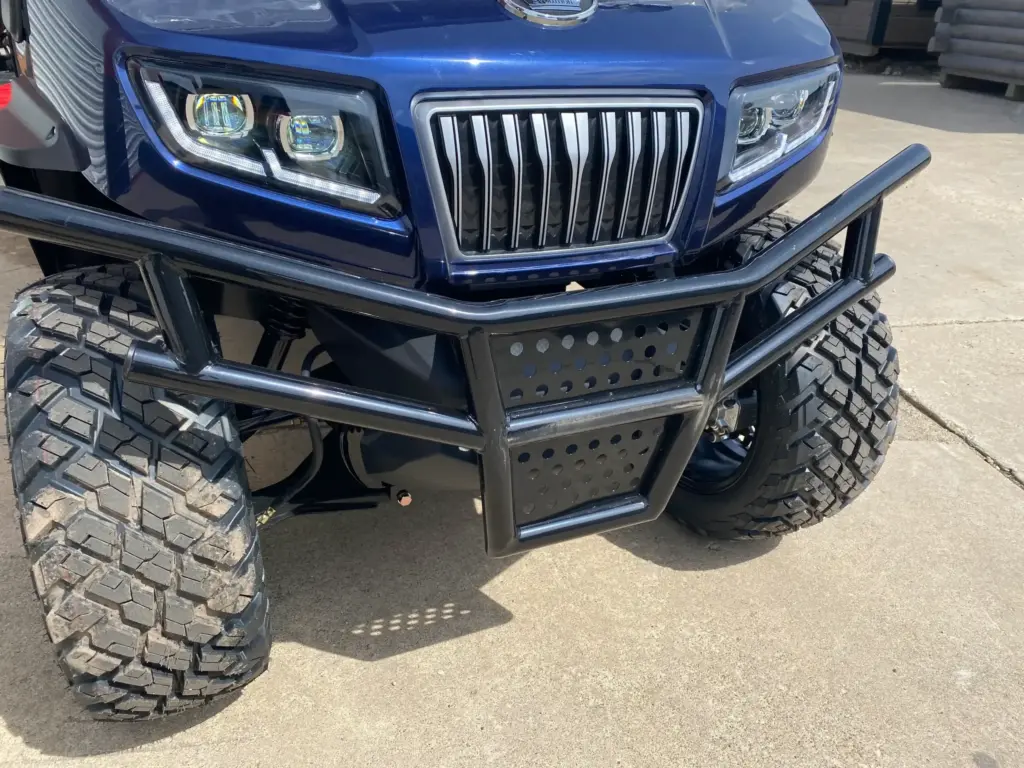
Drivers looking for dependable electric golf carts sometimes consider options like the Denago Nomad XL because newer systems combine strong performance with more efficient electrical operation. Improved electrical design helps modern carts deliver smoother acceleration and more dependable daily usability.
Conclusion
Learning how to test solenoid on golf cart systems helps owners diagnose electrical problems more accurately before replacing expensive parts unnecessarily. Solenoids control power flow between the battery pack and motor, which makes them critical for reliable golf cart operation. Clicking noises, weak acceleration, and sudden power loss often point toward solenoid or connection problems. Visual inspections, voltage testing, and battery checks all help identify the real source of electrical issues more effectively. Owners who maintain electrical connections and diagnose problems early usually avoid larger repairs later. For drivers looking for dependable electric golf carts built around modern electrical systems and practical everyday performance, Hartville Golf Carts offers reliable models designed for long-term comfort, efficiency, and reliability.