
Learning how to drive a golf buggy is easier than most people expect, but driving it safely takes more than pressing the accelerator and steering toward your destination. Golf buggies are designed for convenience, yet they can still become unsafe when drivers ignore basic operating procedures or travel too fast for the conditions. Whether you are using one on a golf course, inside a residential community, at a campground, or around a large property, understanding how the vehicle responds is essential. The good news is that anyone can become a confident driver by learning a few simple techniques before heading out. This guide explains every important step, from understanding the controls to driving safely around pedestrians, hills, and tight corners, so you can enjoy every trip with confidence.
Know Your Golf Buggy Before Turning The Key
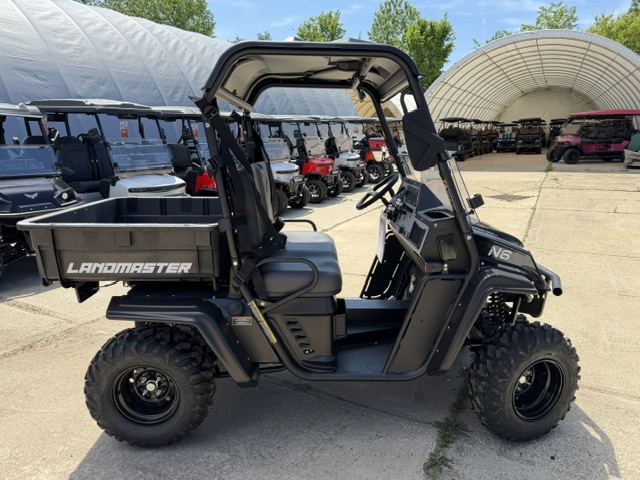
Every golf buggy may look similar from the outside, but different manufacturers arrange controls and safety features in slightly different ways. Before driving, spend a few minutes sitting in the driver’s seat and identifying every control. Locate the steering wheel, accelerator pedal, brake pedal, parking brake, forward and reverse selector, key switch, and battery or fuel indicator. If your buggy includes headlights, turn signals, mirrors, or a horn, make sure you know how each one works before moving.
Adjust the driver’s seat so you can comfortably reach the pedals without stretching. Sit upright and hold the steering wheel with both hands. Make sure every passenger is seated correctly before starting the buggy. If seat belts are installed, everyone should wear them. Even though golf buggies travel at lower speeds than passenger cars, sudden turns or stops can still move passengers unexpectedly.
Walk around the buggy before each drive. Check the tires for obvious damage or low air pressure. Look underneath for fluid leaks if you have a gas-powered model. Electric golf buggies should have sufficient battery charge before starting a longer trip. A quick inspection takes only a minute, yet it can prevent mechanical problems and improve overall safety.
Practice Basic Driving In An Open Area
The safest way to learn how to drive a golf buggy is by practicing in a large open space before driving where other people are present. Choose a quiet parking area or another location with plenty of room to move around comfortably. Turn the key, select the forward gear, release the parking brake, and gently press the accelerator. Most golf buggies begin moving smoothly, so avoid pressing the pedal too hard. Slow acceleration gives you time to understand how the buggy responds.
Practice driving in straight lines first. Once you feel comfortable, make wide left and right turns while maintaining a slow speed. Learn how much steering input is needed without making sudden movements. Next, practice stopping smoothly by applying steady pressure to the brake pedal instead of braking abruptly. Good braking habits improve passenger comfort and reduce unnecessary wear on the braking system.
Reverse should also be practiced carefully. Always look behind the buggy before shifting into reverse, even if mirrors are installed. Reverse at the slowest possible speed and stop immediately if someone walks behind the vehicle. Developing these simple habits early helps build confidence and reduces the chance of accidents later.
Maintain Safe Speeds At All Times
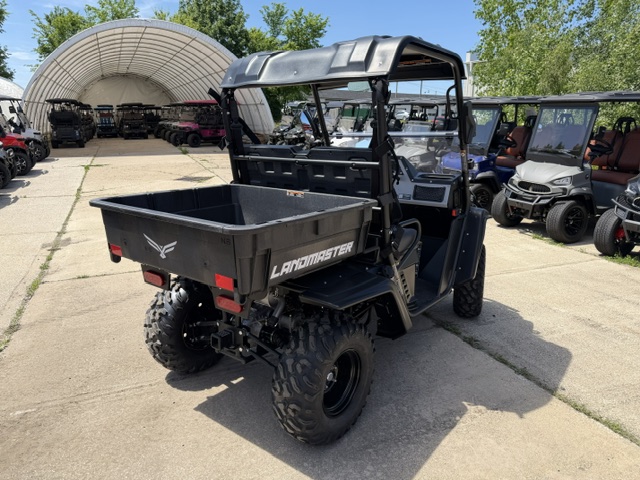
One of the biggest mistakes new drivers make is assuming a golf buggy cannot be dangerous because it travels slower than a car. While top speeds are much lower, a golf buggy can still tip during sharp turns or lose traction on uneven surfaces if driven carelessly. The safest approach is to match your speed to the surrounding environment rather than always driving at maximum speed.
Slow down whenever you approach pedestrians, parked vehicles, intersections, bridges, narrow paths, or blind corners. Golf courses require even greater caution because golfers may be focused on their shots instead of nearby vehicles. Residential communities also demand extra awareness since children, pets, and cyclists may appear unexpectedly.
Weather conditions should also influence your speed. Wet grass, gravel paths, mud, and loose dirt reduce traction and increase stopping distance. Driving a little slower provides more time to react and keeps the buggy stable throughout the journey. Smooth acceleration and gentle braking create a safer experience for everyone inside the vehicle.
Steer Smoothly And Respect The Buggy’s Balance
Unlike passenger cars, golf buggies have a relatively short wheelbase and a higher center of gravity. This means they react differently during turns, especially lifted models equipped with larger tires. Entering a corner too quickly can cause passengers to shift unexpectedly and may even increase the risk of tipping on uneven ground.
Always reduce speed before turning rather than during the turn itself. Keep both hands on the steering wheel and make smooth steering corrections instead of sharp movements. If you need to avoid an obstacle, steer gradually whenever possible instead of making a sudden swerve.
Passengers should remain seated while the buggy is moving and avoid leaning outside the vehicle. Extra weight changes how the buggy handles, so expect longer stopping distances and slower acceleration when carrying several passengers or equipment. Understanding these handling characteristics makes every journey safer and much more enjoyable.
Drive Carefully On Hills And Uneven Terrain
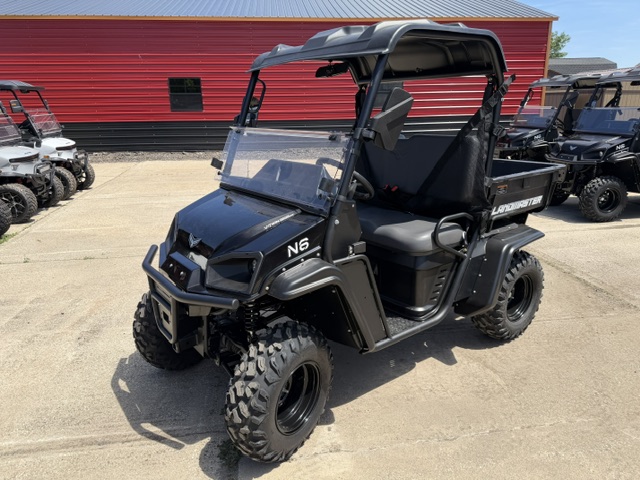
Many people first learn how to drive a golf buggy on flat ground, but hills and uneven terrain require additional care. Even a well-maintained golf buggy handles differently when driving uphill, downhill, or across sloped surfaces. Before climbing a hill, make sure you have enough momentum without accelerating aggressively. Maintain a steady speed instead of repeatedly pressing and releasing the accelerator. Sudden changes in speed can reduce traction, especially on wet grass or loose gravel. If the hill is particularly steep, keep both hands firmly on the steering wheel and ask passengers to remain seated until you reach level ground.
Driving downhill deserves even more attention. Allow the buggy to descend at a controlled pace and use the brakes smoothly when necessary. Avoid riding the brakes continuously because excessive braking can reduce control on loose surfaces. Never turn sharply while traveling down a slope, as the buggy’s center of gravity shifts during the descent. If you encounter potholes, tree roots, or uneven paths, slow down before reaching them instead of trying to drive over them at speed. Careful driving on difficult terrain protects both the buggy and its passengers while extending the life of the suspension and steering components.
Follow Proper Golf Course And Community Etiquette
Driving responsibly means respecting everyone sharing the same space. On a golf course, stay on designated cart paths whenever possible and obey signs directing golf buggy traffic. Many courses restrict where golf buggies may travel to protect fairways, greens, and other sensitive areas. Driving across restricted sections can damage the turf and may result in penalties from the course management. Always keep a safe distance from golfers preparing to hit their shots, and never drive through someone’s line of play or distract players during their swing.
The same courtesy applies in residential communities, campgrounds, and resorts where golf buggies are commonly used. Yield to pedestrians, cyclists, and maintenance vehicles whenever appropriate. Use the horn only when necessary to alert someone of your presence rather than as a greeting. Keep noise to a minimum, especially early in the morning or late in the evening. Respect posted speed limits and community rules because many neighborhoods have specific regulations for golf buggy operation. Responsible driving creates a safer environment for everyone and helps preserve access for future users.
Avoid Common Mistakes That New Drivers Often Make
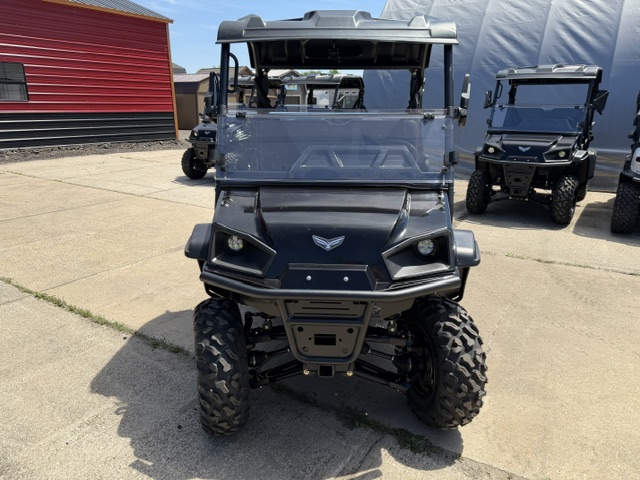
Almost every beginner makes small mistakes while learning to drive, but many of them are easy to avoid. One common error is pressing the accelerator too quickly when starting. Smooth acceleration gives you greater control and makes the ride more comfortable for passengers. Another frequent mistake is taking corners too fast. Golf buggies are not designed for aggressive driving, and sharp turns at higher speeds can reduce stability. Drivers should also avoid carrying more passengers than the buggy was designed to accommodate because extra weight affects steering, braking, and overall handling.
Distractions create another unnecessary risk. Avoid using a mobile phone while driving, and always keep your attention on the path ahead. Never allow passengers to stand on the rear platform or hang outside the buggy while it is moving. Skipping routine maintenance is another mistake that eventually leads to mechanical problems. Regularly checking tire pressure, battery condition, brakes, and steering components helps keep the buggy operating safely. Simple habits developed early often become second nature and greatly reduce the likelihood of accidents or expensive repairs.
Build Good Driving Habits For Every Journey
Learning how to drive a golf buggy does not end after your first successful trip. Good driving habits develop over time through consistency and attention to safety. Before every drive, inspect the buggy, confirm that all passengers are seated correctly, and ensure the battery or fuel level is sufficient for the planned journey. Drive at a speed that matches the conditions instead of trying to reach the buggy’s maximum speed whenever possible. Staying alert, anticipating hazards, and giving yourself plenty of room to stop are habits that experienced drivers practice every day.
As your confidence grows, continue focusing on smooth steering, gradual braking, and respectful driving around others. These simple techniques make every trip safer whether you are transporting golfers, exploring a campground, or driving around your neighborhood. If you are considering purchasing your own golf buggy or upgrading to a newer model, explore the selection available at Hartville Golf Carts. You can also contact the team for assistance choosing the right model for your needs. For additional golf etiquette and safety information, visit the United States Golf Association. By combining safe driving techniques with regular maintenance and courteous behavior, every journey becomes more enjoyable for both drivers and passengers.