
When a golf cart suddenly refuses to move, clicks when the accelerator is pressed, or loses power unexpectedly, many owners immediately suspect the batteries. While battery problems are common, the real issue may actually involve the solenoid. That is why many golf cart owners search how to check a solenoid on a golf cart before replacing expensive parts unnecessarily. A golf cart solenoid acts like an electrical switch that controls the flow of power from the batteries to the motor. When it functions correctly, the cart responds smoothly when the accelerator is pressed. When it fails, the golf cart may not move at all, even though the batteries appear fully charged. Fortunately, checking a golf cart solenoid is often a straightforward process involving visual inspection, voltage testing, and basic troubleshooting. Understanding how the solenoid works and how to test it properly can save owners both time and money.
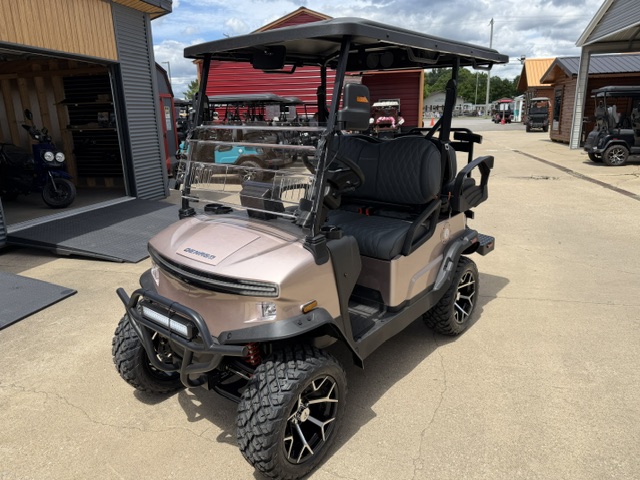
What A Golf Cart Solenoid Does
The solenoid serves as an electrical relay that allows high-current battery power to reach the golf cart motor when the accelerator pedal is activated. Without the solenoid, the motor would never receive the power required to move the cart. When the driver presses the accelerator, a smaller electrical signal activates the solenoid, which then closes an internal circuit and allows battery power to flow. Because the solenoid handles large amounts of electrical current repeatedly, it experiences wear over time. Contacts inside the unit may eventually burn, corrode, or fail. When this occurs, power delivery becomes inconsistent or stops completely. Understanding the solenoid’s role helps owners recognize why a failed solenoid can create symptoms that resemble battery, controller, or motor problems.
Common Signs Of A Bad Solenoid
Several warning signs may indicate a failing solenoid. One of the most common symptoms is a clicking sound when the accelerator is pressed, but no movement from the golf cart. In some cases, the cart may move intermittently, accelerate inconsistently, or lose power unexpectedly. Other owners notice that the golf cart operates normally one day and refuses to move the next. A completely failed solenoid may prevent any power from reaching the motor even though the lights, accessories, and battery voltage appear normal. These symptoms often create confusion because the batteries seem healthy. Recognizing these warning signs early can help owners focus their troubleshooting efforts and avoid replacing components that are still functioning properly.
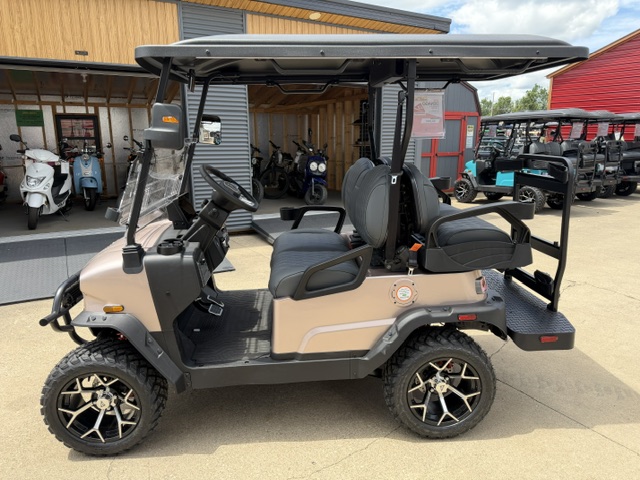
Start With A Visual Inspection
Before using testing equipment, owners should perform a careful visual inspection of the solenoid and surrounding wiring. Loose connections, damaged cables, corrosion, and burned terminals may all contribute to electrical problems. In many cases, what appears to be a failed solenoid actually involves a poor connection or damaged cable. Battery terminals and wiring should also be inspected because power delivery problems sometimes originate elsewhere in the electrical system. Looking for melted insulation, discoloration, or signs of overheating may reveal issues that require attention. A visual inspection takes only a few minutes and often identifies obvious problems before more advanced testing becomes necessary.
Listen For The Solenoid Click
One of the simplest diagnostic methods involves listening for the solenoid when the accelerator pedal is pressed. A healthy solenoid typically produces a noticeable clicking sound as the internal contacts engage. This click indicates that the activation circuit is working and attempting to close the electrical connection. However, hearing a click does not automatically confirm that the solenoid is functioning correctly. Internal contacts may still be damaged or unable to carry sufficient current. Conversely, the absence of a click may indicate problems with the activation circuit, wiring, microswitch, or the solenoid itself. Listening for this sound provides useful information, but should be combined with additional testing for a complete diagnosis.
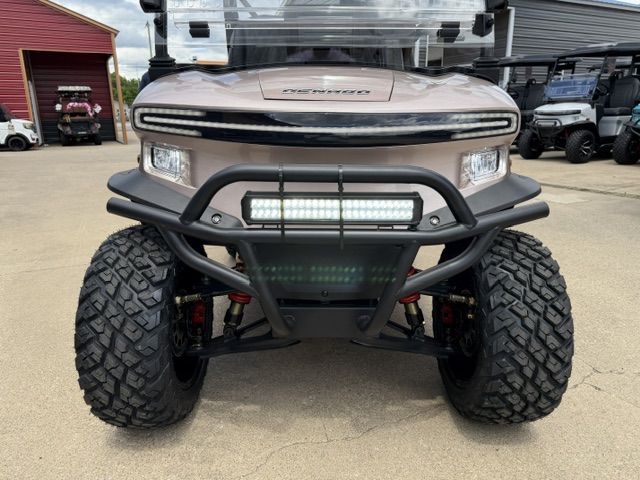
Check Battery Voltage First
Before blaming the solenoid, owners should verify that the battery pack provides adequate voltage. Weak or severely discharged batteries can create symptoms similar to solenoid failure. Using a multimeter to measure total battery pack voltage helps eliminate one of the most common causes of electrical problems. If voltage readings fall well below expected levels, battery charging or battery replacement may be necessary before continuing the diagnosis. Testing the batteries first helps ensure the troubleshooting process begins with a solid electrical foundation. Many experienced technicians always verify battery condition before testing any other major electrical component.
Use A Multimeter To Test The Solenoid
A multimeter provides one of the most accurate ways to evaluate solenoid performance. Owners can measure voltage at the large terminals on the solenoid while the cart is operating. Under normal conditions, battery voltage should appear on the input side continuously, while voltage should appear on the output side when the accelerator activates the solenoid. If voltage enters the solenoid but does not leave it during operation, the internal contacts may have failed. Electrical testing requires careful attention and proper safety procedures because golf cart battery systems carry substantial current. Accurate voltage measurements often reveal whether the solenoid is functioning correctly or needs replacement.
Inspect The Activation Circuit
The solenoid depends on a smaller activation circuit to trigger operation. If this circuit fails, the solenoid may never engage even when the component itself remains functional. Microswitches, key switches, pedal switches, wiring, and safety circuits all contribute to proper activation. Testing these components helps determine whether the solenoid receives the signal required to operate. Some owners replace perfectly good solenoids only to discover that the real problem involves a faulty switch or damaged wire elsewhere in the system. A complete diagnostic approach examines both the high-current and low-current sides of the circuit before making repair decisions.
When Solenoid Replacement Is Necessary
Solenoids are wear items and eventually require replacement. Internal contacts degrade after thousands of operating cycles, especially in carts used frequently. Once the contacts become excessively worn or damaged, reliable power transfer becomes impossible. Replacement often restores normal operation immediately when the solenoid is truly the source of the problem. According to E-Z-GO Technical Support, proper electrical diagnostics should always be completed before replacing components to ensure the correct repair is performed. Installing a new solenoid without identifying the underlying issue can lead to repeated failures and unnecessary expenses.
Modern Golf Carts Use Advanced Electrical Systems
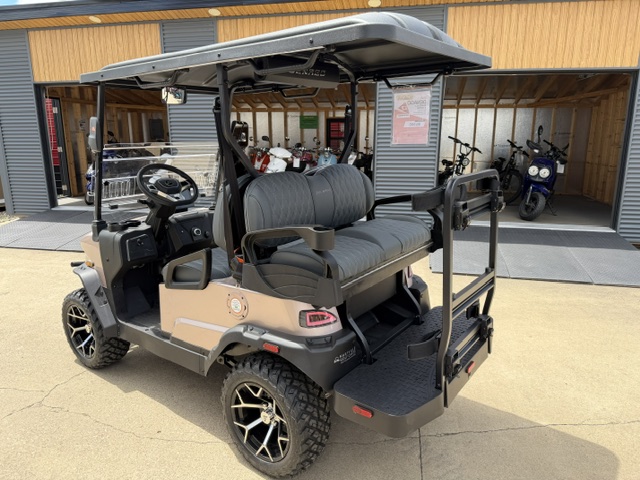
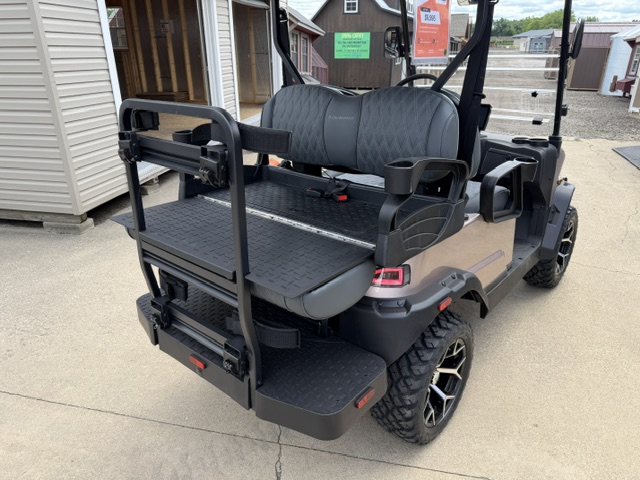
Today’s golf carts feature more sophisticated electrical systems than many older models. Advanced controllers, lithium battery technology, and improved wiring systems help deliver stronger performance and greater efficiency. While solenoids remain important components, modern systems often provide better reliability and diagnostic capabilities than earlier designs. Owners considering upgrades or replacement vehicles frequently appreciate the convenience and performance improvements available in newer models. Drivers exploring modern electric golf carts sometimes consider options such as the Denago Nomad XL because advanced electrical systems simplify ownership while improving overall driving performance.
Learn More About Solenoid Testing
Understanding how to check a solenoid provides valuable troubleshooting knowledge, but some situations require deeper diagnostic procedures. Owners who want a more detailed understanding of voltage testing and electrical troubleshooting may also benefit from learning about how to test solenoid on golf cart systems. The two topics complement each other because one focuses on inspection and diagnosis, while the other explores more advanced testing methods. Developing a basic understanding of golf cart electrical systems helps owners identify problems faster and communicate more effectively when professional repairs become necessary.
Conclusion
Learning how to check a solenoid on a golf cart helps owners diagnose one of the most common causes of power-related problems. Visual inspections, battery testing, voltage measurements, and activation-circuit checks all provide valuable information during the troubleshooting process. Because solenoid failures often mimic battery and motor issues, proper diagnosis can prevent unnecessary repairs and expenses. Whether maintaining an older golf cart or evaluating a newer electric model, understanding the solenoid’s role contributes to more reliable operation and easier troubleshooting. For drivers interested in dependable electric golf carts built around modern technology and long-term reliability, Hartville Golf Carts offers quality models designed for performance, comfort, and everyday enjoyment.