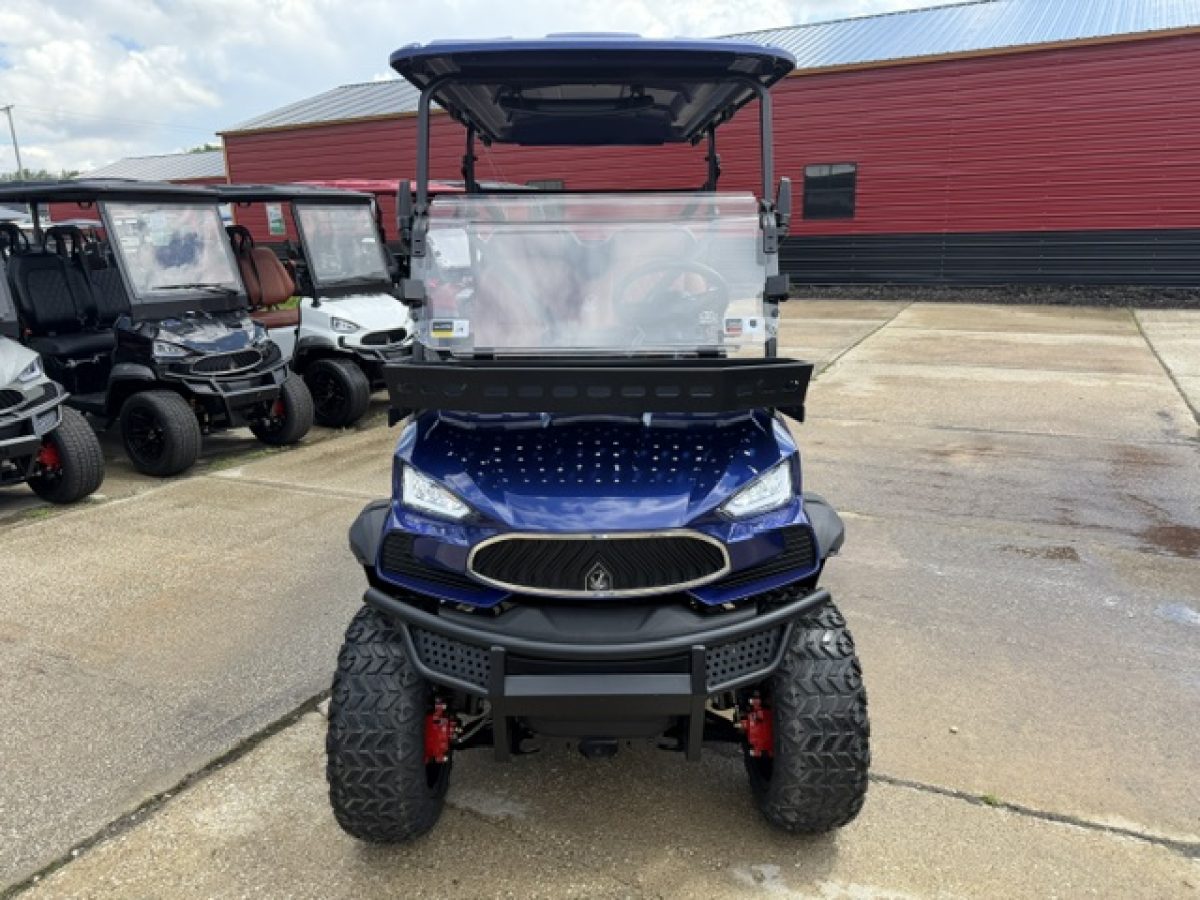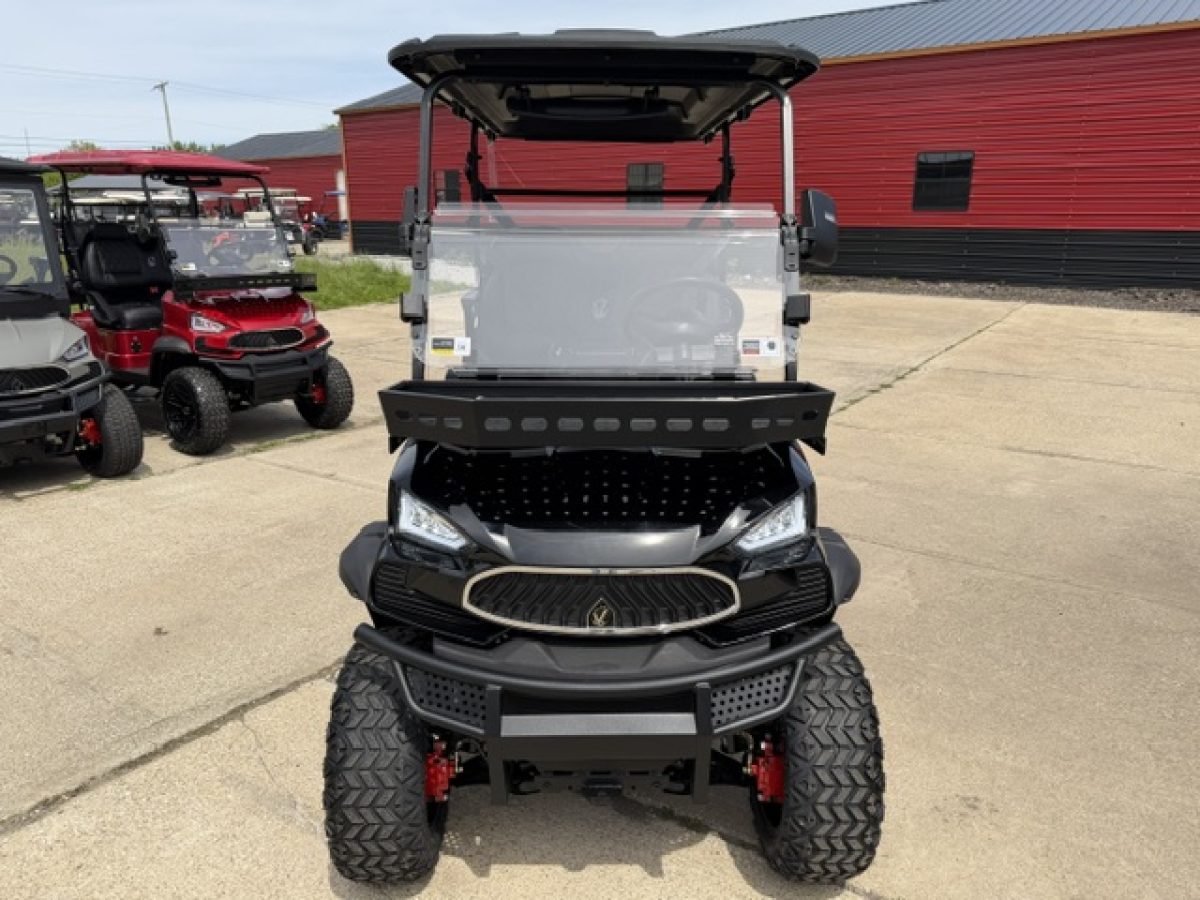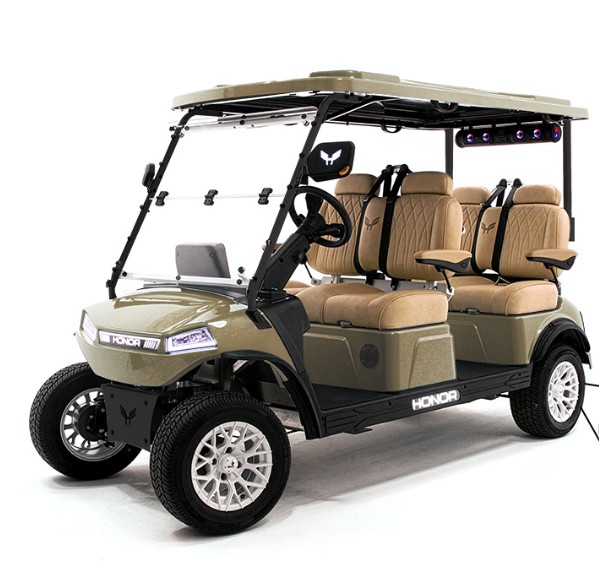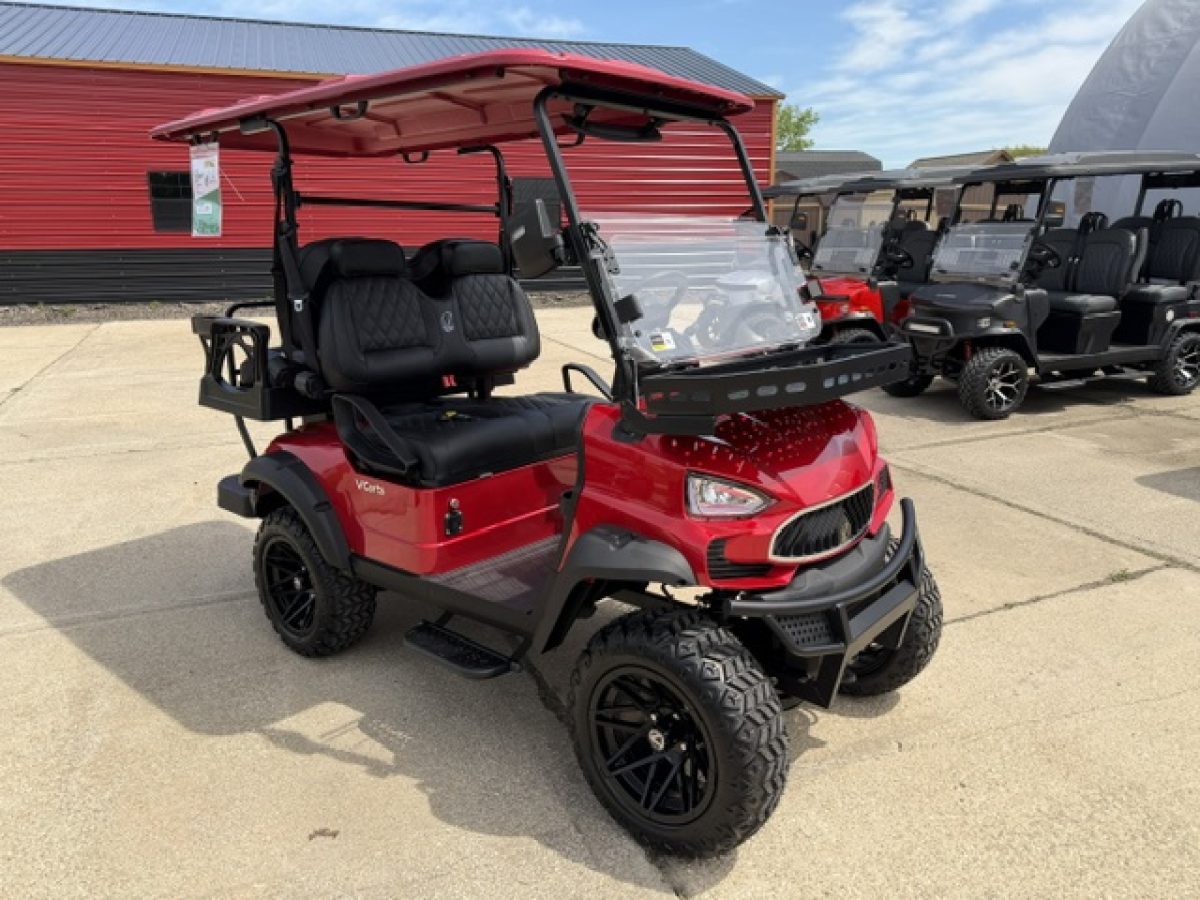

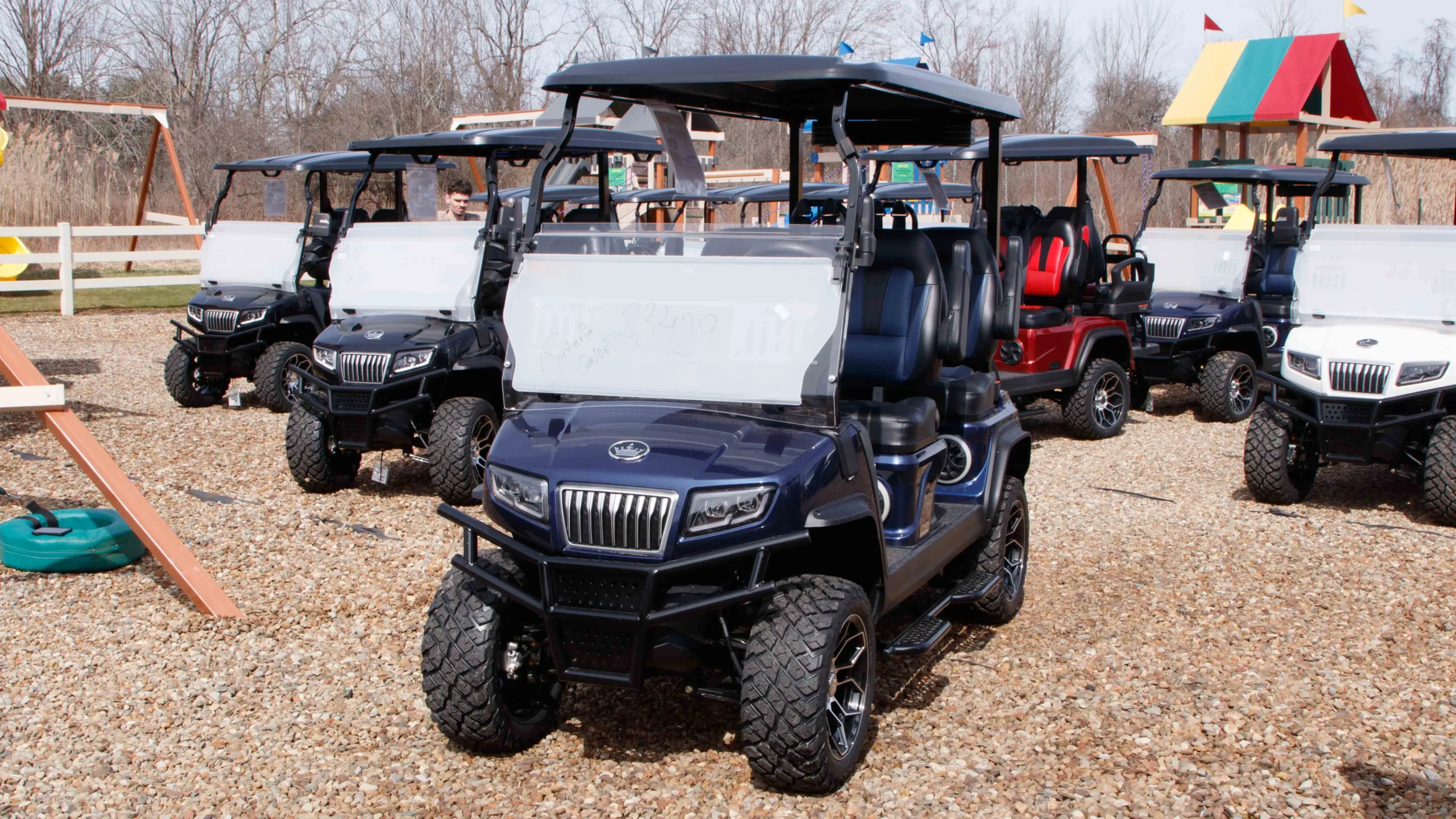
One of the most common questions golf cart owners ask is: How long does it take to charge a golf cart? Charging time depends on battery type, charger output, voltage system, and how depleted the batteries are before charging begins. Most golf carts take between 3 and 10 hours to fully recharge, though lithium battery systems usually charge much faster than traditional lead-acid batteries.
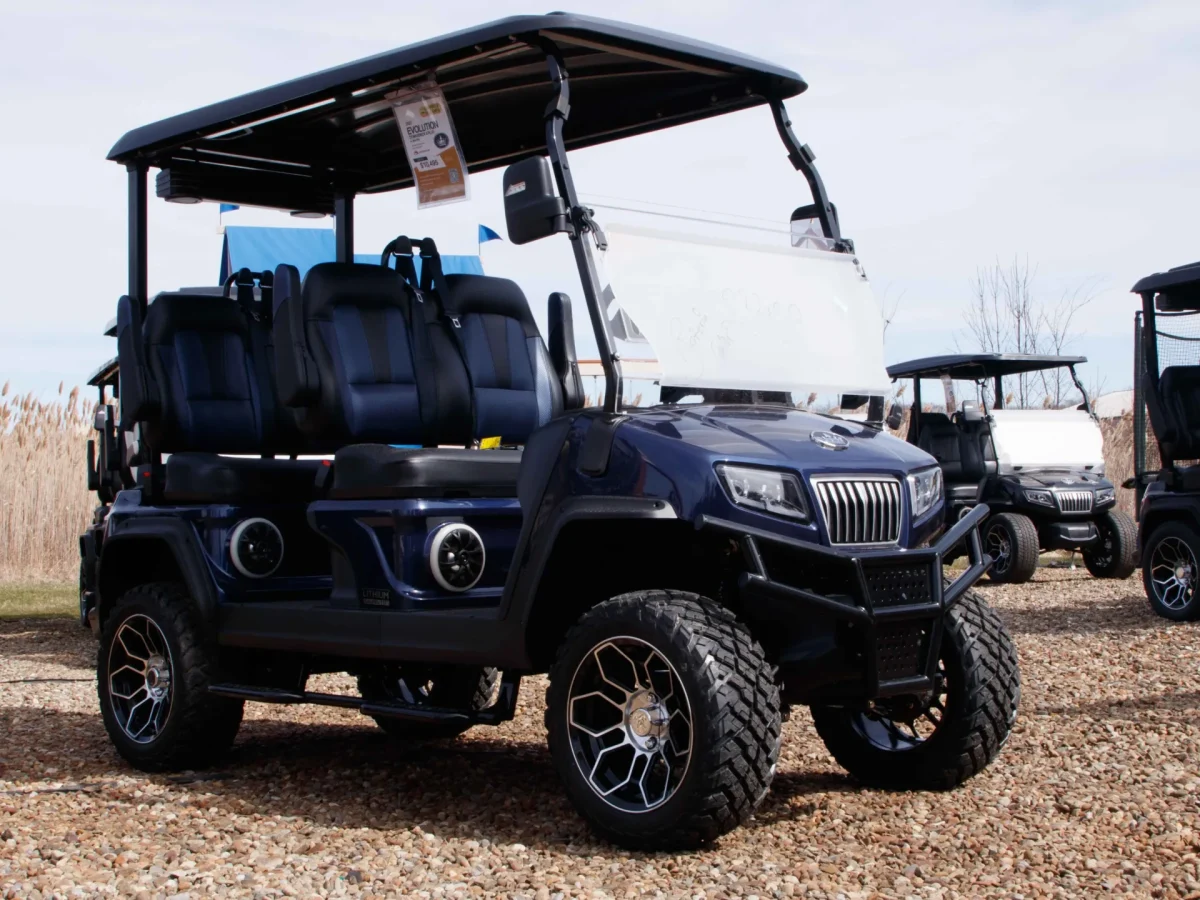
Battery Voltage and Capacity
The voltage and total capacity of your cart’s battery system are major factors in determining charge time. Most golf carts run on 36V or 48V systems, typically made up of 6V or 8V deep-cycle lead-acid or lithium batteries. How long does it take to charge a 48 volt golf cart often depends on charger amperage and battery condition, while 36-volt systems may take slightly longer when using older lead-acid batteries. A higher-voltage system tends to provide greater range and slightly shorter charging times, depending on the charger used.
For example, a 48V system equipped with lithium batteries may charge faster than a 36V lead-acid setup. But it’s not just about voltage, it’s about how depleted the battery is and what kind of charger you’re using.
How Long Does It Take on Average
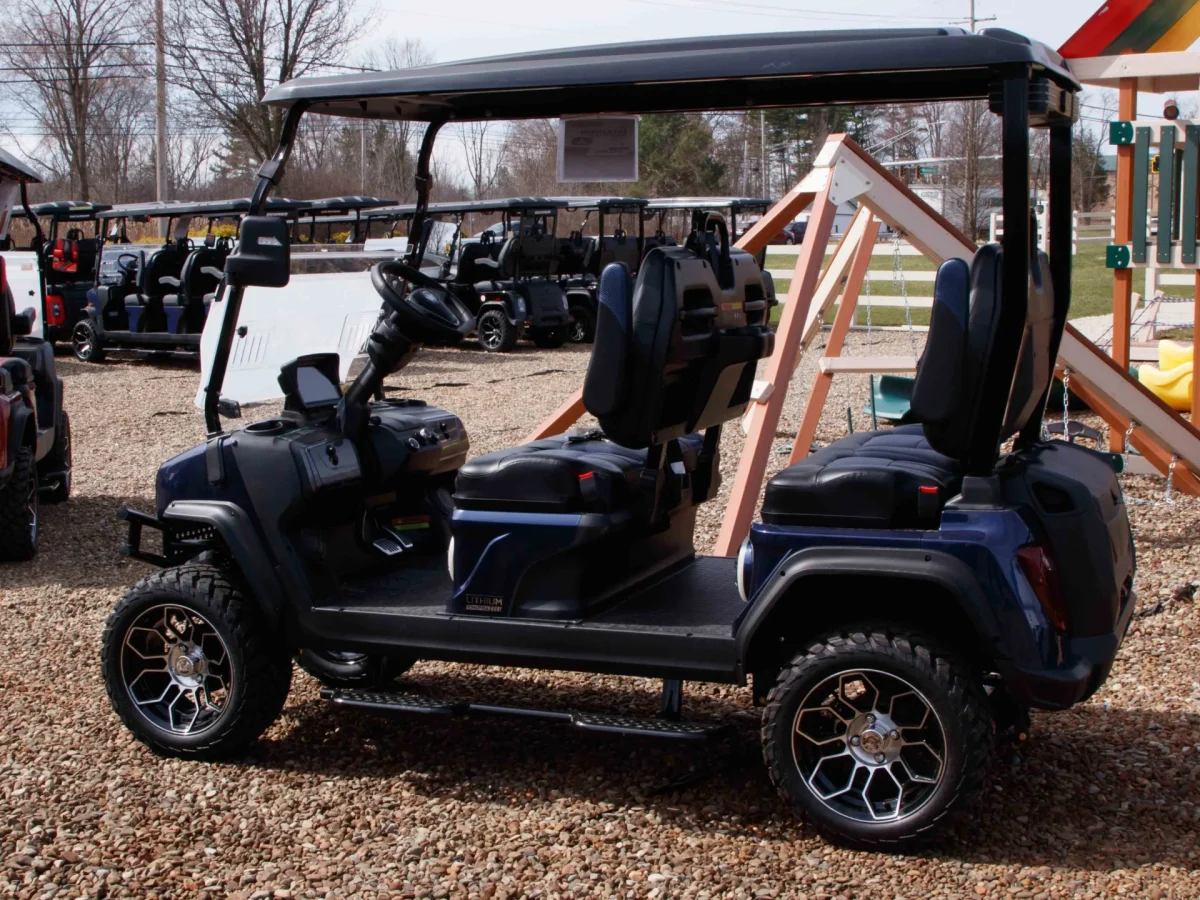
On average, a standard lead-acid battery system takes 6 to 8 hours to charge fully with a stock charger. If the batteries are deeply discharged, it could take 10 hours or longer. Meanwhile, lithium battery systems, especially those paired with a smart charger, can reach a full charge in just 3 to 5 hours. How long does it take to charge golf cart batteries depends heavily on battery chemistry, charger output, and how depleted the batteries are before charging begins.
If you’re topping off partially discharged batteries after a short drive, the process may take only 2 to 4 hours. Regularly recharging your cart after moderate use prevents deep discharges, which can shorten battery life.
Charger Type and Efficiency
The type of charger used can drastically alter how long it takes to recharge your golf cart. Older models often rely on manual chargers that lack modern features like automatic shut-off, smart diagnostics, or voltage regulation. These chargers usually take longer and may even damage the battery if left plugged in after a full charge.
Modern automatic chargers are much more efficient. They detect when the battery is full and switch to maintenance or float mode, reducing the risk of overcharging. Many of them also adapt charging behavior based on battery temperature and age. Some advanced smart chargers come with digital displays or mobile connectivity, allowing users to monitor charging progress in real time.
Matching the charger to your specific battery type, be it flooded lead-acid, AGM, or lithium, is crucial. Lithium batteries, for instance, benefit most from chargers designed specifically for lithium chemistry. Manufacturers such as Club Car and E-Z-GO also recommend using charger systems specifically matched to battery chemistry and voltage configuration for optimal charging performance. Failing to match the right charger can lead to extended charging times, battery imbalance, or even reduced battery life.
If you’re unsure what charger fits your golf cart system, consult your manufacturer’s guide or seek advice from an experienced golf cart dealer. Hartville Golf Carts offers guidance on finding the right cart, battery compatibility, and performance setups to maximize your ride’s efficiency.
Impact of Battery Age and Condition
Battery condition significantly affects charging time. Newer, well-maintained batteries charge faster and hold power longer than older or neglected ones. If your batteries are more than 4 years old or show signs of swelling, corrosion, or uneven voltage levels, they will take longer to charge and may not reach full capacity.
Routine maintenance, such as cleaning terminals, checking water levels (for lead-acid types), and equalizing charges, keeps batteries in peak condition and reduces charge time. Failing to maintain batteries can add hours to the charging process.
Tips to Charge More Efficiently
Owners looking to reduce downtime and extend battery life should build good charging habits into their routine. Recharging your cart after each use, even short rides, prevents the battery from entering a deep-discharge state. Deep discharges are among the leading causes of reduced battery lifespan and extended charge times.
Environmental factors also play a role. Charging a battery in a location that’s too hot or too cold can reduce charge efficiency. Ideally, your charger and cart should be placed in a climate-stable environment with adequate airflow. Dust and humidity should be minimized to prevent damage to sensitive electronics.
Another important step involves cable care. Loose or corroded terminals not only increase charging time but also pose a safety risk. Cleaning the connections monthly and inspecting them for frayed cables or cracked insulation helps prevent power loss during charging.
To further enhance charging efficiency, consider using a power meter or a smart plug to monitor energy use. Some households with multiple carts even schedule charging during off-peak utility hours to reduce energy costs. Efficient charging practices not only preserve your battery but also reduce your long-term energy expenses.
Knowing when a golf cart is fully charged is also important for long-term battery health. Most modern chargers automatically switch to maintenance mode once charging is complete, helping prevent overcharging and unnecessary battery wear.
How Much Does It Cost to Charge a Golf Cart?
Electric golf carts are relatively inexpensive to charge compared to full-sized electric vehicles. Most charging sessions cost only a few dollars, depending on battery size, electricity rates, and charging frequency. Lithium battery systems may charge more efficiently, while older lead-acid setups can consume slightly more electricity over time.
Charging costs also depend on how deeply the batteries were discharged before recharging. Golf carts used for short neighborhood trips often cost very little to recharge regularly, making them an economical transportation option for many owners.
How Long Does a Fully Charged Golf Cart Last?
The driving range of a fully charged golf cart depends on battery type, terrain, passenger weight, and driving habits. Most electric golf carts travel between 20 and 40 miles per charge under normal conditions. Lithium battery systems often provide longer range and more consistent performance compared to older lead-acid setups.
Frequent hill climbing, heavy loads, and aggressive acceleration can reduce driving range, while smooth driving and regular charging habits help maximize battery efficiency.
Charging During Off-Season or Storage
Long-term storage can be hard on golf cart batteries if not managed properly. Many owners overlook the importance of battery maintenance during winter or extended periods of inactivity. When batteries sit unused, they self-discharge gradually, and without periodic charging, this can lead to sulfation and permanent damage, particularly in lead-acid batteries.
Before storing the cart, thoroughly clean the battery terminals and apply terminal protectant to prevent corrosion. Fully charge the batteries, then disconnect them or switch off the main breaker if your cart includes one. Lithium batteries tend to hold charge longer than lead-acid ones, but periodic checks are still advisable.
A smart charger with float mode or trickle function is the safest way to maintain charge levels during storage. These devices provide a small, consistent current that keeps the battery healthy without overcharging. If you don’t have a float charger, make it a habit to recharge the batteries every 2–3 weeks during the off-season.
Additionally, it’s worth reviewing your charger’s storage settings. Some smart chargers include winter or storage modes that maintain optimal voltage thresholds for long-term health. Check your cart’s manual or the charger manufacturer’s instructions to activate these features.
Resources like Battery University offer additional technical guidance on maintaining batteries during months of inactivity, particularly for carts stored in cold climates or unheated garages.
Conclusion
So, how long does it take to charge a golf cart? The answer ranges from 3 to 10 hours, depending on battery type, age, and charger efficiency. By maintaining your batteries and using the right charging equipment, you can reduce wait time, extend range, and protect your investment.
For expert guidance on golf cart performance, maintenance tips, or help finding the right cart for your needs, visit Hartville Golf Carts. Our team proudly serves Ohio and beyond with trusted knowledge and top-tier service.