
One of the most common questions people ask before buying an electric bike is how long e bike batteries last. The battery plays a major role in how useful, reliable, and enjoyable an e bike feels over time. For first time buyers especially, understanding battery lifespan helps set realistic expectations and removes uncertainty. Modern e bikes use advanced battery technology designed for daily riding, long term use, and consistent performance, which makes them a dependable option for many riders.
E bike batteries are built to support a wide range of riding styles, from short neighborhood trips to longer recreational rides. While battery life depends on several factors, most riders find that modern batteries perform well for many years with basic care. Learning how battery lifespan works, what affects it, and how to extend it allows riders to enjoy their e bike with confidence rather than worry.
What Type of Battery Do Most E Bikes Use
Most modern e bikes use lithium based batteries, which have become the standard because of their efficiency, reliability, and long lifespan. Lithium batteries are lightweight, hold their charge well, and deliver consistent power throughout a ride. Compared to older battery types, lithium batteries experience less memory loss and handle frequent charging better. This technology allows riders to charge their bikes regularly without damaging the battery, which makes ownership simple and stress free.
How Long E Bike Batteries Usually Last in Years
In general, e bike batteries last several years when used normally and cared for properly. Many riders experience strong performance for multiple riding seasons before noticing any decline. Battery lifespan is often measured in years as well as charge cycles, and modern lithium batteries are designed to handle hundreds of full cycles. For most riders, this translates into long term reliability that supports daily commuting or regular recreational use.
Understanding Charge Cycles in Simple Terms
A charge cycle refers to using and recharging a battery from full to empty and back to full. Lithium e bike batteries are built to handle many charge cycles before capacity begins to reduce. Partial charging does not harm the battery, which means riders do not need to wait until the battery is empty before charging. This flexibility allows riders to plug in whenever it is convenient and helps extend the overall lifespan of the battery.
How Long an E Bike Battery Lasts Per Charge
Battery life per charge depends on riding conditions, assistance level, terrain, and rider weight. On average, riders can expect a full charge to support daily riding needs comfortably. Using higher assistance levels drains the battery faster, while lower assistance extends range. Many riders find that a single charge easily supports commuting, errands, or recreational riding without concern, making e bikes practical for everyday use.
What Affects E Bike Battery Lifespan the Most
Several factors influence how long an e bike battery lasts over time, including riding habits, charging routines, and storage conditions. Frequent riding at high power levels increases energy use, while gentle riding extends battery life. Extreme temperatures also affect performance, as very hot or very cold environments can temporarily reduce efficiency. Normal riding and indoor storage help batteries maintain consistent health year after year.
Why Lithium Batteries Are Reliable for Daily Riding
Lithium batteries are well suited for daily use because they deliver steady power and recover well after charging. Unlike older batteries, lithium designs maintain consistent voltage throughout most of the charge. This means riders experience smooth assistance from start to finish rather than a noticeable drop in power. This reliability supports confidence in daily commuting and regular recreational riding.
Maintenance Habits That Help Batteries Last Longer
Simple habits help extend e bike battery life without adding complexity. Charging the battery regularly, avoiding complete discharge when possible, and storing the battery in a dry environment all support long term performance. Keeping the battery clean and dry also helps protect electrical connections. These basic steps allow riders to get the most out of their battery with minimal effort.
How Storage Impacts Battery Longevity
Proper storage plays an important role in battery lifespan. Storing an e bike indoors or in a covered area protects the battery from temperature extremes and moisture. During long periods of inactivity, keeping the battery partially charged rather than fully drained helps maintain battery health. These simple storage choices prevent unnecessary wear and preserve capacity.
Why Modern E Bikes Are Designed Around Battery Longevity
E bike manufacturers design their systems to protect batteries automatically. Built in battery management systems control charging, prevent overuse, and regulate temperature. These features work behind the scenes to reduce stress on the battery. Riders benefit from this technology because it reduces the need for technical knowledge while supporting long lasting performance.
Browsing E Bikes with Reliable Battery Systems
Riders who want dependable battery performance often explore models designed for everyday reliability. Reviewing available options through the e bikes for sale section helps buyers compare designs and choose models that prioritize battery efficiency and durability.
Featured E Bike Example with Strong Battery Performance
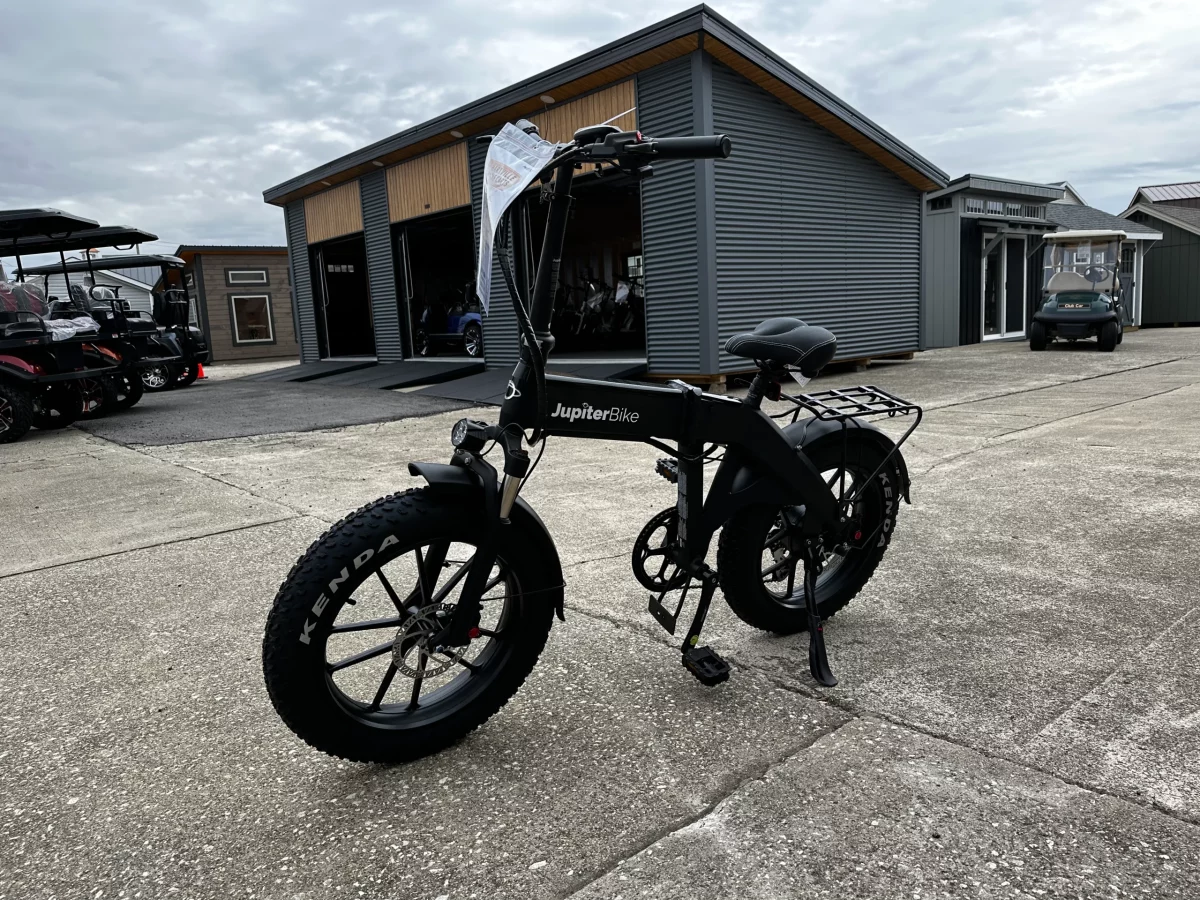
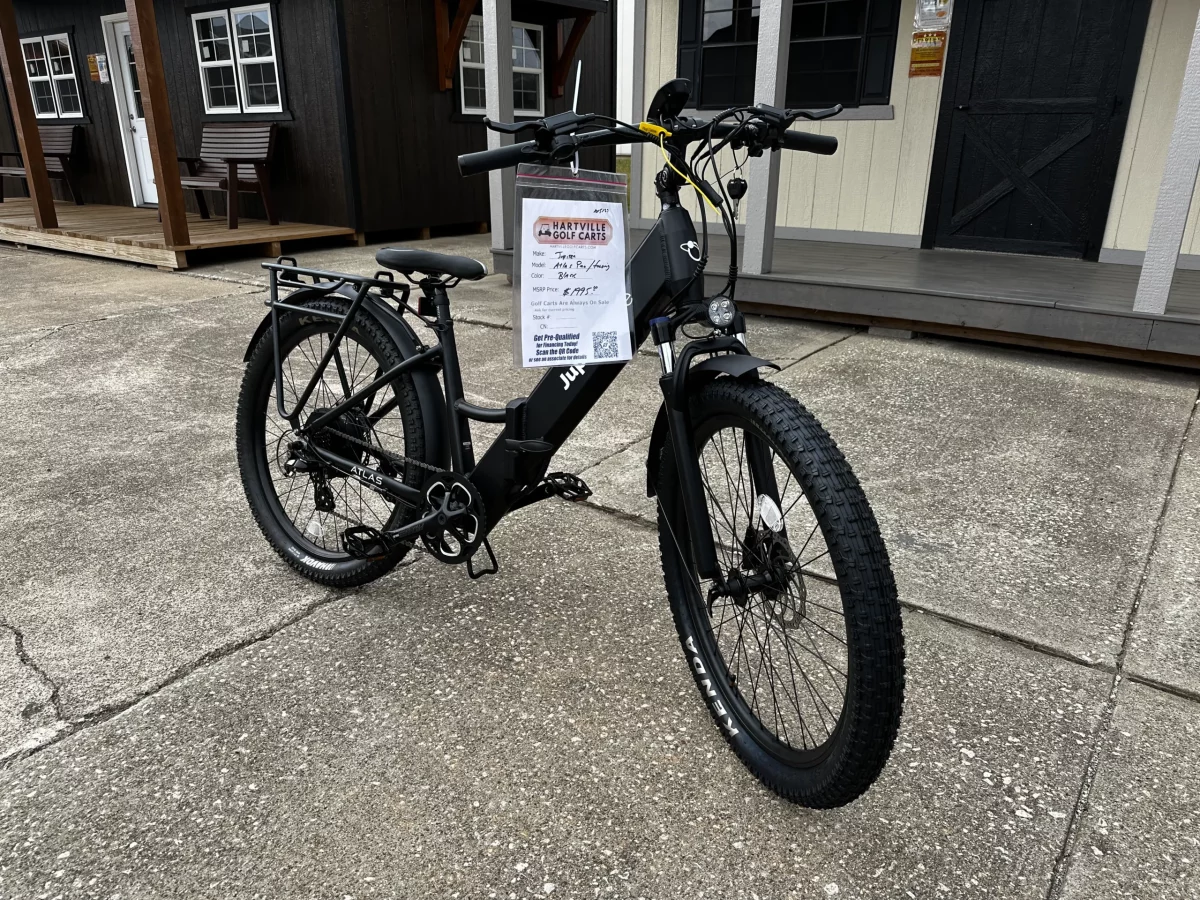
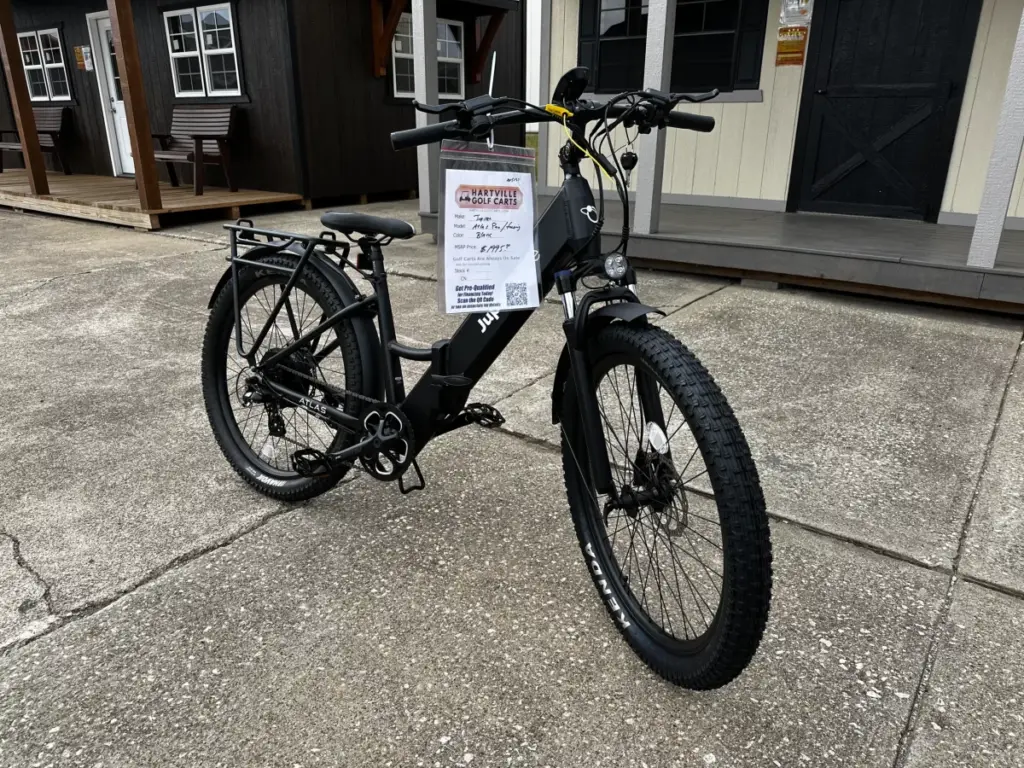
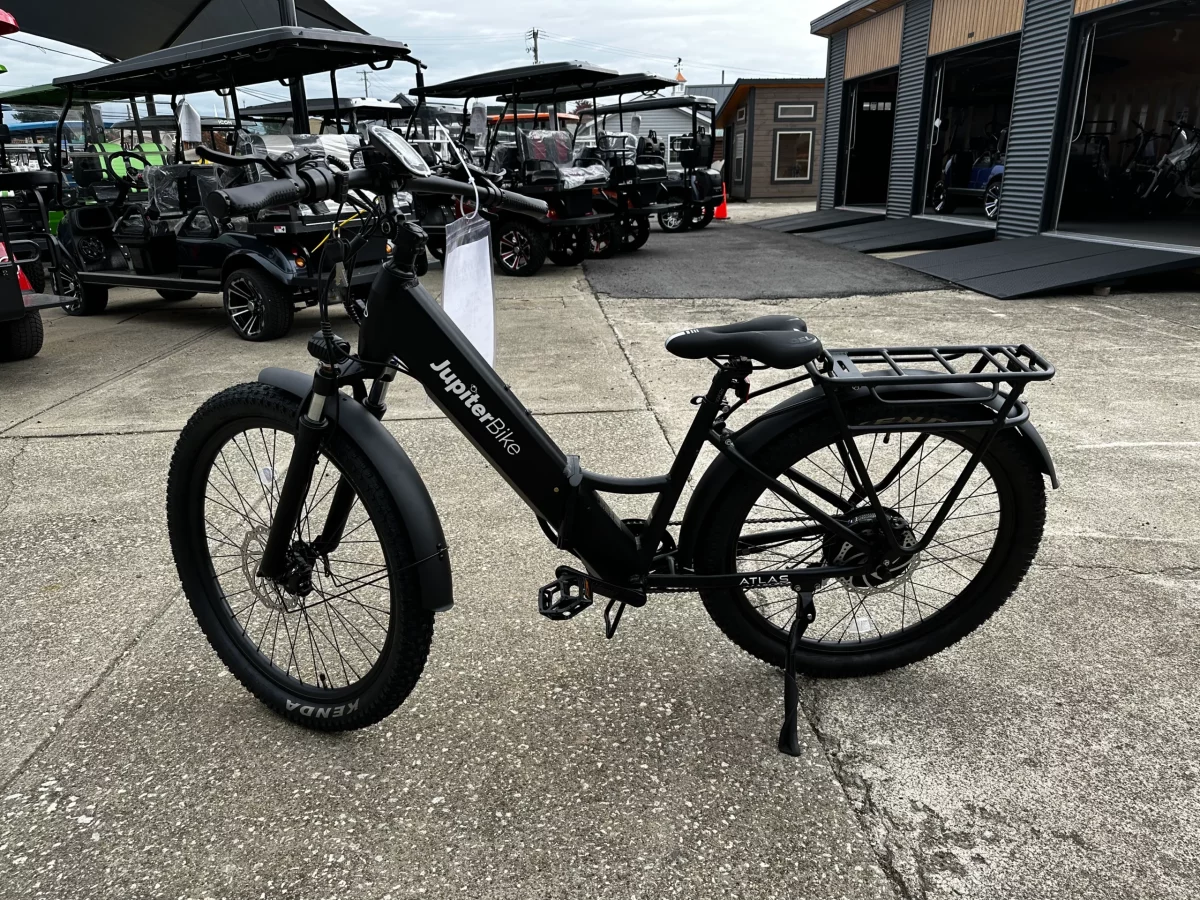
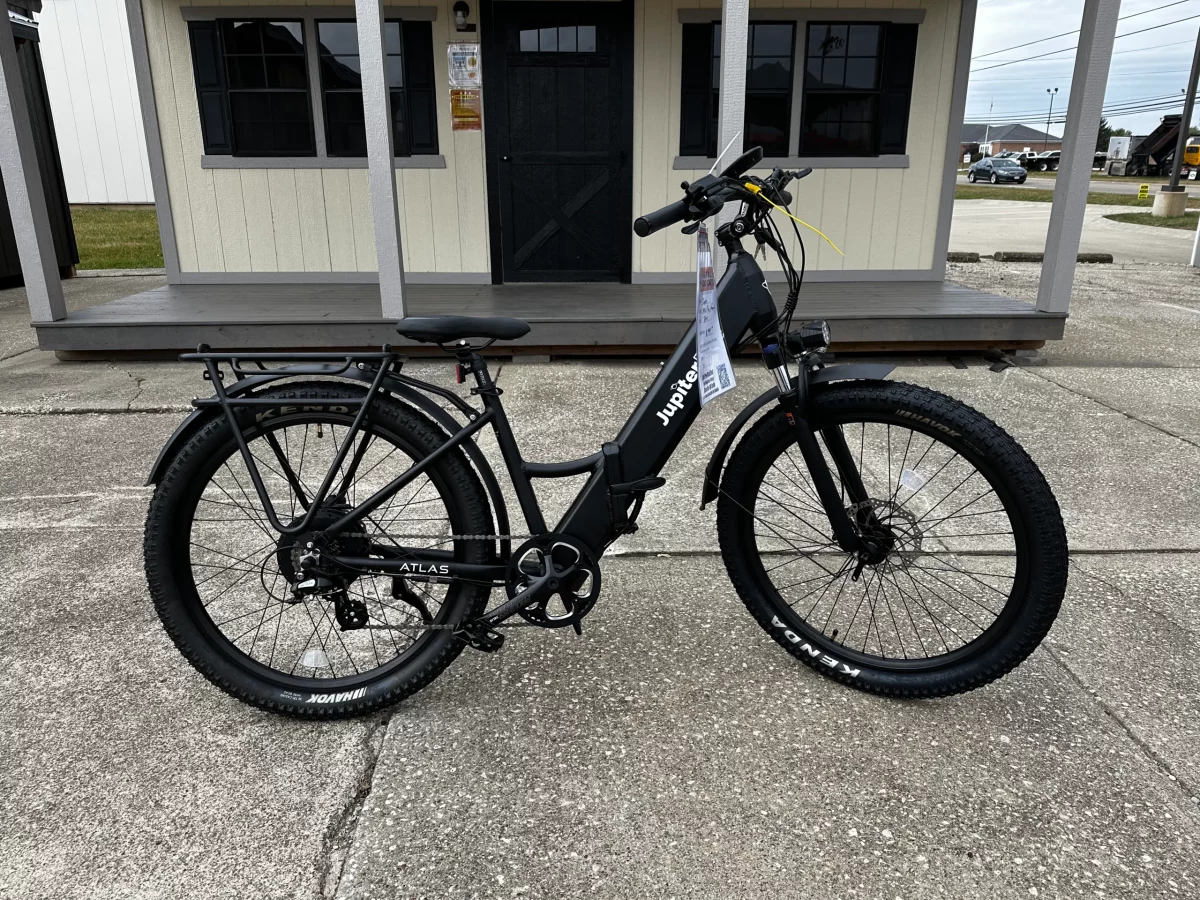
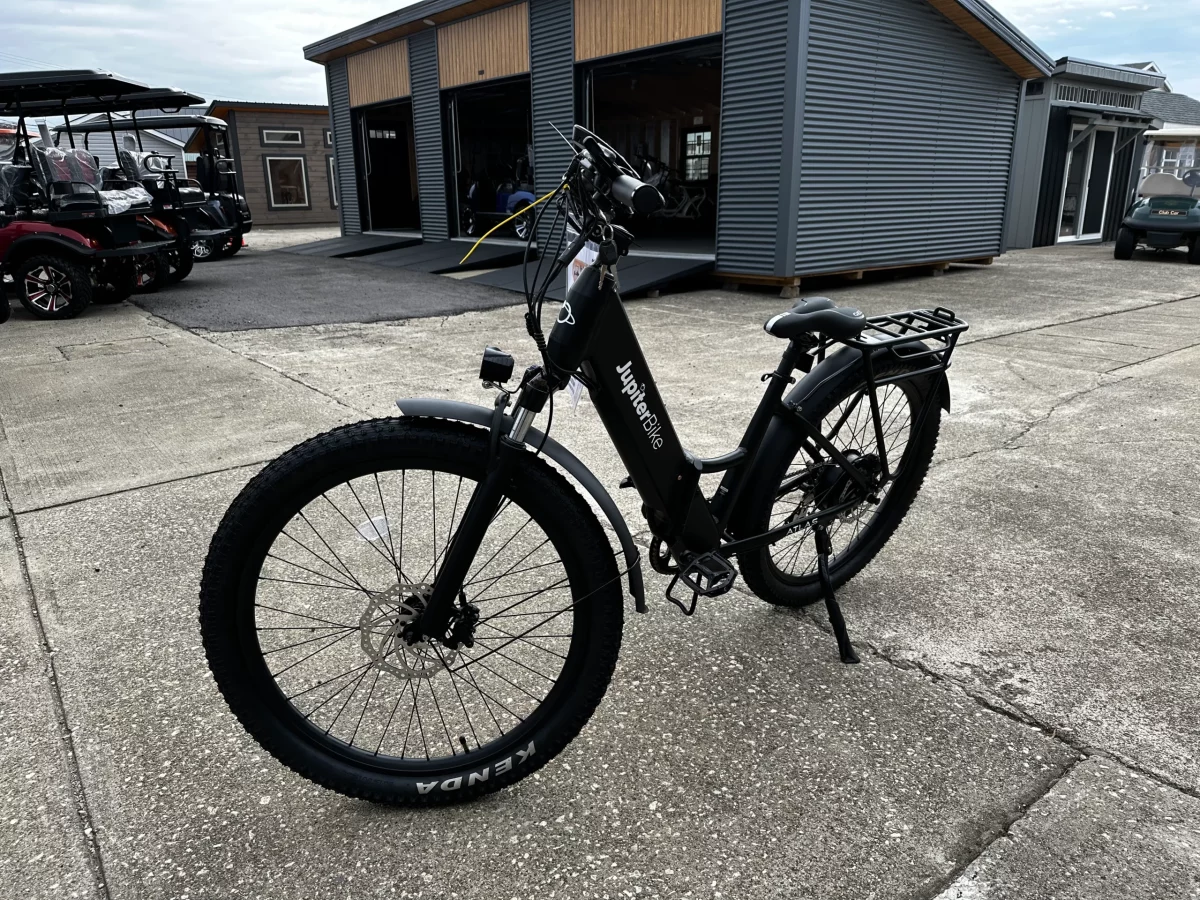
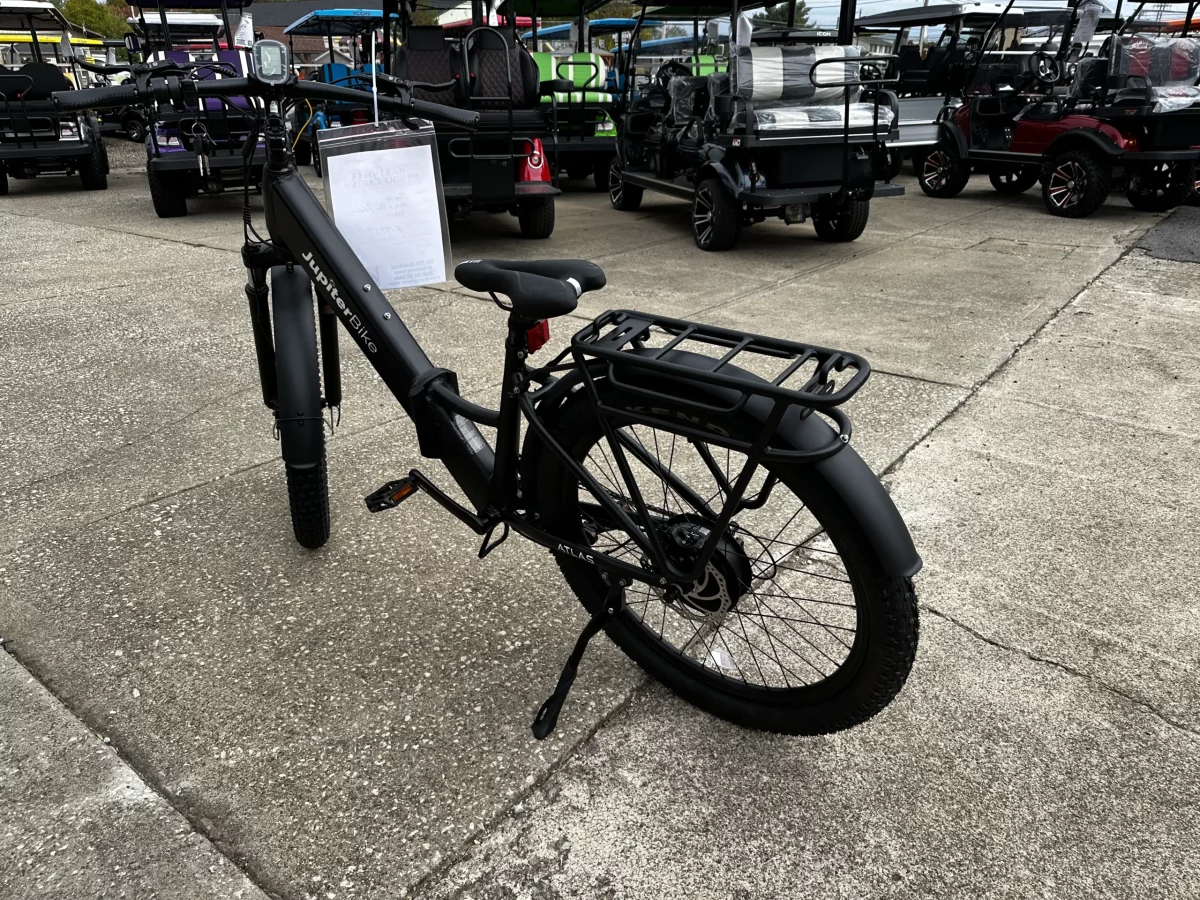
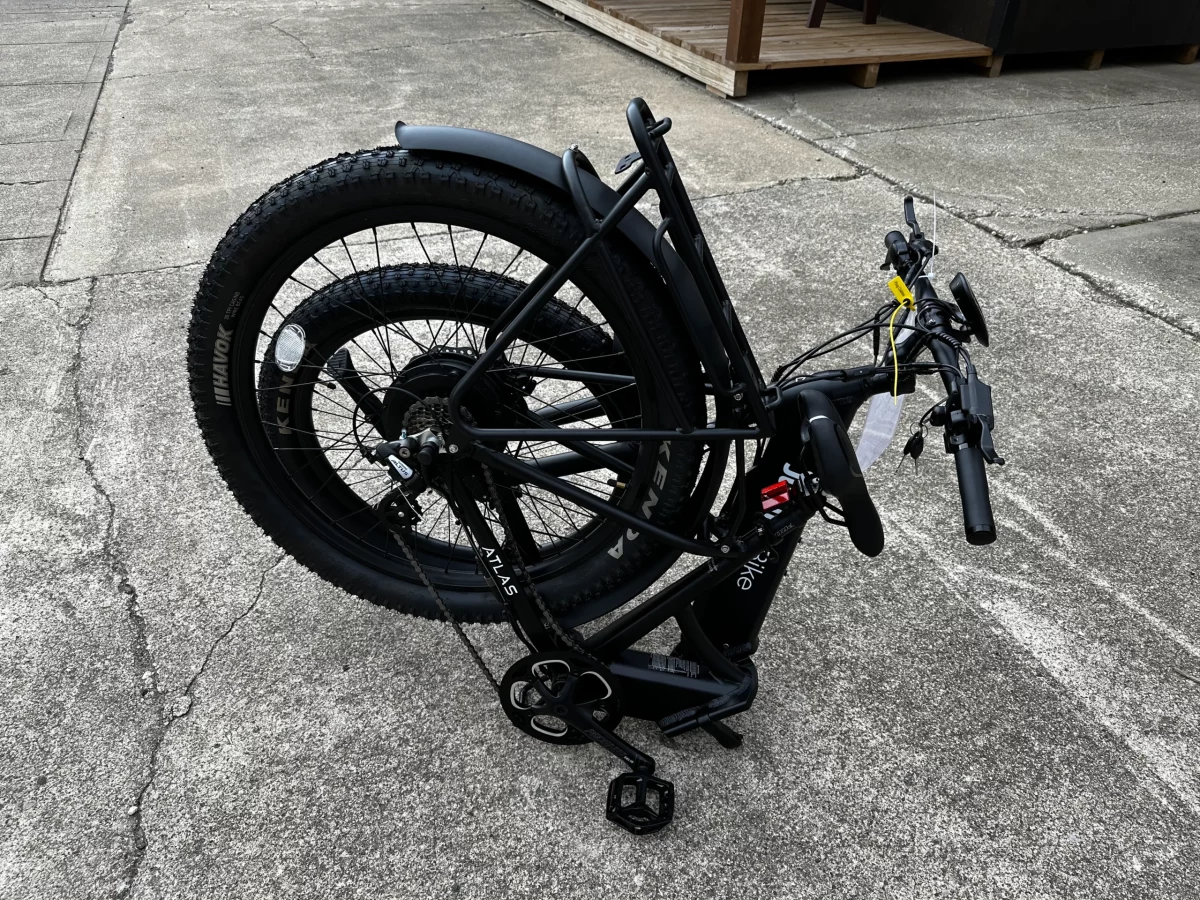
The Jupiter Bike Atlas Pro Step Through Folding E Bike represents a modern e bike built with reliable lithium battery performance in mind. Its design supports comfortable riding, efficient power use, and practical daily operation. Models like this show how modern battery systems deliver dependable performance without complicated maintenance.
How Riding Style Influences Battery Wear
Riding style plays a role in how quickly a battery ages. Smooth acceleration, moderate assistance levels, and steady speeds help preserve battery capacity. Aggressive riding drains energy faster but does not damage the battery when done occasionally. Most riders naturally find a comfortable balance that supports both enjoyment and longevity.
Battery Replacement Expectations
Even though e bike batteries last many years, they are eventually replaceable components. When replacement becomes necessary, riders often notice gradual changes rather than sudden failure. Reduced range signals that the battery has reached the later stage of its lifespan. Replacement restores original performance and allows the bike to continue serving the rider for many more years.
Why Battery Concerns Should Not Stop Buyers
Battery questions often concern first time buyers, but modern lithium technology has made these concerns far less significant. With proper care, batteries remain reliable and predictable. Most riders find battery ownership easier than expected, which reinforces the value of choosing an e bike for daily use.
Federal Guidance and Battery Safety
Battery systems used in e bikes follow established safety and transportation standards that support widespread use. Guidance from agencies such as the United States Department of Transportation helps ensure that lithium battery technology is regulated and continuously improved, which supports rider safety and long term reliability.
Why E Bikes Continue to Be a Smart Choice
E bikes remain a smart transportation option because they combine efficient battery systems with practical design. Riders enjoy reliable performance, low operating costs, and flexibility in how they ride. Battery longevity supports long term value and makes e bikes a dependable choice for many lifestyles.
Conclusion
E bike batteries last for several years and many charge cycles when used normally and cared for properly, making them a reliable part of modern electric bikes. With simple habits and quality design, battery performance remains strong over time. At Hartville Golf Carts, riders can explore dependable e bikes while also finding trusted golf carts, which continue to be the foundation of what we proudly offer.