
Golf carts are no longer limited to golf courses. Many people use them in neighborhoods, retirement communities, campgrounds, and resort towns, which raises an important question: are golf carts legal on the road? The answer depends on state laws, local ordinances, and the equipment installed on the golf cart. Some states allow golf carts on certain public roads, while others restrict them to private property unless they meet additional safety requirements. Local governments may also create their own rules about where golf carts can operate. Before driving on a public street, every owner should understand the legal requirements in their area. Taking a few minutes to learn the rules helps avoid fines, improves safety, and ensures the golf cart complies with local regulations.
State Laws Determine Road Legality
The first thing every owner should know is that there is no single nationwide law covering golf carts. Each state creates its own regulations, and cities or counties often add local rules. Some states permit golf carts on roads with speed limits of 25 to 35 miles per hour, while others allow them only in specially designated communities. Certain areas require local approval before golf carts can operate on public streets. Because regulations vary so much, two neighboring towns may have completely different rules. Checking both state laws and local ordinances is the safest approach before driving. Many police departments and municipal websites publish golf cart regulations that explain where these vehicles may travel. Understanding local requirements is the first step toward answering whether golf carts are legal on the road in your area.
Standard Golf Carts And Low-Speed Vehicles Are Not The Same
Many people believe a golf cart and a low-speed vehicle are identical, but they are different under federal and state regulations. A standard golf cart usually reaches speeds between 12 and 20 miles per hour and is designed mainly for golf courses or private property. A low-speed vehicle, often called an LSV, can travel between 20 and 25 miles per hour and must meet federal safety standards. These vehicles include headlights, brake lights, turn signals, mirrors, seat belts, reflectors, and a vehicle identification number. Because they meet higher safety requirements, many states allow LSVs to operate on more public roads than standard golf carts. Buyers should understand this distinction before deciding which type of vehicle best fits their transportation needs.
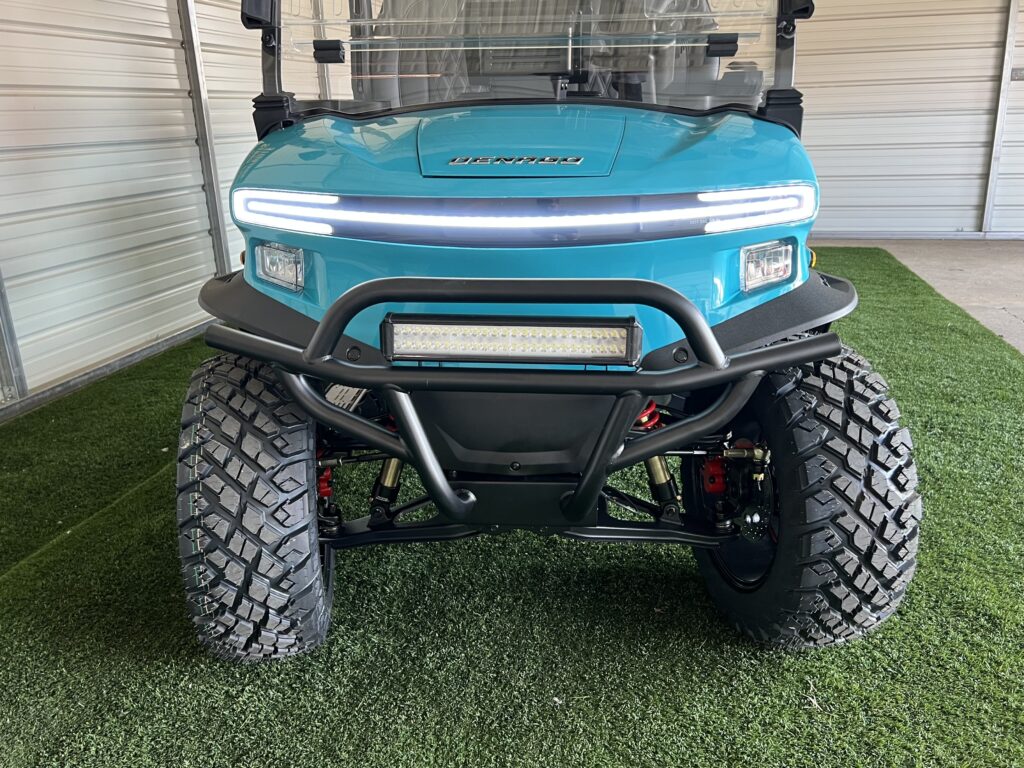
Safety Equipment Required For Public Roads
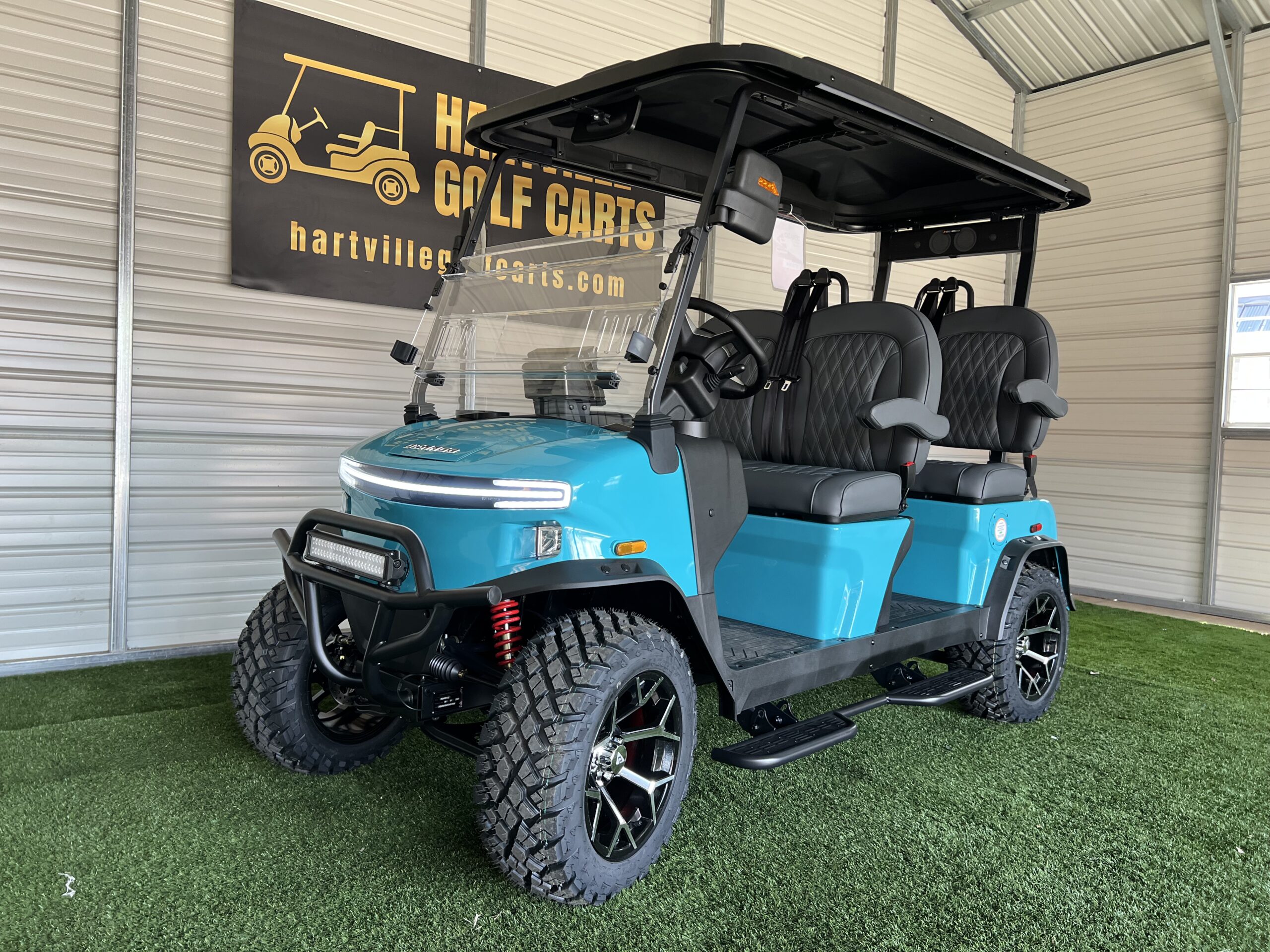
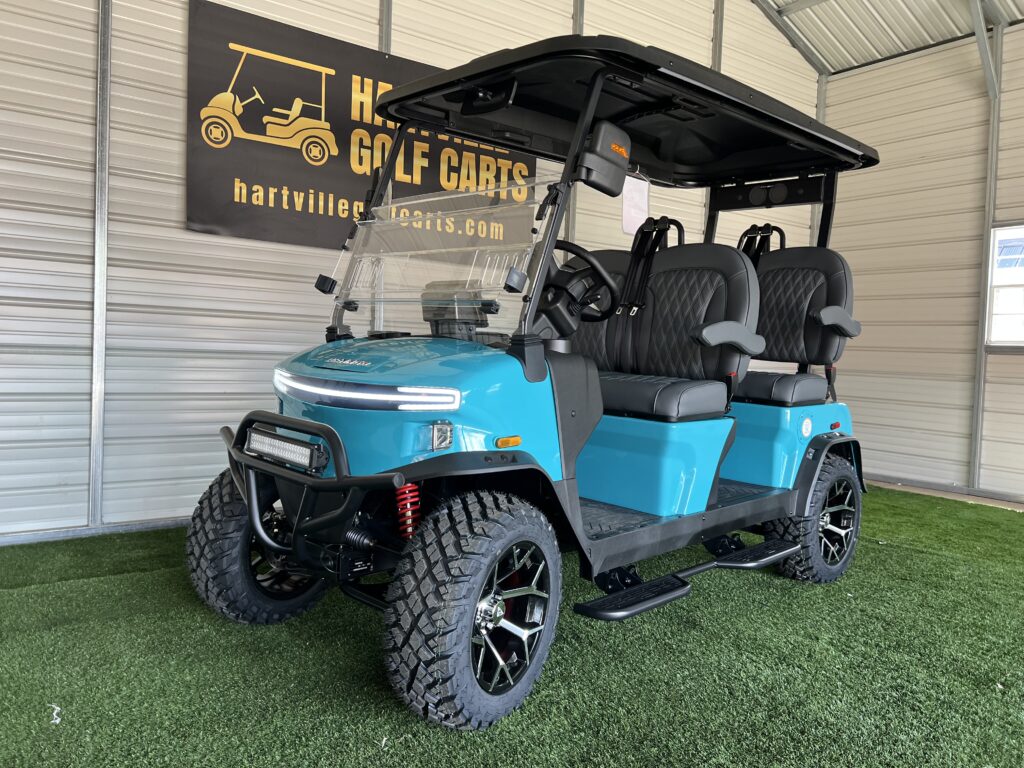
Even if local laws allow golf carts on public streets, most jurisdictions require certain safety equipment before the cart becomes road legal. Common requirements include working headlights, taillights, brake lights, turn signals, mirrors, reflectors, a horn, and seat belts. Some areas also require a windshield, parking brake, and slow-moving vehicle emblem. These features improve visibility and help golf carts operate more safely alongside other traffic. Installing approved equipment also increases driver confidence when traveling through neighborhoods or crossing intersections. Before making modifications, owners should review local regulations because required equipment varies from one location to another. Meeting these standards helps ensure the golf cart qualifies for legal road use where permitted.
Do You Need A Driver’s License And Registration?
Driver licensing and registration requirements vary by state and sometimes by city or county. Some communities require every golf cart driver to hold a valid driver’s license, while others allow younger drivers under certain conditions. Registration rules also differ. In some states, standard golf carts do not require registration if they operate only on approved local roads. However, golf carts that qualify as low-speed vehicles often need registration, insurance, and a license plate before they can legally travel on public streets. Owners should never assume the rules are the same everywhere. A quick review of local regulations can prevent traffic violations and ensure the golf cart meets every legal requirement before entering a public roadway.
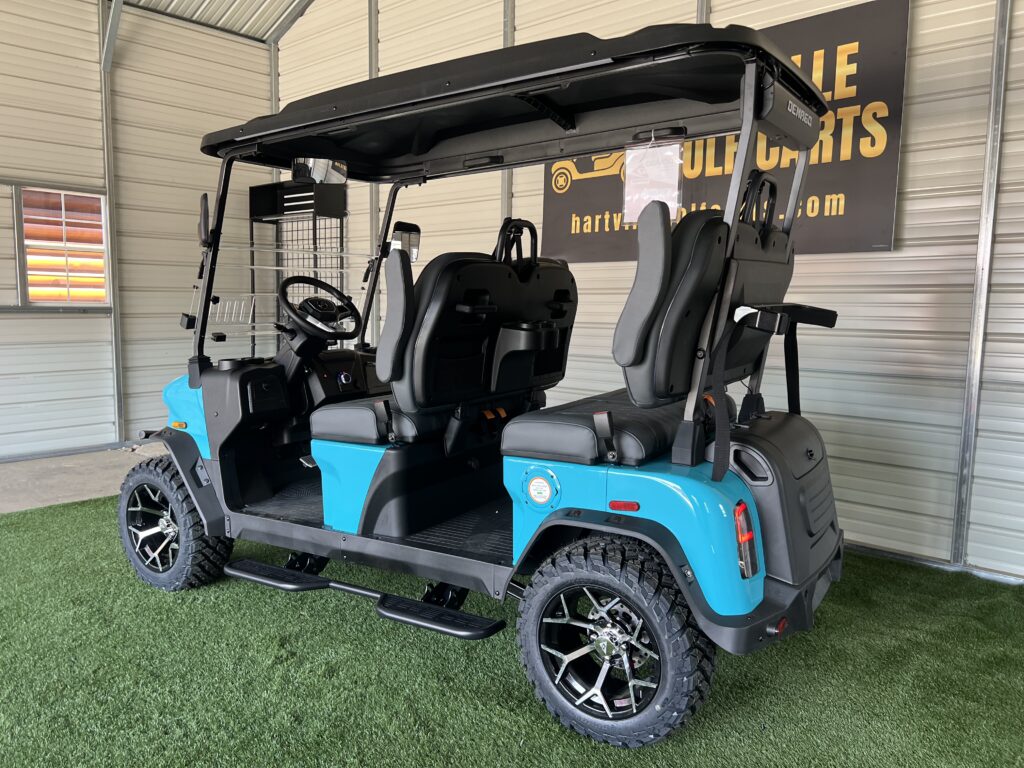
Where Golf Carts Are Commonly Legal
Golf carts are commonly allowed in retirement communities, resort towns, beach communities, and planned neighborhoods that have adopted golf cart-friendly ordinances. Many of these areas create designated routes that allow golf carts to travel safely between homes, shopping centers, parks, and golf courses. Some communities permit golf carts only during daylight hours, while others allow nighttime operation if the cart has proper lighting. Public highways and roads with high speed limits usually remain off limits because golf carts cannot safely keep pace with faster traffic. Drivers should always follow posted signs because approved routes may change from one street to another. Understanding where golf carts are permitted helps owners enjoy their vehicles without violating local laws.
How To Make A Golf Cart Road Legal
If local laws permit golf carts on public roads, owners may need to install additional safety equipment before driving legally. Headlights, brake lights, turn signals, mirrors, seat belts, reflectors, and a horn are common requirements in many jurisdictions. Some areas also require a windshield, parking brake, and slow-moving vehicle emblem. Before purchasing accessories, review your local regulations to ensure every modification meets legal standards. Many buyers prefer purchasing a golf cart that already includes road-ready features instead of upgrading an older model. Those looking for a modern electric golf cart often consider the Denago Nomad XL, which offers advanced technology, comfortable seating, and dependable everyday performance. Starting with a well-equipped model often simplifies the process of meeting local requirements.
Drive Safely And Follow Local Regulations
Legal road access also comes with responsibility. Drivers should obey speed limits, traffic signs, and right-of-way rules whenever operating a golf cart on public streets. Avoid roads where traffic moves much faster than the golf cart because large speed differences increase accident risks. Regular maintenance also supports safe driving. Check the brakes, steering, lights, and tires before using the cart on public roads. Safe driving habits protect passengers, pedestrians, cyclists, and other motorists. The National Highway Traffic Safety Administration provides valuable road safety information that applies to all vehicle operators, including those driving golf carts where local laws allow.
Conclusion
The answer to are golf carts legal on the road depends on your state’s laws, local ordinances, and the equipment installed on your vehicle. Some communities welcome golf carts on designated streets, while others restrict them to private property unless they meet additional safety standards. Before driving on public roads, verify the rules in your area, install any required safety equipment, and understand licensing or registration requirements. Following local regulations helps you avoid fines while improving safety for everyone on the road. Hartville Golf Carts offers a wide selection of dependable electric and gas golf carts that can help buyers choose the right model for both recreational and everyday transportation.