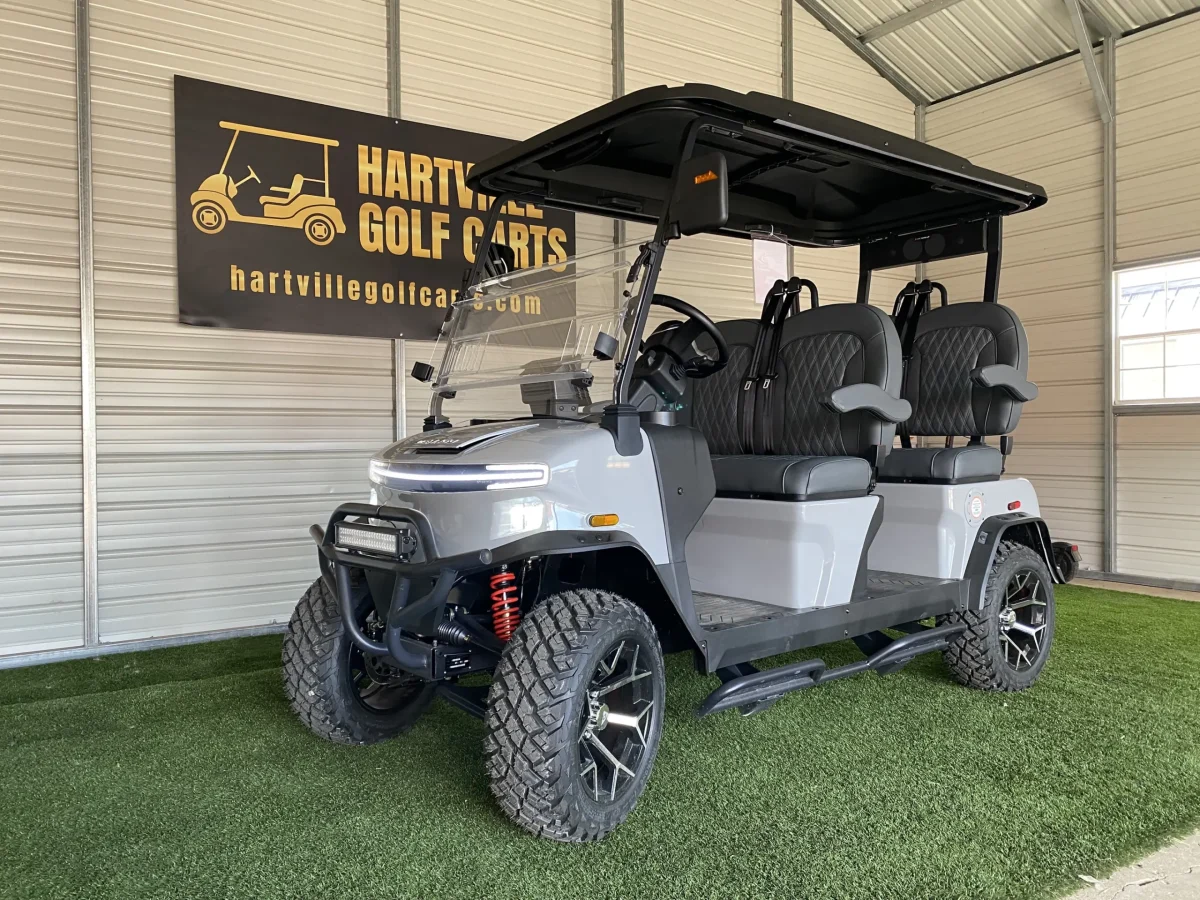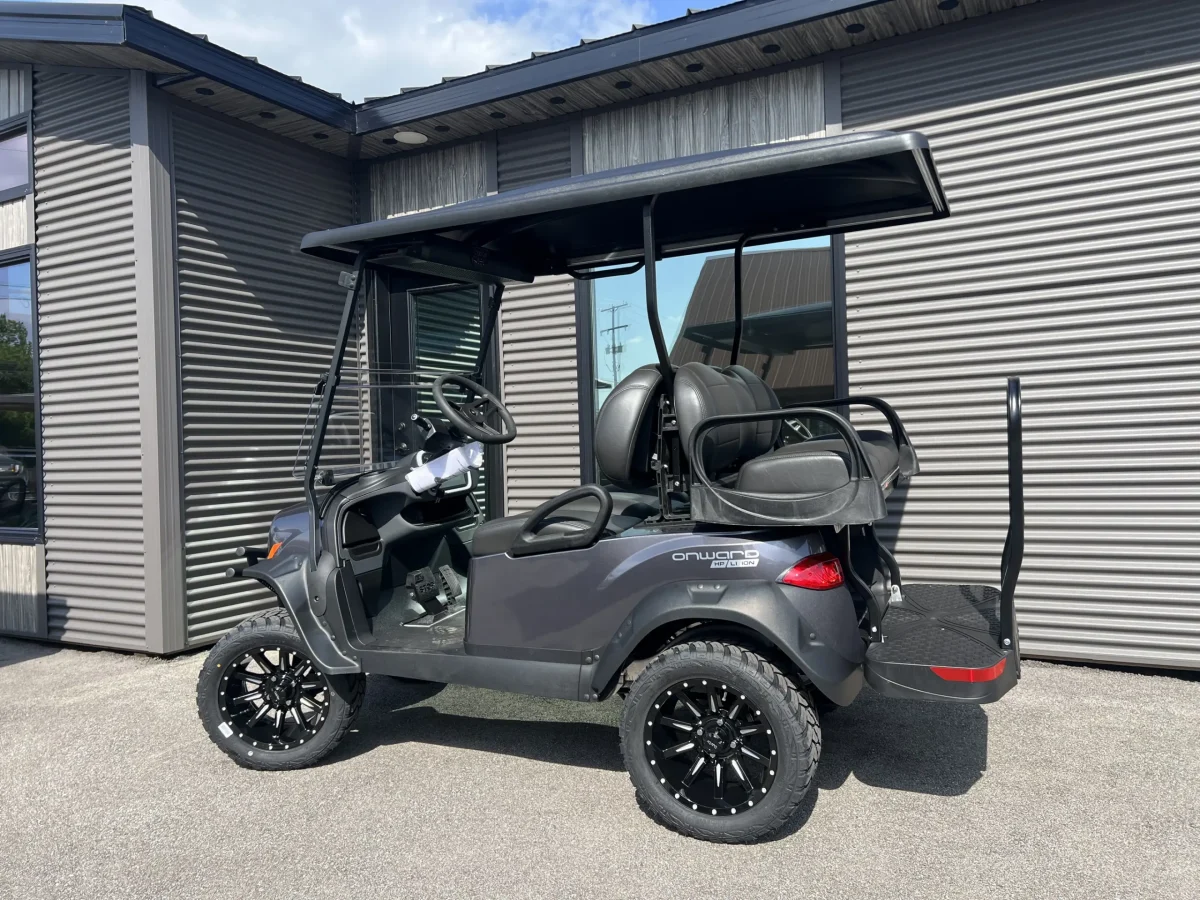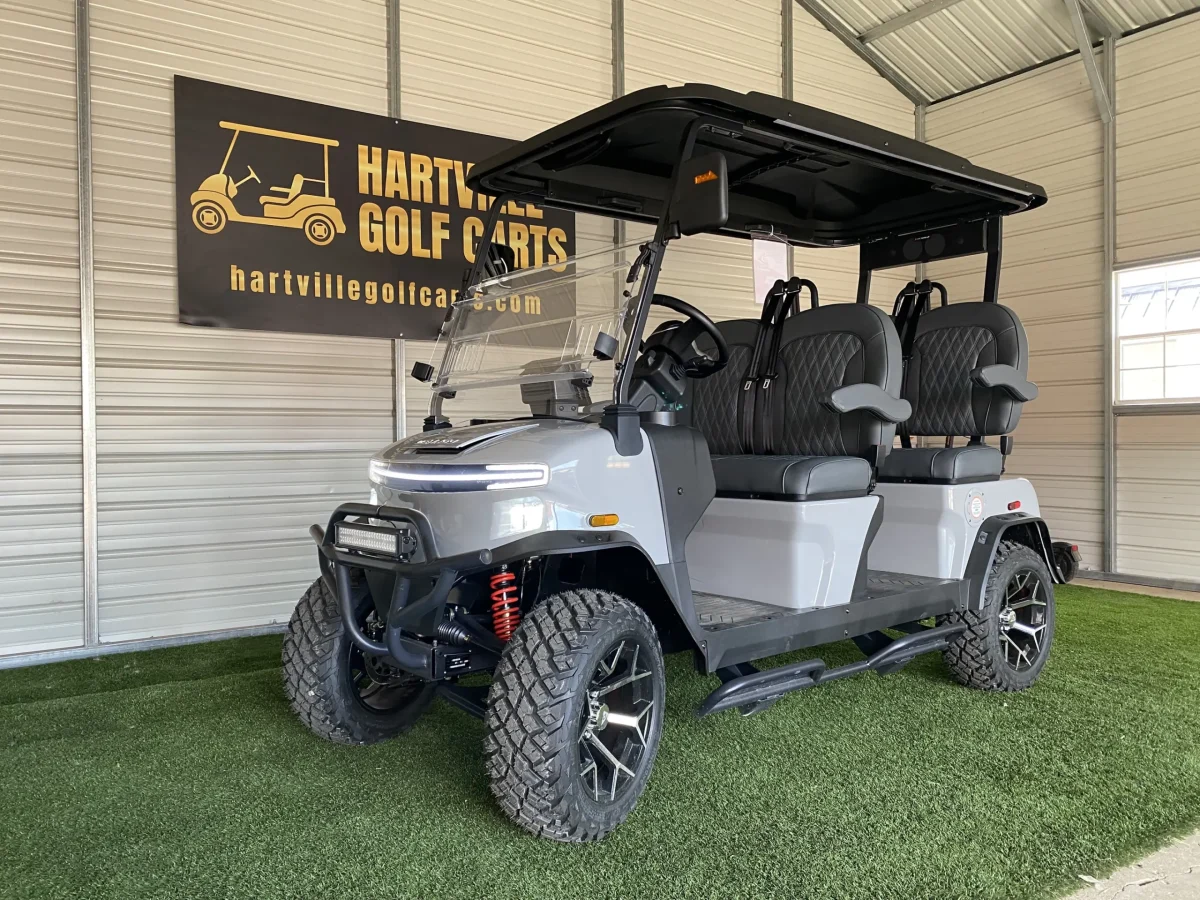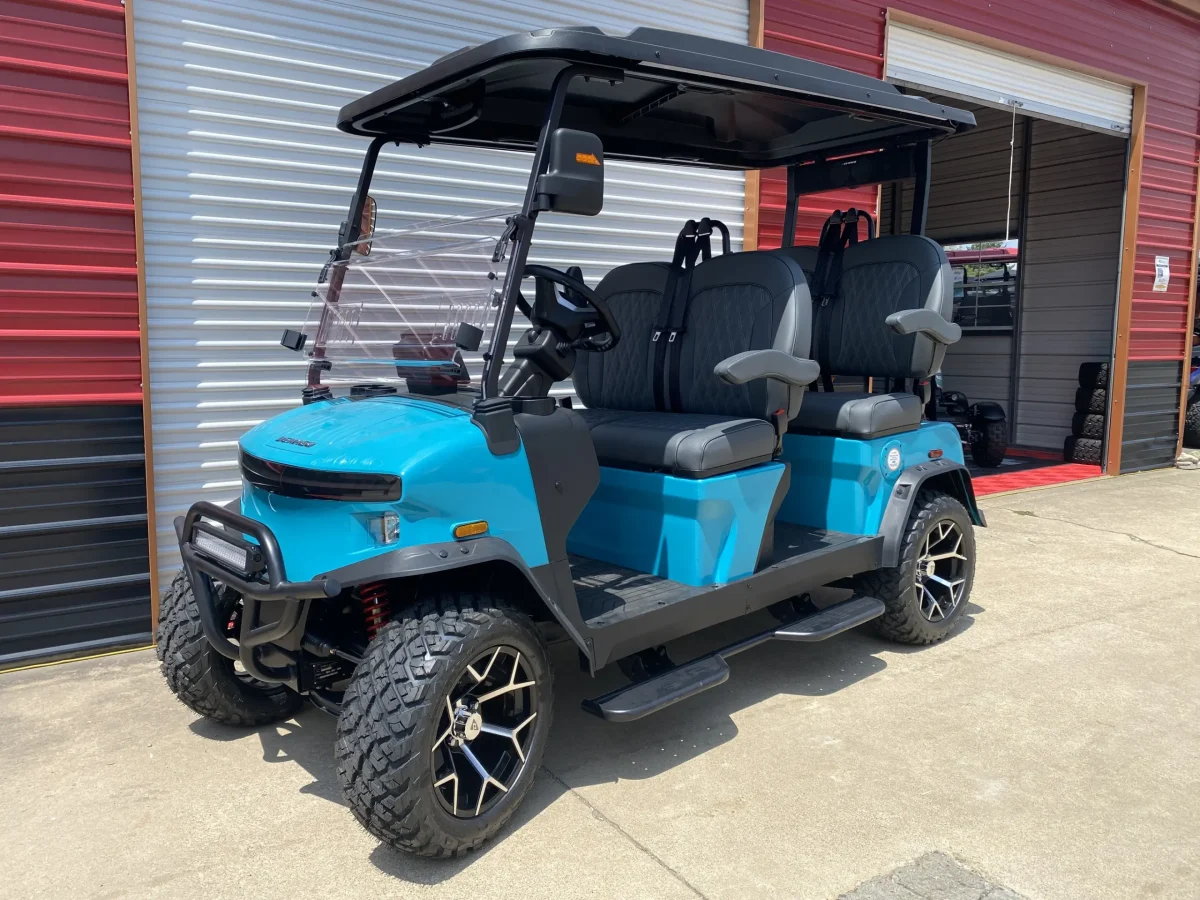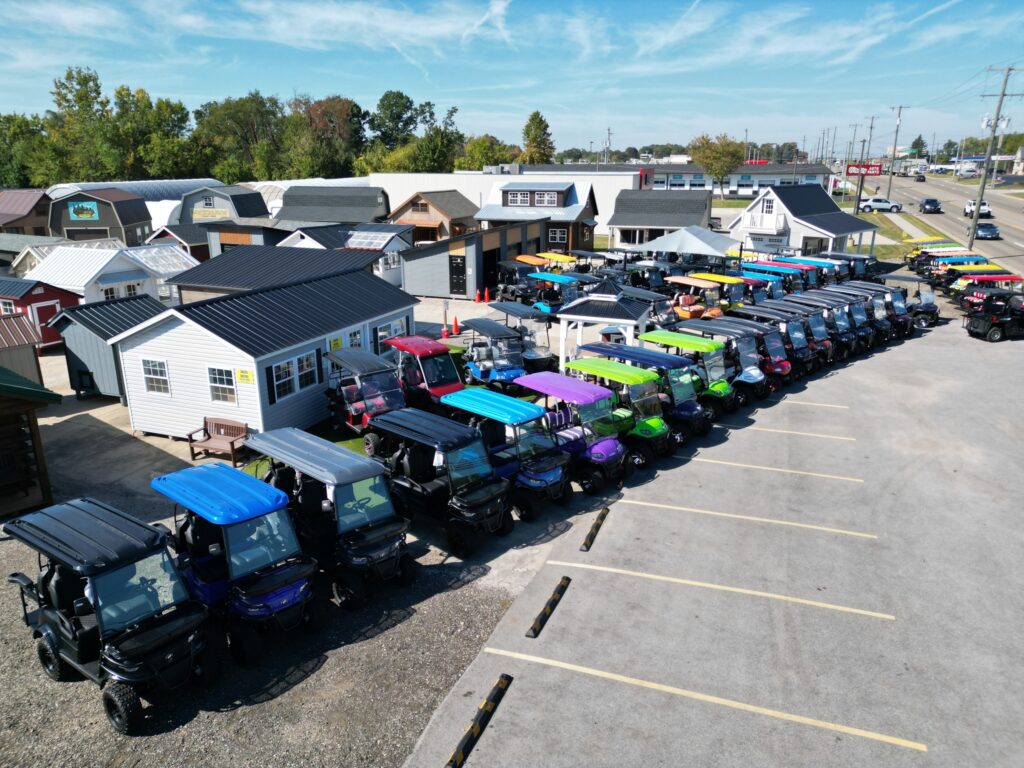

If you are asking how much is a golf cart worth, the answer depends on what a buyer is willing to pay in the current market. Two golf carts with the same model year can have very different values because their condition, maintenance history, battery health, and features may not be the same. Market demand also changes throughout the year, so a golf cart listed during the busy spring season may receive stronger offers than one listed during the winter months.
Instead of relying on a single price estimate, it is better to evaluate the golf cart as a complete package. Buyers consider reliability, appearance, brand reputation, service history, and included accessories before making an offer. Understanding how these factors influence value helps sellers price their golf carts competitively while giving buyers confidence that they are paying a fair market price.
How Buyers Estimate Golf Cart Value
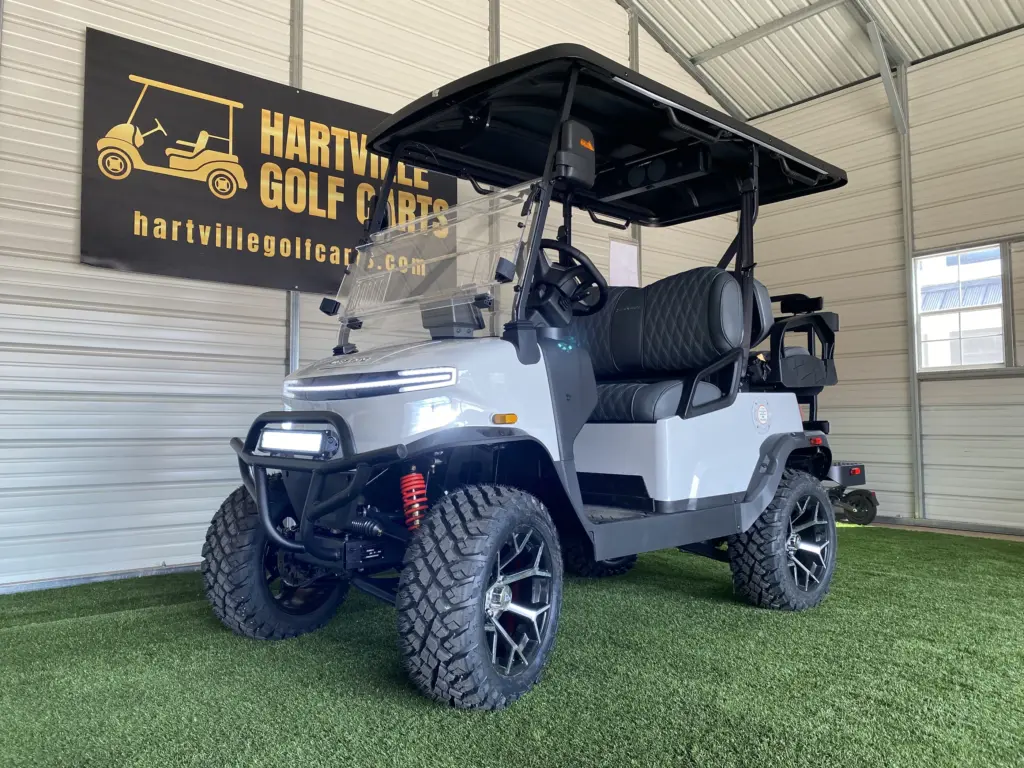
Most buyers begin by comparing similar golf carts currently available for sale. They look for models with the same seating capacity, power source, battery type, and overall condition. Comparing similar listings provides a realistic starting point and prevents buyers from paying more than the market normally supports. However, advertised prices do not always reflect the final selling price, so buyers also consider local demand and the condition of each cart.
Inspection plays an equally important role. Buyers examine the frame, body panels, seats, steering, brakes, tires, batteries or engine, and electrical components before deciding how much the golf cart is worth. A clean cart with documented maintenance often receives stronger offers because it creates confidence that the vehicle has been cared for properly throughout its life.
Why Two Similar Golf Carts Can Have Different Prices
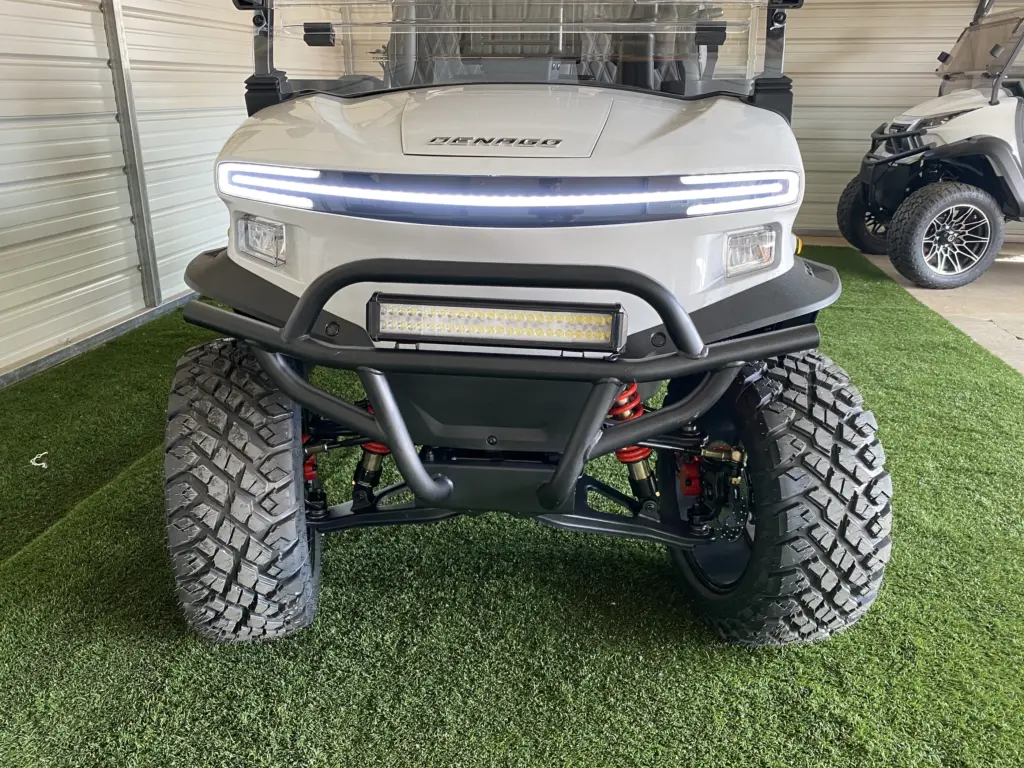
It is common to find two golf carts that appear almost identical but have noticeably different asking prices. The difference usually comes down to details that are not immediately visible. One cart may have recently installed lithium batteries, new tires, upgraded suspension, or professionally serviced electrical components. The other may still use older batteries or require repairs that the seller has not addressed.
Storage conditions also affect value. A golf cart that has spent most of its life inside a garage or covered storage area often shows less wear than one regularly exposed to harsh weather. Rust, faded paint, cracked seats, and damaged plastic panels can reduce buyer interest even when the golf cart remains mechanically sound. Paying attention to these details helps explain why similar models rarely sell for the same amount.
Mileage, Usage, And Maintenance History Matter
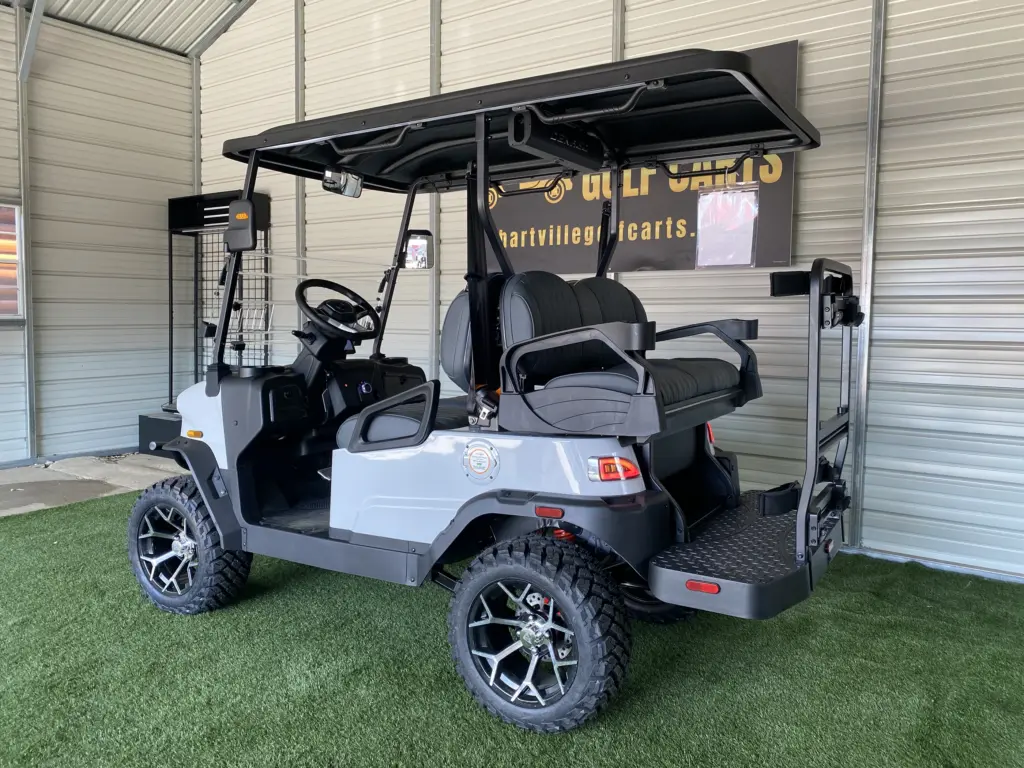
Unlike passenger cars, golf carts are not always judged by mileage alone. Buyers often care more about how the cart has been used and maintained. A golf cart driven gently around a private neighborhood may be in better condition than one used daily for commercial work or heavy utility tasks. Frequent overloading, poor battery care, and missed maintenance intervals can shorten the life of important components.
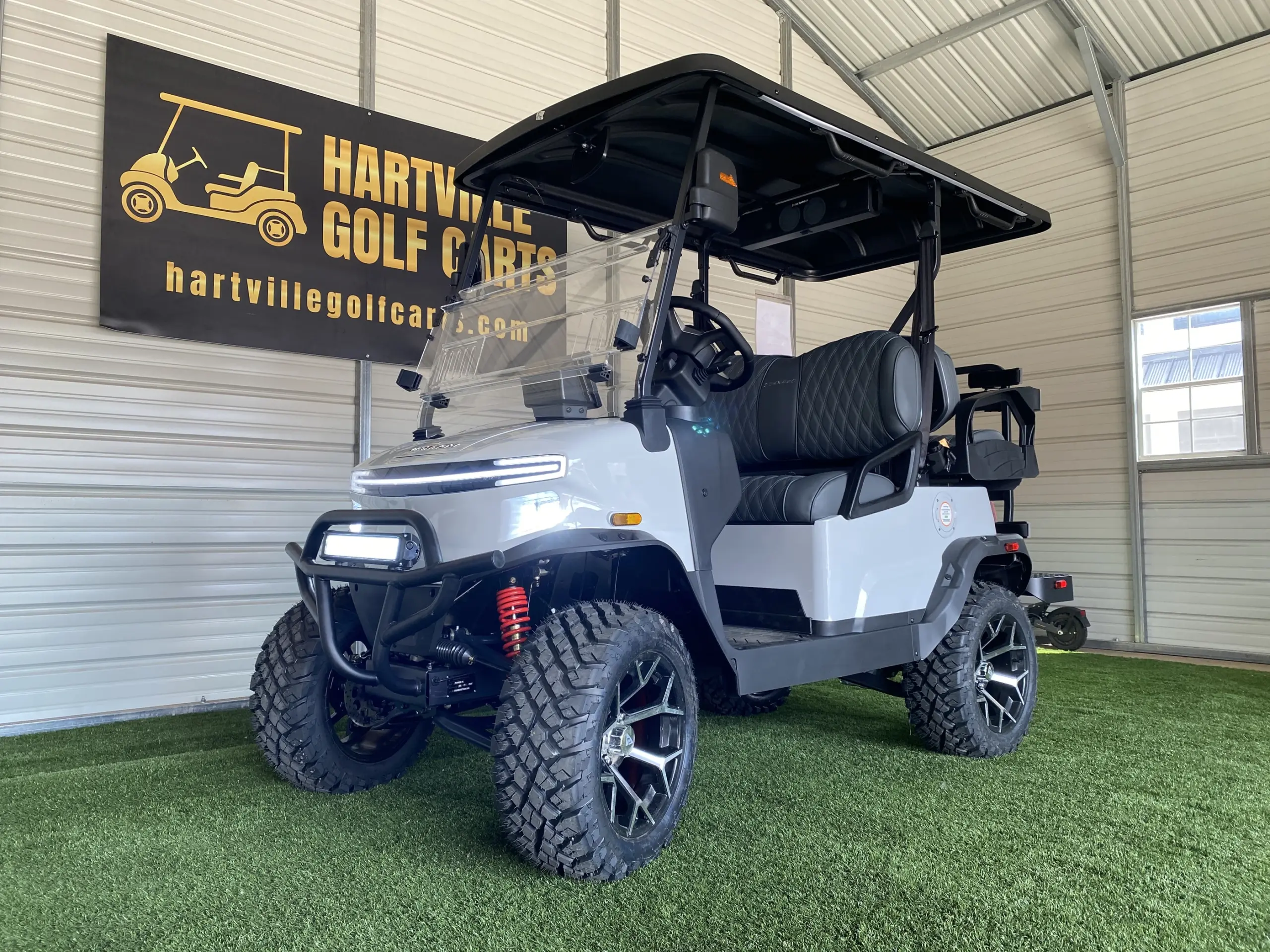
Keeping maintenance records can significantly improve buyer confidence. Receipts for battery replacement, brake service, tire installation, and routine inspections demonstrate responsible ownership. Sellers who can document the golf cart’s history often have an easier time justifying their asking price. If you are comparing today’s premium electric golf carts with strong resale potential, exploring the latest Evolution Golf Carts provides a useful benchmark for modern features, quality, and long-term value.
Popular Brands Usually Retain Their Value Better
Brand reputation has a noticeable impact on resale value. Golf carts from well-known manufacturers often attract more interest because buyers recognize the brand and trust its reliability. Replacement parts are generally easier to find, and more repair shops have experience servicing these models. As a result, sellers may receive stronger offers compared with lesser-known brands that have limited dealer support or fewer available parts.
That does not mean every premium brand automatically holds its value. The overall condition still matters. A neglected golf cart from a respected manufacturer may sell for less than a well-maintained cart from another brand. Buyers usually look at the complete package, including maintenance history, battery condition, accessories, and overall appearance, before deciding how much they are willing to pay.
Before setting your asking price, it is worth reviewing general resale guidance from trusted automotive resources such as J.D. Power, which explains how condition and market demand influence vehicle values.
When Is The Best Time To Sell A Golf Cart?
Timing can influence the amount buyers are willing to pay. Demand for golf carts often increases during the spring and early summer as golf courses become busier and more people prepare for outdoor activities. Campgrounds, lake communities, and residential neighborhoods also experience greater demand during warmer months. Listing your golf cart during these periods may attract more buyers and stronger offers.
Sellers should also prepare the golf cart before creating a listing. Washing the exterior, cleaning the seats, checking tire pressure, and fixing minor cosmetic issues can improve the first impression. Clear photographs taken in good lighting and an honest description of the golf cart’s condition often generate more serious inquiries than poorly prepared listings.
Should You Repair A Golf Cart Before Selling?
Many owners wonder whether repairs are worth the additional expense before selling. The answer depends on the condition of the golf cart and the type of repairs required. Simple improvements such as replacing worn tires, repairing lights, cleaning battery terminals, or installing new seat covers often increase buyer confidence without requiring a large investment. Small repairs can also reduce the number of price negotiations during the sale.
Major repairs require more careful consideration. Replacing a complete battery pack or rebuilding an engine may increase the golf cart’s value, but the additional investment is not always recovered in the final selling price. Sellers should compare the expected repair cost with the likely increase in resale value before deciding whether extensive repairs make financial sense.
Conclusion
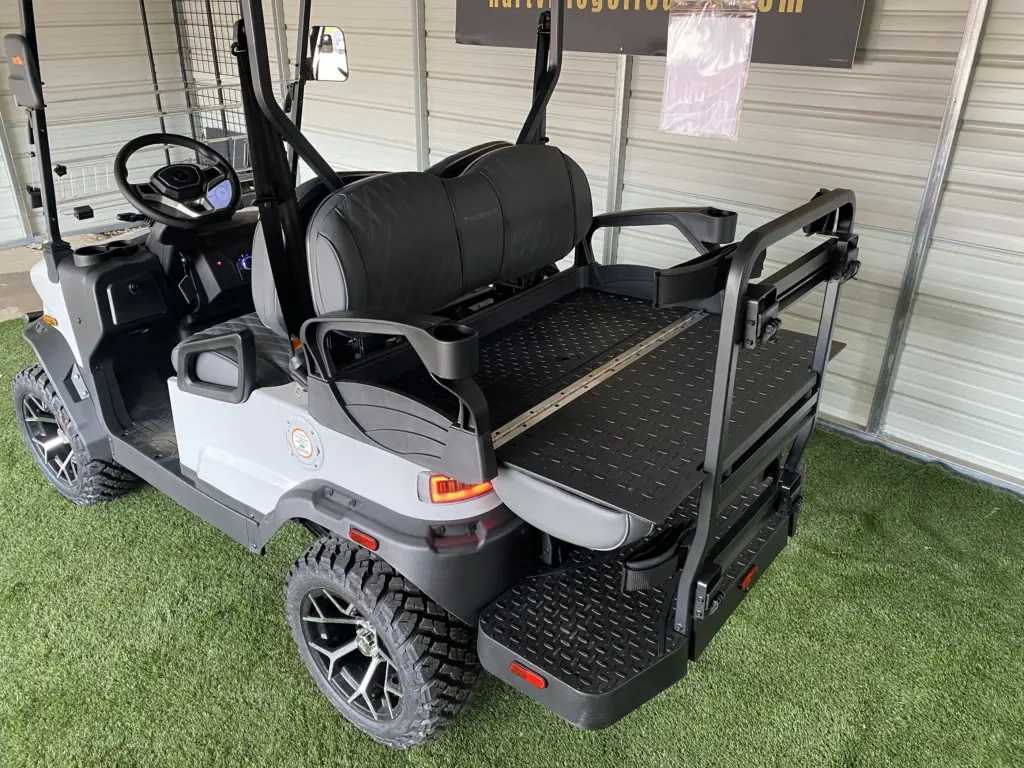
If you are asking how much is a golf cart worth, remember that preparation can influence the final selling price almost as much as the golf cart itself. Accurate maintenance records, quality photographs, realistic pricing, and a clean appearance help buyers feel more comfortable making an offer. Responding promptly to questions and being transparent about the cart’s condition can also build trust during the sales process.When you are ready to upgrade or compare newer models, visit Hartville Golf Carts for professional assistance and current inventory.