
ATV ownership involves more than the purchase price alone. Insurance, maintenance, fuel, safety gear, and transportation costs all become part of the long-term expense once riders begin using an all-terrain vehicle regularly. That is why many buyers search how much is ATV insurance before purchasing their first off-road machine or upgrading to a newer model. In most cases, ATV insurance costs range from around $100 to over $1,000 per year, depending on the rider’s age, location, driving history, vehicle type, coverage level, and intended use. A small recreational ATV used occasionally on private property usually costs much less to insure than a powerful sport ATV or a heavily modified utility machine used frequently on trails and public land. Understanding what affects insurance pricing helps owners choose realistic coverage while avoiding expensive surprises after purchasing an ATV.
Insurance Costs Depend On The Type Of ATV
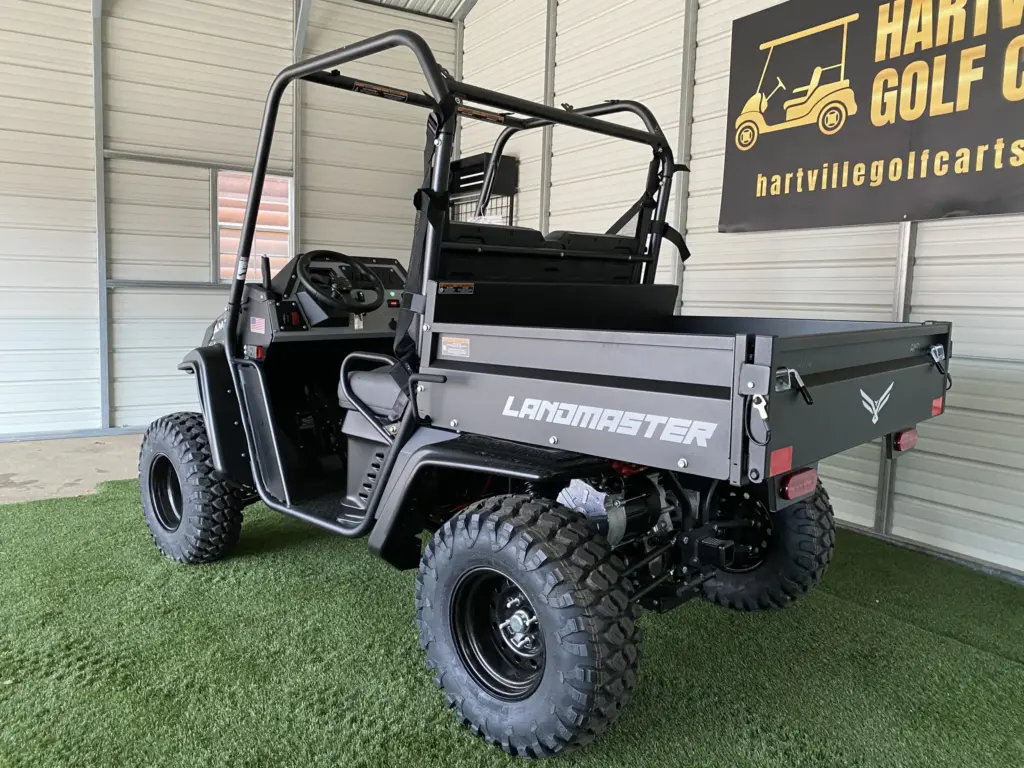
One of the biggest factors affecting insurance pricing involves the type of ATV being insured. Smaller recreational ATVs usually cost less because they are slower, lighter, and less expensive to repair after accidents. High-performance sport ATVs often carry higher premiums because they encourage more aggressive riding styles and typically cost more to replace.
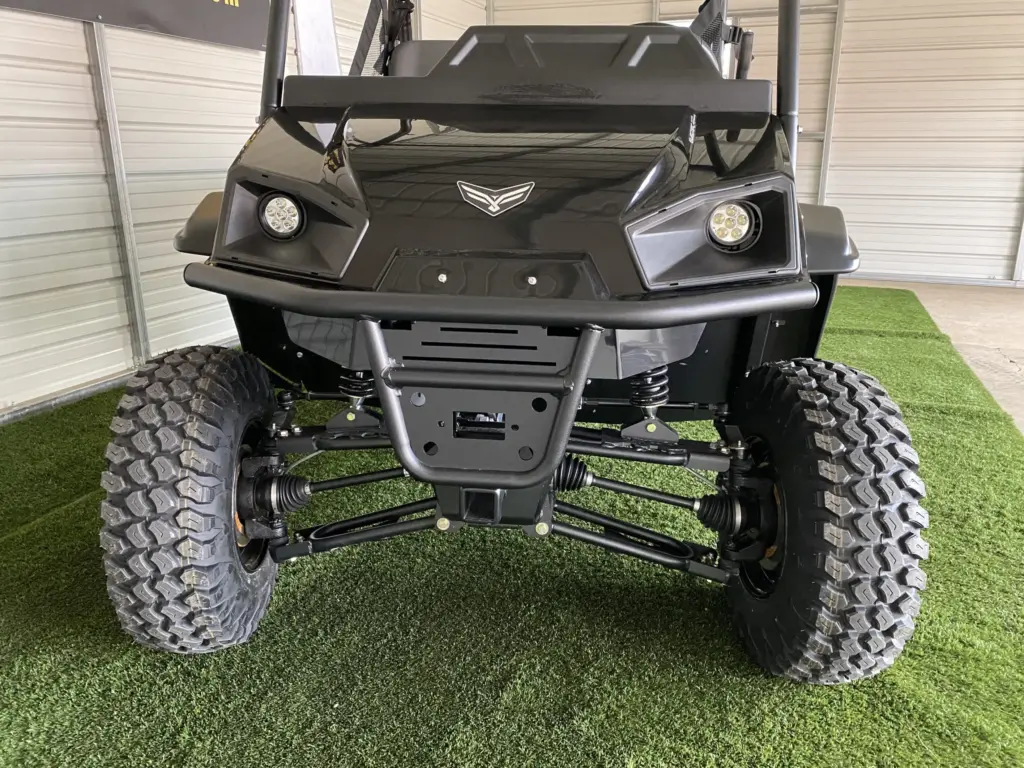
Utility ATVs used for farming, hunting, and outdoor work may fall somewhere in the middle, depending on engine size and equipment value. Insurance companies evaluate how likely the ATV is to suffer damage, theft, or accident claims. Expensive accessories such as winches, upgraded suspension systems, and custom wheels may also increase total insurance costs significantly.
Rider Age And Experience Matter A Lot
Younger riders usually pay more for ATV insurance because insurance companies view inexperienced operators as higher-risk drivers. Teen riders and first-time owners often face higher premiums until they build stronger driving histories and gain more riding experience.
Experienced adult riders with clean driving records usually qualify for lower insurance rates over time. Some insurance companies also offer discounts for riders who complete approved ATV safety courses and maintain safe riding histories. According to Allstate, factors such as rider age, ATV type, coverage level, and driving history all influence overall ATV insurance costs. Riders who practice responsible ownership often reduce long-term insurance expenses significantly.
Where You Live Changes Pricing
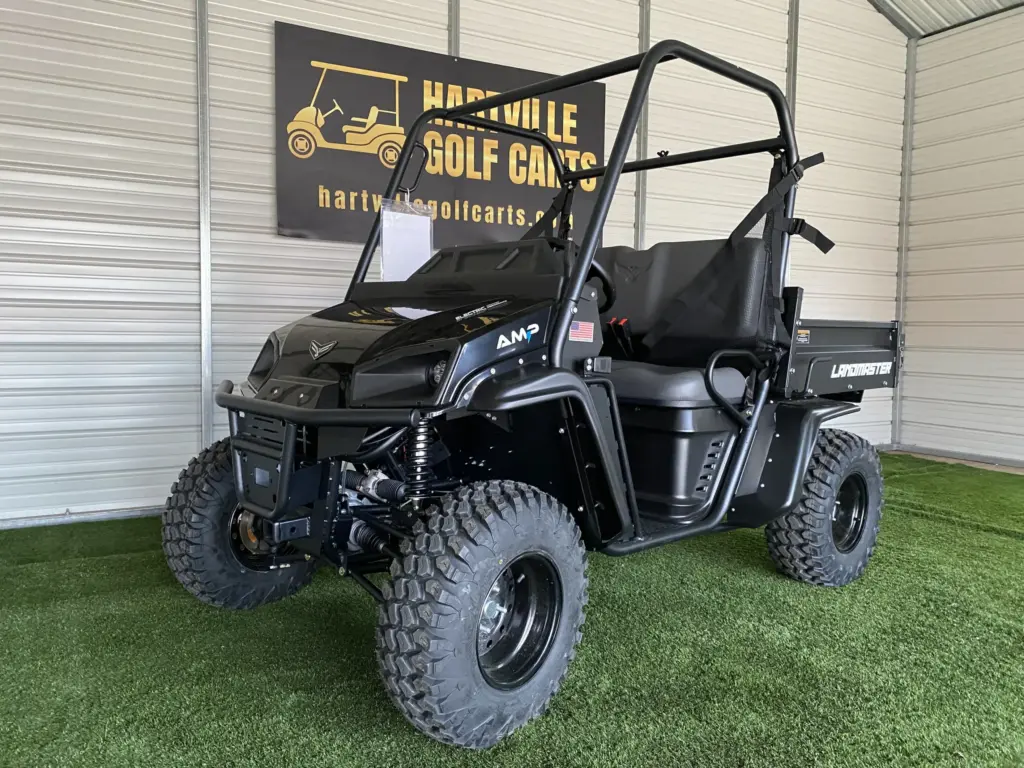
Location affects ATV insurance more than many buyers expect. Riders living in areas with higher theft rates, harsh weather conditions, or dense recreational traffic often pay more for coverage. Rural areas sometimes receive lower premiums because accident frequency may be lower than in heavily populated recreation regions.
States with larger ATV trail systems and active off-road recreation communities may also influence insurance rates differently. Insurance companies study regional claim data carefully when calculating pricing. This means two riders with nearly identical ATVs may still receive very different insurance quotes depending on where they live.
Coverage Levels Affect Monthly Cost
Basic liability coverage usually costs much less than full coverage policies that protect against theft, vandalism, collisions, and weather damage. Riders who finance newer ATVs may need comprehensive coverage because lenders often require stronger protection while the vehicle remains under financing agreements.
Some owners choose minimal coverage because they use the ATV only occasionally on private property. Others prefer broader protection because they ride frequently on public trails or transport expensive equipment regularly. Choosing the right balance between affordability and protection becomes extremely important when selecting insurance coverage.
Street-Legal Use May Increase Insurance
ATVs used strictly off-road sometimes qualify for different insurance structures than vehicles approved for public-road operation. Riders who modify ATVs for limited road use may need additional liability coverage because public road risks are much higher than private trail riding alone. Insurance companies often ask detailed questions about where and how the ATV will operate most frequently. Public road use, organized racing, and commercial use may all increase premiums significantly compared to casual recreational riding on private land.
Safety Equipment Can Help Reduce Risk
Responsible riding habits and proper safety equipment may help reduce insurance claims over time. Helmets, protective riding gear, lighting upgrades, and safe transportation practices all help reduce accident severity during off-road riding situations. Some insurance providers reward safer riders with lower pricing or discounts after completing approved safety courses. Riders who avoid reckless driving and maintain their vehicles properly also reduce the chance of expensive repair claims and liability issues later.
ATV Value Influences Insurance Rates
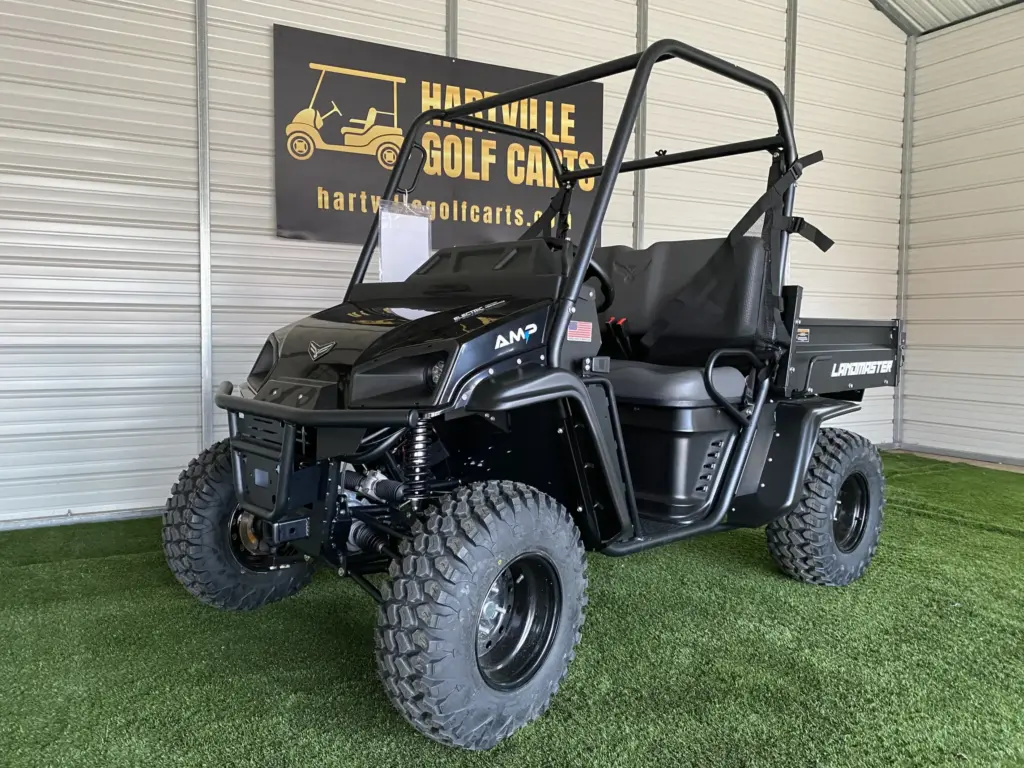
More expensive ATVs usually cost more to insure because replacement and repair costs increase alongside vehicle value. Premium sport ATVs and heavily modified utility machines may require much larger payouts after accidents or theft claims. Insurance companies also consider aftermarket accessories carefully when calculating total coverage value. Winches, cargo systems, upgraded tires, lighting kits, and custom suspension parts may increase replacement costs significantly if damage occurs. Owners should keep records of expensive modifications whenever possible.
Deductibles Change Overall Pricing
Deductibles play a major role in monthly and yearly insurance costs. Choosing a higher deductible often lowers monthly premiums because the owner agrees to pay more out of pocket before insurance coverage begins during a claim. Lower deductibles usually increase premiums but reduce immediate costs after accidents or theft situations. Buyers should think realistically about how much emergency repair expenses they could comfortably handle before selecting deductible amounts.
Some Buyers Compare ATVs With Utility Vehicles
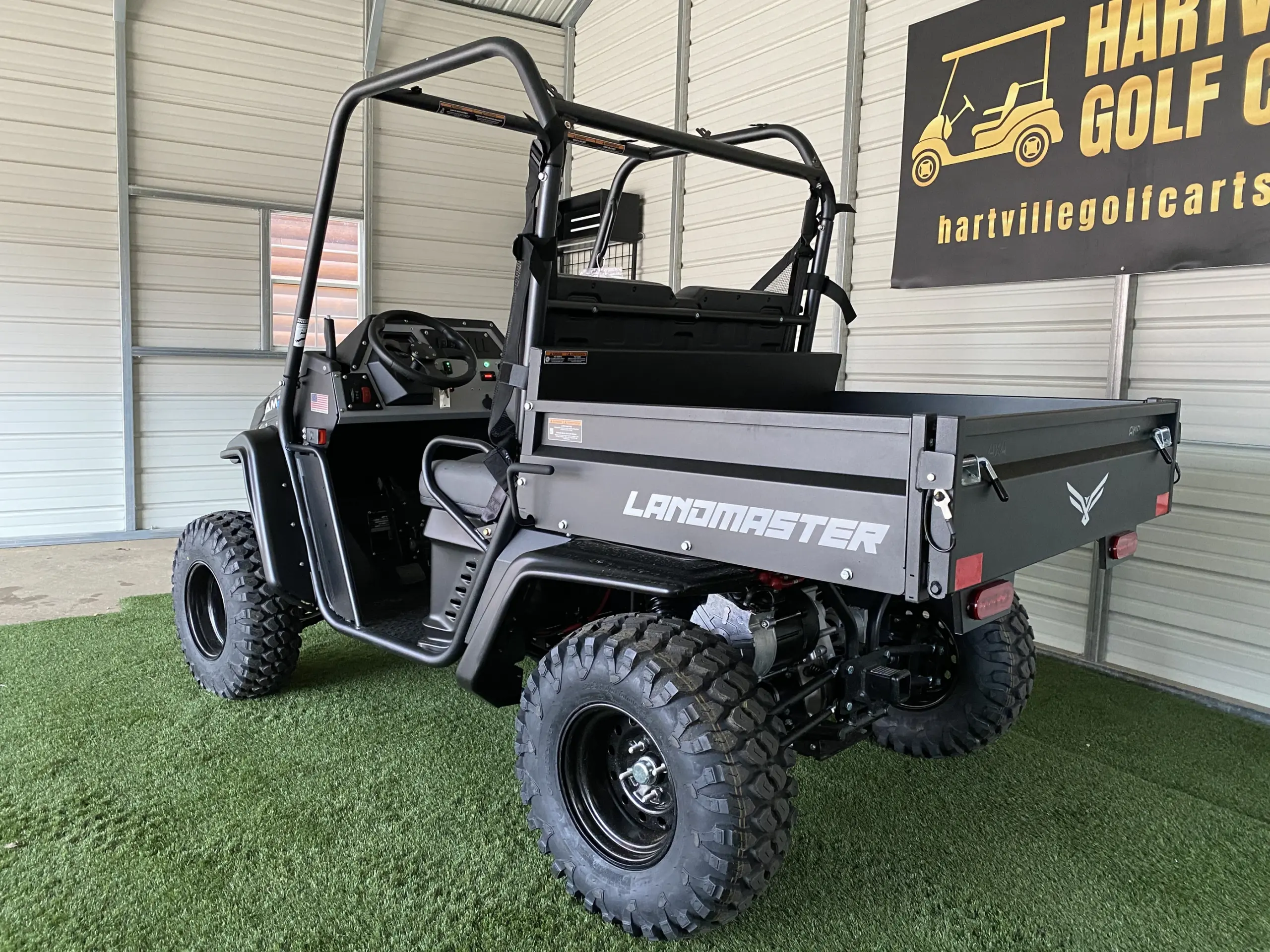
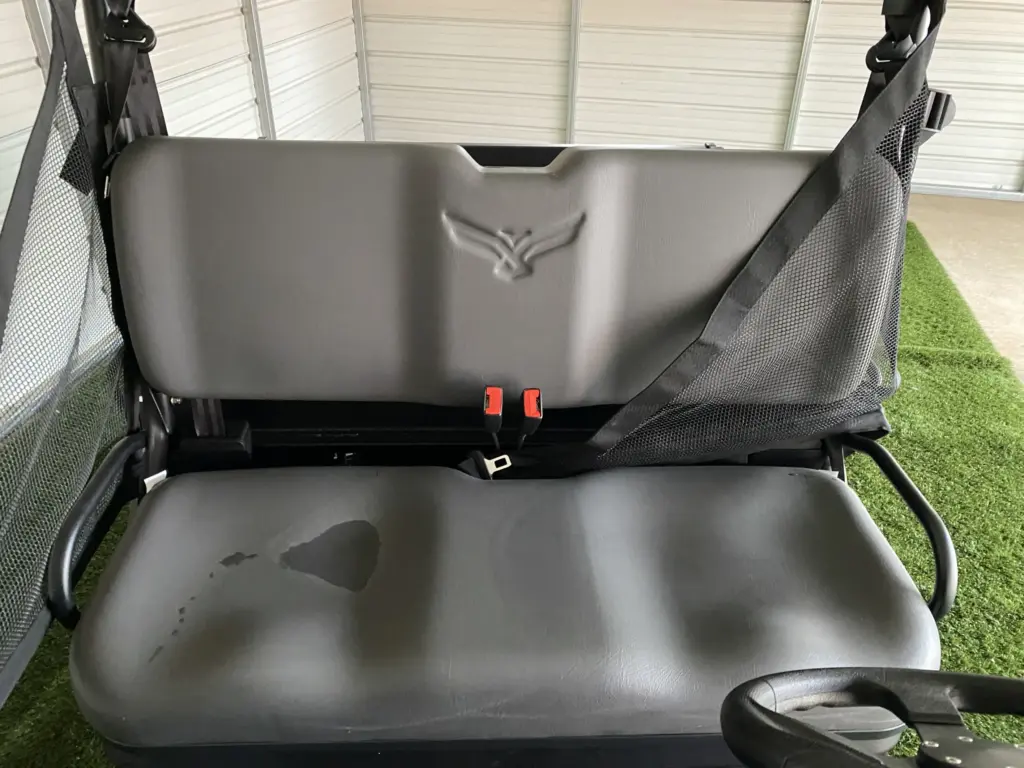
Many ATV shoppers eventually compare traditional all-terrain vehicles with larger side-by-side utility vehicles because both handle outdoor recreation and property work effectively. Side-by-side vehicles often provide more passenger comfort, cargo space, and utility features but may also cost more to insure. Drivers exploring practical outdoor utility vehicles sometimes consider models like the Venom Strike 4 because modern utility vehicles combine off-road capability with passenger comfort and cargo flexibility. Comparing long-term ownership costs between vehicle types often helps buyers make smarter purchasing decisions.
Shopping Around Often Saves Money
Insurance prices vary heavily between providers, which means shopping around often helps ATV owners find much better rates. Some companies specialize more heavily in powersports coverage and may offer discounts unavailable through standard auto insurance providers. Bundling ATV coverage with homeowners or vehicle insurance sometimes reduces costs further. Riders should compare coverage details carefully rather than focusing only on the lowest monthly payment because weaker policies may provide far less protection during serious accidents or theft claims.
Conclusion
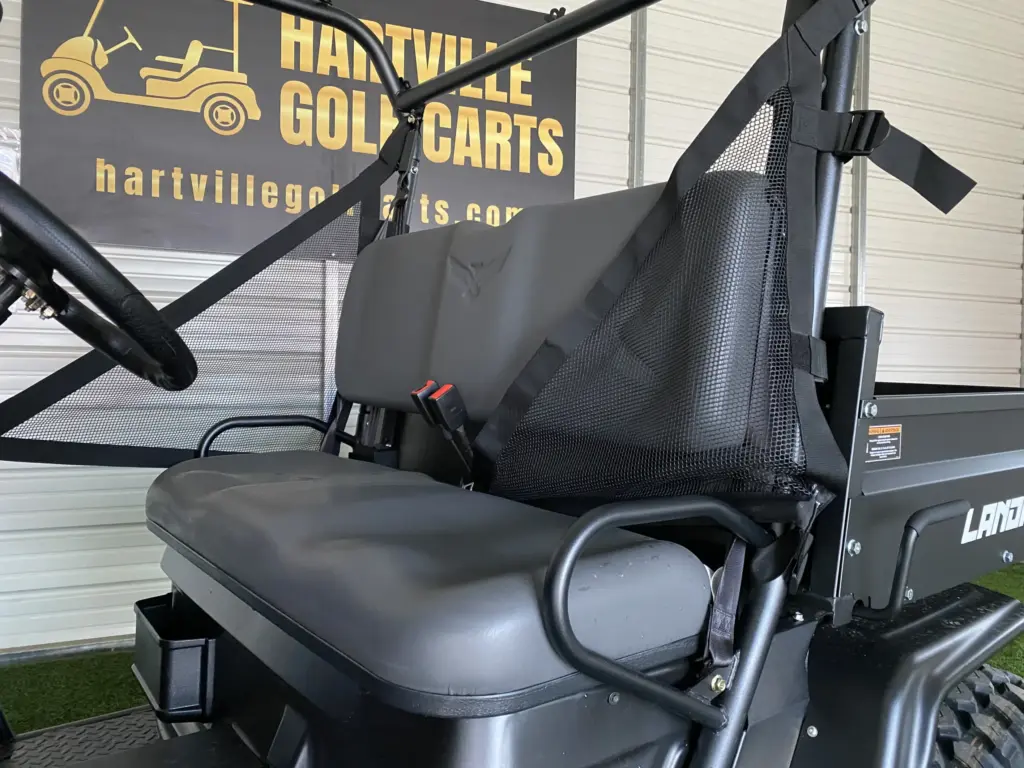
The answer to how much is ATV insurance depends on the ATV type, rider experience, location, coverage level, and intended use. Basic policies may cost only a few hundred dollars per year, while premium coverage for high-performance or heavily modified ATVs can become much more expensive. Riders who compare quotes carefully and choose realistic coverage usually avoid costly surprises later. Safe riding habits, proper equipment, and responsible ownership also help reduce long-term insurance risks. For drivers exploring dependable utility and recreational vehicles designed for outdoor versatility and practical performance, Hartville Golf Carts offers reliable models built for long-term usability and adventure.