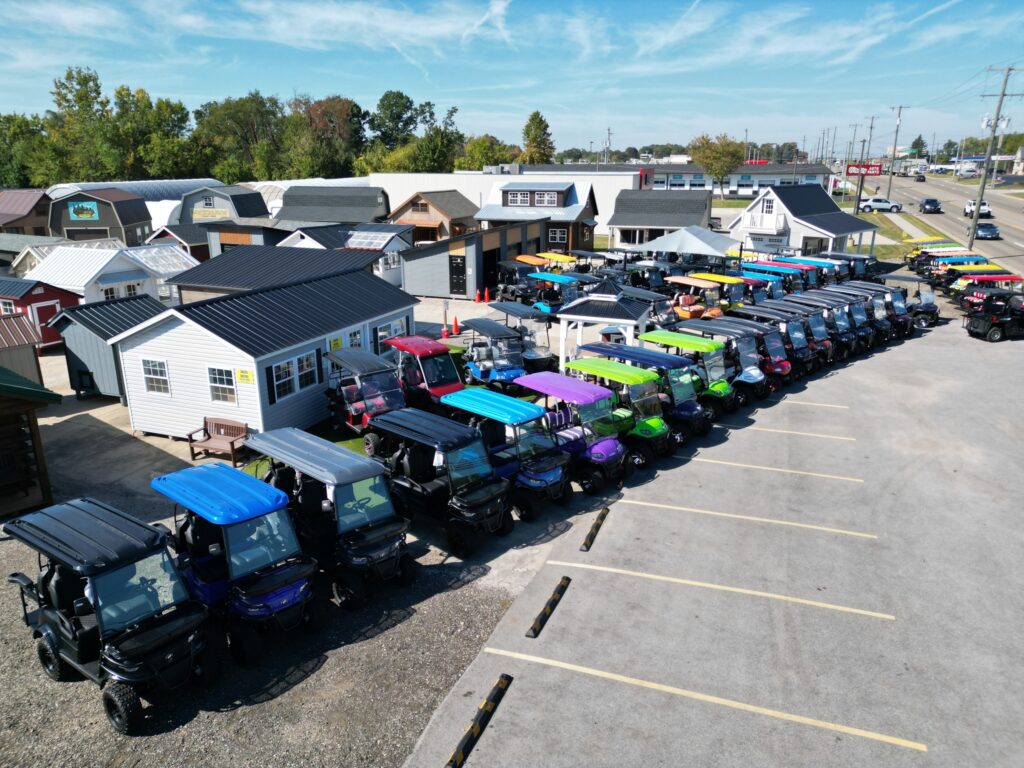

In the past few years, electric carts have become extremely common in neighborhoods, golf communities, and campgrounds. However, gas-powered golf carts remain popular for many types of drivers and recreational users. That is why many buyers still search do golf carts run on gas before deciding which type of cart fits their lifestyle better. The answer is yes, many golf carts still run on gasoline engines, although electric models now dominate large parts of the market. Gas golf carts use small combustion engines similar to lawn equipment or compact utility vehicles, while electric carts rely on rechargeable battery systems. Both styles offer different advantages depending on driving habits, terrain, maintenance preferences, and daily usage needs. Understanding how gas golf carts work and how they compare to electric models helps buyers make smarter long-term ownership decisions.
Gas Golf Carts Have Been Around For Decades
Gas-powered golf carts existed long before modern lithium battery systems became popular. For many years, gas carts dominated golf courses, resorts, and large private properties because they offered strong range and reliable performance without requiring long charging times. Small gasoline engines allowed owners to refuel quickly and continue driving almost immediately.
Even today, many golf courses and utility operations still rely on gas carts because they handle long operating hours well. Older golf cart generations from Yamaha, Club Car, and EZGO frequently used gas engines as standard equipment. The official E-Z-GO personal golf cart lineup shows that gas-powered golf carts are still available today, which confirms that golf carts are not limited to electric power.
How Gas Golf Carts Work
Gas golf carts use compact internal combustion engines powered by regular gasoline. These engines transfer power through belts, clutches, and drivetrains to move the cart forward. Most modern gas carts operate quietly compared to larger vehicles, although they still produce more engine noise than electric models.
The engine usually starts automatically when the accelerator pedal is pressed. Once running, the engine continues supplying power until the driver stops or releases the accelerator fully, depending on the cart design. Many gas golf carts include governors that limit top speed to help maintain safe operation and reduce drivetrain wear during normal use.
Why Some Owners Prefer Gas Golf Carts
Many owners prefer gas golf carts because they provide a long operating range without waiting for batteries to recharge. Refueling takes only a few minutes, which makes gas carts attractive for large properties, campgrounds, farms, and utility work where long daily usage matters.
Gas carts also perform consistently during longer drives because they do not experience battery voltage drop as charge levels decrease. Some owners appreciate the familiar feel of gasoline engines and simpler refueling routines compared to battery charging schedules. Drivers covering long distances regularly often feel more comfortable with gas-powered setups.
Electric Golf Carts Continue Growing Popular
Although gas golf carts remain common, electric models have become increasingly popular because battery technology has improved dramatically. Modern lithium-powered carts now deliver longer range, faster charging, and much lower maintenance requirements than older electric systems.
Electric carts also operate more quietly and produce no engine exhaust during use. Neighborhood communities and residential areas often favor electric carts because they create less noise and feel more environmentally friendly during short-distance transportation. Advances in controller technology and lithium batteries have made electric carts much more capable than they were years ago.
Gas Golf Carts Require Different Maintenance
Gas-powered golf carts require routine engine maintenance similar to other small-engine vehicles. Owners must monitor oil levels, air filters, spark plugs, fuel systems, and belts regularly to maintain reliable operation. Ignoring maintenance may reduce performance and shorten engine lifespan over time.
Electric carts avoid many engine-related tasks entirely, but gas cart owners often appreciate the ability to refuel instantly instead of waiting for charging cycles. Proper maintenance remains important regardless of the power system because neglected carts of any type eventually develop reliability problems.
Terrain And Usage Influence The Best Choice
The best golf cart type often depends on how and where the cart will be used daily. Gas carts perform especially well on large properties, hilly terrain, and situations involving long operating hours. Owners working on farms, campgrounds, or maintenance properties often appreciate the unlimited runtime provided by quick refueling.
Electric carts usually excel in neighborhoods, gated communities, and recreational environments where shorter trips and quiet operation matter more. Buyers should think carefully about daily driving patterns instead of assuming one system automatically works better for everyone.
Fuel Costs Versus Charging Costs
Operating costs differ between gas and electric golf carts. Gas carts require ongoing fuel purchases, while electric carts rely on charging from household electricity. In many situations, electric carts cost less to operate daily because electricity remains cheaper than gasoline over time. However, battery replacement eventually becomes a major expense for electric carts. Gas cart owners may spend more gradually on fuel and maintenance instead of replacing entire battery packs. Long-term ownership costs depend heavily on driving habits, usage frequency, and maintenance quality.
Modern Golf Carts Offer Stronger Performance
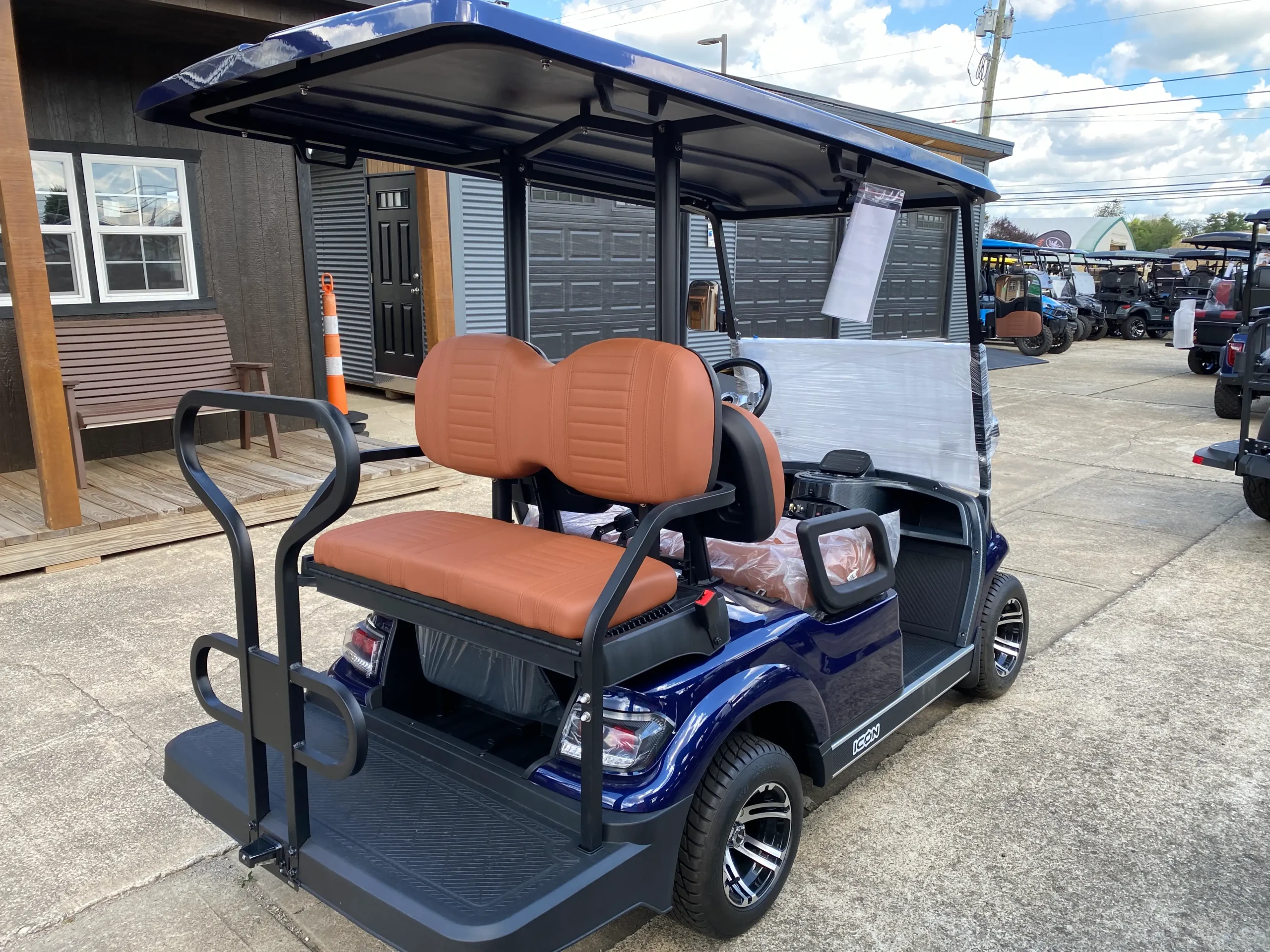
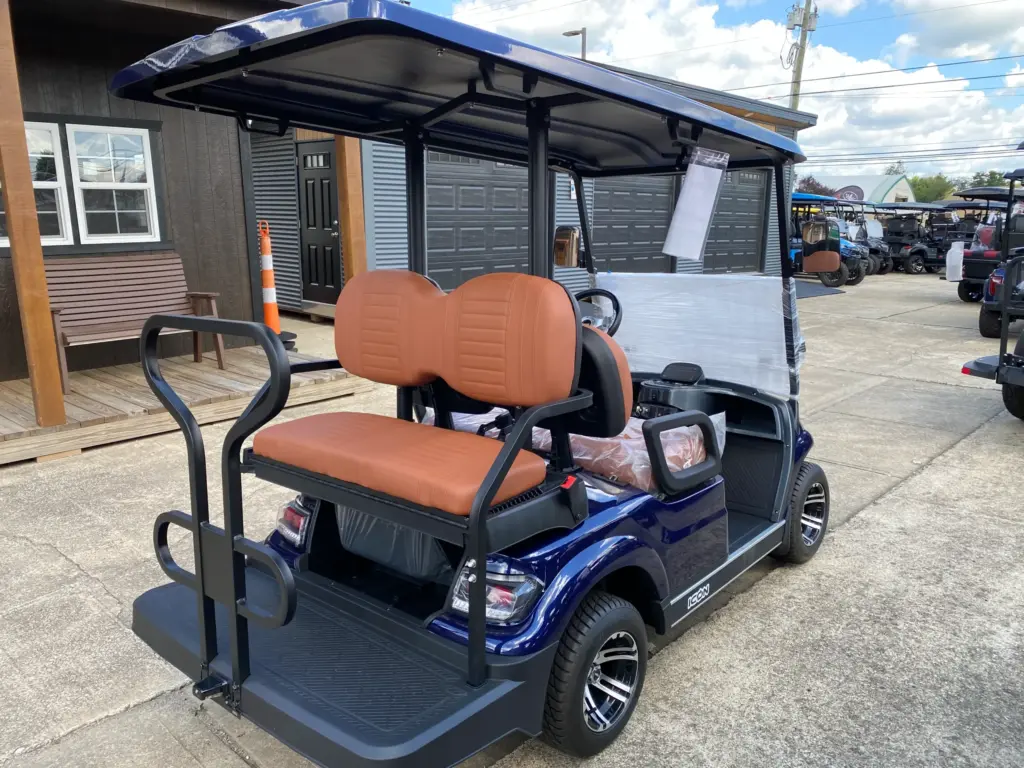
Both gas and electric golf carts have improved significantly over recent years. Better suspension systems, upgraded drivetrains, and modern comfort features have made golf carts much more practical for everyday transportation and recreation than in older generations. Drivers comparing modern golf cart options sometimes consider models like the Evolution EV D5 Ranger 4 Plus because newer electric carts now deliver strong acceleration, comfortable cruising speeds, and reliable neighborhood usability without requiring gas engines at all. Modern buyers have far more capable choices available than ever before.
Choosing Between Gas And Electric
There is no single perfect answer when choosing between gas and electric golf carts. Gas models provide fast refueling and strong long-distance usability, while electric carts offer quiet operation and simpler everyday maintenance. Owners who value convenience, low noise, and residential driving often prefer electric systems. Drivers using carts heavily on larger properties or demanding terrain may still prefer gasoline power for practical reasons. The best decision usually comes down to lifestyle, driving habits, and long-term ownership priorities rather than simply following trends.
Conclusion
Yes, many golf carts still run on gas, although electric models continue becoming more popular because of modern battery improvements and quieter operation. Gas golf carts use small combustion engines that provide long range and quick refueling, while electric carts rely on rechargeable battery systems that offer lower noise and reduced daily maintenance. Both systems offer advantages depending on terrain, usage patterns, and ownership preferences. Buyers who understand these differences usually make better long-term decisions based on how they actually plan to use the cart. For drivers looking for dependable golf carts with modern features and practical everyday usability, Hartville Golf Carts offers reliable models designed for comfort, convenience, and performance.