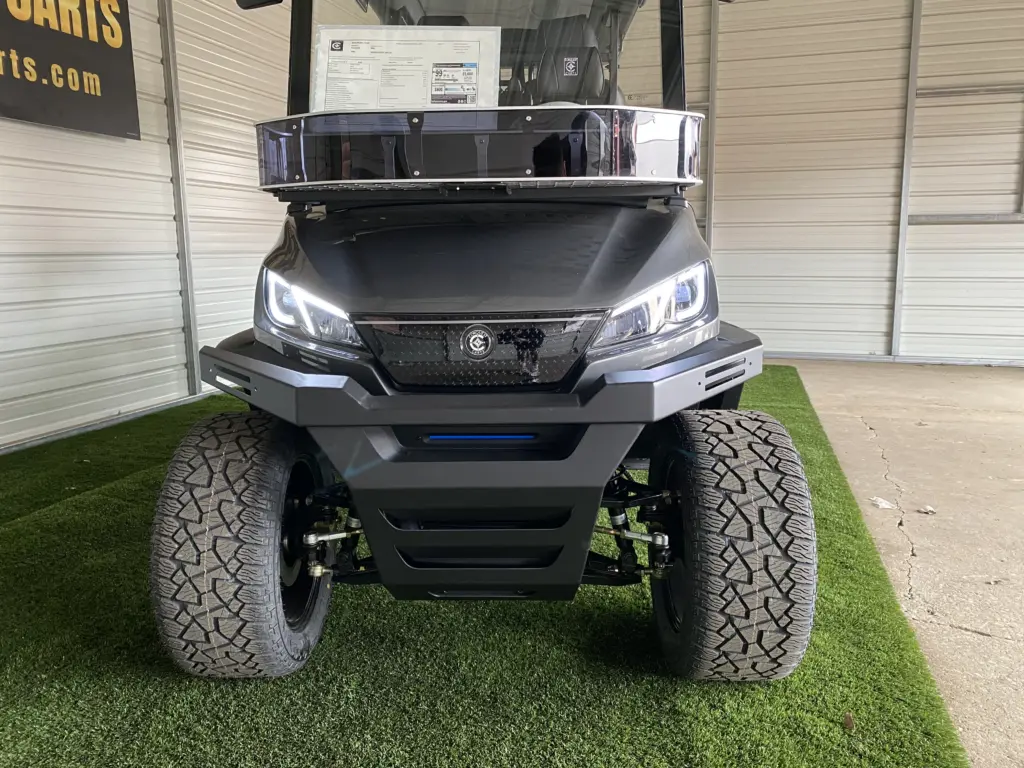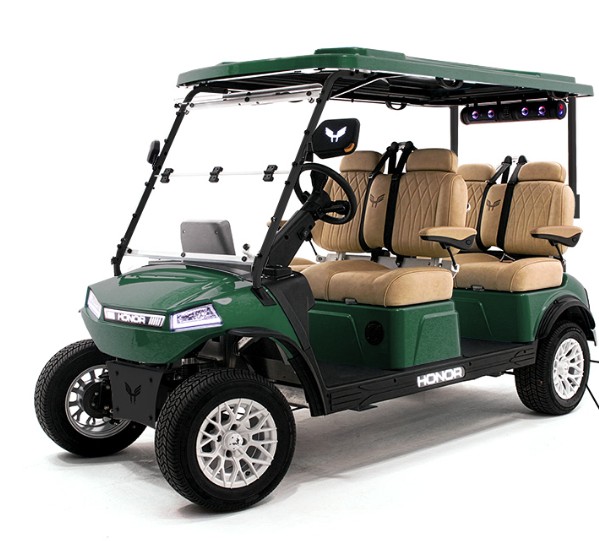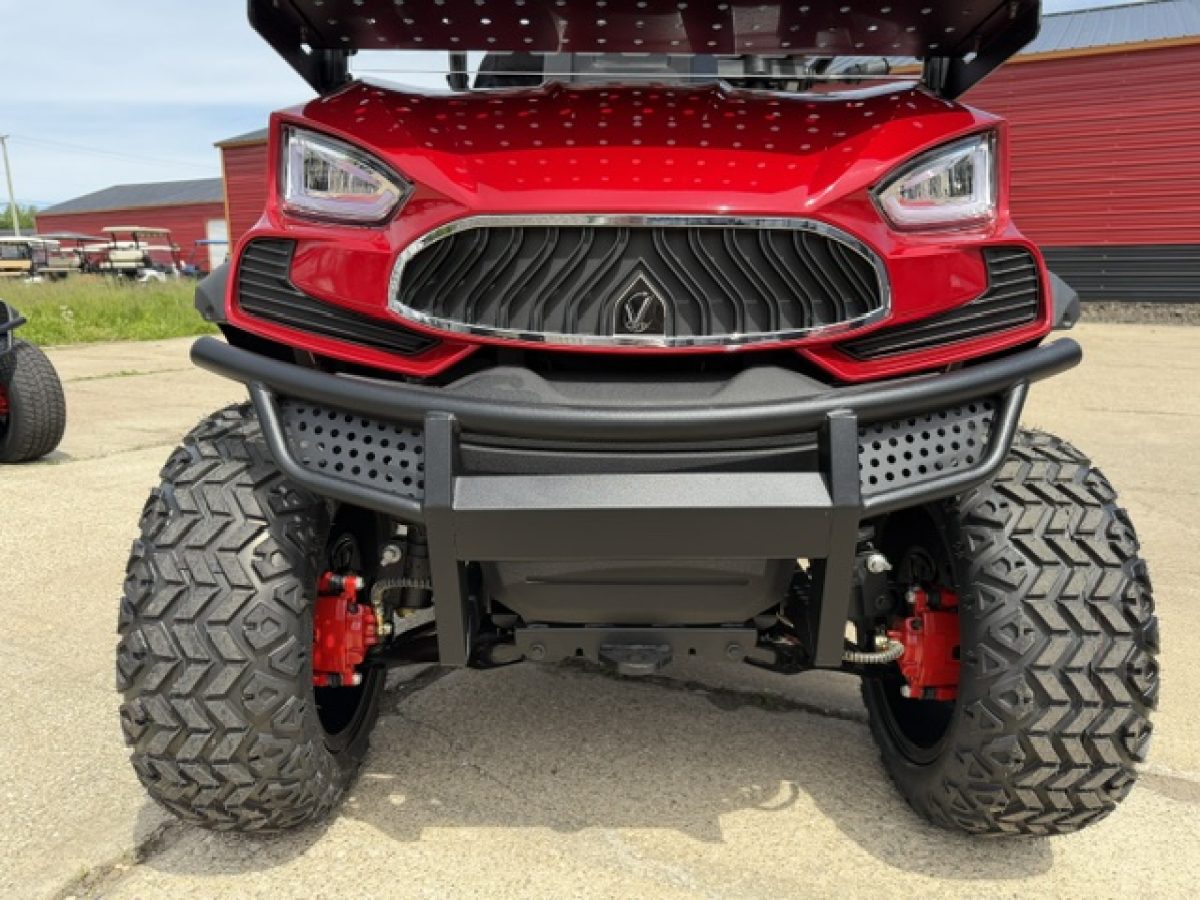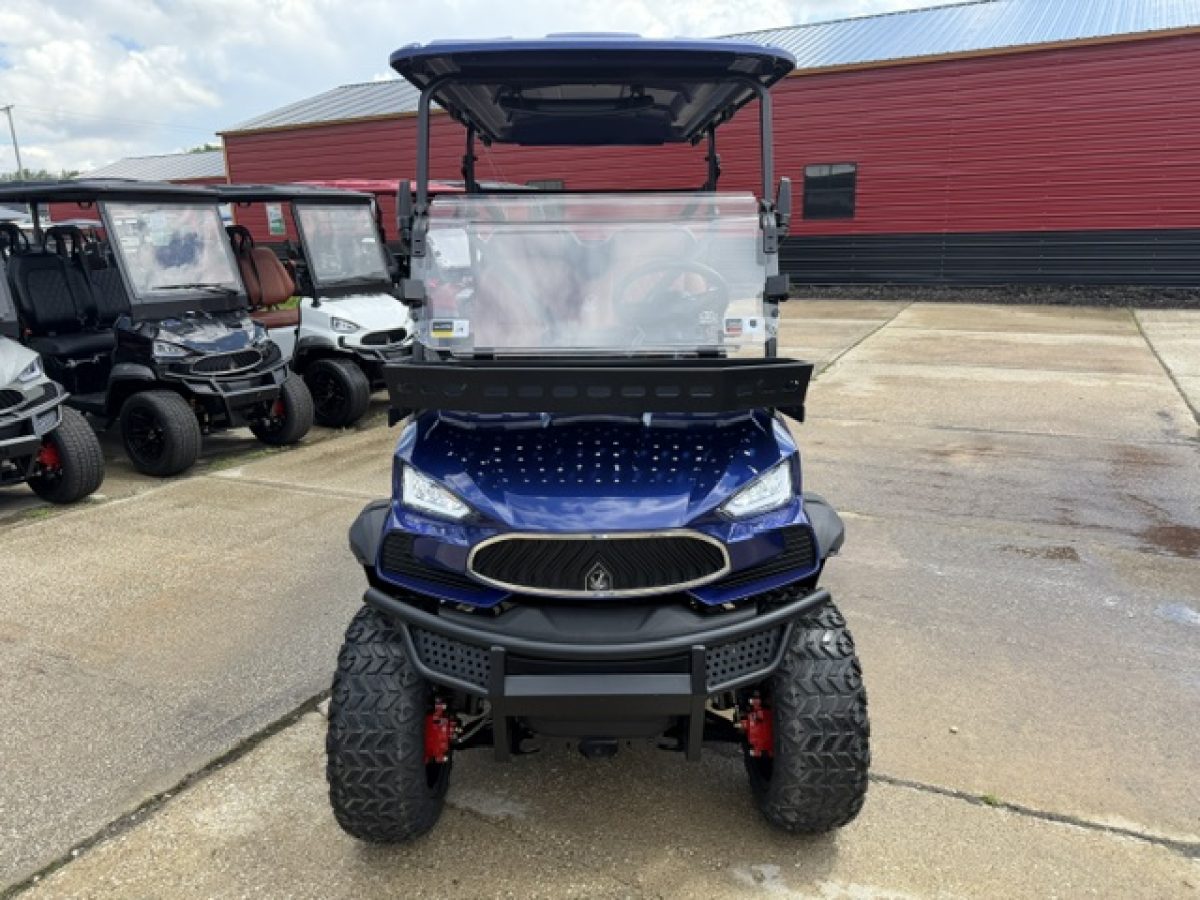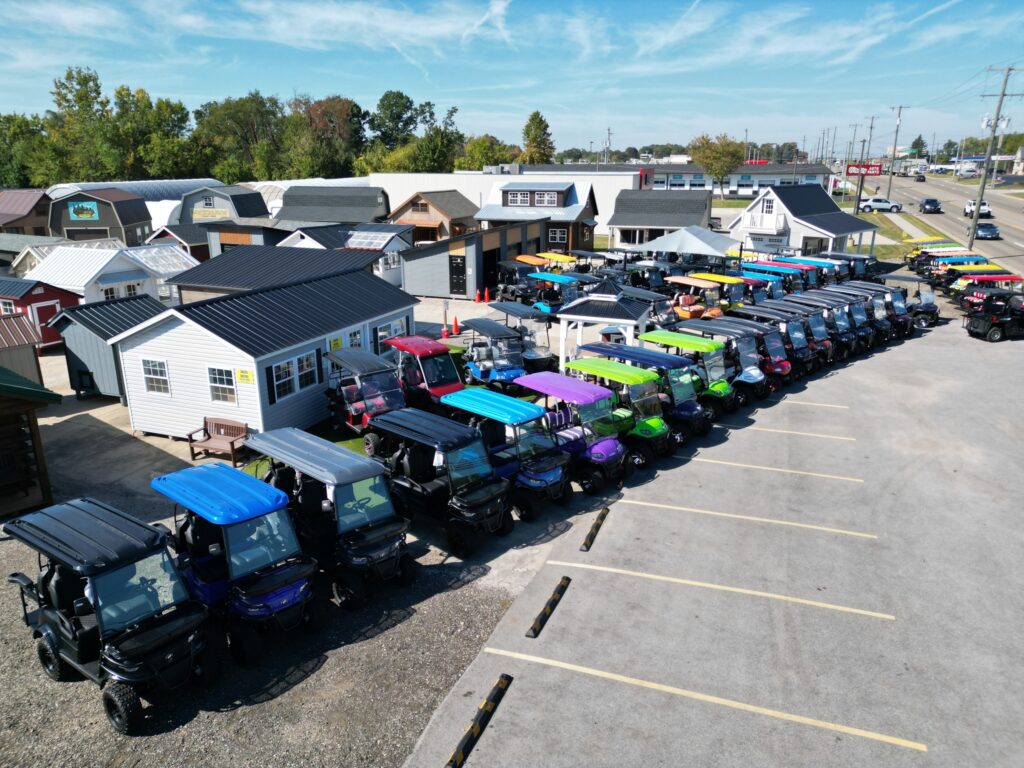


A UTV, short for Utility Task Vehicle, is a side-by-side off-road vehicle built for hauling passengers, cargo, tools, and equipment across rough terrain. Unlike golf carts that mainly operate on paved paths or neighborhoods, UTVs are designed for tougher environments such as farms, trails, hunting land, campgrounds, and large private properties. They combine utility, off-road performance, towing ability, and passenger comfort in one machine. Most UTVs include steering wheels, pedals, seat belts, rollover protection, cargo beds, and larger suspension systems that help them handle uneven terrain much better than standard recreational vehicles. That versatility is why more buyers now ask what is a utv before choosing between a golf cart, ATV, or utility vehicle for outdoor transportation and work tasks.

How A UTV Is Different From An ATV
Many people confuse UTVs and ATVs because both are built for off-road use, but they operate very differently. An ATV, also called an all-terrain vehicle, uses motorcycle-style seating, where the rider straddles the vehicle and steers with handlebars. A UTV uses side-by-side seating, similar to that of a compact vehicle. Drivers control it with a steering wheel and foot pedals instead of handlebars. This setup creates a much different driving experience and makes UTVs feel easier for many beginners to operate.
Passenger capacity also separates the two categories. Most ATVs carry one rider or sometimes one passenger. UTVs commonly carry two, four, or even six passengers, depending on the model. That makes them popular for families, campground owners, hunters, and property managers who need transportation for groups rather than solo riding. UTVs also include cargo beds and stronger hauling capability, which gives them far more utility-focused functionality than traditional ATVs.
Why UTVs Became So Popular
UTVs became extremely popular because they solve multiple transportation problems at once. Property owners use them for hauling tools, fencing supplies, feed, and equipment without needing a full-size truck for every task. Campground operators and maintenance crews use them to move supplies quickly across large areas where pavement may not exist. Outdoor enthusiasts enjoy them because they combine off-road capability with passenger comfort.
Many buyers also prefer UTVs because they feel more approachable than ATVs. Drivers sit inside a protective frame with seat belts and structured seating, rather than balancing on a smaller vehicle. Families often feel more comfortable riding together in a UTV during recreational trips or property use. That mix of utility and recreation helped UTV sales grow rapidly over the last decade as more buyers sought vehicles capable of both work and leisure.

UTVs Are Built For Rough Terrain
One of the biggest reasons people buy UTVs is terrain capability. These vehicles are specifically designed to handle rough environments that would challenge ordinary transportation. Most UTVs include larger tires, stronger suspension systems, higher ground clearance, and reinforced frames built for off-road use. Mud, gravel, rocky trails, hills, and uneven property paths become much easier to navigate with a properly equipped UTV.
Many models also offer four-wheel-drive systems for additional traction in difficult conditions. Farmers and rural property owners often depend on this capability because weather and terrain change constantly throughout the year. Standard golf carts usually perform best on smoother surfaces, while UTVs are engineered for demanding outdoor conditions. Buyers researching what is a utv often realize quickly that these vehicles exist for environments where ordinary transportation struggles to operate comfortably or safely.
Common Uses For UTVs
UTVs serve a wide variety of purposes depending on the owner’s lifestyle and property needs. Farmers use them to move equipment, inspect fencing, transport feed, and travel across large acreage efficiently. Hunters use them for transporting gear and accessing trails in remote outdoor areas. Campgrounds and resorts often rely on UTVs for maintenance and transportation because they can carry tools, passengers, and supplies simultaneously.
Recreational riders also use UTVs heavily for trail riding and outdoor adventures. Many owners appreciate having one vehicle that can perform utility work during the week and recreational riding on weekends. Homeowners with large properties often find UTVs more practical than repeatedly using trucks for short trips around their land or work sites. That flexibility remains one of the biggest reasons UTVs continue to grow in popularity across many industries and lifestyles.

Passenger Comfort And Cargo Capacity
Passenger comfort is one of the biggest advantages UTVs hold over traditional ATVs. Side-by-side seating creates a more relaxed riding position that feels closer to driving a compact vehicle than riding a motorcycle. Seat belts, structured seats, overhead protection, and wider cabins improve comfort during longer rides and rough terrain operation.
Cargo capacity also plays a major role in UTV practicality. Most models include rear cargo beds that can carry tools, coolers, equipment, hunting supplies, or maintenance gear. Some utility-focused UTVs also provide towing capability for small trailers and additional equipment. This combination of passenger space and hauling functionality makes UTVs useful for both recreational travel and serious property management work throughout the year.
Are UTVs Street Legal
Most UTVs are designed primarily for off-road use, but street legality depends on state and local regulations. Some areas allow UTVs on designated public roads if owners install required equipment such as mirrors, lights, turn signals, horns, and seat belts. Other states restrict UTV operation entirely to private property and approved trails.
Buyers should always verify local laws before planning public-road use because regulations vary widely across the country. According to the National Highway Traffic Safety Administration, off-road vehicles should operate only in approved environments and with proper safety precautions. Understanding local requirements helps owners avoid registration issues, fines, and unsafe operating conditions later.

UTVs Versus Golf Carts
Golf carts and UTVs may appear somewhat similar because both use steering wheels and side-by-side seating, but they are designed for very different purposes. Golf carts primarily serve neighborhood transportation, golf courses, campgrounds, and low-speed paved environments. UTVs prioritize durability, hauling, towing, and rough-terrain capability.
UTVs generally include larger tires, stronger suspension systems, higher towing capacity, and reinforced frames. Golf carts usually provide quieter operation and smoother driving on paved surfaces. Buyers who primarily want neighborhood transportation often prefer golf carts, while buyers who need off-road performance and hauling capability usually benefit more from a UTV. Understanding terrain and daily usage needs is important before choosing between the two categories.
Choosing The Right UTV
The best UTV depends heavily on how the owner plans to use it. Recreational riders may prioritize suspension comfort, passenger seating, and trail capability. Property owners often care more about towing power, cargo space, and durability during work tasks. Tire design, drivetrain setup, engine size, and storage capacity all affect how the vehicle performs in different environments.
Buyers looking for utility-focused side-by-side vehicles often explore models like the Landmaster AMP Classic because it combines practical utility design with everyday property-management usability. Choosing the right setup helps owners avoid paying for features they may never use while still getting the performance they actually need.

Safety Matters When Operating A UTV
UTVs are safer when operated responsibly and with proper protective practices. Seat belts should always remain fastened, and passengers should keep arms and legs inside the vehicle during operation. Excessive speed and aggressive cornering increase the risk of rollover, especially on uneven terrain or steep hills. Drivers should also avoid carrying more passengers or cargo than the vehicle was designed to handle.
Many accidents happen because owners underestimate how powerful some UTVs have become. Modern performance-focused models can travel surprisingly fast, especially on open trails. Riders should learn vehicle handling gradually and avoid difficult terrain until they understand how the UTV responds during braking, turning, and climbing situations. Safe operation protects both passengers and the surrounding property.
Conclusion
A UTV is a side-by-side utility vehicle designed for off-road transportation, hauling, towing, and outdoor work across rough terrain. Unlike standard golf carts or ATVs, UTVs combine passenger comfort, cargo space, and strong off-road capability in one machine. Farmers, hunters, campground operators, and homeowners often rely on UTVs because they handle demanding environments while still remaining versatile enough for recreational use. Understanding what is a UTV helps buyers choose the right vehicle for their property, workload, and outdoor lifestyle. For drivers seeking dependable, utility-focused vehicles designed for everyday performance, Hartville Golf Carts offers modern options built for durability, comfort, and long-term usability.