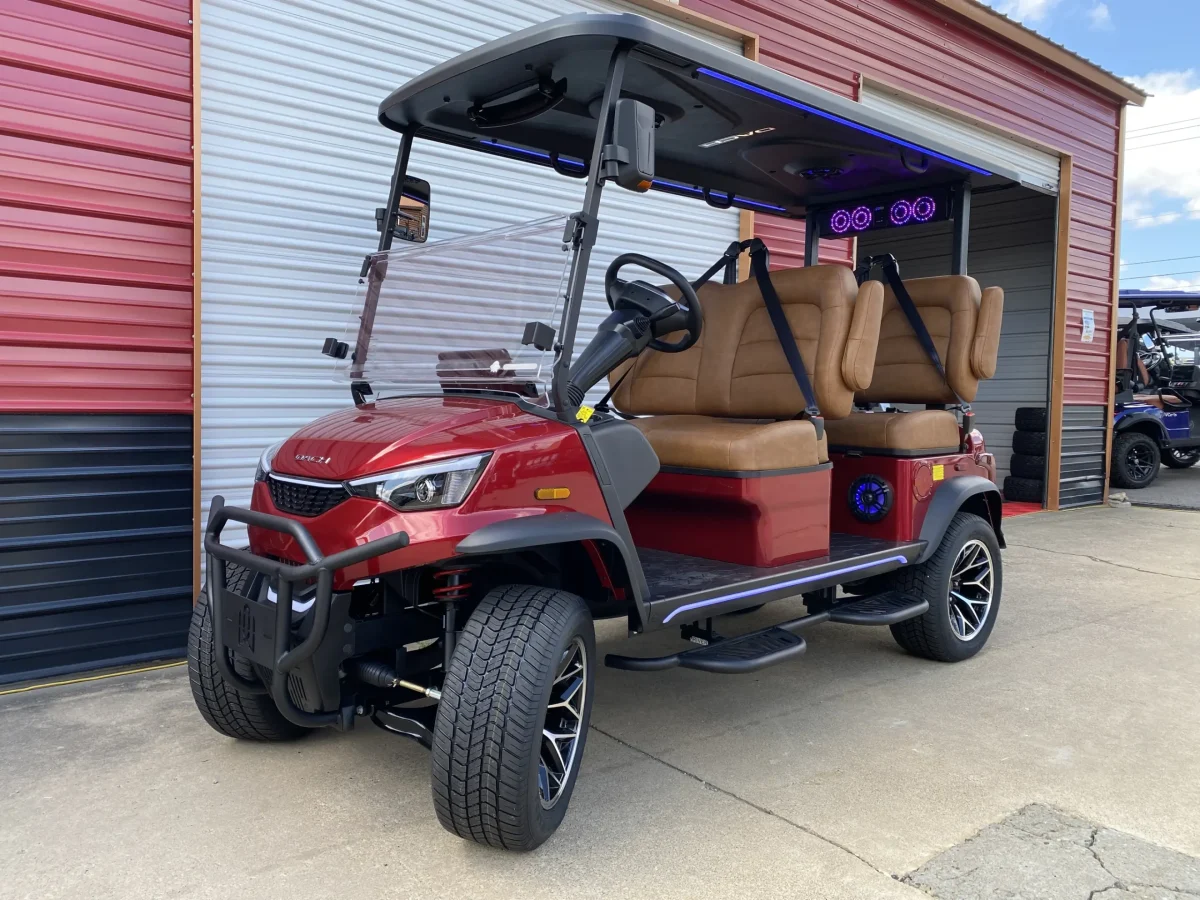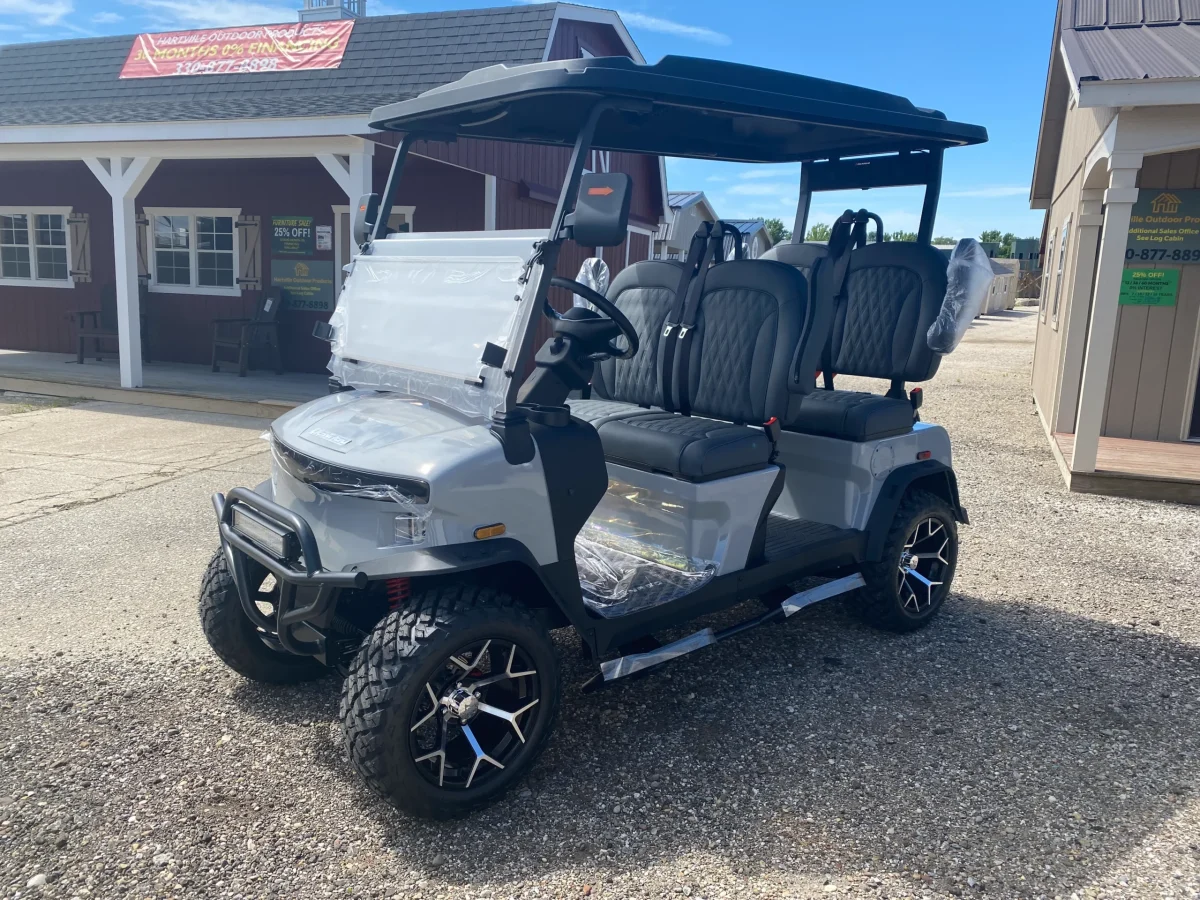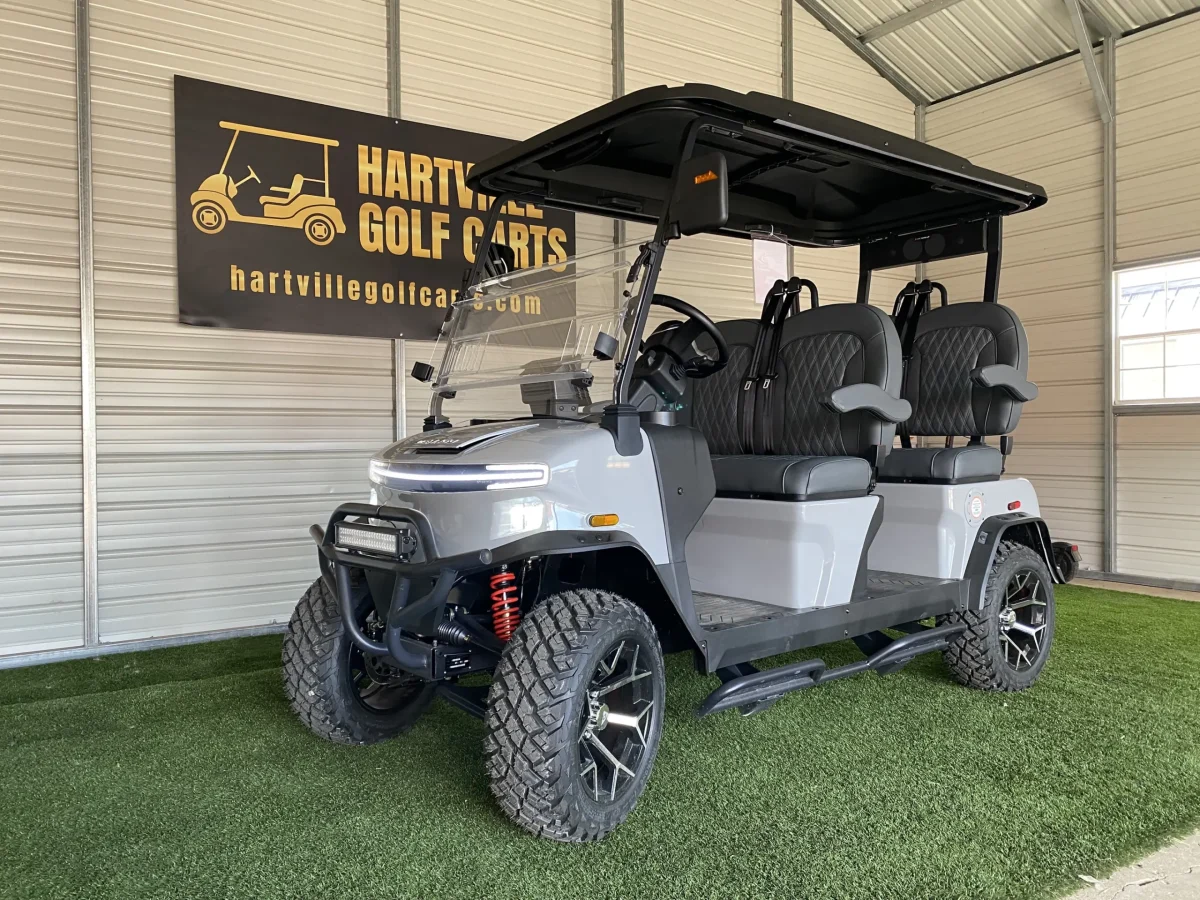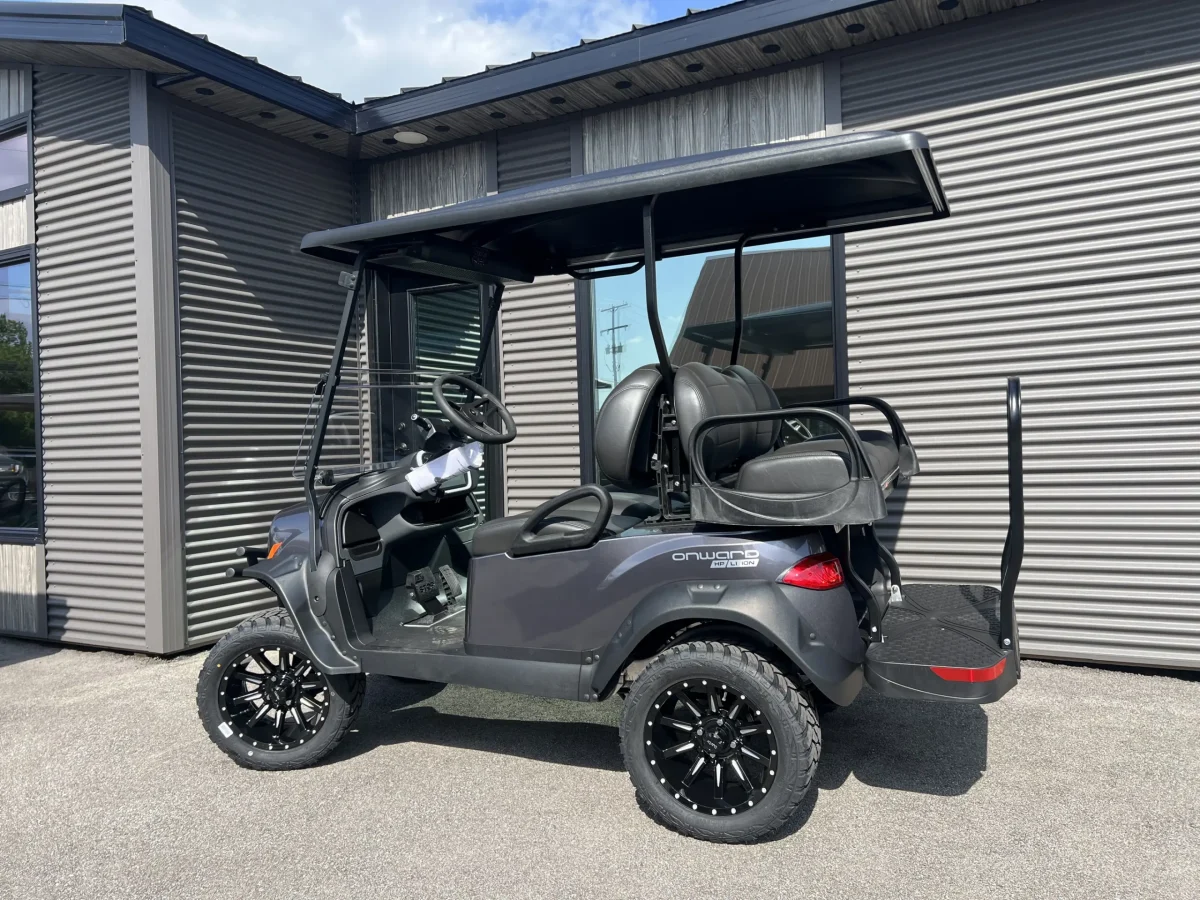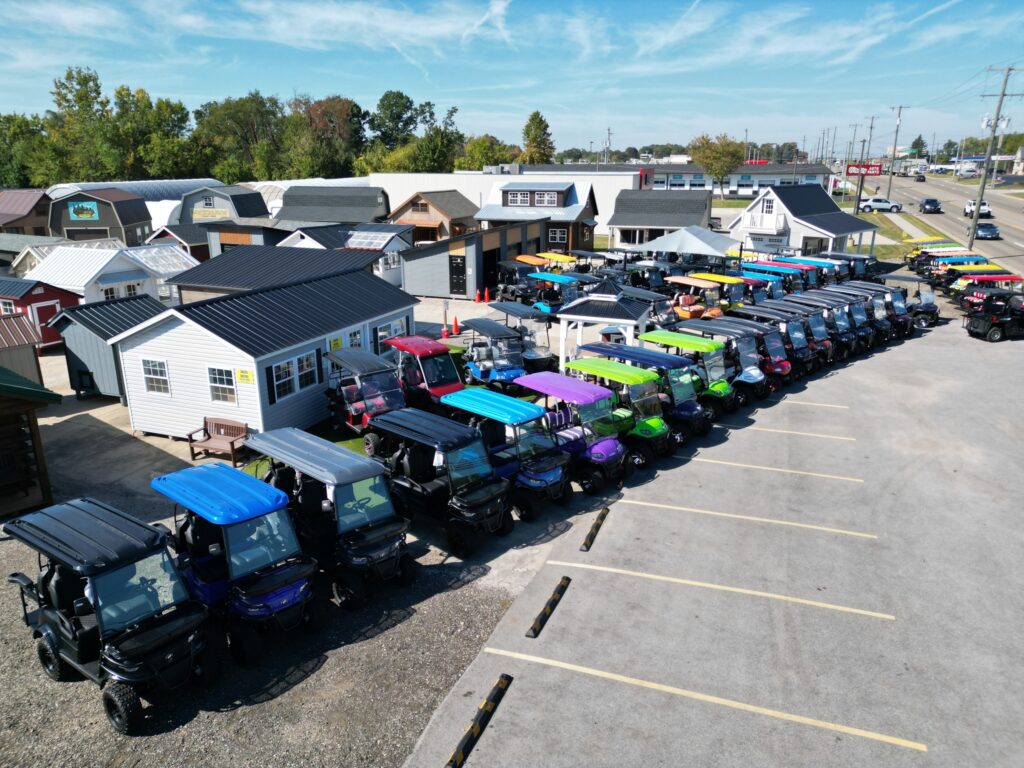

Many golf cart owners eventually start asking how to make golf cart faster after getting comfortable with their vehicle’s stock performance. Some drivers want quicker neighborhood travel, while others want stronger hill climbing, smoother acceleration, or better performance around large properties and campgrounds. The good news is that several upgrades can improve golf cart speed and responsiveness. However, not every modification delivers the same results, and some changes can shorten battery life or create safety concerns if done incorrectly. Tire size, battery type, controller upgrades, and motor improvements all affect speed differently. In some cases, simple maintenance can restore lost performance without major modifications. Understanding which upgrades actually work helps owners avoid wasting money on changes that provide little real-world improvement.

The Golf Cart’s Current Limitations
Before making upgrades, owners should understand why the cart feels slow in the first place. Many golf carts leave the factory with speed settings designed for safety, battery conservation, and neighborhood compliance. Electric carts may use restricted controllers that limit acceleration and top speed. Gas carts can also include governor systems that reduce engine output. Worn batteries, low tire pressure, and aging components may reduce performance even further.
Some owners assume they need expensive upgrades when basic maintenance is actually the main issue. Weak batteries often reduce electric cart speed dramatically because the motor cannot receive consistent power. Dirty air filters and worn belts can also affect gas-cart performance. Identifying the real limitation first helps owners choose upgrades that provide noticeable improvement instead of guessing randomly.
Upgrade To Lithium Batteries
Battery upgrades create one of the biggest performance improvements for electric golf carts. Traditional lead-acid batteries lose voltage gradually during use, which reduces acceleration and overall speed as charge levels drop. Lithium batteries maintain stronger voltage consistency, which helps the cart feel quicker and more responsive throughout the drive.
Lithium systems also weigh much less than lead-acid setups. Reducing battery weight improves efficiency and allows the cart to move more freely. Many owners notice better acceleration immediately after switching to lithium power. Faster charging and lower maintenance add additional convenience beyond speed improvements. According to Battery University, lithium batteries maintain performance more consistently than older battery technologies, which explains why they have become so popular in electric vehicles and golf carts.
Install A Higher-Speed Controller
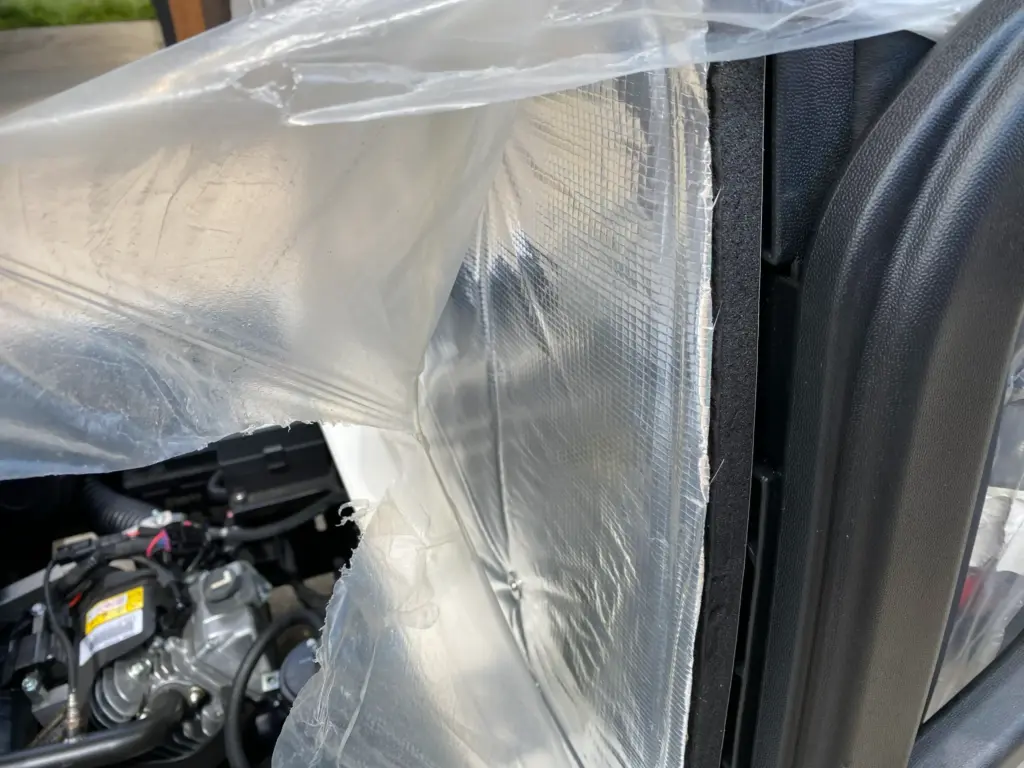
The controller regulates how much electrical power reaches the motor. Factory controllers often limit speed intentionally to meet safety guidelines and extend battery life. Installing a higher-performance controller can increase acceleration and raise top speed significantly. Many upgraded controllers also improve throttle response, making the cart feel stronger during starts and hill climbing.
Controller upgrades work especially well when paired with healthy batteries or lithium systems. However, increasing power too aggressively can create heat and strain on other components if the cart is not designed for higher output. Owners should match the controller carefully to the motor and battery system instead of installing the highest-numbered option available. A balanced setup usually produces better long-term results than extreme tuning.
Upgrade The Motor For More Power
Motor upgrades can transform golf cart performance, especially for owners who regularly drive on hills or carry multiple passengers. High-speed motors focus on improving top-end speed, while torque motors improve pulling power and climbing ability. Choosing the correct type matters because some upgrades prioritize acceleration while others emphasize maximum speed.
Neighborhood users often prefer balanced upgrades that improve drivability without making the cart feel unstable. Campground owners and large-property users may benefit from additional torque for climbing uneven terrain. Motor upgrades usually work best alongside controller improvements because both components influence how efficiently power reaches the wheels. Installing only one part may limit the total performance gain.
Increase Tire Size Carefully
Larger tires can increase golf cart speed by covering more ground with each wheel rotation. This is one of the simplest ways to improve top speed without modifying the electrical system heavily. Many lifted golf carts use oversized tires for both appearance and speed benefits.
However, larger tires also change torque and acceleration characteristics. Extremely oversized tires can make the cart feel slower during starts or hill climbing because the motor works harder to rotate the added weight. Steering and braking may also feel different after tire changes. Owners should choose tire sizes carefully instead of assuming bigger always means better. Moderate increases often provide the best balance between speed and drivability.
Adjust Or Remove The Speed Limiter
Many golf carts include speed-limiting systems designed to keep the cart within safe operating ranges. Gas carts often use a governor system attached to the engine, while electric carts rely on electronic restrictions through the controller. Adjusting or removing these limitations can increase speed noticeably.
However, speed limiter modifications should be approached carefully. Raising top speed without improving brakes, tires, or suspension can reduce safety significantly. Some neighborhoods and communities also enforce speed regulations for golf carts and low-speed vehicles. According to the National Highway Traffic Safety Administration, low-speed vehicles must operate within certain speed and safety guidelines when used on public roads. Owners should understand local rules before making major speed modifications.
Reduce Unnecessary Weight
Extra weight affects acceleration and overall efficiency more than many owners realize. Heavy cargo, oversized accessories, and old battery systems can slow a golf cart noticeably. Reducing unnecessary weight allows the motor to work more efficiently and improves responsiveness during acceleration.
Switching from lead-acid to lithium batteries creates one of the largest weight reductions available. Removing unused storage racks or oversized accessories may also improve performance slightly. While weight reduction alone may not create dramatic speed gains, combining it with other upgrades helps maximize the effectiveness of the entire system.
Improve Maintenance Before Major Upgrades
Regular maintenance often restores performance better than owners expect. Low tire pressure creates rolling resistance that reduces speed and battery efficiency. Corroded battery terminals restrict electrical flow and weaken acceleration. Worn drive belts in gas carts can also reduce engine performance significantly.
Many owners spend money on modifications before fixing basic maintenance issues. Cleaning electrical connections, replacing worn parts, and keeping batteries healthy may restore much of the cart’s original speed. A properly maintained stock golf cart often performs better than a poorly maintained modified cart. Maintenance should always come before performance upgrades.
Choose A Golf Cart Designed For Higher Performance
Sometimes the best solution is starting with a platform already designed for stronger performance. Modern electric golf carts now include upgraded controllers, efficient motors, and lithium battery systems directly from the factory. Buyers looking for stronger everyday performance often explore models like the Denago EV Rover XL because they combine modern electric technology with practical neighborhood usability.
Factory-designed performance systems usually provide better reliability than heavily modified older carts. Owners who plan to drive frequently or cover larger areas daily may benefit more from choosing a stronger platform instead of upgrading piece by piece over time.
Conclusion
Owners can make a golf cart faster through several upgrades, including lithium batteries, controller improvements, motor upgrades, larger tires, and speed limiter adjustments. However, the best results come from balanced modifications instead of extreme changes focused only on top speed. Maintenance, safety, and daily driving needs should always guide upgrade decisions. A cart used for quiet neighborhood transportation may require very different improvements than one used on large properties or hilly terrain. For drivers looking for dependable golf carts with modern performance features already built in, Hartville Golf Carts offers a wide selection designed for stronger everyday usability and long-term reliability.