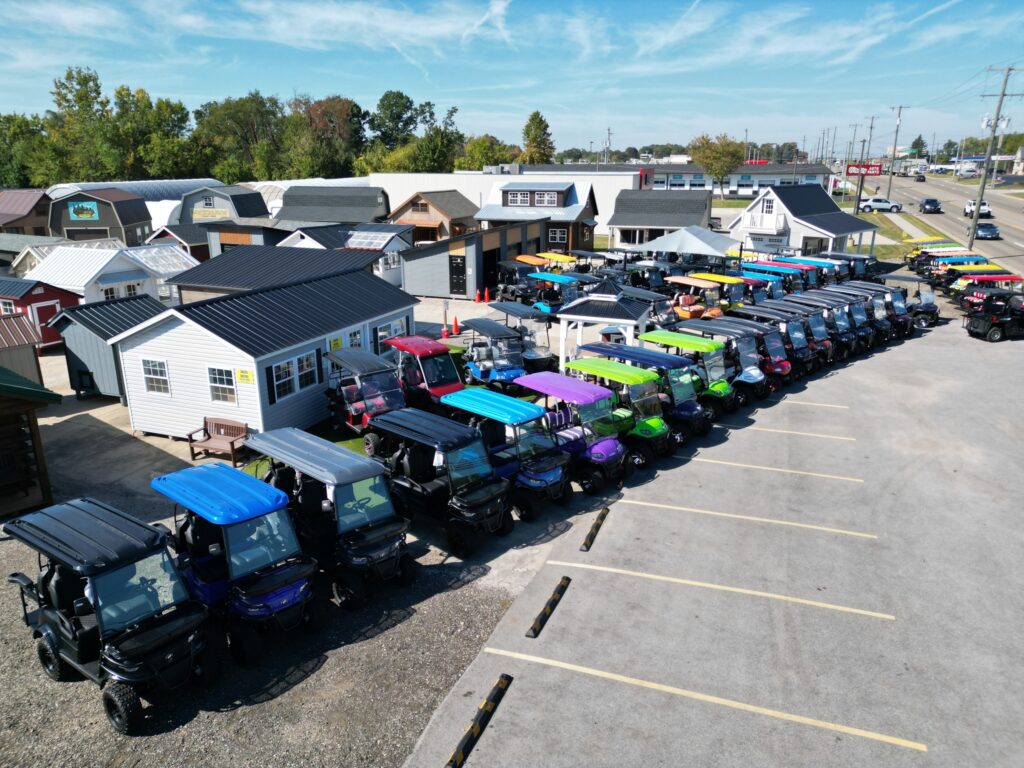

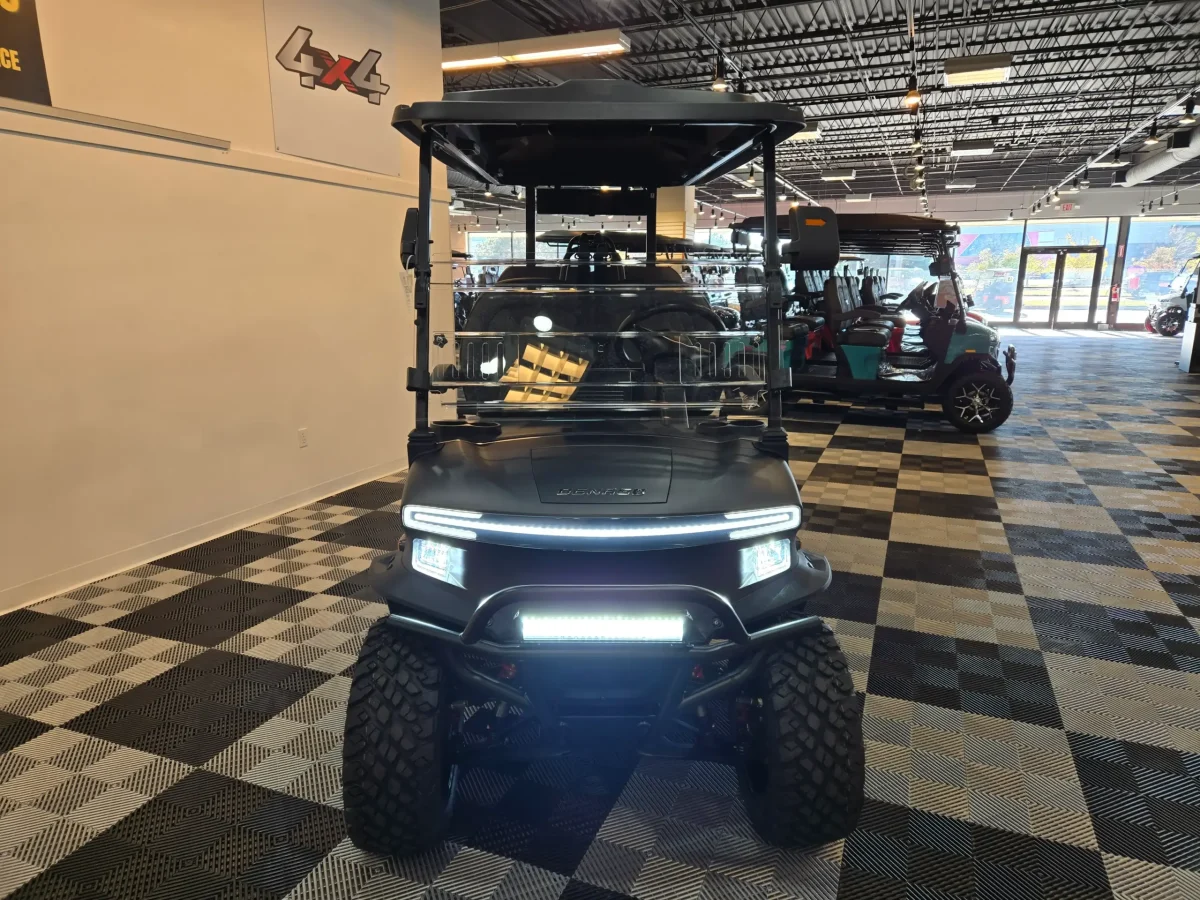
Many buyers want to know how fast are golf carts before deciding which model best fits their needs. Speed affects comfort, safety, and how a cart can be used in everyday situations. Golf carts are designed for short-distance travel rather than high-speed driving, yet their performance often surprises first-time buyers. Understanding realistic speed ranges helps buyers choose confidently and avoid assumptions that lead to disappointment. Whether used in neighborhoods, golf courses, resorts, or private property, golf cart speed is about balance rather than raw performance.
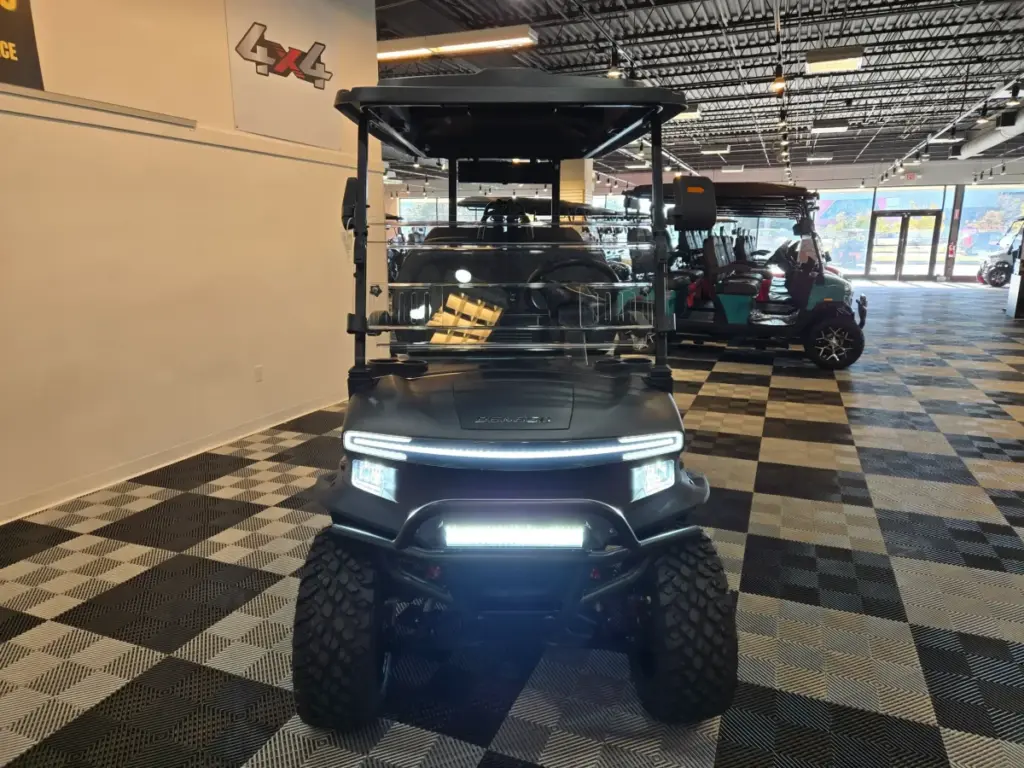
Typical speed range
Most standard golf carts operate within a speed range of 12 to 15 miles per hour when left in factory condition. Manufacturers choose this range intentionally because it provides stable handling and predictable control in environments designed for low-speed vehicles. At these speeds, golf carts feel comfortable and manageable, especially in areas where pedestrians, cyclists, and other carts are present. This range allows drivers to react quickly while maintaining smooth movement.
For many owners, this speed feels practical rather than limiting. It supports daily use without creating safety concerns. While some buyers expect higher speeds, this range reflects how and where golf carts are meant to operate.
Electric cart performance
Electric golf carts generally fall within the same 12 to 15 mile per hour range in standard configurations. Electric motors deliver power smoothly, which results in steady acceleration instead of sudden surges. This controlled delivery makes electric carts easy to drive and comfortable for passengers. Battery condition plays an important role in maintaining consistent performance.
Healthy batteries help the cart hold speed even when carrying passengers or driving on slight inclines. While electric carts are not designed for aggressive driving, their quiet operation and smooth feel often make them feel refined in everyday use.
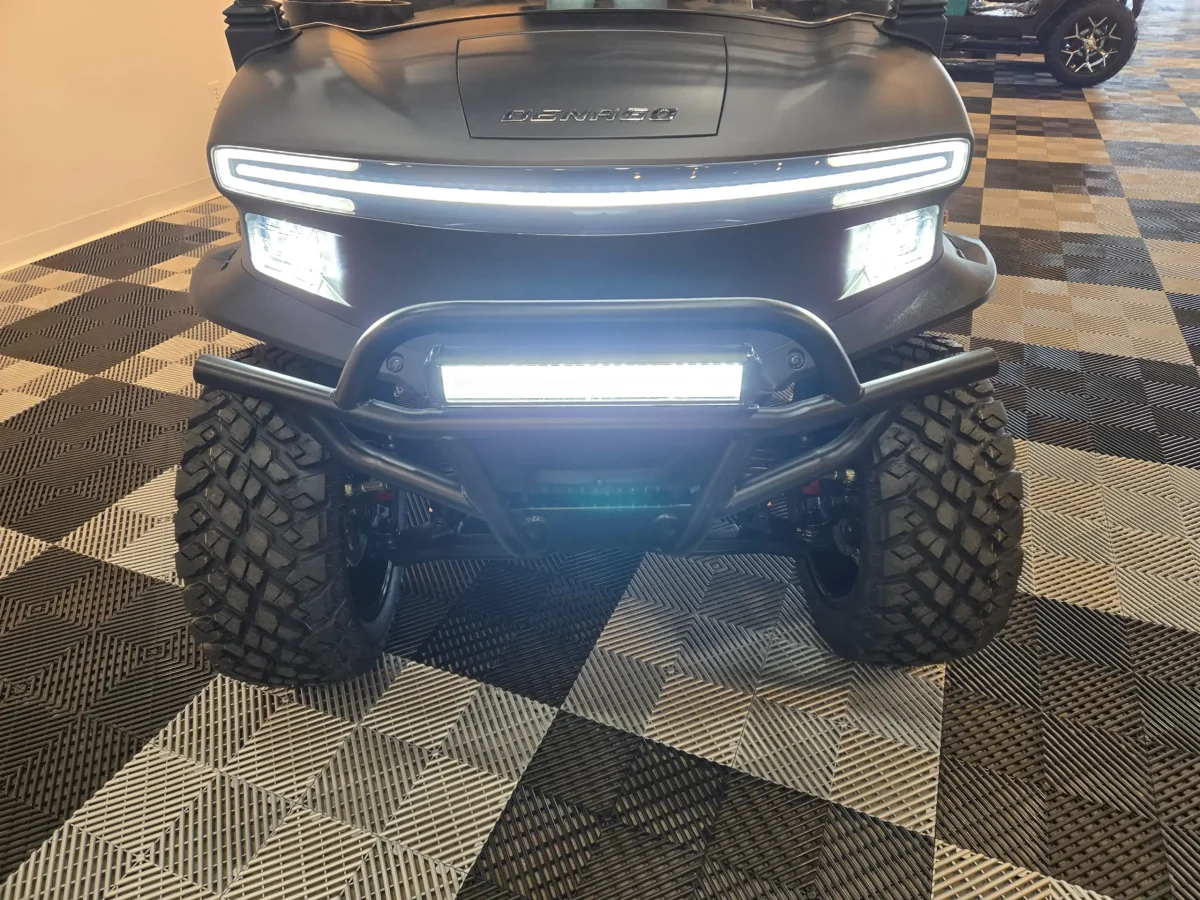
Gas cart characteristics
Gas-powered golf carts also operate in the 12 to 15 mile per hour range under normal conditions. Some drivers perceive gas carts as faster due to engine sound and throttle response, even though actual top speed remains similar to electric models. Gas carts often maintain performance well during longer driving sessions and under heavier loads. This consistency appeals to owners who regularly carry passengers or drive for extended periods. Despite differences in how power is delivered, manufacturers design gas and electric carts to meet similar safety and usability standards.
Street-capable models
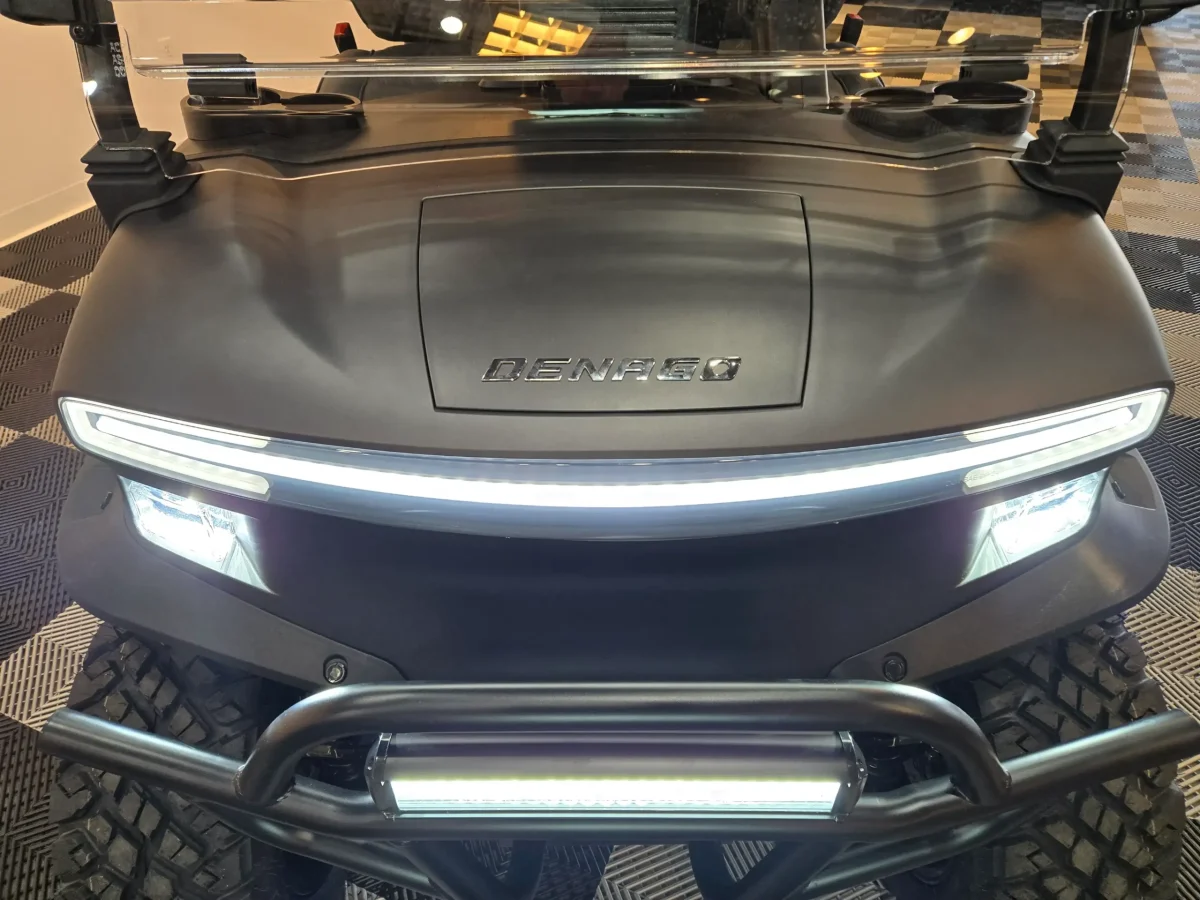
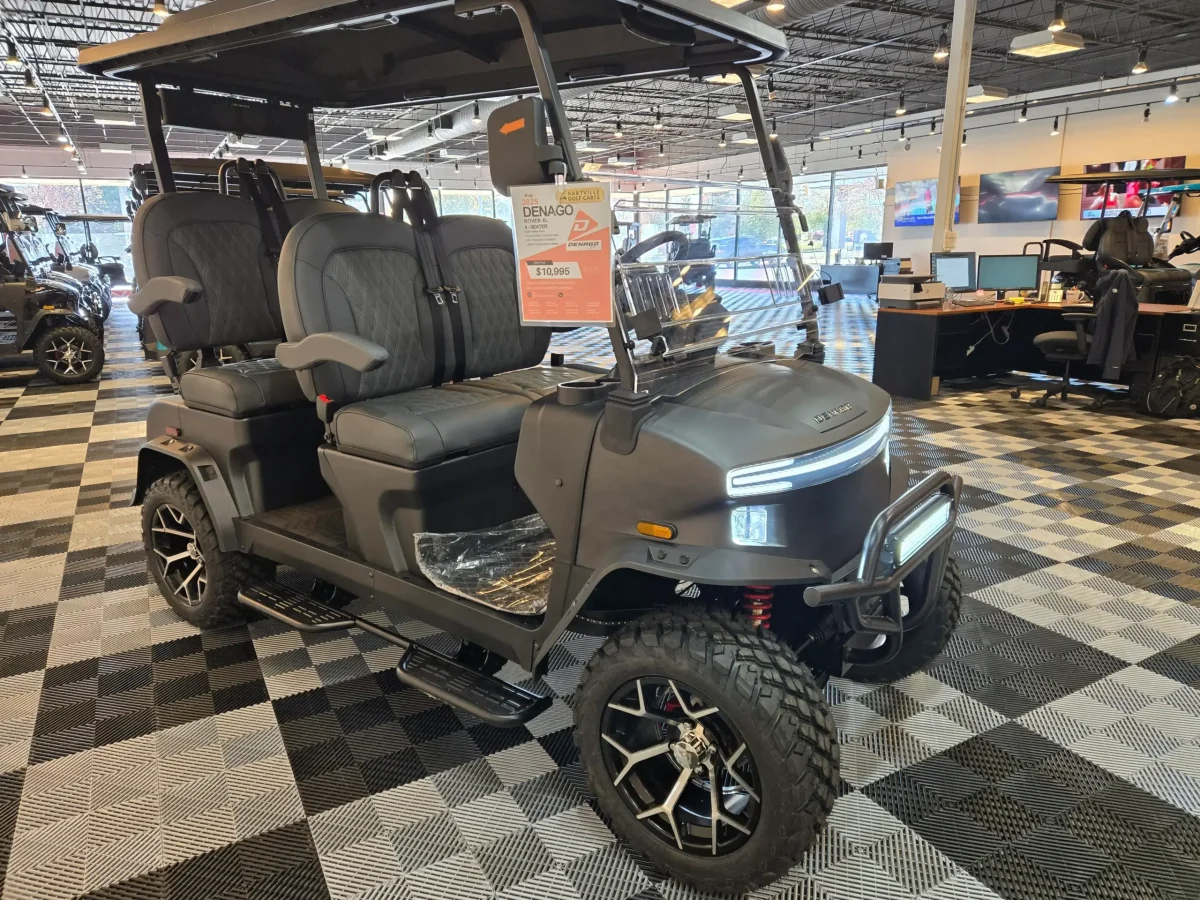
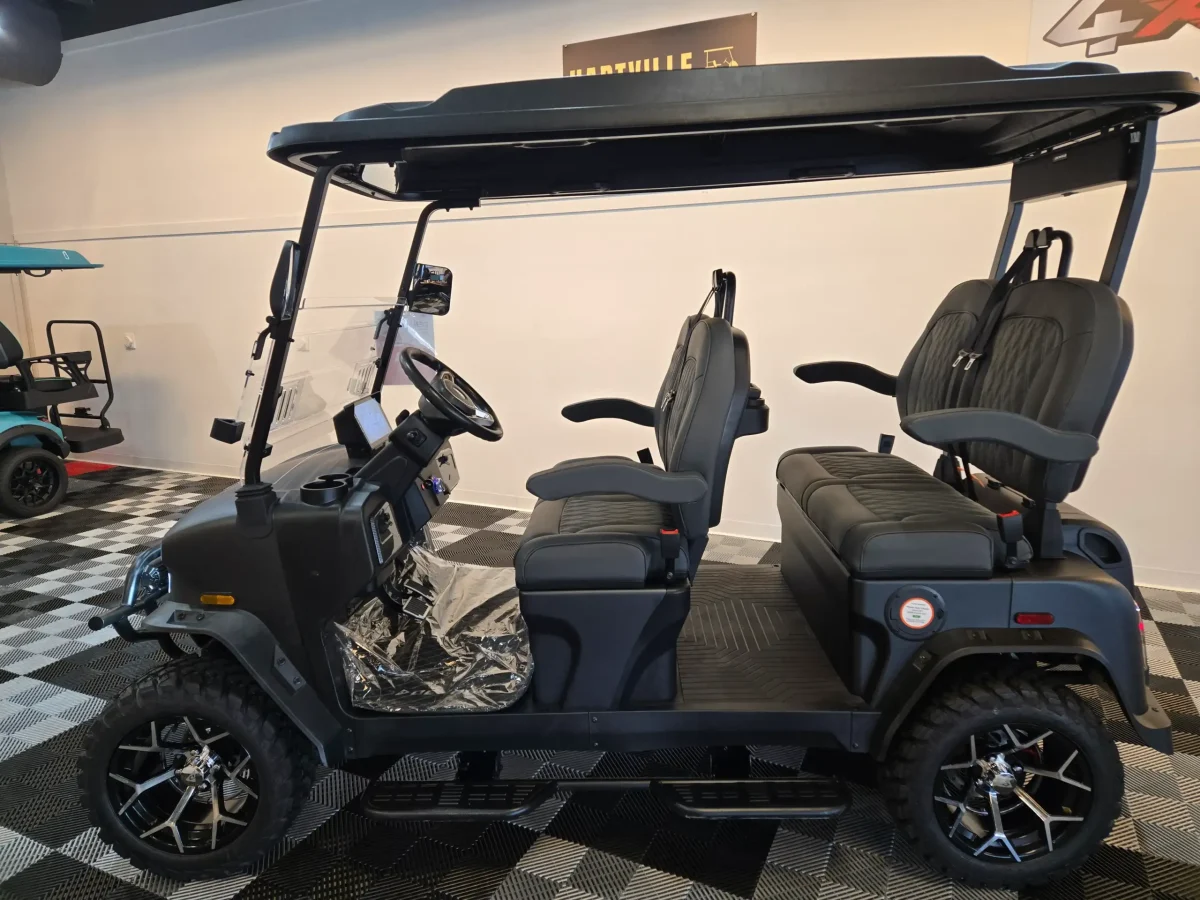
Some golf carts are designed to travel at higher speeds and are often classified as low-speed vehicles. These carts typically reach speeds between 20 and 25 miles per hour when properly equipped. This increased speed allows them to operate on certain public roads where local laws permit. Street-capable carts include additional safety features such as upgraded lighting, mirrors, windshields, and braking systems. These features support higher speeds while maintaining control and visibility. Buyers interested in expanded road use often consider these models for added flexibility.
Why speed is limited
Golf cart speed limits exist for practical and safety-related reasons. Lower speeds reduce strain on motors, engines, batteries, and driveline components, which helps extend the life of the cart. Speed limits also support safe operation in environments designed for shared use. Manufacturers focus on smooth handling and reliability rather than high-speed performance. This design philosophy makes golf carts accessible to drivers of all experience levels. Rather than restricting enjoyment, speed limits ensure consistent performance and long-term value.
Passenger load impact
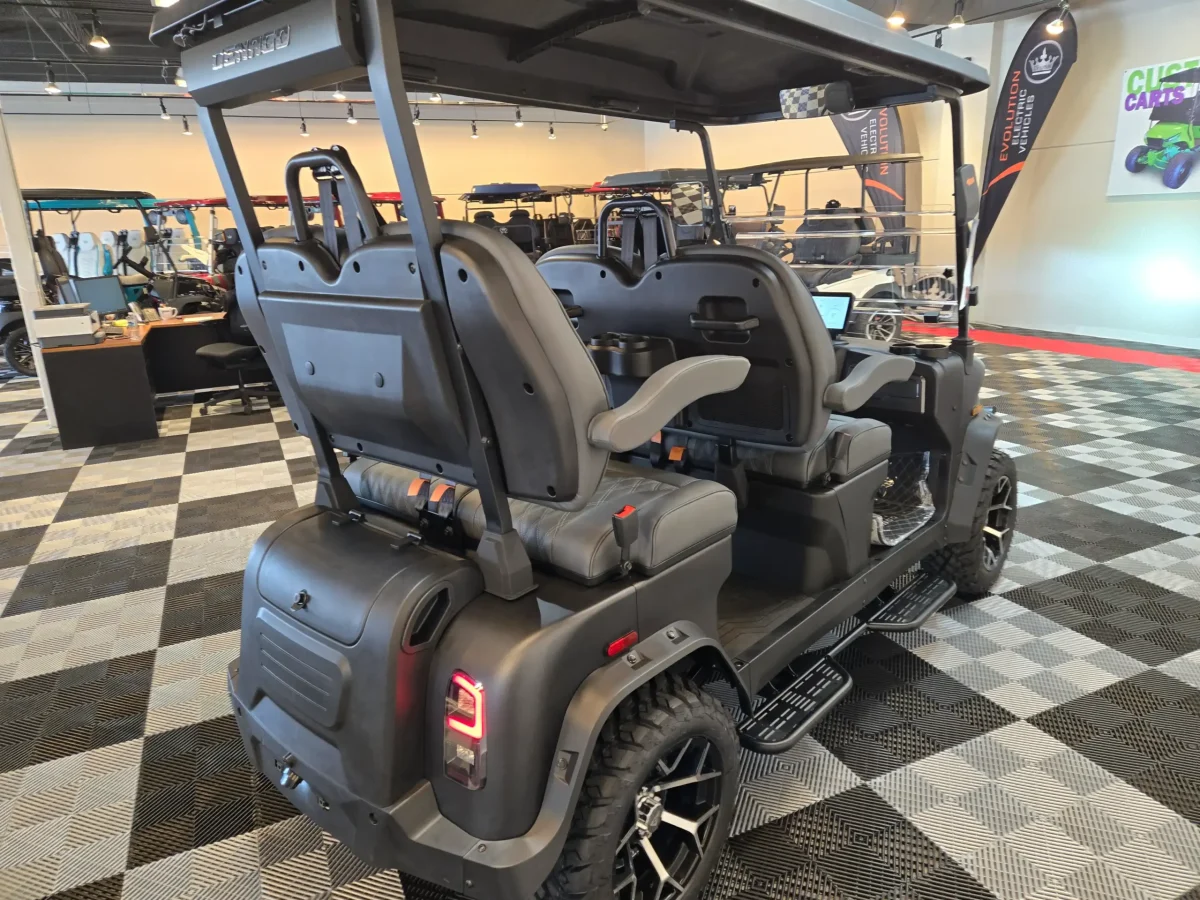
Passenger load directly affects how fast a golf cart feels during everyday use. Carrying additional passengers or cargo increases overall weight, which can reduce acceleration and slightly affect top speed. Larger carts designed for four or more passengers include stronger frames and suspension systems to handle added load, but physics still applies.
Buyers who frequently transport multiple passengers should expect different performance compared to two-passenger carts. This behavior reflects normal operation and does not indicate a problem with the cart.
Terrain influence
Terrain plays a major role in golf cart performance. Flat, paved surfaces allow carts to reach their rated speed more easily. Hills, grass, gravel, or uneven ground may temporarily reduce speed. Golf carts perform best in environments designed for low-speed travel. Buyers who plan to drive on mixed terrain should expect natural variations in performance. Understanding how terrain affects speed helps set realistic expectations and improves satisfaction.
Speed and comfort
Speed alone does not define the quality of the driving experience. Golf carts prioritize comfort, balance, and ease of use. Smooth acceleration and predictable steering often matter more than top speed. Many owners find that moderate speeds improve confidence and enjoyment, especially in residential or recreational settings. This balance between speed and comfort explains why golf carts remain popular across many use cases.
Legal considerations
Speed affects where golf carts may legally operate. Many communities allow carts on roads with lower posted speed limits, while higher-speed carts may qualify for expanded use when equipped correctly. Buyers should understand local rules before choosing a cart based on speed. According to the U.S. Department of Transportation, low-speed vehicles are designed to balance mobility and safety in controlled environments.
Performance expectations
Some owners explore ways to improve performance, but responsible adjustments focus on efficiency rather than extreme speed. Proper maintenance, healthy batteries, and correct tire pressure often improve how a cart feels. These changes preserve safety and reliability while enhancing everyday usability. Buyers should prioritize long-term value over chasing higher speed numbers.
Cost and ownership value
Golf carts offer strong value because their speed aligns with real-world needs. Owners rarely require higher speeds to enjoy convenience and mobility. Flexible purchasing options allow buyers to choose carts with features that support comfort and performance. Exploring financing options can make ownership more accessible and allow buyers to select the right cart without compromise.
Why golf carts stay popular
Golf carts continue to attract buyers because they combine manageable speed, low operating costs, and versatile use. They suit neighborhoods, resorts, campuses, and recreational properties where relaxed travel matters. Their performance supports daily use without feeling overwhelming. This balance keeps golf carts relevant and in demand.
Conclusion
So, how fast are golf carts? Most standard models travel between 12 and 15 miles per hour, while street-capable versions can reach 20 to 25 miles per hour depending on configuration. Speed varies based on power type, load, terrain, and design, but golf carts focus on comfort and reliability rather than raw performance. This makes them ideal for short-distance travel in controlled environments. To explore available golf carts and learn which options best fit your needs, visit the contact page and connect with Hartville Golf Carts.