
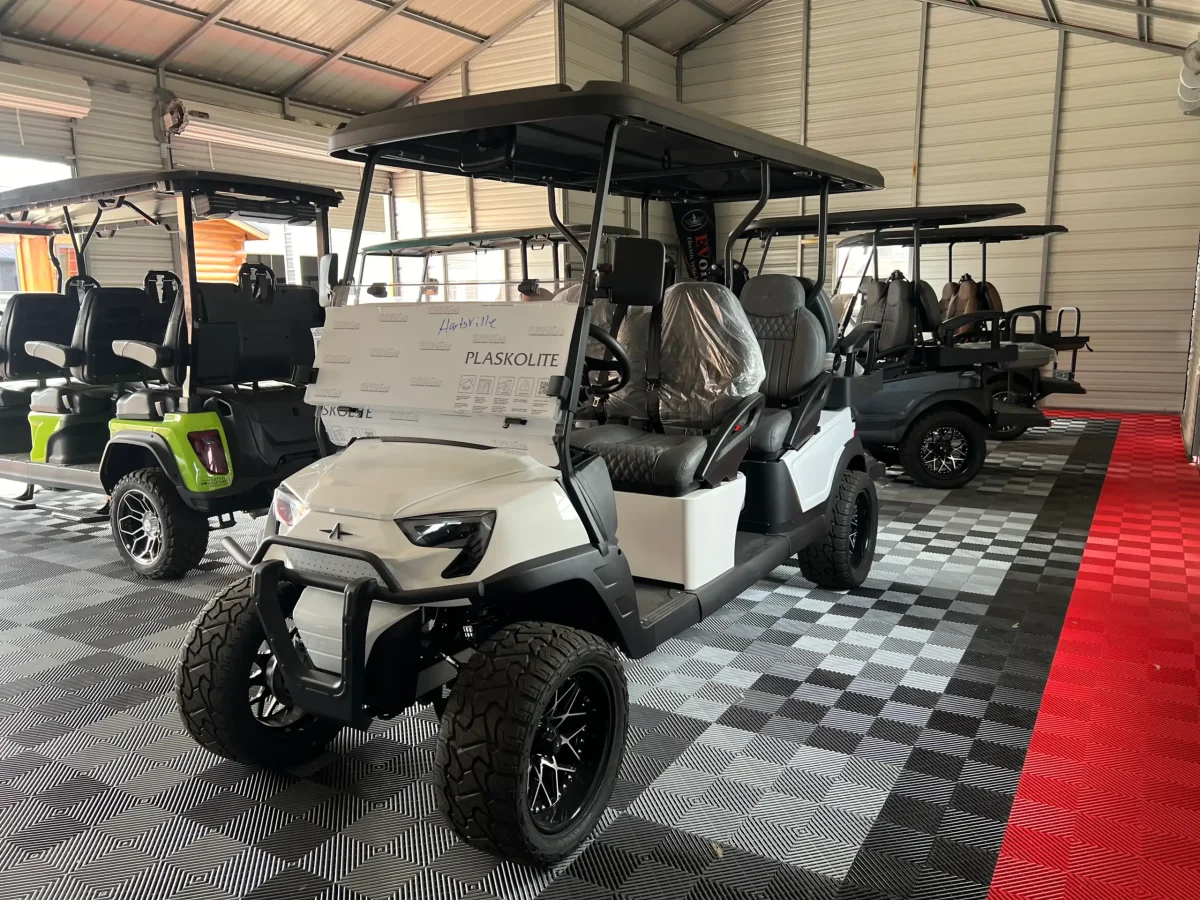
The golf cart has become a familiar sight on courses, in neighborhoods, at resorts, and even inside large commercial properties. These compact vehicles are easy to drive, convenient for short distances, and increasingly designed with modern comfort and technology. Many drivers enjoy them daily without ever asking where golf carts came from or who was responsible for their invention. Learning about their origin reveals how much innovation and creativity went into developing a vehicle that later evolved into an essential part of recreational and personal transportation.
The invention of the golf cart did not happen in a single moment. Instead, it grew from a series of small ideas and experiments that appeared during a time when electric and compact transportation was gaining interest. Several early inventors contributed to shaping the first versions of what we now call golf carts. Their work helped create a vehicle that would eventually become part of golfing culture and then expand far beyond the course. Understanding this origin story helps modern buyers appreciate the design and function of the carts they use today.
The Early Roots of Small Electric Vehicles
Golf carts emerged during a period when electric mobility was advancing quickly. Early electric vehicles were being tested for practicality in cities, farms, and factories. Some of these early machines were not specifically designed for golf, yet they laid the groundwork for compact electric transportation. As electric technology improved, ideas about smaller personal vehicles began to grow. These developments influenced many later inventions, including the machines that would eventually become golf carts.
The First Known Golf Cart Concepts
The earliest designs that resembled golf carts appeared in the 1930s and 1940s. During these years, inventors were creating small personal vehicles to help people with limited mobility travel short distances. Although these early machines were not built for golf courses, their purpose aligned with what golf carts would eventually offer. Some models were lightweight, slow, and built with simple steering systems. Their compact size made them practical for both indoor and outdoor travel. Over time, these personal mobility carts caught the attention of golfers and course owners who saw the potential for a new transportation tool.
When Golf Courses Started Using Early Carts
Golf courses began adopting early cart-like vehicles during the 1940s. The goal was to help elderly or mobility challenged players access different areas of the course more easily. These early carts were often modified scooters or small cars that had been adapted for golf. As interest grew, manufacturers began designing vehicles specifically for the game. Golf course owners appreciated that carts made play faster and helped more people enjoy the sport. This early adoption created the foundation for what would become a dedicated industry focused entirely on golf cart manufacturing.
The Role of Early Inventors
One of the earliest credited inventors connected to golf cart development was JK Wadley of Texarkana, Arkansas. In the early 1930s, he witnessed small electric carts being used at a hospital and saw their potential for improving transportation across short distances. Inspired by what he saw, Wadley began using a similar vehicle on a golf course. Although he did not create a commercial model or pursue mass production, his early experimentation introduced the idea to others who would later develop fully functional golf carts.
The First Commercial Golf Carts
Commercial production of golf carts began in the 1950s when manufacturers recognized demand from golf courses and private owners. One of the earliest companies to enter the industry was Marketeer, founded by Merle Williams in California. Williams had experience building electric vehicles during wartime manufacturing and saw an opportunity to create carts specifically for golf. His early models were powered by simple electric motors and offered a smoother, quieter experience than gas powered alternatives. Marketeer’s success inspired other companies to join the growing market, which helped establish the golf cart industry.
The Rise of Gas Powered Golf Carts
While electric carts dominated the early years, gas powered models gained popularity shortly afterward. Companies like Cushman began producing small gasoline driven vehicles that delivered more power and longer range. These carts appealed to users who needed reliable performance on larger properties or hilly terrain. The introduction of gas engines added variety to the market and helped position golf carts as versatile transportation tools. Over time, both electric and gas models earned loyal followings based on their strengths and reliability.
Expansion Beyond the Golf Course
As golf carts became more capable, people began using them outside of the sport. Resorts, retirement communities, farms, and industrial properties all recognized their benefits. Neighborhoods with private streets discovered that carts were perfect for visiting friends, running local errands, or relaxing around the community. This broader use encouraged manufacturers to design more comfortable and stylish models. Features such as upgraded seats, improved suspension, brighter lighting, and better steering systems transformed the golf cart from a course only vehicle into a lifestyle choice for many families.
Developments in Design and Engineering
Over the years, manufacturers refined golf cart design to improve safety, comfort, and performance. Early carts had limited power and simple construction. As demand increased, companies invested in better engineering. Modern carts now use stronger frames, responsive motors, advanced braking systems, and elegant interiors. These improvements reflect decades of progression that began with early inventors experimenting with basic electric mobility. The evolution of the golf cart shows how innovation can transform a simple concept into a sophisticated personal vehicle.
Manufacturers Who Shaped the Industry
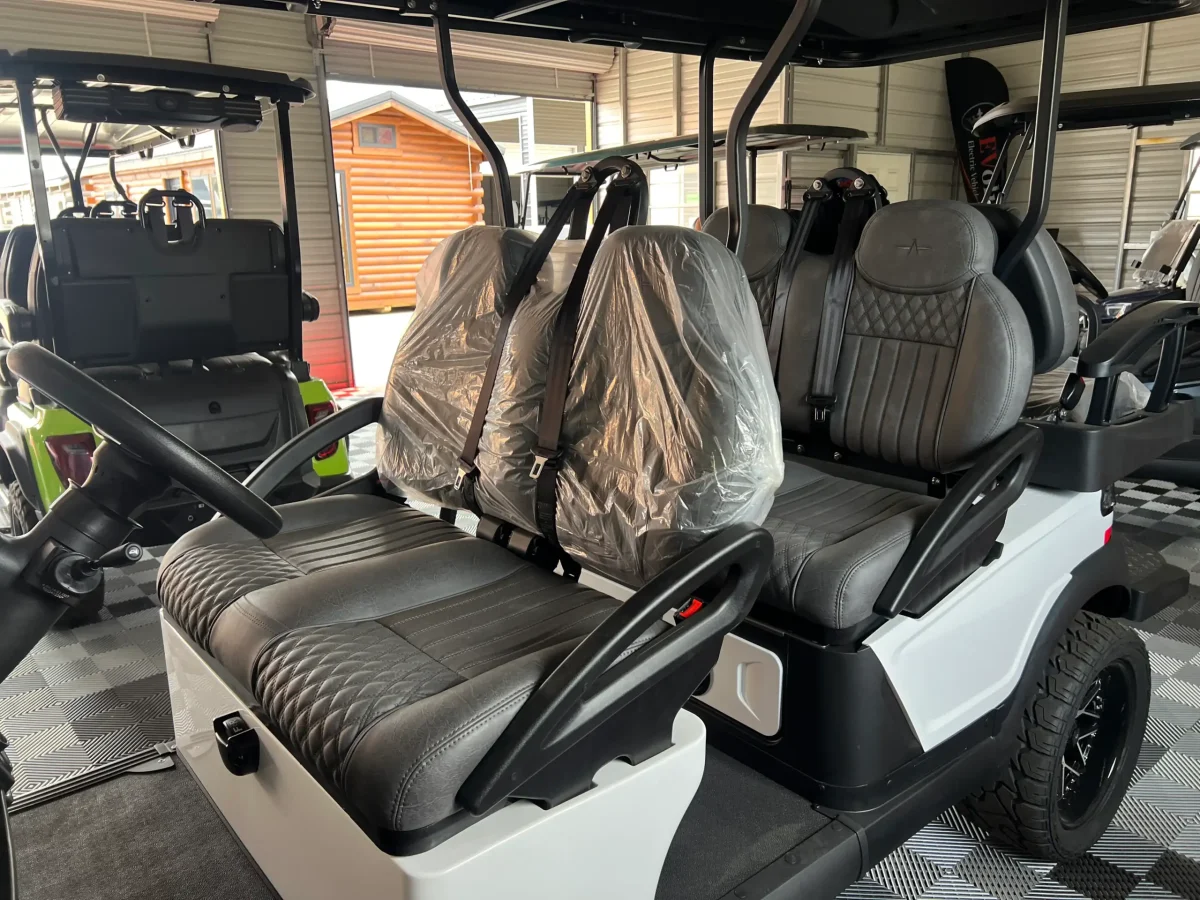
Several major companies brought golf carts into the mainstream, including Club Car, EZGO, and Yamaha. Each contributed to the technology and style we recognize today. Club Car introduced lightweight aluminum frames, EZGO expanded electric engineering, and Yamaha brought power and reliability through advanced gas engines. Many of their innovations pushed the industry forward and influenced models developed by newer manufacturers. These companies also helped the golf cart evolve into an important part of leisure and transportation life across the country. To explore modern cart selections and advanced features, you can visit the Hartville Golf Carts homepage.
The Shift Toward Modern Electric Models
Electric carts have grown rapidly in popularity due to lower maintenance requirements and quiet operation. Modern controllers, upgraded batteries, and enhanced charging systems make today’s electric carts far more capable than the early versions. Owners enjoy smooth acceleration, improved safety systems, and a comfortable ride. These advancements represent decades of engineering progress that began with the early experiments of small electric vehicles. The development of stronger motors and better energy management systems continues to push the industry forward.
How Innovation Led to the Dach Apollo Rider
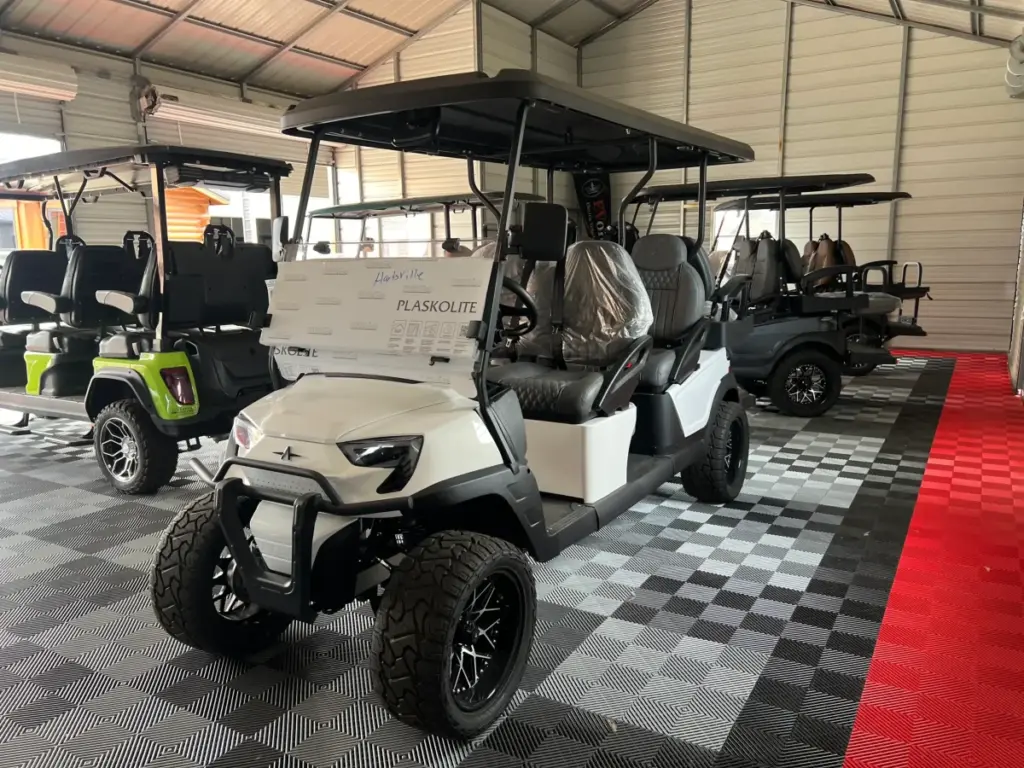
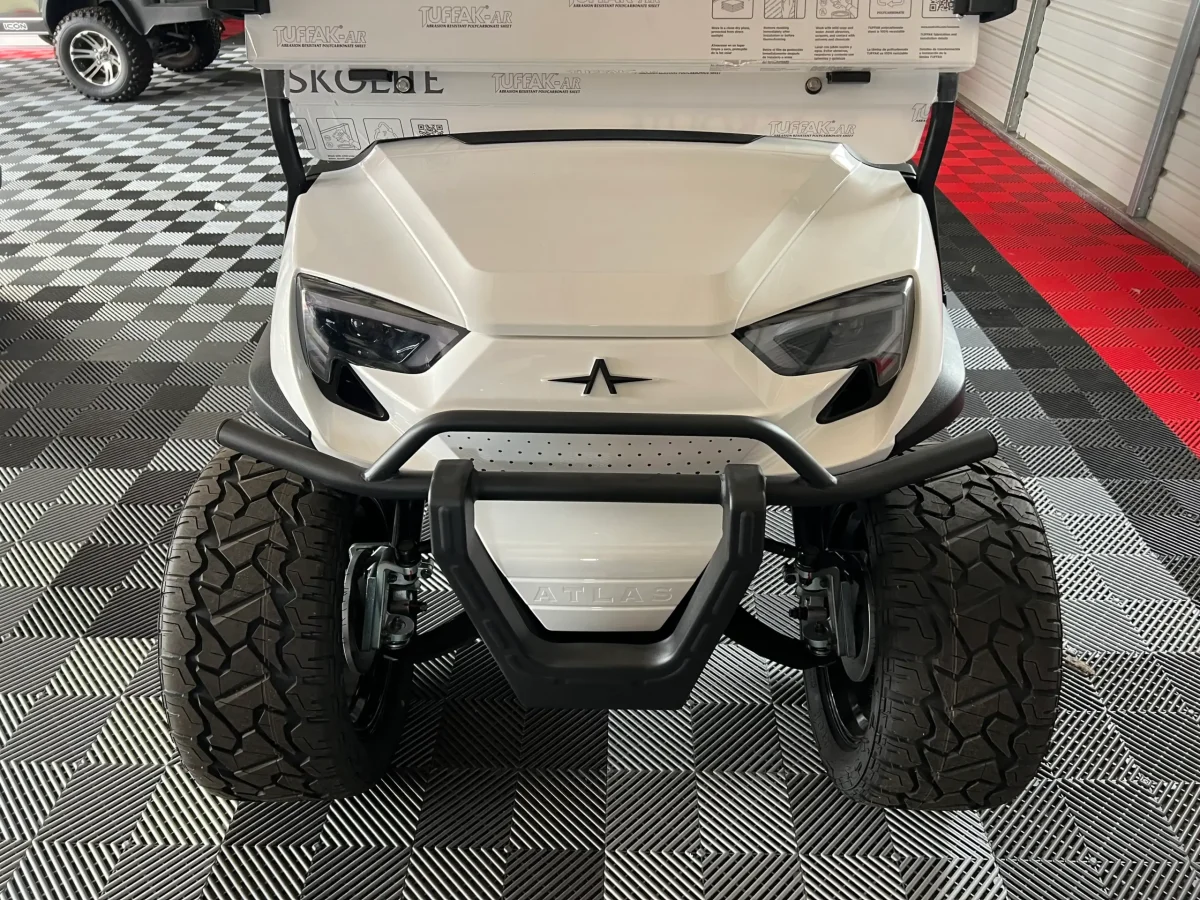
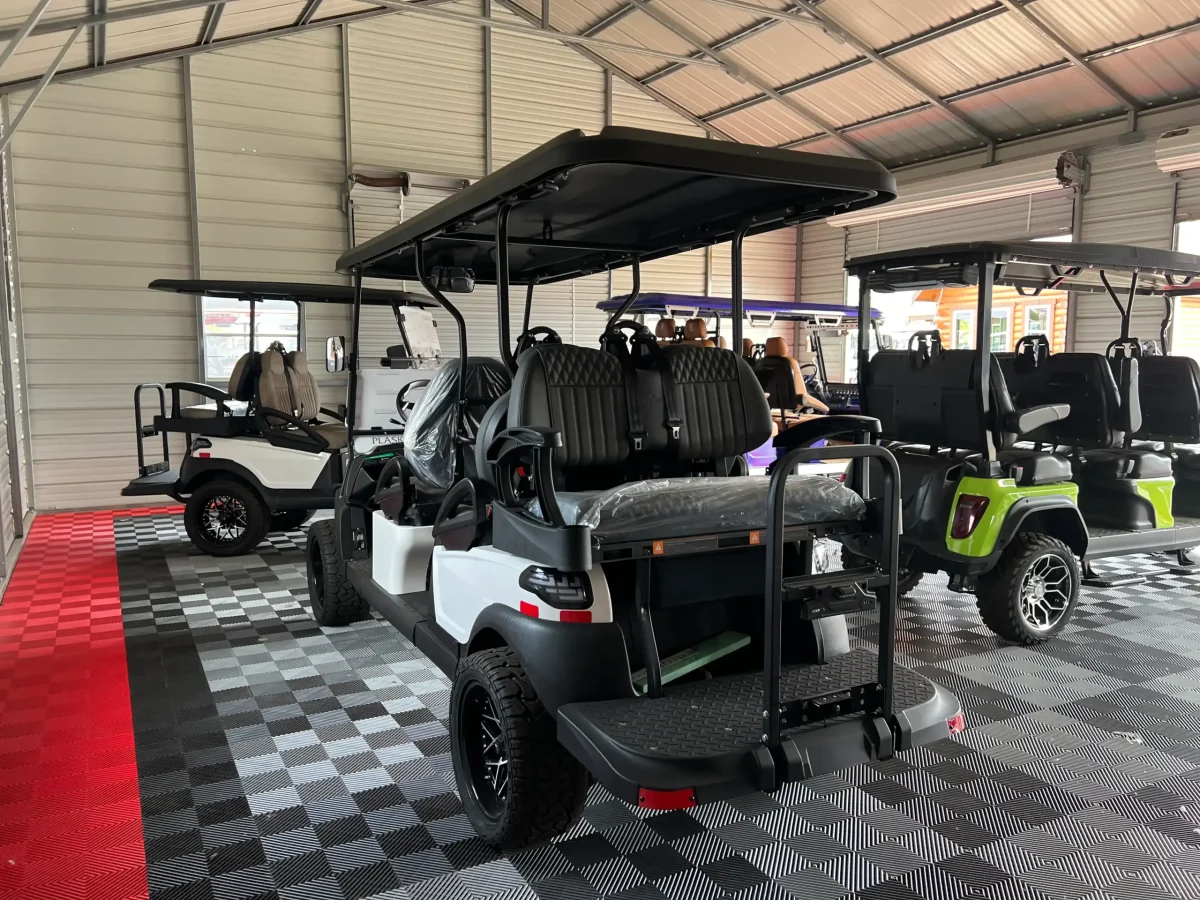
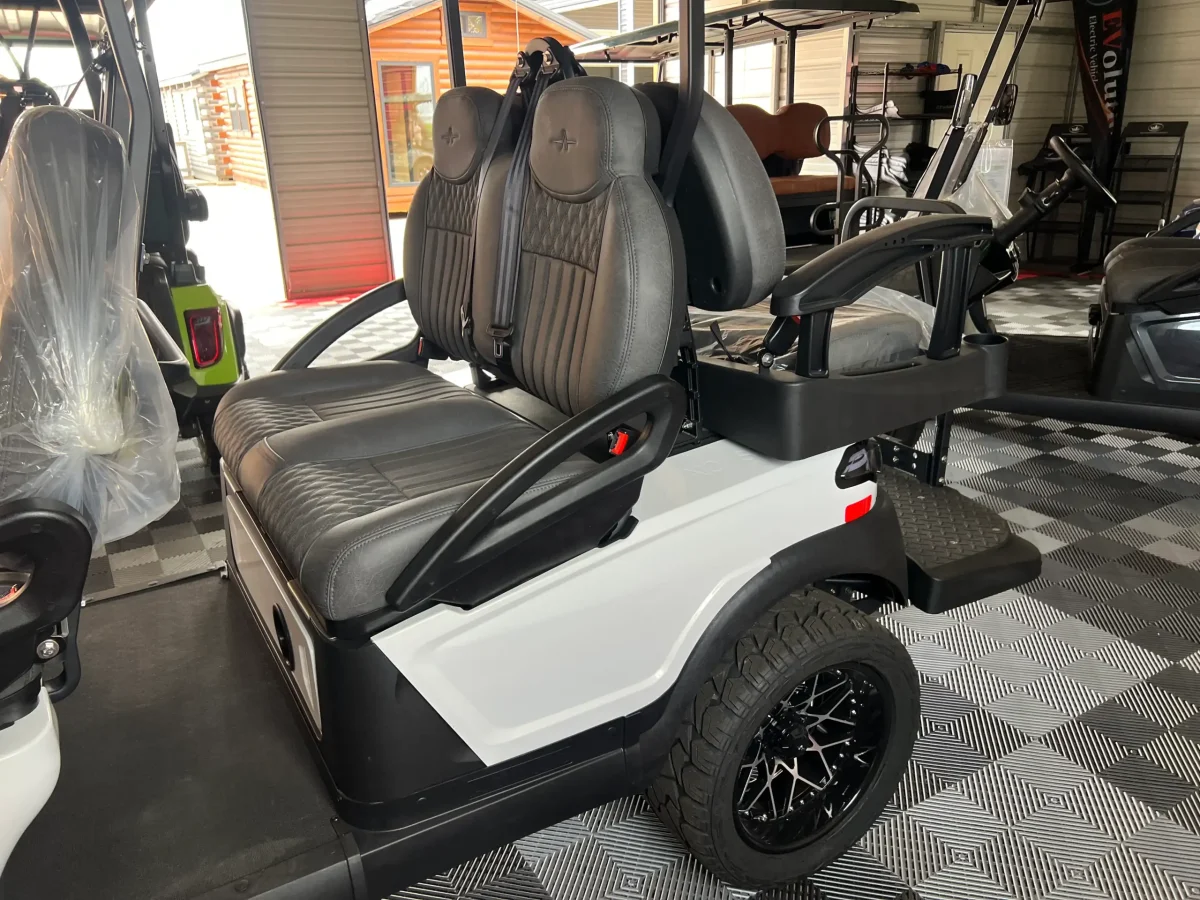
The modern golf cart is the result of continuous refinement and innovation. Models like the Dach Apollo Rider show how far the industry has advanced. This cart takes inspiration from the early electric designs while offering modern power, comfort, and technology. It includes refined engineering, improved handling, and a stylish finish that reflects the expectations of today’s buyers. This progression connects directly to the inventors who imagined compact electric transportation nearly a century ago. Their ideas created the foundation for models that now offer performance and design suitable for everyday use.
Golf Carts as Personal Transportation
What began as an experimental vehicle for mobility has become a widely used form of transportation. Many planned communities encourage golf cart travel to reduce congestion and create quieter, safer environments. Families enjoy using carts to commute around neighborhoods or visit community amenities. Resorts provide carts to guests so they can travel easily across large properties. This expanded role shows how the original invention grew into something much larger than a simple tool for golfers. The adaptability of the cart makes it an important part of recreational and practical transportation today.
The Role of Innovation in Shaping Modern Expectations
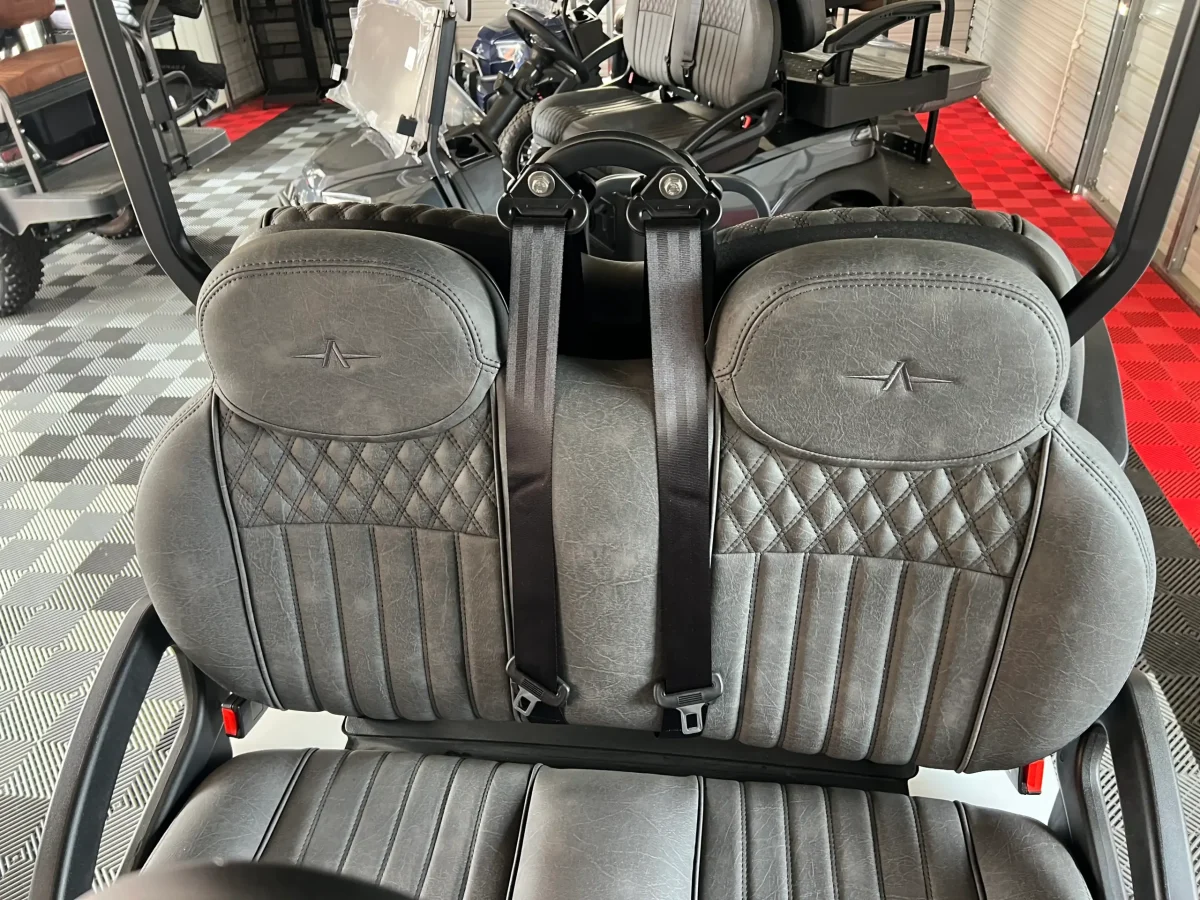
Today’s buyers expect more from their golf carts than earlier generations did. Safety features, comfortable seating, durable engineering, and attractive styling are now standard considerations. These expectations come from years of improvement and creative thinking. Modern carts combine the spirit of the original invention with contemporary performance and design. They serve as versatile vehicles that offer convenience, enjoyment, and long term reliability. For many buyers, the golf cart has become a key part of their lifestyle rather than a simple accessory.
Understanding the Inventor’s Legacy
The individuals who contributed to the early development of golf carts may not have known how significant their work would become. Their pursuit of small electric transportation created the foundation for an entire industry. Each step forward, from personal mobility vehicles to dedicated golf course carts and then to modern recreational models, reflects a journey of creativity and innovation. That legacy lives on each time someone takes a relaxing drive around a neighborhood or across a golf course in a comfortable and capable golf cart.
Why Golf Cart History Still Matters
Learning who invented the golf cart gives modern owners a deeper understanding of the vehicle they enjoy today. This history explains how simple ideas can grow into widespread solutions that impact daily life. It also shows how much design and engineering have changed over time. The golf cart’s journey from early electric experiments to advanced modern models reflects the creativity that drives transportation forward. Owners who appreciate this history often see their carts as more than conveniences. They view them as part of a long tradition of innovation that continues to evolve.
Conclusion
The story of who invented the golf cart is a journey through early electric mobility, creative thinking, and decades of improvement that transformed a simple concept into a vehicle people use every day. Modern models take inspiration from those original ideas while offering advanced comfort, refined engineering, and reliable performance. If you are ready to explore today’s lineup of feature rich golf carts and find a model that fits your lifestyle, contact the team at Hartville Golf Carts for expert guidance and availability.