
Rain does not always mean a golf course will close. Many golfers are surprised to learn that courses often remain open during wet weather, depending on safety, drainage, and overall conditions. Understanding how golf courses handle rain helps players plan rounds more confidently and avoid unnecessary cancellations.
Do Golf Courses Automatically Close When It Rains
Golf courses do not automatically close just because it starts raining. In most cases, light to moderate rain is considered part of normal playing conditions, especially in regions where rainfall is common. Courses are designed to handle moisture, and staff typically monitor conditions closely before making closure decisions. Management looks at how rain affects visibility, walking surfaces, turf stability, and player safety rather than reacting to rain alone. Many golfers continue playing during steady drizzle without issue, while closures are more likely during heavy rain events or storms that compromise safety. This approach allows courses to remain accessible while still protecting players and property.
Why Drainage Systems Matter So Much
Drainage is one of the most important factors that determines whether a golf course stays open during rain. Modern golf courses rely on engineered drainage systems beneath fairways, greens, and bunkers to move water away efficiently. Sand-based greens, sloped surfaces, and underground piping help prevent water from pooling. Courses with effective drainage often reopen quickly after rainfall stops, sometimes within minutes. Poor drainage, however, can leave standing water, soft turf, and unstable footing. This is why two nearby courses may respond very differently to the same rain event. Drainage quality directly impacts playability and safety.
How Safety Influences Closure Decisions
Safety is the top priority when golf courses consider closing due to rain. Slippery paths, reduced traction, and limited visibility can create hazards for players and staff. Lightning is the most common reason for immediate suspension of play, regardless of turf conditions. Even if a course drains well, lightning poses serious risks on open terrain. The National Weather Service provides clear guidance on lightning safety for outdoor recreation at weather.gov. Courses may also close temporarily during intense downpours that make walking surfaces unsafe, even without lightning present.
Light Rain Versus Heavy Rain Conditions
Light rain rarely causes golf courses to close. Many golfers play comfortably during mist or drizzle, especially when temperatures are mild and wind is low. Heavy rain, however, can overwhelm drainage systems, soften fairways, and flood bunkers. When rain falls faster than the ground can absorb or redirect it, courses may suspend play to protect turf and prevent damage. Heavy rain can also make greens unpredictable and walking paths slick. These conditions usually result in delays or closures until rainfall slows or stops and the course recovers.
How Rain Affects Greens and Fairways
Rain impacts greens and fairways differently depending on soil composition and maintenance practices. Greens are often built with sand-based layers that allow water to drain quickly, while fairways may retain more moisture. Wet greens can become slower and more receptive, changing putting dynamics. Fairways may become softer, affecting ball roll and stance stability. Course managers assess whether these changes remain playable or cross into unsafe territory. Their goal is to maintain fair playing conditions without causing long-term turf damage.
What Happens to Bunkers During Rain
Bunkers are particularly vulnerable during heavy rain. Water can wash sand into uneven patterns, create compacted areas, or leave standing water. While bunker condition alone rarely forces full course closure, it can lead to temporary restrictions or maintenance delays. Courses often rake and repair bunkers once rain stops, but during ongoing rainfall, bunker play may be compromised. Golfers should expect altered bunker conditions during wet rounds and understand that restoration takes time after storms.
Cart Rules During Rainy Conditions
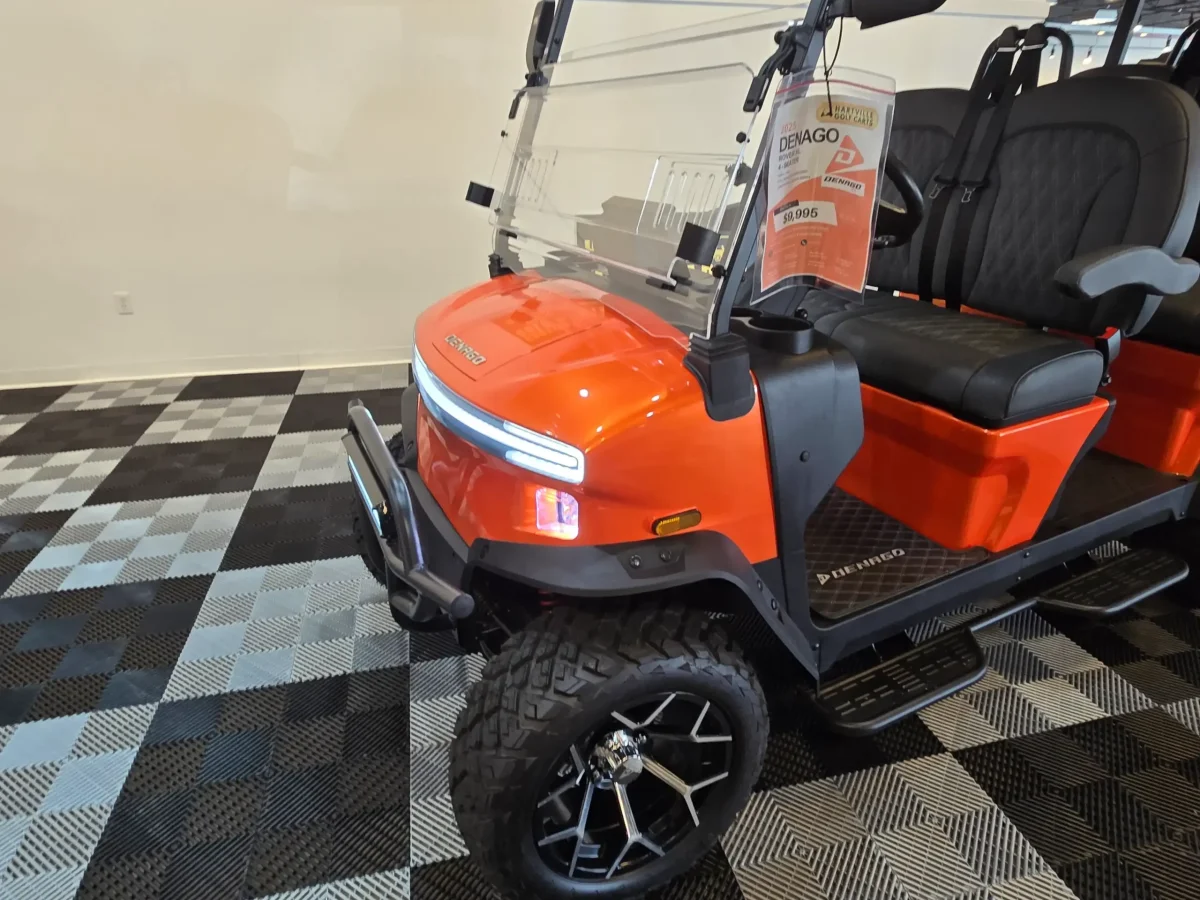
Rain often changes how golf carts are used on the course. Many facilities enforce cart-path-only rules to prevent damage to wet turf and reduce the risk of carts getting stuck. Wet grass becomes more vulnerable to ruts and compaction, especially on slopes. Some courses may limit cart use entirely during heavy rain, while others restrict access to certain areas. These policies are designed to protect the course and maintain safe operation rather than inconvenience players.
Why Golf Cart Reliability Matters in Wet Weather
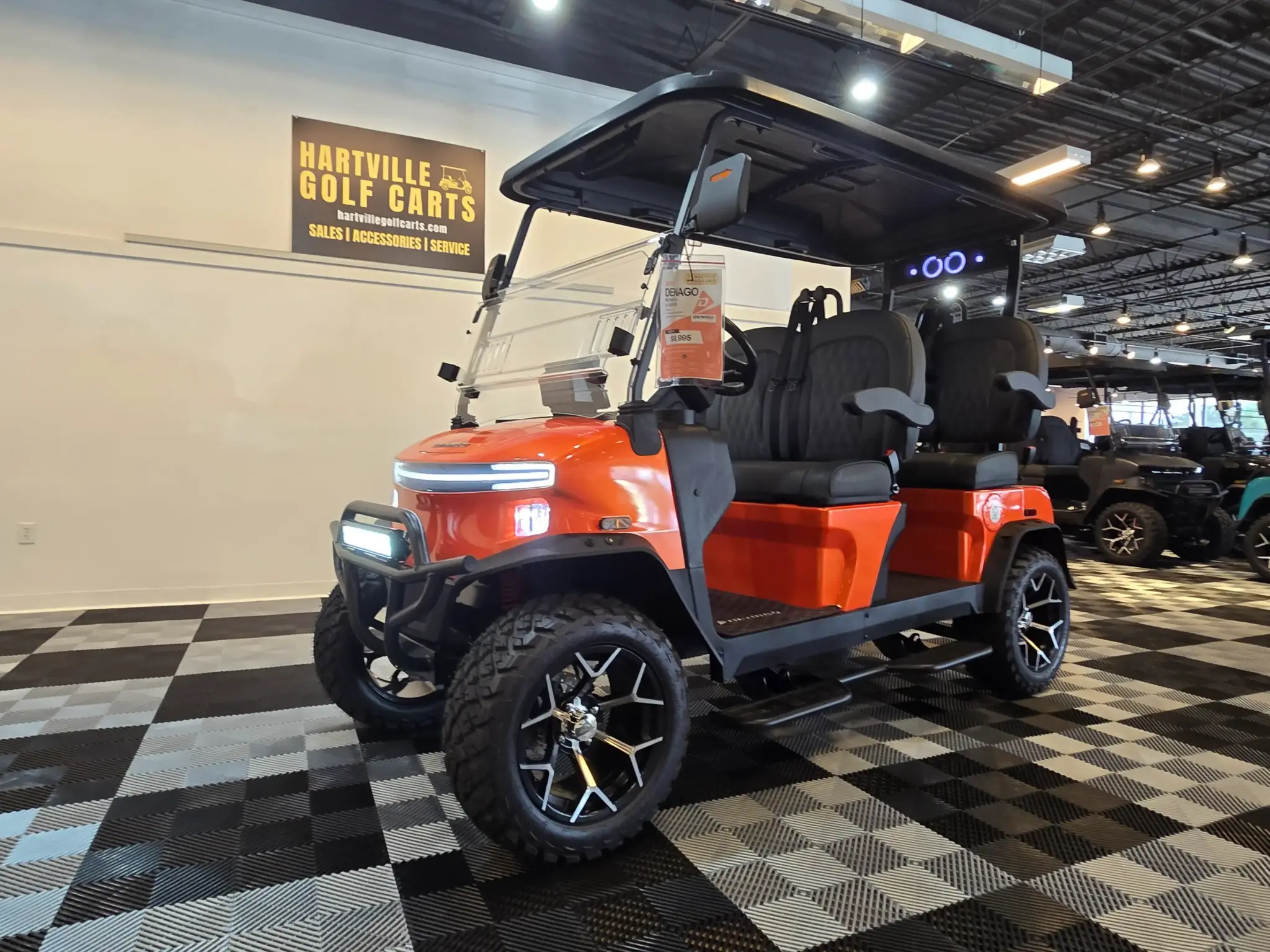
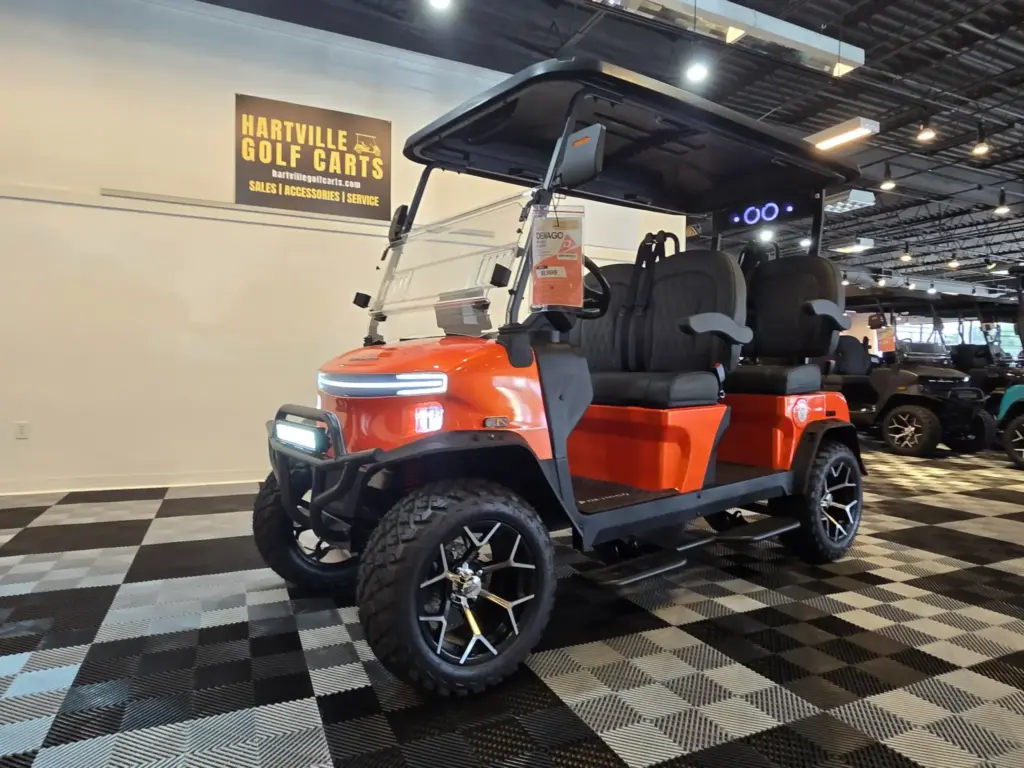
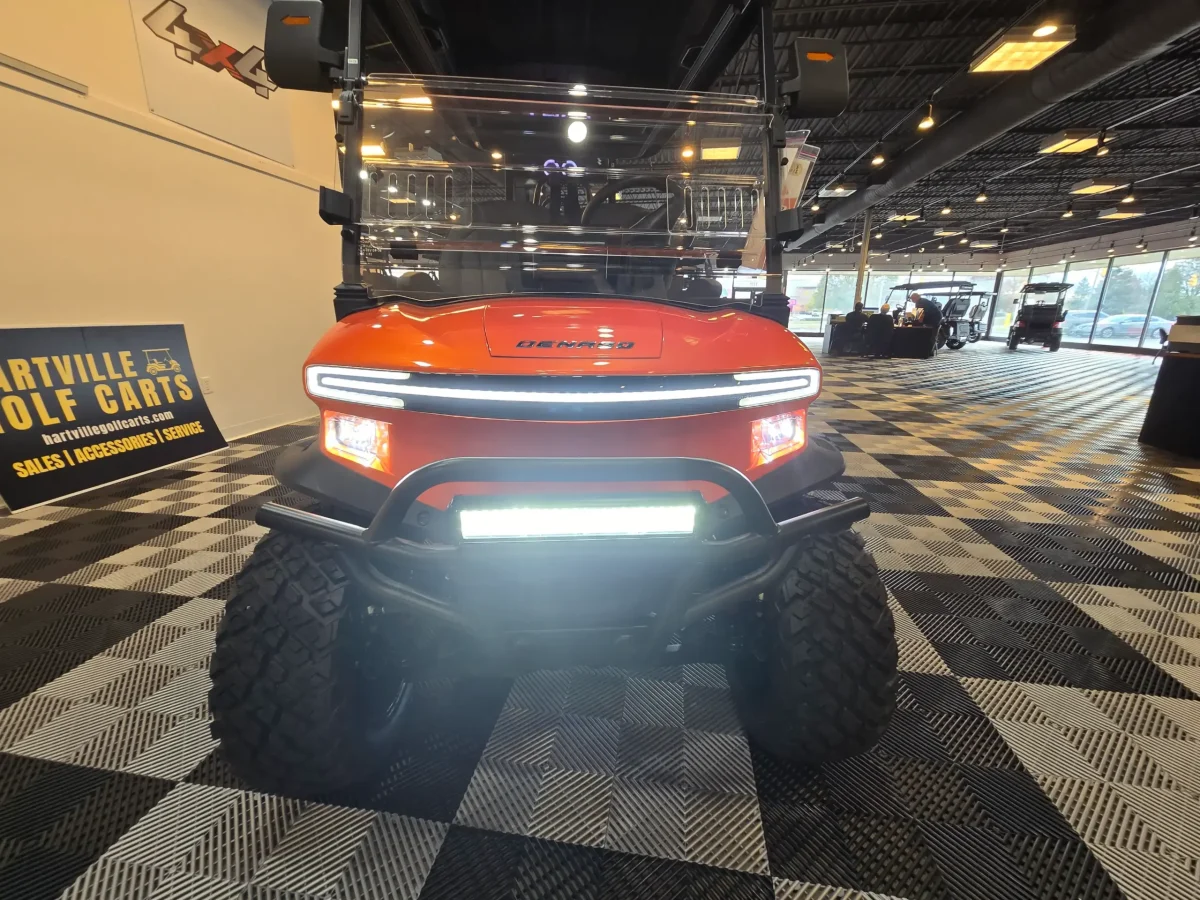
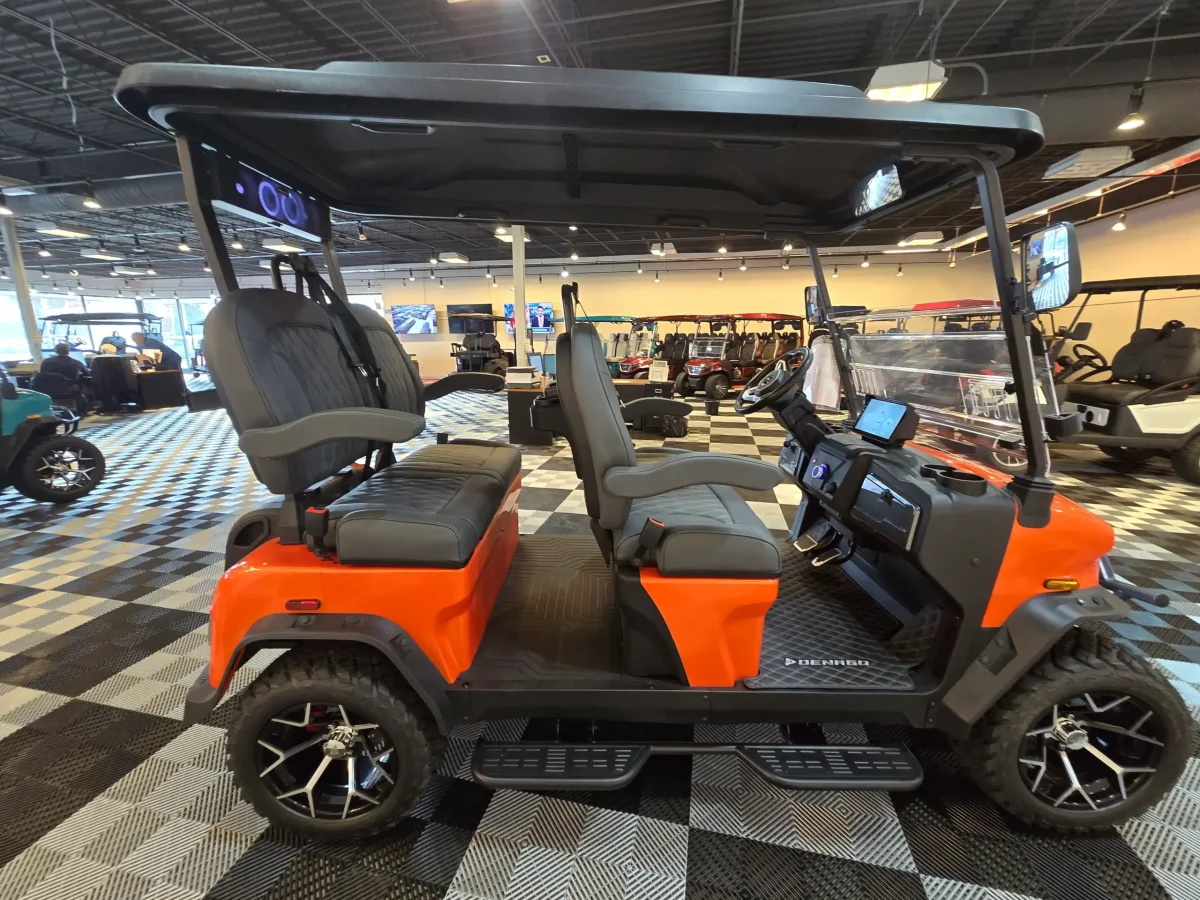
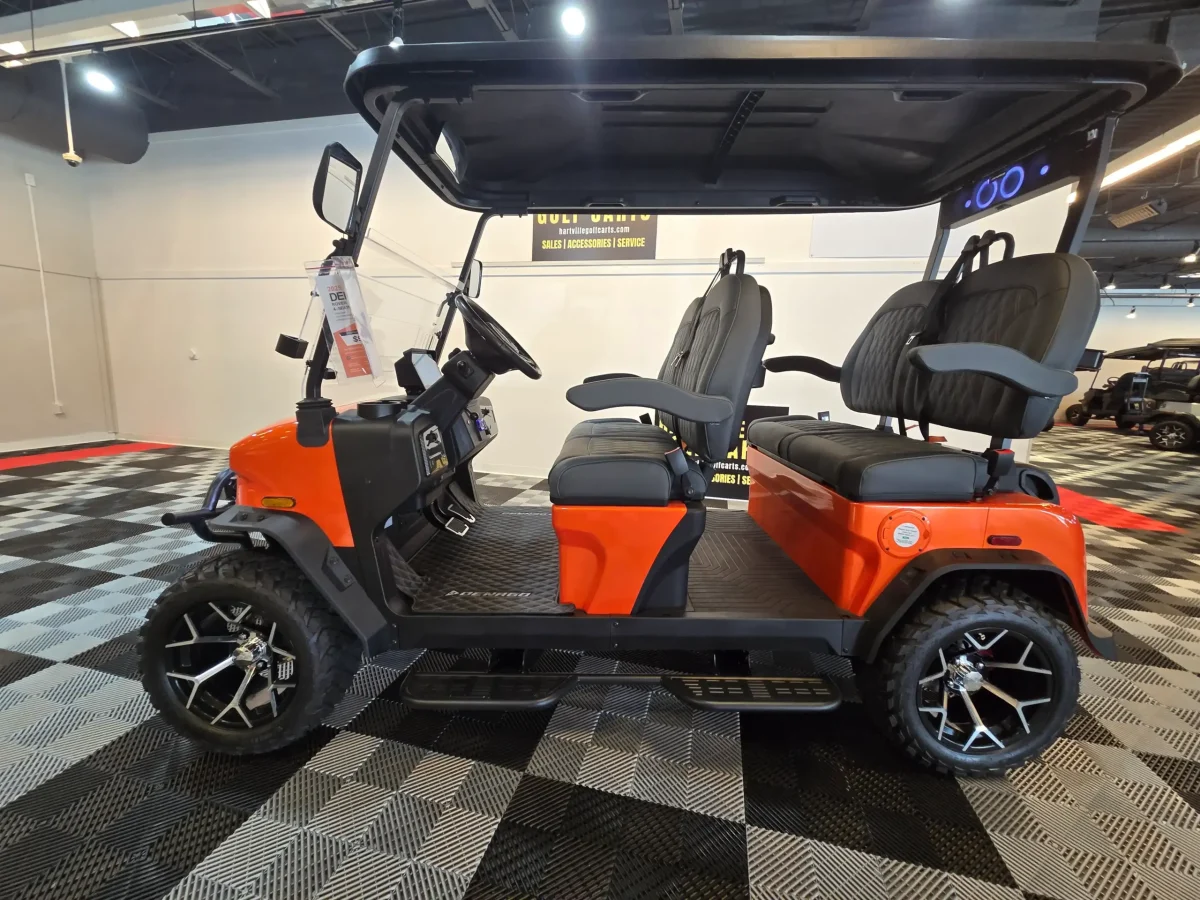
Wet conditions highlight the importance of reliable golf carts. Smooth braking, stable handling, and consistent power delivery become more noticeable when paths are slick. Carts that handle predictably help reduce risk during damp conditions. Courses and individual owners benefit from dependable equipment that performs consistently regardless of weather. Choosing quality golf carts supports safer operation and reduces interruptions during rainy rounds.
How Walking Golfers Are Affected by Rain
Walking golfers face different challenges in rainy conditions. Wet grass increases fatigue, slippery slopes require careful footing, and carrying or pushing equipment becomes more demanding. Courses evaluate whether walking paths remain safe, especially on hilly terrain. In some cases, walking may continue while carts are restricted, depending on conditions. Golfers who prefer walking often prepare with appropriate footwear and rain gear to maintain comfort and safety.
Rain Policies at Public Versus Private Courses
Public and private courses may approach rain differently. Public courses often aim to remain open whenever safely possible to accommodate scheduled tee times. Private clubs may take a more conservative approach to protect course conditions for members. These differences reflect management priorities rather than fundamental disagreements about safety. Golfers should check with individual courses to understand their specific weather policies.
Course Maintenance After Rainfall
Once rain stops, maintenance crews work quickly to restore playing conditions. This may include repairing bunkers, clearing debris, and assessing turf health. Courses with strong drainage recover faster, while others may require additional time. Golfers may notice temporary changes such as restricted areas or altered mowing schedules as courses recover. These efforts protect long-term turf quality.
Why Courses Sometimes Stay Closed After Rain Ends
Even after rain stops, some courses remain closed to allow the ground to firm up. Saturated soil can be easily damaged by foot traffic and carts. Allowing time for drainage prevents ruts and compaction that could affect play for days or weeks. While frustrating for golfers, these closures protect the course and ensure better conditions in the long run.
How Rain Impacts the Overall Golf Experience
Rain changes the rhythm of a round but does not always reduce enjoyment. Some golfers appreciate quieter courses and softer conditions. Others prefer to wait for dry weather. Understanding how rain affects play helps golfers choose when to play and when to reschedule. Informed decisions lead to better experiences regardless of weather.
The Role of Equipment During Wet Rounds
Equipment plays a larger role during rain. Waterproof footwear improves stability, while rain gloves maintain grip. Reliable golf carts contribute to safety and comfort when conditions are damp. Courses and players alike benefit from equipment designed to perform consistently in varied weather. Preparation reduces risk and enhances confidence.
Choosing Reliable Golf Carts for Long Term Use
For courses and individuals investing in golf carts, reliability matters year-round. Carts built for stability, smooth braking, and consistent performance offer peace of mind in both dry and wet conditions. Long-term value comes from choosing equipment that performs predictably and supports safe use across changing weather.
Conclusion
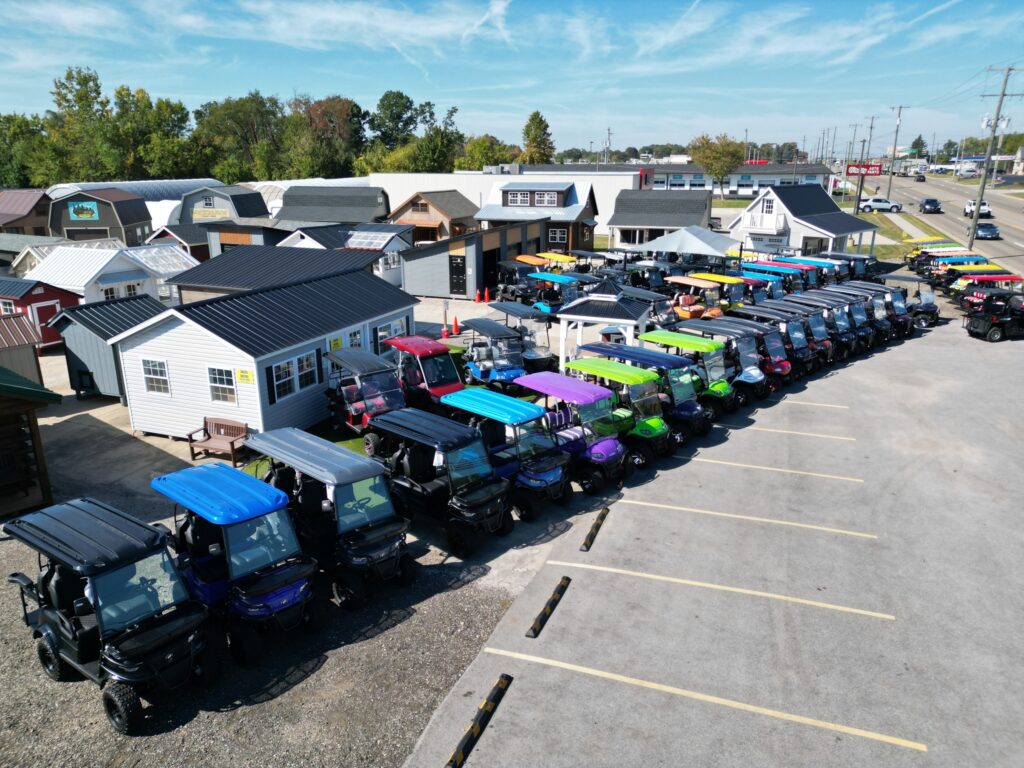
Golf courses do not automatically close when it rains, but decisions depend on safety, drainage, and course conditions. Light rain often allows play to continue, while heavy rain or lightning may lead to delays or closures. Understanding these factors helps golfers plan ahead and manage expectations. For those interested in dependable golf cart options and flexible purchasing solutions, Hartville Golf Carts offers quality golf carts, helpful financing options, and assistance through their contact page.