
Cold weather raises many questions for electric scooter owners, especially those who rely on scooters for daily transportation. Snow, freezing temperatures, and icy roads create uncertainty about safety and performance. Riders who already understand electric mobility through golf carts often ask the same practical question before winter arrives: can you use electric scooter in winter? The answer is yes, but only with the right expectations, preparation, and understanding of how winter conditions affect both the rider and the scooter.
How Winter Weather Affects Electric Scooters
Winter conditions affect electric scooters in several important ways. Cold temperatures reduce battery efficiency, which shortens range and affects power delivery. Moisture from snow and slush introduces additional wear on components, especially if scooters are not cleaned or dried properly. Road conditions also change, with ice, salt, and uneven pavement creating traction challenges. These effects are similar to what golf cart owners experience during colder months, although scooters are lighter and more sensitive to surface changes. Understanding how winter impacts performance helps riders adjust expectations and avoid unnecessary damage. Winter riding is less about pushing limits and more about adapting to conditions thoughtfully.
Battery Performance in Cold Temperatures
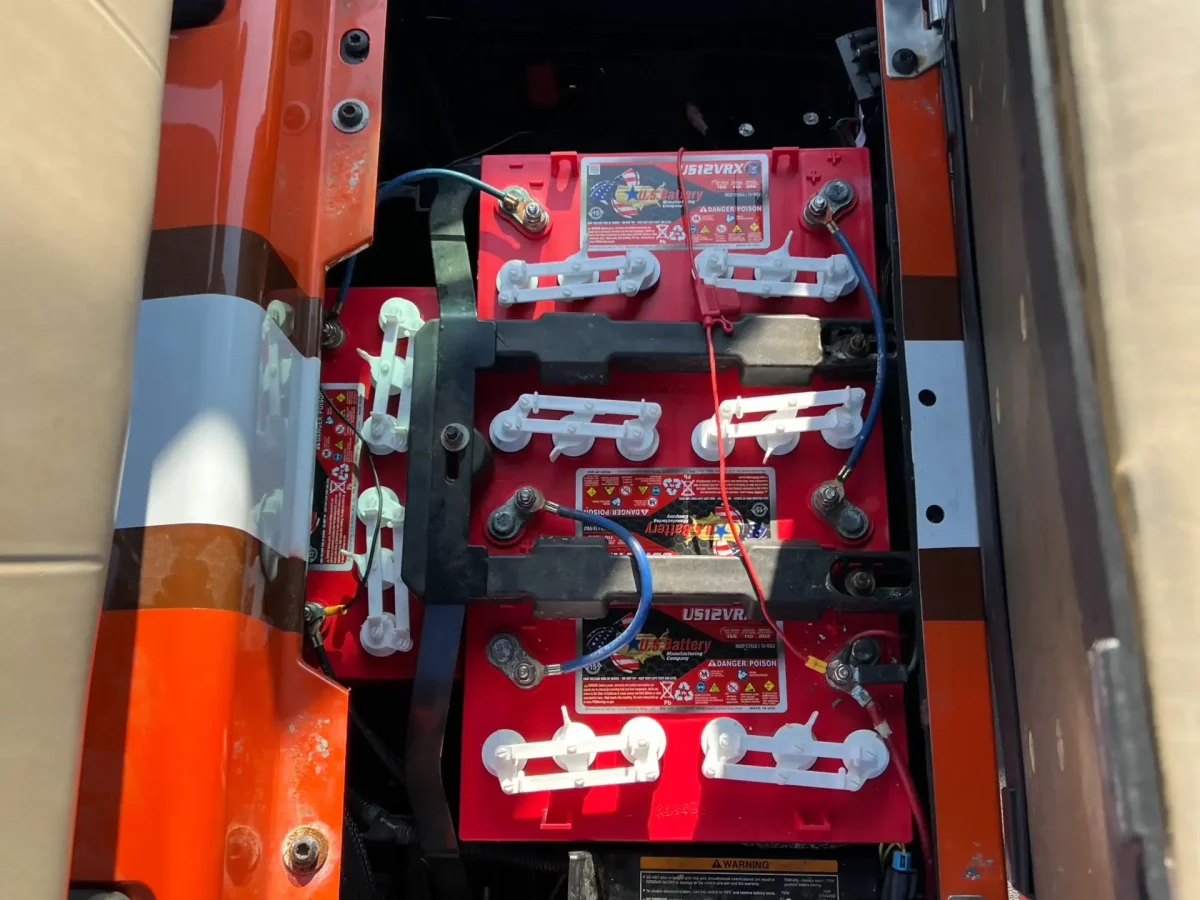
Battery performance is one of the most noticeable changes riders experience in winter. Cold temperatures slow chemical reactions inside lithium batteries, which reduces available capacity. This means scooters may travel shorter distances on a full charge during winter compared to warmer months. Power delivery can also feel less responsive until the battery warms through use. This behavior is normal and does not mean the battery is damaged. Golf cart owners often see similar seasonal changes. Riders who plan winter trips should allow extra margin in range and avoid running batteries too low, as cold conditions increase strain on battery cells.
Traction, Tires, and Road Safety
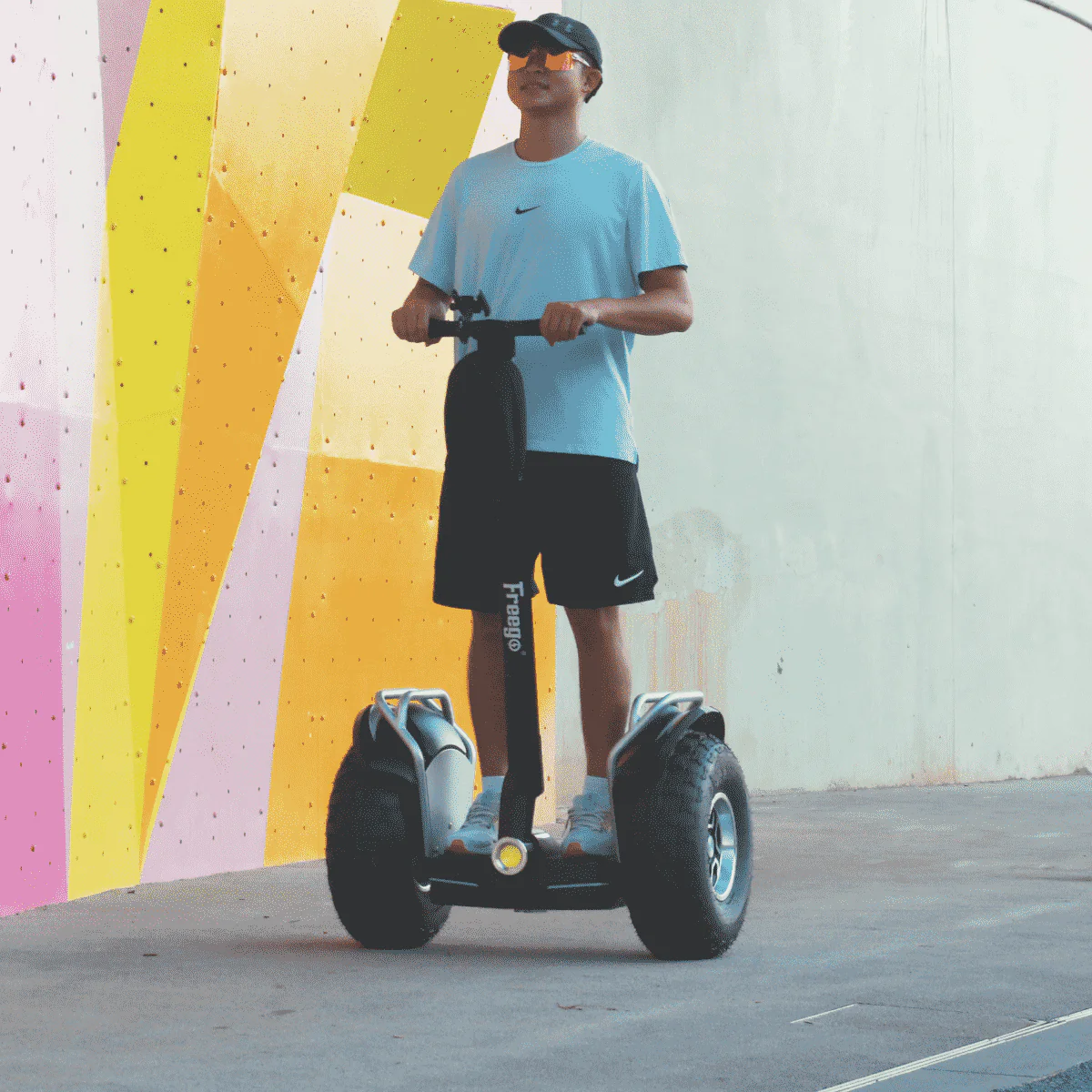
Traction becomes a major concern when riding electric scooters in winter. Ice, snow, and wet pavement reduce grip and increase stopping distance. Scooters have smaller tires than golf carts, which makes surface conditions even more important. Smooth tires struggle on slick roads, while treaded tires offer better control. Riders should reduce speed, avoid sharp turns, and brake gradually. Winter riding requires patience and awareness. If conditions feel unsafe, choosing not to ride is often the smartest decision. Protecting the rider matters more than convenience.
Protecting the Scooter From Moisture and Salt
Winter introduces moisture in the form of snow, slush, and road spray. Salt used on roads can accelerate corrosion if left on scooter components. After riding in winter conditions, cleaning and drying the scooter becomes essential. Wiping down the frame, wheels, and exposed areas helps prevent long-term damage. Allowing the scooter to dry indoors protects electrical components. Golf cart owners already understand how winter road treatments affect metal and electrical systems. Applying similar care habits to scooters helps preserve reliability through the season.

Using Electric Scooters for Daily Winter Transportation
Many riders successfully use electric scooters for daily transportation during winter, especially for short trips. Neighborhood routes, campus paths, and low-traffic areas often remain manageable even in colder weather. Riders who already use golf carts in cooler months often transition easily to scooters with adjusted expectations. Dressing appropriately, riding defensively, and planning routes carefully all contribute to safer winter use. Scooters are best suited for cleared roads and light winter conditions rather than deep snow or icy surfaces.
Choosing a Scooter Built for Real-World Conditions
Not all electric scooters perform equally in winter. Build quality plays a major role in how well a scooter handles cold, moisture, and uneven surfaces. Scooters designed for practical transportation often feature better sealing, stronger frames, and more stable handling. Many buyers explore winter-capable options through Hartville Golf Carts because the dealership already understands electric vehicles used outdoors year-round. Choosing a scooter designed for real-world conditions reduces winter-related issues and improves overall ownership experience.
Wolf Brand Scooters and Cold-Weather Reliability
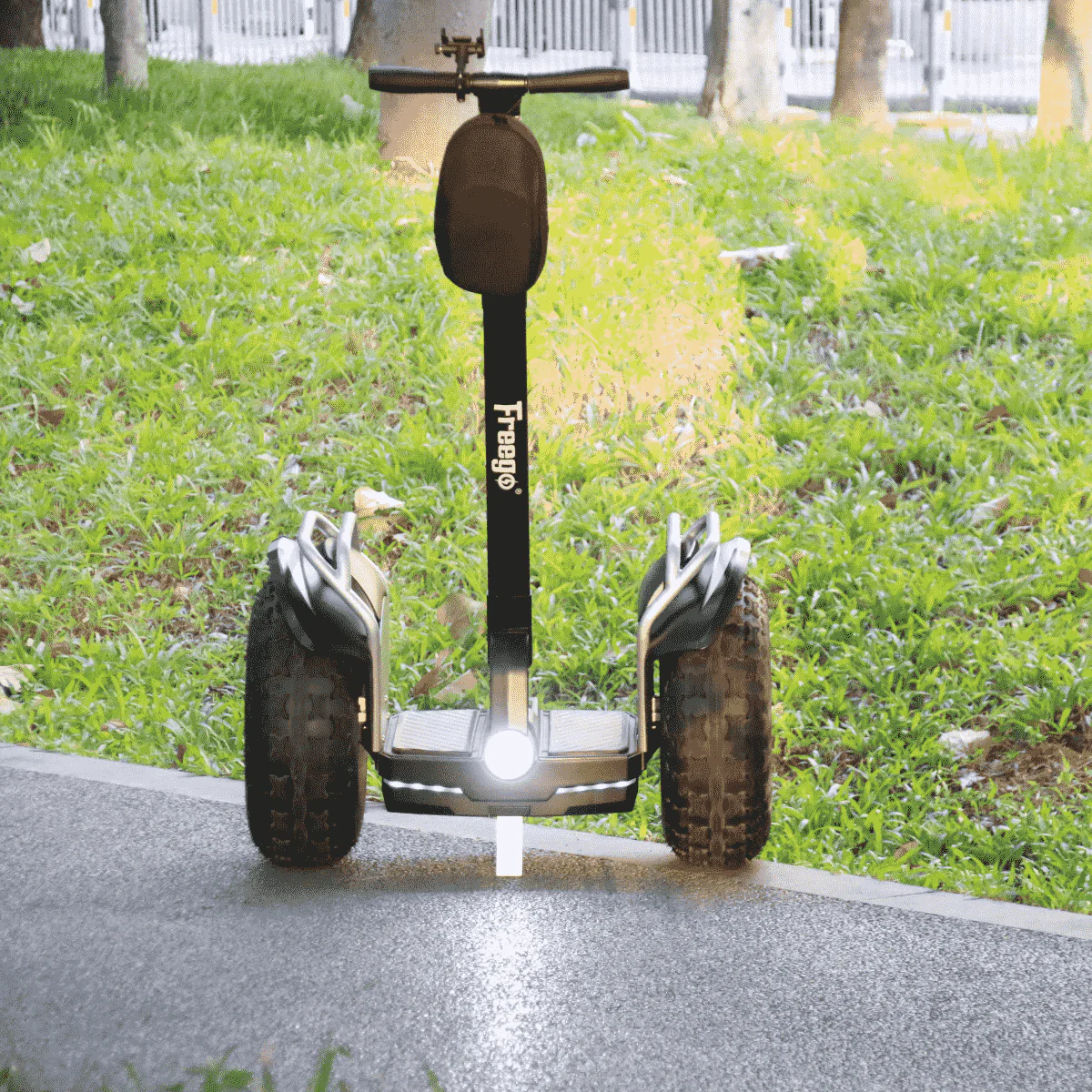
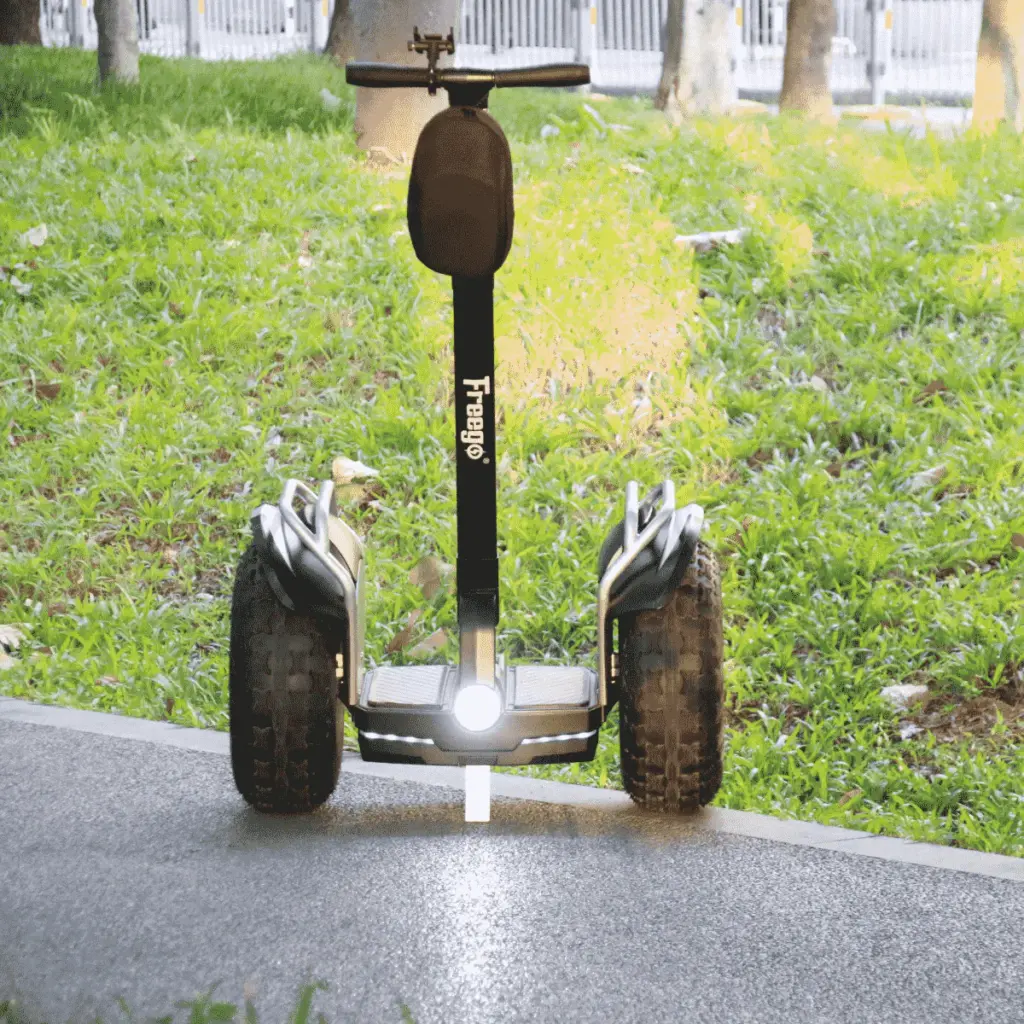
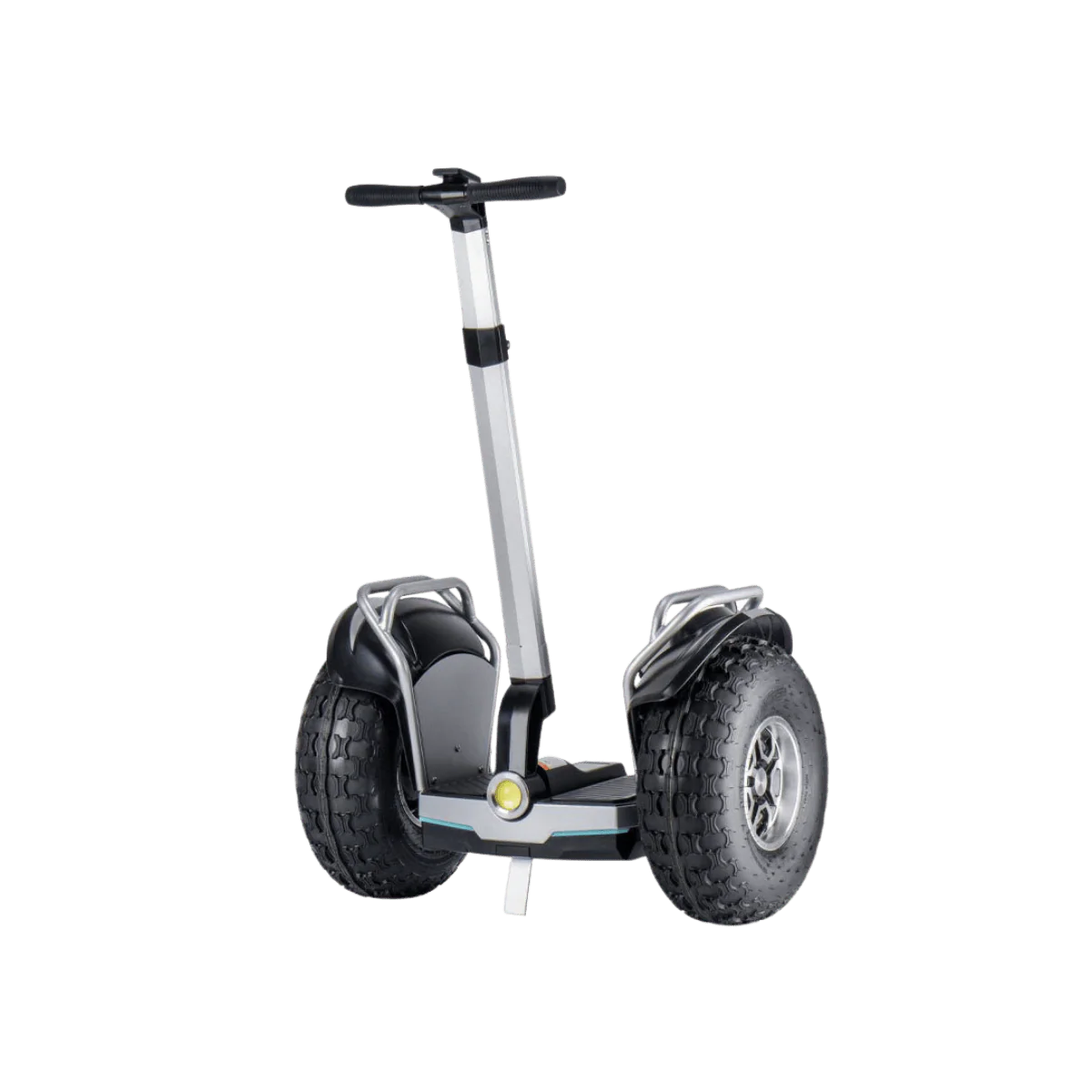
Wolf Brand scooters are designed with durability and everyday usability in mind, which benefits riders in colder seasons. Their construction focuses on stability, predictable handling, and consistent power delivery. Riders can explore the full lineup of Wolf Brand scooters to compare models built for regular outdoor use rather than ideal conditions. While no scooter is designed for severe winter storms, solid construction provides better confidence during cold-weather riding.
Featured Model for Practical Winter Riding
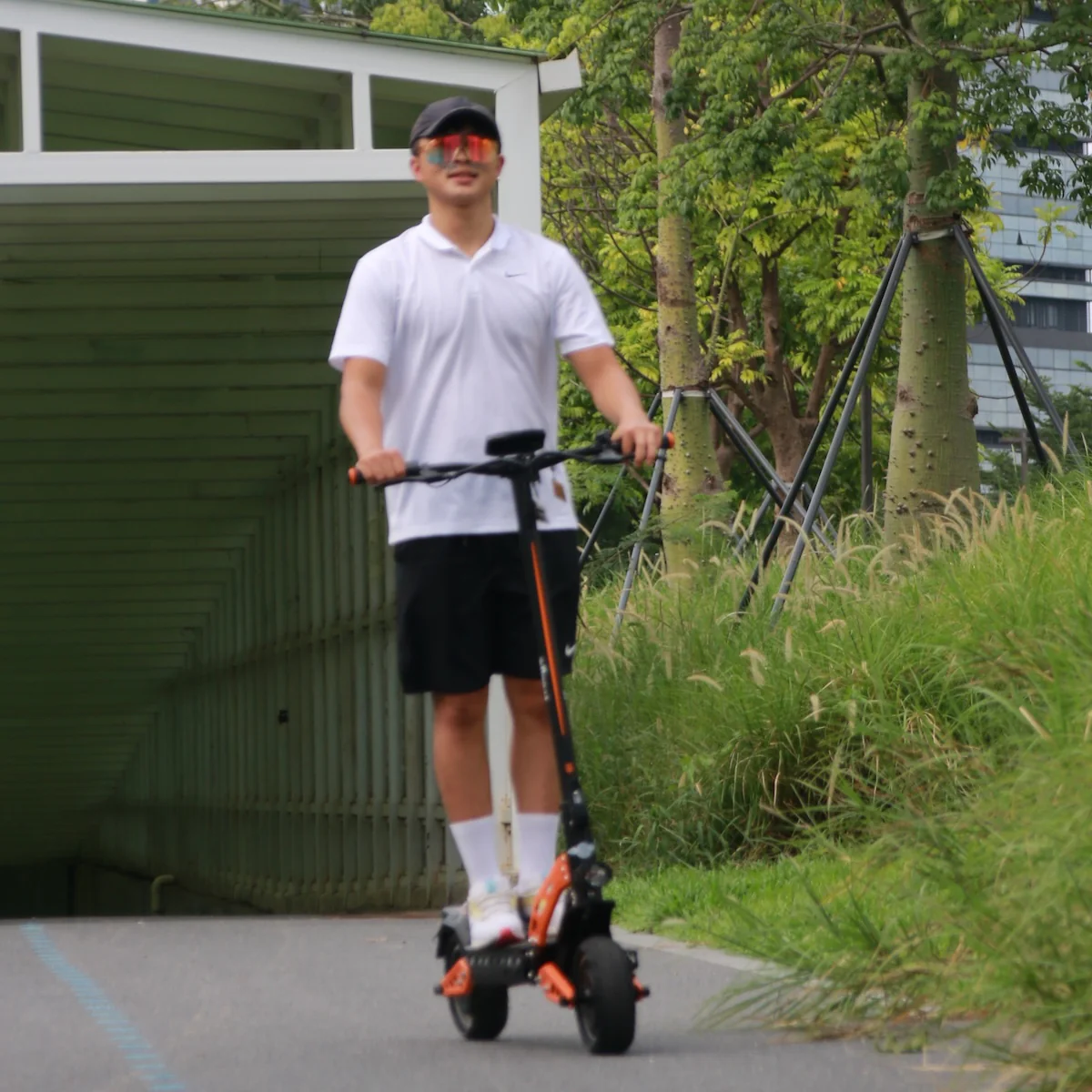
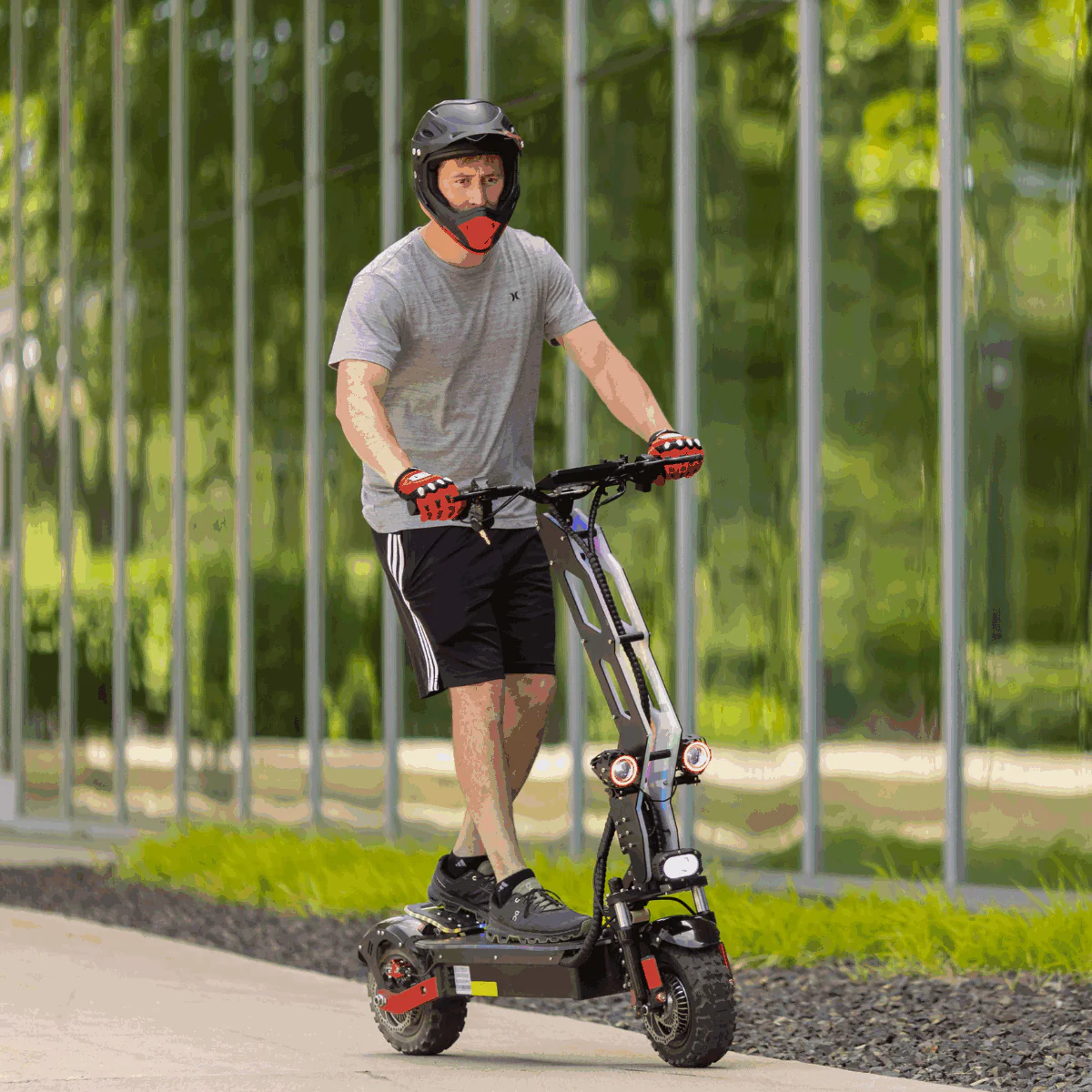
The Wolf Brand Rugby offers a balanced option for riders who want dependable performance during cooler months. Its design emphasizes stability and manageable power rather than aggressive speed. Riders familiar with golf carts often appreciate scooters that feel predictable and controlled in changing conditions. While winter riding always requires caution, choosing a scooter built for consistent use helps reduce unnecessary stress on components.
Storing and Charging Scooters During Winter
Winter storage plays a critical role in scooter longevity. Storing scooters indoors protects batteries from extreme cold and moisture. Batteries should not be stored fully depleted, especially during winter, as cold increases strain. Charging indoors at moderate temperatures improves efficiency and protects battery health. These habits mirror best practices used by golf cart owners during off-season storage. Riders who manage storage carefully often experience fewer winter-related problems and better spring performance.
When Winter Riding Is Not Recommended
Even with preparation, some winter conditions are not suitable for electric scooter use. Heavy snow, icy roads, and freezing rain create safety risks that outweigh convenience. Riders should avoid riding when traction is unpredictable or visibility is poor. Choosing not to ride during extreme conditions protects both the rider and the scooter. Responsible winter use includes knowing when to pause until conditions improve.
Understanding Cold-Weather Safety Guidance
Transportation agencies regularly study how weather conditions affect low-speed and electric mobility devices. Cold temperatures, reduced traction, and visibility challenges all influence safe winter operation. Public guidance focuses on adapting travel behavior rather than forcing use in unsafe conditions. For broader, non-commercial context on transportation safety, winter travel considerations, and infrastructure impacts, the U.S. Department of Transportation provides authoritative resources that support informed decision-making without commercial bias.
Getting Help With Winter Riding Questions
Riders who are unsure about winter use, maintenance, or model selection benefit from professional guidance. Asking questions before winter arrives helps prevent avoidable issues. Reaching out through the Hartville Golf Carts contact page allows riders to receive advice tailored to specific scooters and riding needs. Dealer support adds confidence when conditions change.
Conclusion
Can you use electric scooter in winter? Yes, with the right preparation, expectations, and care. Cold weather affects battery performance, traction, and maintenance needs, but many riders continue using scooters safely in winter conditions. Choosing well-built models, adjusting riding habits, and knowing when not to ride all contribute to a positive experience. For riders who want dependable electric scooters and expert guidance for year-round use, Hartville Golf Carts remains a reliable place to start.